
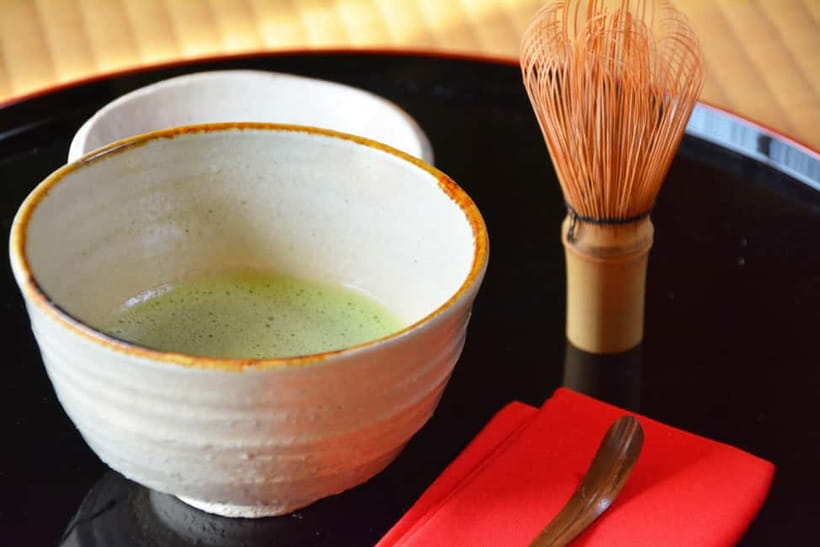
Review · OSAKA
Osaka; Japanese Tea ceremony experience, Macha and Sencha
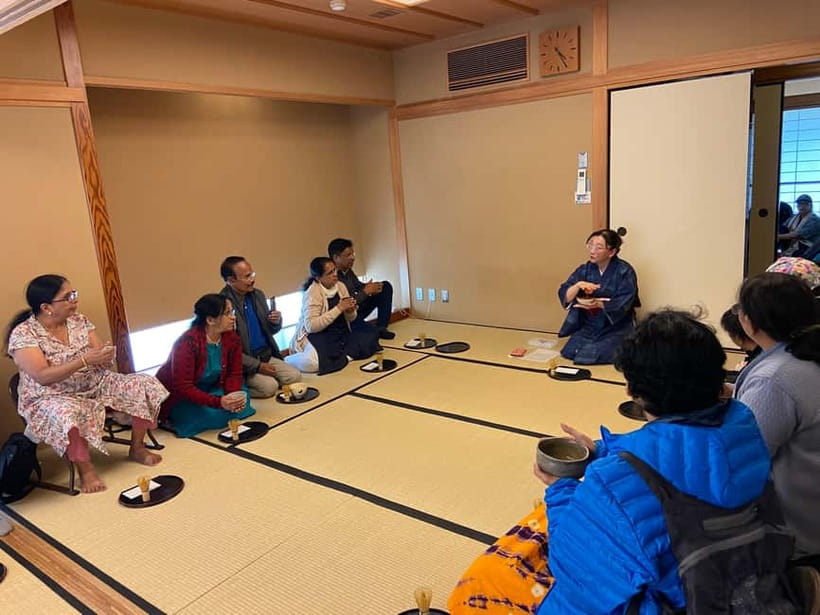
Japanese tea is not simply poured and served. Every movement has a purpose, from the handling of the bowl to the way you receive a sweet. This one-hour Osaka experience lets you watch a tea master, then try the process yourself in a traditional tatami room.
I like the clear contrast between matcha and sencha, and I like that the English-speaking instructors explain both the formal ceremony and the tea Japanese people commonly drink today. The main drawback is the short time: you get a careful introduction, not a full study of tea culture. Food allergies and wheelchair access also require attention.
Key points to know before booking
- Matcha comes first: Watch the tea master prepare powdered green tea, then make your own according to basic ceremony etiquette.
- Sencha gives useful context: You also taste the more everyday green tea served in Japan today.
- Yuko may lead your session: She is praised for her gentle teaching style, clear English, and explanations of tea ceremony history.
- The setting is traditional: The activity takes place in a tatami room rather than a casual café.
- Sweets are part of the lesson: Matcha is paired with traditional Japanese sweets, while sencha comes with current Japanese confectionery.
- A yukata is optional: You can rent one separately and have your photograph taken after dressing.
A quiet introduction to Osaka tea culture
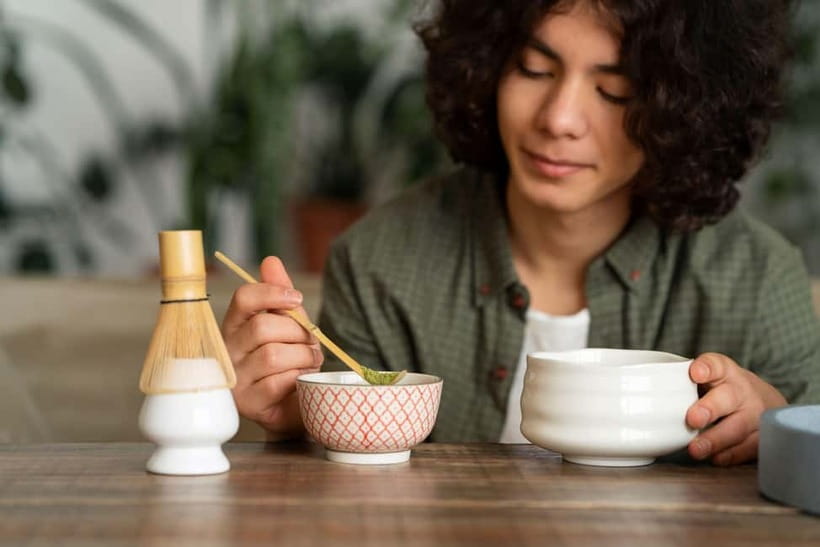
This experience gives you a compact look at two very different sides of Japanese tea. Matcha is the formal star, prepared through a set series of movements in the tatami room. Sencha follows, offering a more familiar style of tea that is commonly drunk in Japan today.
That contrast makes the hour more useful than a matcha-only demonstration. You learn that Japanese tea culture is not one single ritual. It includes the careful, ceremonial preparation of powdered tea and the more ordinary pleasure of brewing loose-leaf sencha.
The lesson is led in English and Japanese. If Yuko is your tea master, you can expect a calm guide who explains the ceremony with warmth and clear English. Her teaching focuses on both the practical actions and the spiritual role of the ceremony, so you are not left simply watching a sequence of unfamiliar gestures.
The experience is priced at $25 per person. For one hour of instruction, two teas, sweets, and hands-on practice, I consider that a fair price, especially if you want cultural context rather than a quick cup of matcha. It is not a meal, and it does not include a yukata, so keep those limits in mind when comparing it with longer cultural programs.
More Green Tea Tours in Japan
- Experience all of Japanese culture and Japanese food experience classes “origami, udon, Japanese food, green tea, calligraphy” in 4 hours
★ 5.0 · 105 reviews - Uji: Green Tea Tour with Byodoin and Koshoji Temple Visits
★ 4.8 · 72 reviews - Scenic Green Tea Fields of Hidden Kyoto & Local Tea Exp (Private)
★ 5.0 · 32 reviews
Finding the tatami room near Exit 3
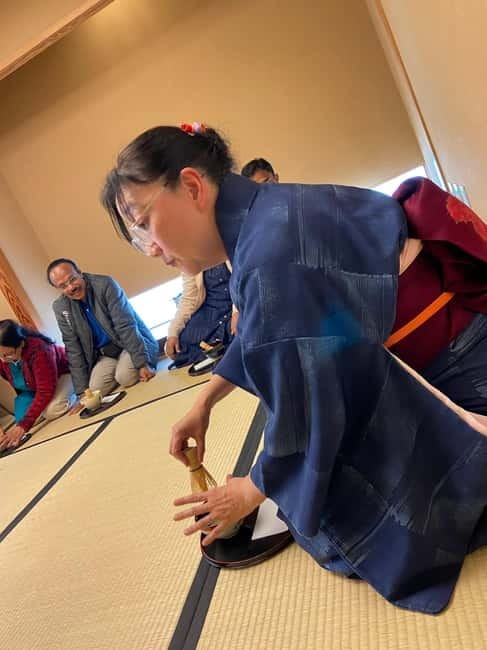
Your meeting point is at the underground Midosuji Line, Exit 3, on the ground floor. This is an important detail in Osaka, where a station exit can put you on an entirely different street from the one you expected.
Allow yourself enough time to find Exit 3 before the scheduled start. The supplied directions identify the subway exit and ground-floor meeting area, but they do not provide a separate landmark or walking time. I would keep the meeting instructions open on your phone and avoid arriving at the last second.
Once inside, the tatami room changes the pace. Remove the city from your mind for an hour and pay attention to posture, placement, and the order of each step. The room itself is part of the lesson because tea ceremony etiquette makes more sense when you experience it in a traditional setting.
This is a quiet activity. Smoking, alcohol, drugs, chewing gum, loud behavior, and making fire are not allowed. Pets, weapons, and sharp objects are also prohibited, and bachelor or bachelorette party groups are not suitable for this setting.
Watching matcha prepared with purpose
The first major section centers on matcha green tea. You watch the tea master prepare the drink, with the instructor explaining what is happening and why the movements matter.
Matcha is powdered green tea whisked into water, but the ceremony gives it a formal structure. The point is not speed. You are being introduced to a way of serving tea that values attention, respect, and the connection between host and guest.
The tea master also explains the history and spiritual role of the ceremony. That background helps you understand why etiquette matters. A bow, a turn of the bowl, or the way you accept a sweet is not random fussiness. Each action is part of showing care for the person who prepared the tea.
You should expect a beginner-friendly lesson rather than an examination. The goal is to learn the basic flow, not to perform like a trained tea master after one session. If you are nervous about using the wrong hand or missing a step, listen closely and follow the instructor’s lead.
Making your own matcha
The most valuable part of the matcha section is the chance to prepare tea yourself. After watching the demonstration and hearing the explanation, you take part in the process and practice the etiquette.
Hands-on practice changes the experience. It is easy to nod along while someone else prepares tea, but handling the tools and following the sequence makes the customs easier to remember. You also gain a better sense of the concentration required to make the ritual look simple.
The instructor guides you through the process, so you do not need previous tea ceremony experience. You will learn by doing, with the tea master correcting or explaining the movements as needed.
Do not expect a large amount of matcha or a relaxed café-style refill. This is a lesson built around one formal serving, its preparation, and the customs around it. If you want a casual drink without instruction, an Osaka tea shop would be a better fit.
More Tea Ceremonies in Osaka
- Osaka: Tea Ceremony Experience
★ 4.9 · 1,426 reviews - Tea Ceremony Experience in Osaka Doutonbori
★ 5.0 · 754 reviews - Osaka: Tea Ceremony, Calligraphy, and Kimono Experience
★ 4.9 · 130 reviews - Osaka: Japanese Traditional Sweets Making and Tea Ceremony
★ 4.7 · 118 reviews
Traditional sweets are part of the ceremony
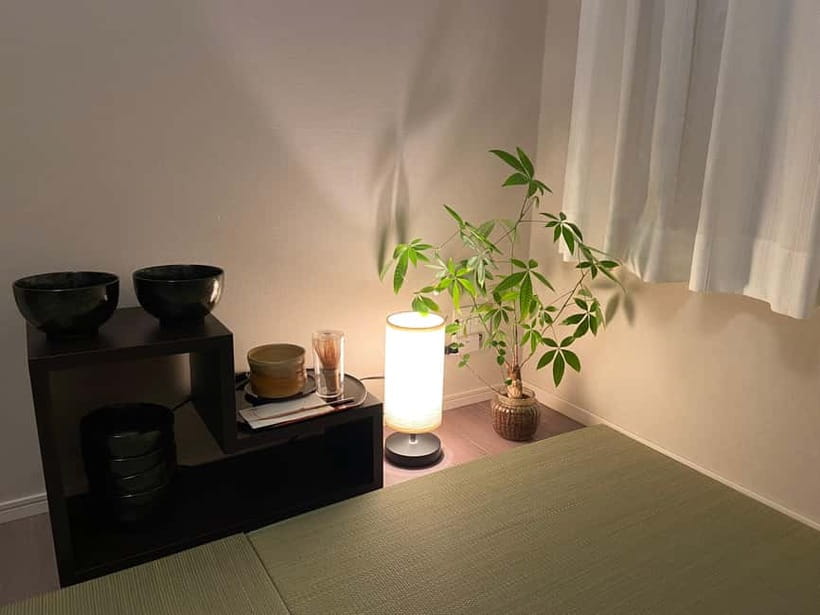
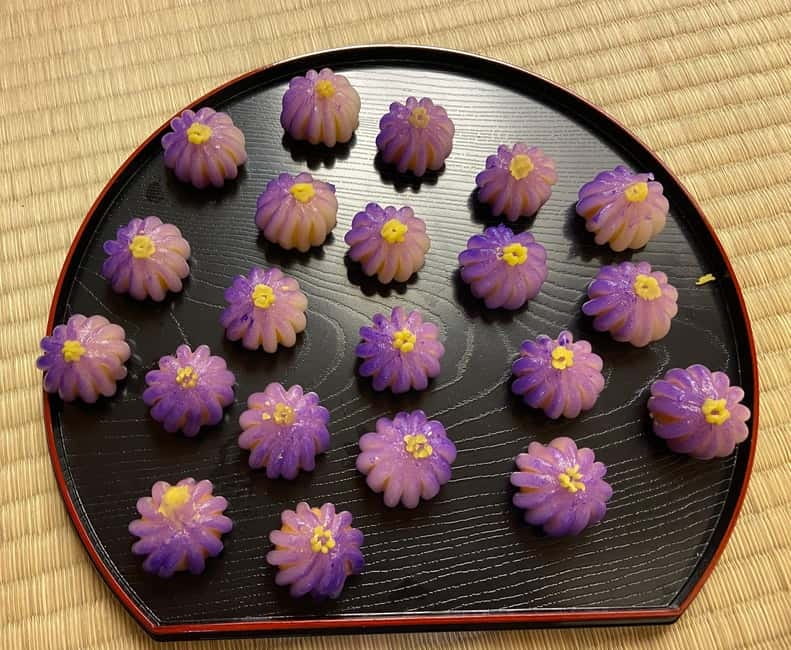
After the matcha preparation, you taste traditional Japanese sweets. The sweet is not an unrelated snack added at the end. It helps balance the taste of matcha and forms part of the way the tea is enjoyed.
Japanese sweets can look and taste quite different from familiar Western desserts. The exact sweets are not specified, so you should be ready for a seasonal or traditional confection rather than a particular item you can choose in advance.
The activity clearly warns that people with food allergies should not eat the Japanese sweets and confectionery. If you have an allergy, do not assume the instructor can provide a safe substitute. You may still be able to watch the ceremony, but the supplied information identifies food allergies as a reason this experience may not suit you.
Sencha shows everyday Japanese tea
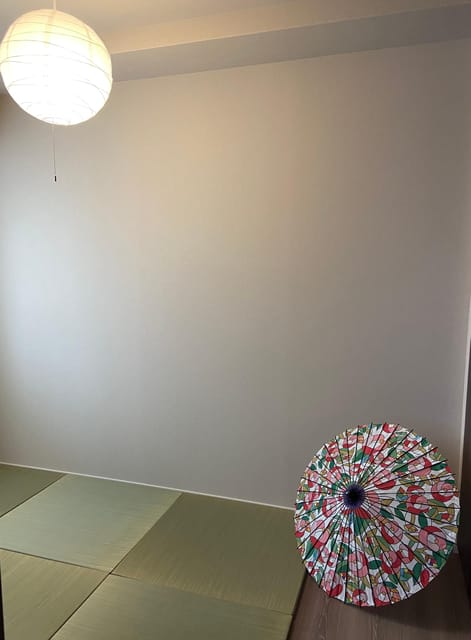
The second tea is sencha. This is a useful shift because sencha is commonly drunk in Japan today, making it a good counterpoint to the formal matcha ceremony.
The tea master explains the history of sencha and other aspects of the drink while you taste it with current Japanese confectionery. The lesson lets you compare the two teas in one sitting: matcha is whisked and served through formal etiquette, while sencha represents a more common style of tea drinking.
This section also keeps the experience from presenting tea ceremony as an isolated art form. You see the ceremonial tradition, then learn about a tea that has a regular place in modern Japanese life.
The sencha portion is still guided, but it is not described as a second full tea ceremony. Expect explanation and tasting rather than another lengthy formal performance. For many people, that is the right balance in a one-hour session.
What the English instruction adds
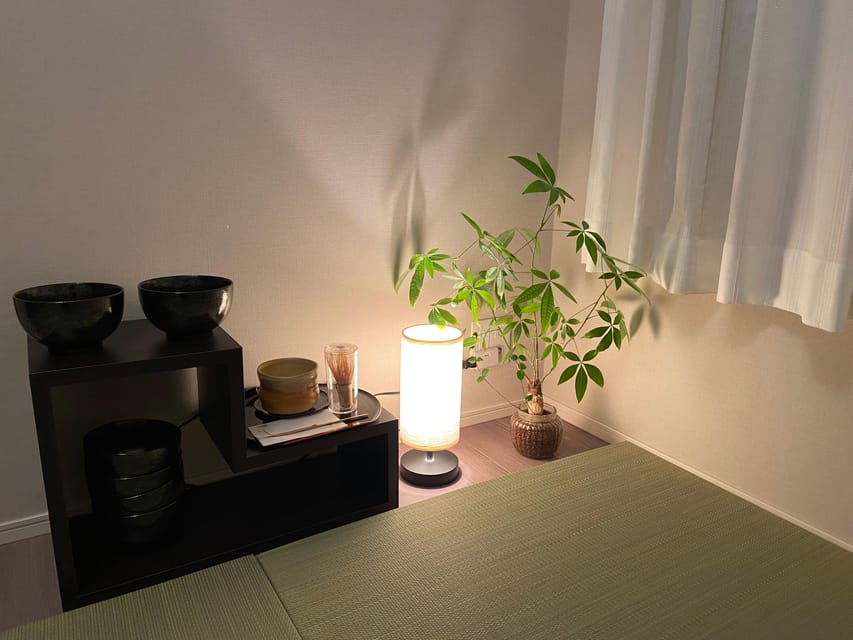
The instructors speak English and Japanese, which matters here. Tea ceremony includes small actions that can be easy to misread if you only watch silently. Clear explanations make the difference between copying motions and understanding their purpose.
The teaching style appears to be one of the activity’s strongest features. Yuko is described as an experienced tea master who explains the centuries-old tradition with kindness and a friendly manner. She is also praised for speaking English very well and for teaching both the ceremony and its history.
I would still treat guide assignment as uncertain unless your booking confirms Yuko by name. The experience is provided by Do co., Ltd., and the stated instructor languages are English and Japanese. Either way, the structure gives you a chance to ask questions and learn the meaning behind what you are doing.
The high rating of 4.9 from 29 ratings reflects strong satisfaction, especially with the friendly teaching, clear history lessons, and authentic-feeling ceremony. A small number of ratings cannot answer every question about consistency, but the praise points toward an experience where the instructor matters as much as the tea.
Adding a yukata and a photograph
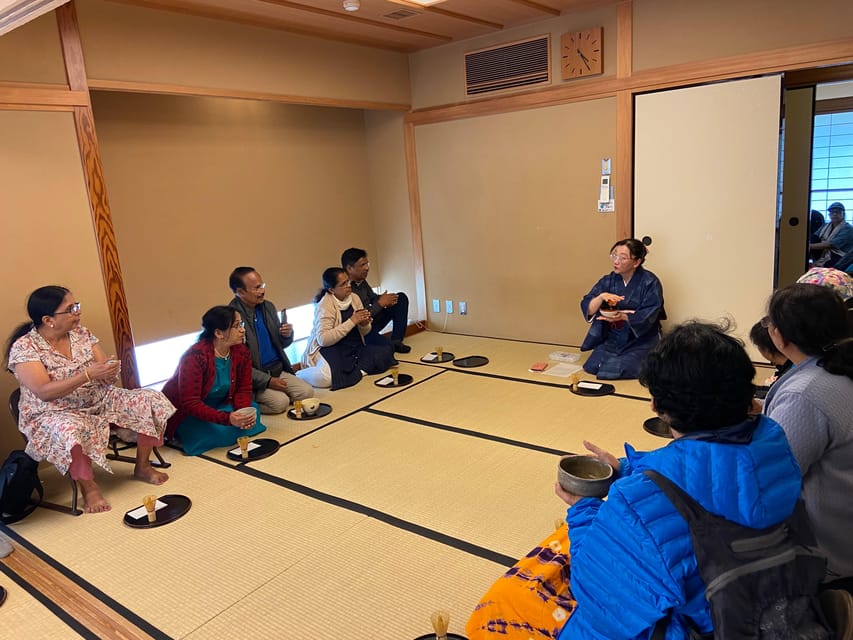
You can add a yukata rental when booking. A yukata is a lighter, informal Japanese garment, and wearing one can make the setting feel more special while giving you a photograph to remember the experience.
The yukata is not included in the $25 price. You need to select the additional option if you want to wear one. After the tea experience, you have the opportunity to have your photograph taken.
I see this as a worthwhile extra if you want a keepsake or are marking a special occasion. If your main aim is learning about tea, skip the rental and keep the price lower. The ceremony itself does not depend on wearing a yukata.
The activity does not specify how many designs or sizes are available, how long dressing takes, or whether the photograph is professional or self-taken. Check the add-on details before paying if those points matter to you.
Who will appreciate this one-hour format
I would recommend this experience to first-time visitors who want a clear cultural introduction without giving up half a day. It suits couples, solo visitors, families with older children, and anyone curious about Japanese etiquette.
It also works well for people who want more than a tasting but less than a serious tea school. You will watch, listen, taste, and practice within one hour. That keeps the commitment light while still giving you enough structure to understand the difference between matcha and sencha.
The experience is especially useful if you are already visiting Osaka and want an indoor cultural activity. The tatami setting and tea instruction offer a change from sightseeing around the city, and the short length makes it easier to fit around other plans.
I would not choose it for a food-focused outing. Meals are not included, and the sweets are small parts of the ceremony rather than a dessert course. It is also not a good choice if you have food allergies and cannot safely eat the Japanese sweets.
Accessibility and behavior requirements
The activity is listed as unsuitable for wheelchair users. Non-folding wheelchairs, electric wheelchairs, and scooters are specifically not allowed, so contact the provider before booking if you use mobility equipment.
Tatami rooms can require sitting and moving in ways that are not comfortable for everyone. The supplied information does not describe alternative seating, so do not assume that an accommodation will be available.
The space also depends on calm behavior. Loud noise, intoxication, smoking, alcohol, drugs, chewing gum, and making fire are prohibited. This is a quiet cultural lesson, not a party activity, and bachelor or bachelorette groups should choose another plan.
Free cancellation is available up to 24 hours before the start for a full refund. You can also reserve now and pay later, which is useful if your Osaka schedule is still changing. The one-hour duration and available start times should be checked when you choose your date.
Is $25 a fair price?
At $25 per person, the value depends on what you want from the hour. If you only want to drink tea, it may seem expensive compared with an ordinary café. If you want instruction, cultural context, two types of tea, sweets, and a traditional room, the price is reasonable.
You are paying for access to an instructor who can explain the social and spiritual meaning of the ceremony. The hands-on matcha preparation adds value because you are not limited to watching a demonstration.
The sencha tasting strengthens the offer. You leave with a broader understanding of Japanese tea than you would get from a matcha-only session, and you can better recognize the difference between a formal ceremony and everyday tea drinking.
Remember that the price does not include a meal or yukata rental. Add the garment only if the photograph and clothing are important to you. For a simple cultural lesson, the base price is the more sensible choice.
Should you book this Osaka tea ceremony?
Book it if you want a short, calm, well-explained introduction to Japanese tea. The strongest reasons are the traditional tatami room, English instruction, hands-on matcha preparation, and the useful comparison with sencha.
I would also book it if you value a friendly teacher who can explain why the ceremony works as it does. Yuko’s gentle manner, clear English, and historical explanations make her a particularly appealing guide if she is assigned to your session.
Skip it if you need wheelchair access, cannot eat the supplied sweets because of allergies, or want a full meal and a long cultural program. Also skip the yukata add-on unless dressing up and taking a photograph are central to your plans.
For most first-time visitors, $25 is a sensible price for one focused hour. You will not become a tea master, but you will leave knowing how matcha ceremony etiquette differs from everyday sencha drinking, and that is a useful piece of Japan to carry into the rest of your trip.
FAQ
Where does the tea ceremony take place?
It takes place in a traditional Japanese tatami room in Osaka.
How long does the experience last?
The experience lasts one hour.
What teas will I taste?
You will taste matcha green tea and sencha green tea.
Are sweets included?
Yes. Matcha is served with traditional Japanese sweets, and sencha is served with current Japanese confectionery.
Is the instructor English-speaking?
Yes. The activity is offered in English and Japanese. Yuko is one tea master associated with the experience and is praised for speaking English well.
Do I make the tea myself?
Yes. You watch the tea master prepare matcha, then learn to make tea yourself according to the etiquette of the ceremony.
Is a yukata included?
No. A yukata can be rented separately by selecting the additional option when booking.
Can I have my photograph taken?
Yes. You have the opportunity to take a photograph after the experience. A yukata can be worn for the photograph if you select that extra option.
Is the activity suitable for wheelchair users?
No. The activity is listed as unsuitable for wheelchair users, and non-folding wheelchairs, electric wheelchairs, and scooters are not allowed.
Can I cancel for a refund?
Yes. You can cancel up to 24 hours in advance for a full refund. You can also reserve now and pay later.
More Green Tea Tours in Osaka
- Kyoto Matcha Green Tea Tour
★ 4.7 · 28 reviews - Slow Cycling Tour at Uji’s Matcha Green Tea Fields and Heritage
★ 5.0 · 25 reviews - Kyoto Matcha Green Tea Tour
★ 4.5 · 23 reviews - Sencha-do the Japanese Tea Ceremony Workshop in Kyoto
★ 5.0 · 21 reviews
Newly steeped around Osaka
- Osaka:Zen Tea Ceremony and Foot Bath Experience<45min>★ 5.0 · 7 reviews
- Osaka Japanese Cooking And Matcha Class near Osaka Castle★ 5.0 · 22 reviews
- Nara Deer Park, Uji Matcha, & Hot Spring Full-Day Tour from Osaka★ 4.0 · 21 reviews
- Osaka: Tea Ceremony, Calligraphy, and Kimono Experience★ 5.0 · 6 reviews
- Tea and Calligraphy Session at a Table in Osaka★ 5.0 · 4 reviews
- Osaka: Nara, Todaiji, Uji Matcha, and Hot Spring Tour★ 4.0 · 7 reviews
- Craft Sushi and Matcha Ice Cream in Central Osaka (3-Course Meal)★ 5.0 · 2 reviews
- ZEN therapy | Shiatsu-style massage, EnergyTherapy & Japanese Tea★ 5.0 · 5 reviews
Green Tea Tours, compared.
Uji: Green Tea Tour with Byodoin and Koshoji Temple Visits
Read our review →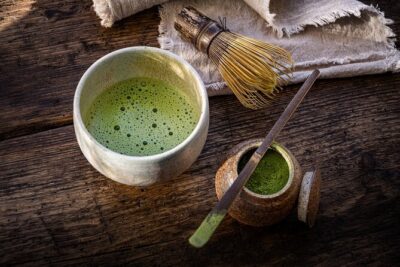
Scenic Green Tea Fields of Hidden Kyoto & Local Tea Exp (Private)
Read our review →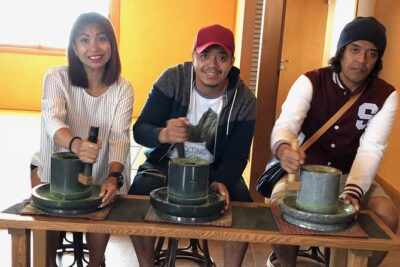
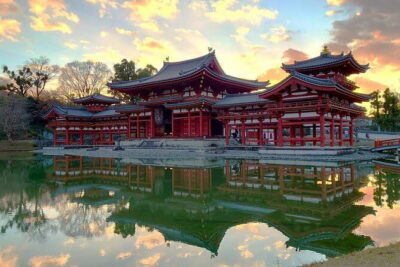
Slow Cycling Tour at Uji’s Matcha Green Tea Fields and Heritage
Read our review →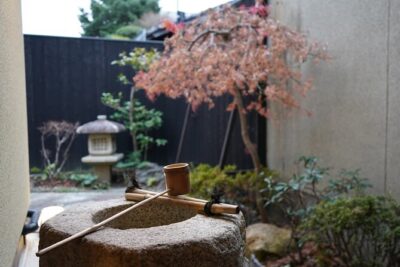
Sencha-do the Japanese Tea Ceremony Workshop in Kyoto
Read our review →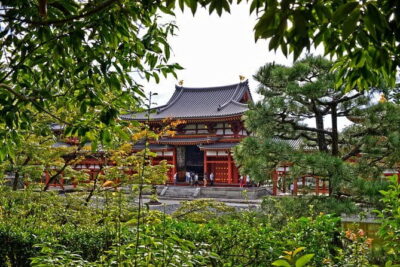
Uji Tea Ceremony and UNESCO Heritage Walking Tour
Read our review →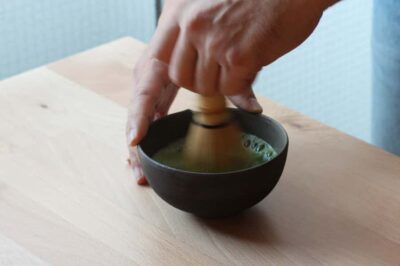
Authentic Japanese tea tasting: sencha, matcha and gyokuro
Read our review →Browse the lists this tea experience appears in