Review · OSAKA
Osaka: Tea Ceremony, Calligraphy, and Kimono Experience
Osaka’s Sazanka cultural experience turns three Japanese traditions into one well-paced afternoon. You choose a kimono, have your hair arranged, practice calligraphy, and finish by whisking matcha in a quiet tea room. The hands-on tea ceremony and the calligraphy keepsake make this more than a photo stop.
I like the small-group format, limited to eight people, and the patient personal help from guides such as Meiji, Mika, and Nokko. I also like that you can make your own tea and take home your calligraphy work. The one caution is that the studio entrance can be hard to spot, and larger groups may split between rooms during the later activities.
Key points at a glance
- Three traditions in three hours: Kimono dressing, Japanese calligraphy, and a tea ceremony fit into one focused cultural session.
- You make the matcha: The tea portion is interactive, not simply a demonstration. You learn the basic technique and prepare your own cup.
- A personal souvenir: Your calligraphy becomes a handmade keepsake to take home.
- Helpful guides: English, Japanese, and Chinese support is available, with guides such as Meiji, Mika, and Nokko praised for patience and clear explanations.
- Small downtown studio: The location near Tanimachi 9-chome and Osaka Uehommachi is easy to reach once you identify the Lawson store and MixyHearts salon.
- Good for first-timers: Families, couples, solo participants, and small groups can take part without previous experience.
What this Osaka cultural experience is really like
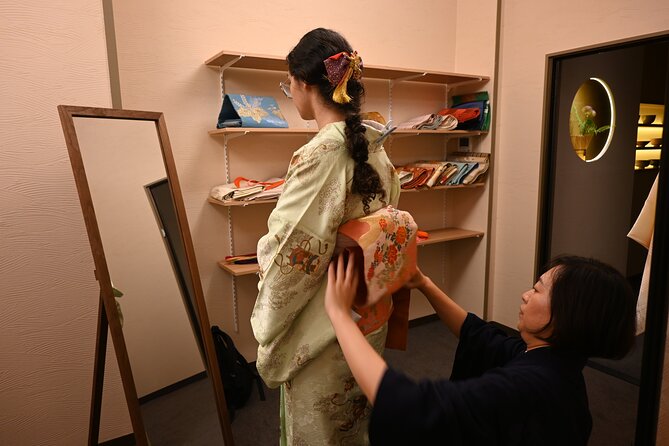
This is a polished introduction to several Japanese customs, not a formal lesson aimed at specialists. You spend enough time with each activity to understand its purpose and try it yourself, but the schedule remains approachable for a first visit.
The setting is a peaceful studio in downtown Osaka. That matters. After a day of trains, shopping streets, and city noise, three hours in a quieter room gives you a useful change of pace. The experience has a refined feel, but it is not presented as stiff or overly ceremonial.
The group limit is eight people. That keeps the session more personal than a large photo package. Guides can help with kimono choices, adjust the dressing, explain the tea customs, and give individual support during calligraphy. If you are visiting alone, you should still feel included. One solo participant described being welcomed right away, and the format allows the guide to give attention without making the activity feel formal.
The experience is offered in English, Japanese, and Chinese. Staff names appearing in the sessions include Meiji, Mika, Nokko, Nikki, Nikko, Suzu, and Miko. The exact guide depends on the date, but the recurring theme is clear: expect patient instruction and an easygoing manner.
More Tea and Calligraphy Workshops in Japan
- Osaka: Private Tea Ceremony and Calligraphy Experience
★ 5.0 · 50 reviews - Samurai dress-up and shows, plus Tea Ceremony & Calligraphy
★ 5.0 · 27 reviews - Premium Kimono Dressing, Tea Ceremony, Calligraphy, Samurai show
★ 5.0 · 18 reviews
Choosing a kimono and getting dressed
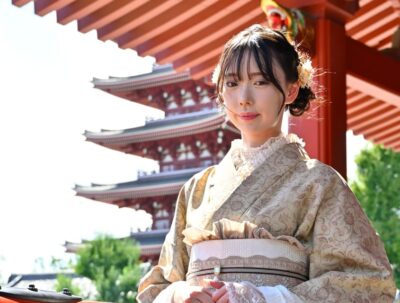
The first major step is choosing your kimono. The studio has a broad selection of colors and styles, along with obi belts, scarves, and accessories. This gives you some control over your final appearance rather than handing you a standard outfit.
The dressing itself is part of the lesson. Staff assist with the layers and the obi, so you can see that wearing a kimono involves more than putting on a robe. Guides help match colors and make sure the garment fits properly. A participant who wears a larger US size noted that Meiji helped find a suitable length with care and never made the process uncomfortable. That is useful reassurance if you have worried that the clothing selection may not suit you.
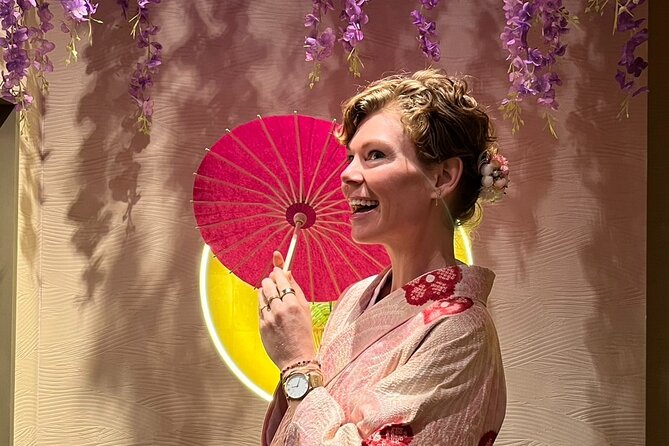
Simple hairstyling is included. You may receive a basic arranged style with a hair accessory, rather than a full salon treatment. Extra hairstyling and makeup are not part of the price, so set your expectations accordingly. The included style is enough to complete the look and photographs well, but this is not a dedicated beauty appointment.
Allow the dressing process to take time. The layers, fastening, and accessories are among the most interesting parts of the experience, so a rushed approach would miss the point. You will also want to move carefully once dressed. The kimono is meant for sitting and traditional activities, not for fast walking around Osaka afterward.
If you plan to take photographs, this is the best time to do so. Staff are willing to help with pictures, and the studio provides a more controlled setting than trying to arrange a kimono photo in a crowded sightseeing district. Bring a phone with enough battery, since the clothing, calligraphy, and tea steps all create natural photo opportunities.
Calligraphy: the most satisfying hands-on lesson
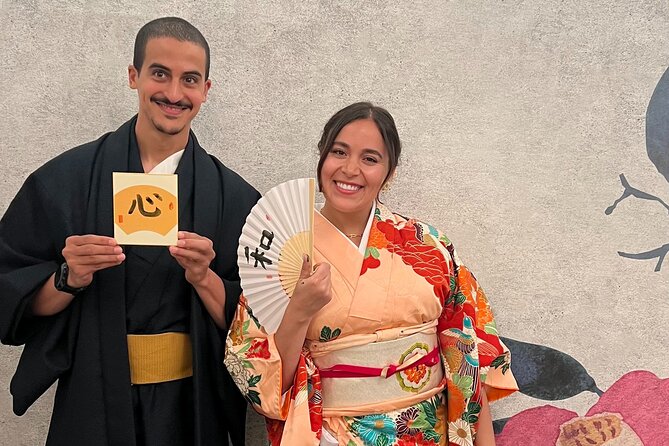
Calligraphy follows the kimono dressing. You receive instruction in using the brush and learning the shapes of kanji. The goal is not perfect penmanship. You are learning how brush pressure, movement, and rhythm create each character.
I find this portion especially valuable because it gives you something to do, not just something to watch. You practice under guidance, make mistakes, and gradually produce a finished piece. Several participants found calligraphy to be the favorite part, while others appreciated the calm concentration it required.
The guides keep the lesson beginner-friendly. You do not need to read Japanese, and you are encouraged even if your first brush strokes are clumsy. That makes this a good choice for families with older children, couples who want a shared activity, or anyone who likes making a physical souvenir.
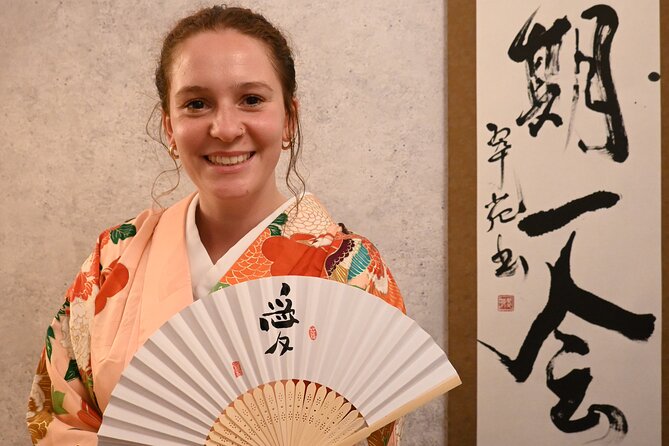
Your finished calligraphy is included as a keepsake. It is handmade by you, which gives it more meaning than a shop-bought souvenir. Pack it carefully for the journey home, especially if you are continuing around Japan with luggage.
One practical point: a group of seven may be divided during the calligraphy and tea portions because the rooms hold about five people. This is not a problem for small parties, but larger groups should expect some separation rather than one continuous session with everyone together.
The tea ceremony and your own cup of matcha
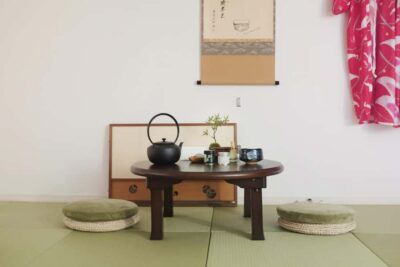
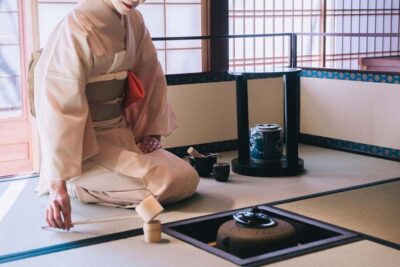
The final section takes place in a traditional-style tea room, with sweets served alongside the tea. Some sessions include a small exterior garden, adding a pleasant visual touch to the room. The tea ceremony is explained through its history, etiquette, and purpose, so you learn why the movements matter rather than simply copying them.
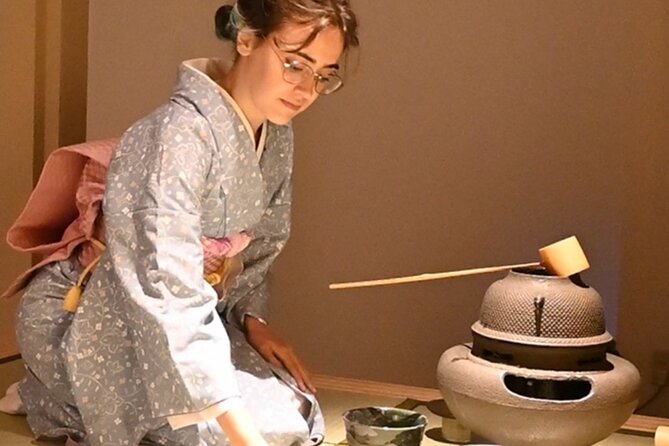
The strongest feature is that you take part. You learn how to prepare matcha and get a turn whisking your own cup. That interactive step is easy to miss when comparing similar activities, so it is worth noting before you book. You are not just seated while someone performs the ceremony for you.
The guide explains how to receive the sweets and tea, how to handle the bowl, and how to follow the basic sequence. The tone is respectful but not intimidating. You can ask questions, and the instructors allow time to practice.
The sweets are included. Additional food and beverages are not, so you should not treat this as a meal. It works better as a cultural tasting and a calm closing ritual after the more active dressing and writing portions.
A tea ceremony can look simple from the outside. In practice, the deliberate pace is the lesson. You notice the bowl, the whisk, the posture, and the order of movements. Even a short session gives you a better sense of why tea preparation is connected to attention, hospitality, and quiet manners in Japan.
More Tea and Calligraphy Workshops in Osaka
- Osaka: Tea Ceremony, Calligraphy, and Kimono Experience
★ 5.0 · 6 reviews - Tea and Calligraphy Session at a Table in Osaka
★ 5.0 · 4 reviews - Osaka: Castle, Tea Ceremony, Calligraphy, and Samurai Armor!
★ 5.0 · 4 reviews
The studio location and finding the entrance
The studio is near two useful stations:
- Tanimachi 9-chome Station on the Osaka Metro
- Osaka Uehommachi Station on the Kintetsu Line
From Tanimachi 9-chome, use Exit 11. Walk straight for about three minutes and use the Lawson convenience store as a landmark. Continue to the building with the MixyHearts beauty salon on the first floor, enter, and take the stairs to the second floor.
From Osaka Uehommachi, leave through the East Exit and walk left for about seven minutes. Look for the same MixyHearts salon on the ground floor, then enter and go upstairs.
The entrance is not prominently labeled, so do not assume you have taken a wrong turn if the building does not look like a large tourist attraction. Look for the salon and the kimono-related sign near the street. Give yourself a few extra minutes, especially if your appointment has a fixed starting time.
Transportation is not included. You make your own way there, and pickup or drop-off is not provided. The useful part is that both stations are close enough to make this a straightforward city activity without a long ride out to a remote cultural village.
Is $96 a fair price?
The cost is $96 per person for three hours. That is not the cheapest way to try on a kimono in Osaka, but the price covers several separate services: the kimono, dressing assistance, simple hairstyling, calligraphy instruction, a finished calligraphy keepsake, the tea ceremony, sweets, and guided language support.
I see the value most clearly if you would otherwise book these activities separately. The session gives you a full afternoon of cultural programming without needing to arrange a clothing rental, a calligraphy class, and a tea lesson on different days.
The small-group format also matters. You are paying for personal help rather than simply renting an outfit and being sent outside for photographs. Guides take time to explain the clothing, correct brush technique, and show you how to prepare matcha.
The price is less compelling if you only want a kimono photo. In that case, a basic rental may cost less. It is also not the right choice if you want a long, highly technical study of tea or calligraphy. This session favors variety and participation over specialist depth.
For a couple, parent and child, or small family, the price buys a shared activity with a physical memento. For a solo visitor, the value depends on how much you enjoy guided cultural activities. The welcoming format helps, but you should choose it because you want to learn and participate, not simply collect another photograph.
Who will enjoy it most
I would recommend this to first-time visitors who want a structured introduction to Japanese customs. You do not need prior calligraphy experience, knowledge of tea etiquette, or familiarity with kimono dressing.
It suits:
- Couples looking for a calm shared activity
- Families with children old enough to follow a three-hour session
- Solo visitors who want a guided cultural experience
- Small friend groups
- Anyone who values a handmade souvenir
- People who want an indoor activity during hot, wet, or uncertain weather
Children under two are not suitable for the activity, and babies under one are specifically excluded. The listing does not give a broader age range, so parents should judge whether their children can manage the dressing, seated tea ceremony, and careful brush work.
The experience also works well for visitors concerned about feeling out of place in traditional clothing. One participant with braids and a larger US size found the staff welcoming and accommodating. You should still mention any clothing or styling concerns when you arrive, but the available feedback supports a friendly approach for a range of appearances.
What to know before you book
Plan your route before the day. The studio can be difficult to identify because the entrance itself is not clearly labeled. Use Exit 11, Lawson, and the MixyHearts salon as your route markers.
Wear something comfortable underneath the kimono. The provided details do not specify a dress code, so avoid making assumptions, but remember that you will be dressed in layers and seated for parts of the program.
Do not schedule a tight appointment immediately afterward. The stated duration is three hours, and kimono dressing, photographs, calligraphy, and the tea ceremony all need their own time. A relaxed gap afterward is wiser than racing to your next attraction.
If you are in a group of more than five, ask how the rooms will be used. Groups are limited to eight, but larger parties may split during calligraphy and tea because the rooms hold about five people.
The experience offers free cancellation up to 24 hours in advance for a full refund. You can also reserve and pay later, which helps if your Osaka plans are still shifting.
Final verdict: should you book it?
Book this experience if you want more than a costume photo and like learning by doing. The best parts are the personal kimono fitting, the handmade calligraphy souvenir, and the chance to prepare your own matcha rather than simply watch a demonstration.
I would especially choose it for a couple, a parent and teenager, or a small group that wants one memorable cultural afternoon. The $96 price is reasonable for the number of activities included, though it is more than a basic kimono rental.
Skip it if you want a full meal, extensive beauty styling, transportation, or advanced study of one tradition. Also allow extra time to find the entrance. For most first-time visitors seeking a friendly, well-organized introduction to Japanese customs in central Osaka, this is a strong pick.
FAQ
How long does the Osaka kimono, calligraphy, and tea experience last?
The experience lasts three hours.
How much does the experience cost?
The listed price is $96 per person.
What activities are included?
The session includes kimono dressing, simple hairstyling, Japanese calligraphy, a tea ceremony, and sweets.
Do I get to keep my calligraphy?
Yes. You create a calligraphy piece during the session and can take it home as a keepsake.
Do I prepare the matcha myself?
Yes. The tea ceremony includes instruction and a chance to prepare your own matcha.
What languages are available?
The activity is offered in English, Japanese, and Chinese.
How many people can join the group?
The group is limited to eight participants.
Where does the activity meet?
The studio is near Tanimachi 9-chome Station on the Osaka Metro and Osaka Uehommachi Station on the Kintetsu Line.
Is transportation included?
No. Transportation, pickup, and drop-off are not included.
Can I cancel for a refund?
You can cancel up to 24 hours in advance for a full refund. You can also reserve now and pay later.
More Kimono and Tea Ceremonies in Osaka
- Sheraton Miyako Hotel Osaka: Tea Ceremony with Kimono Rental
★ 5.0 · 2 reviews - Kimono Tea Ceremony at Kyoto Maikoya, NISHIKI
★ 5.0 · 911 reviews - Kimono Tea Ceremony at Tokyo, Asakusa Maikoya
★ 5.0 · 638 reviews - Kyoto: Kimono Tea Ceremony at Orizuruya Gion
★ 4.9 · 618 reviews
More Tea Ceremonies in Osaka
- Osaka: Tea Ceremony Experience
★ 4.9 · 1,426 reviews - Tea Ceremony Experience in Osaka Doutonbori
★ 5.0 · 754 reviews - Osaka: Japanese Traditional Sweets Making and Tea Ceremony
★ 4.7 · 118 reviews - Samurai Show, Tea Ceremony, Japanese Traditional Activities
★ 5.0 · 56 reviews
Newly steeped around Osaka
- Osaka:Zen Tea Ceremony and Foot Bath Experience<45min>★ 5.0 · 7 reviews
- Osaka Japanese Cooking And Matcha Class near Osaka Castle★ 5.0 · 22 reviews
- Nara Deer Park, Uji Matcha, & Hot Spring Full-Day Tour from Osaka★ 4.0 · 21 reviews
- Osaka: Tea Ceremony, Calligraphy, and Kimono Experience★ 5.0 · 6 reviews
- Tea and Calligraphy Session at a Table in Osaka★ 5.0 · 4 reviews
- Osaka: Nara, Todaiji, Uji Matcha, and Hot Spring Tour★ 4.0 · 7 reviews
- ZEN therapy | Shiatsu-style massage, EnergyTherapy & Japanese Tea★ 5.0 · 5 reviews
- Discover Japanese Tea Blending Techniques in Osaka★ 5.0 · 19 reviews
Kimono & Tea Ceremony, compared.


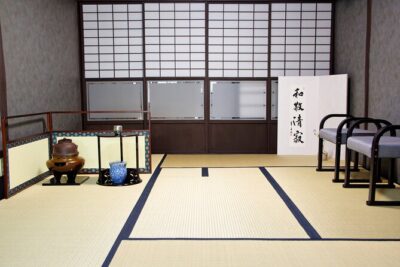
KYOTO Tea Ceremony with kimono near by Imamiya Jinjya Shrine
Read our review →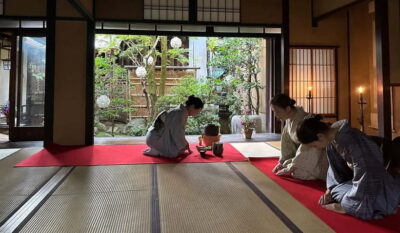
Kyoto: Kimono and Tea Ceremony Experience at Cultural Asset
Read our review →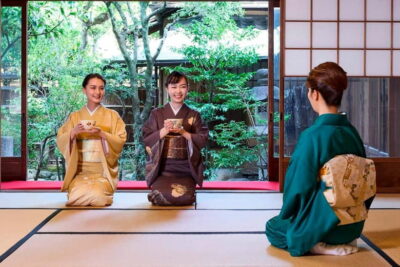
Kyoto: Kimono Tea Ceremony with Matcha and Sweet
Read our review →