
Review · OSAKA
Osaka: Tea Ceremony Experience
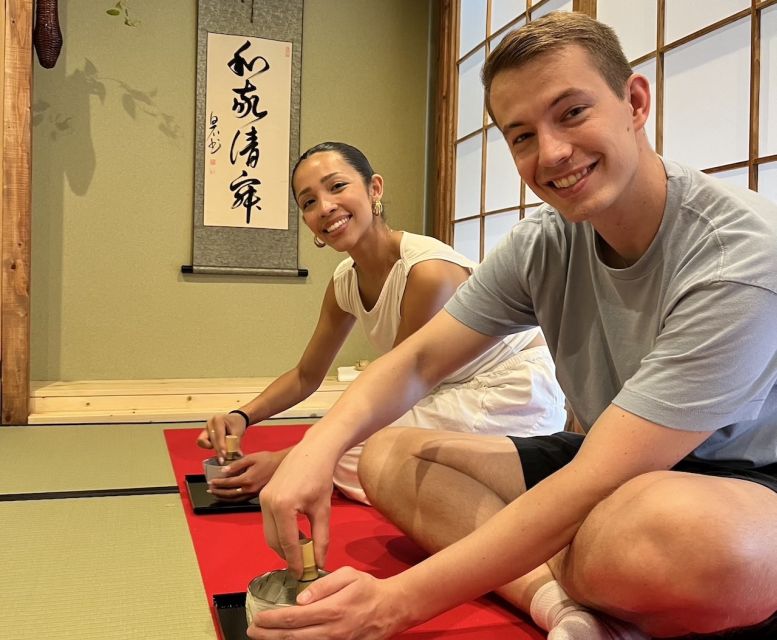
The most appealing part of this Osaka tea ceremony is that you do not just watch a formal ritual. After an explanation and demonstration, you use the bamboo whisk, scoop, bowl, and other traditional tools yourself. Making your own matcha turns a quiet cultural lesson into something you can feel and remember.
I especially like the clear English instruction and the small, peaceful tatami room, a welcome pause from Dotonbori’s bright signs and crowded streets. I also like the thoughtful pairing of seasonal sweets with bitter matcha, which makes the tea easier to appreciate. The main consideration is comfort: you sit on the floor for much of the session, and the venue can be tricky to find, so arrive with time but not so early that you are left waiting outside.
Key points to know before booking
- A hands-on 45-minute lesson: You watch the host prepare matcha, then whisk your own bowl using traditional tea tools.
- English-speaking Japanese instructors: Hosts including Yuki, Akiko, Kazu, Mayumi, and Kana explain the ritual, history, and manners in clear English.
- A calm room near Dotonbori: The tatami setting gives you a quiet cultural break close to one of Osaka’s busiest entertainment areas.
- Seasonal sweets are included: The confections are served with the tea and provide a gentle contrast to matcha’s earthy bitterness.
- Good value at $25: You receive the lesson, entrance, matcha, and sweets without paying for a long, formal ceremony.
- Plan carefully for arrival: Search Google Maps for tea ceremony osaka the osaka and check the second-floor address at 1-5-26 Dotonbori Higashi, Chuo Ward.
Why this short Osaka tea ceremony works
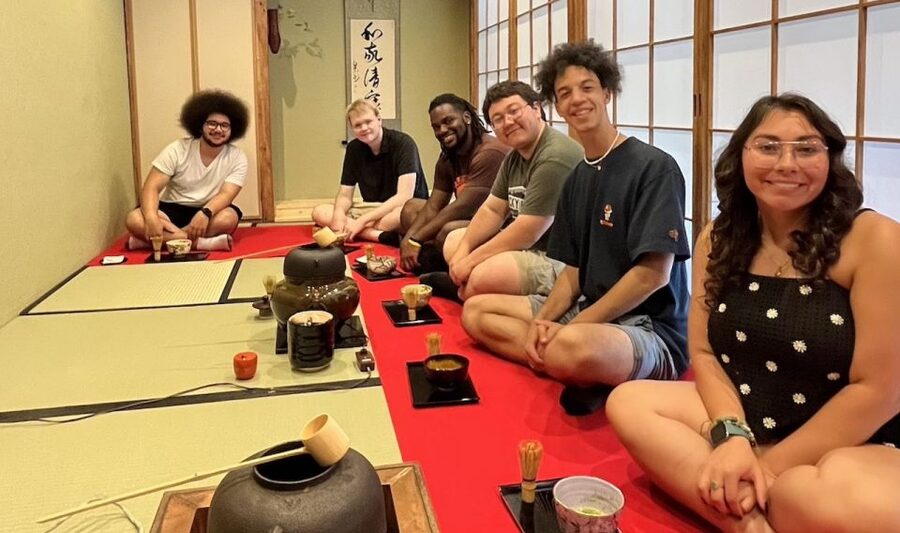
Japanese tea ceremony can look mysterious if you only see it from a distance. Every movement appears slow and exact, and it is not always clear what the gestures mean. This experience gives you enough context to make those details understandable without asking you to commit to a multi-hour cultural program.
The session lasts 45 minutes, which is a useful length for a first introduction. You get the main ideas, see a complete demonstration, taste the tea, and try the process yourself. I would not expect a full study of every school of tea or a highly formal ceremony lasting several hours. Instead, think of this as a friendly, practical entry point.
The instructors wear kimono and speak English. Their role is important because tea ceremony has manners that are easy to miss. You learn not just how to whisk the matcha, but also why the tools are handled with care and how the act of serving tea reflects respect and attention.
Hosts vary by session. Yuki has been praised for her gentle manner, while Akiko is described as patient and attentive. Kazu is especially good at explaining the meaning of each part of the ritual, including the tea bowls. Mayumi and Kana are also noted for clear teaching and warm instruction. You cannot choose a particular host from the information provided, but the range of named instructors suggests a well-established teaching team.
More Tea Ceremonies in Osaka
- Tea Ceremony Experience in Osaka Doutonbori
★ 5.0 · 754 reviews - Osaka: Tea Ceremony, Calligraphy, and Kimono Experience
★ 4.9 · 130 reviews - Osaka: Japanese Traditional Sweets Making and Tea Ceremony
★ 4.7 · 118 reviews
Arrival near Dotonbori
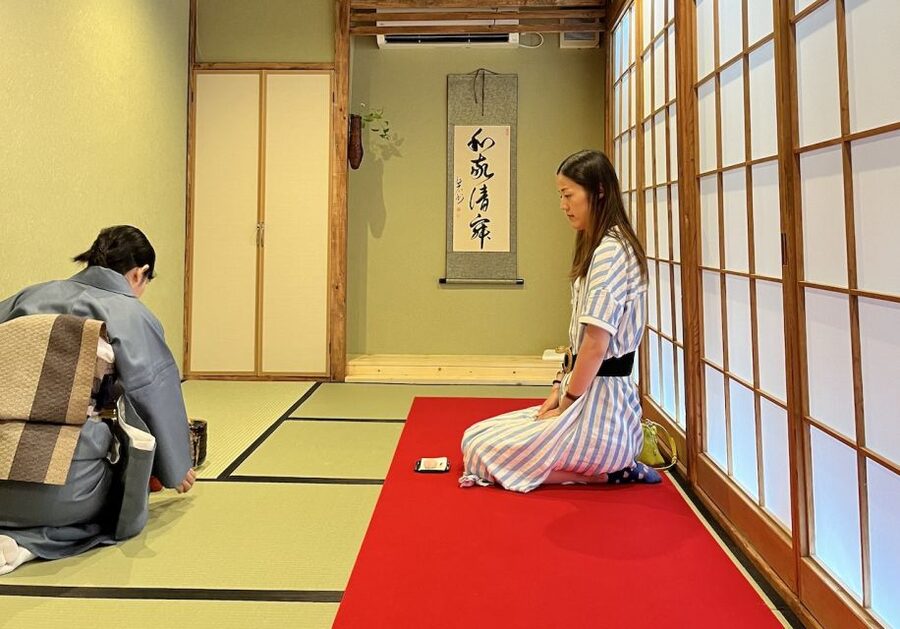
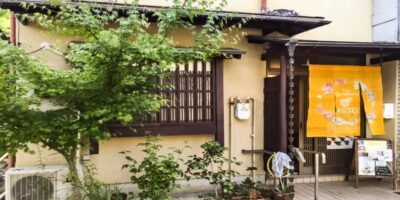
The venue is at Osaka City, Chuo Ward, Dotonbori 1-chome Higashi 5-26, on the second floor. The supplied directions specifically warn you to use Google Maps and search for tea ceremony osaka the osaka. That wording matters, since a broad search for tea ceremonies in Osaka may send you toward a different business.
The coordinates are 34.66885079999999, 135.5063291. I would save the pin before leaving your hotel and allow extra time for the final approach. One person found the venue difficult to locate and also pointed out that arriving too early can be awkward because there is nowhere to sit while waiting.
This is a small but real practical issue. Arrive early enough to avoid missing the start, especially because late arrivals could interrupt a quiet ceremony. At the same time, do not arrive far ahead of your booked time expecting a lounge or waiting room. Aim to reach the building shortly before the session.
The Dotonbori setting gives the experience an appealing contrast. Outside, Osaka is noisy, bright, and full of food signs. Upstairs, you enter a traditional room and shift into a slower rhythm. I like this pairing because you do not need to spend half a day traveling to a remote cultural site. The ceremony fits neatly into a sightseeing day.
A welcome in the tatami room
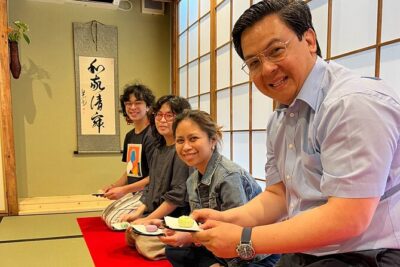
The session begins with a welcome in a traditional Japanese room. You sit on tatami and meet the instructor, who introduces the practice and explains its history and purpose.
This opening is more valuable than it may sound. Without it, you might focus only on the attractive tools, kimono, and graceful movements. With context, you can pay attention to the ideas behind the ritual: care in preparation, respect between host and guest, and concentration on a single shared moment.
The tone is intended to be accessible rather than intimidating. You do not need prior knowledge of Japanese customs, and the English-speaking hosts can answer questions during the lesson. Several sessions have been praised for giving just the right amount of information, which is useful if you want cultural detail without a long lecture.
The room itself is part of the lesson. A tatami floor, low seating, tea bowls, and traditional utensils create a setting that feels different from a standard cooking class or café tasting. Still, remember that sitting on the floor may not suit everyone. One participant specifically noted that you may be seated this way for about an hour, even though the advertised activity is 45 minutes. If kneeling or sitting on the floor is difficult, consider this before booking.
Watching the tea ceremony demonstration
After the introduction, the instructor performs a demonstration. You watch how the tools are arranged, how the tea is measured, how hot water is added, and how the bamboo whisk is used to create a smooth bowl of matcha.
The pace is deliberately calm. That is not wasted time. Tea ceremony is built around careful actions, so rushing would defeat the point. The host explains basic manners as each step happens, giving you a chance to understand what you are seeing instead of merely admiring the choreography.
Pay attention to the tea bowl. Kazu has been noted for explaining the meaning and importance of the bowls, which helps show that the objects are not simply decorative props. Their shape, texture, and handling are part of the experience.
The demonstration also helps you avoid the common beginner mistake of treating matcha like ordinary loose-leaf tea. Matcha is powdered green tea, so you whisk it directly into water rather than steeping leaves and removing them. The result has a stronger flavor and a different texture from the green tea many first-time visitors expect.
Some people become matcha fans here. Others remain unconvinced by its grassy, slightly bitter taste. That is perfectly fair. The experience is worthwhile even if you decide matcha is not your new favorite drink, because you learn how it is prepared and why it matters in Japanese culture.
Same leaf, a different ritual:
- Matcha Making Class in Osaka with Authentic Japanese Sweets Set
★ 5.0 · 509 reviews - Osaka: Matcha Making Experience with Japanese Sweets
★ 5.0 · 146 reviews - Osaka Temple Cool Foot Bath & Matcha Experience〈45min〉
★ 4.9 · 82 reviews - Samurai Show, Tea Ceremony, Japanese Traditional Activities
★ 5.0 · 56 reviews
Making your own bowl of matcha
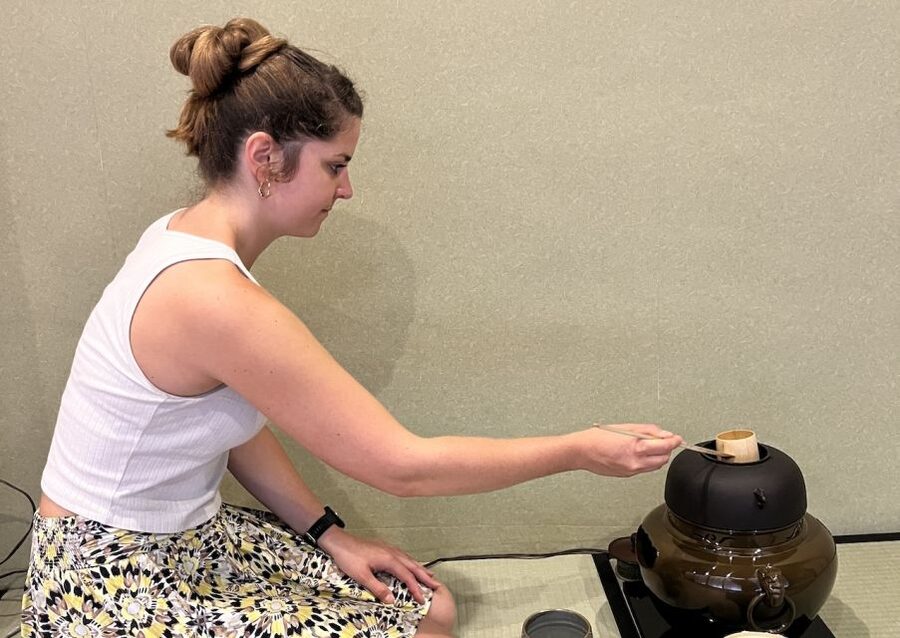
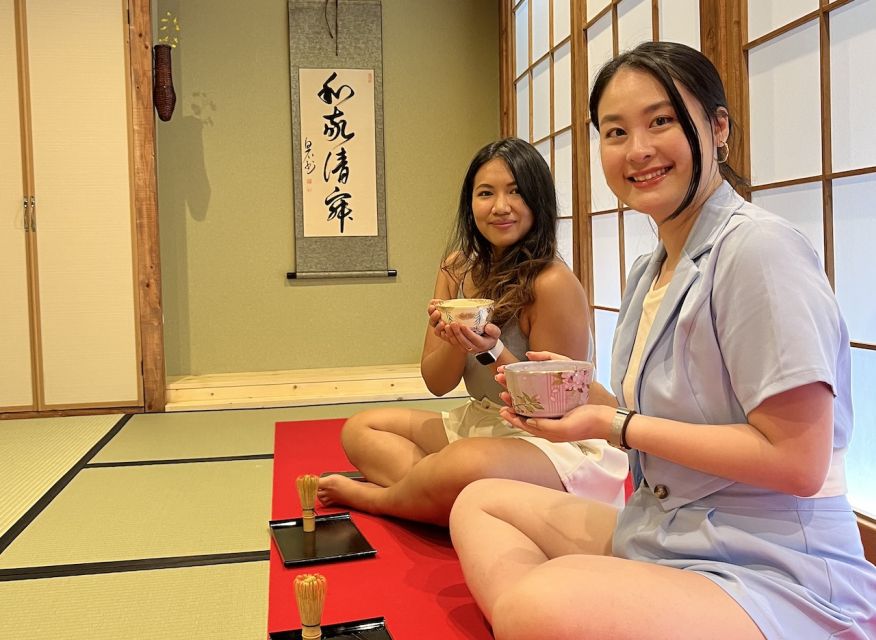
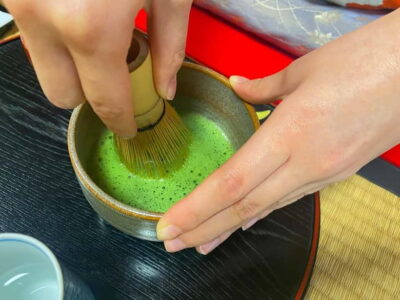
The most interactive part comes next. You receive traditional tea tools and prepare your own matcha with guidance from the instructor.
This is where the $25 price begins to make sense. You are not only watching someone else perform a ceremony. You handle the equipment, follow the sequence, and see how whisking affects the finished drink. The host can correct your technique and keep the process relaxed, so beginners do not need to worry about getting every movement perfect.
The hands-on portion is simple enough for children who meet the age rules and engaging enough for adults. You measure the powdered tea, add water, and whisk it with the bamboo tool. The act requires a little coordination, but it is not presented as a test.
I like this approach because it gives you a small skill to take home. You may not reproduce the entire ceremony in your kitchen, but you will understand the basic method and recognize the tools if you see them again.
The setting also changes how the activity feels. In a busy Osaka food tour, matcha might be reduced to a quick drink. Here, the preparation is the point. You slow down, watch the surface of the tea change, and pay attention to a series of ordinary actions that are normally easy to overlook.
Seasonal sweets and the taste of matcha
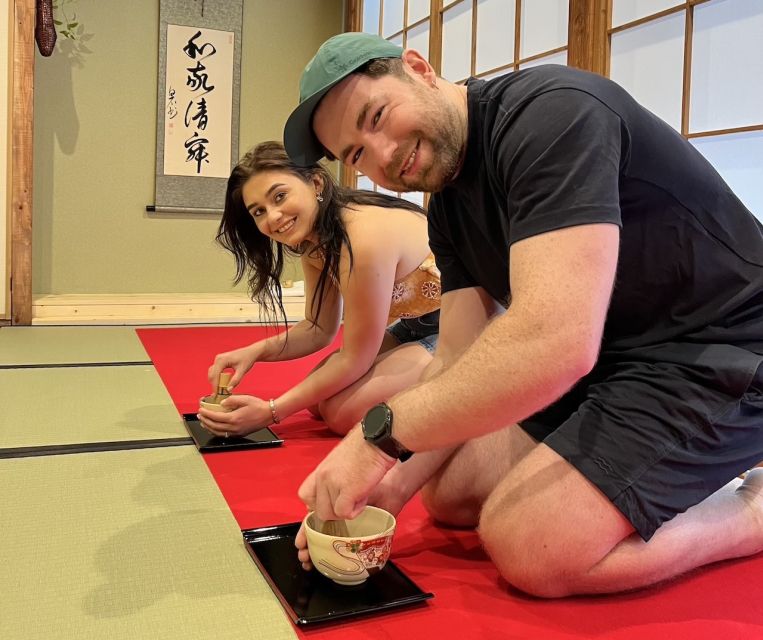
Seasonal Japanese confections are included and served with the tea. These small sweets are not an extra purchase, and they do more than add a snack to the schedule.
Their sweetness balances the earthy bitterness of matcha. You taste the confection first or alongside the tea, then notice how the flavor changes. This pairing is one of the pleasures of the session, especially if you are unsure about powdered green tea.
The sweets also introduce you to a small part of Japanese food culture. Their appearance and seasonal character matter, even though the exact confection can vary. Do not expect a large dessert plate. These are delicate portions designed to accompany the tea.
Several hosts, including Mayumi, have been praised for the quality of the sweets as well as the teaching. The confections help make the activity feel complete, rather than like a demonstration followed by a quick exit.
Food is not otherwise allowed in the venue, so do not bring snacks into the room. Matcha and the included confections are provided as part of the experience.
How much value do you get for $25?
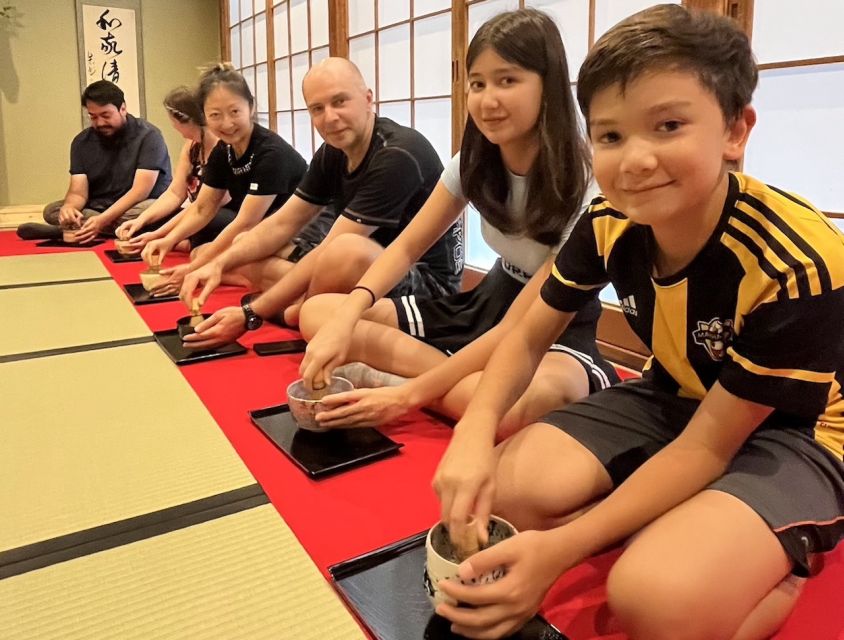
At $25 per person, this is reasonably priced for a short cultural activity in central Osaka. The fee includes entrance, matcha, and confections, with no separate payment for the instructor or the tea tools.
The strongest value comes from the balance of demonstration and participation. A purely visual ceremony might leave you with attractive photos but little understanding of the process. A longer formal ceremony might offer more depth but cost more time and money. This session sits between the two.
It is also easy to fit into a busy itinerary. You can pair it with time around Dotonbori, then return to restaurants, shopping, or evening sightseeing. The short duration makes it less of a commitment than a full-day cultural tour.
There are limits. You should not book this expecting a private ceremony, an extensive tea-school history, or a long period of quiet meditation. The experience is designed as an introduction. If you already study tea ceremony, you may find the material basic. For most first-time visitors, that simplicity is a strength.
The very high rating and large number of bookings suggest that the format consistently meets its goal, but I would still judge it by your interests. You are paying for a guided cultural encounter and hands-on practice, not an elaborate meal or a lengthy performance.
Who should book this experience?
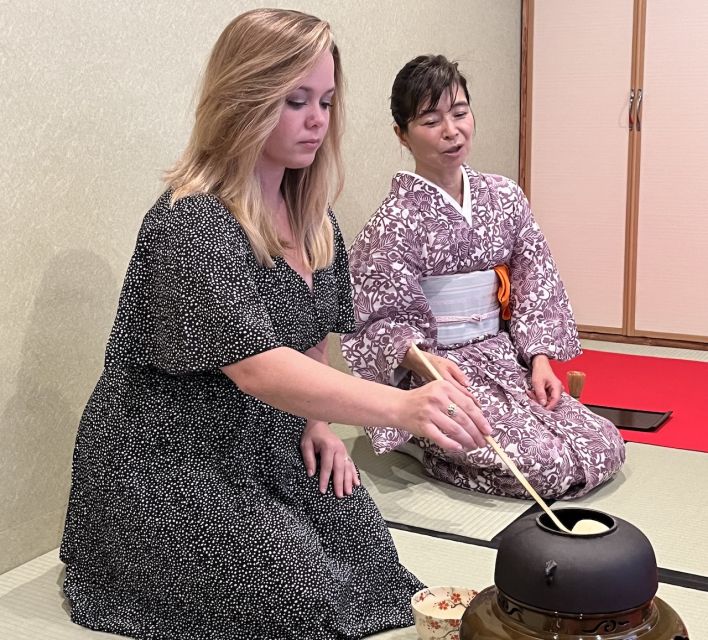
I would recommend it to first-time visitors to Japan who want a cultural activity with clear English guidance. It is especially useful if you have admired tea ceremony but felt unsure about its rules or meaning.
It suits couples, small groups, solo visitors, and families with eligible children. The instructors are patient with questions, and the hands-on portion keeps the session from becoming passive.
It is also a good choice for a rainy day or for a mid-day break. You get out of the streets, sit in a quiet room, and spend less than an hour doing something closely tied to Japanese tradition.
You may want to skip it if you dislike sitting on the floor, cannot follow a quiet-room setting, or have no interest in matcha. The activity specifically asks visitors not to make noise, jump, bring food, or bring baby strollers and baby carriages. Children under 5 are not allowed to enter, while every child aged 5 or older needs a ticket. If you are traveling with a child under 4, contact the provider in advance.
English is the listed language, and an English audio guide is included. The host or greeter also speaks English, so you can take part without needing Japanese.
Booking and cancellation details
You can cancel up to 24 hours before the activity for a full refund. The reserve-now, pay-later option is useful if your Osaka schedule is still changing, since you can hold a place without paying immediately.
Starting times vary, so check availability for your preferred date. I would book ahead if this is important to your itinerary, then confirm the address and map pin on the day of the activity.
The provider is The Osaka&Tokyo. Since the meeting point is on the second floor, give yourself enough time to identify the correct building rather than rushing in from the street.
Should you book the Osaka tea ceremony?
Yes, if you want a short, affordable, hands-on introduction to Japanese culture. The English instruction, kimono-clad hosts, quiet tatami room, seasonal sweets, and chance to make your own matcha give the session real substance for its $25 price.
Book it with two cautions in mind: the address can take effort to find, and floor seating may not be comfortable for everyone. If those points work for you, this is an easy way to add a thoughtful cultural pause to a busy Osaka day. You will leave knowing how matcha is made, why the ceremony is performed with such care, and whether the taste has won you over.
FAQ
How long does the Osaka tea ceremony last?
The scheduled duration is 45 minutes. Some participants have found themselves sitting on the floor for close to an hour, so allow a little extra time around the booking.
What is included in the price?
The $25 price includes entrance, matcha, and Japanese confections.
Is the tea ceremony conducted in English?
Yes. The instructors speak English, the host or greeter speaks English, and an English audio guide is included.
Where is the meeting point?
The activity is at Osaka City, Chuo Ward, Dotonbori 1-chome Higashi 5-26, on the second floor. Use Google Maps and search for tea ceremony osaka the osaka. The coordinates are 34.66885079999999, 135.5063291.
Can children participate?
Children under 5 are not allowed to enter. Every child aged 5 or older must have a ticket. If you are accompanied by a child under 4, contact the provider in advance.
Can I cancel the booking?
Yes. You can cancel up to 24 hours in advance for a full refund. You can also reserve now and pay later.
Newly steeped around Osaka
- Osaka:Zen Tea Ceremony and Foot Bath Experience<45min>★ 5.0 · 7 reviews
- Osaka Japanese Cooking And Matcha Class near Osaka Castle★ 5.0 · 22 reviews
- Nara Deer Park, Uji Matcha, & Hot Spring Full-Day Tour from Osaka★ 4.0 · 21 reviews
- Osaka: Tea Ceremony, Calligraphy, and Kimono Experience★ 5.0 · 6 reviews
- Tea and Calligraphy Session at a Table in Osaka★ 5.0 · 4 reviews
- Osaka: Nara, Todaiji, Uji Matcha, and Hot Spring Tour★ 4.0 · 7 reviews
- Craft Sushi and Matcha Ice Cream in Central Osaka (3-Course Meal)★ 5.0 · 2 reviews
- ZEN therapy | Shiatsu-style massage, EnergyTherapy & Japanese Tea★ 5.0 · 5 reviews
Tea Ceremony Experiences, compared.
Kyoto: Tea Ceremony in a Traditional Tea House in Kiyomizu
Read our review →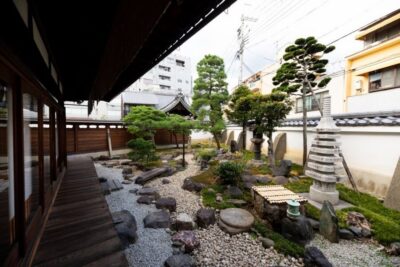
Kyoto: 45-Minute Tea Ceremony Lesson Experience
Read our review →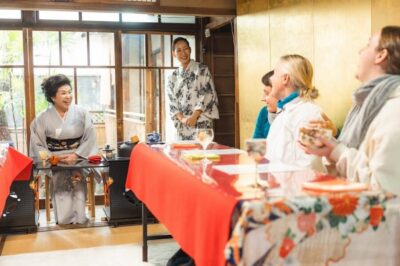
Kyoto: Table-Style Tea Ceremony at a Kyo-Machiya
Read our review →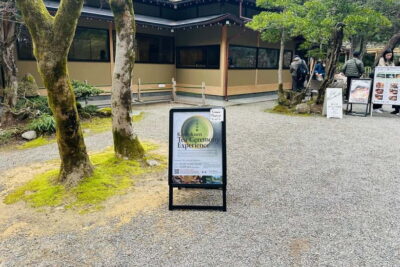


Browse the lists this tea experience appears in