
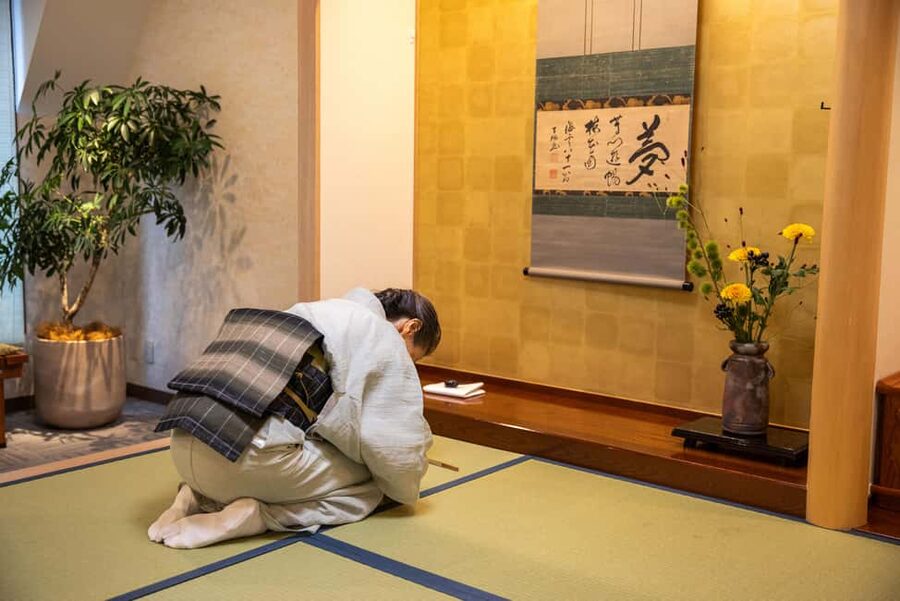
Review · TOKYO
Tokyo: Tea Ceremony Experience in Asakusa
The best part of this Asakusa tea ceremony is that you do not need to know the rules before you arrive. Your host explains the gestures, the meaning of the tea, and the role of hospitality before guiding you through the process yourself. You learn by watching, then by doing.
I like the small group limit of eight, which gives the session a personal feel. I also like that you prepare your own bowl of matcha rather than simply watching a formal demonstration. The main point to consider is timing: one hour gives you a pleasant introduction, but not a long or highly formal study of tea ceremony.
The tone is friendly and relaxed, with English instruction from hosts including Midori, Madori, and Kaz. You can ask questions, take photos, and enjoy the ceremony without worrying about making a mistake.
Key points at a glance
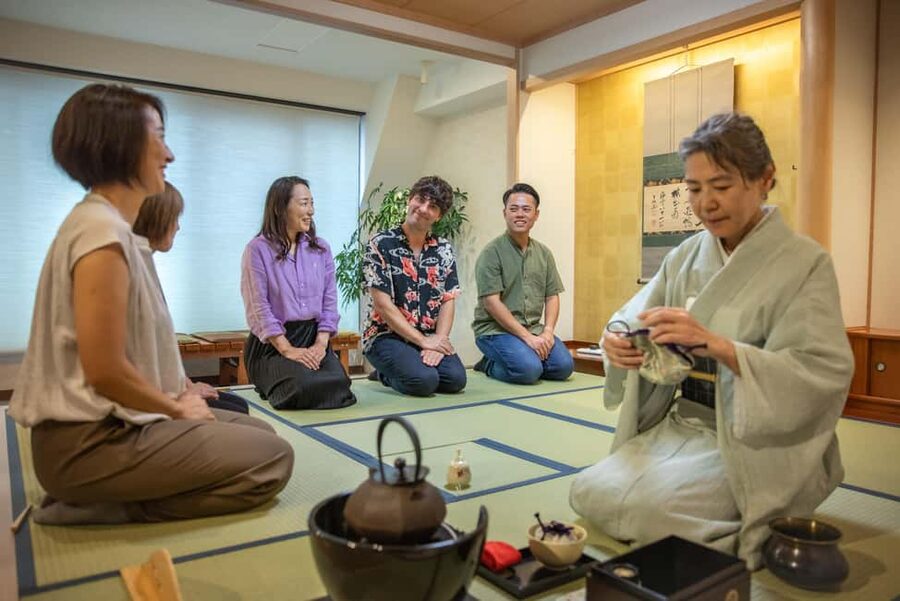
- Whisk your own matcha: You do not just watch the tea being made. You prepare a bowl yourself and taste the result.
- Learn the meaning of the gestures: Your host explains the actions, from adding water to presenting the tea.
- Try traditional Japanese sweets: The sweets provide a pleasant counterpoint to matcha’s earthy, slightly bitter taste.
- Enjoy a beginner-friendly format: This is a relaxed introduction, not a strict ceremony where you must already know the etiquette.
- Meet at Tokyo Tourist Lounge Asakusa: The venue is on the fifth floor, with coordinates provided for easy map navigation.
- Join a small, accessible group: Up to eight people can attend, and the activity is wheelchair accessible.
A gentle introduction to Japanese tea ceremony
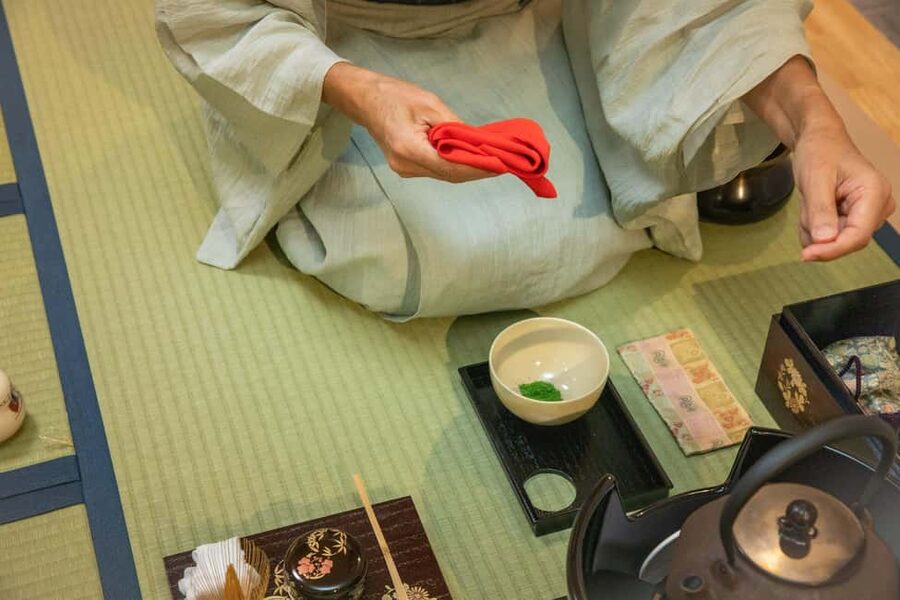
Japanese tea ceremony can look serious from the outside. The movements are careful, the tools have purpose, and the atmosphere is quiet. For a first-time visitor, it can be hard to know what to notice or how to behave.
This one-hour session removes much of that worry. Your host explains what is happening as the ceremony unfolds, so you are not left guessing why a particular movement matters. The focus is on understanding and participation, not on testing your manners.
That makes the experience a good fit if you are curious about Japanese culture but do not want a long or rigid lesson. You can sit comfortably, listen to the explanation, and then try the process yourself. If you have questions about matcha, Japanese customs, or the ceremony’s place in daily life, you are encouraged to ask.
The idea of harmony and hospitality is part of the lesson. The tea ceremony is not simply a way to make a hot drink. It gives attention to the host, the guest, the tools, the setting, and the act of sharing tea. In a busy city such as Tokyo, that pause can be just as valuable as the tea itself.
More Tea Ceremonies in Tokyo
- Kimono Tea Ceremony at Tokyo, Asakusa Maikoya
★ 5.0 · 638 reviews - Tokyo: Traditional Tea Ceremony with a Tea Master
★ 5.0 · 528 reviews - Tea Ceremony Workshop in Tokyo by the Experienced Instrucor
★ 5.0 · 189 reviews
Finding the fifth-floor meeting point in Asakusa
The meeting point is Tokyo Tourist Lounge Asakusa, located on the fifth floor of the building. The simplest approach is to enter Tokyo Tourist Lounge Asakusa into the Google Maps app and check that the map pin matches the provided coordinates: 35.7103757, 139.796744.
This is useful practical advice because searching only for a general phrase such as tea ceremony in Asakusa may bring up several unrelated results. Use the exact venue name before you set out, and allow enough time to find the building and reach the fifth floor.
The meeting point puts you in Asakusa, one of Tokyo’s best-known areas for traditional culture and historic religious sites. The activity itself does not include a walking tour, so plan your sightseeing separately. It works well as a quiet hour between visits around Asakusa, or as a calm cultural stop after exploring the area.
The instructions say the experience is wheelchair accessible. If access is important for your plans, it is still sensible to confirm any personal requirements when booking, but the activity is presented as suitable for wheelchair users.
Watching the ceremony before you try it
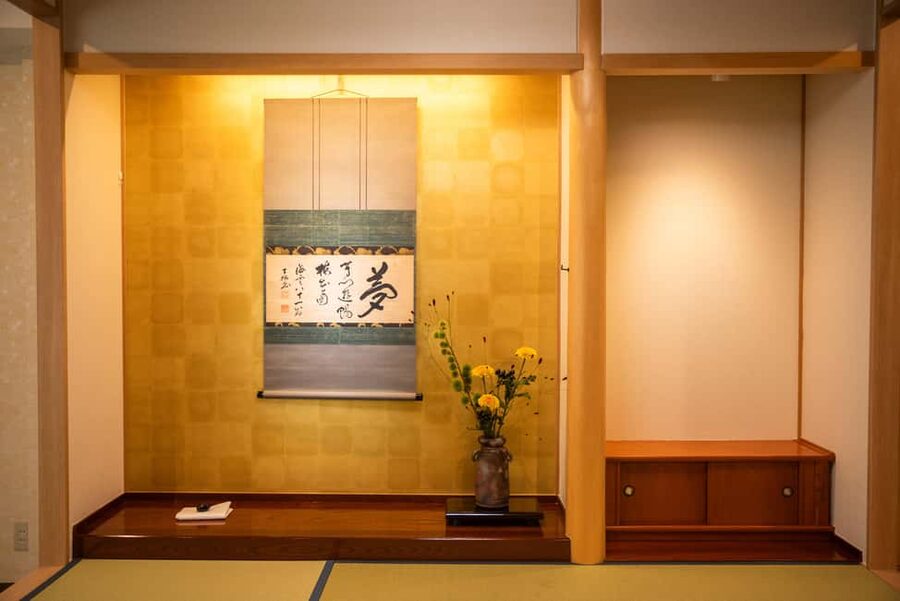
The session begins with an explanation and demonstration. Your host shows you how the tea is prepared and talks through the actions in clear English. You learn the basic role of the bowl, the hot water, the whisk, and the careful presentation of the finished tea.
This first stage matters. Matcha is not prepared like ordinary tea. Powdered green tea is whisked into water, creating a smooth, frothy drink with a strong flavor. Seeing the process first gives you a better sense of what your own bowl should look like and how much care goes into each step.
The hosts also explain the cultural meaning behind the movements. Based on the feedback from this experience, the explanation can include where matcha comes from, its importance, and its connection with Japanese society and culture. That context keeps the session from becoming a simple craft lesson.
Midori has been praised for giving a peaceful and informative introduction, while Kaz has been noted for guiding the practical part clearly. The host names listed for this experience include Midori, Madori, and Kaz, so your exact instructor may vary. The common thread is English guidance and a friendly approach aimed at first-time participants.
Do not expect a silent, highly formal ceremony in which you sit perfectly still for a long period. This is deliberately made approachable. You are there to learn, not to perform for an expert.
Learning to whisk matcha
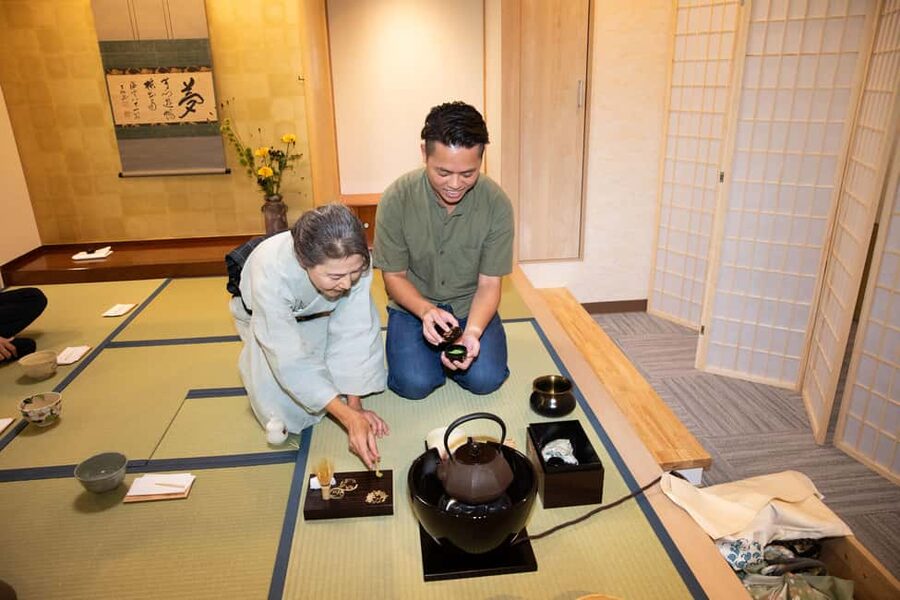
The hands-on section is the heart of the activity. After watching the demonstration, you prepare your own bowl of matcha with guidance from the host.
Whisking looks simple, but it takes a little coordination. You add the powdered tea and water, then use the bamboo whisk to mix it into a smooth drink. Your host can show you the motion and help you understand the right pace. The point is not to produce a perfect bowl on the first try. It is to feel how the tea comes together and appreciate the work behind a familiar Japanese drink.
I like this part because it gives you something concrete to remember. You are not just taking photographs or listening to a talk. You are using the tools, following the steps, and tasting tea you prepared yourself.
The experience lets you enjoy the matcha at your own pace. That is helpful if you are new to the flavor. Matcha can taste grassy, earthy, and slightly bitter, and it may be stronger than you expect. The traditional sweets help balance it and make the tasting more pleasant.
A little patience helps here. If your first bowl is not perfectly frothy, that is part of the fun. The session is designed for beginners, and the host guides you through the process rather than expecting previous knowledge.
Same leaf, a different ritual:
- Matcha Making Class in Tokyo with Authentic Japanese Sweets Set
★ 5.0 · 744 reviews - Dynamic Tokyo: Tokyo Tower, Tea Experience, Bay Cruise Day Tour
★ 4.5 · 521 reviews - Tokyo: Matcha Making Experience with Mochi Sweets in Asakusa
★ 4.9 · 388 reviews - Asakusa Cultural Walk & Matcha Making Tour
★ 5.0 · 245 reviews
Traditional sweets and the flavor of matcha
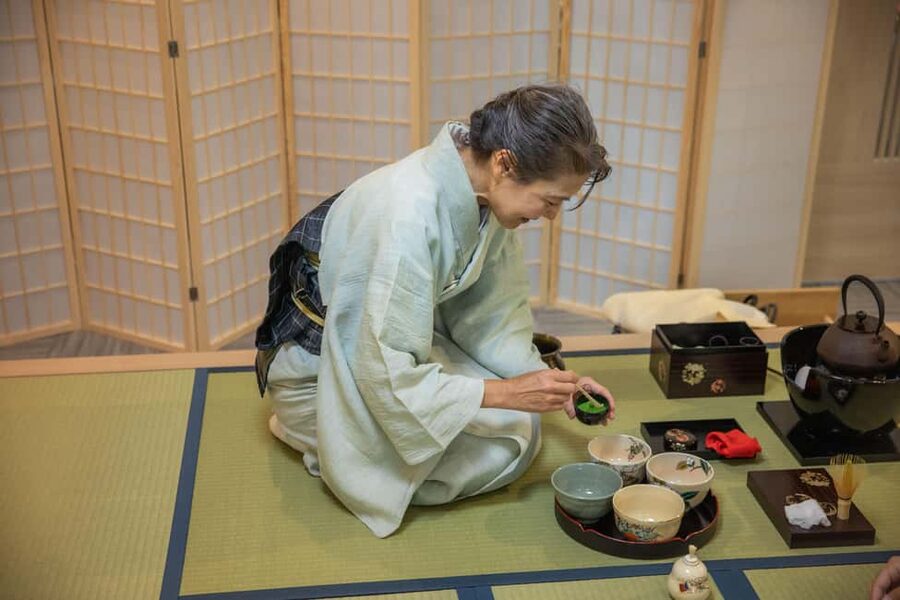
The tea is served with traditional Japanese sweets. These are included in the price and play an important role in the tasting, not just as a small extra.
Japanese sweets are often made to complement tea. Their sweetness softens matcha’s bitterness and gives your palate a different flavor to consider. Eating the sweet before drinking the tea can change how the matcha tastes, so pay attention to that contrast.
This is also a useful introduction if you have only tried matcha in modern forms such as lattes, ice cream, or desserts. The ceremony presents matcha in a more direct way. You taste the powdered tea itself, prepared with hot water and whisked by hand.
The portion of the experience is not described as a full meal, so arrive expecting a cultural tasting rather than lunch. If you need a substantial meal, eat before or after the session. The sweets and tea are enough to round out the activity, but they are not meant to replace dining in Asakusa.
Why the small group matters
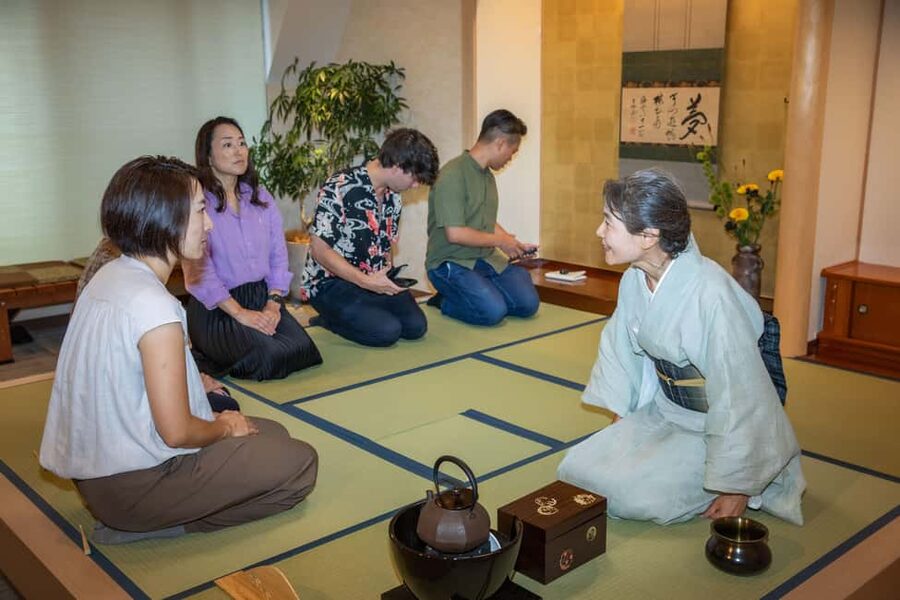
The group is limited to eight participants. That number is large enough to create a little shared energy, but small enough for the host to explain the technique and answer questions.
This matters most during the hands-on portion. You may want help with the whisk, the water, or the order of the steps. In a large class, you could spend more time waiting or watching other people. With a small group, you have a better chance to receive direct guidance.
The relaxed format also makes it easier to ask basic questions. You can ask what the gestures mean, how matcha differs from other green tea, or why the sweets are served. No question is too simple for a beginner-focused session.
The activity has received a top rating from 36 reviews, with repeated praise for the hosts’ kindness, clear explanations, and calm manner. I would put the greatest weight on those repeated qualities. The value here depends heavily on the guide, and the named instructors have been praised for making the ceremony welcoming and easy to follow.
A photo-friendly experience without losing the calm
You are allowed to take photos during the session. That is useful if you want a visual memory of the tea tools, your bowl of matcha, or the preparation process.
Still, I would keep your phone away for part of the hour. Tea ceremony is built around attention, and watching every step through a screen would miss some of the point. Take a few pictures when appropriate, then give yourself time to observe the whisking, the presentation, and the finished tea.
The relaxed rules make this easier. You do not need to worry that a small movement or question will ruin a formal performance. Your host can explain when a photograph is suitable and keep the mood comfortable.
This balance is one reason the experience works well for first-time visitors. You can document the activity without treating it like a stage show.
What the $25 price includes
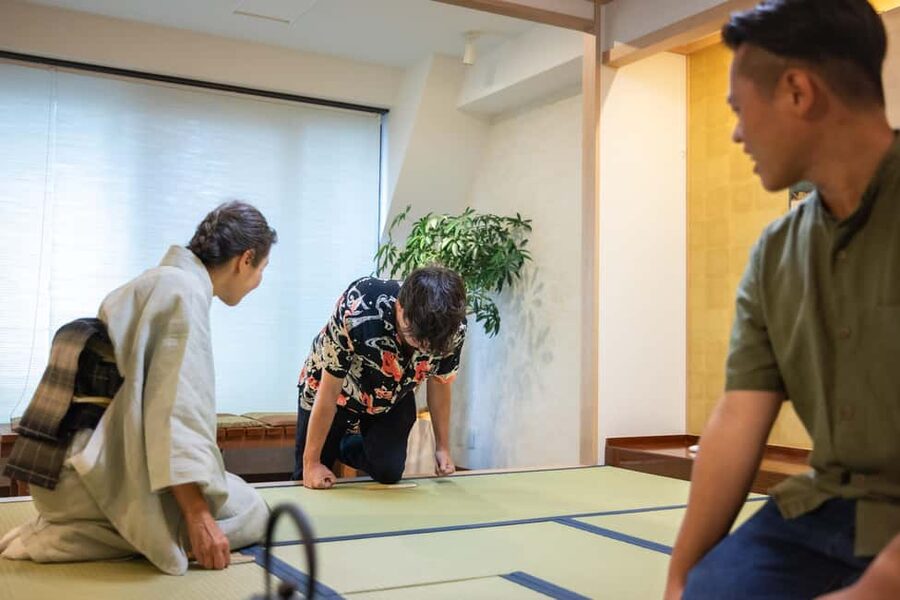
At $25 per person, the experience offers good value for a short cultural activity in Tokyo. The price includes the Japanese tea ceremony, the matcha preparation lesson, traditional Japanese sweets, and an English-guided session.
The value comes from the combination of instruction and participation. A simple cup of matcha would cost far less, but this is not just a drink purchase. You receive an explanation of the tradition, a demonstration, the chance to prepare your own tea, and time to ask questions.
The one-hour duration also keeps the commitment manageable. You can fit it into a day of sightseeing without giving up half a day. The tradeoff is that the session remains an introduction. If you want detailed study of tea schools, advanced etiquette, or a longer formal ceremony, this will probably feel too brief.
Kimono rental is not included. If wearing traditional clothing is important to you, you would need to arrange that separately, and the activity price should not be compared with experiences that include costume rental. Here, the focus stays on the tea itself.
Who will enjoy this Asakusa activity
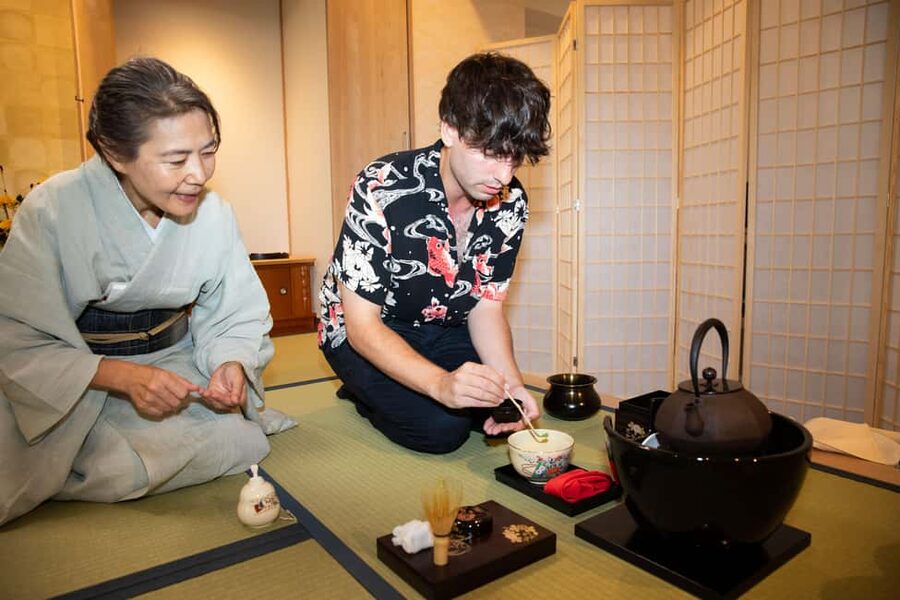
I would recommend this experience to first-time visitors who want a simple way to connect with Japanese culture. It also suits repeat visitors who have seen Tokyo’s major sights and want a quieter activity with more personal instruction.
Families, couples, solo visitors, and small groups can all fit the format, provided they are interested in taking part. The English instruction makes it accessible to international visitors, and the beginner-friendly approach means you do not need any background in tea ceremony.
It is especially suitable if you:
- Want to learn by doing rather than only watching
- Enjoy food and drink experiences with cultural context
- Prefer small groups to large classes
- Need an activity that lasts about one hour
- Like having room to ask questions and take photos
- Want a calm break during sightseeing in Asakusa
You may want to choose another activity if you are looking for a full meal, kimono rental, or an extended formal ceremony. This is a compact introduction, not a complete day of traditional arts.
Booking details that matter
You can cancel up to 24 hours before the activity for a full refund. The reserve-now, pay-later option also gives you some flexibility while arranging your Tokyo schedule.
The duration is one hour, with starting times depending on availability. Check the time carefully against your plans in Asakusa, especially if you are combining the session with other timed tickets.
The experience is offered in English, and the group size is limited to eight. The provider is Localized Walking & Food Tours. Since the host is central to the quality of the lesson, booking a time that works comfortably for you is better than trying to squeeze the activity into a rushed gap.
Should you book the Asakusa tea ceremony?
Book it if you want a short, hands-on cultural experience that explains the meaning behind matcha while letting you prepare your own bowl. The $25 price is fair for the instruction, sweets, small group setting, and guided participation.
I would especially choose it for a first visit to Japan, a rainy-day plan, or a quiet break from Tokyo’s crowded sights. The strongest reasons to go are the kind English-speaking hosts, the clear explanations, and the chance to ask questions without feeling out of place.
Skip it if you want kimono rental, a full meal, or a long and strictly formal tea ceremony. For everyone else, this is an easygoing way to slow down for an hour and leave Asakusa with a better understanding of matcha and Japanese hospitality.
FAQ
How long does the tea ceremony experience last?
The activity lasts one hour.
How much does the experience cost?
The price is $25 per person.
Where is the meeting point?
Meet at Tokyo Tourist Lounge Asakusa on the fifth floor of the building. You can enter that exact name into Google Maps. The listed coordinates are 35.7103757, 139.796744.
Is the experience conducted in English?
Yes. The instructor language is English.
How many people can join the group?
The activity is a small-group experience limited to eight participants.
Is the activity wheelchair accessible?
Yes, the experience is listed as wheelchair accessible.
Do I prepare my own matcha?
Yes. After learning the process, you prepare your own bowl of matcha and enjoy it at your own pace.
Are traditional Japanese sweets included?
Yes. Traditional Japanese sweets are included with the tea ceremony.
Is kimono rental included?
No. Kimono rental is not included in the activity price.
Newly steeped around Tokyo
- Yokohama : Tea Ceremony with Sweets and Souvenir★ 5.0 · 5 reviews
- Walking Tour: Yanaka,Nezu& Sendagi: Tea Ceremony & Old Tokyo★ 5.0 · 3 reviews
- Private Mochi・Matcha sweets Making Class Near Shibuya Area★ 5.0 · 22 reviews
- 2 Hours Mochi &Nerikiri Making & Matcha Class in Bunkyo★ 5.0 · 21 reviews
- Private Kimono and tea ceremony at local home near Tokyo Disney★ 5.0 · 6 reviews
- Kimono and Tea Ceremony in Asakusa Private Food Tour With Guide★ 5.0 · 4 reviews
- Giant Sushi Cooking Class: Make a 1.5m Sushi Roll in Tokyo★ 5.0 · 9 reviews
- Tokyo Tea Ceremony Class at a Traditional Tea Room★ 5.0 · 2 reviews
Tea Ceremony Experiences, compared.
Kyoto: Tea Ceremony in a Traditional Tea House in Kiyomizu
Read our review →
Kyoto: 45-Minute Tea Ceremony Lesson Experience
Read our review →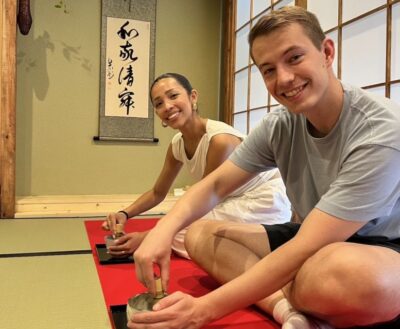
Kyoto: Table-Style Tea Ceremony at a Kyo-Machiya
Read our review →


Browse the lists this tea experience appears in