
Review · TOKYO
Tokyo: Tea Ceremony in Shibuya Tokyo
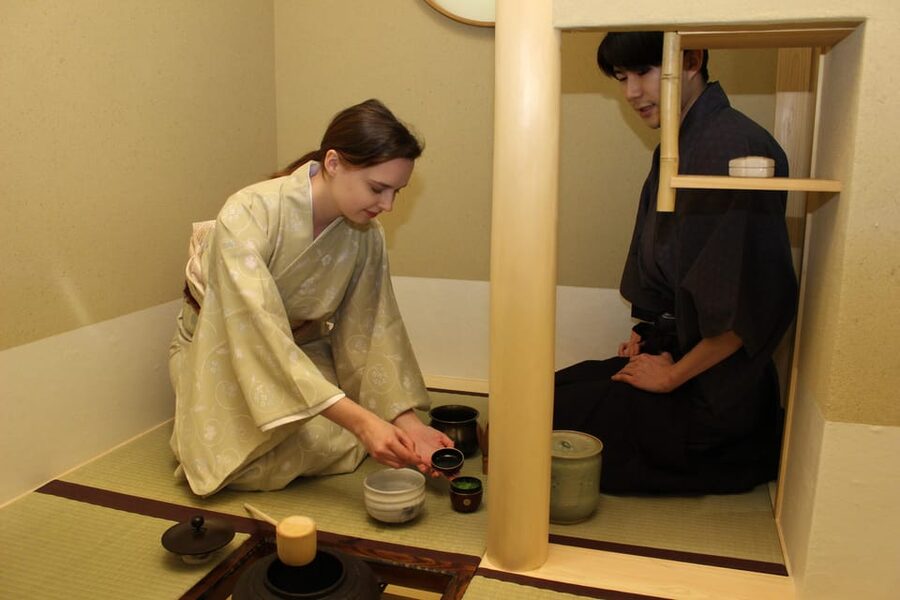
Tokyo’s Shibuya district is better known for giant screens and crowded crossings, but this experience leads you into a quieter corner of Japanese culture. In a traditional tea room, an English-speaking teacher explains the ceremony, demonstrates Otemae, and helps you prepare your own bowl of matcha.
I like the private format, which keeps the lesson personal for one to four people. I also like the chance to taste Japanese sweets before making tea, since the sweet and bitter flavors are meant to work together. The main consideration is price: at $81 per person, this is not a quick, casual cup of tea, and the lesson may feel too formal if you only want a short refreshment stop.
Key points about this Shibuya tea ceremony
- Private groups of one to four: You share the tea room only with your own family or friends.
- English-speaking instruction: The teacher explains the ceremony, its background, and its etiquette in English.
- Hands-on matcha making: You do not only watch Otemae. You prepare your own tea and drink it.
- Traditional sweets included: The sweets come before your tea and help you understand the classic flavor pairing.
- Optional kimono experience: Kimono wear is available for an additional charge, subject to the arrangement made with the provider.
- Small cultural souvenirs: Items such as Pokemon made from kimono fabric may be available to buy.
Entering a private tea room in Shibuya
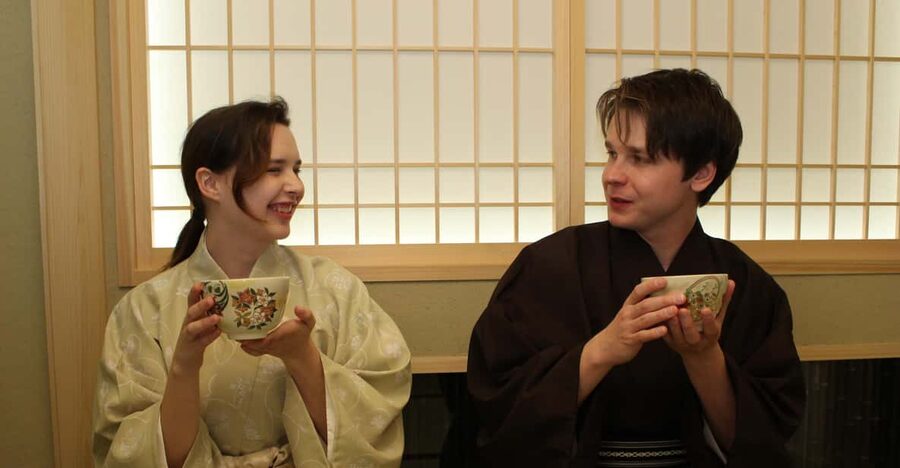
The appeal here is not simply drinking matcha. It is learning why the preparation is slow, careful, and full of small gestures. Your teacher begins with an explanation of the tea ceremony, its history, and the etiquette that guides the guest as well as the host.
That introduction matters. Without it, the movements can look mysterious or overly formal. With it, you have a framework for understanding where to sit, how to receive the bowl, and why attention is paid to the room, utensils, sweets, and tea itself.
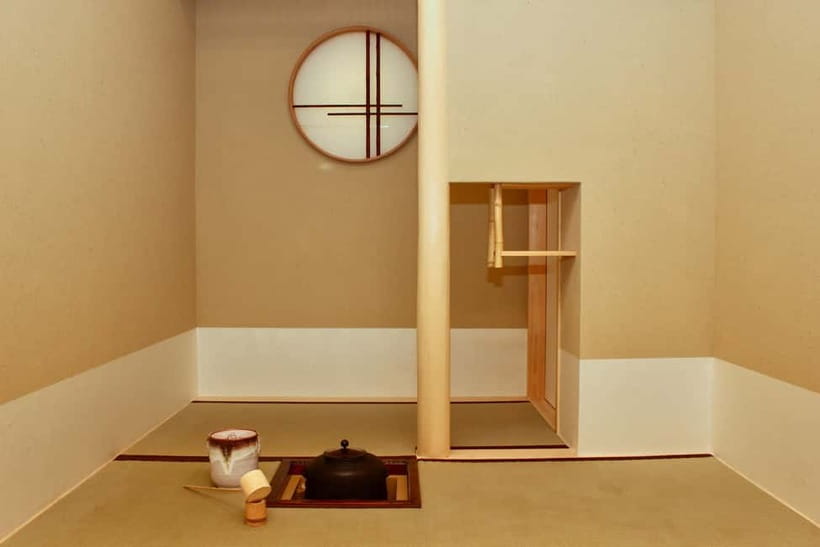
The setting is described as a prestigious tea room, giving the class a more traditional feel than a modern café demonstration. You should expect a focused cultural lesson rather than a photo stop built around a fashionable drink.
Because the class is private, your group can ask questions without worrying about holding up a larger audience. This suits families, couples, and friends who want to share the activity at their own pace. A solo booking is also possible, as the minimum group size is one person.
More Tea Ceremonies in Tokyo
- Kimono Tea Ceremony at Tokyo, Asakusa Maikoya
★ 5.0 · 638 reviews - Tokyo: Traditional Tea Ceremony with a Tea Master
★ 5.0 · 528 reviews - Tea Ceremony Workshop in Tokyo by the Experienced Instrucor
★ 5.0 · 189 reviews
What the Otemae demonstration teaches you
The teacher then performs Otemae, the formal process of preparing matcha. Watch the order of the movements and the care given to each tool. The point is not speed. It is attention.
One teacher named in the activity feedback is Mako-san, who leads the ceremony in a kimono and has a calm manner. The experience uses English-speaking teachers with experience in tea, so you can follow the explanation even if you know little about Japanese customs before arriving.
I find this part especially useful for first-time visitors to Japan. You see the ceremony done correctly before you try it, which takes away some pressure. It also lets you notice details that are easy to miss when you are concentrating on your own hands.
Do not expect a theatrical performance with constant narration. The charm comes from quiet movements and a clear explanation of what they mean. If you prefer an active attraction with lots of changing scenery, the steady pace may feel slow. If you want a short pause from Shibuya’s noise, that pace is part of the point.
Japanese sweets before your matcha
Before you make tea, you taste traditional Japanese sweets. This is more than a small snack included with the ticket. The sweetness prepares your palate for matcha, which has a grassy, earthy bitterness.
The order also gives you a gentle introduction to the ceremony. You can settle into the room, listen to the teacher, and taste something familiar enough to make the later flavor easier to appreciate. The tea and sweets fees are included in the $81 price.
The exact type of sweet is not specified, so do not book this expecting a particular wagashi. Still, the pairing is a useful part of the lesson. It shows how Japanese food often balances strong flavors rather than hiding them.
If you are sensitive to unfamiliar tastes, the sweets offer a comfortable starting point. Matcha can be an acquired taste, and preparing it yourself does not change its natural bitterness. The class gives you context, but it does not promise a sweetened café-style drink.
Making your own bowl of matcha
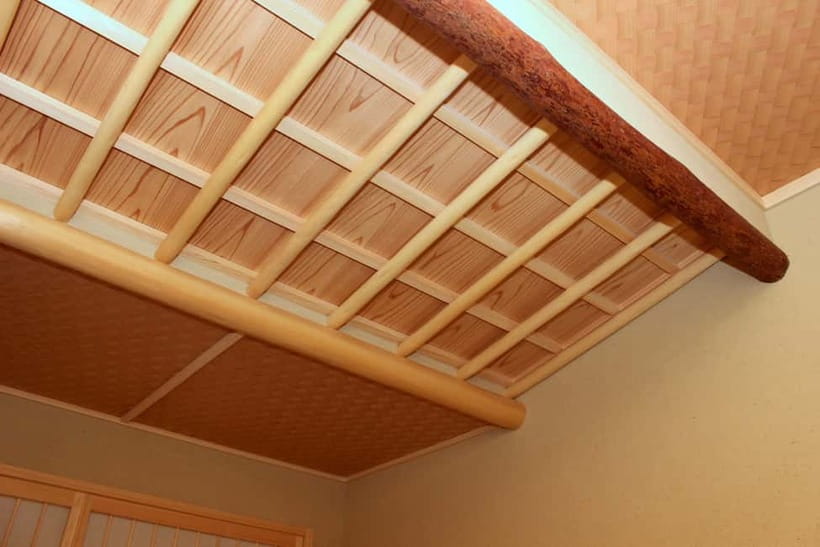
After watching the teacher, you take your turn preparing tea. This hands-on section is the heart of the activity. You use the method just demonstrated, then taste the matcha you have made.
Do not worry about producing a perfect bowl. The value is in following the sequence and feeling how much care goes into a drink that can seem simple from the outside. The teacher can guide you through the process, and the private format means your group does not have to compete for attention.
I like the way this changes the experience from a lecture into a shared activity. You remember the movements because you perform them, not because you merely hear about them. Families can take turns, and friends can compare their results in a relaxed setting.
The class also gives you a better sense of the host’s work. Preparing tea for someone else requires concentration, while receiving tea calls for its own manners. You get to experience both sides in a small way.
Same leaf, a different ritual:
- Matcha Making Class in Tokyo with Authentic Japanese Sweets Set
★ 5.0 · 744 reviews - Dynamic Tokyo: Tokyo Tower, Tea Experience, Bay Cruise Day Tour
★ 4.5 · 521 reviews - Tokyo: Matcha Making Experience with Mochi Sweets in Asakusa
★ 4.9 · 388 reviews - Asakusa Cultural Walk & Matcha Making Tour
★ 5.0 · 245 reviews
Kimono options and Japanese-made souvenirs
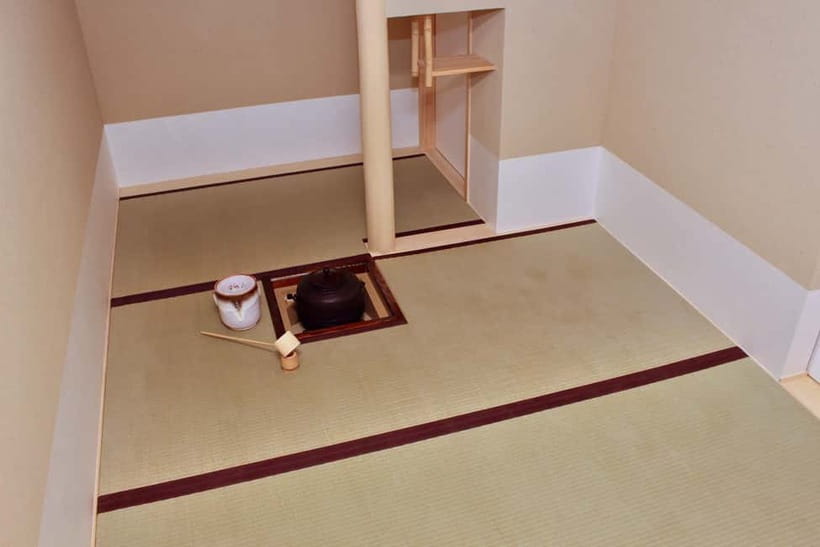
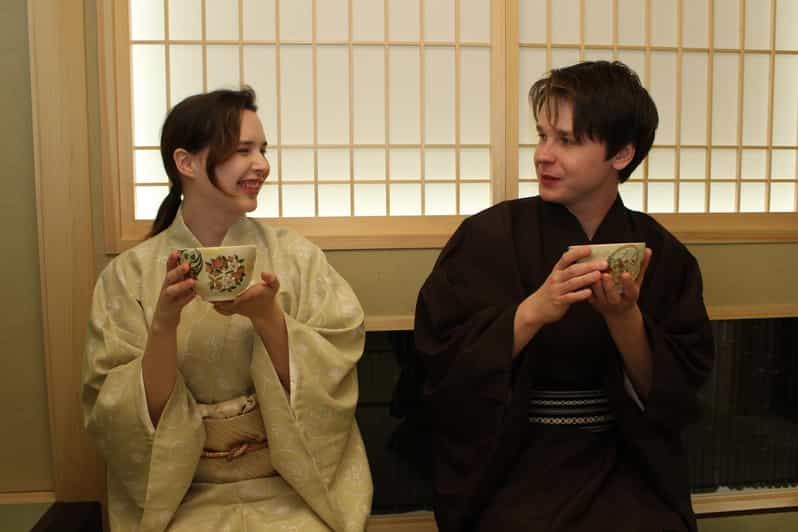
Kimono wear is available for an extra charge. One participant joined the ceremony in kimono, which can make the occasion feel more special and create memorable photographs. Since the fee is separate, confirm the cost and arrangements before booking if wearing kimono is important to you.
The basic tea ceremony does not require you to dress in traditional clothing. The practical clothing advice is simple: wear a skirt or pants long enough to cover your knees. If your clothes are not suitable, the provider can lend you pants or a wrap skirt at no cost.
There are also souvenirs connected to the clothing tradition. Small items such as Pokemon made from kimono material may be available, along with tea-related goods. One person bought a tea set and matcha after the ceremony. These purchases are optional, so your $81 fee covers the class, tea, sweets, facility charges, and taxes, not a shopping package.
The fabric souvenirs may appeal to families and younger participants who find a formal cultural lesson intimidating. A Pokemon item made from kimono cloth gives the traditional material a playful modern use. Availability and prices are not specified, so treat these as possible extras rather than guaranteed inclusions.
How the $81 price measures up
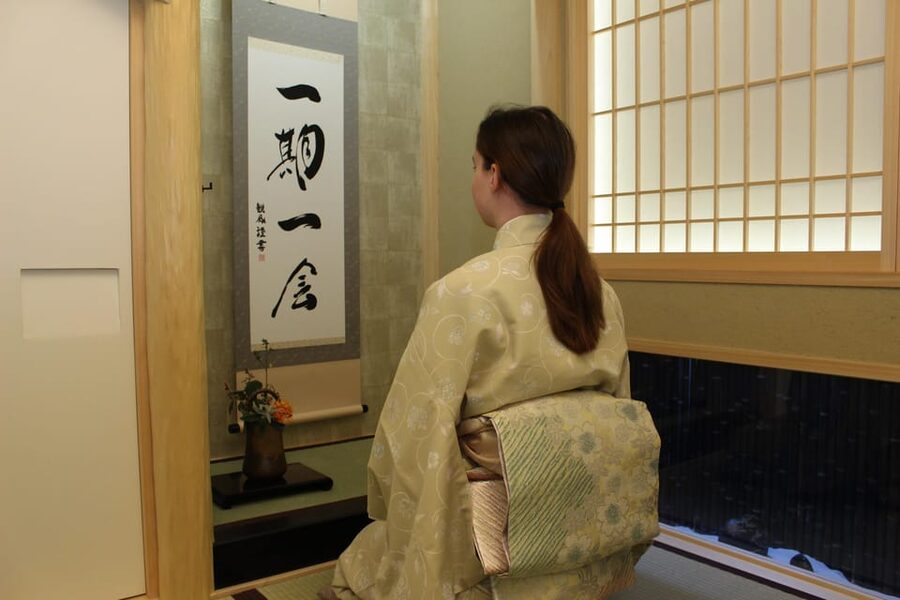
At $81 per person, this is a premium cultural activity. The price makes more sense when you count what is included: private instruction, an English-speaking teacher, the tea and sweets, the use of the tea room, facility charges, and taxes.
You are paying for attention as much as for refreshments. A large public demonstration could offer a lower price, but it would not necessarily give each person a turn at making matcha. Here, the private group size is limited to four, and the teacher can focus on your questions and pace.
The value is strongest when you want to understand the ceremony rather than simply sample matcha. It also works well for a special family outing or a quieter cultural appointment during a stay in Tokyo.
The price is harder to justify if your main goal is just to drink tea. Shibuya has many cafés, and you can find matcha at a much lower cost elsewhere. This class earns its fee through the teaching, setting, private booking, and hands-on portion.
For a group of four, the total cost is substantial, but the private structure may compare favorably with booking separate small-group activities. For one person, the same price buys a very personal lesson, though solo visitors should be sure they want a formal cultural experience before committing.
The private format and pace
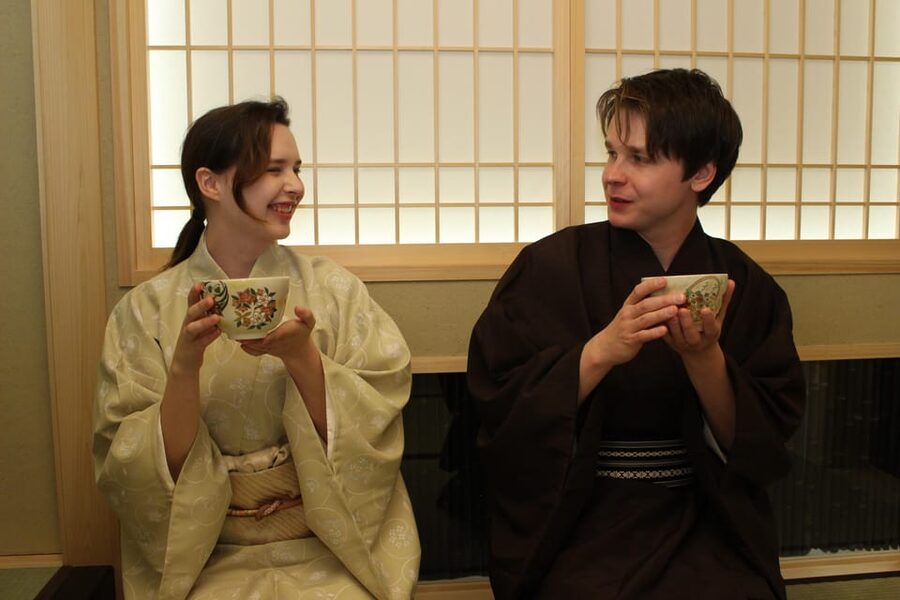
The class accepts from one to four people per booking, and sessions are not mixed with unrelated groups. That detail is important. You will not be placed at a table with strangers or asked to share the teacher’s attention with a large class.
For families, this makes it easier to include children or older relatives at their own pace. For couples, it creates a quieter setting. For friends, it allows everyone to participate rather than leaving one person watching from the side.
The available program may come in different lengths and plans. A shorter one-hour tea ceremony format has been offered, but you should check the current options before booking because dates and plans can change. Do not assume every available session has the same duration.
A private class can also feel more formal than a group activity. There is less anonymity, so you may feel more aware of your posture and manners. The teacher’s guidance helps, but bring a willingness to listen and take part.
Practical clothing and pickup details
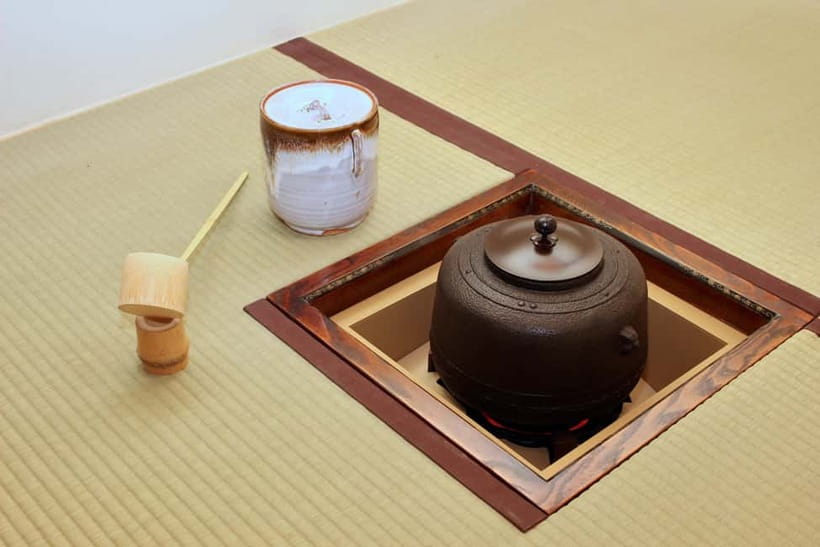
You do not need to bring special equipment. Tea, sweets, and the required facility costs are covered, and suitable pants or a wrap skirt can be borrowed free of charge if your clothing does not cover your knees.
The clothing advice is worth taking seriously. A tea ceremony involves sitting and formal movement, so comfortable, modest clothing is the sensible choice. If you plan to add kimono wear, ask about the clothing arrangements before you reserve.
Pickup service is available if needed. You must contact the provider by email before booking to discuss it. The listed contact is [email protected]. Since the exact pickup area and timing are not provided, do not assume a door-to-door transfer is automatic.
Booking and payment are handled in advance. The activity offers a reserve-and-pay-later option, and cancellation is allowed up to 24 hours before the experience for a full refund. Those terms give you some protection when arranging a busy Tokyo schedule.
Who will enjoy this experience most
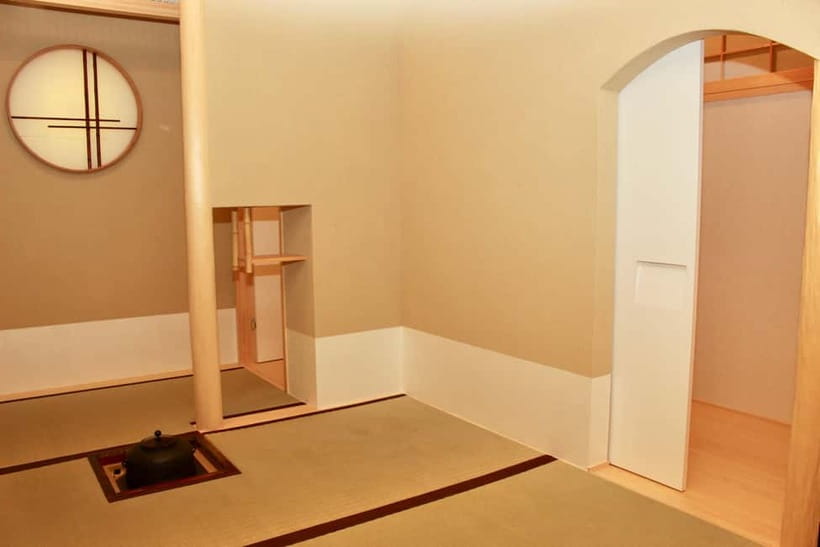
I would choose this class for someone who wants a clear introduction to Japanese customs without committing to a full-day cultural program. The lesson is compact, private, and active.
It suits:
- First-time visitors who want more context for Japanese traditions
- Couples looking for a calm shared activity in Shibuya
- Families who prefer a private session
- People curious about matcha preparation rather than only drinking it
- Visitors interested in adding kimono wear
- Anyone who appreciates quiet, precise demonstrations
It may not suit you if you dislike formal settings, bitter tea, or activities that require careful listening. The ceremony is not designed as a fast photo opportunity. Even with a shorter one-hour option, the experience asks you to slow down and follow instructions.
Children can take part because private groups are accepted, but no specific minimum age or child program is provided. If you are booking with young children, ask the provider whether the planned session is a good fit.
How this compares with a casual Tokyo tea stop
A café visit is easier and cheaper. You order, drink, and move on. This class asks you to notice how tea is prepared and received.
That difference is useful if you are building a balanced Tokyo schedule. Shibuya can be loud and visually intense, so a quiet tea lesson gives you a change of rhythm without requiring a long trip outside the city. The experience remains centered on one tradition, rather than trying to cover every part of Japanese culture in a single afternoon.
The activity also has a nice balance between watching and doing. The teacher demonstrates Otemae, but you make your own matcha. The sweets give you something to taste, and the explanations provide enough background to connect the gestures with the culture.
Just keep your expectations realistic. You are not learning everything about tea ceremony in one sitting. You are receiving a well-focused introduction, with the chance to practice the basic process under guidance.
Should you book this tea ceremony?
Book it if you want a private, English-language introduction to matcha and Japanese tea etiquette, especially if you are traveling with family or friends. The chance to prepare your own tea, taste traditional sweets, and learn in a formal tea room gives the $81 price a reasonable purpose.
I would also consider it for a special occasion, particularly if you add the optional kimono experience. Mako-san and the other English-speaking teachers provide the kind of personal instruction that makes the ceremony approachable for first-time participants.
Skip it if you only want an inexpensive drink, dislike quiet formal activities, or would rather spend your Shibuya time shopping and sightseeing. For the right audience, though, this is a thoughtful way to trade the crossing’s bright noise for a bowl of tea, a few careful movements, and a closer look at one of Japan’s most distinctive customs.
FAQ
Where does the tea ceremony take place?
The experience takes place in Shibuya, Tokyo, on Honshu, Japan, in a prestigious tea room.
How many people can join one booking?
A booking can include from one to four people. Each session is private for your group, and unrelated groups are not mixed together.
Is the tea ceremony taught in English?
Yes. The classes are led by English-speaking teachers experienced in Japanese tea.
What happens during the experience?
You receive an explanation of tea ceremony history and etiquette, watch a demonstration of Otemae, taste traditional Japanese sweets, and prepare your own matcha tea.
Are tea and sweets included in the price?
Yes. The $81 price includes tea, sweets, facility charges, and taxes.
Do I need to bring anything?
Nothing special is required. You should wear a skirt or pants long enough to cover your knees. Suitable pants or a wrap skirt can be lent to you free of charge if needed.
Is kimono wear included?
No. Kimono wear is available for an additional charge, so you should confirm the extra cost before booking if you want that option.
Is pickup service available?
Yes, pickup service is available if needed. Contact the provider by email at [email protected] before booking to discuss it.
Newly steeped around Tokyo
- Yokohama : Tea Ceremony with Sweets and Souvenir★ 5.0 · 5 reviews
- Walking Tour: Yanaka,Nezu& Sendagi: Tea Ceremony & Old Tokyo★ 5.0 · 3 reviews
- Private Mochi・Matcha sweets Making Class Near Shibuya Area★ 5.0 · 22 reviews
- 2 Hours Mochi &Nerikiri Making & Matcha Class in Bunkyo★ 5.0 · 21 reviews
- Private Kimono and tea ceremony at local home near Tokyo Disney★ 5.0 · 6 reviews
- Kimono and Tea Ceremony in Asakusa Private Food Tour With Guide★ 5.0 · 4 reviews
- Giant Sushi Cooking Class: Make a 1.5m Sushi Roll in Tokyo★ 5.0 · 9 reviews
- Tokyo: Tea Ceremony & Japanese Sweets Making★ 5.0 · 10 reviews
Tea Ceremony Experiences, compared.
Kyoto: Tea Ceremony in a Traditional Tea House in Kiyomizu
Read our review →
Kyoto: 45-Minute Tea Ceremony Lesson Experience
Read our review →
Kyoto: Table-Style Tea Ceremony at a Kyo-Machiya
Read our review →


Browse the lists this tea experience appears in