
Review · TOKYO
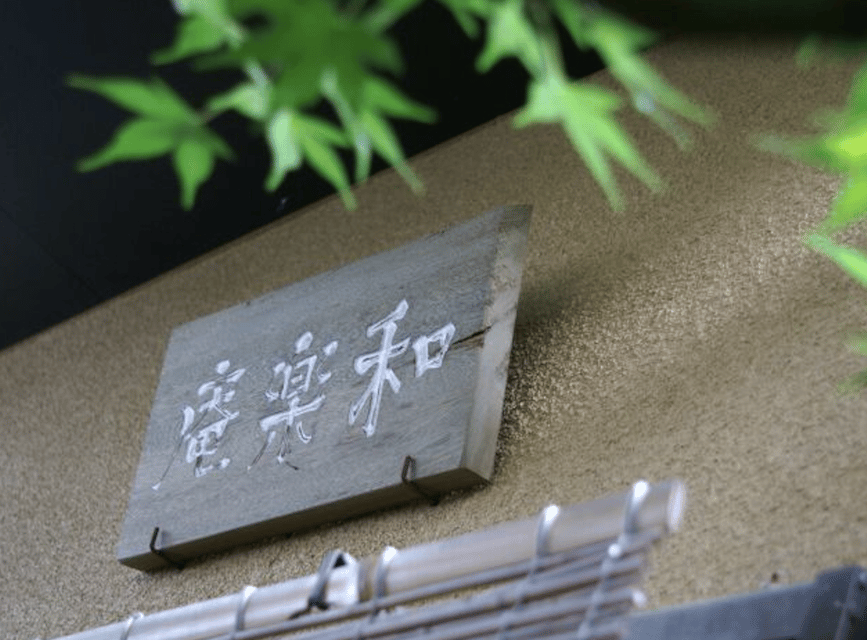
Tokyo:Tea ceremony experience at Komaba Warakuan
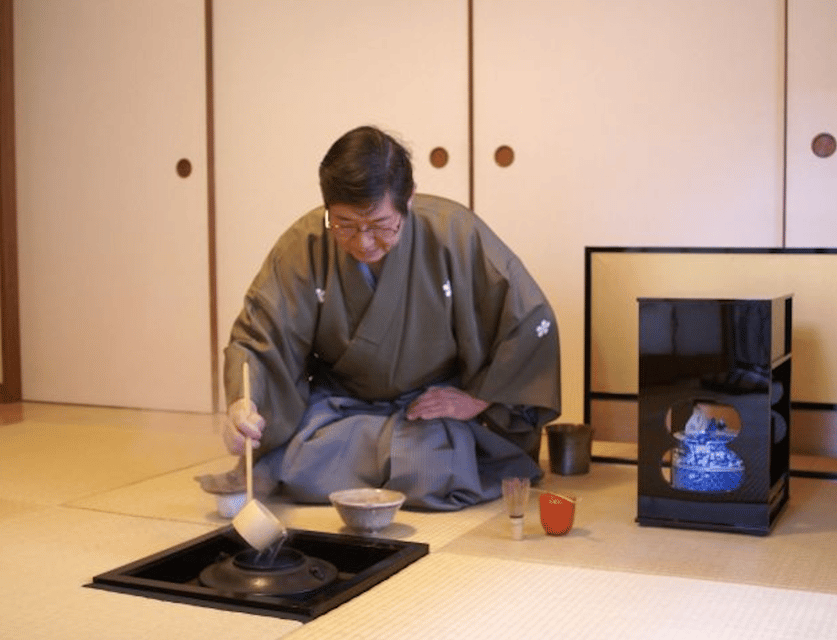
Komaba Warakuan offers something many Tokyo activities cannot: a small, formal tea ceremony in a school with ties to the Kobori Enshu tradition and the third Tokugawa shogun. You learn the movements instead of simply watching them, then drink Japanese tea with traditional sweets.
I like the choice between rich tea and light tea, since it lets you match the mood to your personality. I also like the four-person limit, which gives the Japanese instructor room to explain each step. The main drawback is practical: the entrance can be hard to find, and one visitor felt the price was high compared with other tea ceremonies in Tokyo.
Key points to know before booking
- Historic tea school: Komaba Warakuan taught the Kobori Enshu school and served as a tea ceremony school for the third Tokugawa shogun.
- Two different moods: Rich tea offers a quiet, more private setting, while light tea allows brighter conversation.
- Very small group: The experience is limited to four participants.
- Hands-on instruction: You learn how to make tea rather than only observing a demonstration.
- Traditional clothing detail: Tabi socks are provided before you enter the tea room, though you may bring your own.
- Allow up to two hours: The stated duration is 90 minutes to two hours, so avoid booking it too close to another appointment.
Why Komaba Warakuan feels different from a basic tea demonstration
Many tea activities in Tokyo are built for a larger audience. You sit, watch a host prepare tea, and take a few photos before moving on. Komaba Warakuan takes a more traditional school-based approach.
The setting is connected to the Kobori Enshu school, a historic tea tradition. The school also served as a tea ceremony instructor for the third Tokugawa shogun. That background matters because the movements, tools, and manners are not presented as random Japanese decoration. They come from a long-established form of tea practice.
You are still booking a short cultural activity, not a professional tea-studies course. But the historic connection gives the session more substance than a simple cup of matcha and a quick explanation. The instructor teaches you how to handle the tea-making process, and the ceremony includes traditional sweets.
The language of the activity is Japanese. That may sound limiting, but the experience is designed for beginners, and the instructor carefully explains the flow. I would still keep your expectations sensible: this is a hands-on cultural lesson, not an English-language lecture about every point in Japanese tea history.
More Tea Ceremonies in Tokyo
- Kimono Tea Ceremony at Tokyo, Asakusa Maikoya
★ 5.0 · 638 reviews - Tokyo: Traditional Tea Ceremony with a Tea Master
★ 5.0 · 528 reviews - Tea Ceremony Workshop in Tokyo by the Experienced Instrucor
★ 5.0 · 189 reviews
Choosing rich tea or light tea
Your main decision is the style of tea ceremony.
Rich tea is described as a hidden seat where you can face the tea quietly. The wording suggests a more restrained setting, with less conversation and more attention to the tea, the movements, and the room. If you prefer calm cultural experiences, this is likely the better match.
Rich tea may also suit you if you are interested in the serious side of tea practice. You can focus on the order of the actions, the use of the utensils, and the etiquette of the room without feeling pressure to make conversation.
Light tea is the seat of the sun. It is brighter and more social, with lively conversation. Choose this option if you want the instructor to explain more as you go or if a formal, quiet setting sounds intimidating.
The two choices do not appear to be different levels of quality. They are different moods. I would choose rich tea for concentration and light tea for a more relaxed introduction. If you are booking for a family or mixed group, light tea may be the easier choice because it leaves more room for questions and conversation.
From arrival to the tea room
The session begins with an explanation of how the activity will proceed. This first briefing is useful for beginners because Japanese tea ceremony has a clear sequence, and knowing what comes next helps you relax.
You then change into tabi socks. These traditional split-toe socks are provided, although you can bring your own. The change is not just a costume moment. Clean socks are part of entering a traditional tea room, where shoes are left outside and the room is treated with care.
After changing, you are led through the open ground to the tea room. The walk helps mark the change from ordinary Tokyo activity to the more controlled setting of the ceremony. The available information does not give a full description of the grounds or tea room, so do not book this expecting a large museum-style property or a long tour of the school.
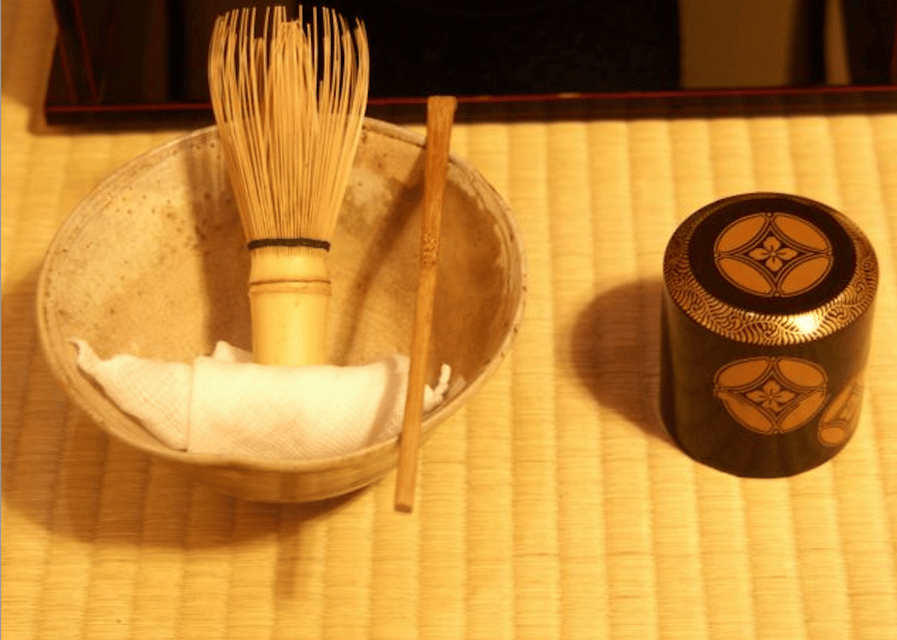
Once inside, the instructor teaches you how to make tea. The lesson is careful and beginner friendly. You receive the tools needed for the ceremony, including fukusa scissors and items such as a folding fan, paper, and toothpick. The wording of the equipment description is a little unclear, but the practical point is simple: the basic ceremony tools are supplied.
You may bring your own items if you already have them. For a first visit, though, you do not need to buy or pack special equipment.
What you actually learn during the ceremony
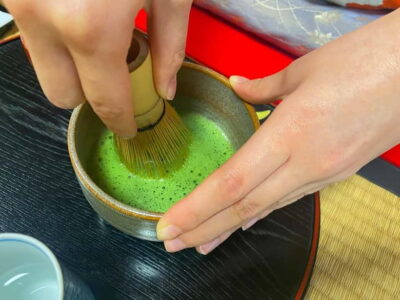
The value here comes from learning the operation of the ceremony, not from drinking tea alone. You get an introduction to the order of actions and the proper handling of the tools.
Tea ceremony can look slow and mysterious when you first see it. The instructor’s job is to make the sequence understandable. Expect to receive guidance as you prepare tea, handle the equipment, and follow the customs of the room.
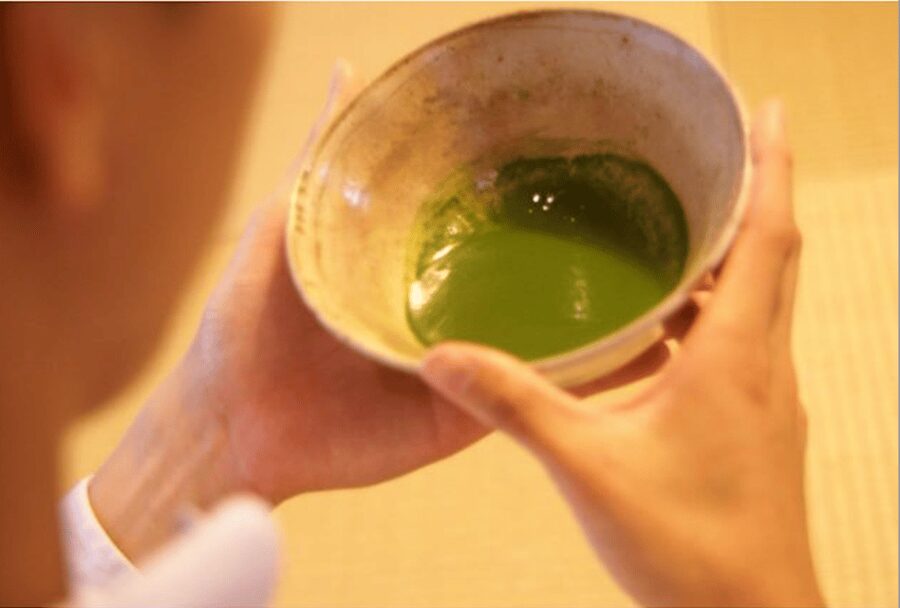
The tea is served with traditional Japanese sweets. The sweets balance the bitterness of the tea and form part of the ceremony rather than an unrelated snack. This pairing gives you a more complete sense of the custom, especially if this is your first experience with Japanese tea.
The activity is not designed to test you. You are not expected to know the rules in advance. The instructor will guide you through the process, and the small group makes it easier to ask for clarification.
That four-person limit is one of the strongest practical features. With a large group, it is easy to lose sight of the hand movements or feel rushed when it is your turn. Here, the instructor can give attention to each participant. One family found the experience suitable even for children aged 14 and 11, which suggests that the teaching can work across age groups when children can sit and follow instructions.
Same leaf, a different ritual:
- Matcha Making Class in Tokyo with Authentic Japanese Sweets Set
★ 5.0 · 744 reviews - Dynamic Tokyo: Tokyo Tower, Tea Experience, Bay Cruise Day Tour
★ 4.5 · 521 reviews - Tokyo: Matcha Making Experience with Mochi Sweets in Asakusa
★ 4.9 · 388 reviews - Asakusa Cultural Walk & Matcha Making Tour
★ 5.0 · 245 reviews
A Japanese-only lesson and what that means
The instructor is Japanese, and the listed language is Japanese. You should book this with the understanding that the communication style may rely on demonstration, repeated movements, and simple explanations.
This is not necessarily a problem for a visual activity. Tea ceremony is learned partly by watching and copying. Still, if you want a detailed discussion of tea schools, Zen, or Japanese history in English, this may not meet that goal.
I would treat the Japanese-only format as part of the experience, but I would also plan carefully. Read the activity instructions before arriving, pay close attention to the demonstration, and do not hesitate to use simple questions if something is unclear. The instructor is described as kind and careful in explaining the process.
Finding the entrance in Komaba
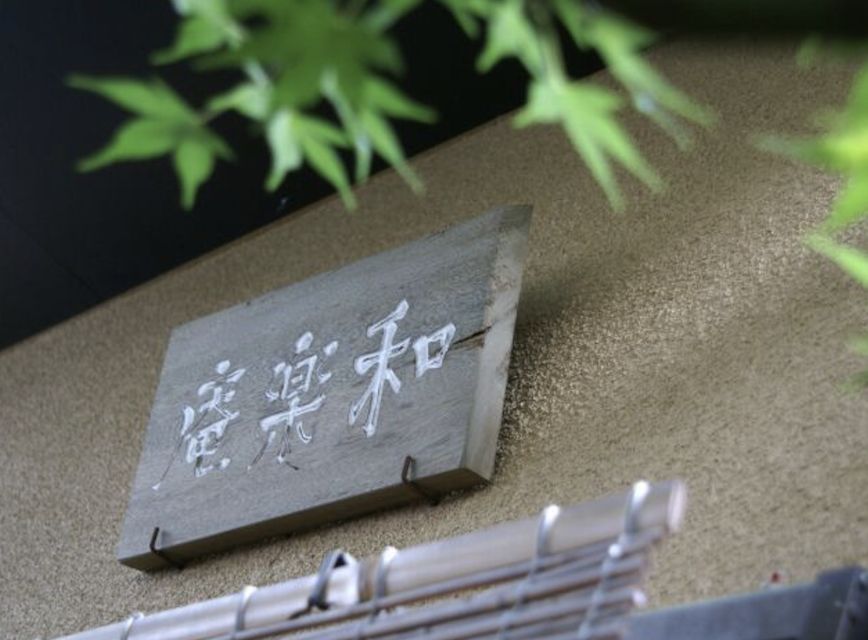
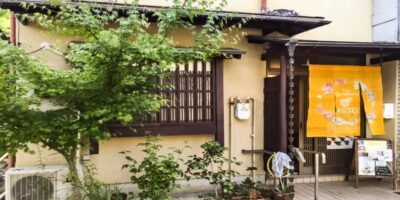
The most repeated practical warning is the difficulty of finding the location. Two separate accounts point to unclear directions or insufficient pictures.
This matters in Tokyo, where a short walk can involve several turns, small entrances, and streets that look alike. Give yourself extra time. Do not plan to arrive at the last minute, especially since the activity begins with an explanation and a change into tabi socks.
Better location photos would help, but they are not provided here. Check the exact meeting details when you book and save the information before leaving your hotel. If you use a map app, confirm that you are heading to the correct entrance rather than simply the general Komaba area.
The location issue does not appear to affect the tea lesson itself. Once you arrive, the activity is structured and focused. Still, getting lost can make a quiet ceremony feel hurried, so build in a time cushion.
Is $56 a fair price?
At $56 per person, this is not Tokyo’s cheapest tea experience. One person felt the cost was high compared with the average price of similar activities. That is a fair concern, especially if your main goal is simply to taste matcha.
The price is easier to justify if you value the full setting and instruction. It includes the experience fee, tax, tea, traditional sweets, tabi socks, and the ceremony tools used during the lesson. Most important, you are paying for access to a historic tea school and a small group limited to four people.
The small group changes the value calculation. A cheaper activity with a large audience may offer less individual teaching. At Komaba Warakuan, you have a better chance to see the instructor’s movements and receive help while making tea.
I would book it if you want a serious introduction to the form of tea ceremony and appreciate a traditional setting. I would skip it if you mainly want a quick drink, a photo, or a low-cost cultural stop.
How long to allow in your Tokyo schedule
The stated duration is 90 minutes to two hours. That range is important because the activity is not a quick 30-minute demonstration.
Allow time for the opening explanation, changing into tabi socks, walking to the tea room, instruction, tea preparation, sweets, and the ceremony itself. The exact pace may depend on the group and on which tea style you choose.
I would avoid placing this directly before a timed museum entry, restaurant reservation, or train departure. The two-hour upper limit gives you a better planning figure than the 90-minute minimum.
The slower pace is part of the point. Tea ceremony is meant to make you notice small actions. If you rush in from another appointment, you will miss much of what makes the experience worthwhile.
Who will enjoy this most
This activity is a good fit for you if you want:
- A beginner-friendly introduction to Japanese tea ceremony
- A historic school setting rather than a purely tourist presentation
- A small group with no more than four participants
- A choice between a quiet or conversational style
- A hands-on lesson with tea and traditional sweets
- A cultural activity suitable for older children who can follow instructions
It may be less suitable if you need extensive English explanation, dislike formal customs, or have little patience for a carefully ordered activity. The Japanese-only format also makes it less ideal for someone seeking a detailed spoken history lesson.
For families, the small group and hands-on format are useful. Children who can sit quietly and follow the instructor may find the process interesting, while very young children could struggle with the formality and slower pace. The available information does not set a minimum age, so you should confirm any age concerns before booking.
Cancellation and booking flexibility
You can cancel up to three days in advance for a full refund. That is helpful in Tokyo, where weather, jet lag, and shifting plans can affect a busy itinerary.
The activity is offered at set starting times based on availability. Since the duration can reach two hours and the entrance may be difficult to find, choose a time that leaves room before and after the session.
Check the exact starting time and meeting instructions when you book. The main booking details are simple, but the location deserves extra attention.
Should you book Komaba Warakuan?
Book this tea ceremony if you want more than a taste of matcha. The historic connection, hands-on teaching, traditional sweets, and four-person limit give the experience real cultural value.
Choose rich tea for quiet focus or light tea for a more social introduction. Plan extra time to find the entrance, and decide if $56 fits your budget before booking. If those points work for you, Komaba Warakuan offers a thoughtful and authentic way to learn the form of Japanese tea ceremony without spending a full day on a formal course.
FAQ
Where is Komaba Warakuan located?
Komaba Warakuan is in Tokyo, on Honshu, Japan.
How long does the tea ceremony experience last?
The experience lasts between 90 minutes and two hours.
How many people can join?
The group is limited to four participants.
Is the activity suitable for beginners?
Yes. The instructor explains the process carefully and teaches participants how to make tea.
Can I choose the type of tea ceremony?
Yes. You can choose rich tea, which is quieter, or light tea, which has a brighter setting and more conversation.
What is included in the price?
The price includes the experience fee and tax. Tea, traditional sweets, tabi socks, and the ceremony tools used for the lesson are also provided as part of the activity.
Is the activity offered in English?
The listed activity language is Japanese, and the instructor is Japanese.
Can I cancel for a full refund?
Yes. You can cancel up to three days in advance for a full refund.
Newly steeped around Tokyo
- Yokohama : Tea Ceremony with Sweets and Souvenir★ 5.0 · 5 reviews
- Walking Tour: Yanaka,Nezu& Sendagi: Tea Ceremony & Old Tokyo★ 5.0 · 3 reviews
- Private Mochi・Matcha sweets Making Class Near Shibuya Area★ 5.0 · 22 reviews
- 2 Hours Mochi &Nerikiri Making & Matcha Class in Bunkyo★ 5.0 · 21 reviews
- Private Kimono and tea ceremony at local home near Tokyo Disney★ 5.0 · 6 reviews
- Kimono and Tea Ceremony in Asakusa Private Food Tour With Guide★ 5.0 · 4 reviews
- Giant Sushi Cooking Class: Make a 1.5m Sushi Roll in Tokyo★ 5.0 · 9 reviews
- Tokyo Sweets Tour: Hidden Gems & Matcha at an Old Tea House★ 5.0 · 6 reviews
Tea Ceremony Experiences, compared.
Kyoto: Tea Ceremony in a Traditional Tea House in Kiyomizu
Read our review →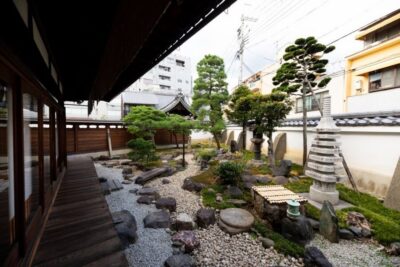
Kyoto: 45-Minute Tea Ceremony Lesson Experience
Read our review →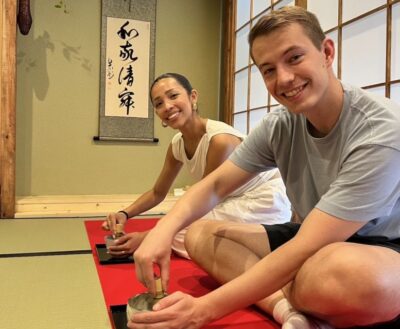
Kyoto: Table-Style Tea Ceremony at a Kyo-Machiya
Read our review →


Browse the lists this tea experience appears in