
Review · BEIJING
Traditional Chinese Tea Ceremony Experience
Chinese tea is not simply poured into a cup here. You watch the careful steps, smell each tea, and taste how different leaves change with brewing. The short ceremony near Chang An Grand Theater offers a tidy introduction to a tradition built around respect and mindfulness.
I like the chance to sample five teas without paying much, and I like the friendly welcome from Richard and the tea master. The main drawback is the brief 30-minute length. You get a clear introduction, not a long lesson in tea production or regional varieties.
Key points at a glance
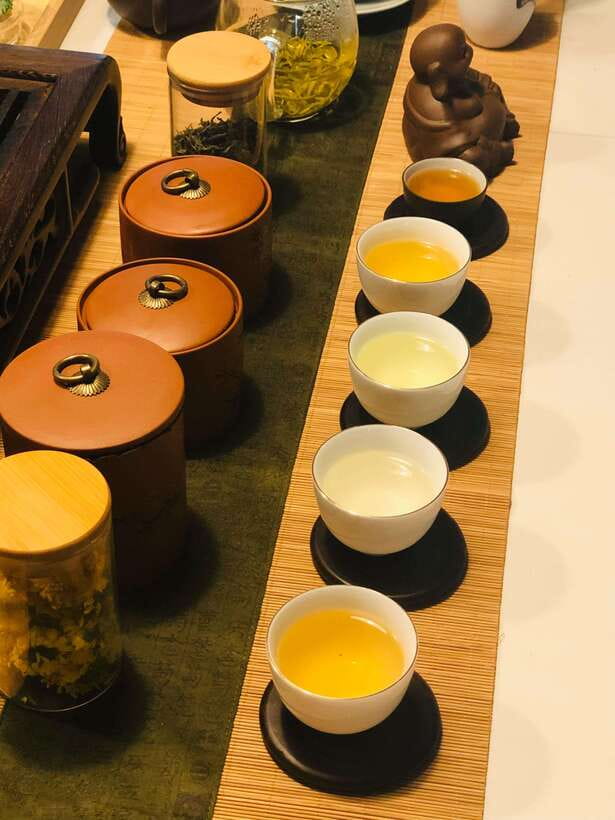
- Five mini cups included: Taste a selection such as oolong, Pu-erh, green, jasmine, and flower tea.
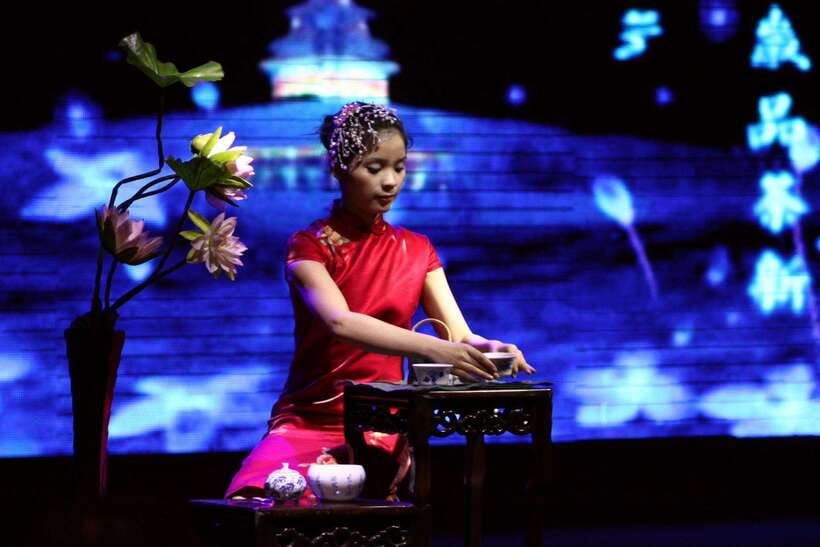
- A true ceremony, not just a tasting: The tea master demonstrates warming the pot, brewing, and pouring with care.
- Short and affordable: At $9.90 per person, this fits easily into a day of sightseeing.
- Near public transportation: The meeting point is on Jian Nei Avenue, with a walk back to the meeting point or Jianguomen Subway station after the ceremony.
- Small maximum group: The activity accepts no more than 15 people, so the demonstration should remain fairly manageable.
- Optional tea shopping: You can buy tea afterward, but purchases are not included in the price.
Why a tea ceremony belongs in a Beijing visit
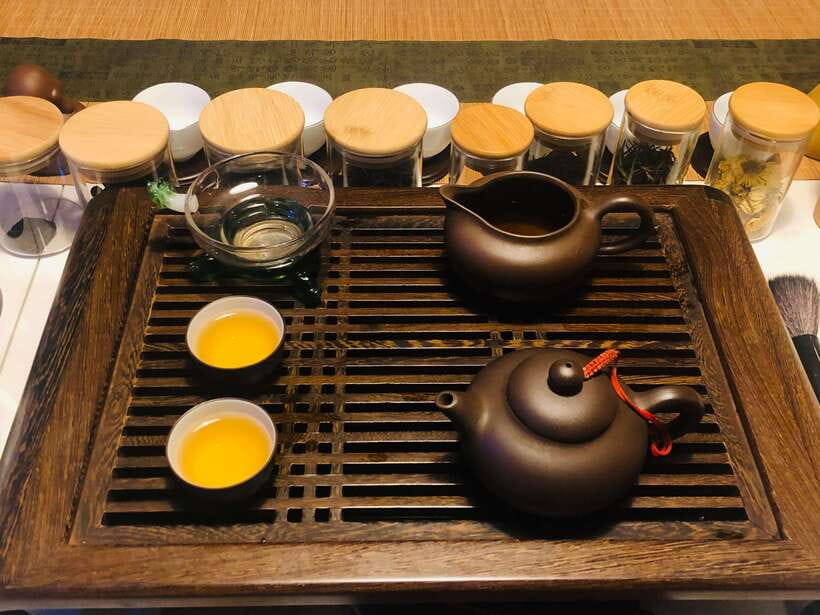
China is the birthplace of tea, and this experience gives you a direct way to connect that fact with daily practice. Rather than treating tea as a quick refreshment, the ceremony presents it as a sequence of small actions: warm the teapot, prepare the leaves, pour with precision, and pay attention to aroma, color, and flavor.
That focus matters because much of tea culture is about how you drink, not only what you drink. The ceremony places respect, harmony, and mindfulness at the center. You do not need prior knowledge, and you will not be asked to master a complicated set of rules. You simply watch the tea master and follow along.
I see this as a useful cultural pause in a busy Beijing schedule. A major sightseeing day can become a blur of palaces, temples, traffic, and photographs. Thirty quiet minutes with tea gives you a different view of Chinese culture, one based on patience and close attention.
The experience is also friendly to families. Children can see the brewing process, smell the different teas, and compare flavors in small portions. Adults who already enjoy tea will likely appreciate the ritual, though the short format may leave you wanting more detail.
More Chinese Tea Ceremonies in China
- Traditional Chinese Tea Ceremony Experience
★ 4.7 · 74 reviews - Chinese Tea ceremony in Beijing Hutong courtyard
★ 4.7 · 26 reviews - Beijing:Learn Calligraphy & Enjoy Kung Fu Tea Ceremony
★ 5.0 · 2 reviews
Arriving near Chang An Grand Theater
The activity lists its start at Jian Nei Avenue, also written as Jian Nei Da Jie, in Dongcheng District. The ceremony itself is associated with Chang An Grand Theater. Since both location names appear in the details, I would check the exact meeting point shown with your booking before setting out.
The area is near public transportation, which makes this easier to fit between other stops. The activity does not include a sightseeing guide, so you are responsible for reaching the starting point. That is not a serious problem for an independent visitor, but you should allow enough time to find the entrance and identify the staff.
A friendly tea master greets you on arrival. Richard is also named as part of the team connected with the welcome. The tone appears personal rather than formal or hurried, with the staff focused on helping you understand what is happening.
The group limit is 15 people. That is not a private ceremony, but it is small enough for the demonstration to remain visible. If you want an intimate, one-on-one tea lesson, this is not the right format. If you want a simple introduction without committing to a long class, the size works well.
The 30-minute ceremony, step by step
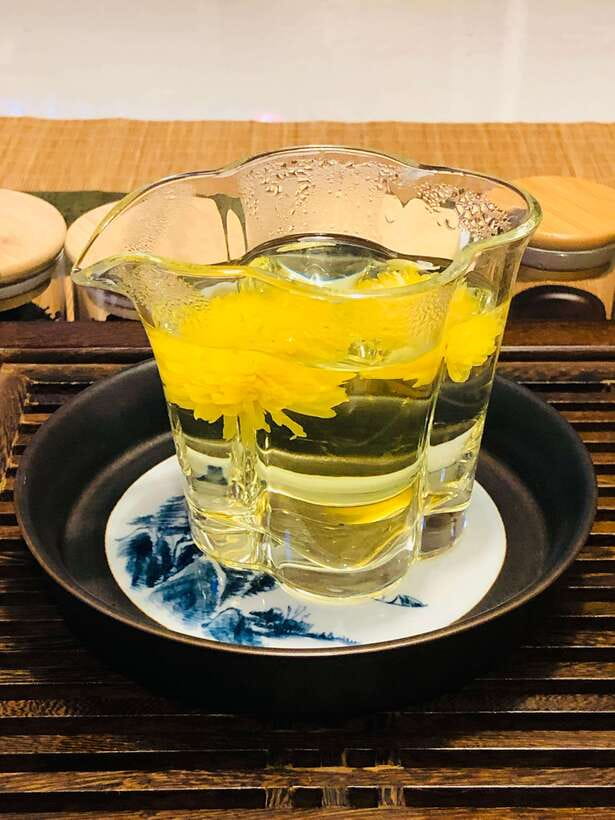
The ceremony begins with an introduction to the art of Chinese tea preparation. You are not merely handed a cup. The tea master shows how the equipment is handled and explains why each part of the process matters.
One of the first details is warming the teapot. This small step helps prepare the vessel and signals that the ceremony is about care and order. You then see the leaves brewed and the tea poured in a controlled way.
The exact pace depends on the group, but the central experience involves watching, smelling, and tasting. The tea master uses precise movements, turning a familiar drink into a sensory activity. You get to observe the color of each tea, notice its aroma, and compare the taste from one sample to the next.
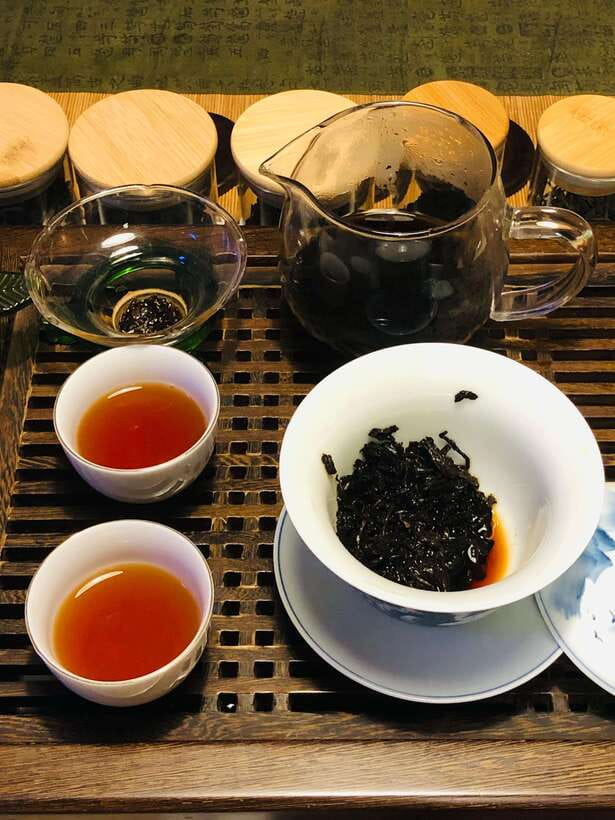
Five mini cups are included. The small servings are useful because they let you try several styles without becoming overly full or committing to a large purchase. They also make comparison easier. A light green tea may seem very different from a darker Pu-erh, while jasmine and flower tea bring a more fragrant character.
The activity description names several possible teas:
- Oolong
- Pu-erh
- Green tea
- Jasmine tea
- Flower tea
The details do not promise that every listed variety will be served at every session, so treat this as a likely selection rather than a fixed tasting menu. Still, the range gives you an idea of the experience. You may encounter lightly scented tea, more roasted or full-bodied tea, and flower-based blends with a strong aroma.
The ceremony is designed to show the proper way to enjoy tea. That does not mean there is only one acceptable way to drink it. Instead, the demonstration gives you a framework: pause before sipping, notice the smell, observe the color, and pay attention to how the flavor develops.
What the five-cup tasting gives you
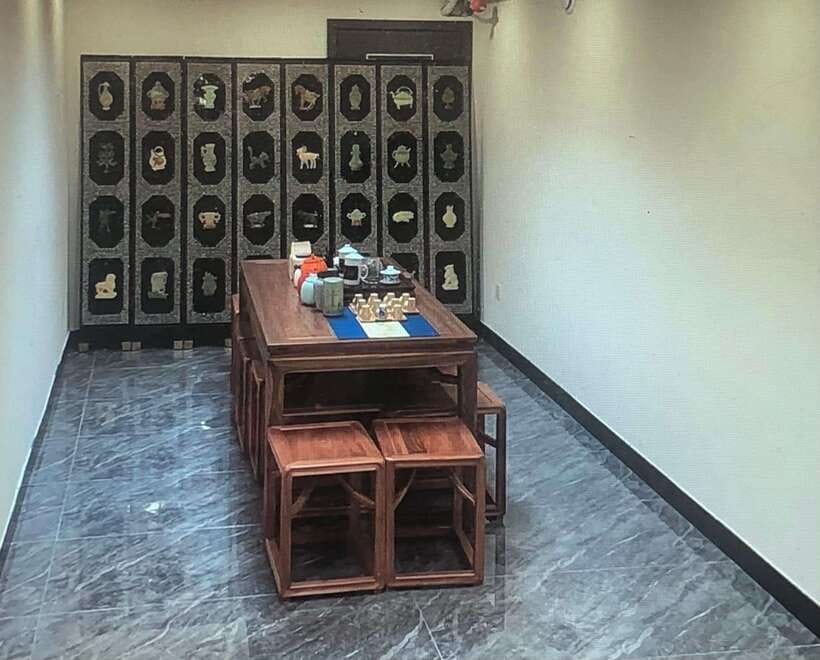
At $9.90 per person, the five-cup tasting is the heart of the value. You are paying for a cultural demonstration and several samples, not a full meal or a long educational course.
The portions are described as mini cups. That is worth keeping in mind if you expect a generous tea service. You will get enough to taste and compare, but not enough to replace a café stop or spend an entire afternoon lingering over tea.
I like this format for first-time visitors because it reduces the risk of choosing a tea you do not enjoy. Pu-erh, for example, can be unfamiliar if your normal tea choices are green or black tea. Jasmine tea may appeal to you through its fragrance, while flower tea offers a visual element as well as a different taste.
The tasting also works well for families. Small cups keep the activity easy to manage, and children can focus on simple comparisons. Is one tea lighter? Does another smell floral? Does the color change? Those questions turn the ceremony into an approachable cultural lesson.
Tea lovers may want more depth. The available details do not promise information about growing regions, harvest seasons, processing methods, or the history of each tea. The value here is the ritual and the tasting range, not advanced tea education.
More Tea Ceremonies in China
- Beijing Culture: Tea Ceremony, Heritage Instrument & Calligraphy
★ 5.0 · 57 reviews - Beijing Culture Event: Tradition Music, Tea Ceremony, Calligraphy
★ 5.0 · 11 reviews - Beijing: Temple Of Heaven+Tai Chi Class+Tea Ceremony
★ 5.0 · 8 reviews - Beijing Tai Chi and Tea Ceremony Experience
★ 5.0 · 4 reviews
Why the ceremony feels different from ordinary tea drinking
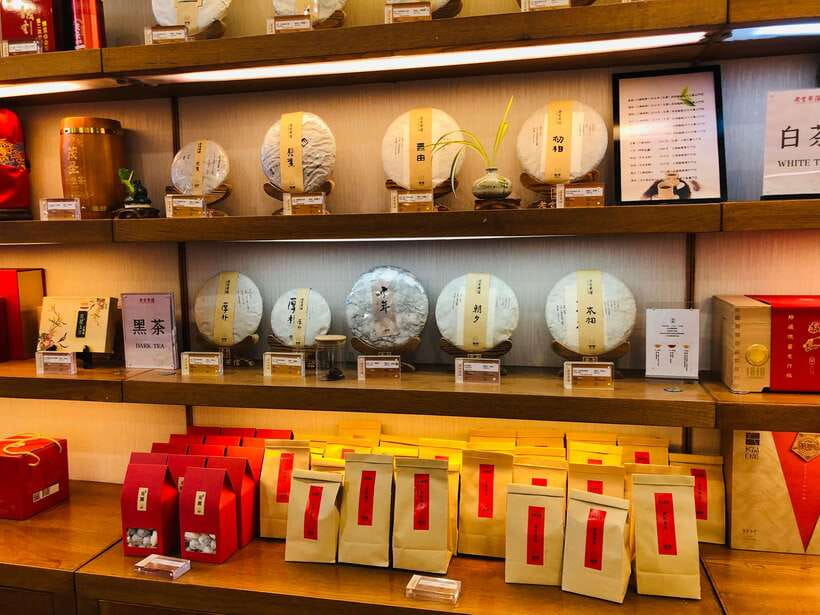
A normal cup of tea is often about convenience. You pour hot water, wait, and drink while doing something else. This ceremony asks you to slow down and notice each stage.
The tea master’s precise technique gives the session a sense of order. Warming the teapot, preparing the leaves, and pouring the tea are presented as deliberate acts. The result is a calm activity that engages several senses at once.
That is also why the experience has cultural value beyond the five samples. You see how a traditional ritual expresses ideas of respect and harmony. The gestures are part of the lesson. Even if you forget the names of the teas later, you will understand that Chinese tea culture treats preparation as an art.
I would not expect a theatrical performance. The activity is described as a traditional ritual, with a tea master demonstrating the proper method. The appeal comes from close observation and participation, not from a large show or a long scripted presentation.
What happens after the final cup
After the ceremony, you have the option to buy tea to take home. Shopping is not included, and you should treat it as a separate decision rather than part of the paid activity.
This can be useful if you discover a style you like and want to share it with family or friends. The tasting gives you a chance to try before buying, which is more helpful than choosing a package based only on a label.
At the same time, you should not feel that purchasing is required. The listed price covers the tea ceremony and five mini cups. Any tea, gifts, or other items cost extra.
The tea master manager then walks you back to the meeting point or to Jianguomen Subway station. This gives you a clear finish and can help you continue your sightseeing without having to work out the next step alone.
The experience ends back at the meeting point according to the activity details. If you plan to connect to another booking, allow a little extra time for the walk and for any final questions or shopping.
Is $9.90 a good value?
For a 30-minute cultural experience, $9.90 is a modest price. I consider it good value if you want a short introduction to Chinese tea culture and do not expect a full workshop.
The price includes the ceremony and five mini cups. It does not include a tour guide, shopping, or unspecified expenses. That distinction matters. You are paying for the tea master’s demonstration and tasting, not for a private Beijing guide who will lead you through the surrounding district.
The lack of a general tour guide is not necessarily a weakness. It keeps the price low and lets the ceremony stay focused. But if you want historical background, neighborhood commentary, or help with other Beijing sights, you will need to arrange that separately.
The experience is also a good choice when your schedule has a spare half hour. You can add it before or after another activity near the meeting point without giving up a large block of the day. The tradeoff is that the short duration limits the amount of explanation and discussion.
A 5.0 rating from seven posted ratings suggests a strong early response, with particular praise for the friendly staff and tea master. I would place the most weight on the format itself: a low-cost tasting, a small maximum group, and a clear cultural focus.
Who will enjoy this most
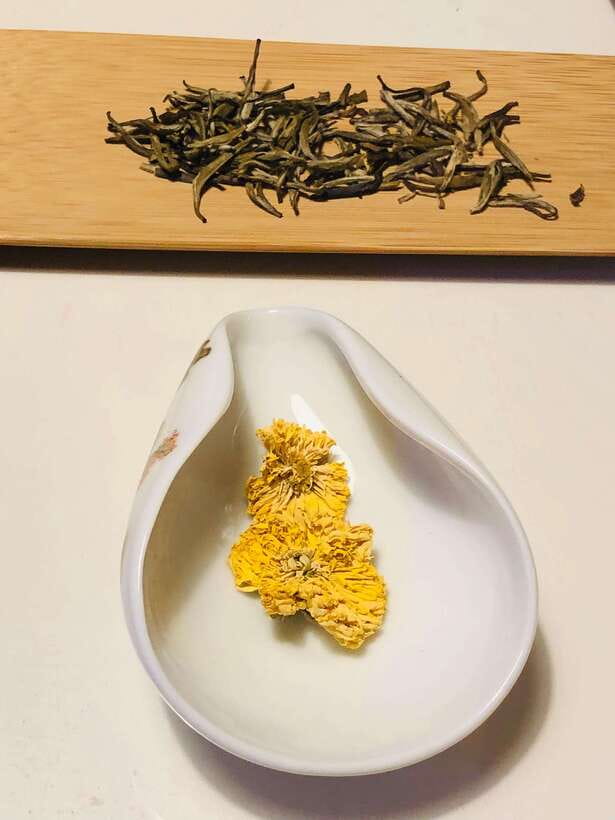
I would recommend the ceremony to several kinds of visitors:
- First-time visitors to China who want an easy introduction to an important part of Chinese culture.
- Tea drinkers who want to compare several styles in one sitting.
- Families with children looking for a calm, short activity with a clear visual demonstration.
- Independent sightseers who can reach the meeting point and do not need a full city tour.
- Budget-conscious visitors who want a cultural activity for less than the cost of many longer tours.
- People with a tight schedule who can spare about 30 minutes.
I would be more cautious if you want a serious tea course. The available format does not promise detailed instruction in brewing temperatures, steeping times, tea cultivation, or regional distinctions. It introduces the ceremony rather than training you to run one at home.
I would also think twice if you dislike structured tastings or have no interest in tea. The ceremony is built around appreciation and ritual. It is not an attraction with a long list of sights to see.
Practical details before you book
The activity is confirmed at the time of booking, and a mobile ticket is provided. Keep the ticket available on your phone when you arrive.
The meeting point is listed as Jiannei Avenue, or Jian Nei Da Jie, in Dongcheng District, with Chang An Grand Theater named as the stop. Check the location carefully because the spelling varies in the supplied details.
The experience is near public transportation, and most people can participate. The maximum group size is 15. No special physical requirement is stated, but the activity details do not provide more information about seating, stairs, or facilities.
Free cancellation is available if you cancel at least 24 hours before the local start time. Cancellations or changes made within 24 hours are not refunded or accepted. That gives you some flexibility, but you should avoid booking it as a placeholder if your Beijing schedule is uncertain.
FAQ
How long does the tea ceremony last?
The ceremony lasts approximately 30 minutes.
What is included in the price?
The price includes the tea ceremony and five mini cups of tea.
Which teas might be served?
The tasting may include oolong, Pu-erh, green tea, jasmine tea, and flower tea. The details do not promise that every listed variety will be served at every session.
Is a tour guide included?
No. The activity includes a tea ceremony with a tea master, but no general tour guide is included.
Where does the experience start and end?
It starts on Jian Nei Avenue, also written as Jiannei Avenue or Jian Nei Da Jie, in Dongcheng District. The activity ends back at the meeting point, with an option for the tea master manager to walk you to Jianguomen Subway station.
Can I buy tea afterward?
Yes. You may purchase tea after the ceremony at your own expense, but shopping is not included in the price.
Should you book it?
Book this experience if you want a short, affordable look at Chinese tea culture, especially if you are already planning to be near Chang An Grand Theater or Jianguomen Subway station. The five-tea tasting, careful brewing demonstration, friendly welcome, and small group limit make it a practical cultural stop.
Skip it if you want a long tea class, a full city guide, or a substantial tasting session. At 30 minutes, this is an introduction, not an expert seminar. For $9.90, though, it offers a pleasant way to slow down, learn the basic ritual, and taste several Chinese teas without making a major time or budget commitment.
More Tea Ceremonies in Beijing
- Beijing: Chinese Culture Tea Ceremony Reservation Service
★ 4.8 · 4 reviews - Private Beijing Spiritual Tour with Lunch and Tea Ceremony
★ 5.0 · 2 reviews - Kyoto: Tea Ceremony in a Traditional Tea House in Kiyomizu
★ 4.9 · 3,519 reviews - Kyoto: Tea Ceremony Ju-An at Jotokuji Temple
★ 4.9 · 3,207 reviews
More Chinese Tea Ceremonies in Beijing
- One-Day Hangzhou Dragon Well Tea Culture & West Lake Private Tour
★ 5.0 · 98 reviews - Authentic Hangzhou Longjing Tea Culture Experience Tour
★ 5.0 · 32 reviews - Tainan Culture Trip: Chinese Tea Ceremony_Oolong Tea
★ 5.0 · 29 reviews - Unlock Chinese Tea: Culture, Science, Tasting & Hands-on Brewing
★ 5.0 · 12 reviews
Newly steeped around Beijing
- Private Tour to the Temple of Heaven and Tea tasting at the Maliandao Tea city★ 5.0 · 3 reviews
- Temple of Heaven Private Tour and Tea Tasting at Maliandao Tea Street★ 5.0 · 2 reviews
- Private Beijing Spiritual Tour with Lunch and Tea Ceremony★ 5.0 · 2 reviews
- Beijing Tai Chi and Tea Ceremony Experience★ 5.0 · 4 reviews
- 3-Hour Private Hutong Walking Tour with Drum Show at Drum Tower and Tea Tasting★ 5.0 · 3 reviews
- 3-hour Morning/Afternoon Tea Tasting on Maliandao Street & Dimsum★ 5.0 · 7 reviews
- Beijing Hands-On Culture Tour: Tea, Instrument, Calligraphy★ 5.0 · 6 reviews
- Beijing: Temple Of Heaven+Tai Chi Class+Tea Ceremony★ 5.0 · 8 reviews
Chinese Tea Ceremony Tours, compared.
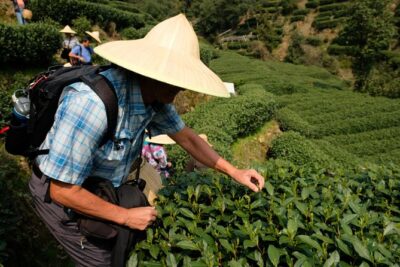
One-Day Hangzhou Dragon Well Tea Culture & West Lake Private Tour
Read our review →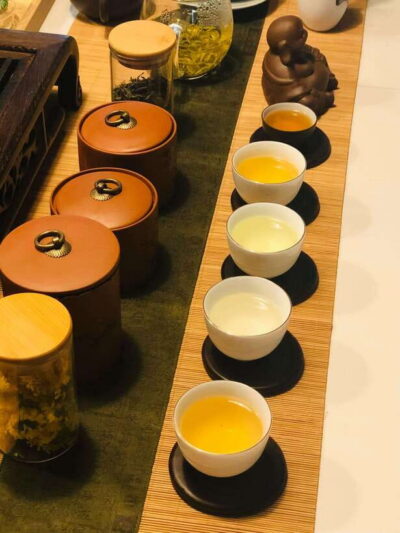
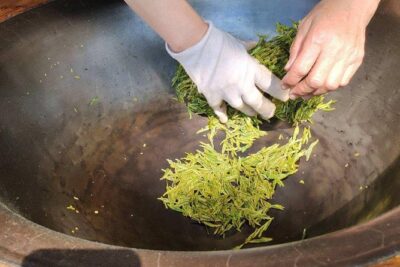
Chinese Tea ceremony in Beijing Hutong courtyard
Read our review →
Unlock Chinese Tea: Culture, Science, Tasting & Hands-on Brewing
Read our review →
Taiwanese Baking Class with Oolong Tea Tasting in Taipei
Read our review →
Browse the lists this tea experience appears in