
Review · KYOTO
Cycling Tour at Uji’s Matcha Green Tea Fields and Heritage
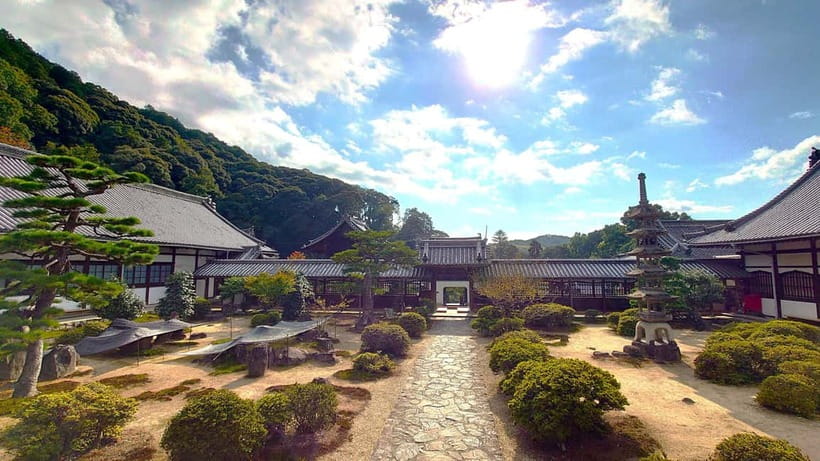
Uji’s best moments often come away from its famous temple entrance. This half-day ride takes you through tea country, quiet river paths, and old shrines on a stylish Brompton bicycle, with a local guide pointing out places you would likely miss on foot. I especially like the calm route along the Uji River and the chance to stop at a specialist matcha shop rather than simply take photos of tea fields.
I also like the small group, limited to six, and the relaxed pace for riders who are not especially fit. The main consideration is cost: at $160 per person, this is not a cheap way to get around Uji, especially since snacks and several entry fees are extra. You are paying for the bicycle, English guidance, local route planning, and access to quieter corners.
Key things to know before you book
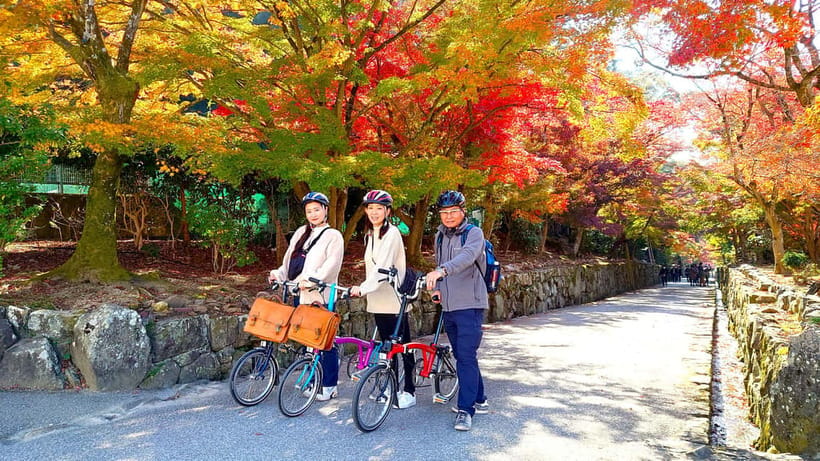
- Brompton bicycles make the ride easy and memorable: The compact folding bikes are provided with helmets and transport bags.
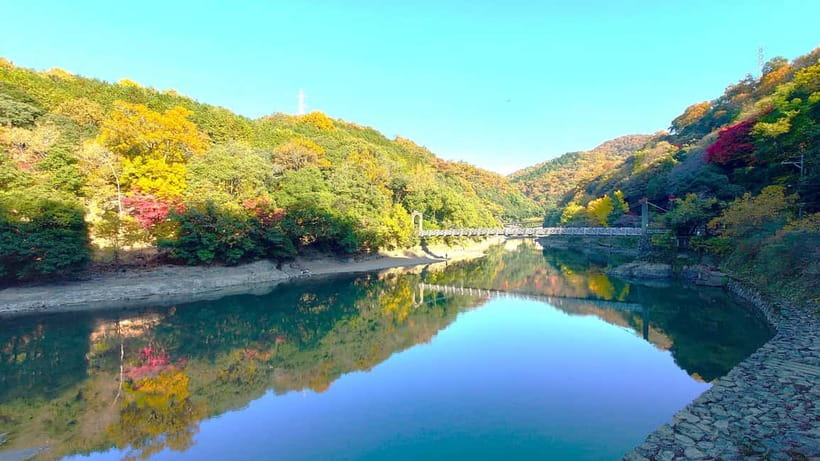
- The Uji River section is the quiet star: You ride along less-visited stretches with time for photographs and a slower pace.
- Tea is part of the place, not just a tasting stop: Chazuna and specialist shops help explain how Uji tea becomes matcha.
- Byodoin gives the tour its major historic sight: Phoenix Hall is a UNESCO World Heritage Site, with admission available for an additional fee.
- The guide can adjust the route: You can discuss food stops and sightseeing preferences with the navigator.
- Expect a four-and-a-half-hour outing: The listed duration is 270 minutes, including cycling, sightseeing, and a local snack stop.
Why cycling makes sense in Uji
Uji sits south of Kyoto and is easy to associate with two things: powdered green tea and Byodoin Phoenix Hall. That is only part of the picture. The town also has shrines and temples dating back more than 1,000 years, along with river scenery and quieter routes that are awkward to cover by walking alone.
A bicycle gives you a useful middle ground. You can cover more ground than on foot, but the ride remains slow enough to notice the small details. This is not a race or a demanding road excursion. The focus is on moving gently between temples, tea stops, and the river.
The Brompton bicycle adds a little character to the day. You are not simply being handed a standard rental bike and pointed toward a map. A local navigator rides with you, and all the basic equipment is supplied. Helmets and bags for wheeled transport are included, so you do not need to organize cycling gear before you arrive.
The group is limited to six participants. That matters in Uji, where a guide can easily lose the personal touch if a large group clogs narrow streets or waits outside a temple. A small group also makes it easier to request a particular food stop or ask for a slower pace.
More Green Tea Tours in Japan
- Scenic Green Tea Fields of Hidden Kyoto & Local Tea Exp (Private)
★ 5.0 · 32 reviews - Kyoto Matcha Green Tea Tour
★ 4.7 · 28 reviews - Sencha-do the Japanese Tea Ceremony Workshop in Kyoto
★ 5.0 · 21 reviews
Finding the tea jar post at JR Uji Station
The meeting point is the tea jar-shaped post just outside JR Uji Station. Look for the guide with a Brompton bicycle. This is a useful arrangement because the station gives you a clear landmark, and you do not need to search for a distant rental shop.
The tour begins with a short orientation before you set off. Since the bicycles, helmets, and other riding equipment are supplied, the practical work is kept simple. You should still wear comfortable clothes and shoes suitable for several hours of easy cycling, but no special equipment is listed as necessary.
The route can be arranged around your wishes. That does not mean every stop is guaranteed in a different order, but it gives the outing some flexibility. If tea matters most to you, ask about Chazuna and the specialty shops. If river views and photographs are your priority, tell the guide early.
The guide’s name appears as Takeshi in one account and Takashi in others, so you may want to confirm who is leading your date. Either way, the tour is offered in Japanese and English.
Chazuna and the story behind Uji tea
Chazuna is one of the first planned stops, with about 30 minutes of cycling time associated with reaching it. The Tea and Uji Town Exchange Centre can be entered for an optional 600 yen fee.
This stop is useful because it gives the tea theme some context before you start shopping for matcha. Uji is famous for matcha and other tea products, but many visitors see only the finished powder in a tin or bowl. A visit here can help you understand more about tea production and the process that makes matcha different from ordinary brewed green tea.
The entrance fee is extra, so decide based on your interest. If you already have a strong understanding of Japanese tea, you may prefer to spend more time outdoors. If this is your first visit to a tea-growing area, the additional 600 yen may be worthwhile.
The food side of the tour is also flexible. Snacks are not included, and the navigator suggests restaurants or specialty shops according to your preferences. That is better than being locked into one fixed tasting, but you should budget separately for whatever you eat.
Uji Shrine and Ujigami Shrine
The ride continues toward Uji Shrine, followed by Ujigami Shrine. Each stop has about 20 minutes of cycling time listed around the route, so you should think of this as a moving visit rather than a long temple study session.
Uji Shrine brings you into the religious side of the town. Ujigami Shrine adds another layer of age and tradition. Together, the two shrines show why Uji is more than a tea-shopping stop beside Kyoto. You get a sense of the town’s long connection with court culture, local worship, and the old roads along the river.
The tour description connects Uji with a medieval villa area for the nobility. That background helps explain the concentration of temples, shrines, and elegant river settings. This was not simply a rural tea town waiting for modern tourism. Its location and beauty made it important long before matcha became a popular souvenir.
Your time at each shrine may feel brief if you prefer detailed architecture or quiet prayer. The benefit is that cycling lets you see several sites without spending the whole day inside one complex. If you want more time at one shrine, tell the guide, since the course can be adjusted.
More Matcha Experiences in Kyoto
- Kyoto: Arashiyama Bamboo Forest, Monkeys, Matcha & Temple Tour
★ 5.0 · 759 reviews - Kyoto: Tea Ceremony Meditation – Make Matcha with Tea Master
★ 4.8 · 406 reviews - Kyoto: Kimono Tea Ceremony with Matcha and Sweet
★ 4.9 · 249 reviews - Kyoto: Arashiyama Bamboo, Temple, Matcha, Monkeys & secret spots
★ 5.0 · 219 reviews
Kosho-ji Temple and the quieter side of Uji
Uji Kosho-ji Temple is another 20-minute cycling section on the route. It helps shift the day away from the most familiar sightseeing circuit and toward a calmer part of town.
The appeal here is the setting and the change of pace. You are not rushing from one famous entrance to another. The bicycle makes it possible to approach the temple as part of a larger route, with forested stretches and river scenery along the way.
One of the strongest themes from the experience is access to places that can be difficult to reach on a standard walking tour. That does not mean the sites are secret or inaccessible in a literal sense. It means the guide knows how to link them together efficiently, using local roads and paths that most first-time visitors would not choose on their own.
If you are a slow rider, this is one of the better features. The pace is deliberately gentle, and one participant specifically appreciated the guide’s patience. You should still be comfortable riding a bicycle, but you do not need to be a strong cyclist.
Riding beside the Uji River
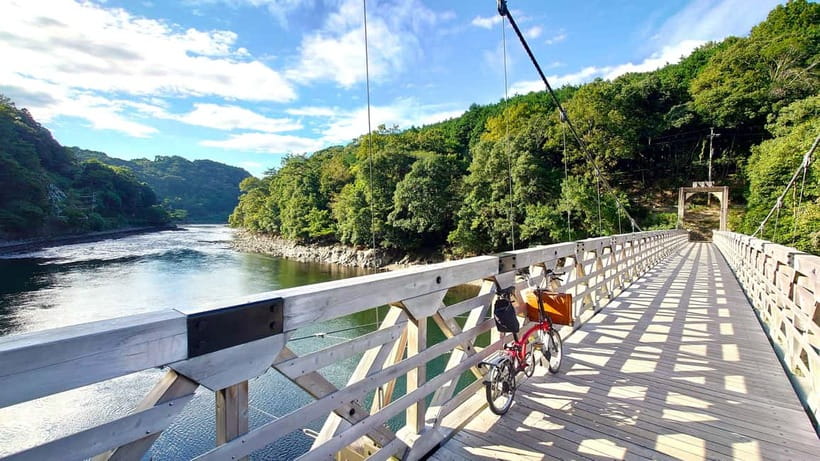
The Uji River is the outdoor heart of the ride. The listed cycling time for the river section is about 30 minutes, followed by another 30-minute ride around Tō-no-shima Island.
This is where the Brompton feels most useful. You can move along the water, stop for photographs, and continue without the stop-start pattern of a walking tour. The route is described as quiet and less familiar to tourists, which is valuable in a town where the main sights can attract plenty of attention.
Expect a peaceful ride rather than a dramatic cycling challenge. The pleasure is in the open views, the sound of the water, and the chance to see Uji at a slower speed. The route also passes through forested areas, according to the experience details, so the day is not limited to streets and temple courtyards.
Tō-no-shima Island adds another scenic section. It gives you time to enjoy the river from a different angle and take pictures with the bicycle. The Brompton is part of the visual appeal here. If you enjoy travel photographs with a distinctive object in the frame, this is a better prop than an ordinary rental bike.
You should remember that river paths can be affected by weather. The tour details do not specify a bad-weather policy, so ask the operator if rain is forecast.
Byodoin Phoenix Hall, Uji’s major sight
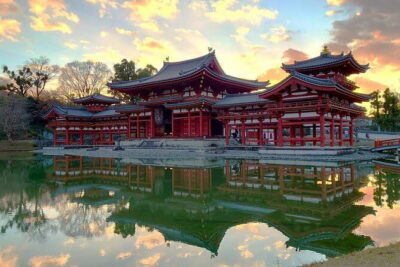
Byodoin Temple receives the longest visit, with about one hour listed for the stop. That makes sense. It is the best-known historic attraction in Uji and a UNESCO World Heritage Site.
Phoenix Hall is the image most associated with the temple. The building and its reflection across the water create one of the most recognizable views in Japan. The cycling tour does not treat Byodoin as a quick photo stop. An hour gives you time to see the grounds and decide if you want to pay for the optional Phoenix Hall admission.
The listed entrance fee for Byodoin Phoenix Hall is 700 yen. This is separate from the tour price. You should clarify exactly what the fee covers on the day, since the grounds and special interior access may be handled separately.
The extra cost is reasonable for many people because this is the major cultural sight in Uji. Still, if your priority is the countryside and the river, you may be satisfied with the exterior and grounds. The tour gives you a useful choice instead of forcing every participant into the same paid add-on.
Because Byodoin is the most popular stop, it may feel less quiet than the shrines and river paths. That contrast is part of the day. You see the famous Uji, then return to the calmer routes that make the bicycle experience worthwhile.
Matcha snacks and a local shop
The last major feature is food. After the sightseeing, you stop in Uji for local snacks, with about 30 minutes set aside. Snacks are not included in the $160 price, and the navigator suggests places based on your wishes.
This is a good arrangement for a group with mixed tastes. You might want a classic matcha drink, a sweet, or a place where you can buy tea powder to take home. The guide can help you choose a specialty shop rather than leaving you to guess from a row of tourist stores.
One account describes finding an especially good matcha café and buying matcha powder to bring home. Another highlights a special lunch stop. Those details point to the real value of having a local guide in Uji: the food stop is not just an add-on at the end, but part of understanding the town’s tea culture.
Budget extra for refreshments and lunch. The tour price covers the bicycle and guide, not your food. If you have dietary restrictions or a strong preference, tell the navigator at the start so the stop can fit your needs.
Is $160 a fair price?
At $160 per person, this tour costs much more than renting a bicycle and riding around Uji alone. The comparison is fair, but it misses what you are paying for.
The price includes the Brompton rental, bicycle equipment, an exclusive navigator, and English guidance. You also get a planned route through several temples, shrines, river paths, tea sites, and Byodoin. The guide can adjust the course, help with the food stop, and keep a slow rider from feeling left behind.
For a couple or small group that wants a private-feeling outing, the price can make sense. It is less attractive if you are happy navigating on your own, plan to see only Byodoin, or want a low-cost bicycle rental.
Add the optional 500 yen insurance fee if you choose it, 600 yen for Chazuna, 700 yen for Byodoin Phoenix Hall, and money for snacks or lunch. The extras do not ruin the value, but they mean you should calculate the full day rather than treating $160 as the final cost.
Free cancellation is available up to 24 hours before the start, and you can reserve now and pay later. Those terms are helpful if your Kyoto plans are still shifting.
Who will enjoy this ride most?
I would choose this tour if you want Uji to feel like a real town rather than a checklist of famous buildings. It suits you especially well if you enjoy tea, gentle cycling, river views, and small historic sites.
It is also a good option for people who are not confident about their fitness. The route is described as slow, and the guide can accommodate a less experienced rider. You should not book it if you cannot ride a bicycle at all, since the core of the experience is cycling between stops.
Families and mixed-age groups may appreciate the small group and flexible route, though the supplied information does not give a minimum age or child-bike policy. Ask before booking if that matters for your party.
You should also consider the season. The experience has been enjoyed in summer, autumn, winter, and spring, but the correct clothing and weather conditions will affect your comfort. No special cycling clothing is required, but several hours outdoors calls for practical preparation.
Should you book the Uji Brompton tour?
Book it if you want quiet river riding, local tea stops, and a guide-led route that reaches beyond the main temple streets. The strongest parts are the peaceful Uji River section, the patient pacing, the small group, and the chance to combine tea culture with shrines and Byodoin.
Skip it if you are seeking the cheapest way to see Uji or if you prefer to spend a full day inside temples. The price is high once you add food and optional admission fees.
For most visitors with one day in Uji, I would choose this over a standard bicycle rental because the guide turns separate sights into a coherent outing. Just confirm the guide’s name, ask about the weather, and decide in advance which optional fees and food stops fit your budget.
FAQ
Where does the cycling tour meet?
Meet the navigator in front of the tea jar-shaped post just outside JR Uji Station. The guide will have a Brompton bicycle.
How long does the experience last?
The tour lasts 270 minutes, or four and a half hours. The time includes cycling, sightseeing, and the local snack stop.
What languages are available?
The tour is offered in Japanese and English, with a live guide.
How many people can join?
The group is limited to six participants.
Are bicycles and helmets included?
Yes. The bicycle rental fee and riding equipment are included. Equipment listed includes helmets and bags for wheeled transport.
Do I need to be very fit?
The tour is designed around slow cycling and is described as suitable for people who are not confident about their physical fitness. You do need to be able to ride a bicycle.
Are food and drinks included?
No. Snacks and other refreshments are separate. The navigator suggests restaurants and specialty shops according to your preferences.
Are Chazuna and Byodoin entrance fees included?
No. Chazuna entrance is listed as an optional 600 yen fee, and Byodoin Phoenix Hall admission is listed as an optional 700 yen fee.
Can I cancel or pay later?
You can cancel up to 24 hours before the tour for a full refund. The reserve-now, pay-later option lets you book without paying immediately.
More Tea Plantation Tours in Kyoto
- From Taipei: Thousand Island Lake and Pinglin Tea Plantation
★ 4.7 · 519 reviews - Active Volcano, Rice Field, Hot Spring, Fruit market, Tea Plantation with Lunch
★ 5.0 · 513 reviews - Furnas: Tea Plantations, Lake and Volcano Guided Tour
★ 4.8 · 511 reviews - São Miguel: Furnas Volcano & Tea Plantation Tour with Lunch
★ 4.9 · 375 reviews
More Green Tea Tours in Kyoto
- Matcha Green Tea Plantation and Matcha Factory Visit
★ 5.0 · 6 reviews - Family Mitsui House Museum with green tea admission ticket
★ 4.0 · 5 reviews - Experience all of Japanese culture and Japanese food experience classes “origami, udon, Japanese food, green tea, calligraphy” in 4 hours
★ 5.0 · 105 reviews - Uji: Green Tea Tour with Byodoin and Koshoji Temple Visits
★ 4.8 · 72 reviews
Newly steeped around Kyoto
- Whisk Your Own Matcha: A Zen Matcha Experience at Temple★ 3.6 · 7 reviews
- Kyoto: Authentic Tea Ceremony in a Small Group★ 5.0 · 7 reviews
- Tea ceremony at Kyoto’s Zen Temple Teahouse★ 5.0 · 2 reviews
- Uji Walking Tour – Byodo-in temple and Tea Ceremony from Kyoto★ 3.5 · 3 reviews
- Tea Ceremony Experience in Traditional Kyoto Townhouse★ 5.0 · 19 reviews
- Tea Ceremony in 150 Years Old Townhouse with Tables and Chairs★ 5.0 · 22 reviews
- Traditional Tea Ceremony in Kyoto★ 4.5 · 3 reviews
- Sencha-do the Japanese Tea Ceremony Workshop in Kyoto★ 5.0 · 21 reviews
Green Tea Tours, compared.
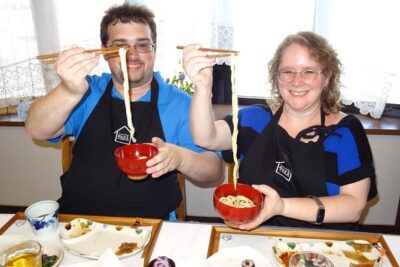
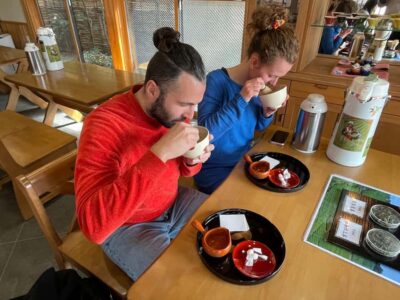
Uji: Green Tea Tour with Byodoin and Koshoji Temple Visits
Read our review →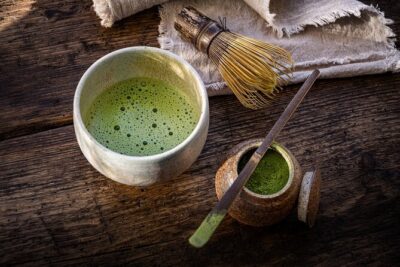
Scenic Green Tea Fields of Hidden Kyoto & Local Tea Exp (Private)
Read our review →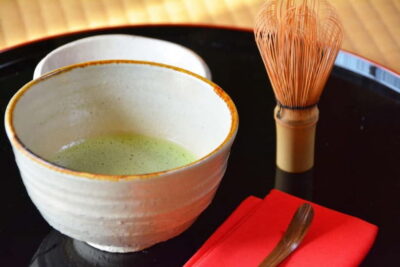
Osaka; Japanese Tea ceremony experience, Macha and Sencha
Read our review →
Slow Cycling Tour at Uji’s Matcha Green Tea Fields and Heritage
Read our review →
Sencha-do the Japanese Tea Ceremony Workshop in Kyoto
Read our review →
Uji Tea Ceremony and UNESCO Heritage Walking Tour
Read our review →Browse the lists this tea experience appears in