
Review · TOKYO
Japanese Traditional Breakfast and Tea Ceremony
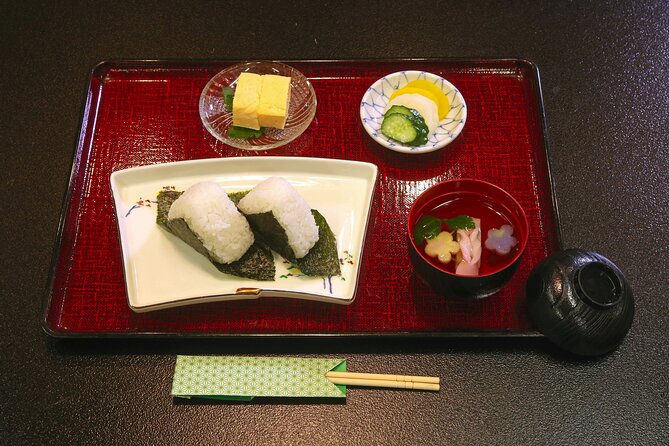
The most interesting part of this Tokyo experience is its mix of breakfast and tea ceremony. You are not simply watching a formal ritual. You start with a light Japanese meal, learn about Zen and the objects in the tea room, then make matcha yourself under the guidance of a bilingual licensed tea master with more than five years of experience.
I like the hands-on second tea ceremony, which gives you a simple ritual you can repeat at home. I also like the chance to make onigiri, since it turns breakfast into a small cultural lesson rather than a plate of unfamiliar food. The main consideration is finding Kikai Shinkō Kaikan in Shibakōen, which can take a little extra care.
This is a calm, focused 90-minute start to the day. At $60.81 per person, it costs more than breakfast alone, but the price includes food, sweets, matcha, instruction, interpretation, and a guided cultural activity.
Key points to know before booking
- Breakfast includes onigiri and local flavors: You get a light traditional Japanese meal rather than a standard hotel breakfast.
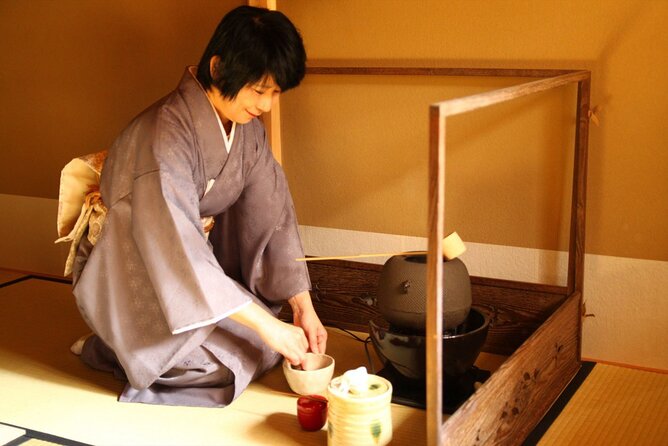
- You make your own matcha: The host first performs the ceremony, then teaches you how to prepare tea yourself.
- A bilingual tea master leads the session: English explanations cover Zen practices, utensils, sweets, and the hanging scroll.
- A short meditation opens the experience: This helps set the quiet tone before breakfast and tea.
- The meeting point is in Shibakōen: The activity starts and ends at Kikai Shinkō Kaikan at 9:00 am.
- The group can reach 28 people: It is a shared activity, not a private tea lesson.
A Japanese breakfast instead of a hotel buffet
This experience begins with a light Japanese breakfast, giving you a useful introduction to everyday food before the tea ceremony starts. The menu includes freshly prepared rice balls, or onigiri, along with other local flavors and traditional sweets.
The onigiri portion is more than a quick bite. You have the chance to make your own, then eat it with the rest of the breakfast. That small task helps you understand how simple ingredients can become a familiar Japanese meal. It is also a good choice for families, since children can take part instead of sitting through a long explanation.
The breakfast is described as light, so do not book this expecting a large brunch. If you need a substantial meal, you may want to eat something before arriving or plan another meal afterward. For most people, though, the portion makes sense for a 9:00 am activity followed by matcha and sweets.
I like this order. You begin with food, then move into the quieter tea ritual. The morning feels practical and grounded rather than staged as a museum display.
More Tea Ceremonies in Tokyo
- Kimono Tea Ceremony at Tokyo, Asakusa Maikoya
★ 5.0 · 638 reviews - Tokyo: Traditional Tea Ceremony with a Tea Master
★ 5.0 · 528 reviews - Tea Ceremony Workshop in Tokyo by the Experienced Instrucor
★ 5.0 · 189 reviews
Starting with meditation and Zen ideas
A short meditation period introduces the slower pace of the session. You are not expected to take part in a long religious practice. Instead, the meditation gives you a moment to settle before the tea ceremony begins.
The English explanation connects the ritual to Zen practices. That context matters because a tea ceremony can otherwise look like a series of precise movements with no clear purpose. Here, the guide explains why attention, calm, and respect for the setting are important.
You will also hear about a hanging scroll that expresses the spirit of Zen. This is a useful detail because the scroll is not just decoration. It helps show how the tea room uses objects, arrangement, and quiet focus to shape the mood.
The explanations are provided in English by a bilingual licensed tea master, with hospitality from a nationally certified guide interpreter. No individual guide names are provided, but the combination of interpretation and tea instruction should make the session easier to follow for English-speaking visitors.
Watching a tea master prepare matcha
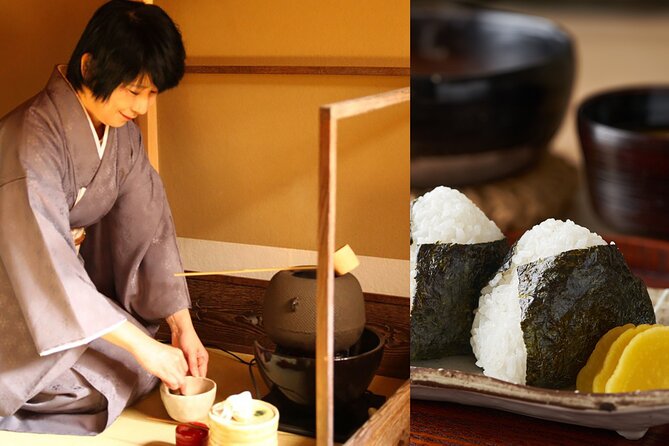
The first tea ceremony is performed by the host. You can watch the sequence before trying it yourself, while the tea master explains the tools, movements, and meaning behind the ritual.
The matcha is described as the highest-quality matcha used by the host. That does not mean you should expect a tasting menu or a wide range of teas. The focus is one carefully prepared bowl of authentic matcha, served as part of the ceremony.
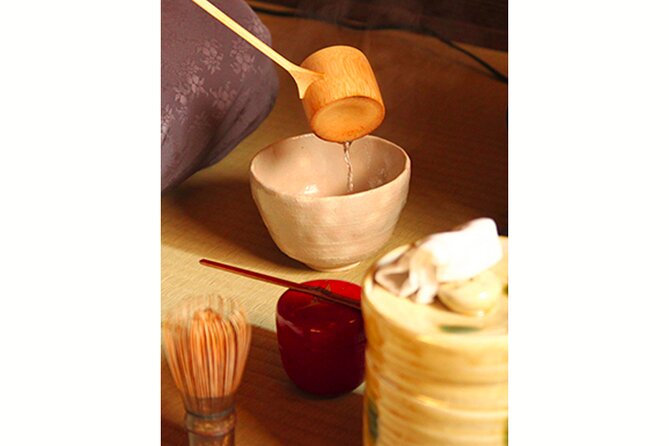
Traditional tea utensils are explained in English, so you can understand what you are seeing rather than simply copying a set of gestures. This is especially helpful if you have never attended a tea ceremony. Small actions that might seem fussy at first begin to make sense when someone explains their place in the ritual.
The sweets are important, too. Traditional Japanese confections are served with the tea, offering a gentle contrast to matcha’s bitter, grassy flavor. The sweetness is not an extra snack added at random. It is part of the balance of the tea service.
Your turn to prepare tea
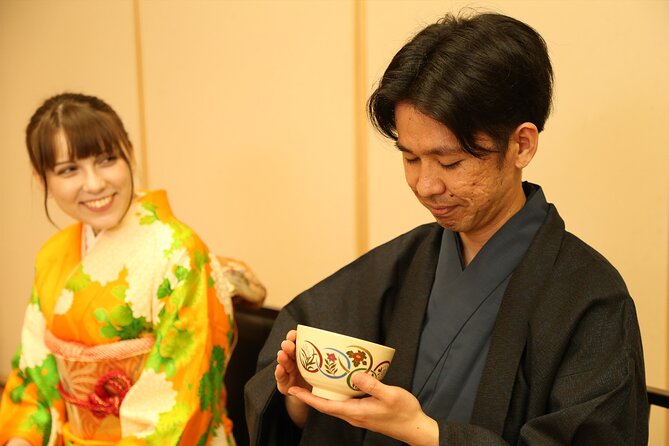
The strongest feature for many visitors is the second ceremony, when you make your own tea with instruction. This is where the experience moves from demonstration to participation.
You will have a chance to handle the tea utensils and follow the tea master’s directions. The goal is not to perform a perfect ceremony. It is to learn the basic rhythm and understand the care involved in preparing matcha.
That makes the lesson useful after your Tokyo visit. The experience specifically teaches rituals you can recreate at home. You will not reproduce every formal detail of a full tea school, but you can carry away a better sense of how to whisk matcha, serve it thoughtfully, and create a quiet pause in your day.
I like this approach because it keeps the ceremony from feeling remote. You watch first, then try it yourself while the instructions are fresh. If you prefer to observe rather than participate, you can still appreciate the demonstration, but the activity is designed to include hands-on practice.
Same leaf, a different ritual:
- Matcha Making Class in Tokyo with Authentic Japanese Sweets Set
★ 5.0 · 744 reviews - Dynamic Tokyo: Tokyo Tower, Tea Experience, Bay Cruise Day Tour
★ 4.5 · 521 reviews - Tokyo: Matcha Making Experience with Mochi Sweets in Asakusa
★ 4.9 · 388 reviews - Asakusa Cultural Walk & Matcha Making Tour
★ 5.0 · 245 reviews
Why the 90-minute length works
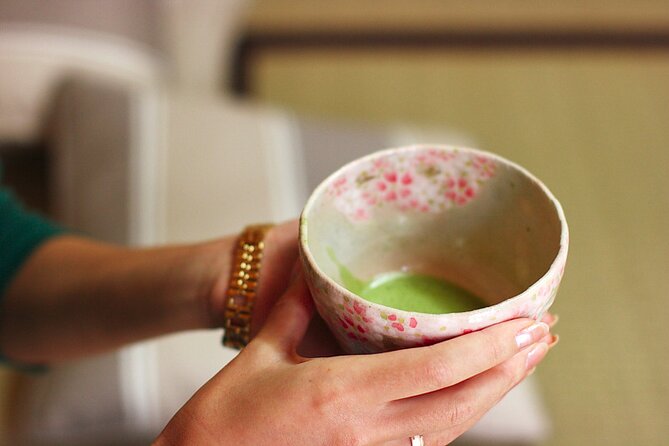
The session lasts about one hour and 30 minutes. That is long enough to include breakfast, meditation, explanations, a demonstration, sweets, and your own tea preparation without taking over the morning.
A shorter session might give you a quick photo opportunity but little context. A much longer ceremony could feel demanding, especially for children or anyone with a tight Tokyo schedule. This format gives you a clear cultural activity before the rest of your day begins.
The 9:00 am start is worth noting. You will need to reach the meeting point in time, and the activity is not designed as a late-morning stop. The early hour can work well if you are visiting nearby sights later, but it may be less appealing if you prefer slow mornings.
The activity begins and ends at Kikai Shinkō Kaikan, 3-chōme-5-8 Shibakōen, Minato City, Tokyo. There is no pickup or drop-off service, so you arrange your own transport. The venue is near public transportation, but one point deserves attention: finding the building can be slightly challenging. Allow extra time, especially on your first visit.
A shared setting with a possible group of 28
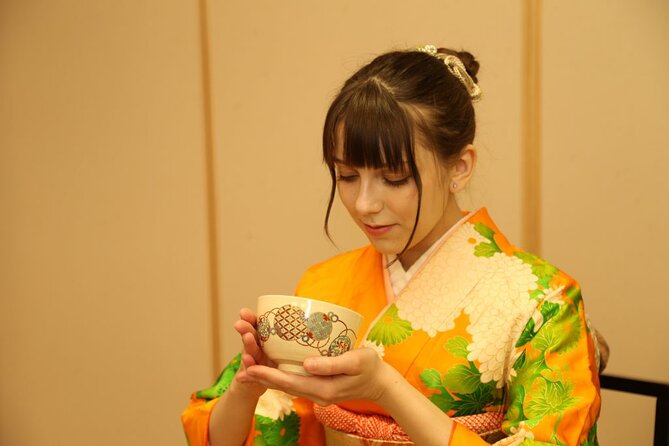
The maximum group size is 28 people. That makes this a shared cultural class rather than a private tea ceremony.
A group can add energy to the breakfast and onigiri-making portion. It may also make the activity easier for families or friends who want to take part together. The trade-off is that personal instruction may be limited if the session is full.
If you want a quiet, highly private ceremony with one-to-one attention, this may not be your ideal choice. If you enjoy learning in a group and want a clear introduction without arranging a private host, the size is reasonable for a short workshop.
The available feedback praises the friendly staff, the food, and the tea master’s explanations. One family found the breakfast a good way to understand what a traditional Japanese morning meal can look like. Those strengths match the structure of the activity: it gives you food, context, and practice in one compact visit.
What the $60.81 price includes
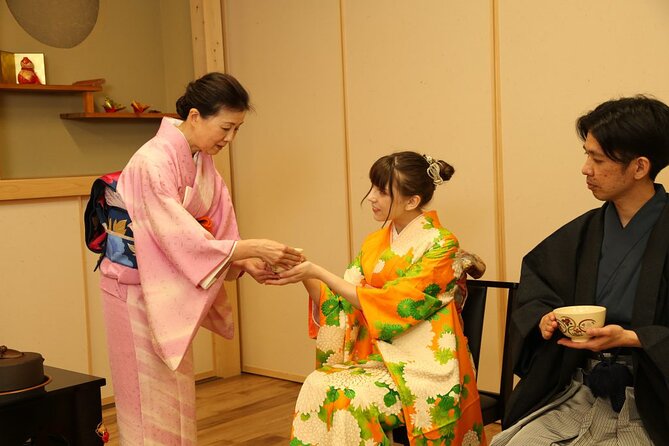
At $60.81 per person, this is not the cheapest way to eat breakfast in Tokyo. You can find a simple meal for far less. The value comes from the several parts packed into the 90-minute session.
Your price includes:
- A light Japanese breakfast
- Onigiri-making
- Traditional Japanese sweets
- Authentic matcha
- A tea ceremony performed by the tea master
- A second ceremony that you prepare yourself
- English explanations of Zen, tea utensils, and the hanging scroll
- A bilingual licensed tea master
- A nationally certified guide interpreter
I consider the price fair if you want a structured cultural lesson and would otherwise pay separately for a tea ceremony. It is less attractive if your main goal is simply breakfast or if you have already attended a formal tea ceremony elsewhere in Japan.
The group discount option may improve the value for families or larger parties, though the exact discount is not provided. Mobile tickets also make it easier to keep the booking details on your phone.
Who will enjoy this Tokyo experience most
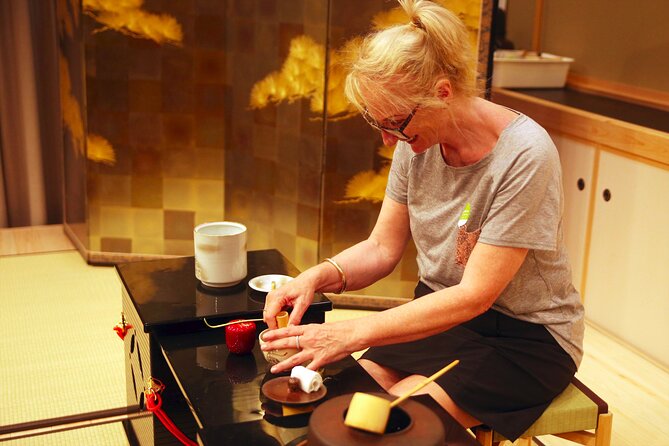
This activity suits first-time visitors who want an introduction to Japanese customs without committing to a full-day tour. It also works well for families, since making onigiri gives younger participants something concrete to do.
I would recommend it to anyone curious about matcha but unsure how to prepare it at home. The lesson provides a more useful introduction than simply drinking a bowl in a café. You learn the basic ritual, taste the tea with sweets, and then practice it yourself.
It is also a good fit for visitors who appreciate quiet cultural experiences. The meditation, hanging scroll, and Zen explanation give the morning a reflective quality.
You may want to skip it if you dislike group activities, do not want a light breakfast, or have difficulty reaching a 9:00 am meeting point. It is also not the right choice if you are looking for hotel pickup, a large meal, or a long sightseeing tour around Tokyo.
Booking, cancellation, and weather notes
Confirmation is sent within 48 hours of booking, subject to availability. The activity is often booked about 53 days ahead, so planning early makes sense if your Tokyo dates are fixed.
Free cancellation is available until 24 hours before the start time. Cancellations or changes made less than 24 hours before the experience are not refunded or accepted. The cutoff uses local Tokyo time.
The experience requires good weather. If poor weather causes cancellation, you are offered another date or a full refund. The activity also requires a minimum number of participants. If that minimum is not reached, you can choose another date or experience, or receive a full refund.
Should you book the Japanese breakfast and tea ceremony?
Book this experience if you want a friendly, English-supported introduction to Japanese breakfast, Zen ideas, matcha, and tea ceremony manners in one short morning. The best parts are the onigiri-making, the host’s demonstration, and the chance to prepare your own tea.
At $60.81, the value depends on how much you want the cultural instruction. This is not a bargain breakfast, and the group may reach 28 people. Still, the combination of food, sweets, meditation, a licensed tea master, and hands-on practice makes it a sensible choice for first-time visitors and families.
Plan your route carefully to Kikai Shinkō Kaikan, arrive early, and book at least a day ahead if your plans change. If those details suit you, this is a compact and thoughtful way to begin a Tokyo morning.
FAQ
Where does the Japanese breakfast and tea ceremony take place?
The activity takes place at Kikai Shinkō Kaikan, 3-chōme-5-8 Shibakōen, Minato City, Tokyo 105-0011, Japan.
What time does the experience start?
The start time is 9:00 am.
How long does the activity last?
The experience lasts approximately one hour and 30 minutes.
Is breakfast included?
Yes. A light Japanese breakfast is included, along with traditional Japanese sweets.
Can I make my own matcha?
Yes. After watching the tea master perform the ceremony, you have the opportunity to make your own tea with instruction.
Is the tea ceremony explained in English?
Yes. English explanations cover the tea ceremony, Zen practices, Japanese hanging scrolls, and tea utensils. A bilingual licensed tea master leads the session.
Is transportation included?
No. Pickup and drop-off services are not included. The activity begins and ends at the meeting point, which is near public transportation.
What is the cancellation policy?
You can cancel up to 24 hours before the start time for a full refund. Cancellations or changes made less than 24 hours before the start time are not accepted or refunded.
Newly steeped around Tokyo
- Yokohama : Tea Ceremony with Sweets and Souvenir★ 5.0 · 5 reviews
- Walking Tour: Yanaka,Nezu& Sendagi: Tea Ceremony & Old Tokyo★ 5.0 · 3 reviews
- Private Mochi・Matcha sweets Making Class Near Shibuya Area★ 5.0 · 22 reviews
- 2 Hours Mochi &Nerikiri Making & Matcha Class in Bunkyo★ 5.0 · 21 reviews
- Private Kimono and tea ceremony at local home near Tokyo Disney★ 5.0 · 6 reviews
- Kimono and Tea Ceremony in Asakusa Private Food Tour With Guide★ 5.0 · 4 reviews
- Giant Sushi Cooking Class: Make a 1.5m Sushi Roll in Tokyo★ 5.0 · 9 reviews
- Tokyo Tea Ceremony Class at a Traditional Tea Room★ 5.0 · 2 reviews
Tea Ceremony Experiences, compared.
Kyoto: Tea Ceremony in a Traditional Tea House in Kiyomizu
Read our review →
Kyoto: 45-Minute Tea Ceremony Lesson Experience
Read our review →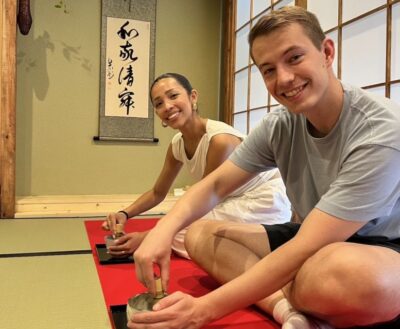
Kyoto: Table-Style Tea Ceremony at a Kyo-Machiya
Read our review →


Browse the lists this tea experience appears in