
Review · KYOTO
Kyoto: Kimono and Tea Ceremony Experience at Cultural Asset
Tondaya is the star here: a 140-year-old machiya with polished wood, small gardens, old household objects, and the quiet atmosphere of old Kyoto. I like the chance to wear a proper silk kimono and the generous time for photographs in the house. The tea ceremony also gives the visit a calm center, not just a costume change.
The main caution is the group setting. A popular session can feel crowded, and English explanations vary by staff member. If you want a slower ceremony, more questions, and less waiting, pay for the private option if available.
Key points at a glance
- A preserved Nishijin townhouse: Tondaya is officially recognized by Kyoto City as a culturally important property.
- Silk kimono dressing: Staff help you choose and put on a high-quality kimono, with styles and sizes varying by availability.
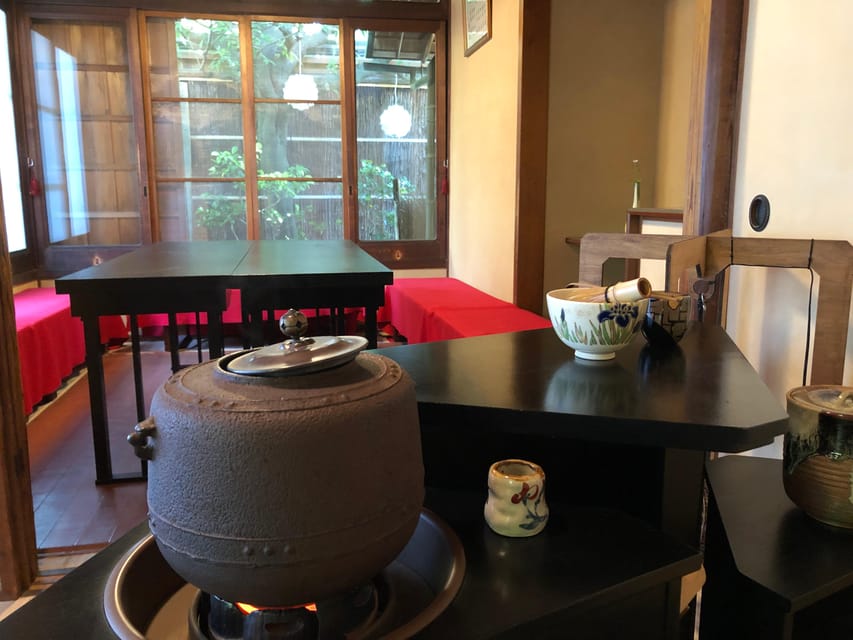
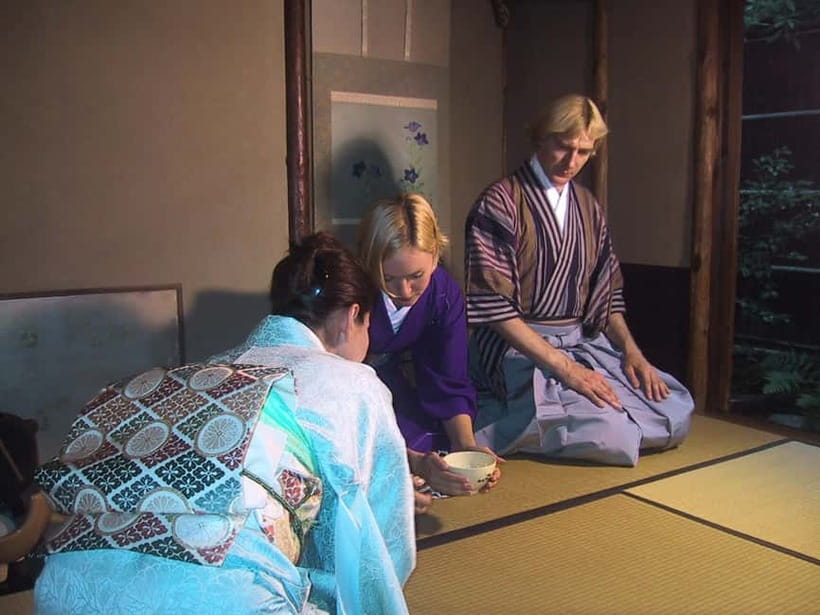
- A real tea ceremony setting: You watch a tea master prepare and serve matcha in the historic house.
- Photo time included: The woodwork, gardens, and traditional rooms make strong backdrops, and staff may help take pictures.
- Group size affects the mood: Busy sessions can mean waiting, limited views, and more noise during the ceremony.
- Bring socks: Bare feet and stockings are not allowed, and comfortable, loose-necked clothing makes dressing easier.
Tondaya, a 140-year-old machiya in Nishijin
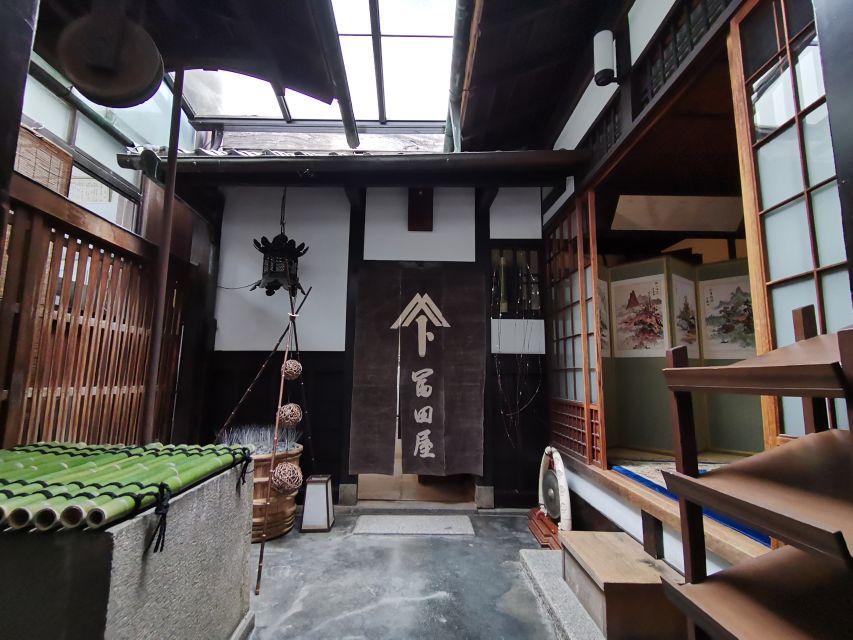
The experience takes place at Tondaya, Nishijin Japanese Cultural Experience Museum, at 697 Ishiyakuchicho in Kyoto’s Kamigyo Ward. This is not a modern studio dressed up to look Japanese. It is a traditional townhouse with more than a century of use behind it.
The first few minutes tell you why the setting matters. You pass into a building shaped by old Kyoto domestic life, with crafted timber, interior gardens, quiet rooms, and objects connected to the house’s past. The house itself gives the activity weight. You are not simply posing in a kimono against a printed screen.
Tondaya is officially registered as a cultural property and is designated as culturally significant by the Kyoto City Government. That status does not turn the visit into a museum lecture, but it does make the tour more than a short photo stop. You get a look at the proportions, materials, and small details of a traditional machiya.
I especially like that the building tour is part of the experience rather than an optional extra. It helps you understand why the tea ceremony belongs in this setting. The rooms, garden views, and worn wooden surfaces create the right mood before the tea is served.
More Kimono and Tea Ceremonies in Kyoto
- Kimono Tea Ceremony at Kyoto Maikoya, NISHIKI
★ 5.0 · 911 reviews - Kyoto: Kimono Tea Ceremony at Orizuruya Gion
★ 4.9 · 618 reviews - KYOTO Tea Ceremony with kimono near by Imamiya Jinjya Shrine
★ 5.0 · 343 reviews
Choosing and wearing the silk kimono
The kimono portion begins in a dedicated dressing room. Staff help you select a garment and fit it properly. The listed information says the fitting can take about five minutes, though the full process may take longer when several people arrive together.
The kimonos are described as high-quality silk, and the available designs can be lovely. Still, selection is not identical for everyone. Taller participants may receive larger garments in plainer solid colors, while shorter participants may have access to more elaborate prints. If the exact pattern matters to you, ask what sizes and designs are available before you settle on one.
The dressing is part of the fun, but it is not a fashion consultation. You may receive limited background about the garment, its pattern, or the meaning of the layers. One useful improvement would be a fuller explanation of kimono types, fabric, seasonal design, and how formal dress differs from everyday wear.
Wear a loose-necked top. A tight collar can show above the kimono and make the final look less tidy. Also bring a clean T-shirt if you expect to be hot or sweaty before the fitting. The staff cannot dress you in a kimono over a wet T-shirt, and the house may offer a replacement shirt for purchase.
The rule about socks is firm. Bring your own socks, and do not wear stockings in place of socks. Bare feet are not permitted. This small detail is easy to miss when packing for a summer day in Kyoto, but it can affect the entire appointment.
Photos are generally taken after dressing, not while staff are putting the kimono on or removing it. That makes sense in a traditional home and gives the dressing process some privacy. Once you are ready, you get time to take your own photographs around the house and garden.
Tea ceremony in a historic room
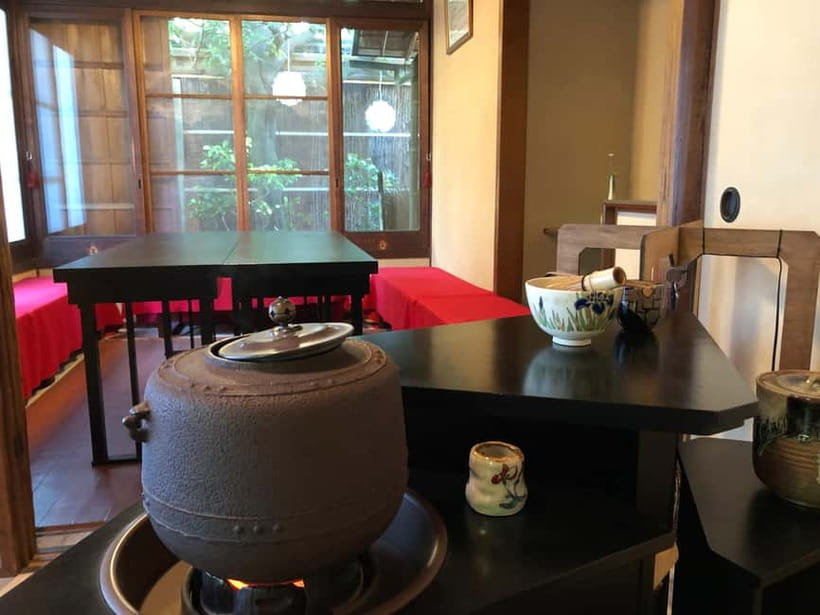
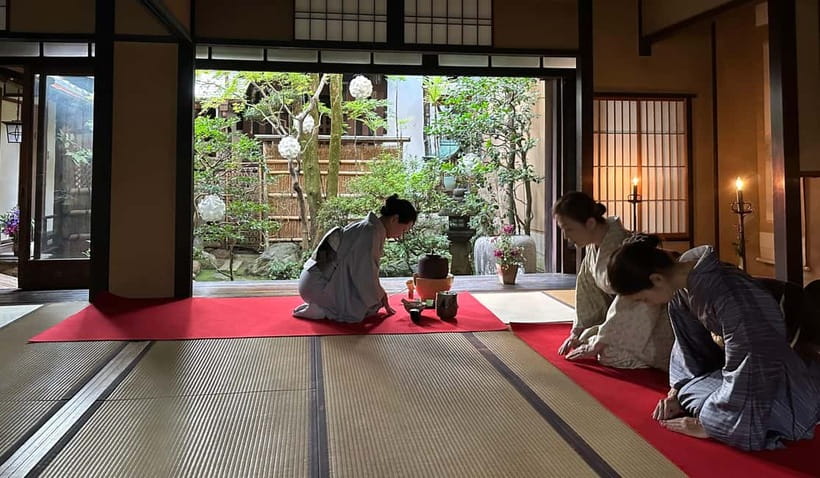
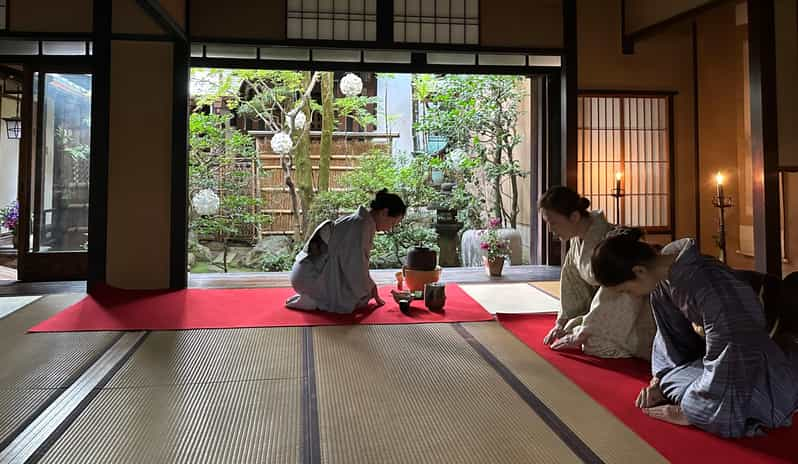
The tea ceremony is the heart of the visit. An experienced tea master prepares and serves matcha while explaining the movements, objects, and etiquette. The ceremony is not only about drinking tea. It shows how posture, timing, quiet attention, and respect shape this part of Japanese culture.
The pace is usually simple and focused. You watch the preparation, observe how the tea is presented, and learn why certain actions are performed in a particular order. Several people found the explanations clear and informative, especially when an English-speaking staff member led the session.
Do not expect a hands-on tea workshop by default. At least one participant wished for the chance to whisk the tea personally, but the standard activity focuses on watching the tea master. If making your own matcha is important to you, ask whether that option is available before booking.
The room can affect your experience. Some sessions have chairs, but much of the ceremony involves sitting on the floor. If you have difficulty sitting this way, request a chair at the start. In a crowded group, the people at the sides or back may not have the best view of the tea preparation.
The ceremony also depends heavily on the behavior of the group. Phones, whispering, late arrivals, and constant filming can pull attention away from the ritual. I recommend putting your phone away during the ceremony and saving photographs for the house tour. Staff provide photo opportunities, so there is little reason to film every movement.
A quiet tea ceremony in a 140-year-old home can be one of the more peaceful moments in a busy Kyoto itinerary. A noisy group can weaken that effect. This is the clearest reason to consider the private option.
Touring the rooms and taking photographs
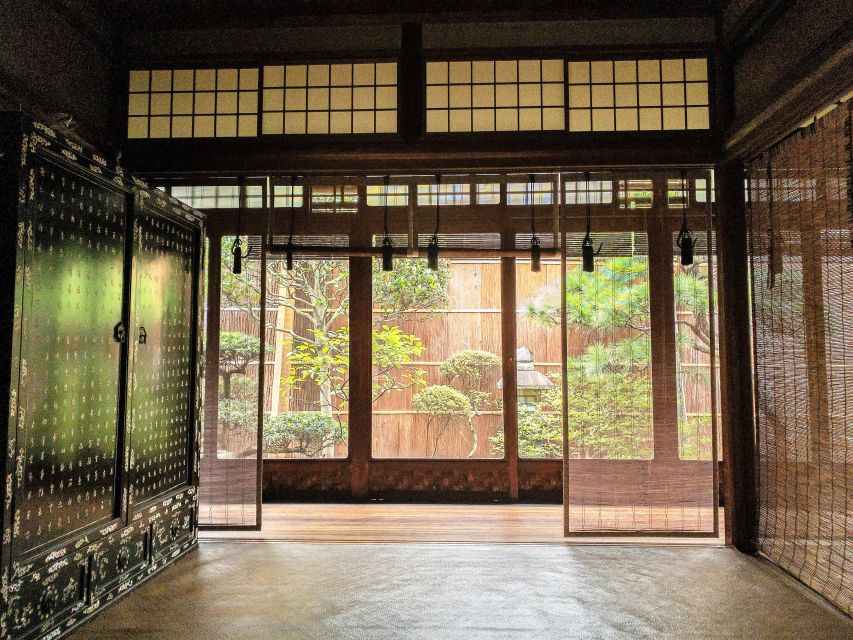
After or around the tea ceremony, staff guide you through Tondaya. The tour covers the townhouse and its interior gardens, with explanations of the property and its traditional features. English ability varies. Some staff explain the house clearly in English, while others rely on a translation device or translation app.
That language gap does not erase the visual appeal of the house, but it can limit what you learn. If you want detailed information about architecture, kimono design, or tea history, prepare a few questions and allow extra patience during translation.
The photo time is a strong part of the package. Traditional rooms, gardens, timber details, and the kimono itself provide a range of backgrounds. Staff may take photographs for you, which is useful for couples and solo visitors. You should also expect time to take your own pictures.
The building can become crowded, particularly during busy periods. A large group may need to share the same attractive corners, and some pictures may look more intimate through careful framing than the actual room feels at that moment. Arriving early has helped some visitors get ready without a rush, but arriving too early may also mean staff begin the dressing process ahead of the official start.
The visit is not a free-roaming photography session. Follow directions about where to stand and when to take pictures, especially in rooms containing historic objects. This is still a functioning cultural property, not a rented studio.
More Tea Ceremonies in Kyoto
- Kyoto: Tea Ceremony in a Traditional Tea House in Kiyomizu
★ 4.9 · 3,519 reviews - Kyoto: Tea Ceremony Ju-An at Jotokuji Temple
★ 4.9 · 3,207 reviews - Kyoto: 45-Minute Tea Ceremony Lesson Experience
★ 4.3 · 2,378 reviews - Kyoto: Table-Style Tea Ceremony at a Kyo-Machiya
★ 4.9 · 1,211 reviews
Timing, group size, and the private option
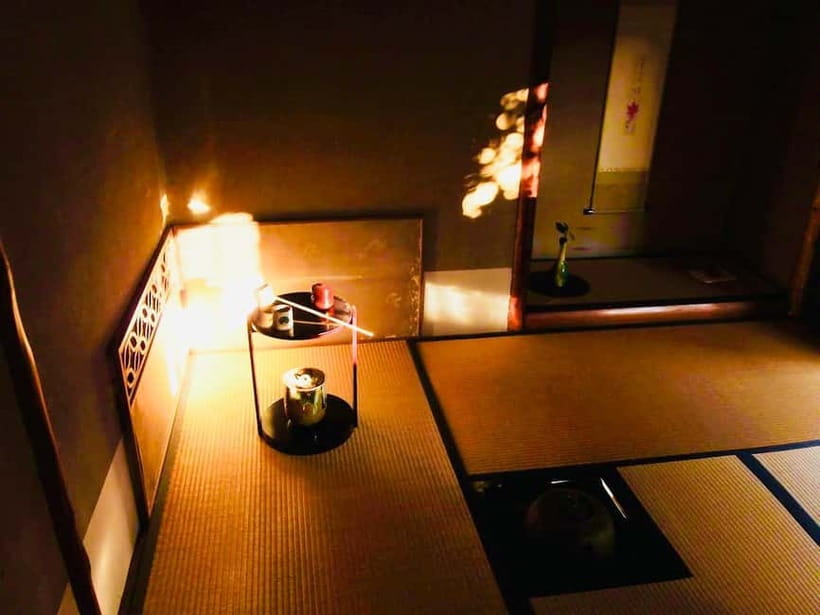
The advertised duration ranges from 90 minutes to four hours. That is a wide range, so check the start time and session details carefully when booking. A straightforward group visit may take around 90 minutes, while a private or slower session can run longer.
The standard format may combine several parties. You might wait for dressing, wait for a place in the tea room, or share the house tour with other participants. Busy sessions have been described as chaotic or crowded, though the staff are generally attentive and welcoming.
The private experience changes the character of the visit. With fewer people, you have more room for questions, photographs, and conversation. A private session can feel closer to being invited into a family home, especially if you care more about cultural explanation than about speed.
There is a confusing detail in the booking information: the activity is described in one place as a private group, while the practical notes say that anyone who does not book a private session joins a group. Treat the private option as a separate upgrade and confirm what your chosen booking includes.
The staff team works across several traditional arts, including kimono, tea ceremony, calligraphy, and ikebana. Not every staff member speaks fluent English. English and Japanese are offered, but a translation device may be used. That is normal here, and the best sessions depend on simple questions, patience, and close attention to demonstrations.
Is $222 a fair price?
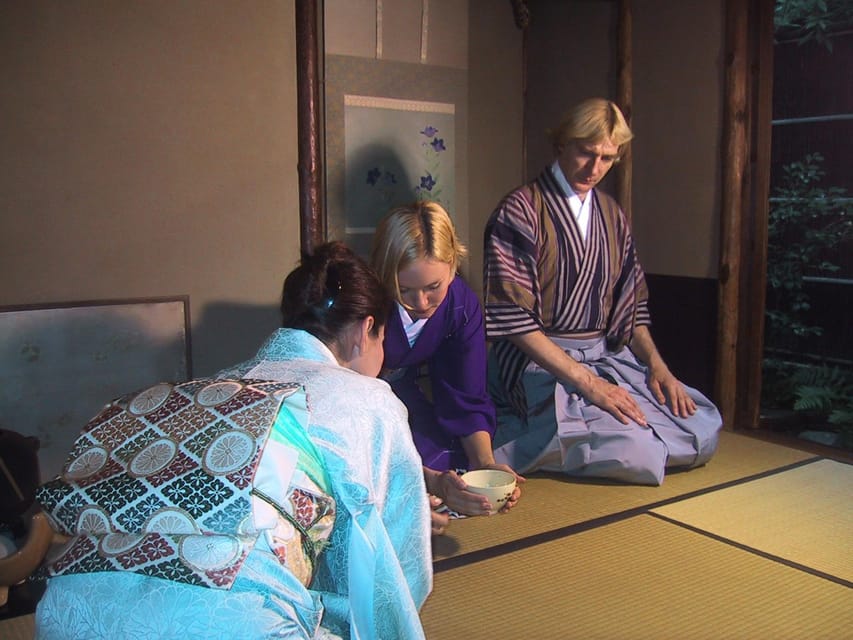
At $222 per person, this is not a bargain activity. You are paying for more than tea and a short kimono rental. The price includes entry to a protected historic house, kimono dressing, the tea ceremony, staff assistance, and access to a distinctive Kyoto setting for photographs.
The value is strongest if you want all of those elements in one appointment. Booking separate activities for a kimono fitting, a machiya visit, and a tea ceremony could take more time and planning. Tondaya puts them together in a compact cultural outing.
The price is harder to justify if you mainly want a costume for photographs. A crowded session, limited kimono choice, or basic English explanation may leave you feeling that the cost is high for the amount of personal attention received. One private-session visitor still considered it expensive, but felt the relaxed pace and detailed explanations made it worthwhile.
I would consider the private option a better use of the budget for couples, families, or anyone marking a special occasion. For budget-conscious visitors, the group experience may still work if the historic house and tea ceremony matter more than having a long, personal lesson.
Cancellation is flexible: you can cancel up to 24 hours ahead for a full refund. You can also reserve now and pay later, which helps when your Kyoto schedule is still changing.
Who will enjoy this Kyoto experience most?
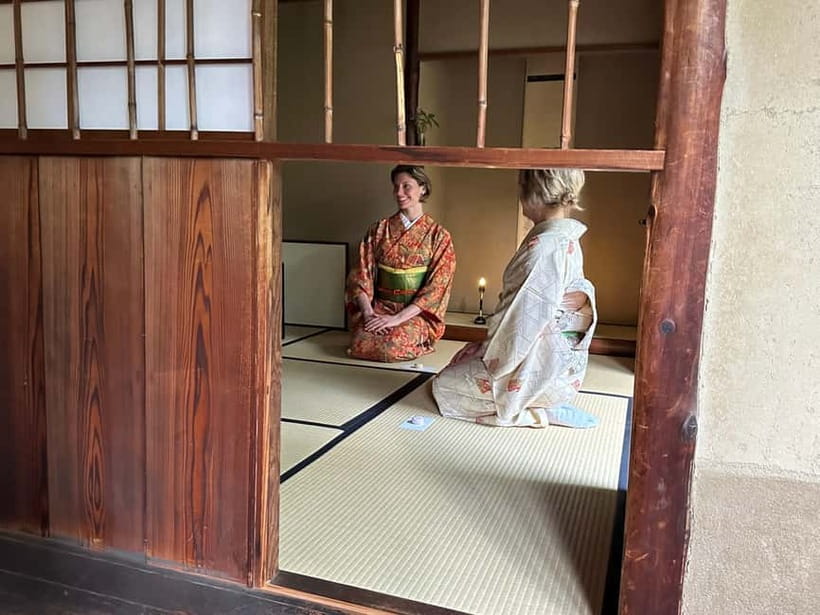
I would choose Tondaya if you want a polished introduction to several Japanese traditions without spending a full day at a formal cultural school. It suits first-time visitors who want to wear a kimono, see a real machiya, and watch tea preparation in one place.
It also works well for couples and families who value photographs. Staff may help with pictures, and the house supplies a far better setting than a plain rental shop.
You should think twice if you dislike group activities, floor seating, translation apps, or structured demonstrations. The experience is not ideal for someone who wants to handle every tea utensil or receive a long academic lesson about garment history.
Tall participants should ask about kimono size and design. Anyone with a wet shirt, no socks, or tight clothing may have trouble at the fitting. If you are sensitive to noise or need a calm ceremony, book privately.
Practical tips for a smoother visit
- Bring socks, not stockings, and wear them before entering the house.
- Choose a top with a loose neckline.
- Carry a spare T-shirt if Kyoto weather may leave you sweaty.
- Put your phone away during the tea ceremony.
- Ask about chairs if sitting on the floor is difficult.
- Allow extra patience when staff use a translation device.
- Ask about kimono sizes and available patterns before dressing.
- Keep your best photographs for the house tour, not the dressing room.
- Confirm whether your booking is group or private.
- Arrive on time. An early arrival may not mean an earlier official start, and a late arrival can interrupt the ceremony.
Should you book Tondaya?
Book this experience if you want a memorable Kyoto setting, a proper silk kimono, and a traditional tea ceremony in one visit. The historic townhouse and interior gardens give your photographs genuine character, while the ceremony offers a quiet look at a central Japanese art.
Skip it if your top priority is a low price, a private lesson, or a wide choice of kimono designs. The best decision is to book the private option when your budget allows, especially for a special occasion. Otherwise, choose a less busy time, bring socks, arrive prepared, and treat the ceremony with the attention it deserves.
FAQ
Where does the kimono and tea ceremony experience take place?
It takes place at Tondaya, Nishijin Japanese Cultural Experience Museum, at 697 Ishiyakucho, Kamigyo Ward, Kyoto, Japan.
How long does the experience last?
The stated duration is 90 minutes to four hours. The exact length depends on the available session and booking details.
What is included in the price?
The price includes entrance to Tondaya, kimono dressing, and the tea ceremony.
Do I need to bring socks?
Yes. Socks are required. Bare feet are not allowed, and stockings should not be worn instead of socks.
Can I wear any clothing underneath the kimono?
Wear clothing that is not too tight around the neck. If your T-shirt becomes wet, bring a dry replacement because staff cannot dress you over a wet shirt.
Is hair styling or makeup included?
No. Hair styling and makeup are not included.
Is the tea ceremony private?
Only if you select the private experience option. Otherwise, you may join the tea ceremony with other participants and may need to wait.
Is the experience offered in English?
English and Japanese are offered. Not every staff member speaks English fluently, so a translation device may be used.
Can I take photographs?
Yes, there is time to take photographs in the traditional house and gardens after dressing. Photography is not permitted while the kimono is being put on or removed.
Can I cancel for a refund?
You can cancel up to 24 hours before the experience for a full refund. Reserve now and pay later is also available.
Newly steeped around Kyoto
- Whisk Your Own Matcha: A Zen Matcha Experience at Temple★ 3.6 · 7 reviews
- Kyoto: Authentic Tea Ceremony in a Small Group★ 5.0 · 7 reviews
- Tea ceremony at Kyoto’s Zen Temple Teahouse★ 5.0 · 2 reviews
- Uji Walking Tour – Byodo-in temple and Tea Ceremony from Kyoto★ 3.5 · 3 reviews
- Tea Ceremony Experience in Traditional Kyoto Townhouse★ 5.0 · 19 reviews
- Tea Ceremony in 150 Years Old Townhouse with Tables and Chairs★ 5.0 · 22 reviews
- Sencha-do the Japanese Tea Ceremony Workshop in Kyoto★ 5.0 · 21 reviews
- Silent Beauty of Kyoto Zen Walk and Tea Experience★ 5.0 · 2 reviews
Kimono & Tea Ceremony, compared.


KYOTO Tea Ceremony with kimono near by Imamiya Jinjya Shrine
Read our review →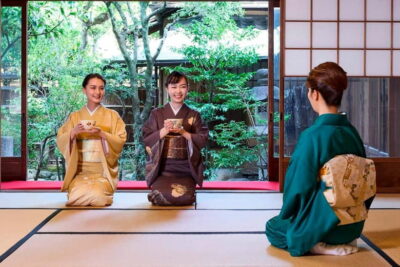
Kyoto: Kimono Tea Ceremony with Matcha and Sweet
Read our review →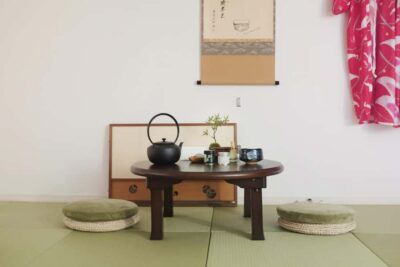
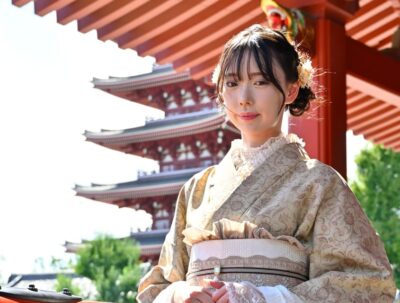
Tokyo: Asakusa Kimono Dressing and Matcha Experience
Read our review →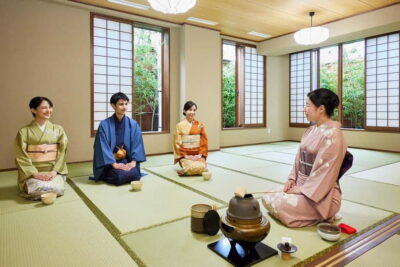
Asakusa: Kimono Tea Ceremony with Matcha and Sweet
Read our review →Browse the lists this tea experience appears in