
Review · KYOTO
KYOTO Tea Ceremony with kimono near by Imamiya Jinjya Shrine
The best part of this Kyoto experience is that you do not simply watch a tea ceremony. You first choose a kimono, have it fitted over several layers, and then sit down in ceremonial dress to learn the meaning behind the movements. The tea room has been used by three generations, and a tea master with 30 years of practice leads the ceremony.
I like the hands-on format and the care put into the presentation. You watch the tea master prepare matcha, learn the manners and history, taste tea with a seasonal sweet, and then prepare a cup yourself. I also like the staff support, especially the hair styling, kimono fitting, explanations, and help taking photos. The main consideration is time: 90 minutes goes quickly, and the dressing process can feel rushed if everyone arrives at once.
Key points to know before booking
- Three generations of tea-room tradition: The ceremony takes place near Daitokuji, an area closely tied to Kyoto tea culture.
- Kimono and hair styling included: Staff help you choose a kimono, dress you, arrange your hair, and prepare you for photos.
- A real hands-on lesson: You do not only observe. You learn how to make tea and may serve it to another participant.
- Small-group setting: The experience accepts a maximum of 12 people, keeping the session more personal than a large cultural show.
- Photos are part of the experience: Staff help you pose and take pictures while you are dressed in kimono.
- Good value for a special occasion: At $99.49 per person, the fee covers clothing, hair preparation, instruction, tea, sweets, and the ceremony itself.
Choosing a Nishijin kimono near Daitokuji
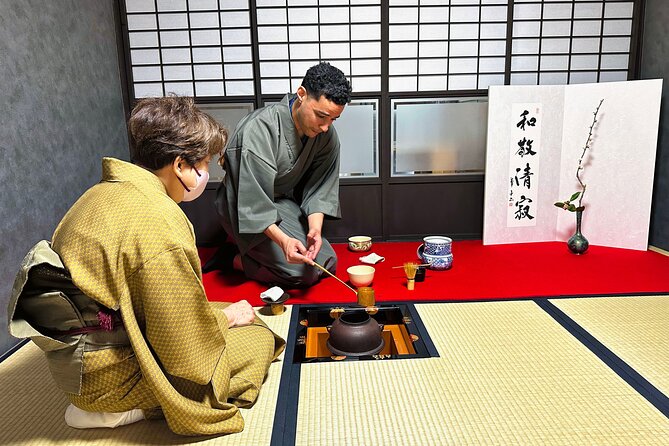
The experience begins at Tea Ceremony Caren, at 74-4 Murasakino Daitokujicho in Kyoto’s Kita Ward. The location is near Daitokuji Temple and public transportation, though private transportation is not included. You make your own way to the meeting point, so allow time to find the address before the scheduled start.
The first decision is your kimono. You choose from a collection associated with Nishijin, Kyoto’s best-known textile district, selecting a color and pattern that suit you. This is more than a quick costume change. Traditional kimono dressing uses several layers, and staff adjust the clothing carefully so it sits properly.
That process is one of the most interesting parts of the session. You quickly see why kimono dressing is a skilled art rather than something you can throw on in a minute. Several participants have described the fitting as a multilayered affair, and that is useful context for anyone expecting a simple robe and sash.
Women can also have their hair arranged before the kimono is put on. The hair service is described as efficient, so it helps to have a color preference in mind when you arrive. Staff need to move through the group, and indecision can slow the process.
The maximum group size is 12 people. That is small enough for staff to work with each person, but it is not a private appointment. If several people arrive at the same time, the fitting area may feel busy. Arriving a little early is a sensible move, since it gives the staff more room to prepare everyone.
More Kimono and Tea Ceremonies in Kyoto
- Kimono Tea Ceremony at Kyoto Maikoya, NISHIKI
★ 5.0 · 911 reviews - Kyoto: Kimono Tea Ceremony at Orizuruya Gion
★ 4.9 · 618 reviews - Kyoto: Kimono and Tea Ceremony Experience at Cultural Asset
★ 4.3 · 306 reviews
The photo session is more useful than a quick costume snapshot
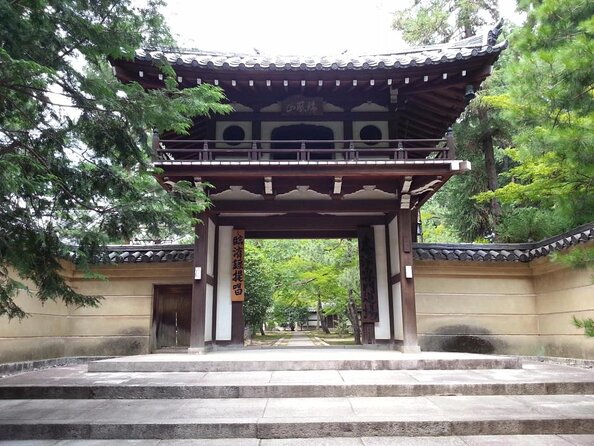
Once dressed, you have a short photo session. Staff help with poses and take pictures, which makes a difference if you are traveling alone or if your group wants photos of everyone together. The kimono, hair arrangement, and setting make this a more meaningful portrait opportunity than a hurried picture outside a major sight.
The photo portion also gives you a moment to get used to the clothing before sitting for tea. Kimono sleeves, layers, and the obi belt can feel unfamiliar. The staff’s help lets you adjust before the ceremony begins.
Do not expect a long professional photo shoot. The entire experience lasts about 90 minutes, and the main purpose is tea culture. Still, the photographs are a valuable part of the price, particularly for families, couples, and anyone marking a first visit to Japan.
An interpreter named Akira has helped participants understand the ceremony and find good poses. Another account names a staff member as Mera, though the spelling may vary. The key point is that the staff are involved throughout, not only during the clothing change.
Watching a tea master with 30 years of practice
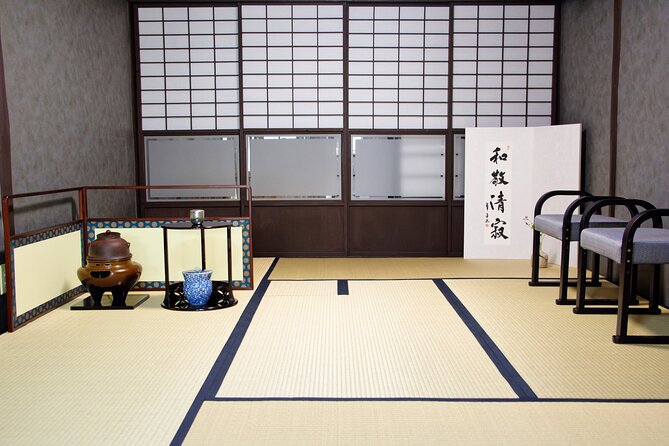
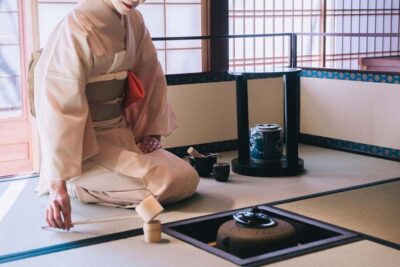
After the dressing and photos, you move to the tea room. The room has been used by three generations, and its age is part of the appeal. This is not presented as a stage performance in a modern attraction. You sit in a traditional setting and watch a tea master demonstrate the careful sequence of preparing matcha.
The tea master has studied tea ceremony for 30 years. That experience matters because the ceremony is built around small actions: how the utensils are handled, how the tea is whisked, how the bowl is presented, and how participants show respect. The lesson helps you see that the ceremony is not just about drinking green tea.
The demonstration is conducted in Japanese and explained for an English-speaking audience. Akira has provided interpretation during sessions, adding background on the ceremony, customs, and even the meaning of the tea fan. This translation allows you to focus on the movements while still understanding what they mean.
The pace is generally calm, which creates a welcome pause in a busy Kyoto schedule. You are asked to pay attention to the order of events and the manners involved, but the experience is designed for newcomers. You do not need previous knowledge of tea ceremony.
Seasonal sweets, matcha, and the manners behind each movement
After watching the tea master, you receive a cup of tea with a seasonal sweet. The sweet is a small but important part of the ritual. It balances the bitter edge of matcha and gives you a chance to notice how food and tea work together in the ceremony.
You also learn basic etiquette. The lesson covers how to receive the tea, how to appreciate the bowl, and how to drink in the proper spirit. The instructions make the ceremony easier to follow and help you avoid worrying about every movement.
This is where the experience becomes more than dressing up. The kimono draws you in, but the etiquette gives the session its substance. You begin to understand why the ceremony values quiet attention, respect for the host, and appreciation of the particular season.
The ceremony is formal, but the teaching is friendly. Staff explain what is happening instead of expecting you to know the rules already. That makes it suitable for first-time visitors and families. Even teenagers can take part, though younger children may find the quiet format less exciting than a more active attraction.
More Tea Ceremonies in Kyoto
- Kyoto: Tea Ceremony in a Traditional Tea House in Kiyomizu
★ 4.9 · 3,519 reviews - Kyoto: Tea Ceremony Ju-An at Jotokuji Temple
★ 4.9 · 3,207 reviews - Kyoto: 45-Minute Tea Ceremony Lesson Experience
★ 4.3 · 2,378 reviews - Kyoto: Table-Style Tea Ceremony at a Kyo-Machiya
★ 4.9 · 1,211 reviews
Making your own tea changes the whole experience
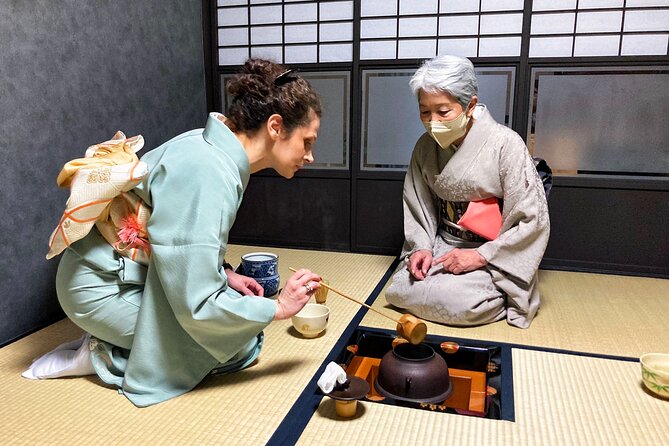
The strongest feature is the opportunity to prepare matcha yourself. After watching the tea master, you handle the tools and follow the steps as closely as you can. You may prepare tea for another participant, turning the group from an audience into part of the ceremony.
Your first attempt may not look as precise as the tea master’s. That is part of the fun. The staff guide you through the process and encourage you to try rather than simply observe.
This hands-on section also makes the earlier demonstration easier to understand. Once you hold the utensils and make the tea, you notice the rhythm and care involved. The exercise gives you a practical memory to take home, not just a set of facts about Japanese customs.
Solo participants can take part as well. One solo visitor was given the chance to make tea, so you should not assume the activity is only designed for couples or families. The small group and attentive staff help keep the session inclusive.
Why the location adds value
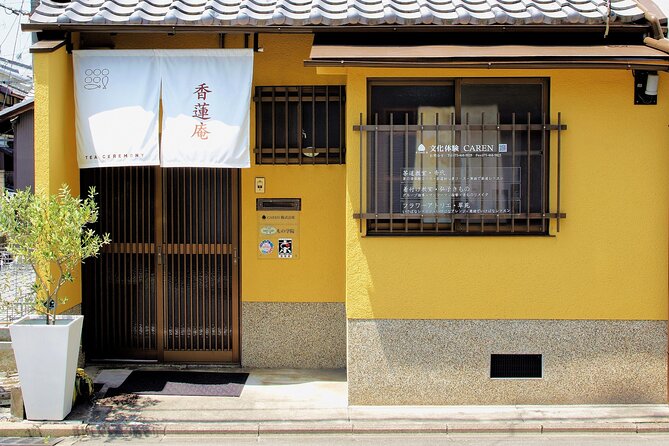
The meeting point is near Daitokuji Temple, a place with strong ties to Japanese tea culture. The setting gives the activity a useful sense of place. You are not learning about tea ceremony in an unrelated hotel room or a generic event venue.
The address is in Murasakino, in northern Kyoto. It is not at the center of the usual Gion sightseeing route, so check your route before leaving. Public transportation is nearby, but the tour does not include private transfers.
Some sessions have included a walk to a nearby temple as part of the experience, but the stated meeting and ending point is Tea Ceremony Caren. Treat the temple area as a valuable setting near the venue rather than assuming a separate guided temple tour is included.
The location also makes this a good pairing with northern Kyoto sights. Daitokuji is known for its Zen temples and tea connections, while nearby Imamiya Jinja Shrine offers a different glimpse of local religious life. The activity itself ends back at the meeting point, so plan any additional sightseeing separately.
Is $99.49 a fair price?
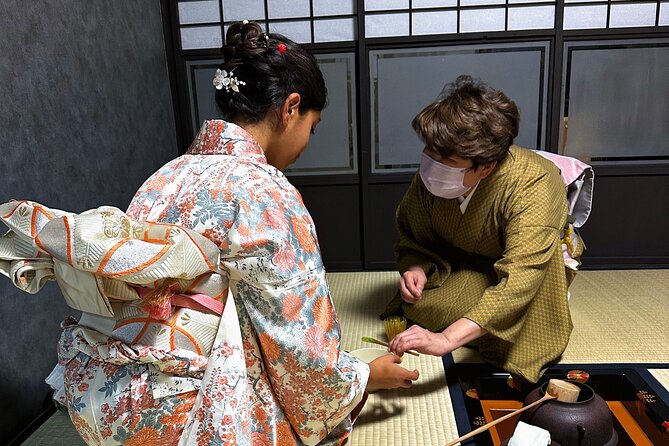
At $99.49 per person, this is not a budget tea stop. The price makes more sense when you count what is included: an authentic kimono, professional dressing, hair styling, a photo session, a tea demonstration, instruction, tea, seasonal sweets, interpretation, and a hands-on attempt at making matcha.
You are also paying for the staff time involved in dressing and undressing. Kimono fitting is labor-intensive, and the ceremony is led by a tea master with three decades of study. For a first visit to Kyoto, I consider the price reasonable if you want one organized cultural activity that combines clothing, photos, instruction, and participation.
It is less attractive if you only want to taste matcha. Kyoto has cheaper tea stops, and this experience spends a large part of its time on dressing and preparation. You should book it for the full package, not for a single bowl of tea.
The value is strongest for a special trip, a family activity, or anyone who has always wanted to wear kimono. It also saves you from arranging kimono rental, hair styling, and a separate tea lesson on your own.
Who will enjoy this Kyoto experience most
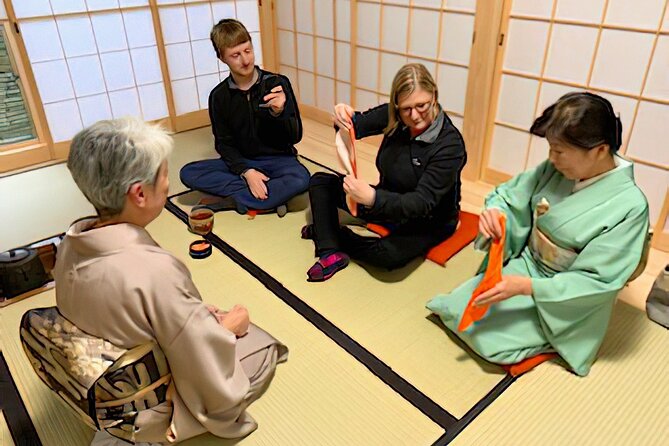
I would recommend it to first-time visitors who want an introduction to Japanese customs without committing to a long formal course. The 90-minute length fits neatly into a day of sightseeing and offers a quiet change from temples, shopping streets, and crowded train stations.
It works especially well for:
- Couples who want photos together in traditional dress
- Families with older children or teenagers
- Solo visitors who want a structured cultural activity
- Anyone interested in Japanese tea, etiquette, or textiles
- Visitors marking a birthday, anniversary, or first trip to Kyoto
The experience may not suit you if you dislike formal clothing, sitting quietly, or being photographed. The kimono is beautiful, but the layers and fitted obi can feel restrictive. You should also expect a group activity rather than a private ceremony.
The 12-person limit keeps the session manageable, but the atmosphere depends partly on the group. You may meet people from several countries and share the tea-making portion with them. That can add warmth, but it means you will not have complete control over the pace.
Practical details that affect your booking
The activity lasts approximately one hour and 30 minutes and ends at the starting point. Tea and coffee are included, along with a professional instructor. Private transportation is not included.
Confirmation is provided when you book, and the activity is near public transportation. The experience requires a minimum number of participants, and poor weather can lead to cancellation. If that happens, you are offered another date or experience, or a full refund.
For your own planning, wear something that allows easy dressing over your clothes. The provided information does not specify a dress code, so avoid building your schedule too tightly around the session. You will want time to arrive, choose a kimono, and settle in without watching the clock.
Cancellation is free up to 24 hours before the local start time. Within 24 hours, cancellations and changes are not accepted and the payment is not refunded. That policy matters if your Kyoto schedule is still shifting.
Should you book the Caren tea ceremony?
Book it if you want more than a photo in a rental kimono. The ceremony gives you context, a trained tea master, seasonal sweets, etiquette instruction, and the chance to make tea yourself. The setting near Daitokuji adds cultural weight, while the staff support makes the process approachable.
I would be cautious only if you want a private, very slow ceremony or a simple inexpensive tea tasting. The 90-minute format must fit in dressing, photos, demonstration, explanation, and practice. Arrive early, choose your kimono promptly, and think of the session as a compact introduction to several parts of Kyoto culture.
For most visitors, the combination is the reason to book: traditional dress, careful tea preparation, and active participation in one well-organized visit. At $99.49, it is a considered purchase, but it offers enough substance to become one of the more memorable cultural activities in a Kyoto itinerary.
FAQ
Where does the tea ceremony take place?
The meeting point is Tea Ceremony Caren at 74-4 Murasakino Daitokujicho, Kita Ward, Kyoto, 603-8231, Japan. It is near Daitokuji Temple and public transportation.
How long does the activity last?
The experience lasts approximately one hour and 30 minutes.
Is a kimono included?
Yes. You choose a kimono from the collection, and staff help dress you in it.
Is hair styling included?
Yes. The program includes assistance with setting your hair before the kimono is put on.
Will I have a chance to make tea?
Yes. After watching the tea master, you learn how to prepare your own Japanese tea.
Is tea included in the price?
Yes. Tea is included, along with seasonal sweets during the ceremony.
How many people can join?
The experience has a maximum of 12 participants.
Is transportation included?
No. Private transportation is not included. You make your own way to the meeting point, which is near public transportation.
Can I cancel for a full refund?
You can cancel at least 24 hours before the local start time for a full refund. Cancellations or changes made within 24 hours are not accepted and are not refunded.
Newly steeped around Kyoto
- Whisk Your Own Matcha: A Zen Matcha Experience at Temple★ 3.6 · 7 reviews
- Kyoto: Authentic Tea Ceremony in a Small Group★ 5.0 · 7 reviews
- Tea ceremony at Kyoto’s Zen Temple Teahouse★ 5.0 · 2 reviews
- Uji Walking Tour – Byodo-in temple and Tea Ceremony from Kyoto★ 3.5 · 3 reviews
- Tea Ceremony Experience in Traditional Kyoto Townhouse★ 5.0 · 19 reviews
- Tea Ceremony in 150 Years Old Townhouse with Tables and Chairs★ 5.0 · 22 reviews
- Traditional Tea Ceremony in Kyoto★ 4.5 · 3 reviews
- Sencha-do the Japanese Tea Ceremony Workshop in Kyoto★ 5.0 · 21 reviews
Kimono & Tea Ceremony, compared.


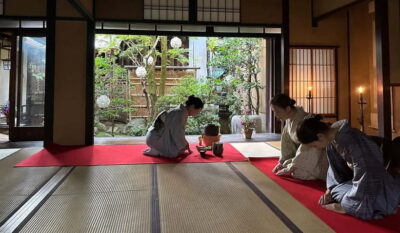
Kyoto: Kimono and Tea Ceremony Experience at Cultural Asset
Read our review →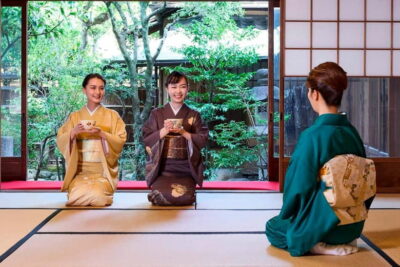
Kyoto: Kimono Tea Ceremony with Matcha and Sweet
Read our review →
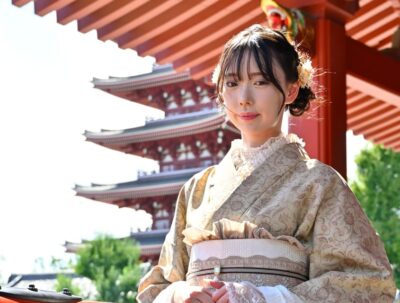
Tokyo: Asakusa Kimono Dressing and Matcha Experience
Read our review →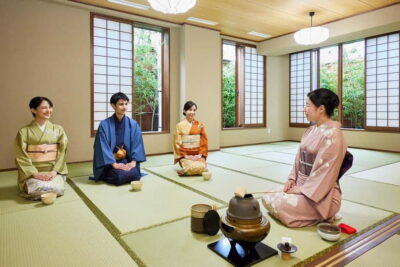
Asakusa: Kimono Tea Ceremony with Matcha and Sweet
Read our review →Browse the lists this tea experience appears in