
Review · TOKYO
Tokyo: Asakusa Kimono Dressing and Matcha Experience
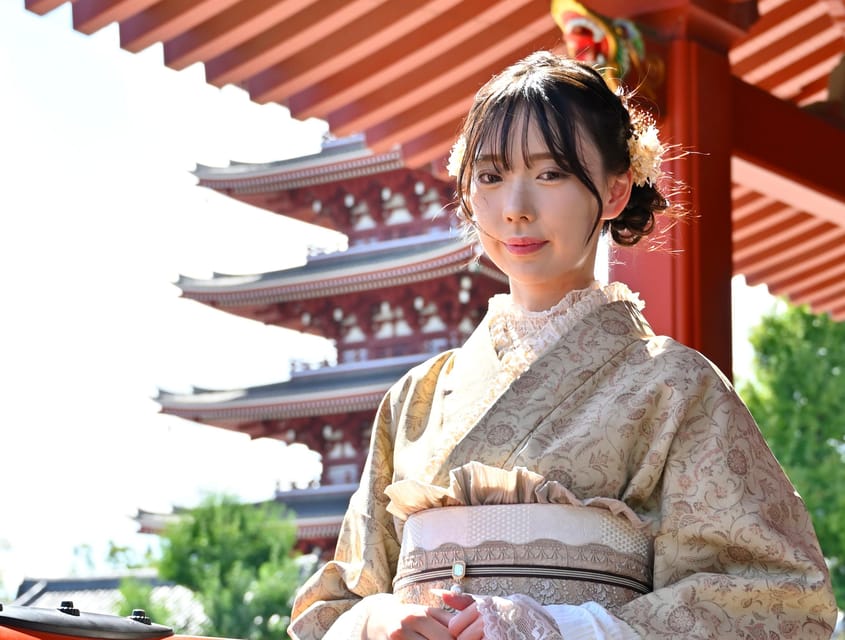
In Tokyo’s Asakusa district, a kimono rental becomes more than a costume change. You choose your clothing, have your hair arranged, learn the basic manners of drinking matcha, then step outside near Sensoji Temple for your own slow stroll through old Tokyo. I especially like the wide range of kimonos and yukatas, and the warm, patient help from Tsuyoshi and his team.
The second strong point is value: you keep the kimono for the rest of the day, not just for a few hurried photographs. The main consideration is time. Dressing and hairstyling can take 45 to 70 minutes, and the outfit may feel hot or restrictive, especially in summer. Makeup is not included, and this is a matcha lesson rather than a full tea ceremony.
Key points at a glance
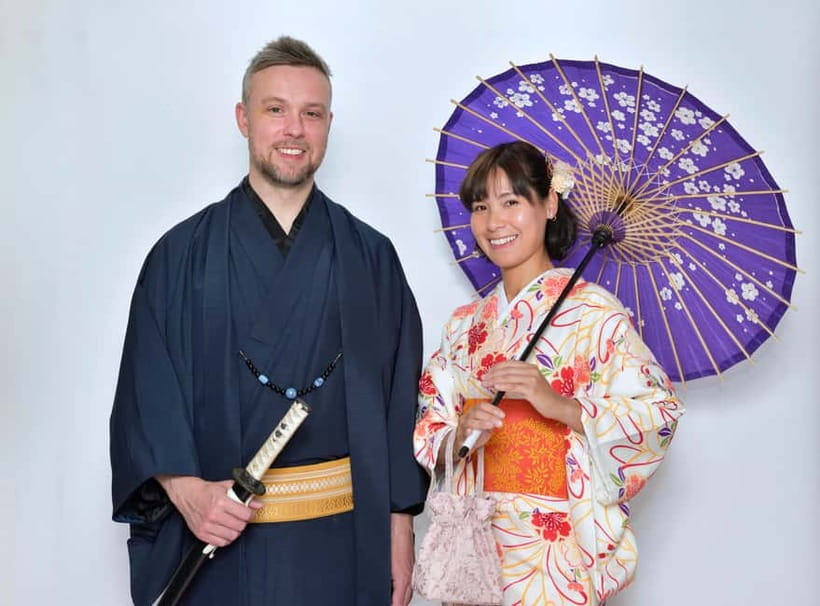
- Walk out in full traditional dress: Your outfit includes the kimono or yukata, hairstyle, hair accessories, geta sandals, and a Japanese handbag.
- Choose from more than one level of formality: Light street kimono, summer yukata, and more formal silk styles are available, with some fabrics and garments costing extra.
- Matcha is part of the experience: A roughly 15-minute lesson covers the proper way to drink Japanese green tea, with sweets included.
- Asakusa is your backdrop: The shop is about four minutes from Asakusa Station and two minutes from Kaminarimon Gate.
- Photos are optional: A 60-minute private session can include Sensoji Temple and the Sumida River, with edited images sent within a week.
- Families are welcome: Children and wheelchair users can take part, although pregnant women should not book this activity.
Why this Asakusa activity works so well
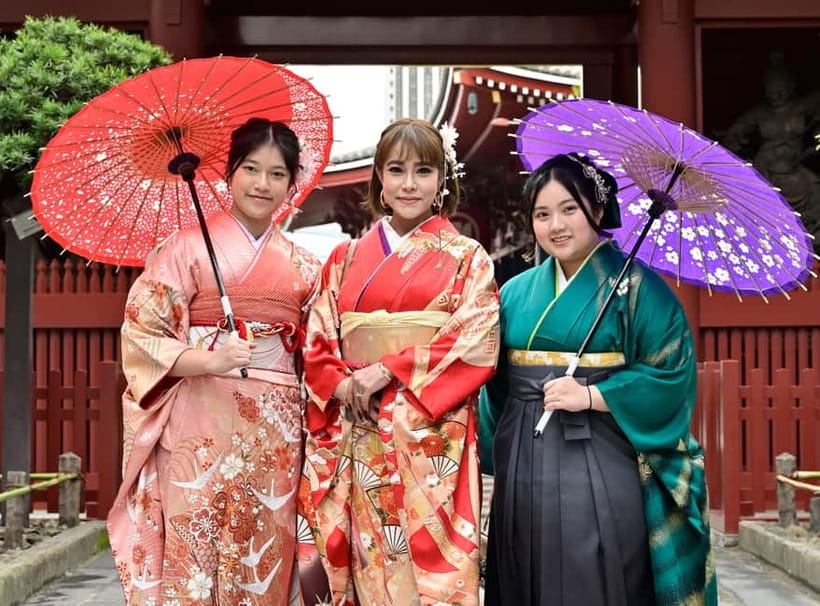
Asakusa is one of the best places in Tokyo for this kind of experience. You are close to Kaminarimon Gate, Sensoji Temple, and the older streets around them, so the clothing feels connected to the setting rather than dropped into a modern shopping district.
I like the simple rhythm of the activity. First, you make choices. Then skilled staff handle the complicated layers and ties. After that, you get a small taste of Japanese tea culture and time to explore under your own steam. There is no tour guide leading you from one sight to another, which gives you freedom but also means you should know where you want to walk.
The shop is YUI, located on the second floor of its building. Take the elevator when you arrive. The location is practical for a morning booking, since you can begin near Asakusa Station and continue into Sensoji and the surrounding streets afterward.
The staff member most often identified by name is Tsuyoshi, also written as Yoshi in some comments. He speaks English and explains the matcha tradition. His wife and the rest of the team assist with dressing, hair, accessories, and photographs. The strong point here is personal attention. Staff are willing to help with outfit choices, small adjustments, and posing, rather than leaving you to sort out a complicated costume alone.
More Kimono and Tea Ceremonies in Tokyo
- Kimono Tea Ceremony at Tokyo, Asakusa Maikoya
★ 5.0 · 638 reviews - Tokyo: Matcha and Kimono Experience
★ 4.7 · 219 reviews - Asakusa: Kimono Tea Ceremony with Matcha and Sweet
★ 4.9 · 153 reviews
Choosing a kimono or summer yukata
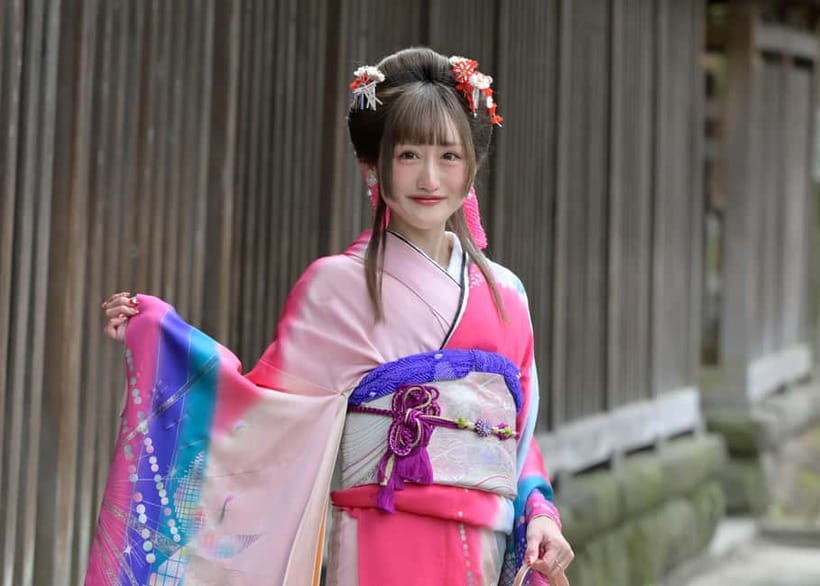
The selection is one of the main reasons to book this particular activity. You can choose among kimonos and yukatas in different colors and levels of formality. A yukata is a lighter summer garment, while a traditional kimono can have more layers and a more formal appearance.
For a walk around Asakusa, a light kimono or yukata may be the easiest choice. You will be on your feet, walking on streets and possibly stone or uneven surfaces near temple grounds. A more formal silk kimono can look especially polished in photographs, but some formal options cost extra and may feel warmer or less casual.
The shop also offers lace kimono, silk kimono, haori hakama, and furisode for an additional charge. Ask about any upgrade before you settle on your outfit. The advertised price is $56 per person, so the activity offers solid value if you stay with the included selection, but add-ons can change the final cost.
Sizing appears to be handled with care. One especially useful detail for plus-size customers is that the selection includes larger options, though you should still contact the shop in advance if fit is a major concern. Children can choose from children’s options, and one family had staff patiently work with a three-year-old.
The outfit is finished with traditional wooden geta sandals and a handbag. Those details matter. They turn the experience from simply wearing a robe into a complete Japanese street look. Still, geta can take a little getting used to, so walk slowly at first and watch your step.
Dressing, hairstyling, and the real time commitment
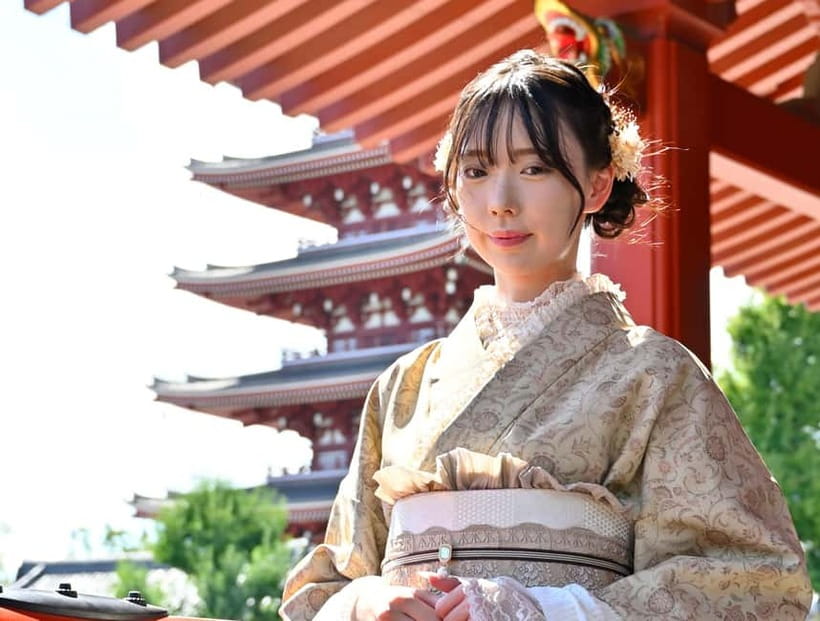
Allow 45 to 70 minutes for dressing and hairstyling. The process is not a quick try-on. Several layers, ties, and adjustments are involved, and the staff need time to make the clothing sit properly.
Your hairstyle and hair accessories are included. Makeup is not, so arrive with your makeup already done if you want a finished look in photographs. The hair team has worked carefully with a range of hair types, including curly and Afro-textured hair. If your hair needs special handling, explain what you prefer at the start and give the staff time to work with it.
The staff can suggest colors and accessories, but you still get a say in the final appearance. That is important for anyone who does not usually dress in a traditionally feminine style or who wants something less formal. Men and boys can also take part, with the selection including options such as samurai-style clothing.
The clothing can feel warm, especially in July and August. One useful way to plan is to make this a morning or late-afternoon activity during hot weather, while remembering that all outfits must be returned by 17:30. In cooler months, the layers may be more comfortable.
A short matcha lesson, not a full tea ceremony
The matcha portion lasts about 15 minutes. You learn how to drink the tea according to Japanese custom, with sweets served alongside it. Tsuyoshi practices tea ceremony, and his explanation covers the meaning and manners behind the drink.
This is a nice counterpoint to the dressing. The kimono portion is visual and hands-on. The tea lesson slows things down and gives you a small piece of cultural context. You are not simply posing in traditional clothes. You also learn why the tea is handled in a particular way.
Be clear about what is included. The activity provides matcha, sweets, and instruction, but it does not include a complete formal tea ceremony. If you have attended a traditional tea ceremony before, this will feel like a short introduction. If you are new to matcha, it is a friendly and accessible first lesson.
The lesson works well for families and solo visitors. It is also a good shared activity for people who want something quieter than shopping or temple sightseeing. You can film the lesson on your phone, according to the activity details, which may be useful if you want to remember the sequence later.
More Matcha Experiences in Tokyo
- Matcha Making Class in Tokyo with Authentic Japanese Sweets Set
★ 5.0 · 744 reviews - Tokyo: Matcha Making Experience with Mochi Sweets in Asakusa
★ 4.9 · 388 reviews - Asakusa Cultural Walk & Matcha Making Tour
★ 5.0 · 245 reviews - Make Traditional Nerikiri Sweets & Matcha experience in Shibuya
★ 5.0 · 130 reviews
Exploring Sensoji and Asakusa in your outfit
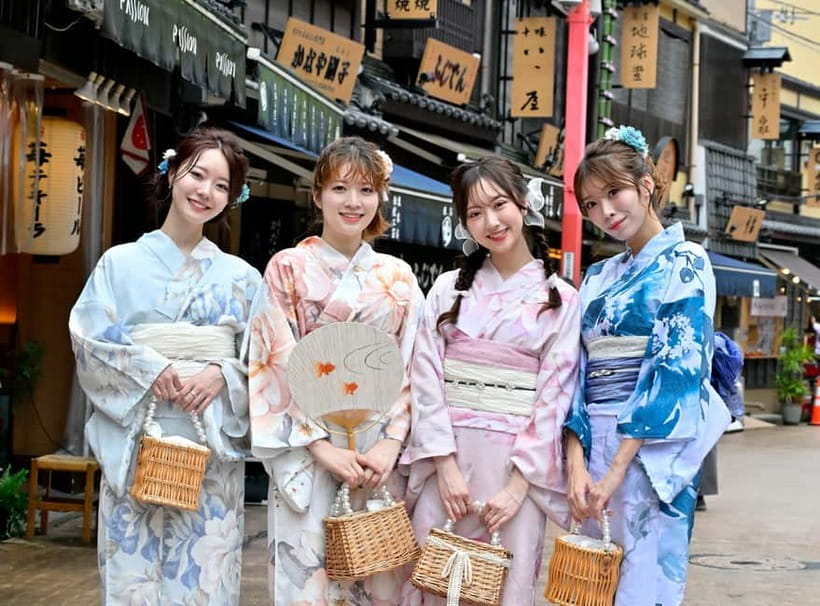
Once you are dressed and have finished the matcha lesson, you can explore Asakusa at your own pace. The kimono must be returned by 17:30, but you can keep it for the rest of the day rather than rushing straight back after the two-hour preparation period.
This is where the experience earns much of its $56 price. A short rental for one photograph would feel limited. Here, you have time to walk around Kaminarimon Gate, Sensoji Temple, and the nearby back streets. You can stop for food, browse shops, and take your own photographs without a guide setting the pace.
The lack of a tour guide is both a benefit and a limitation. You get privacy and flexibility, but the staff will not explain every building or lead you through Asakusa’s history. I would pair this activity with your own Sensoji visit and allow several hours afterward if you want a relaxed outing.
The area can be crowded, particularly around the temple. Wide sleeves, long hems, and geta sandals require a little care in tight spaces. Be polite around worshippers and remember that Sensoji is an active Buddhist temple, not only a photo setting.
Rain does not have to ruin the day. Staff have lent umbrellas, and they may help take casual photographs on your phone. Still, protect your belongings and consider the weather when choosing an outfit. A wet day can make walking in wooden sandals less comfortable.
Is the photo session worth paying extra for?
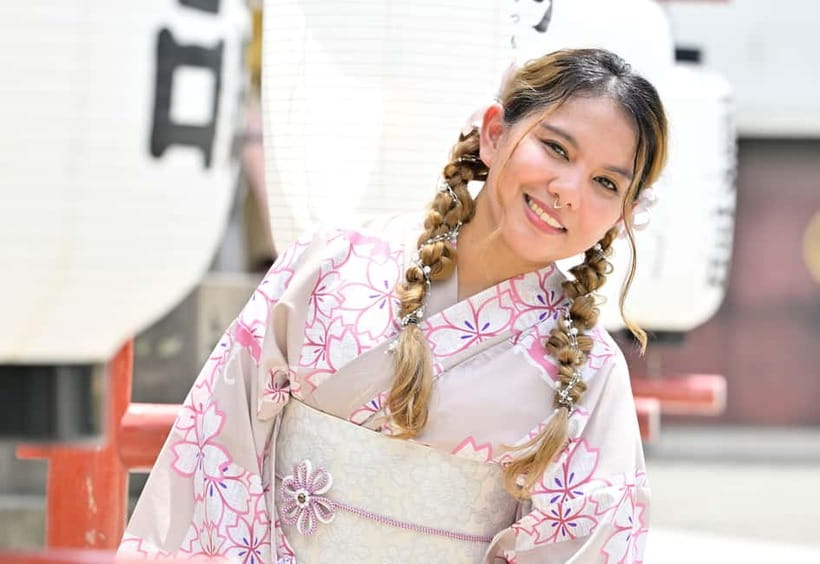
The optional photo shoot lasts 60 minutes and takes place around Sensoji Temple and the Sumida River. A professional photographer leads you to photogenic spots and helps with poses, which is useful if you are traveling alone or feel awkward in front of a camera.
The photography add-on is especially helpful for solo visitors. It also suits families and couples who want everyone in the picture. The photographer can make a difference because kimono poses are not always obvious, and the clothing looks better when arranged carefully.
Edited photo data is sent for download within a week. That means you should not expect the finished images before leaving immediately after the session. Confirm the add-on price when booking, since the base $56 rate does not include the photo shoot.
You can still take excellent pictures without the add-on. Staff may take photos using your phone, and you can ask companions or use the scenic streets for self-directed pictures. But if polished portraits are important to you, the professional session is the more reliable choice.
The photo session also changes the feel of the activity. Without it, this is mainly a cultural dress-up and neighborhood outing. With it, the experience becomes a planned portrait session. Choose based on your goal, not on pressure to buy the full package.
Who will enjoy this most
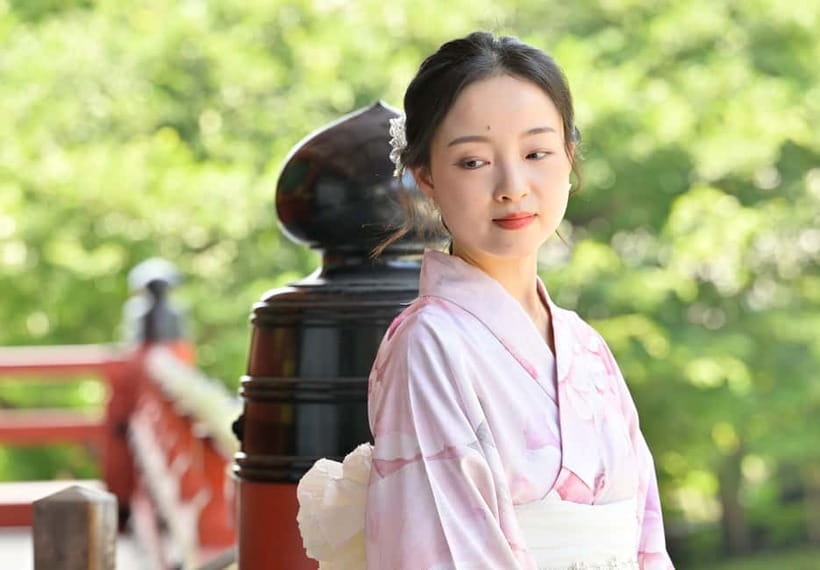
I would recommend this activity to you if you want a cultural experience that is easy to fit into a Tokyo sightseeing day. It suits first-time visitors, families with children, couples, solo photographers, and anyone who wants a memorable way to see Asakusa.
It is also a good choice for visitors who feel unsure about wearing a kimono. The staff handle the difficult parts and offer advice on hair, colors, and accessories. The tone is friendly, and English assistance is available.
Wheelchair users can take part, and the meeting building has an elevator to the second floor. Ask the provider about your specific needs before booking, especially if you require extra space or assistance during dressing.
I would hesitate to recommend it if you dislike being dressed in layers, have limited time before other reservations, or want a full historical tour of Asakusa. It is not a guided sightseeing tour, and pregnant women are listed as unsuitable for the activity.
Price, timing, and practical planning
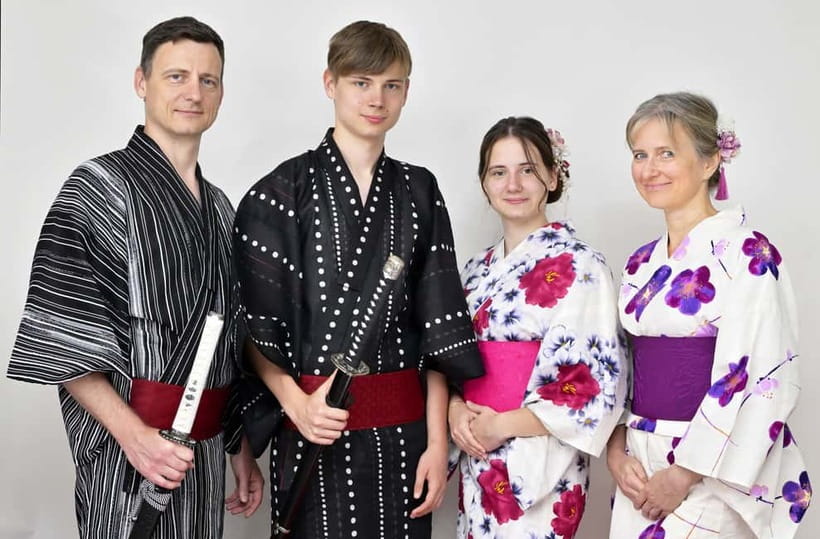
At $56 per person, the included package is good value if you make use of the full outing. You get the kimono or yukata, hair styling, accessories, footwear, handbag, matcha, sweets, and several hours to explore in costume. The price is less attractive if you only want a quick dressing-room photograph and plan to return immediately.
The stated activity duration is two hours, but that refers mainly to the dressing and matcha experience. Your time in the kimono can continue until 17:30. Check the start time carefully so you do not lose most of the walking period.
Large luggage storage costs extra. Next-day return is also available for an additional fee, which may help if your schedule makes same-day return difficult. Do not assume either service is included.
Free cancellation is available up to 24 hours before the activity for a full refund. You can also reserve and pay later, which is useful when your Tokyo plans are still shifting.
My call: book it for the full Asakusa afternoon
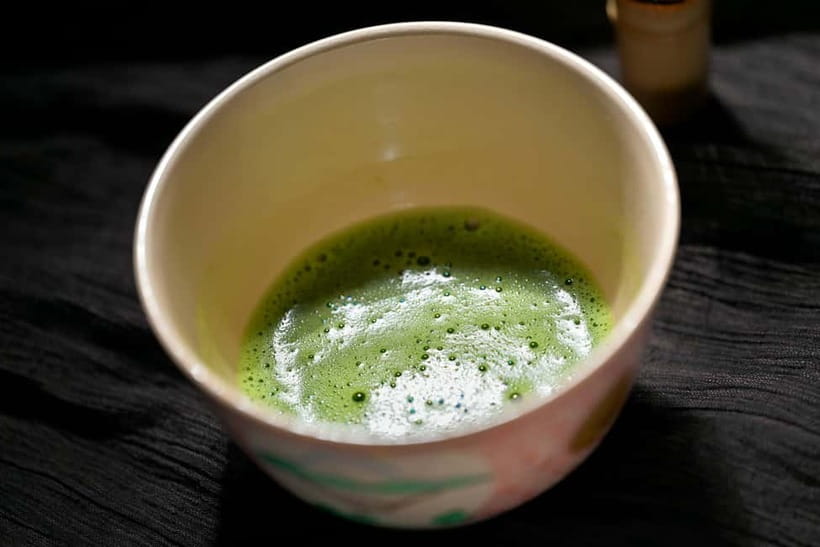
Book this if you want more than a rental counter and a rushed snapshot. The combination of personal dressing help, a short matcha lesson, and free time around Sensoji gives you a pleasant mix of culture and sightseeing.
I would pay extra for the photo session if you are traveling alone, marking a special occasion, or want images that look more polished than casual phone pictures. Otherwise, the included experience already offers plenty: choose carefully, take your time with the hairstyle, wear comfortable clothes underneath, and leave several hours for Asakusa.
The biggest strengths are the kind staff, broad clothing selection, and freedom to keep the outfit until 17:30. The main cautions are heat, walking comfort, extra charges for premium garments, and the fact that the tea portion is a short lesson rather than a full ceremony. For most visitors who want to experience Asakusa in traditional dress, this is a well-priced and thoughtfully arranged choice.
FAQ
Where is the kimono rental shop located?
Kimono Rental Shop YUI is about a four-minute walk from Asakusa Station and two minutes from Kaminarimon Gate. Take the elevator to the second floor of the building.
How much does the activity cost?
The listed price is $56 per person. Some kimono styles and services, including the photo session, luggage storage, and next-day return, cost extra.
How long does the activity take?
The stated duration is two hours. Dressing and hairstyling usually take 45 to 70 minutes, while the matcha lesson takes about 15 minutes. You can keep the kimono for the rest of the day until 17:30.
What clothing is included?
You can choose an adult or children’s kimono or yukata. The outfit includes hairstyling, hair accessories, geta footwear, and a traditional handbag.
Is makeup included?
No. Makeup is not included in the activity.
Is a full tea ceremony included?
No. The activity includes matcha, sweets, and a short lesson on how to drink matcha according to Japanese tradition. A full tea ceremony is not included.
Can I explore Asakusa after getting dressed?
Yes. You can walk around Asakusa at your own pace, including the area near Sensoji Temple, and return the kimono by 17:30.
Is professional photography included?
No. A private 60-minute photo session is available as an add-on. Edited photo data is sent for download within a week.
Can children and wheelchair users participate?
Yes. The activity is suitable for children and wheelchair users. The meeting building has an elevator to the second floor.
Can I cancel my booking?
You can cancel up to 24 hours in advance for a full refund. Reserve-now, pay-later booking is also available.
Newly steeped around Tokyo
- Yokohama : Tea Ceremony with Sweets and Souvenir★ 5.0 · 5 reviews
- Walking Tour: Yanaka,Nezu& Sendagi: Tea Ceremony & Old Tokyo★ 5.0 · 3 reviews
- Private Mochi・Matcha sweets Making Class Near Shibuya Area★ 5.0 · 22 reviews
- 2 Hours Mochi &Nerikiri Making & Matcha Class in Bunkyo★ 5.0 · 21 reviews
- Private Kimono and tea ceremony at local home near Tokyo Disney★ 5.0 · 6 reviews
- Kimono and Tea Ceremony in Asakusa Private Food Tour With Guide★ 5.0 · 4 reviews
- Giant Sushi Cooking Class: Make a 1.5m Sushi Roll in Tokyo★ 5.0 · 9 reviews
- Tokyo Tea Ceremony Class at a Traditional Tea Room★ 5.0 · 2 reviews
Kimono & Tea Ceremony, compared.


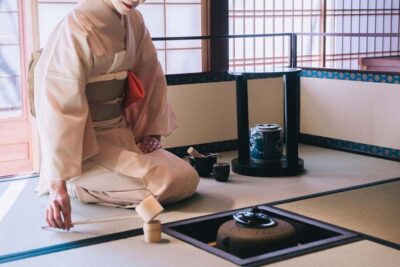
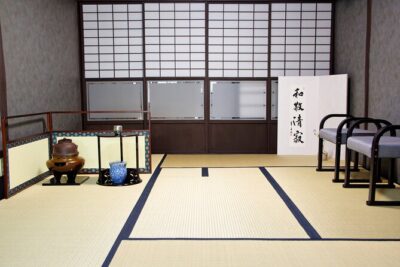
KYOTO Tea Ceremony with kimono near by Imamiya Jinjya Shrine
Read our review →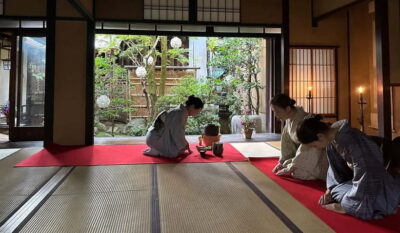
Kyoto: Kimono and Tea Ceremony Experience at Cultural Asset
Read our review →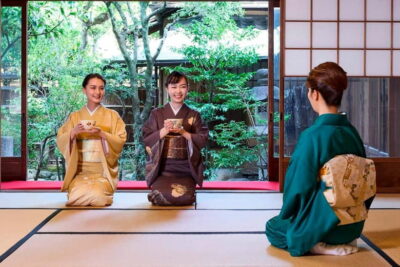
Kyoto: Kimono Tea Ceremony with Matcha and Sweet
Read our review →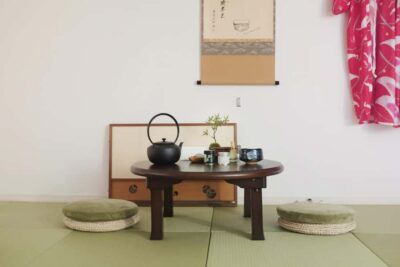
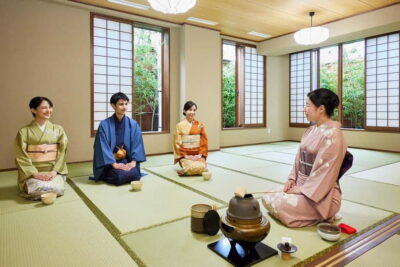
Asakusa: Kimono Tea Ceremony with Matcha and Sweet
Read our review →Browse the lists this tea experience appears in