
Review · TOKYO
Tea ceremony experience in Japanese-style room 60min
The best part of this experience is that you do not just sit and watch. At Wasako, you choose your own matcha bowl and Japanese sweet, learn why the objects matter, and then prepare a bowl of tea yourself. Ryouko and her assistant explain the ceremony in a calm traditional room filled with details worth photographing.
I like the personal scale, with no more than seven people, and the chance to ask questions without being lost in a crowd. I also like the photo help. Staff can take pictures during the ceremony, and several visitors have added kimono dressing for a more polished set of memories.
The main consideration is the timing. The experience is advertised as 60 minutes, while the published duration range says 45 minutes to four hours, and one session finished in about 40 minutes including an early arrival. If you want a long formal ceremony, ask about the expected length when booking.
Key points to know before you book
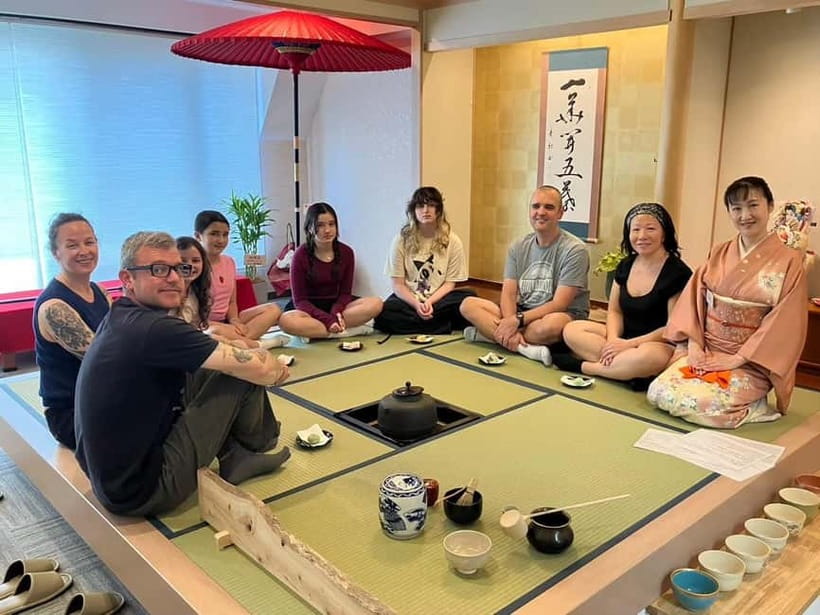
- Choose your own tea bowl: Each bowl has a different design, and Ryouko explains the one you select.
- Make matcha yourself: After watching the demonstration, you learn the steps and whisk your own tea.
- Traditional setting: The room is part of Charyo-Ichimatsu, a building designated as a registered tangible cultural property in Japan.
- Small English-friendly group: Sessions are limited to seven people, with instruction in English or Japanese.
- Photo-friendly visit: You may take pictures and videos, and staff can help photograph you during the ceremony.
- Bring socks: Shoes are not allowed indoors, and socks are required if you step onto the tatami. Socks can be purchased for 500 yen if needed.
Entering Wasako in Asakusa
Wasako is located inside the Charyo-Ichimatsu restaurant, a short walk from two useful stations. From Tawaramachi Station on the Tokyo Metro Ginza Line, use Exit 3 and allow about five minutes. From Asakusa Station on the Toei Asakusa Line, Exit A4 is about ten minutes away.
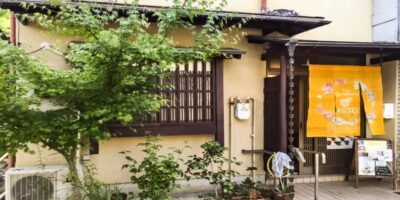
The directions are close enough to be easy, but the entrance can take a little attention. Look for the green signs marked Tea ceremony experience. The room is on the fifth floor, two doors to the right of the kimono rental area, near a doorway with an incense-shop sign.
That small bit of advance planning matters. This is not the sort of attraction with a large street-facing entrance and a busy ticket booth. Save the address, arrive a few minutes early, and look carefully for the signs.
You will remove your shoes indoors. Bring socks, especially if you plan to sit or walk on the tatami. If you arrive without them, socks are sold for 500 yen. This is a simple rule, but an easy one to miss while packing for a day in Tokyo.
More Tea Ceremonies in Tokyo
- Kimono Tea Ceremony at Tokyo, Asakusa Maikoya
★ 5.0 · 638 reviews - Tokyo: Traditional Tea Ceremony with a Tea Master
★ 5.0 · 528 reviews - Tea Ceremony Workshop in Tokyo by the Experienced Instrucor
★ 5.0 · 189 reviews
Choosing a bowl and a Japanese sweet
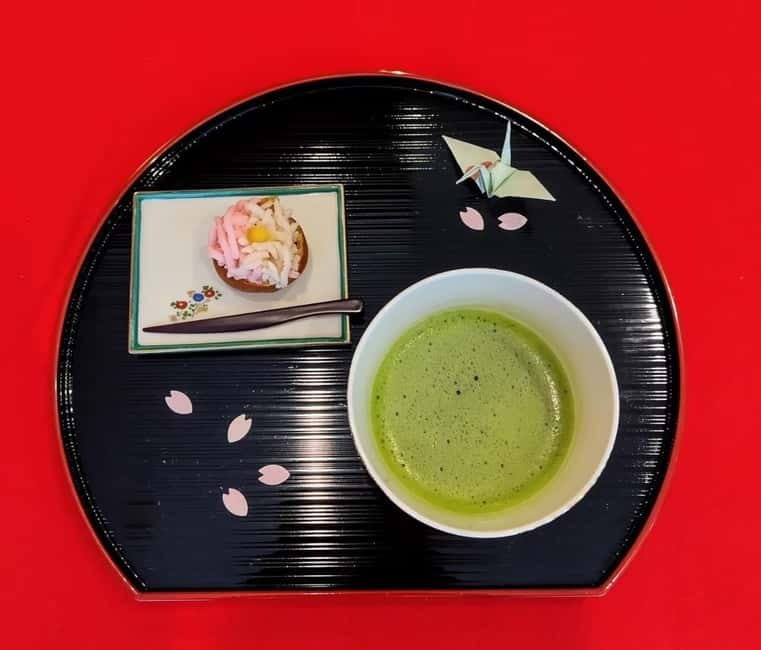
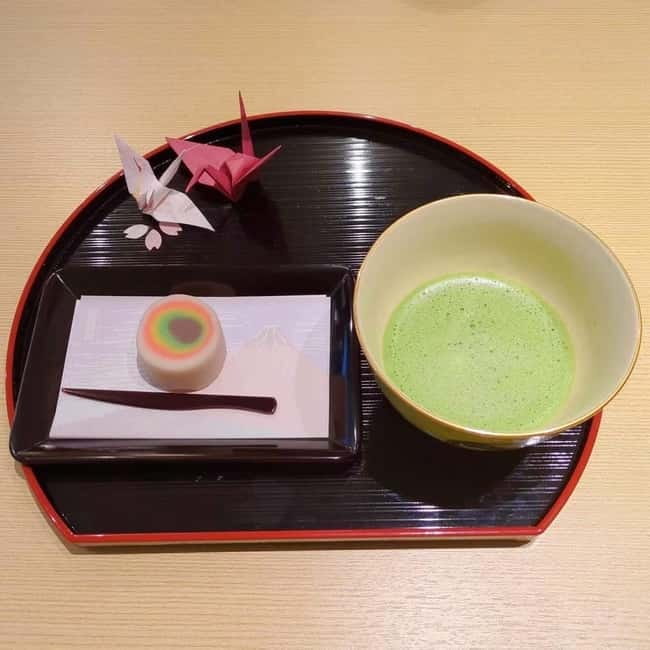
The session begins with a choice that gives the experience a personal touch. You select the sweet you will eat with the tea and choose a matcha bowl from the available designs.
The bowls are not treated as interchangeable cups. Each has its own look and is explained individually, giving you a small introduction to the care placed on tea utensils. This is useful if you are new to Japanese tea culture because it shows that the ceremony is about objects, presentation, season, and setting as much as the drink itself.
The sweet is served before or alongside the tea because its sweetness prepares your mouth for matcha. Matcha can taste grassy, bitter, or pleasantly sharp if you have not had it before. The confectionery gives the tasting a better balance and makes the ceremony easier to appreciate.
I like this choice because it gives you something to do right away. You are not simply waiting for a performance to begin. You are looking closely at the tools and making a small decision that connects you to the ceremony.
Watching Ryouko prepare the matcha
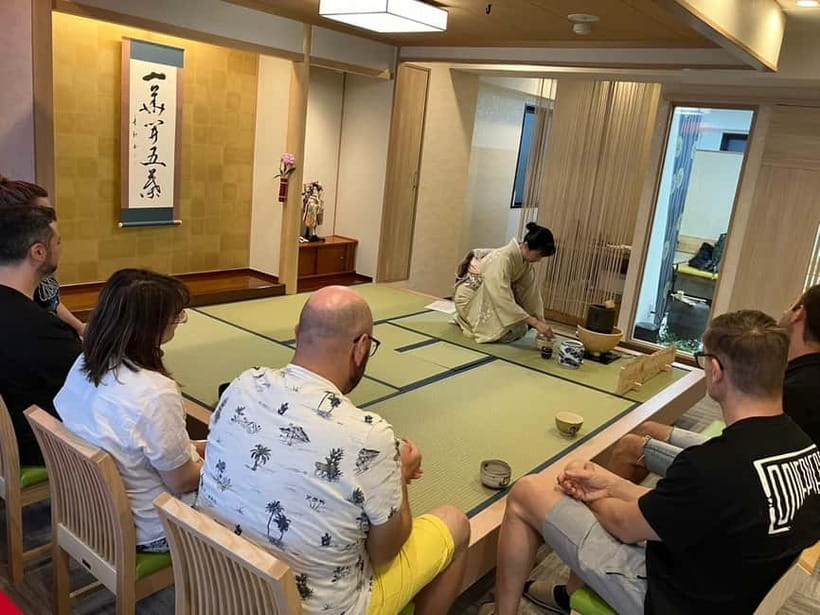
Ryouko leads the session in English or Japanese. Her manner is calm and patient, and she explains the purpose of the movements rather than rushing through them.
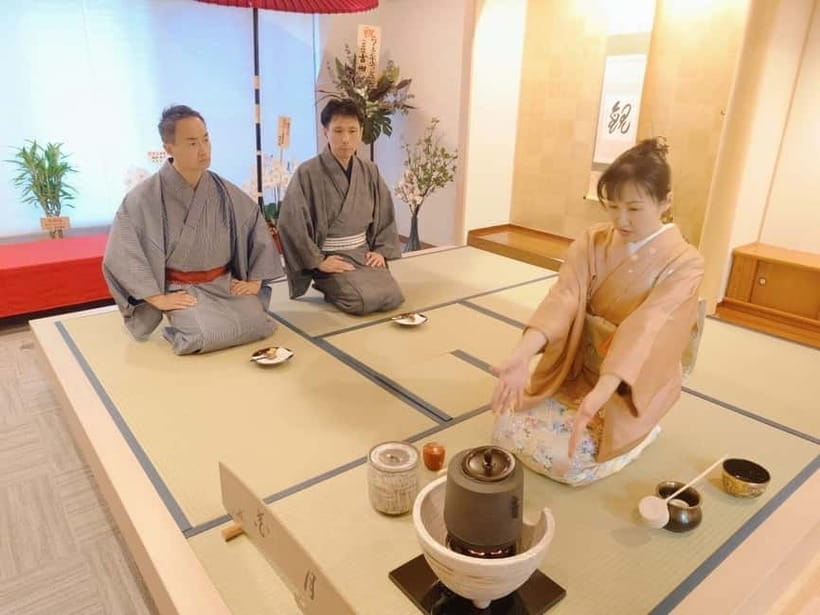
You watch the tea being prepared with traditional utensils. The host may also explain the hanging scroll, furnishings, and the background of the tea ceremony when it fits the group’s questions. This is where the experience becomes more useful than a simple cup of green tea. You begin to see how the room, utensils, guest, host, and tea work together.
You can enjoy your sweet and drink the matcha during the demonstration. The setting is quiet and measured, with attention given to how each item is handled. Several parts of the ceremony may look small at first, but the explanations help you understand why the movements are deliberate.
The amount of background information can depend on the session. Ryouko is happy to answer questions, but one visitor wanted more explanation about the history and objects. If cultural context is your main reason for booking, prepare a few questions of your own. Ask about the scroll, the bowl you selected, the tea tools, or the meaning of a particular step.
Making your own bowl of matcha
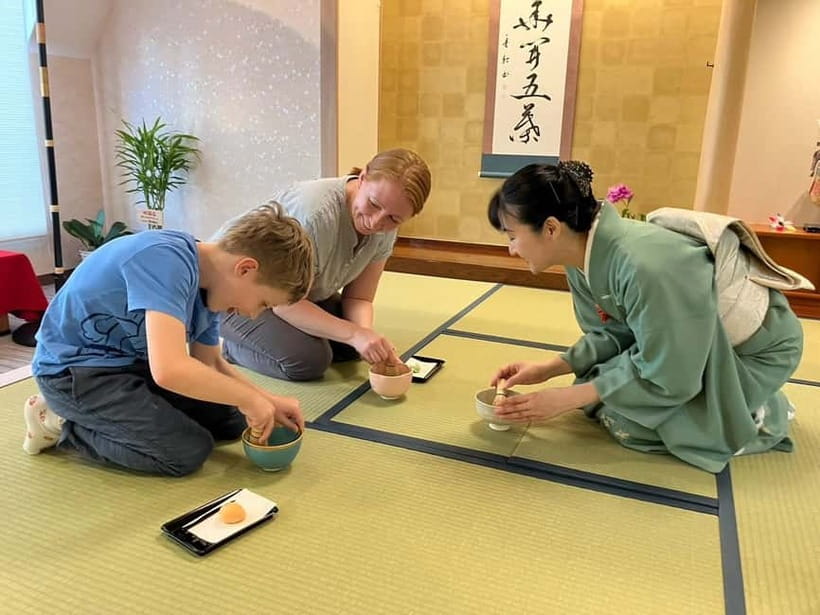
The hands-on part is the strongest reason to choose this activity instead of only attending a demonstration. After watching Ryouko, you learn how to prepare matcha yourself.
You are shown how to work with the utensils and whisk the tea. The point is not to perform perfectly. It is to understand the rhythm, tools, and care involved in making the drink. You get to see how the tea changes as it is mixed, then taste the result with your chosen sweet.
This suits beginners well. You do not need previous experience, and the instructor can guide you through the process. It also gives children and teenagers who meet the minimum age a clear role in the activity rather than asking them to remain still for the entire visit.
The minimum age is six. The setting is peaceful and traditional, so very young children may find the ceremony slow, but older children, teenagers, and adults can take part in a meaningful way. One family with a teenage daughter and two sons in their twenties found the activity appealing across different ages.
Same leaf, a different ritual:
- Matcha Making Class in Tokyo with Authentic Japanese Sweets Set
★ 5.0 · 744 reviews - Dynamic Tokyo: Tokyo Tower, Tea Experience, Bay Cruise Day Tour
★ 4.5 · 521 reviews - Tokyo: Matcha Making Experience with Mochi Sweets in Asakusa
★ 4.9 · 388 reviews - Asakusa Cultural Walk & Matcha Making Tour
★ 5.0 · 245 reviews
A historic room with plenty of pictures
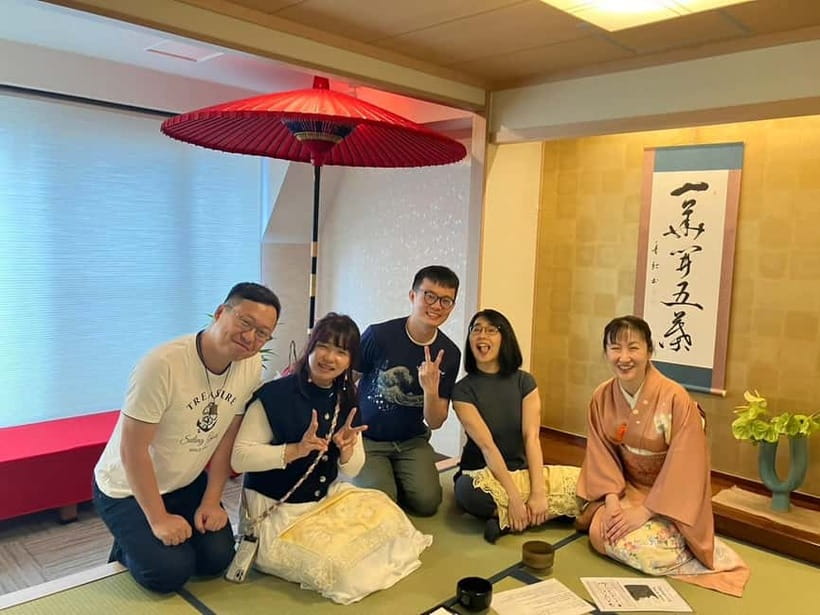
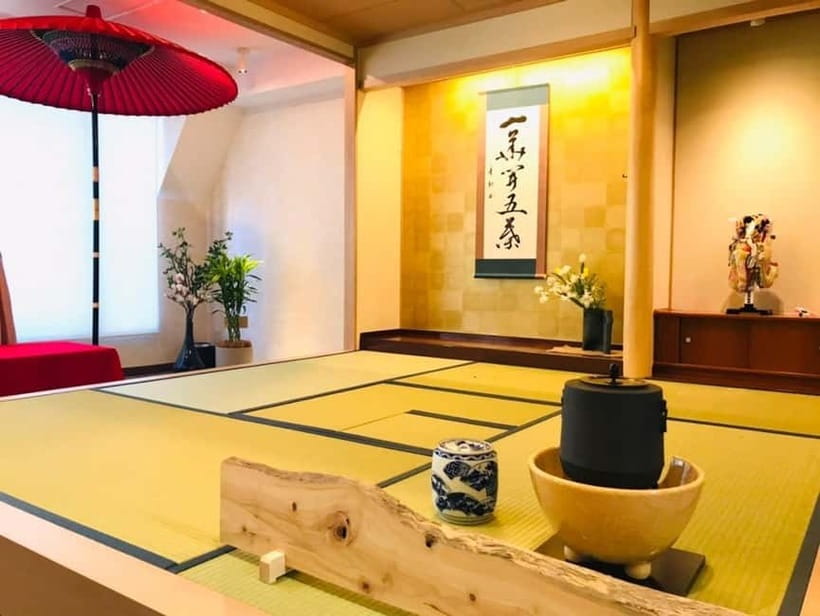
Charyo-Ichimatsu is a registered tangible cultural property in Japan. That designation gives the setting a sense of place beyond the tea itself. The furnishings, scrolls, room arrangement, and traditional details are part of what you are seeing.
You may take plenty of photographs, and staff can take pictures for you during the ceremony. This is especially helpful if you are visiting alone or want photographs of the hands-on steps instead of only room interiors.
The photo support is one of the most useful touches. You can film or photograph the preparation, and staff have helped visitors capture pictures while they were seated in the room. Ask before recording and follow the host’s instructions, but the activity is designed to be photo-friendly.
The room also works well for a kimono add-on. Several visitors chose a kimono and had Ryouko and assistant Akiko help with the layers and dressing. The kimono arrangement is not listed among the standard inclusions, so confirm the extra cost and availability before you count on it.
If you add a kimono, allow enough time around the tea session. The clothing makes the photographs more special, but it also adds preparation and can make the visit longer than a straightforward 45 to 60 minute class.
How much value do you get for $45?
The listed price is $45 per person. That is a fair price if you want a small-group cultural activity that includes a demonstration, sweets, matcha, instruction, and your own attempt at making tea.
The value comes from the personal attention. A seven-person maximum is much better suited to questions and photographs than a large group. If you happen to be the only participant, you may receive nearly one-to-one guidance, though you should not assume every time slot will be private.
The price is less attractive if you expect a long, formal ceremony lasting several hours. The published information gives a broad duration of 45 minutes to four hours, while the title presents it as a 60-minute experience. One reported session lasted roughly 40 minutes including early arrival. That does not make it poor value, but it does mean you should view it as a compact introduction rather than a full afternoon program.
For me, the price works best when you value the setting, instruction, and photographs together. It is not simply the cost of a bowl of matcha. You are paying for the host’s time, the explanation of the ceremony, the use of the room and utensils, and the chance to participate.
Timing your visit around Asakusa
There are four listed start times: 10:00, 11:30, 13:30, and 15:00. These slots make it easy to fit the activity around sightseeing in Asakusa.
A morning session works well before lunch. The 11:30 time can pair with an early visit to nearby sights, while the afternoon options fit naturally after exploring the area. Check the available time when you reserve because the actual duration and operating schedule may vary.
Keep a little space around the appointment. Even if the tea portion takes about an hour, finding the entrance, removing shoes, choosing your bowl, taking photos, and handling a kimono add-on can affect your schedule.
The experience is also a good quiet break from a busy day in Tokyo. You sit down, slow your pace, and focus on a few careful actions. I would not book it between two tightly timed attractions.
Who will enjoy this most?
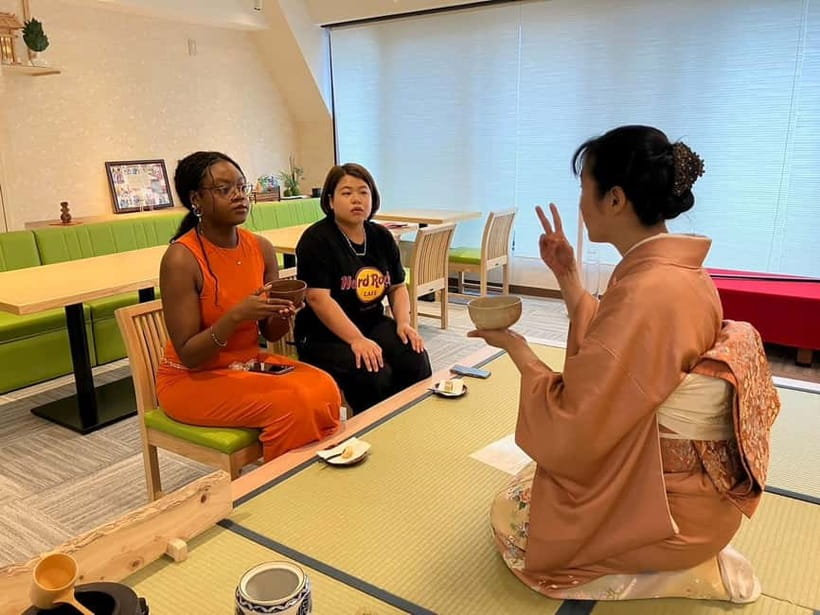
This activity is a strong match for first-time visitors who want a clear introduction to Japanese tea ceremony without committing to a long formal program. You get a demonstration, explanations, a sweet, matcha, and a hands-on lesson in one visit.
It also suits couples, families with older children, and solo visitors. The small group makes it easier to ask questions, and staff can help with photos. Solo visitors may especially appreciate that support.
People interested in traditional clothing should check the kimono option. The kimono is not part of the standard package, but it has been a popular addition for photographs and can make the visit feel more ceremonial.
You may want to choose another activity if you require wheelchair access. The experience is not suitable for wheelchair users. It may also disappoint anyone expecting a long scholarly lecture on tea history, since the amount of explanation can vary and the core format is a compact demonstration followed by practice.
Booking, cancellation, and practical details
You can reserve now and pay later, which helps if you are still arranging a Tokyo itinerary. Free cancellation is available up to 24 hours in advance for a full refund.
Pay close attention to the cutoff. The conditions also state that a cancellation made the day before incurs a 50 percent fee, while a same-day cancellation incurs the full charge. Since the exact boundary can matter, check the booking terms shown for your selected date.
Instruction is available in English and Japanese. The group limit is seven participants. The standard activity includes the tea sweets, matcha, demonstration, your own preparation, and opportunities for photographs.
Wear clothing that is comfortable for sitting in a traditional room. Most important, bring socks and remember that shoes are not allowed indoors.
Should you book the Wasako tea ceremony?
I would book this if you want a friendly, hands-on introduction to matcha in a traditional room, especially if you value good photographs and personal guidance. Ryouko’s calm teaching, the choice of bowl and sweet, and the chance to prepare your own tea give the experience more substance than a simple cultural photo stop.
I would hesitate only if you need wheelchair access, want a long formal ceremony, or expect a fixed one-hour schedule with no variation. Confirm the duration and any kimono arrangements before paying.
For most visitors staying in Asakusa, the location, modest time commitment, and small group make this an easy cultural addition. Bring socks, arrive early enough to find the entrance, and come ready to ask questions. You will get the most from it when you treat the ceremony as a lesson in attention, not just a tasting.
FAQ
Where does the tea ceremony take place?
It takes place in Wasako, inside the Charyo-Ichimatsu restaurant in Honshu, Japan. The building is designated as a registered tangible cultural property in Japan.
How do I reach the venue?
Wasako is about five minutes from Tawaramachi Station Exit 3 on the Tokyo Metro Ginza Line. It is about ten minutes from Asakusa Station Exit A4 on the Toei Asakusa Line.
What start times are available?
The listed start times are 10:00, 11:30, 13:30, and 15:00. Check availability for your chosen date.
How long does the activity last?
The experience is presented as 60 minutes, while the published duration range is 45 minutes to four hours. The exact length may depend on the session and available arrangements.
Is the activity available in English?
Yes. Instruction is offered in English and Japanese.
How many people can join?
The experience is limited to seven participants, making it a small-group activity.
What is included in the price?
The standard inclusions are Japanese tea sweets, matcha green tea, the tea ceremony demonstration, instruction for making your own matcha, and opportunities to take photographs.
Do I need to bring anything?
Bring socks. Shoes are not allowed indoors, and socks are needed if you step onto the tatami. Socks can be purchased for 500 yen if you do not have any.
Can I cancel for a full refund?
You can cancel up to 24 hours in advance for a full refund. The stated conditions charge 50 percent for cancellations made the day before and 100 percent for cancellations made on the day of the activity.
Newly steeped around Tokyo
- Yokohama : Tea Ceremony with Sweets and Souvenir★ 5.0 · 5 reviews
- Walking Tour: Yanaka,Nezu& Sendagi: Tea Ceremony & Old Tokyo★ 5.0 · 3 reviews
- Private Mochi・Matcha sweets Making Class Near Shibuya Area★ 5.0 · 22 reviews
- Private Kimono and tea ceremony at local home near Tokyo Disney★ 5.0 · 6 reviews
- 2 Hours Mochi &Nerikiri Making & Matcha Class in Bunkyo★ 5.0 · 21 reviews
- Kimono and Tea Ceremony in Asakusa Private Food Tour With Guide★ 5.0 · 4 reviews
- Giant Sushi Cooking Class: Make a 1.5m Sushi Roll in Tokyo★ 5.0 · 9 reviews
- Tokyo Tea Ceremony Class at a Traditional Tea Room★ 5.0 · 2 reviews
Tea Ceremony Experiences, compared.
Kyoto: Tea Ceremony in a Traditional Tea House in Kiyomizu
Read our review →
Kyoto: 45-Minute Tea Ceremony Lesson Experience
Read our review →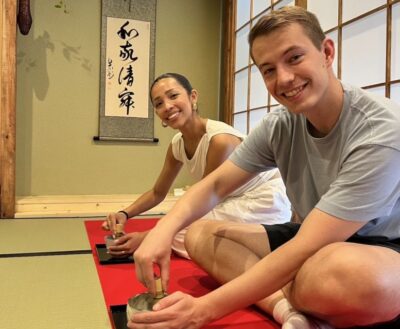
Kyoto: Table-Style Tea Ceremony at a Kyo-Machiya
Read our review →


Browse the lists this tea experience appears in