
Review · TOKYO
Tokyo: Casual Japanese Tea Ceremony Experience
A Japanese tea ceremony can look intimidating: quiet movements, strict manners, and a room where every gesture seems loaded with meaning. This one-hour casual session in Asakusa takes away that pressure. You learn the ideas behind the ceremony, then whisk your own bowl of matcha in a relaxed lounge.
I like two things right away. The small group, limited to eight people, gives you room to ask questions rather than simply watch. I also like the hands-on format: you do not just hear about tea culture, you prepare matcha, taste it, and pair it with a traditional Japanese sweet.
The main drawback is that this is not a formal ceremony in a kimono or a highly traditional tea room. That is the point for many first-time visitors, but anyone seeking a strict, old-style ritual may find the casual setting less dramatic.
Key points at a glance
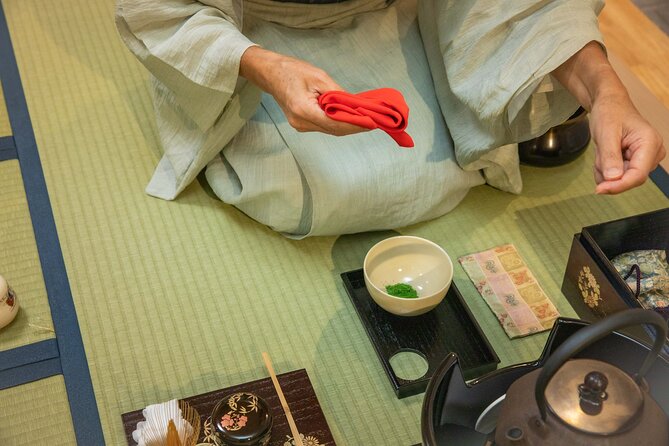
- You whisk your own matcha: The host explains the basic method and gives you time to prepare your own bowl.
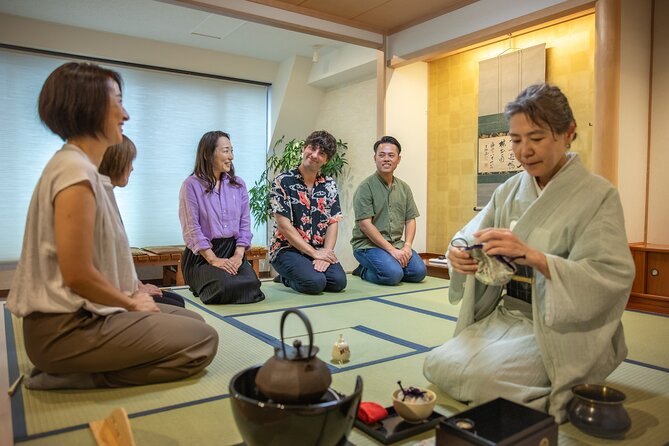
- The group is capped at eight: This keeps the session personal and makes questions easier.
- Midori may lead the teaching: Her warm, patient approach has been singled out as part of the experience’s appeal.
- The setting is relaxed rather than ceremonial: You can ask questions, take photos, and learn without worrying about a cultural mistake.
- Traditional sweets are part of the tasting: The sweet balances matcha’s strong, slightly bitter flavor.
- The meeting point is in Asakusa: You start and finish at the Tokyo Tourist Lounge, near public transportation.
Why this casual Tokyo tea ceremony works for beginners
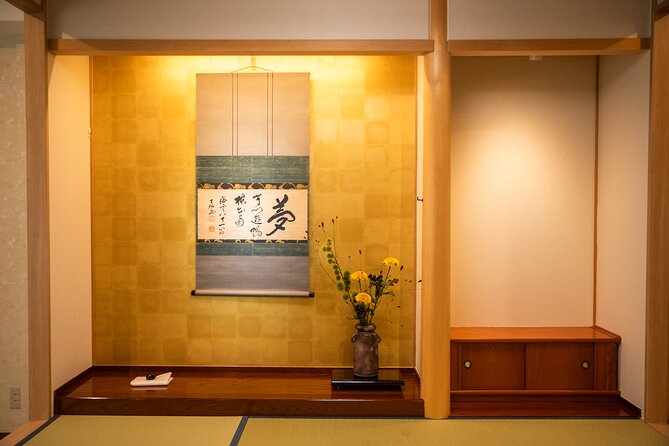
The best reason to book this experience is simple: it gives you a safe first step into Japanese tea culture. A formal tea ceremony can require close attention to posture, seating, hand movements, and the correct way to receive a bowl. Those details have meaning, but they can also make a newcomer focus more on avoiding mistakes than on enjoying the moment.
Here, the host explains what is happening as you go. You learn why water is poured in a certain way, how the tea is presented, and what the various movements express. The focus is not on testing you. It is on helping you understand the ideas of harmony, hospitality, and care that shape the way of tea.
I find that approach useful early in a Japan trip. You get enough context to notice tea customs elsewhere, from a quiet cup of matcha in a café to the careful service in a traditional restaurant. You also leave with a basic sense of why the tools, gestures, and pacing matter.
The experience is built for curious newcomers, but repeat visitors to Japan can still find value in it. The ceremony gives you an hour away from sightseeing lists and crowded streets. You sit, pay attention, and let the pace slow down.
More Tea Ceremonies in Tokyo
- Kimono Tea Ceremony at Tokyo, Asakusa Maikoya
★ 5.0 · 638 reviews - Tokyo: Traditional Tea Ceremony with a Tea Master
★ 5.0 · 528 reviews - Tea Ceremony Workshop in Tokyo by the Experienced Instrucor
★ 5.0 · 189 reviews
Arriving at the Tokyo Tourist Lounge in Asakusa
The meeting point is the Tokyo Tourist Lounge Asakusa, on the fifth floor at 2-18-15 Kaminarimon, Taito City, Tokyo 111-0034. The activity begins and ends there, so you do not need to arrange a separate return transfer or find a second location after the tea session.
The location is near public transportation, which makes it practical to fit into a day of sightseeing in Asakusa. You might schedule it before or after exploring the area, but allow enough time to reach the fifth-floor meeting point without rushing. The supplied details do not give a precise station exit or walking time, so check the meeting instructions after booking.
Starting and finishing in the same place is helpful in Tokyo. You can leave larger bags at your accommodation rather than carrying them through the ceremony, and you can plan the experience around other fixed reservations. Since the session lasts about an hour, it also fits more easily into a busy day than a longer cultural class.
The activity uses a mobile ticket, so keep the booking confirmation available on your phone. Confirmation is provided when you book.
The opening explanation: tea without the fear of a faux pas
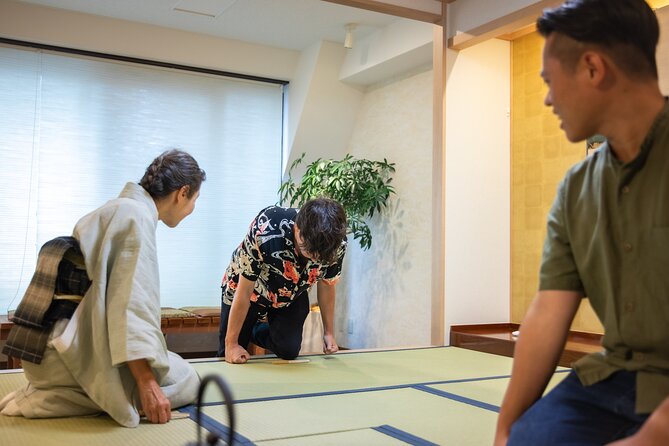
The session begins with a friendly introduction to Japanese tea culture. Instead of expecting you to know the rules, the host lays out the basic meaning of each stage and explains the etiquette in plain terms.
That matters because tea ceremony customs are not just a collection of pretty motions. The host connects the practical steps with the values behind them. The presentation of tea is tied to hospitality. The careful preparation asks you to pay attention to the person in front of you and to the moment you share.
Language can be another concern, especially when an activity depends on subtle instructions. This session is designed for visitors and aims to remove that barrier. You can ask questions as they come up, and the small group makes it easier to hear the explanation and follow along.
The relaxed tone also helps if you are worried about making a mistake. You are not expected to know which way to turn a bowl or how to perform every movement perfectly before you begin. The point is to understand the purpose of the gestures and take part with care.
Preparing and whisking your own bowl of matcha
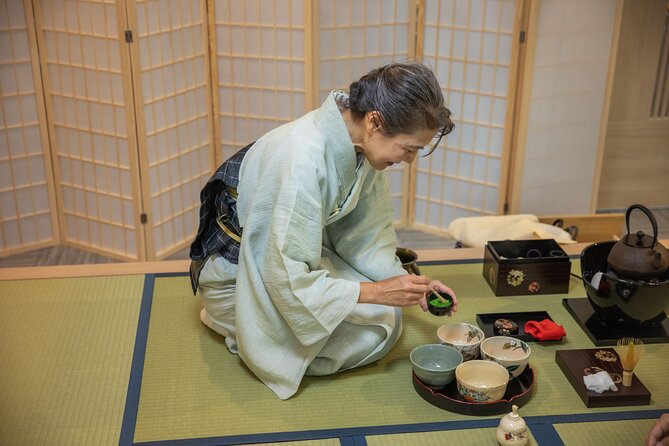
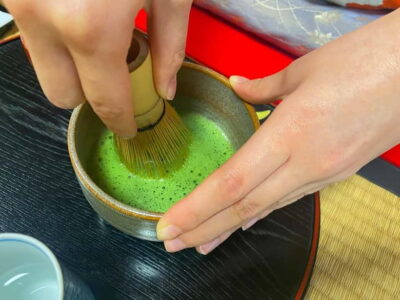
The hands-on section is the heart of the experience. After watching the host explain the process, you prepare your own bowl of powdered green tea.
You learn how the tea is made, how water is added, and how whisking changes the texture. The activity description does not promise a technical tea-school lesson, so think of this as an accessible introduction rather than professional training. You will come away knowing the basic process and having tried it yourself.
Making your own bowl is more useful than simply watching a demonstration. You notice how much attention goes into a small serving. You also gain a better sense of matcha itself, which has a concentrated taste and a texture unlike ordinary steeped green tea.
Take your time with the bowl. The experience is designed to let you savor the tea at your own pace, rather than forcing you through a quick tasting. If you have questions about the whisking, water, or serving steps, this is the moment to ask them.
The tea can taste strong if you usually drink sweetened tea. That is where the traditional Japanese sweet helps. Its sweetness balances the matcha and gives you a more complete introduction to the way tea is served.
Same leaf, a different ritual:
- Matcha Making Class in Tokyo with Authentic Japanese Sweets Set
★ 5.0 · 744 reviews - Dynamic Tokyo: Tokyo Tower, Tea Experience, Bay Cruise Day Tour
★ 4.5 · 521 reviews - Tokyo: Matcha Making Experience with Mochi Sweets in Asakusa
★ 4.9 · 388 reviews - Asakusa Cultural Walk & Matcha Making Tour
★ 5.0 · 245 reviews
Traditional sweets and the meaning of hospitality
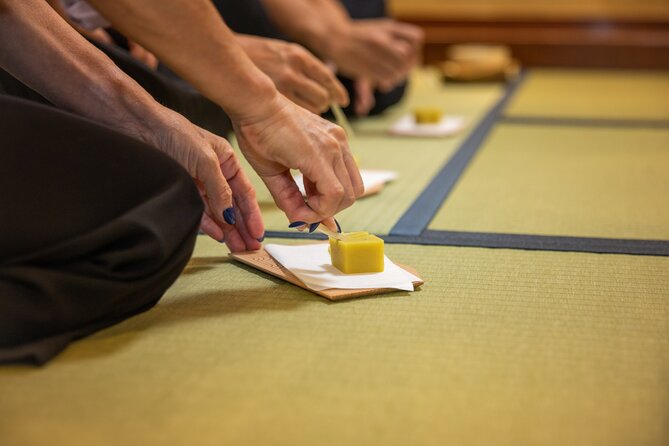
The sweet is not just a snack placed beside the tea. It helps explain the balance of the experience. Matcha has a powerful, earthy flavor, while a Japanese sweet provides a contrasting sweetness before or alongside the tea.
You also begin to understand that the tea ceremony is about more than the drink. Preparation, presentation, timing, and attention all matter. The host uses these details to explain the spirit of hospitality that surrounds the ceremony.
This is one of the strongest parts of the session for people who enjoy cultural context. You are not only learning how to whisk powder into water. You are learning why a simple serving of tea can become a carefully shared moment.
The included items are listed as coffee and/or tea, and the activity itself specifically includes freshly prepared matcha and traditional Japanese sweets. Kimono wear and rental are not included. If dressing in traditional clothing is important to you, this experience will not provide that part of the occasion.
A relaxed lounge instead of a formal tea room
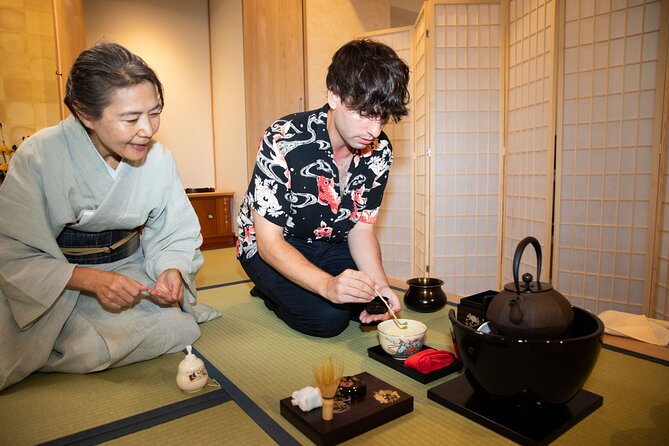
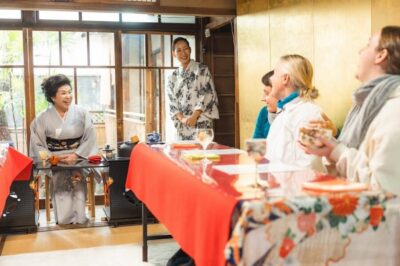
The setting shapes your expectations. This is a comfortable lounge experience, not a strict ceremony in a highly traditional setting. You can ask questions and take photos, which makes it easier to stay engaged.
I see this as a practical choice for a first introduction. You can concentrate on the meaning of the ceremony rather than worrying about sitting perfectly or following unfamiliar rules without help. Families, first-time visitors, and people with limited knowledge of Japanese customs may find this especially useful.
The tradeoff is atmosphere. A formal tea room can create a stronger sense of ritual through its architecture, garden setting, clothing, and silence. None of those features are promised here. The reward is accessibility, but the experience is less theatrical and less formal.
The casual format also means the session may feel educational rather than solemn. That is not a flaw unless you specifically want a ceremonial performance. If you want to understand the basics, prepare tea, and speak freely with the host, the lounge setting has clear advantages.
Midori and the human side of the teaching
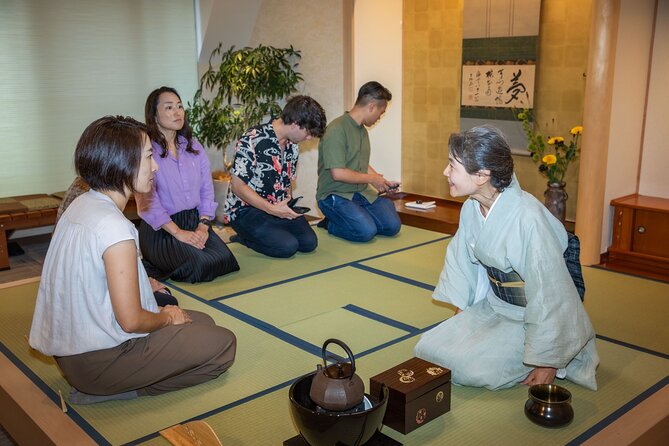
The available feedback specifically names Midori as a kind and welcoming teacher. Her role is described as sharing her knowledge with patience and warmth, which fits the tone this activity promises.
A good tea instructor needs to do more than explain steps. You need someone who can show the movements clearly, explain unfamiliar customs without making them seem mysterious, and correct small mistakes without embarrassment. The comments about Midori suggest that personal welcome is an important part of the session.
The exact host may vary by date, so do not assume Midori will lead every departure. Still, the teaching style described here is a useful guide to what you should expect: clear explanations, a friendly welcome, and space for questions.
The activity is offered in a small group of no more than eight. That number is large enough for a little shared energy but small enough for individual help. If you want a private ceremony for just your party, this is not advertised as a private booking, so check before reserving.
What the price gives you at $25
At $25 per person, this is priced as a short cultural introduction rather than a full traditional ceremony. The value comes from the combination of instruction, participation, matcha preparation, sweets, and access to a host who can explain the etiquette in a visitor-friendly way.
I think the price is reasonable if you want more than a quick cup of green tea. You are paying for the explanation and the chance to prepare your own bowl, not simply for the ingredients. The one-hour length also keeps the cost manageable for a family or a couple fitting several activities into a Tokyo day.
The value is less clear if your only goal is to taste matcha. You can find tea in many cafés for much less, but those places will not explain the ceremony’s gestures, hospitality, or cultural meaning. This session earns its price through context and participation.
Kimono rental is not included, and neither is wearing a kimono as part of the activity. Factor that in if you are comparing it with a more elaborate cultural package. You are choosing a focused tea lesson, not a complete traditional dress and photography experience.
The published rating is 4.9 from 74 ratings, with 96 percent recommending the activity. Those figures point to strong satisfaction, especially with the teaching and welcoming tone, but they should not change the basic choice: book this for an approachable lesson, not for a formal ritual.
Who should book this experience
I would recommend it to you if you meet one or more of these descriptions:
- You are new to Japanese tea ceremony and want a gentle introduction.
- You want to prepare matcha instead of only watching a demonstration.
- You prefer asking questions to quietly observing a strict ritual.
- You are concerned about language or etiquette mistakes.
- You have one hour available in Asakusa.
- You want a cultural activity that does not require wearing a kimono.
It also suits a mixed-interest group. One person can enjoy the cultural background, another can focus on the tea preparation, and everyone can take part without needing prior knowledge.
You may want a different activity if your priority is a highly formal ceremony, traditional clothing, an old-style tea room, or a longer study of tea practice. Those elements are not included in the information provided for this experience.
Practical planning before you go
Wear something comfortable for sitting and handling tea, though no special clothing requirement is given. Since you will be preparing and tasting matcha, let the host know about any concerns you have when you arrive. The supplied details do not state whether dietary substitutions are available, so do not assume the sweet can be changed.
Keep your phone ready for the mobile ticket and photography. Photos are allowed, but follow the host’s instructions during the demonstration and preparation. A short pause before taking a picture is a small courtesy in an activity centered on careful attention.
Plan to arrive at the stated meeting point, the Tokyo Tourist Lounge Asakusa on the fifth floor. The experience returns to that same location. It is near public transportation, but the exact route details are not supplied, so confirm the final meeting information before setting out.
Cancellation is free if you cancel at least 24 hours before the local start time. Inside that 24-hour window, you receive no refund and changes are not accepted. That rule makes it wise to book only after your Tokyo schedule is reasonably firm.
Should you book this tea ceremony?
Book it if you want an affordable, friendly way to understand matcha and Japanese tea etiquette in about an hour. The hands-on whisking, traditional sweet, small group, and open question period give you more substance than a simple café visit.
Skip it if your dream is a silent, formal ceremony with kimono, a traditional room, and strict ritual from beginning to end. This experience deliberately lowers the formality.
For most first-time visitors, I would choose the casual version. You get the cultural meaning without the anxiety, and you leave with a practical memory: not just seeing matcha prepared, but making and tasting your own bowl in Asakusa.
FAQ
How long does the Japanese tea ceremony experience last?
The activity lasts approximately one hour.
Where does the experience begin and end?
It begins at the Tokyo Tourist Lounge Asakusa, on the fifth floor at 2-18-15 Kaminarimon, Taito City, Tokyo 111-0034. It ends back at the same meeting point.
How many people can join the activity?
The group has a maximum of eight people.
Is kimono rental included?
No. Wearing a kimono and kimono rental are not included.
Can I take photos and ask questions?
Yes. The experience is designed as a relaxed session where you can ask questions and take photos.
What is the cancellation policy?
You can cancel at least 24 hours before the local start time for a full refund. Cancellations and changes made less than 24 hours before the start time are not accepted and are not refunded.
Newly steeped around Tokyo
- Yokohama : Tea Ceremony with Sweets and Souvenir★ 5.0 · 5 reviews
- Walking Tour: Yanaka,Nezu& Sendagi: Tea Ceremony & Old Tokyo★ 5.0 · 3 reviews
- Private Mochi・Matcha sweets Making Class Near Shibuya Area★ 5.0 · 22 reviews
- 2 Hours Mochi &Nerikiri Making & Matcha Class in Bunkyo★ 5.0 · 21 reviews
- Private Kimono and tea ceremony at local home near Tokyo Disney★ 5.0 · 6 reviews
- Kimono and Tea Ceremony in Asakusa Private Food Tour With Guide★ 5.0 · 4 reviews
- Giant Sushi Cooking Class: Make a 1.5m Sushi Roll in Tokyo★ 5.0 · 9 reviews
- Tokyo Tea Ceremony Class at a Traditional Tea Room★ 5.0 · 2 reviews
Tea Ceremony Experiences, compared.
Kyoto: Tea Ceremony in a Traditional Tea House in Kiyomizu
Read our review →
Kyoto: 45-Minute Tea Ceremony Lesson Experience
Read our review →
Kyoto: Table-Style Tea Ceremony at a Kyo-Machiya
Read our review →


Browse the lists this tea experience appears in