
Review · JAPAN
Tokyo: Tea Ceremony & Japanese Traditional Sweets
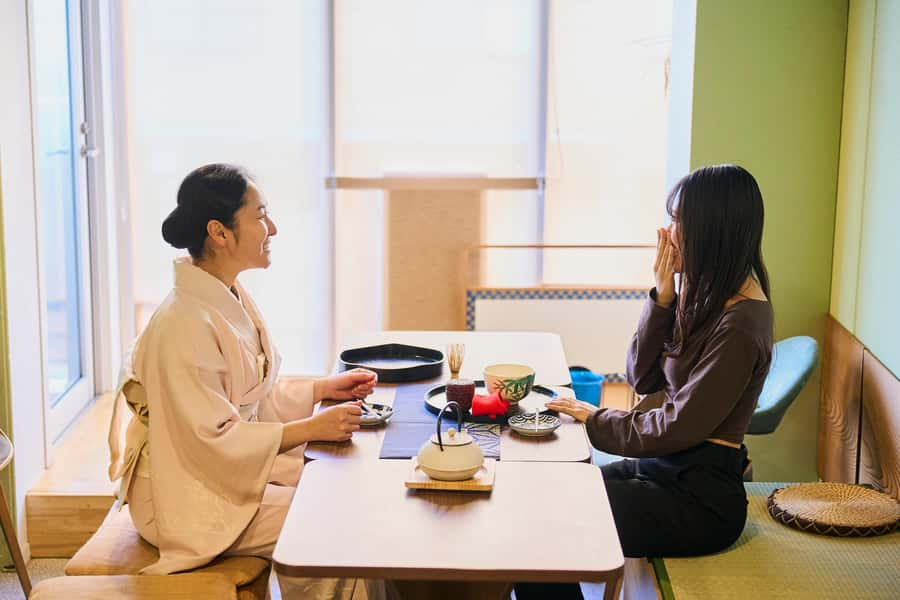
Tokyo tea ceremony becomes much more interesting when you are not only watching. Here, you see a licensed tea master perform the graceful otemae, then whisk your own matcha and make nerikiri, a seasonal Japanese sweet shaped into flowers and other motifs. It is a compact lesson with plenty to do.
I like the hands-on format and the calm pace. You are not left sitting quietly for an hour while someone performs at a distance. I also like the small group size, capped at 10, and the clear English support. The main consideration is time: at one hour, this is an introduction rather than a full study of tea culture.
Key points
- Whisk your own matcha: Learn the basic preparation and taste the tea you make yourself.
- Watch a licensed tea master: The instructor has more than 10 years of experience and demonstrates otemae.
- Make seasonal nerikiri: Shape a traditional sweet with colors and forms linked to the season.
- Learn in English: An expert host explains the process clearly, with no Japanese language support.
- Keep the group small: The experience accepts no more than 10 participants.
- Reach it from Hakusan Station: The meeting point is about a 5-minute walk from the Toei Mita Line station.
A one-hour introduction to Tokyo tea culture
This experience gives you a tidy, approachable look at two linked Japanese traditions: preparing matcha and making wagashi, the broad family of traditional Japanese sweets. The tea ceremony is not simply about drinking powdered green tea. It is also about careful movement, presentation, hospitality, and attention to small details.
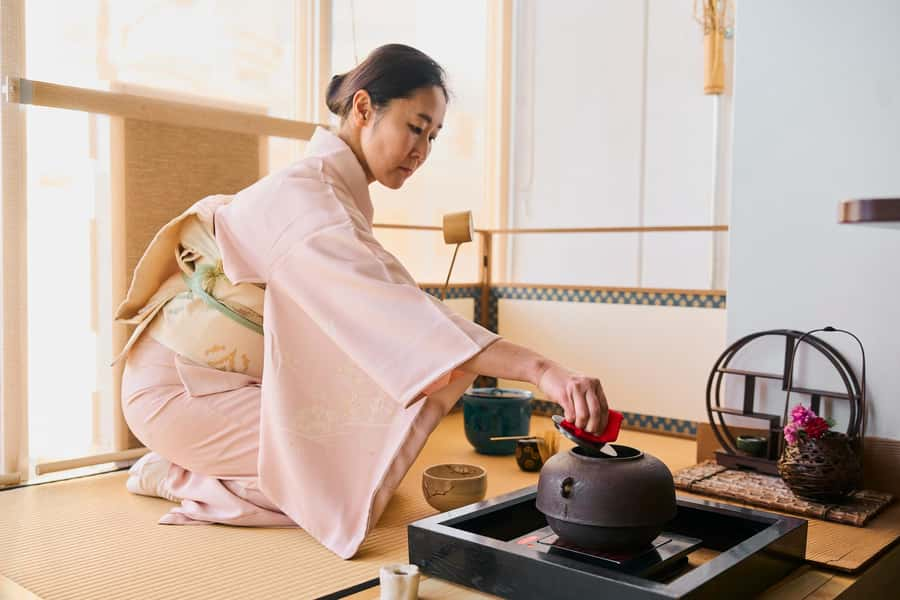
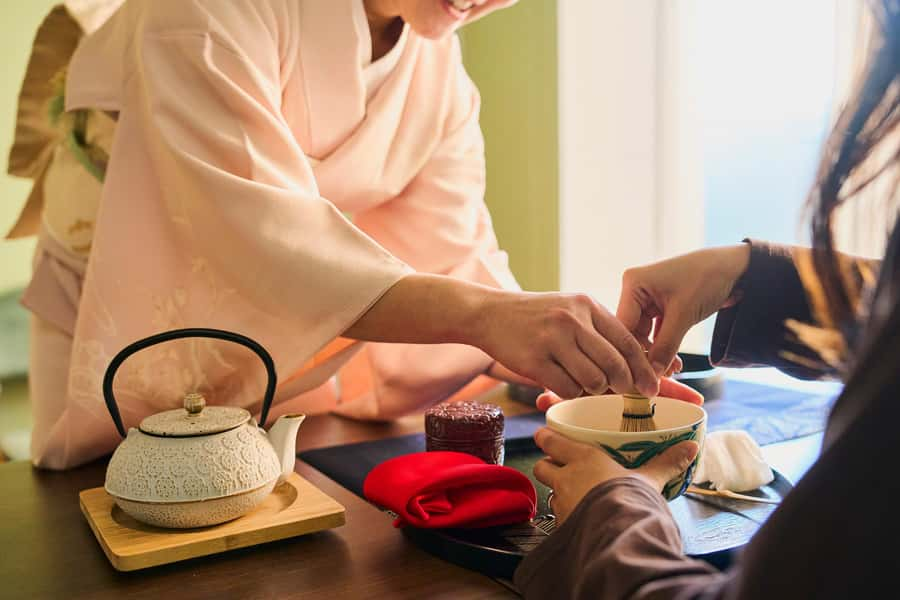
You will see those ideas in the otemae demonstration. The tea master performs the preparation with measured gestures, showing how the tools are handled and how the tea is made ready for drinking. For a first-time visitor, this demonstration gives useful context before you take your own turn.
The schedule is only one hour, so the lesson should be viewed as a focused introduction. That is useful if you have a packed Tokyo itinerary or want a cultural activity that will not consume half a day. If you hope to study tea ceremony etiquette in depth, you may find the format too short.
More Tea and Sweets Making in Japan:
- Matcha Making Class in Tokyo with Authentic Japanese Sweets Set
★ 5.0 · 744 reviews - Matcha Making Class in Osaka with Authentic Japanese Sweets Set
★ 5.0 · 509 reviews - Tokyo: Matcha Making Experience with Mochi Sweets in Asakusa
★ 4.9 · 388 reviews
Watching the otemae before you take the bowl
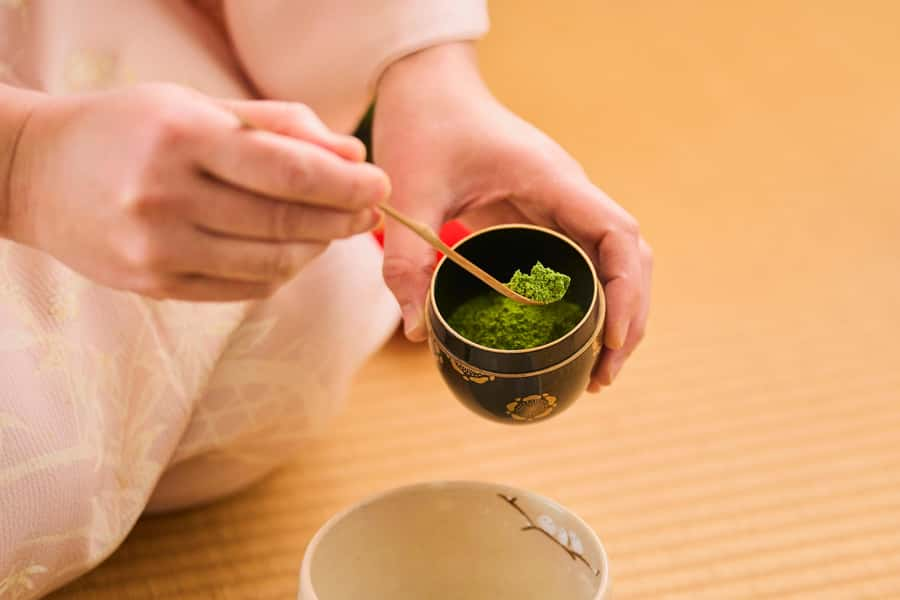
The demonstration is the quiet center of the experience. You watch the tea master prepare matcha in the traditional manner, with attention to the order and style of each movement. The point is not speed. The deliberate pace helps you notice how much care goes into a simple bowl of tea.
A tea master with more than 10 years of experience leads the session. That background matters because tea ceremony can look mysterious when you first encounter it. A practiced instructor can show you what to watch for, explain why the steps matter, and make the ritual feel understandable rather than formal for its own sake.
The English-speaking host also plays an important part. The experience is conducted in English only, and Japanese language support is not available, so clear explanations are essential. The available information specifically highlights the host’s ability to explain the activity in English and answer questions, making this a practical choice for visitors who do not speak Japanese.
You should expect a respectful cultural lesson, not a theatrical show. The ceremony has a quiet, ordered character. That may appeal to you after a day of Tokyo traffic and crowds, but anyone looking for a lively cooking class or a fast-moving activity may find the mood restrained.
Making matcha instead of only tasting it
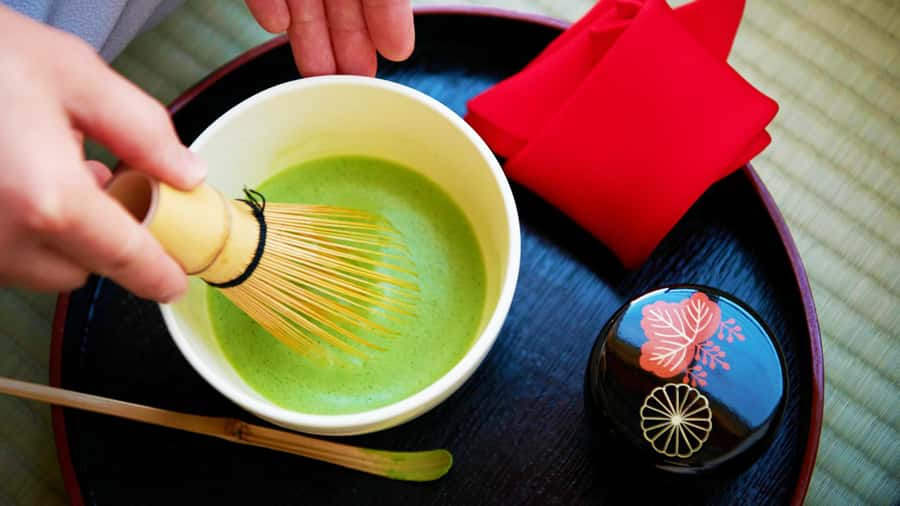
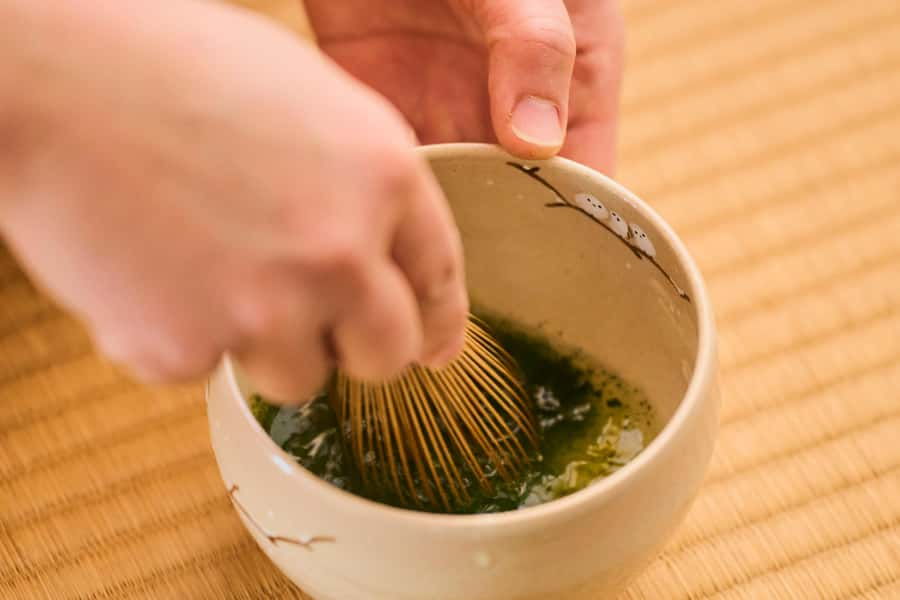
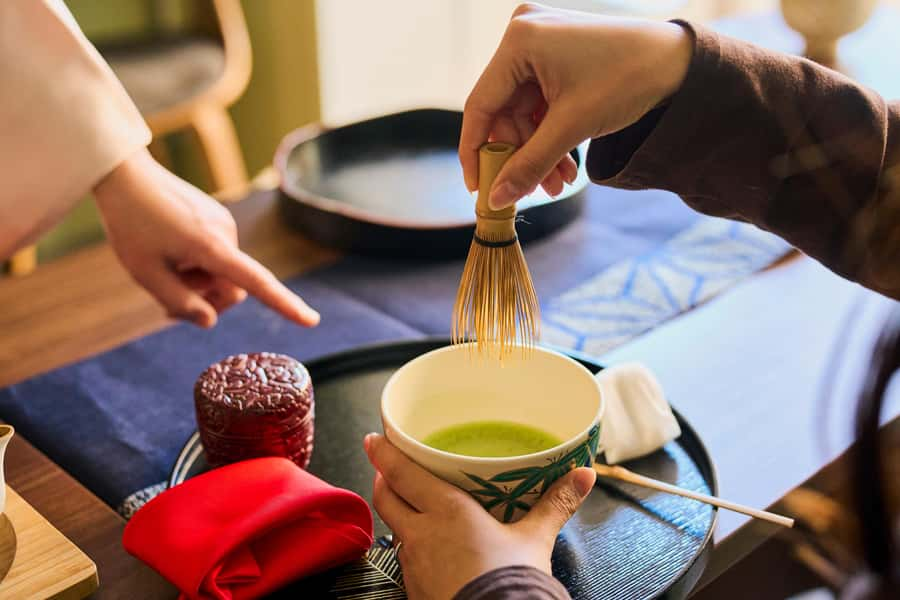
After watching the demonstration, you get to prepare your own bowl. Matcha is whisked rather than steeped like ordinary tea, and the preparation gives you a direct feel for the texture and method. You can taste the tea you have made and notice its strong, distinctive flavor.
This is one of the best reasons to book the session. Watching a tea ceremony can be beautiful, but holding the tools and preparing the tea makes the lesson more memorable. You are likely to understand the process better once you have tried to whisk the powder yourself.
Do not expect the same result as a tea master on your first attempt. The value is in learning the basic method and seeing how the finished drink comes together. The session presents matcha as something you can participate in, not as a distant custom reserved for experts.
The experience does not provide a detailed tasting menu or a selection of teas. Matcha is the focus. If you prefer mild black tea, fruit drinks, or a broad tasting, this may not be the right fit. If you want to understand why matcha has such an important place in Japanese culture, the personal preparation adds real value.
Shaping seasonal nerikiri by hand
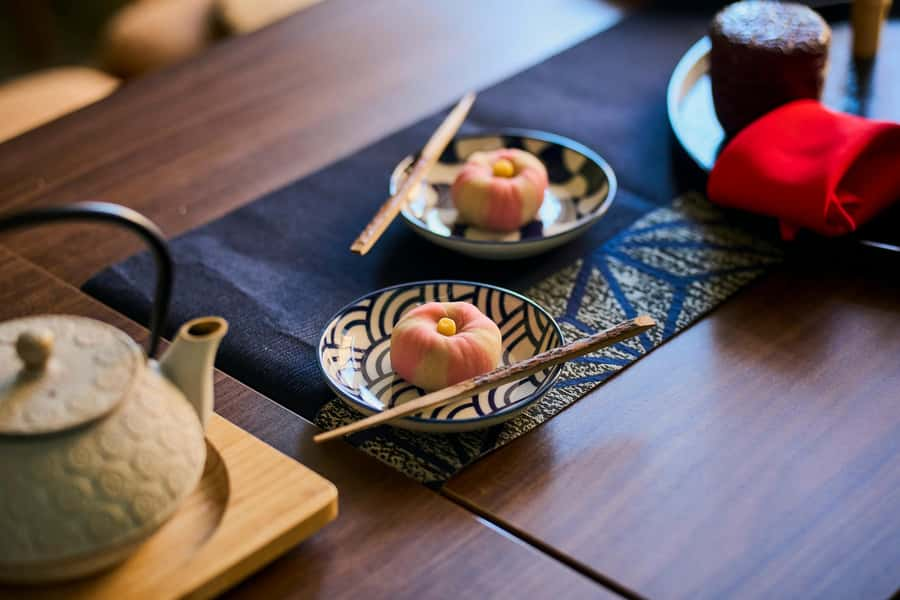
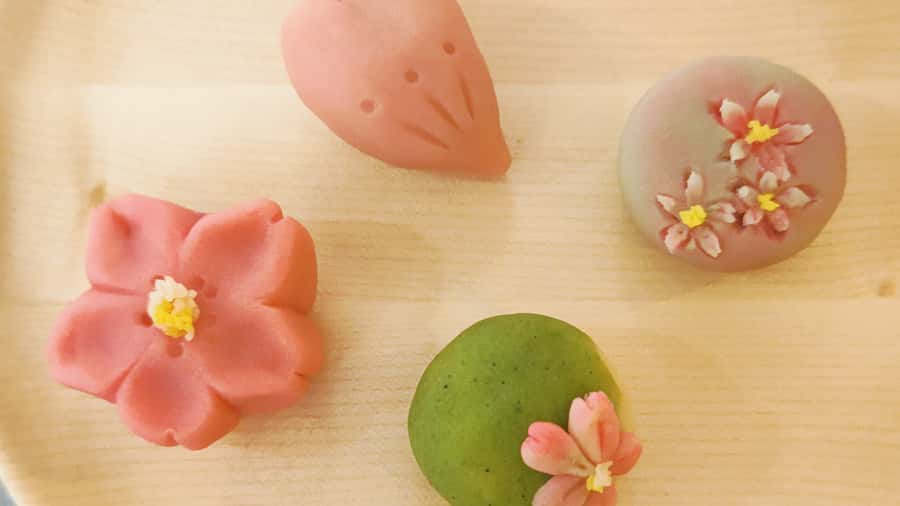
The second hands-on element is nerikiri, a traditional Japanese confection made in delicate forms and colors. These sweets often represent seasonal flowers or other motifs, and their appearance is part of their appeal. You will have the chance to craft your own rather than simply receive one with the tea.
Nerikiri offers a different lesson from matcha. The tea preparation is about movement and timing, while the sweet-making portion gives you a chance to work with shape and presentation. It shows how Japanese food can carry a seasonal idea in a very small object.
The word seasonal is important here. The design may reflect the time of year, so the sweet you make is connected to the changing calendar rather than being a fixed souvenir available all year. The exact shape is not specified, and you should not book expecting one particular flower or design.
Your finished nerikiri is paired with the matcha you prepare. That pairing gives the hour a satisfying structure: watch the ceremony, make tea, create the sweet, then enjoy them together. The sweet is not just an extra snack. It helps balance the strong taste of matcha and shows how the two are traditionally enjoyed as a pair.
More Tea Ceremonies in Japan:
- Kyoto: Tea Ceremony in a Traditional Tea House in Kiyomizu
★ 4.9 · 3,519 reviews - Kyoto: Tea Ceremony Ju-An at Jotokuji Temple
★ 4.9 · 3,207 reviews - Kyoto: 45-Minute Tea Ceremony Lesson Experience
★ 4.3 · 2,378 reviews - Osaka: Tea Ceremony Experience
★ 4.9 · 1,426 reviews
Why the small group size helps
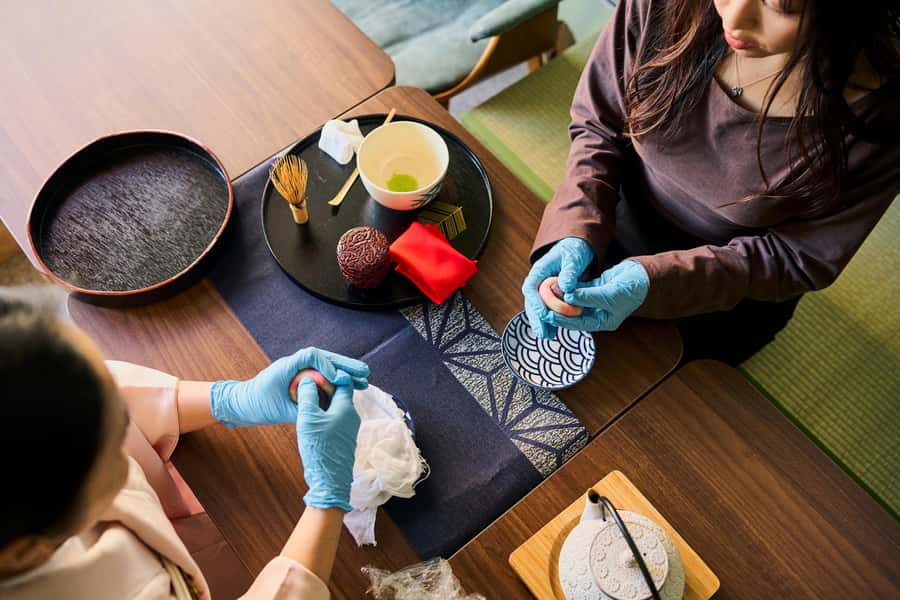
The group is limited to 10 people. That is small enough for the host to provide individual help while you whisk matcha and shape the confection. It also keeps the demonstration easier to follow than a large sightseeing presentation.
This matters most if you have never handled matcha tools or made nerikiri before. You can watch others for a moment, then receive help when your turn comes. One recent participant specifically praised the instructor for assisting when needed and answering questions, which is exactly the kind of support a practical class should provide.
A small group does not guarantee private instruction. Ten participants can still feel like a class, particularly if everyone needs help at the same time. Still, the limit is a useful middle ground: more social than a private lesson, but far less crowded than a large group tour.
The format should work well for solo visitors, couples, and families with an interest in Japanese culture. Children may enjoy shaping the sweets, though the supplied details do not specify a minimum age or child policy. If you are booking for young children, check those points before paying.
A calm break from Tokyo’s busy streets
The setting near Hakusan Station gives this activity a practical advantage. It is about a 5-minute walk from the Toei Mita Line’s Hakusan Station, making it easy to fit into a day in Tokyo without a long trip to a major tourist district.
The meeting point is on the second floor of Phil Park Hakusan Hills, at 1-26-17 Hakusan, Bunkyo-ku, Tokyo. Use the supplied map and go to the second floor as directed. That detail is worth noting because the activity is not described as taking place at a famous temple or a traditional tea house. You should plan to rely on the address and map rather than look for a major landmark.
The location may suit you if you want a cultural stop away from Tokyo’s most crowded sightseeing routes. The experience itself is the attraction, not a grand exterior or a historic building. That keeps the focus on the tea master, the ceremony, and your own preparation.
Allow a little extra time to find the entrance, especially if you are arriving close to the start. The official walk from the station is short, but city addresses and second-floor meeting points can still slow you down when you are unfamiliar with the area.
What the $27 price gets you
At $27 per person, this is reasonably priced for a guided cultural class in Tokyo. The fee covers the English guide, the tea ceremony, matcha preparation, and traditional Japanese sweets. You are paying for instruction and participation, not only for a drink and a confection.
The strongest value comes from the two-part format. A simple tea tasting would be cheaper in some settings, but it would not give you the same chance to prepare matcha and make nerikiri. The price makes sense if you want an activity that teaches you something and gives you a direct role.
The one-hour duration also keeps the cost easy to fit into a busy trip. You can schedule it between other Tokyo plans without giving up a full afternoon. On the other hand, the short session means you should not expect an extended cultural lecture, a full formal tea gathering, or advanced instruction.
The experience has a 4.9 rating from 21 reviews, with particular praise for the instructor’s kindness, explanations, and personal help. One participant described it as a calm break from a busy Tokyo schedule, which captures the practical appeal well. The activity is short, but it can change the pace of your day.
Who will enjoy this tea ceremony most
I would recommend this for a first-time visitor who wants more than a photo opportunity. You get an explanation, a demonstration, and two chances to participate. That combination makes the hour useful even if you know very little about Japanese tea ceremony.
It is also a good choice for anyone who enjoys food crafts. Making nerikiri adds a creative element, while preparing matcha gives you a small practical skill to take home. You will not leave with a large meal, but you will have made the components of a traditional tea pairing yourself.
The experience may suit you after a morning of sightseeing when you want something quiet and structured. It is not built around walking, shopping, or city views. The reward is concentration and a closer look at Japanese customs.
You should think twice if you want a long ceremony, extensive historical background, or a Japanese-language session. The teaching is in English only, and the hour is designed for access and participation rather than advanced study.
Practical details before you book
Wear comfortable clothes. You will be seated and working with tea tools and sweets, so comfort matters more than dressing formally. No special equipment is listed as necessary.
The activity is wheelchair accessible. The group size is limited to 10, and starting times vary, so check availability for the date you want. The duration is one hour.
You can cancel up to 24 hours in advance for a full refund. A reserve-now, pay-later option is also available, which helps if your Tokyo schedule is still taking shape. These policies are useful, but check the final booking conditions when you select your time.
The meeting point is roughly 5 minutes from Hakusan Station on the Toei Mita Line. Go to the second floor of Phil Park Hakusan Hills at 1-26-17 Hakusan, Bunkyo-ku. Since Japanese addresses can be difficult to read quickly, save the map before leaving your hotel.
Should you book this Tokyo tea ceremony?
Book it if you want a short, hands-on cultural activity with clear English instruction. The best parts are the tea master’s otemae demonstration, your own matcha preparation, and the chance to shape seasonal nerikiri. The small group and helpful teaching style make it approachable for beginners.
Skip it if you are seeking a full-day cultural program, a large meal, or a ceremony conducted in Japanese. At $27 and one hour, this is an introduction, not an exhaustive lesson.
For most first-time visitors, I think the balance is right. You get a quiet pause from Tokyo, a taste of a refined tradition, and enough participation to remember the experience after you leave.
FAQ
How long does the Tokyo tea ceremony experience last?
The experience lasts one hour.
How much does the experience cost?
The price is $27 per person.
Is the activity conducted in English?
Yes. The instructor and host provide the experience in English only. Japanese language support is not available.
Where is the meeting point?
The meeting point is on the second floor of Phil Park Hakusan Hills, 1-26-17 Hakusan, Bunkyo-ku, Tokyo. It is about a 5-minute walk from Hakusan Station on the Toei Mita Line.
What will I do during the experience?
You will watch a tea master demonstrate otemae, learn how to prepare matcha, whisk your own bowl of tea, and make seasonal nerikiri sweets.
Can I cancel or pay later?
You can cancel up to 24 hours in advance for a full refund. A reserve-now, pay-later option is available.
Is the experience wheelchair accessible?
Yes, the activity is wheelchair accessible.
Newly steeped around Japan
- Yokohama : Tea Ceremony with Sweets and Souvenir★ 5.0 · 5 reviews
- Whisk Your Own Matcha: A Zen Matcha Experience at Temple★ 3.6 · 7 reviews
- Walking Tour: Yanaka,Nezu& Sendagi: Tea Ceremony & Old Tokyo★ 5.0 · 3 reviews
- Visit local home for music and tea ceremony near Disney★ 4.9 · 13 reviews
- Trip to Kamakura & Enoshima: Shrines, Seaside, Temples &Tea★ 5.0 · 11 reviews
- Yokohama: Sushi & Gyoza Cooking with Matcha & GreenTea Experience★ 5.0 · 3 reviews
- Kyoto tea town for matcha lovers★ 5.0 · 16 reviews
- Uji: Private immersion into Kyoto’s tea and reglious culture★ 5.0 · 17 reviews
Tea & Sweets Making, compared.
Matcha Making Class in Tokyo with Authentic Japanese Sweets Set
Read our review →
Tangier: Sunset, Tea, Sweets, Camel Ride, and Hercules Caves
Read our review →
Tokyo: Matcha Making Experience with Mochi Sweets in Asakusa
Read our review →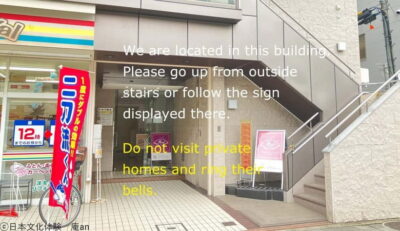
Kyoto: Japanese Traditional Sweets Making and Tea Ceremony
Read our review →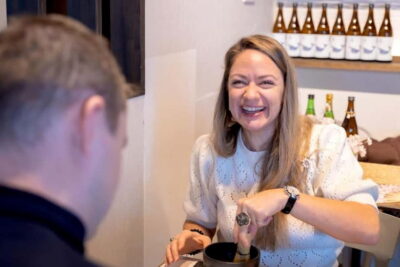
Osaka: Matcha Making Experience with Japanese Sweets
Read our review →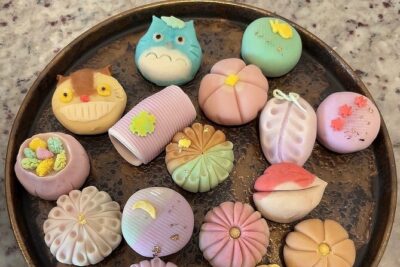
Make Traditional Nerikiri Sweets & Matcha experience in Shibuya
Read our review →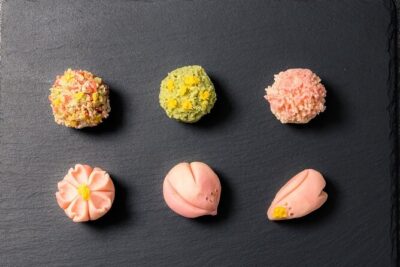
Sweets Making and Kimono Tea Ceremony at Tokyo Maikoya
Read our review →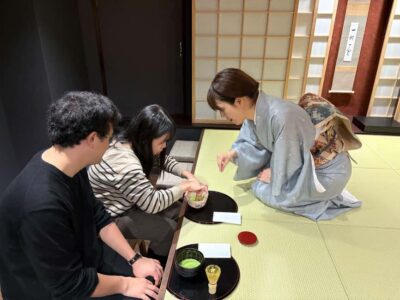
Kyoto: Traditional Tea Ceremony with Matcha & Sweets in Gion
Read our review →Browse the lists this tea experience appears in