
Review · TOKYO
Tokyo Traditional Tea Ceremony with a Japanese Tea Master
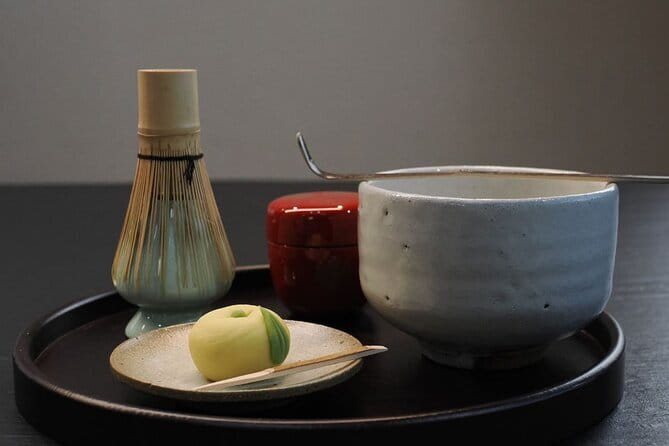
The most interesting part of this Tokyo activity is its range. In about an hour, you move from fruity Japanese black tea to top-grade Gyokuro, prepare your own matcha, and finish with roasted-rice tea. I like the hands-on matcha lesson and the chance to taste tea leaves with seasonal wagashi. I also like that the small group, capped at 12, leaves room for questions.
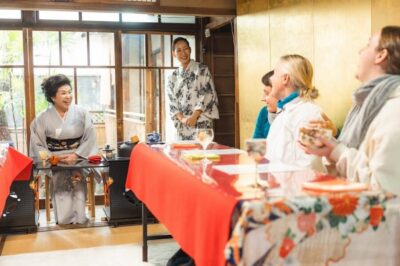
One important warning: this is not the long, formal tea ceremony some visitors picture, with a geisha-like host and everyone seated on the floor. It is better understood as a friendly tea-tasting class with traditional methods. One unhappy participant also reported an English-language problem, so confirm the language arrangement when you book.
Key points at a glance
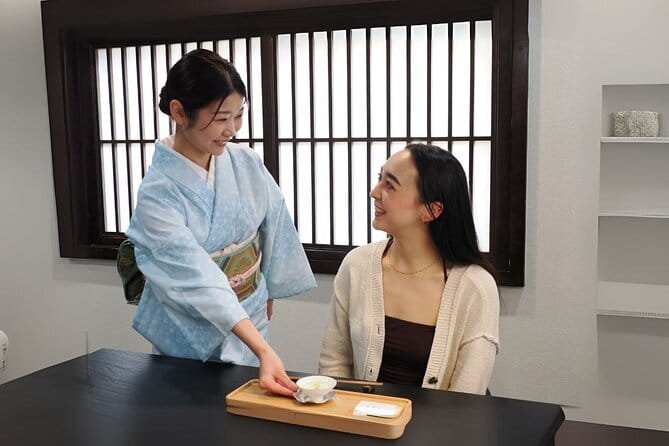
- Four distinct tea styles: Try wakocha, Gyokuro sencha, matcha, and Genmaicha, with several teas presented during the session.
- Make your own matcha: Use traditional tools and follow the tea master’s instructions rather than simply watching a demonstration.
- Seasonal sweets included: Taste tea cake, wagashi from Ougiya, and a small sweet pairing during the class.
- Small group setting: The maximum is 12 people, making it easier to ask questions than in a large bus tour.
- Useful Tokyo location: Ocharu is at 6-chōme-2-10 Hongō in Bunkyo, across from Tokyo University and near public transportation.
- Simple keepsakes: You receive a completion certificate and a group photo, while other souvenirs cost extra.
What this Tokyo tea experience really is
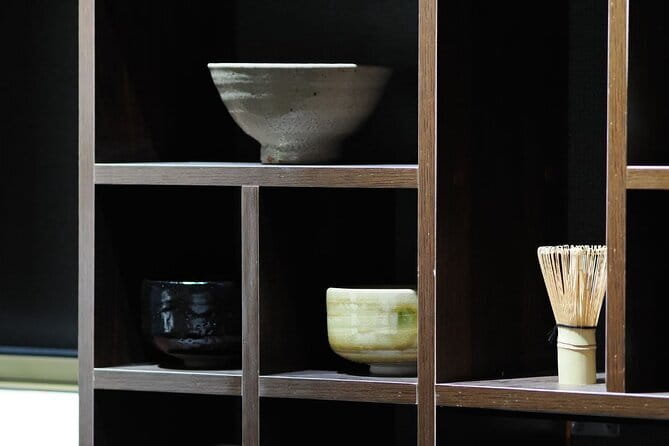
Japanese tea culture can be hard to understand from a quick cup in a café. The flavor changes with the tea, the water temperature, the brewing method, and the food served beside it. This class gives you a compact lesson in those differences without taking half a day.
You start at Ocharu Tea Ceremony, across from Tokyo University in Bunkyo. The room is used for the tea activity, and the session stays in one place. That matters in Tokyo, where a short cultural activity can fit neatly between sightseeing stops.
The advertised duration is about one hour. That makes this a good choice if you want a cultural activity without giving up a full morning or afternoon. The trade-off is clear: you get a useful introduction, not a long study of tea customs or a full formal ceremony.
The group limit of 12 is another plus. You are not likely to disappear at the back of a crowded demonstration. You can ask about tea varieties, brewing temperature, sweets, and the meaning of the tools as the session moves along.
More Tea Ceremonies in Tokyo
- Kimono Tea Ceremony at Tokyo, Asakusa Maikoya
★ 5.0 · 638 reviews - Tokyo: Traditional Tea Ceremony with a Tea Master
★ 5.0 · 528 reviews - Tea Ceremony Workshop in Tokyo by the Experienced Instrucor
★ 5.0 · 189 reviews
Starting with wakocha and cake
The first drink is wakocha, Japanese black tea from Shizuoka. Japanese tea is often associated with green tea, so starting with a black tea gives you a useful surprise. The description points to fruity and floral notes, and it is served with a tea cake.
This first pairing helps you notice how food changes the taste of tea. A small cake also gives the session an easy, welcoming start rather than launching straight into technical instruction.
The sweet is modest, not a full snack or meal. If you arrive hungry, eat beforehand. The included cake and wagashi are part of the lesson, not a substitute for lunch.
Shizuoka is a major tea-producing area, and the use of tea from that region gives the opening cup a clear Japanese connection. You are not simply drinking a generic black tea while someone talks about Japan. You are tasting a specific style before moving to greener, more delicate varieties.
Gyokuro sencha, tea leaves, and wagashi
Next comes Gyokuro sencha, described as the highest grade of green tea. Here, the preparation is part of the point. The tea master demonstrates how it is brewed, and you taste the finished drink alongside seasonal wagashi.
One unusual detail is that you also taste the tea leaves. That is valuable because most people think of brewed tea as the only part worth eating or examining. The leaves give you a closer sense of the tea’s texture and flavor.
The wagashi comes from Ougiya, a confectioner with generations of experience making Japanese sweets. Seasonal wagashi is designed to work with tea, often offering a texture and sweetness that balance the drink rather than overpower it.
This part will appeal to you if you enjoy food details. It is less about drinking a large cup and more about paying attention to how tea is made and served. The portions are likely to be tasting portions, so keep your expectations in check.
The matcha session is the main hands-on part
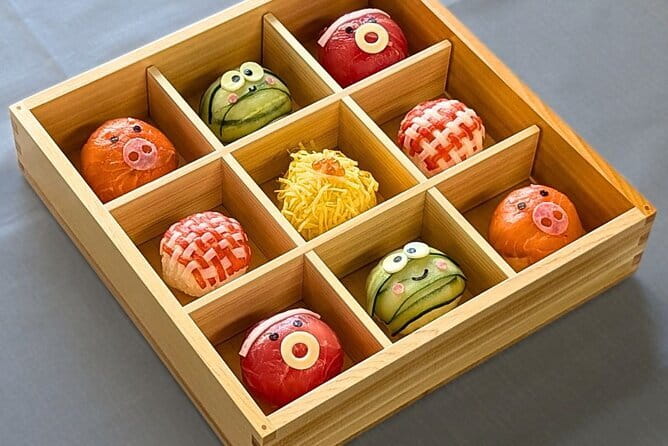
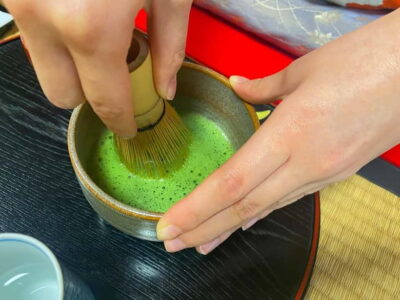
The matcha lesson is the clearest practical feature of the experience. Instead of only watching the tea master, you use traditional tools to whisk your own matcha.
You receive guidance through the process, including how to handle the whisk and prepare the drink. The appeal is simple: matcha can look easy until you try to produce a smooth, frothy cup yourself.
This is also where the class differs from a passive cultural show. You are asked to take part, and that makes the lesson easier to remember. After the session, you will have a better sense of the work behind the bowl of matcha served in cafés and sweet shops around Tokyo.
Do not expect professional results on your first attempt. The purpose is to learn the method and understand the ritual, not to qualify as a tea master in an hour. You may find that your own bowl becomes a useful talking point, especially if you are attending with family or friends.
The activity is suitable for families according to the supplied information, and the practical format should work well for older children who can follow instructions. The listing does not provide a minimum age, so check before booking if that detail matters to your group.
Same leaf, a different ritual:
- Matcha Making Class in Tokyo with Authentic Japanese Sweets Set
★ 5.0 · 744 reviews - Dynamic Tokyo: Tokyo Tower, Tea Experience, Bay Cruise Day Tour
★ 4.5 · 521 reviews - Tokyo: Matcha Making Experience with Mochi Sweets in Asakusa
★ 4.9 · 388 reviews - Asakusa Cultural Walk & Matcha Making Tour
★ 5.0 · 245 reviews
Genmaicha provides a gentle finish
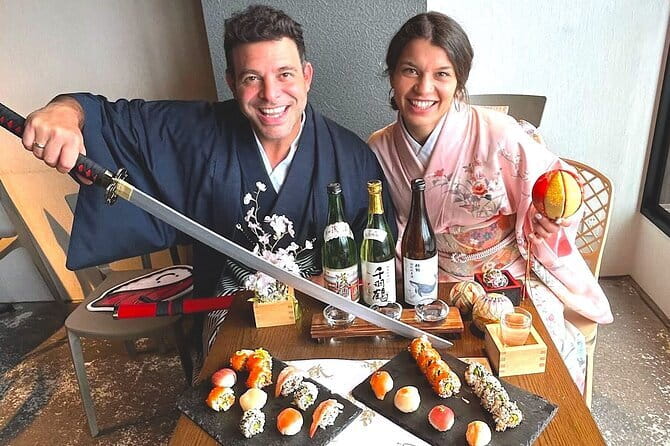
The final tea is Genmaicha, a blend of sencha and roasted rice from Niigata Prefecture. Its roasted rice gives it a warmer, more familiar flavor than the delicate teas served earlier.
Ending with Genmaicha is a sensible choice. After tasting black tea, Gyokuro, and matcha, you finish with something comforting and easy to drink. It gives the hour a natural close rather than ending on the strongest or most bitter flavor.
By the end, you have sampled tea from different parts of Japan and seen how preparation affects the result. The class does not require you to memorize a long list of names. You can simply leave knowing which styles you prefer and what to look for when ordering tea later in your trip.
What you receive for $33.03
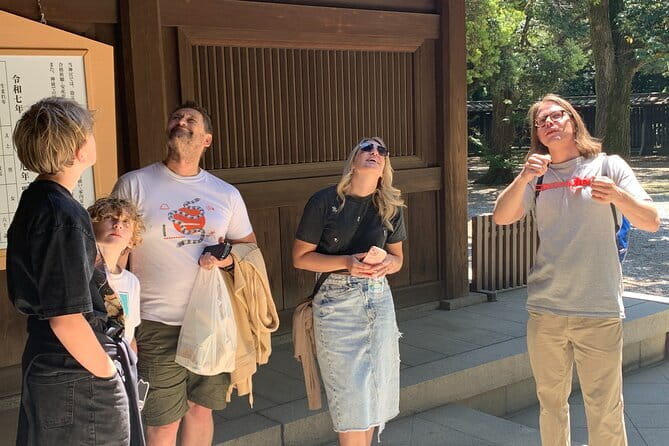
At $33.03 per person, the value rests on the number of tasting steps and the instruction, not on the amount of food. The package includes:
- Welcome tea and cake
- Sencha tasting
- Matcha preparation
- Genmaicha
- Access to the tea ceremony room
- Completion certificate
- Group photo
For Tokyo, this is a fairly approachable price for a small-group cultural activity. You are paying for a guided lesson, several teas, sweets, and the use of traditional equipment. A simple tea drink elsewhere will cost less, but it will not give you the same context or the chance to prepare matcha yourself.
The certificate is a light souvenir rather than a serious qualification. I would treat it as a pleasant reminder of the class, not proof of advanced tea training. The group photo is also included, which saves you from having to arrange a photo during the activity.
Souvenirs and gifts are not included. The experience also does not cover your transportation to or from Ocharu, and special requests beyond the standard session are excluded. Build those costs into your budget.
The biggest expectation check: ceremony or tea lesson?
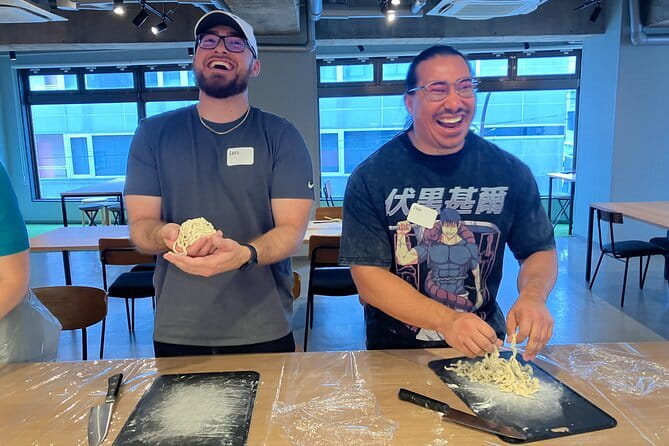
The name may lead you to picture a formal Japanese tea ceremony. That can mean carefully set movements, strict etiquette, a quiet room, floor seating, and a host performing a highly structured ritual.
This experience is more relaxed. It teaches tea through tasting and preparation, with the matcha-making segment as the central practical activity. One participant specifically found it disappointing because it was not the formal ceremony they expected.
That criticism is fair if you want a traditional performance. If your main goal is to sit quietly while a host prepares tea in a formal setting, this may not be the right booking.
On the other hand, the relaxed format is a strength if you want to understand what you are drinking. You get several tea styles, explanations, sweets, and a chance to ask questions. The class is likely to feel more accessible to a first-time visitor than a highly formal ceremony.
Read the description as a tea education session with ceremonial elements. That single adjustment will make the choice much easier.
Language and instruction
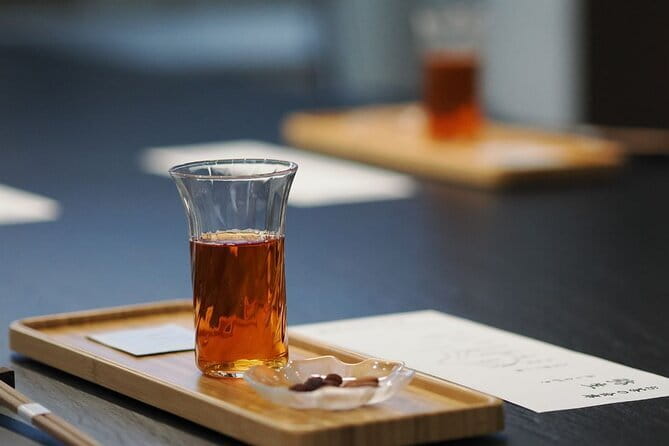
The experience is presented as an educational session with a Japanese tea master. Most of the available feedback describes the instruction as clear and informative, especially on the different teas, water temperature, preparation, and Japanese culture.
However, one serious complaint involved an English-language booking that did not provide the expected spoken English. The participant said information had to be read from a screen. That is not a small issue in an activity built around explanation.
Because the supplied details do not clearly identify the tea master by name or guarantee a specific spoken language in every departure, I would confirm the language before paying. Ask whether the session will be conducted in English and whether the instructor will give spoken explanations.
This matters even more if you are booking specifically for cultural background rather than just the tasting. You can still enjoy the tea without much conversation, but the educational value drops if you cannot ask questions or follow the explanation.
Getting to Ocharu in Bunkyo
The meeting point is OCHARU, 6-chōme-2-10 Hongō, Bunkyo City, Tokyo 113-0033. The location is across from Tokyo University and near public transportation.
Bunkyo is a useful area for a quieter cultural stop. You can pair the activity with time near the university or other sights in the district, but the tea experience itself begins and ends at the Ocharu meeting point. No transportation is provided.
Give yourself enough time to find the exact entrance. The activity lasts only about an hour, so arriving late could cost you a sizable part of the lesson. Confirmation is issued at booking, and the mobile ticket makes the reservation easy to carry on your phone.
The return to the meeting point is convenient. You do not need to arrange a separate end location or worry about being left across the city.
Who should book this experience?
I would recommend it to you if you:
- Want a short introduction to Japanese tea culture
- Enjoy tasting several flavors rather than drinking only one tea
- Prefer a hands-on class to a staged cultural performance
- Are curious about matcha preparation
- Like food pairings such as cake and wagashi
- Are visiting Tokyo with family and want an activity that is easy to fit into the day
- Want a small group with time for questions
You may want another option if you:
- Expect a formal, traditional ceremony from start to finish
- Specifically want a geisha-style presentation
- Want a long, quiet ritual with strict etiquette
- Need guaranteed spoken English and have not confirmed it in advance
- Are looking for a full meal rather than small tea pairings
The 95 percent recommendation rate and 4.8 rating from 40 ratings suggest strong overall satisfaction, but the low ratings reveal the key risk. The experience works best when you understand its format before arriving.
Practical booking advice
Book at least 24 hours ahead if your plans are still flexible. You can cancel for a full refund until 24 hours before the local start time. Cancellations or changes inside that window are not refunded or accepted.
The maximum group size is 12. That is small enough for personal questions, but it does not guarantee a private class. If you need a fully private session or a custom format, special requests are not included in the standard booking.
The experience is near public transportation, and the mobile ticket is useful for a phone-based booking. Wear something comfortable for an hour of tasting and preparation. The supplied details do not specify seating style, so do not assume that you will sit on the floor.
Should you book the Ocharu tea class?
Book it if you want a compact, practical introduction to Japanese tea. The strongest parts are the variety of teas, the Gyokuro tasting, the wagashi pairing, and the chance to whisk your own matcha. At $33.03, that is a fair deal for an hour of instruction and several included tastings.
Do not book it based only on the words tea ceremony if you want a formal traditional performance. Think of this as a small-group tea class with ceremonial methods, not a geisha show. Confirm the spoken language before booking, arrive early at Ocharu, and you should know exactly what you are paying for.
FAQ
How long does the tea experience last?
The experience lasts approximately one hour.
Where does the tea activity meet?
It meets at OCHARU, 6-chōme-2-10 Hongō, Bunkyo City, Tokyo 113-0033, Japan, across from Tokyo University.
Where does the activity end?
It ends back at the Ocharu meeting point.
What teas are included?
The experience includes wakocha, Gyokuro sencha, matcha that you prepare yourself, and Genmaicha. Several teas are presented during the session.
Is food included?
Yes. The experience includes a welcome tea with cake and seasonal wagashi with the Gyokuro tasting.
Do I get to make matcha?
Yes. You use traditional tools to whisk your own matcha with guidance from the tea master.
How large is the group?
The activity has a maximum of 12 participants.
Is transportation to Ocharu included?
No. Travel to and from the Ocharu Tea Ceremony Room is not included.
Can I cancel for a full refund?
Yes. You can cancel at least 24 hours before the local start time for a full refund. Cancellations or changes made less than 24 hours before the start time are not refunded or accepted.
Newly steeped around Tokyo
- Yokohama : Tea Ceremony with Sweets and Souvenir★ 5.0 · 5 reviews
- Walking Tour: Yanaka,Nezu& Sendagi: Tea Ceremony & Old Tokyo★ 5.0 · 3 reviews
- Private Mochi・Matcha sweets Making Class Near Shibuya Area★ 5.0 · 22 reviews
- 2 Hours Mochi &Nerikiri Making & Matcha Class in Bunkyo★ 5.0 · 21 reviews
- Private Kimono and tea ceremony at local home near Tokyo Disney★ 5.0 · 6 reviews
- Kimono and Tea Ceremony in Asakusa Private Food Tour With Guide★ 5.0 · 4 reviews
- Giant Sushi Cooking Class: Make a 1.5m Sushi Roll in Tokyo★ 5.0 · 9 reviews
- Tokyo Tea Ceremony Class at a Traditional Tea Room★ 5.0 · 2 reviews
Tea Ceremony Experiences, compared.
Kyoto: Tea Ceremony in a Traditional Tea House in Kiyomizu
Read our review →
Kyoto: 45-Minute Tea Ceremony Lesson Experience
Read our review →
Kyoto: Table-Style Tea Ceremony at a Kyo-Machiya
Read our review →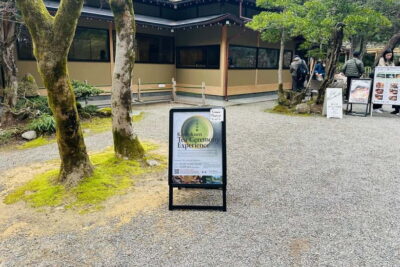


Browse the lists this tea experience appears in