
Review · KYOTO
Kimono Tea Ceremony Experience at Kyoto Oritzuruya, Nishiki
The most memorable part of this Kyoto activity begins before the tea is poured. You choose a kimono from more than 200 patterns, select accessories, and have a staff member dress you in the layered outfit. For women, simple hairstyling and hair ornaments complete the look. It is a friendly, hands-on way to approach Japanese customs without worrying about making a mistake.
I like two things in particular: the staff take real care with the dressing process, including a good range of sizes, and you do not just watch the matcha being made. You also whisk your own bowl and pair it with a Japanese sweet from a long-established confectionery. The main consideration is that the tea ceremony is partly a demonstration, so anyone seeking a long, formal study of tea practice may find the cultural instruction brief.
Key points to know before booking
- Choose from more than 200 kimonos: Staff help you select the colors, sash, cords, sandals, and hair accessories.
- Learn to whisk your own matcha: The instructor demonstrates the ritual, then gives you a chance to prepare and drink your own tea.
- Groups are capped at 10 people: That keeps the activity fairly personal, though dressing can still take time when the room is full.
- Simple hairstyling is included for women: Hairpins and flowers add to the traditional appearance.
- Calligraphy is optional: You can add a lesson and take home your own Japanese character as a souvenir.
- The location is near Nishiki Market: It is easy to combine this 90-minute activity with food stalls and central Kyoto sightseeing.
Choosing a Kimono Near Nishiki Market
Kyoto Orizuruya is at 452 Jūmonjichō in the Nakagyo Ward, close to Nishiki Market and public transportation. The central location matters because you can fit the activity into a morning or afternoon of sightseeing without giving up half a day to transfers.
On arrival, staff check you in and take you to the dressing area. The enjoyable part is choosing your own outfit rather than being handed a standard costume. You can select the kimono pattern, sash, cord, sandals, and hair ornaments. The selection includes many colors and sizes, and the available range has worked well for plus-sized participants who were concerned about finding a comfortable fit.
The outfit is not simply a robe thrown over your clothes. Staff help with the layers and tie everything securely, which gives you a better sense of the work involved in traditional dressing. That process also explains why kimono dressing is an art in its own right. It takes time, and the room can feel busy if several people arrive together.
For women, simple hairstyling is included. You can choose a hairpin, flower, or other decoration, and the staff arrange your hair to suit the kimono. Makeup is not included, so bring your own if you want a more finished look for photographs.
A light, moisture-wicking underlayer is provided according to the activity details. That is a useful touch, especially in Kyoto’s warmer months, when a kimono can feel warm before you even enter the tea room.
More Kimono and Tea Ceremonies in Kyoto
- Kimono Tea Ceremony at Kyoto Maikoya, NISHIKI
★ 5.0 · 911 reviews - Kyoto: Kimono Tea Ceremony at Orizuruya Gion
★ 4.9 · 618 reviews - KYOTO Tea Ceremony with kimono near by Imamiya Jinjya Shrine
★ 5.0 · 343 reviews
The Dressing Process Is Part of the Experience
Do not think of the dressing session as a short prelude that you simply endure. For many people, it is the most playful part of the visit. Several staff members may help at once, and they are attentive about adjusting the outfit and explaining the pieces as they work.
There is usually a small photo session once you are dressed. Staff take a few pictures, and the interior provides an easy backdrop for group and individual photographs. You will want to allow enough time for this instead of treating it as an afterthought.
The practical drawback is pace. The entire activity lasts about 90 minutes, yet dressing, hair, photographs, and the ceremony all need to fit into that window. If the group arrives together, you may spend some time waiting for your turn or for the room to be ready. The group maximum is 10, which is much better than a large bus tour, but it does not mean every minute is private or unhurried.
Wear clothing underneath that is easy to change around. The supplied information does not prescribe a dress code, but simple layers make the process easier. Comfortable shoes are also sensible for getting to the venue, even though you will change into sandals for the kimono portion.
Entering the Tea Room and Learning the Ritual
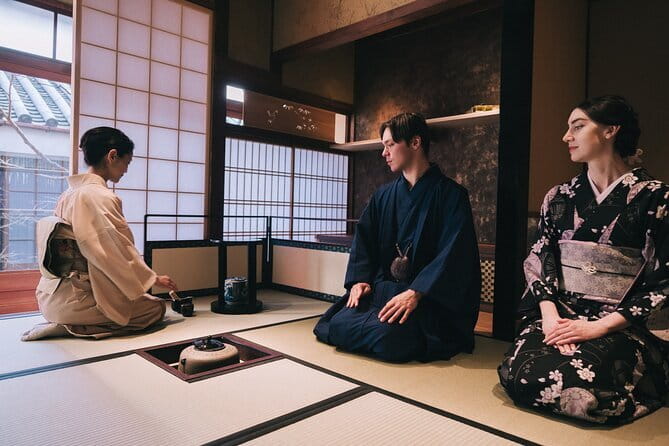
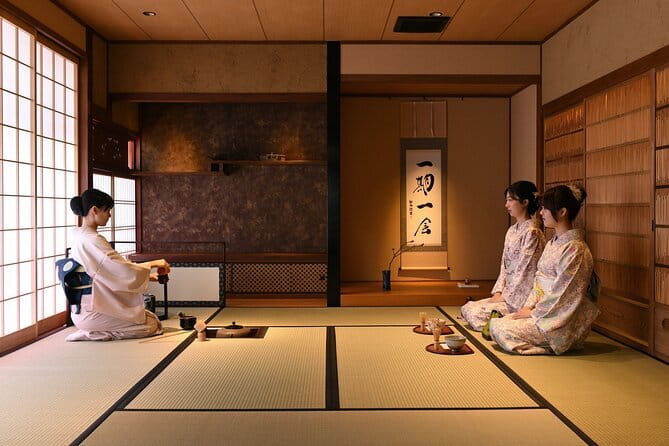
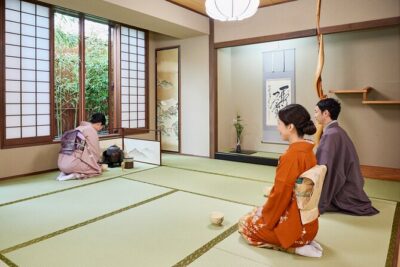
Once dressed, you move into a quiet tea room. The change in mood is noticeable. The colorful dressing area gives way to a more restrained setting, where small gestures and deliberate movements matter.
The instructor explains the cleansing process and the way participants are welcomed into the ceremony. This part gives useful context: tea practice is not only about drinking matcha. The preparation of the room, the purification gestures, and the order of movements all help create a calm setting for host and visitor.
You will watch the instructor perform the main ceremony. This is important to understand before booking. You participate in selected parts, but you are not trained to conduct the full ceremony from beginning to end. The host handles the formal sequence, while you observe the movements and learn what they mean.
Some people will appreciate this arrangement. You can pay attention to the details without worrying about remembering every step. Others may feel the experience is more like a demonstration than a full lesson, particularly if they expected to take part in every ritual.
The instructor also explains the traditional aspects of the ceremony and leaves time for questions. The depth of that explanation can depend on the session and the instructor. If your main goal is a scholarly look at tea schools, Zen practice, or the history of chanoyu, this is probably too short. If you want a clear introduction while wearing a kimono, the format works well.
Making Matcha With a Bamboo Whisk
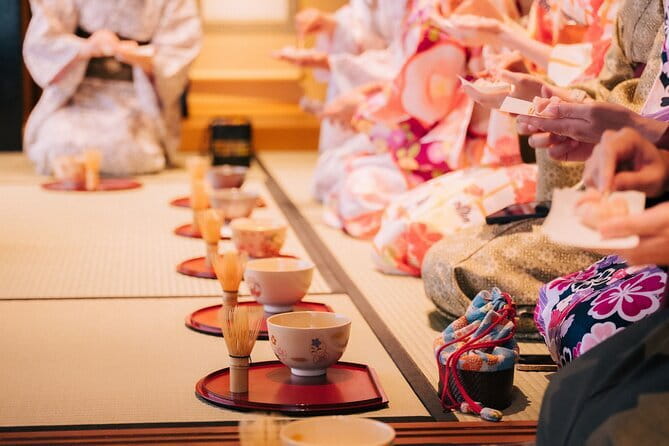
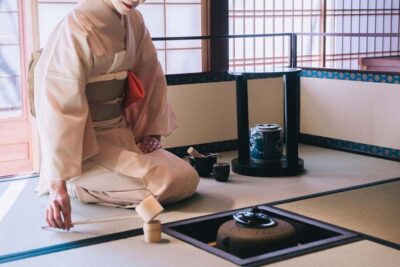
The most hands-on part comes when you prepare your own bowl of matcha. You use a traditional bamboo whisk, called a chasen, and learn the basic technique for mixing and frothing the powdered tea.
This is not difficult, but the result depends on your wrist movement. The instructor shows you how to work the whisk, and you then try it yourself. It gives the ceremony a practical focus and leaves you with a skill you can repeat at home if you buy matcha and a whisk.
The tea is served with wagashi, a Japanese sweet. The sweetness balances matcha’s strong, grassy bitterness and makes the tasting easier for first-time drinkers. The pairing is not a full meal, so eat beforehand if you need lunch. The included snack is best understood as part of the tea custom, not as substantial food.
The ceremony has a calm, almost meditative rhythm. That does not mean every session will feel silent or deeply spiritual. You are in a small group, and the format is designed for first-time participants. Still, the careful motions provide a welcome pause from Kyoto’s crowded shopping streets.
More Tea Ceremonies in Kyoto
- Kyoto: Tea Ceremony in a Traditional Tea House in Kiyomizu
★ 4.9 · 3,519 reviews - Kyoto: Tea Ceremony Ju-An at Jotokuji Temple
★ 4.9 · 3,207 reviews - Kyoto: 45-Minute Tea Ceremony Lesson Experience
★ 4.3 · 2,378 reviews - Kyoto: Table-Style Tea Ceremony at a Kyo-Machiya
★ 4.9 · 1,211 reviews
Optional Calligraphy for a Personal Souvenir
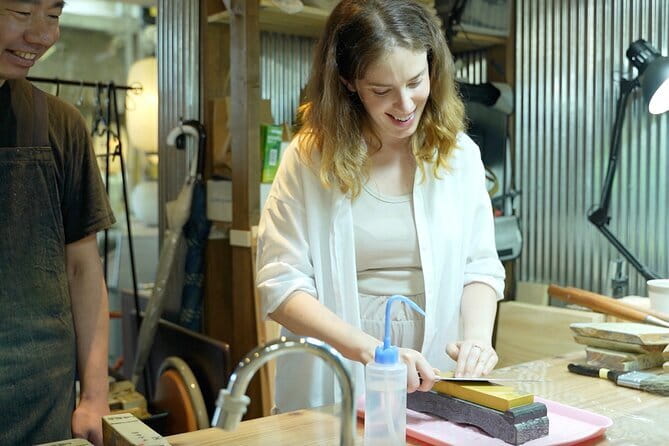
Calligraphy is available as an optional addition. You learn the basics of the art and create your own piece to take home.
This is a good choice if you want more than photographs from the experience. A calligraphy lesson gives the afternoon a personal project, and you leave with something that reflects your own hand rather than a shop-bought souvenir. One participant chose the character for beautiful, but the precise character you create will depend on the lesson and your preference.
The calligraphy option also changes the balance of the visit. The tea ceremony itself is fairly compact, so adding calligraphy gives you more time with an instructor and another cultural activity to remember. Check the price of the add-on when booking, since it is not listed among the included features.
If your schedule is tight, you can skip it and still receive the kimono, hairstyling, tea, wagashi, and matcha preparation. If you enjoy crafts or want a honeymoon keepsake, the extra lesson may be worth considering.
Walking Around Kyoto in the Kimono
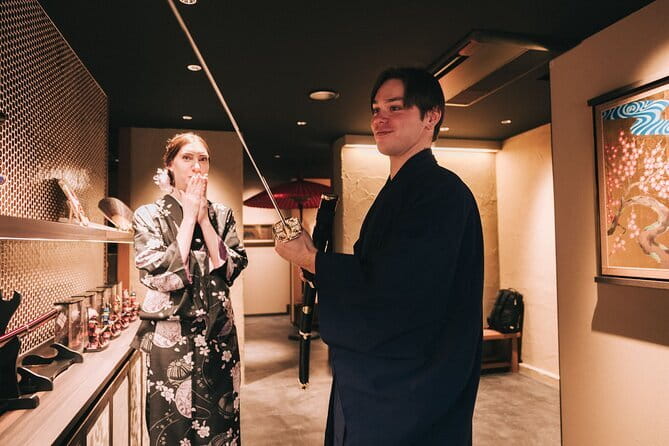
After the ceremony, you may be allowed to continue wearing the kimono outside until the venue closes at 6 p.m. The exact arrangements can depend on the session, so confirm the return time with the staff before leaving.
This adds real value to the activity. Instead of changing immediately after the photographs, you can walk around the Nishiki area and take pictures in the streets. Nishiki Market, nearby shops, and central Kyoto lanes provide plenty of settings for a short stroll.
Keep the outing sensible. A kimono and sandals are not ideal for a long-distance walk, and the tightly wrapped layers may feel restrictive. You also need to return the outfit by the stated closing time. For a few photographs and a short look around the neighborhood, though, this option makes the dressing session feel less staged.
The activity ends back at the meeting point. There is no hotel pickup or drop-off, so you arrange your own way to and from Kyoto Orizuruya. Because the venue is near public transportation, reaching it should be straightforward, but leave time to find the entrance in the narrow central streets.
Who Will Get the Best Value for $50.87?
At $50.87 per person, the price covers more than a cup of tea. You receive the kimono rental, dressing, simple hairstyling for women, tea utensils, wagashi, matcha, a licensed guide, and all listed fees. For a visitor who wants photographs and a cultural activity in one booking, that is a reasonable package.
The value depends on what you expect from the ceremony. If you mainly want to wear a kimono, have your hair arranged, prepare matcha, and take pictures near Nishiki Market, the price is easy to justify. The staff assistance is a large part of what you are paying for, since dressing correctly would be difficult to manage alone.
If your priority is serious tea-study instruction, the value is less certain. The formal tea ritual is demonstrated by the instructor, and your own participation centers on whisking the matcha. You will gain an introduction, not a long apprenticeship.
A 4.9 rating from 116 ratings and a 97 percent recommendation rate indicate that the format works very well for most people. The less enthusiastic experience is useful to keep in mind: it felt too staged and too focused on photographs for someone hoping for greater spiritual and cultural depth. That is not a reason to reject the activity, but it is a reason to book it for the right purpose.
Timing, Comfort, and Small Details
The activity lasts about 1 hour and 30 minutes. Plan extra time around it if you want to walk in the kimono afterward, browse Nishiki Market, or take photographs. The dressing process can be slower than the clock suggests, especially when the group is full.
The maximum group size is 10. That is small enough for the staff to help with clothing and answer basic questions, though you may still wait while other participants are dressed. The experience is not presented as a private tea ceremony.
Seating can be adapted. A participant with bad knees was provided with a small table and chair instead of sitting directly on the floor. If floor seating may be difficult for you, tell the staff when you arrive so they can help.
The activity requires access to the booking website on your smartphone. Open the voucher link, press the Use button, and show the live page to the staff. Screenshots and printed tickets are not accepted, and your phone needs an internet connection.
Free cancellation is available up to 24 hours before the start time for a full refund. Changes inside that 24-hour window are not accepted, and poor weather may lead to a different date or a full refund. You cannot simply change the date after booking without first canceling and booking again.
Who Should Book This Kyoto Tea Ceremony?
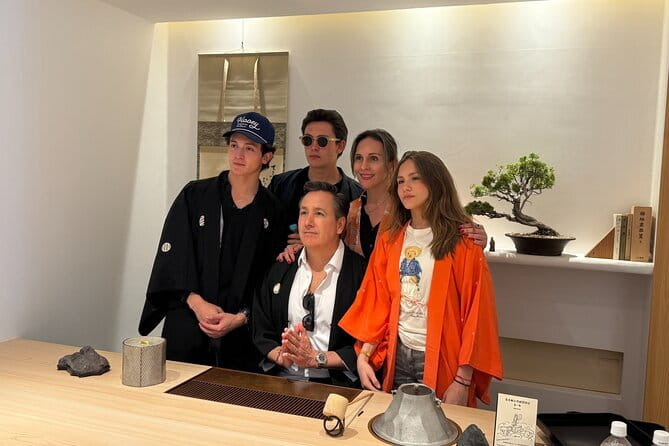
I would recommend this activity to first-time visitors who want a gentle introduction to tea ceremony manners without committing to a long formal lesson. It also suits couples, families, and friends who care about photographs and enjoy trying on traditional clothing.
It works especially well for someone who has always wanted to wear a kimono but does not know how to arrange the layers or accessories. The staff do the difficult work, and you still get to make personal choices about colors, hair ornaments, and styling.
The experience is also a good fit for anyone who wants to add a cultural stop near Nishiki Market. You can combine food shopping, central Kyoto sightseeing, and a tea activity without a long transfer across the city.
I would be more cautious if you want a private ceremony, detailed instruction in Japanese aesthetics, or a full explanation of the spiritual background of tea practice. For that kind of study, seek a longer specialist session. Here, the emphasis is shared participation, dressing, photographs, and a short practical introduction to matcha.
Should You Book It?
Book this experience if you want the pleasure of choosing a kimono, having your hair styled, learning to whisk matcha, and enjoying a sweet in a formal tea-room setting. The friendly staff, broad size range, optional calligraphy, and central location make it an easy addition to a Kyoto itinerary.
Go in with clear expectations. You will watch the instructor perform the main ceremony and take part in the matcha preparation, but you will not conduct the complete ritual yourself. For most visitors, that balance offers a memorable and approachable taste of Japanese culture. For a serious tea student, it may feel too short and too polished for tourists.
FAQ
How long does the Kimono Tea Ceremony Experience last?
The activity lasts approximately 1 hour and 30 minutes.
Where does the activity begin and end?
It begins and ends at Nishiki Orizuruya, 452 Jūmonjichō, Nakagyo Ward, Kyoto, 604-8121, Japan.
How many people can join the activity?
The group has a maximum of 10 participants.
Is hairstyling included?
Simple hairstyling is included for women. Hair accessories such as pins and flowers can be selected as part of the dressing process.
Is calligraphy included in the price?
Calligraphy is an optional session, not one of the listed included features. It allows you to create a piece to take home.
Can I participate in making the matcha?
Yes. The instructor demonstrates how to use a bamboo whisk, and you prepare your own bowl of matcha to drink with wagashi.
What do I need to show when I arrive?
Use the voucher link on your smartphone, press the Use button, and show the page to the staff. Screenshots and printed tickets are not accepted, and your phone must be connected to the internet.
Newly steeped around Kyoto
- Whisk Your Own Matcha: A Zen Matcha Experience at Temple★ 3.6 · 7 reviews
- Uji Walking Tour – Byodo-in temple and Tea Ceremony from Kyoto★ 3.5 · 3 reviews
- Kyoto: Authentic Tea Ceremony in a Small Group★ 5.0 · 7 reviews
- Tea ceremony at Kyoto’s Zen Temple Teahouse★ 5.0 · 2 reviews
- Tea Ceremony Experience in Traditional Kyoto Townhouse★ 5.0 · 19 reviews
- Tea Ceremony in 150 Years Old Townhouse with Tables and Chairs★ 5.0 · 22 reviews
- Sencha-do the Japanese Tea Ceremony Workshop in Kyoto★ 5.0 · 21 reviews
- Silent Beauty of Kyoto Zen Walk and Tea Experience★ 5.0 · 2 reviews
Kimono & Tea Ceremony, compared.

KYOTO Tea Ceremony with kimono near by Imamiya Jinjya Shrine
Read our review →
Kyoto: Kimono and Tea Ceremony Experience at Cultural Asset
Read our review →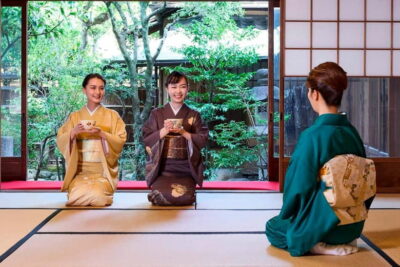
Kyoto: Kimono Tea Ceremony with Matcha and Sweet
Read our review →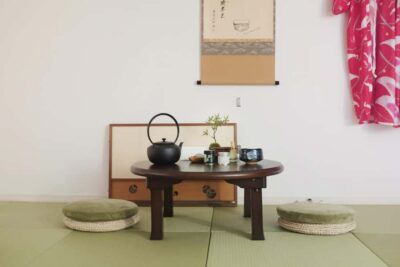
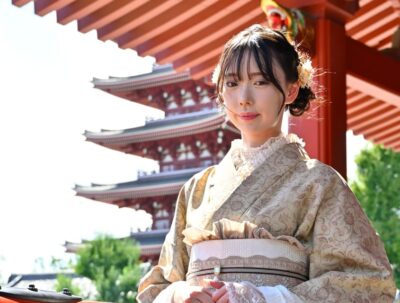
Tokyo: Asakusa Kimono Dressing and Matcha Experience
Read our review →Browse the lists this tea experience appears in