
Review · NARA
Nara:Private Tea Ceremony(Max 5 ppl) -Master Matcha Making-
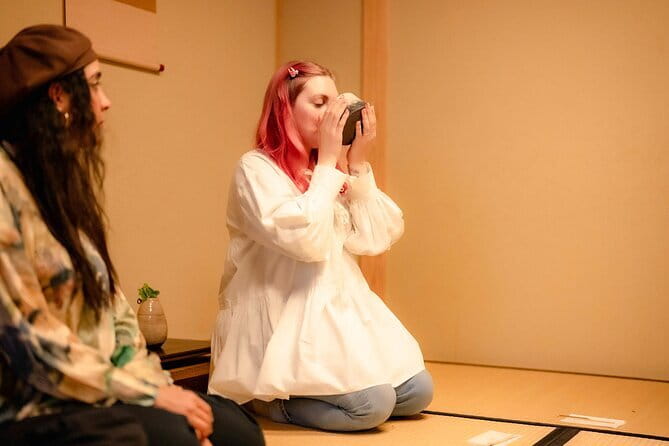
Nara’s tea ceremony is at its best in a small room, not a crowded stage. This private lesson takes place inside a 120-year-old Japanese house, where tea master Mike guides your group through the quiet customs of matcha. You watch his precise preparation, taste two Nara single-origin teas, then make your own bowl with a bamboo whisk.
I like the one-on-one format, which gives you room to ask questions instead of simply copying a guide from across a room. I also like the gentle mix of learning and doing: you hear about etiquette and utensils, then put that knowledge to work. The main consideration is time. At about one hour, this is a focused introduction, not a full-day study of tea culture.
Key points to know before booking
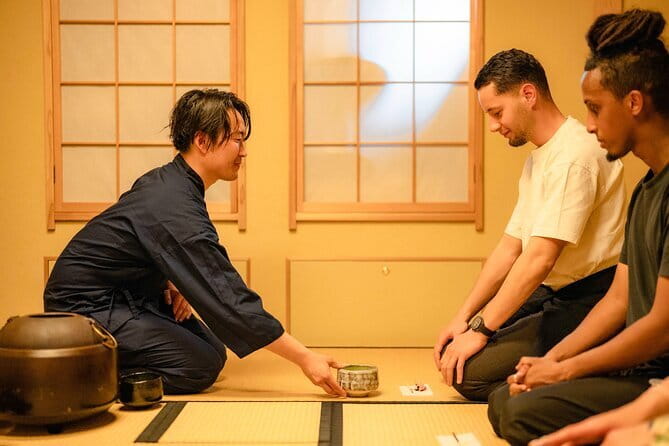
- A 120-year-old house: The setting gives the lesson a sense of place that a modern café cannot match.
- Private groups of up to five: Your party participates alone, so the pace can suit your questions and comfort level.
- Two Nara matchas: You can compare aroma and flavor instead of tasting only one powdered tea.
- Hands-on whisking: You prepare your own matcha with a bamboo chasen after watching the tea master.
- A calm lesson for families: Young children are welcome, and the activity gives teenagers a real task to focus on.
- Simple logistics: Meet at Guesthouse Naramachi, near public transportation, and finish at the same point.
Entering a 120-year-old Nara house
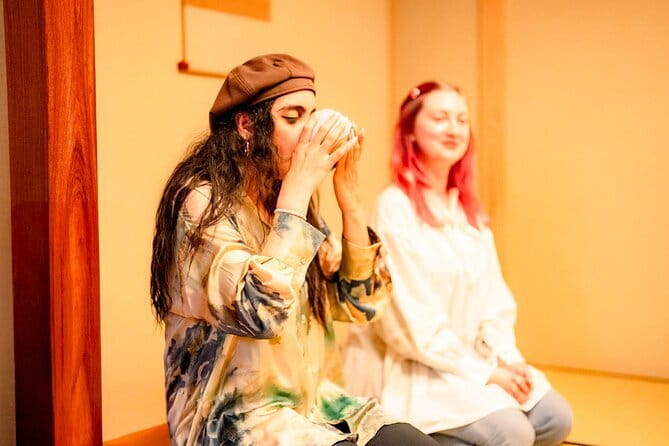
The lesson begins at Guesthouse Naramachi, at 30 Kitakyōbatechō in Nara. The activity both starts and ends here, which keeps the arrangement simple. You do not need to figure out a second meeting place after the tea ceremony.
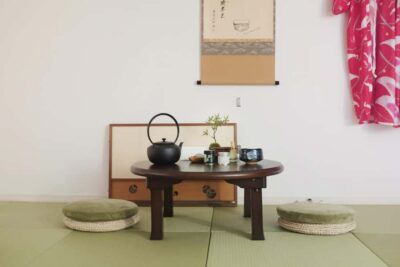
The house is about 120 years old. That detail matters because the room itself helps explain the spirit of the ceremony. Tea is not only about drinking powdered green tea. It is also about entering a quiet space, noticing the utensils, and giving full attention to a short shared moment.
You may find the tea room small and spare. That is part of the point. A tiny room encourages you to slow down and notice things that would be easy to miss in a large public demonstration: the movement of the host, the sound of the whisk, the way the bowl is handled, and the pause before drinking.
This setting also gives the hour a clear contrast with sightseeing around Nara. The city is famous for major sights and busy walking routes, but the tea room asks you to stop moving. I would schedule it after a morning of sightseeing or before an evening meal, when a quiet change of pace feels welcome.
More Private Tea Experiences in Japan
- Private Tea Ceremony and Sake Tasting in Kyoto Samurai House
★ 5.0 · 163 reviews - Tea Ceremony Experience in a Private Tea Room in Shibuya
★ 4.9 · 125 reviews - Kyoto: Private Tea Ceremony with a Garden View
★ 4.9 · 61 reviews
Meeting Mike, your tea master
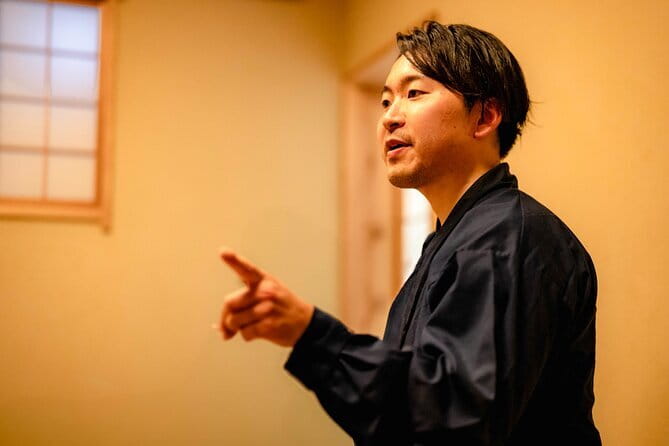
Mike leads the lesson, and the format gives you direct contact with him rather than a performance aimed at a large class. You can ask as many questions as you like, so this is a good choice if you want to understand the reasons behind the actions, not only learn the motions.
The tone is earnest and generous. The lesson is designed to help you feel what the ceremony does, a brief escape from ordinary noise and rushing. That does not mean you need prior knowledge or perfect manners. The basic steps are explained as you go.
You will learn about the history of tea ceremony, the etiquette used in the room, and the proper handling of tea utensils. The exact level of detail can depend on your questions and group, but the private format gives you a better chance to ask about points that interest you.
That personal contact is especially useful for families. A young child may not follow a long lecture, but a child can watch the demonstration, hold a whisk, and take part in preparing a bowl. Teenagers can also engage with the activity because they are not only sitting and observing. One 17-year-old joined his mother and became involved in the ceremony, a useful sign for families looking for something beyond another sightseeing stop.
Watching the tea ceremony demonstration
Before you prepare matcha, you watch the tea master work. This demonstration shows the calm rhythm of the ceremony and gives you a model for your own turn.
Pay attention to the utensils. The experience includes a full set of tea ceremony tools, so you can see how the pieces fit together rather than treating the whisk as an isolated kitchen gadget. You will learn that each movement has a place and that the order of preparation matters.
The demonstration is also where the quiet atmosphere becomes most noticeable. Silence is not an awkward gap to fill. It is part of the experience. You may find yourself paying attention to small sounds and motions that disappear during a normal café visit.
Do not expect a theatrical show. The value is in the care and control of the preparation. Mike’s role is to show you how the process works and explain the customs in a friendly way. If you have questions, ask them. The private setting is made for that exchange.
Comparing two Nara single-origin matchas
You taste two types of Nara single-origin matcha during the lesson. This is one of the most useful parts for anyone who thinks all matcha tastes the same.
Matcha can have different aromas, bitterness, sweetness, and texture. By trying two cups, you get a simple comparison instead of a vague introduction. You can decide which style suits you, and you can ask Mike to explain what you are noticing.
The tasting also gives you a reason to slow down before whisking your own drink. Look at the color, smell the tea, and take small sips. You do not need expert vocabulary. It is enough to notice which matcha seems softer, stronger, more bitter, or more appealing to you.
The experience includes tea or coffee as well as the two matchas, along with a Japanese sweet. The sweet gives you something to eat with the tea and helps make the hour feel like a small hospitality ritual rather than a technical class. The supplied information also refers to brunch, but it does not give a detailed brunch menu, so I would not book this as a full meal replacement.
More Matcha Experiences in Japan:
- World Heritage Kyoto & Nara Uji Authentic Matcha Experience
★ 5.0 · 1,573 reviews - Kyoto: Arashiyama Bamboo Forest, Monkeys, Matcha & Temple Tour
★ 5.0 · 759 reviews - Matcha Making Class in Tokyo with Authentic Japanese Sweets Set
★ 5.0 · 744 reviews - Kyoto: Tea Museum Tickets and Matcha Grinding Experience
★ 4.9 · 739 reviews
Making your own bowl with a bamboo chasen
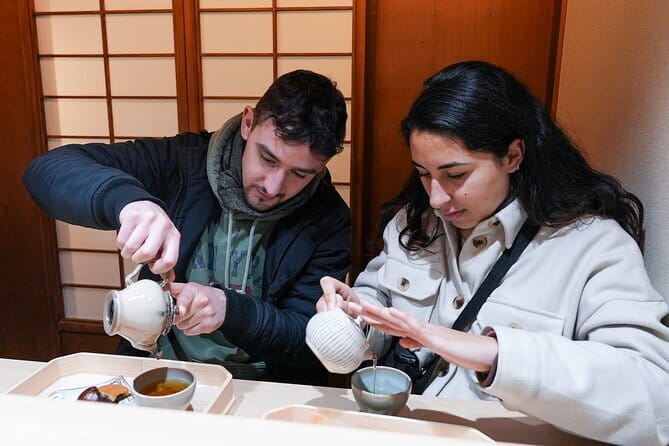
After watching the tea master, you prepare your own matcha. This is the hands-on part, and it turns the lesson from a demonstration into something you can remember and repeat.
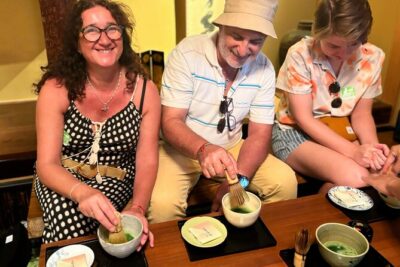
You use a bamboo chasen, the traditional whisk, and follow the preparation method shown by Mike. Whisking takes attention. You need to control your movement and work toward a smooth drink rather than simply stirring powder into water.
The first attempt does not need to be perfect. The point is to feel the process and understand why the whisk matters. You may notice that making matcha by hand creates a different sense of involvement than ordering it at a café.
I like this structure because the lesson builds in the right order. First you see the actions, then you taste the tea, then you try the method yourself. You are not asked to perform without context.
Your bowl is also a small personal test of focus. The activity asks you to concentrate, but it does not feel like a formal exam. That balance makes it suitable for beginners and for people who simply want a calm cultural activity during a Nara visit.
What the private format changes
The maximum group size is five people, and only your own party takes part. That gives the hour a more personal feel than a large group demonstration.
A private group is valuable if you want to ask questions about etiquette, matcha flavor, or the utensils without worrying about holding up a room full of people. It also lets your group share the same pace. A child can take a little time with the whisk, while an adult can ask about the ceremony’s customs.
The format works particularly well for a couple, a small family, or a few friends. You are likely to get more out of the lesson if your group enjoys quiet activities and is willing to listen before taking its turn.
There is one trade-off. A private lesson for up to five costs $50.85 per person, so it is not the cheapest way to buy a matcha drink. You are paying for the setting, the tea comparison, the personal instruction, the utensils, and the chance to make the tea yourself. If you only want a quick cup, a café is better value. If you want a guided cultural activity, the price is easier to justify.
A calm choice for families with children
Families with young children are welcome, which makes this a useful option for a mixed-age day in Nara. Still, the activity involves quiet attention and careful handling of utensils. I would explain that the room is a calm place before arriving.
Children can watch the demonstration, taste the tea and sweet, and whisk their own matcha with help. The hands-on step gives them something concrete to do. It may hold their interest better than a talk with no participation.
Older children and teenagers may appreciate the ritual more than you expect. The experience does not require them to act like tea experts. They can simply learn the basic steps and make a drink with their own hands.
Parents should also keep the one-hour length in mind. It is long enough to feel worthwhile but short enough to fit between other plans. If your child dislikes bitter flavors, the Japanese sweet and the chance to try two matchas can make the tasting more approachable, but no guarantee can be made that every child will enjoy the tea.
Location, timing, and practical planning

The meeting point is Guesthouse Naramachi, 30 Kitakyōbatechō, Nara, 630-8322, Japan. The house is near public transportation, but transportation costs are not included in the activity price. Plan your route before setting out, and allow enough time to find the guesthouse without rushing into the lesson.
The activity lasts about one hour. That makes it easy to fit into a day focused on Nara, but you should not expect an extended ceremony or a long food program. The emphasis is the lesson, tasting, and preparation of your own matcha.
A mobile ticket is available, and booking confirmation arrives at the time of booking. The experience is often booked around 18 days ahead, so reserving early makes sense if your schedule in Nara is tight.
Free cancellation is available if you cancel at least 24 hours before the start time. Cancellations or changes made within 24 hours are not refunded or accepted, and the cut-off follows local time. Keep that rule in mind if you are planning around train connections or a busy sightseeing day.
Who will get the most from this tea lesson
I would choose this experience if you want a quiet cultural activity with real participation. It suits first-time visitors who want a basic understanding of tea ceremony without committing to a long formal course.
It is also a strong choice for couples and small families. The private format means you can share the room with people you know, ask questions freely, and remember the experience as a group.
Matcha fans will appreciate the chance to compare two Nara teas. People who have only tasted sweetened matcha drinks may find the traditional flavor more bitter or grassy, so keep an open mind and use the tasting as a comparison rather than expecting a dessert drink.
I would be less likely to choose it if your main goal is a large, elaborate ceremony with many formal stages. This is a short introduction. Its strength is personal instruction and calm attention, not scale or spectacle.
Should you book this Nara tea ceremony?
Book it if the idea of sitting in a historic Japanese house, learning directly from Mike, comparing two local matchas, and whisking your own bowl sounds appealing. The private setting and small group limit give the hour more personal value than a quick matcha stop.
Skip it if you want a low-cost drink, a full brunch, or a long ceremony. At $50.85 per person, the price makes the most sense when you value the instruction, the utensils, and the chance to take part. For a family, couple, or small group seeking a calm break from sightseeing, this is a thoughtful use of one hour in Nara.
FAQ
Where does the tea ceremony take place?
The activity takes place at Guesthouse Naramachi, 30 Kitakyōbatechō, Nara, 630-8322, Japan.
How long does the activity last?
The tea ceremony and matcha lesson last about one hour.
How many people can join the private activity?
The private group can include a maximum of five people. Only your group participates.
Who leads the lesson?
Tea master Mike leads the lesson and demonstrates how to prepare matcha.
Can children take part?
Yes. Families with young children are welcome.
What will I learn?
You will learn basic tea ceremony history, etiquette, and the proper use of tea utensils. You will also watch a demonstration and prepare your own matcha.
How many matchas will I taste?
You will taste two types of Nara single-origin matcha and can compare their flavors and aromas.
Is transportation included?
No. Transportation fees are not included. The meeting point is near public transportation.
Can I cancel for a full refund?
Yes, if you cancel at least 24 hours before the experience start time. Cancellations or changes made less than 24 hours before the start time are not refunded or accepted.
More Tea Ceremonies in Japan
- Kyoto: Tea Ceremony in a Traditional Tea House in Kiyomizu
★ 4.9 · 3,519 reviews - Kyoto: Tea Ceremony Ju-An at Jotokuji Temple
★ 4.9 · 3,207 reviews - Kyoto: 45-Minute Tea Ceremony Lesson Experience
★ 4.3 · 2,378 reviews - Osaka: Tea Ceremony Experience
★ 4.9 · 1,426 reviews
Newly steeped around Japan
- Yokohama : Tea Ceremony with Sweets and Souvenir★ 5.0 · 5 reviews
- Whisk Your Own Matcha: A Zen Matcha Experience at Temple★ 3.6 · 7 reviews
- Walking Tour: Yanaka,Nezu& Sendagi: Tea Ceremony & Old Tokyo★ 5.0 · 3 reviews
- Visit local home for music and tea ceremony near Disney★ 4.9 · 13 reviews
- Trip to Kamakura & Enoshima: Shrines, Seaside, Temples &Tea★ 5.0 · 11 reviews
- Yokohama: Sushi & Gyoza Cooking with Matcha & GreenTea Experience★ 5.0 · 3 reviews
- Kyoto tea town for matcha lovers★ 5.0 · 16 reviews
- Uji: Private immersion into Kyoto’s tea and reglious culture★ 5.0 · 17 reviews
Matcha Experiences, compared.
World Heritage Kyoto & Nara Uji Authentic Matcha Experience
Read our review →
Matcha Making Class in Tokyo with Authentic Japanese Sweets Set
Read our review →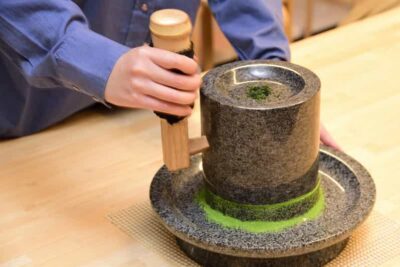
Kyoto: Tea Museum Tickets and Matcha Grinding Experience
Read our review →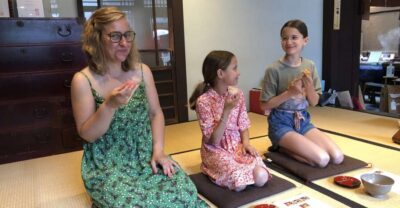
Kyoto: Tea Ceremony Meditation – Make Matcha with Tea Master
Read our review →
Tokyo: Matcha Making Experience with Mochi Sweets in Asakusa
Read our review →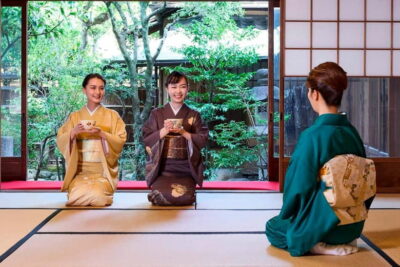
Kyoto: Kimono Tea Ceremony with Matcha and Sweet
Read our review →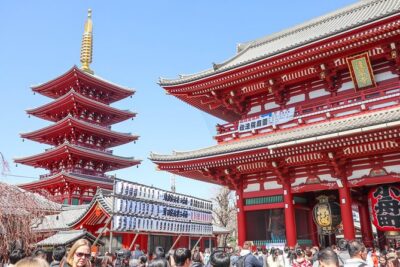
Browse the lists this tea experience appears in