
Review · KYOTO
Kyoto: Private Tea Ceremony with a Garden View
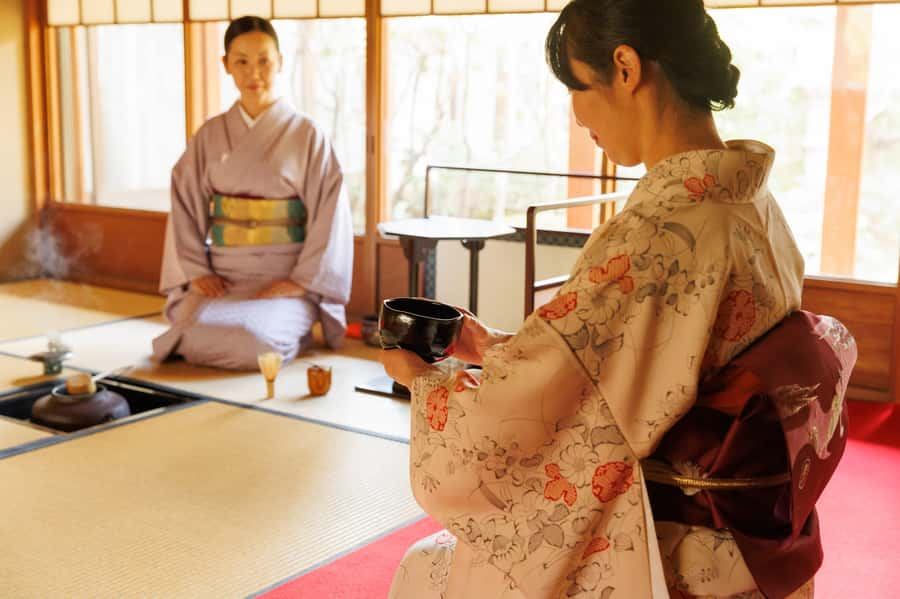
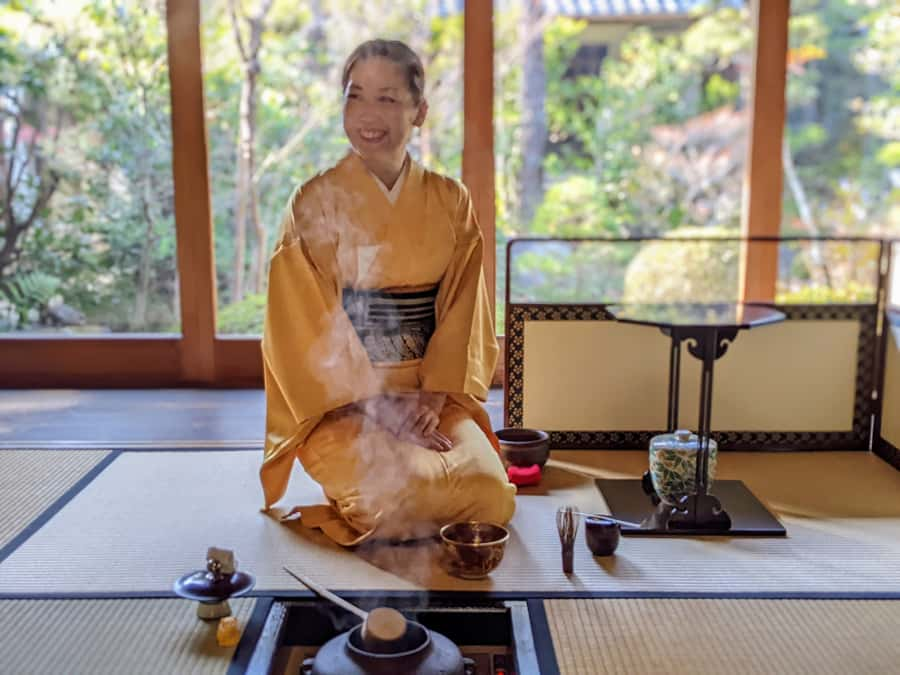
A tea ceremony here is less about putting on a costume and more about finding a quiet corner of Kyoto. You enter a private 100-year-old house across from Ryoan-ji, look over a traditional garden, taste seasonal sweets, and watch each careful step of matcha preparation. Then you make a bowl yourself.
I like the setting and the personal format. You have the house to yourself, with no large group crowding the tearoom. I also like the practical welcome: the instructor explains the cultural meaning behind the ritual in English, and chairs and tables are available if sitting on the floor is difficult.
The main consideration is price. At $116 per person for one hour, this is not a casual cup of tea. You are paying for privacy, the historic property, a personal instructor, and a carefully presented experience. If you only want to sample matcha, a less expensive tea stop may suit you better.
Key points to know before booking
- Across from Ryoan-ji: Find the house beside a small downhill path from the Ryoan-ji Mae bus stop.
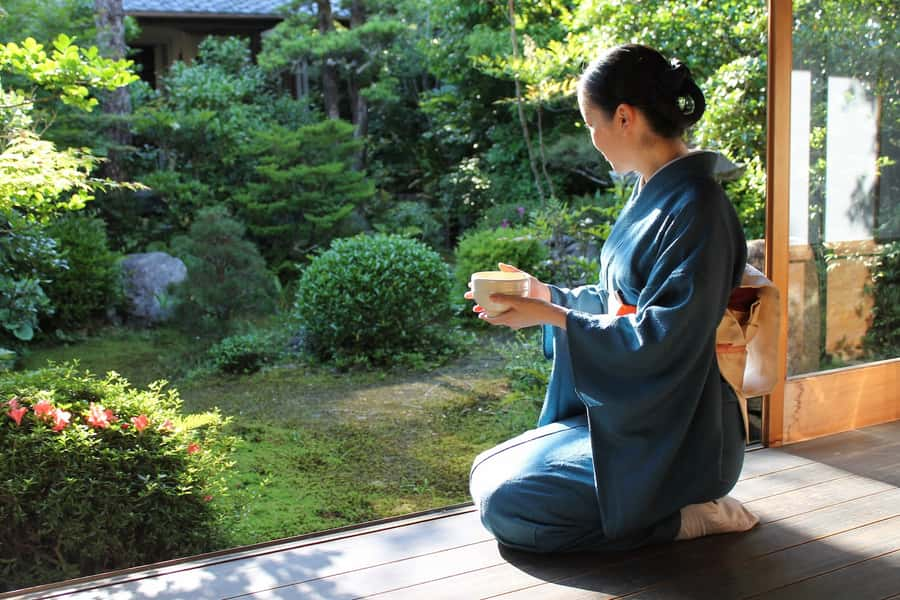
- Two garden views: The introduction takes place beside the front garden, followed by tea in a room facing the main garden.
- Your own bowl of matcha: After watching the ceremony, you whisk tea yourself with the provided tools.
- Seasonal sweets included: The sweets are vegan, gluten-free, and nut-free.
- Private and accessible: The house is reserved for your group, with chairs, a toilet, and wheelchair access.
- Good temple-day pairing: Ryoan-ji, Ninna-ji, Kinkaku-ji, and Myoshin-ji are all nearby.
A quiet house across from Ryoan-ji
The location gives this experience much of its appeal. Camellia Garden sits across the road from Ryoan-ji, one of Kyoto’s best-known Zen temples. After the temple crowds and gravel paths, stepping behind a high wall into a private house feels like a sharp change of pace.
From the Ryoan-ji Mae bus stop, look for a small path that leads slightly downhill toward a residential street. The house is the first one on your right. The high wall makes it easy to miss if you are rushing, so give yourself a few extra minutes.
You can also reach the teahouse in less than ten minutes from Ryoanji-eki station on the Keifuku Randen tram line. That line is useful for several western Kyoto stops, including Hakubaicho near Kitano Tenmangu, Arashiyama, and Shijo Omiya.
This is not a central Kyoto activity that you squeeze between Nishiki Market and Gion. It works best as part of a western Kyoto day. Visit Ryoan-ji first, then walk or take local transport to Ninna-ji or Kinkaku-ji. The tea ceremony gives your day a slower middle section.
More Private Tea Experiences in Japan
- Private Tea Ceremony and Sake Tasting in Kyoto Samurai House
★ 5.0 · 163 reviews - Kyoto Private Tea Ceremony with Tea Master at Home
★ 5.0 · 58 reviews - Stunning Private Tea Ceremony: Camellia Garden Teahouse
★ 5.0 · 28 reviews
The opening: sweets and tea culture by the front garden
The session begins in a sofa room overlooking the front garden. This is a thoughtful choice for visitors who may not be used to the formal posture of a tea room. You can sit normally while your instructor gives a short introduction to matcha, the tea ceremony, and the ideas behind the movements.
The explanation matters. Without context, a tea ceremony can look like a series of beautiful gestures with rules you do not understand. Here, you learn why the host handles the bowl, whisk, sweets, and utensils with such care. The focus is not only on drinking tea, but also on attention, hospitality, seasonality, and respect for the space.
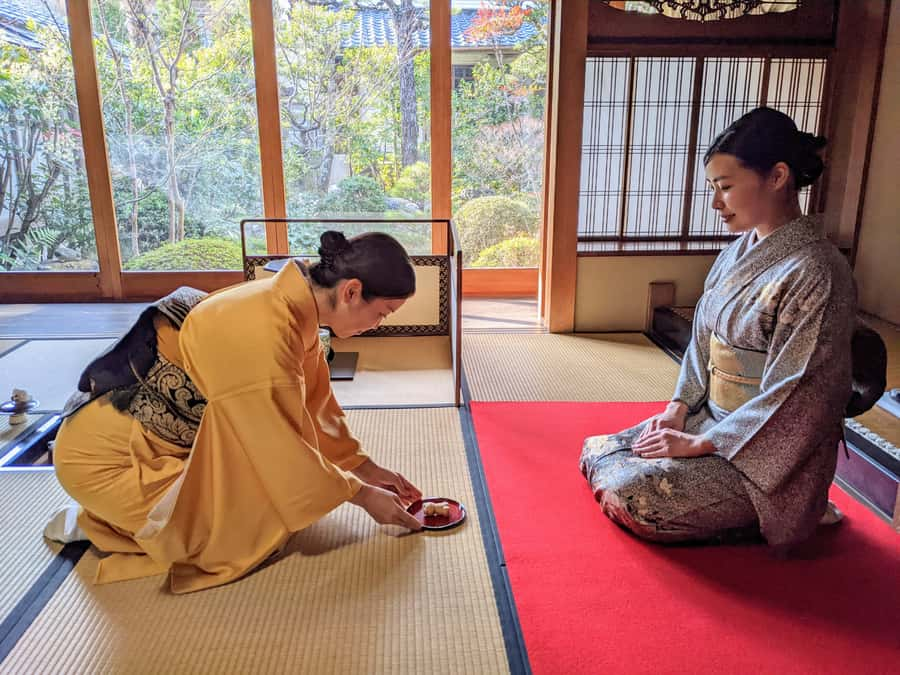
You are served seasonal sweets from one of Kyoto’s well-known confectioners. These are not an extra purchase, and they are made without gluten, nuts, or animal products. That makes the tasting easier for many people, though you should still mention any special needs when you book.
The sweets are meant to prepare your palate for the matcha. Their sweetness gives the tea a stronger, more balanced taste. You also get a small introduction to an important part of Japanese tea culture: the sweet is not simply a snack placed beside your drink.
The tearoom and the main garden
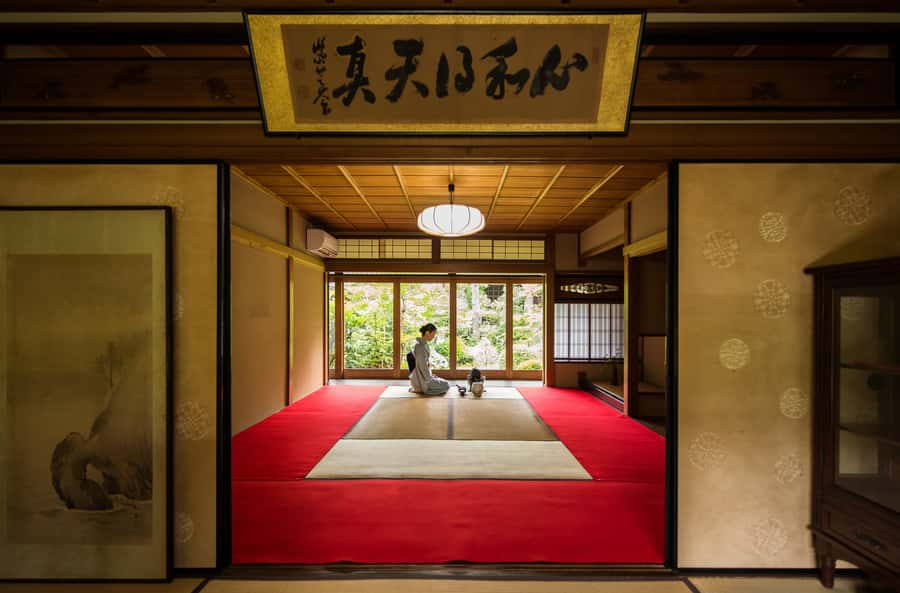
After the introduction, your host takes you into the tearoom. This room faces the main garden, giving you a natural view while the ceremony is performed.
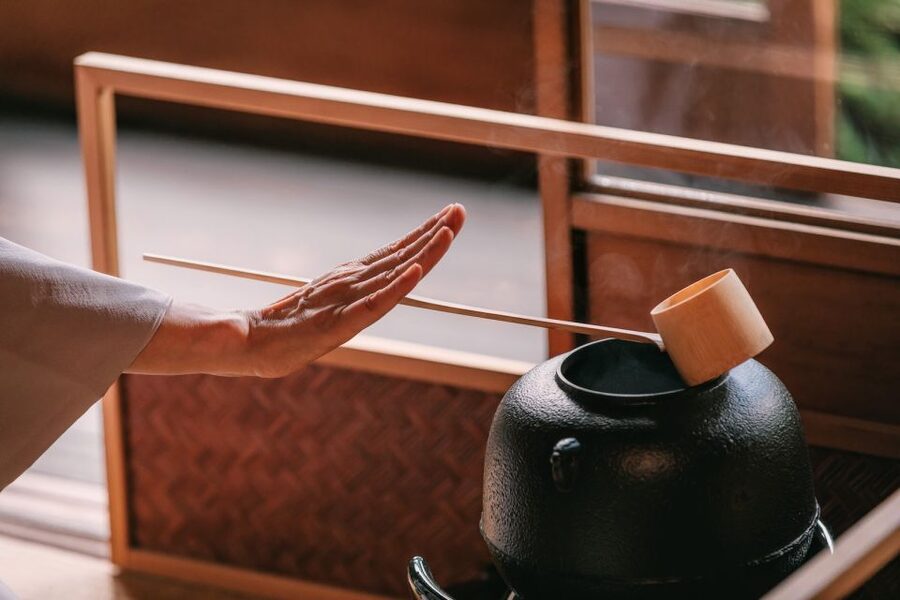
The appeal here is restraint. You are not being rushed through a line, and you are not trying to see past other people’s shoulders. The private setting gives you time to notice the small movements: how the tea bowl is placed, how the water and matcha come together, and how the utensils are handled.
The ceremony is formal, but the experience is designed for visitors. Your English-speaking instructor explains what is happening and gives you room to ask questions. That makes this a better choice than a silent demonstration if you want cultural background rather than photographs alone.
The tea room uses traditional floor seating, but chairs are available. This is an important detail for anyone with stiff knees, limited mobility, or no desire to sit in the Japanese kneeling position. You do not need to force yourself into an uncomfortable posture to take part.
Photos are allowed throughout the experience, but flash must be turned off. Video recording is not allowed. The restriction helps protect the calm of the ceremony, and it means you should think of this as a personal cultural experience rather than a filming opportunity.
Making your own bowl of matcha
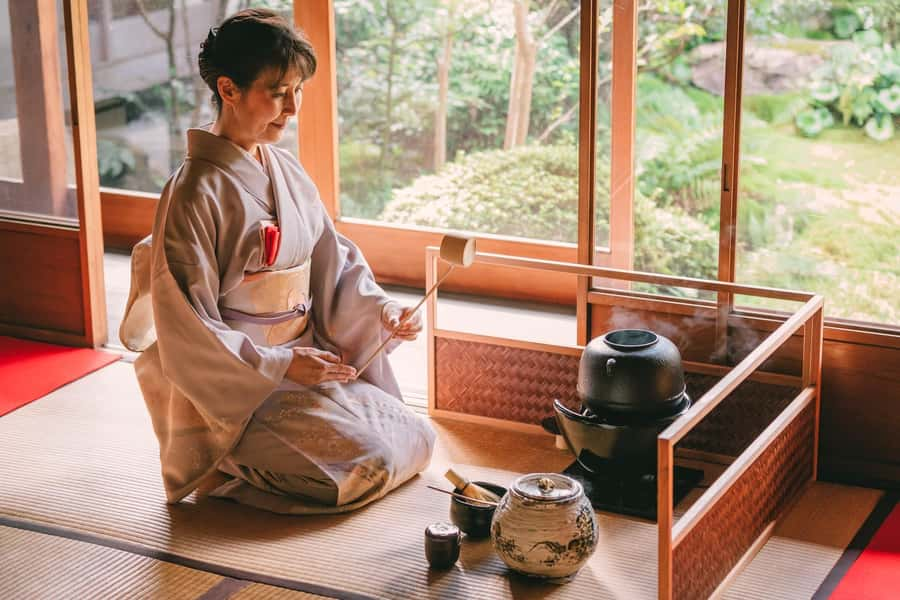
The most engaging part comes after you have watched the instructor. You receive the tools and make your own bowl of matcha.
You are not simply handed a drink with a quick explanation. The session lets you take part in the preparation, which helps the ceremony make sense. You can feel how the whisk works, see how the powder changes in the water, and ask questions while you prepare the tea.
Do not expect your first bowl to look like a professional tea master’s. That is part of the point. The activity is hands-on, but not competitive. Your instructor can guide you through the process, and you have time to enjoy the result rather than being pushed immediately out the door.
This final step also makes the experience a good fit for families and first-time visitors, provided children can manage a quiet one-hour activity. It gives you something to do rather than requiring you to remain a passive observer.
You also have time for photographs and questions at the end. That matters because the ceremony itself has a set rhythm. The question period lets you return to anything that seemed unfamiliar, from the role of the sweets to the meaning of specific gestures.
More Private Tea Experiences in Kyoto
- KYOTO: Private Tea Ceremony in Hidden Townhouse (Kid-Friendly)
★ 5.0 · 20 reviews - Kyoto Private Tea Ceremony at a Japanese Inns
★ 5.0 · 12 reviews - Kyoto Private Tea Ceremony at a Japanese Inns
★ 5.0 · 3 reviews - Kyoto Newly Opened Private Tea Ceremony – Sanjo Chasuian
★ 5.0 · 2 reviews
What the $116 price really covers
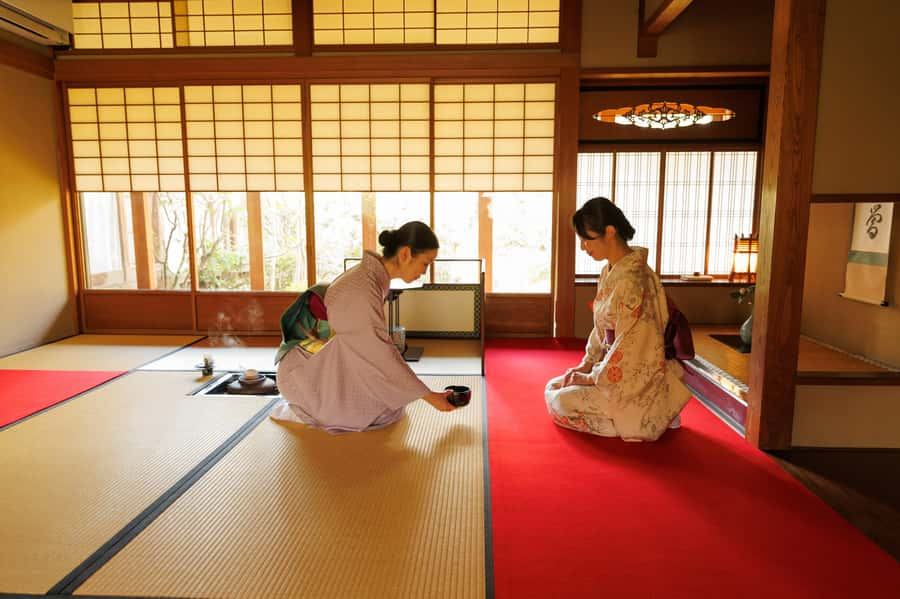
At $116 per person, the experience sits well above the cost of ordering matcha in a café. The value comes from the full setting rather than the drink itself.
You are paying for a private group, a personal English-speaking instructor, access to a historic house, two garden views, seasonal sweets, matcha, and all the equipment needed to prepare tea. The house is reserved entirely for your group during the session, which is a major difference from a public demonstration.
The one-hour length is both a strength and a limitation. It is short enough to fit into a busy sightseeing day, especially around Ryoan-ji and Kinkaku-ji. But if you want a long lesson in tea history or a full half-day cultural program, this will feel brief.
I see the price as reasonable for a special occasion, a first visit to Kyoto, or a small private group that values peace and personal attention. It is less convincing for a solo budget visitor who mainly wants to taste matcha.
The activity also avoids several possible extra costs. Matcha, sweets, utensils, and instruction are included. Transportation, meals, and kimono rental are not. You do not need a kimono to take part, and adding one is not part of the promise here.
Access, comfort, and practical details
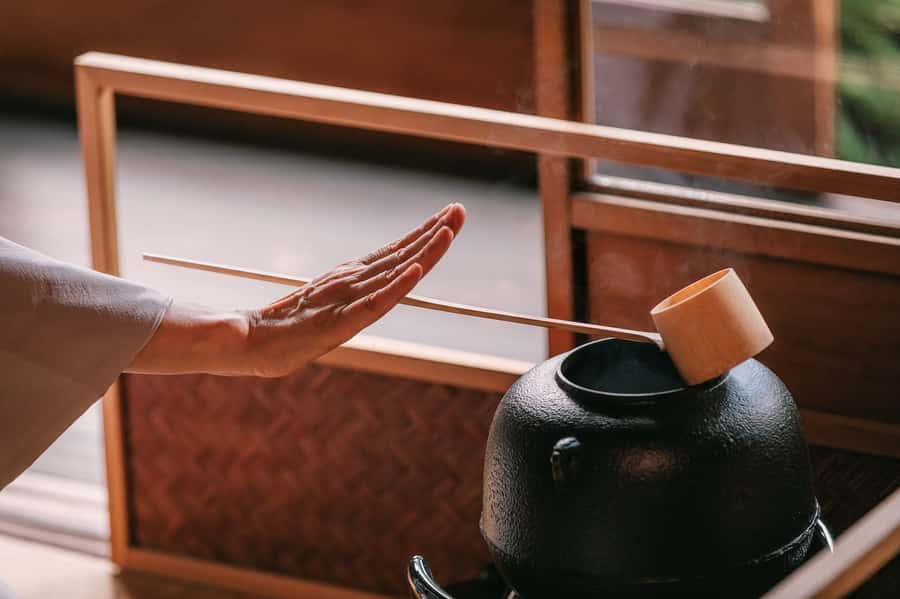
This is one of the more accommodating tea ceremony options in Kyoto. The teahouse is wheelchair accessible, chairs and tables are available, and a toilet is provided. If you have specific mobility needs or other requirements, contact the provider before your visit.
There is one parking space available for the length of the tea ceremony. That is useful if you are driving, but it is only one space, so you should arrange it in advance rather than count on finding room when you arrive.
Public transportation to central Kyoto is a short walk away. The Randen tram provides access to western Kyoto, while buses serve the temple district. A taxi can also be arranged, so ask when you arrive if you need help leaving.
The meeting point deserves attention. This is a residential setting, not a large attraction with a prominent ticket office. From the bus stop, follow the small path downhill, then look for the first house on the right. Arriving early will help you avoid a hurried search.
The activity is offered in English and is run as a private group. Guides and translators may join as an additional person at no charge. That can be useful if someone in your party needs language support.
How to fit it into a western Kyoto day
The easiest plan is to combine the tea ceremony with nearby temple visits. Ryoan-ji is directly across the road, so it should be your first stop or your final stop before tea.
Ninna-ji is also within walking distance, as is Kinkaku-ji, the Golden Pavilion. Myoshin-ji, Kyoto’s largest Zen complex, is close by as well. The distances between these sites can make a full day on foot tiring, so use buses or the Randen tram when helpful.
A sensible order is Ryoan-ji, the tea ceremony, then Ninna-ji or Kinkaku-ji. The quiet hour in the tea house can break up a temple-heavy day. It also gives you a set appointment, which can keep your sightseeing from becoming a loose list of places you rush through.
The ceremony lasts one hour, but allow extra time to locate the house. The published start times vary, so check availability when choosing your date. Free cancellation is available up to 24 hours before the experience, and you can reserve while postponing payment, which helps if your Kyoto schedule is still shifting.
Who will appreciate this tea ceremony most
I would recommend it to you if you want a private cultural experience rather than a quick demonstration. It suits couples, families, friends, and small groups who value a peaceful setting and the chance to ask questions.
It is also a strong choice for visitors who have already seen several major temples and want to understand a different part of Kyoto’s culture. The house itself is part of the experience, and the garden views give the ceremony a sense of place.
People with mobility concerns should pay attention to the chairs, tables, and wheelchair access. You should still contact the provider with detailed requirements, but the available arrangements make this more practical than many traditional floor-based activities.
I would hesitate to recommend it if your schedule is tight, your budget is very limited, or you are looking for a full kimono-and-photography package. Kimono is not included, and the ceremony is centered on tea, explanation, and participation.
Should you book it?
Book this if you want one calm, well-supported hour near Kyoto’s western temples. The private house, garden views, seasonal sweets, and chance to prepare your own matcha give the experience more substance than a simple café visit.
Skip it if $116 feels too high for a one-hour activity or if you mainly want a drink. For the right visitor, though, the cost buys privacy and a personal introduction to tea culture in a setting that is hard to recreate on your own.
FAQ
Where does the tea ceremony take place?
Camellia Garden is across the road from Ryoan-ji temple in Kyoto. It is the first house on the right after a small path leading downhill from the Ryoan-ji Mae bus stop.
How long does the experience last?
The tea ceremony lasts one hour.
Is the experience private?
Yes. The activity is offered as a private group, and your group has the house completely to itself during the experience.
Is the instruction offered in English?
Yes. The instructor speaks English.
What food is included?
Traditional seasonal sweets are included. They are vegan, gluten-free, and nut-free.
Do I make my own matcha?
Yes. After watching the tea ceremony, you have the opportunity to prepare your own bowl of matcha using the provided equipment.
Can I sit on a chair instead of the floor?
Yes. Chairs and tables are available for people who find floor seating difficult.
Is the teahouse wheelchair accessible?
Yes. The teahouse is wheelchair accessible. You should contact the provider in advance with any specific requirements.
Can I take photographs or record video?
You can take photographs if you turn off the flash. Video recording is not allowed.
More Tea Ceremonies in Kyoto
- Kyoto: Tea Ceremony in a Traditional Tea House in Kiyomizu
★ 4.9 · 3,519 reviews - Kyoto: Tea Ceremony Ju-An at Jotokuji Temple
★ 4.9 · 3,207 reviews - Kyoto: 45-Minute Tea Ceremony Lesson Experience
★ 4.3 · 2,378 reviews - Kyoto: Table-Style Tea Ceremony at a Kyo-Machiya
★ 4.9 · 1,211 reviews
Newly steeped around Kyoto
- Whisk Your Own Matcha: A Zen Matcha Experience at Temple★ 3.6 · 7 reviews
- Kyoto: Authentic Tea Ceremony in a Small Group★ 5.0 · 7 reviews
- Tea ceremony at Kyoto’s Zen Temple Teahouse★ 5.0 · 2 reviews
- Uji Walking Tour – Byodo-in temple and Tea Ceremony from Kyoto★ 3.5 · 3 reviews
- Tea Ceremony Experience in Traditional Kyoto Townhouse★ 5.0 · 19 reviews
- Tea Ceremony in 150 Years Old Townhouse with Tables and Chairs★ 5.0 · 22 reviews
- Sencha-do the Japanese Tea Ceremony Workshop in Kyoto★ 5.0 · 21 reviews
- Silent Beauty of Kyoto Zen Walk and Tea Experience★ 5.0 · 2 reviews
Private Tea Experiences, compared.
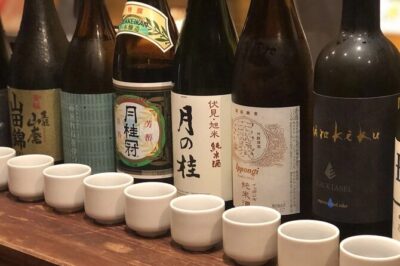
Private Tea Ceremony and Sake Tasting in Kyoto Samurai House
Read our review →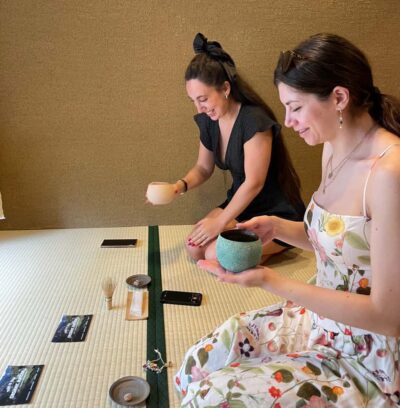
Tea Ceremony Experience in a Private Tea Room in Shibuya
Read our review →
One-Day Hangzhou Dragon Well Tea Culture & West Lake Private Tour
Read our review →
Kyoto Private Tea Ceremony with Tea Master at Home
Read our review →
Osaka: Private Tea Ceremony and Calligraphy Experience
Read our review →
Private Tour: Royal High Tea At Kensington Palace Gardens
Read our review →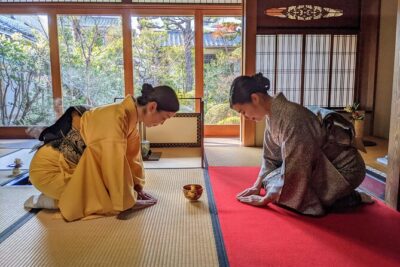
Stunning Private Tea Ceremony: Camellia Garden Teahouse
Read our review →
Private tour from Auckland – Waitomo Glowworm Caves, Zealong Tea & Kiwi Bird
Read our review →Browse the lists this tea experience appears in