
Review · OSAKA
Cultural Cooking Class Featuring Ramen Sushi and Tea Ceremony
Osaka is Japan’s food city, and this class takes that idea into a real home kitchen. You’ll sit through a matcha tea ceremony, prepare sushi and ramen with Katsuji, and finish with calligraphy he draws for you by hand.
I like the personal setting and the mix of food with customs. I also like that the class is small, capped at 10 people, and led by Katsuji, who has more than 30 years in the food industry. The main catch is that the ramen noodles are ready-made, so you’ll make the dish from scratch but not the noodles themselves.
Key Points to Know Before You Book
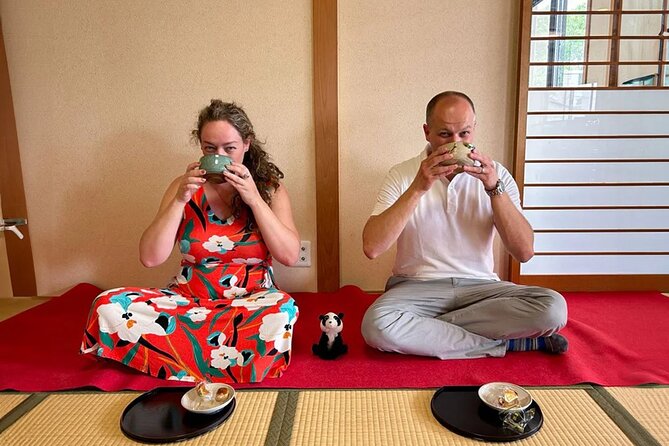
- Tea ceremony in Katsuji’s own home: Learn the basic customs while drinking hand-whisked matcha in an authentic tearoom.
- Two Japanese dishes in one class: Prepare sushi and ramen, then sit down to enjoy what you have made.
- A warm, hands-on host: Katsuji teaches, jokes, and guides the group through the cooking.
- Calligraphy to take home: Your souvenir is a custom hand-drawn piece made by Katsuji.
- Small group, minimum two people: The class accepts no more than 10 people, but solo bookers must pay for two places.
- Useful dietary flexibility: Halal, vegetarian, and pescetarian diets can be accommodated if you give advance notice.
A Food Class With a Personal Osaka Setting
This is not a quick demonstration where you watch someone else cook. You take part in the work, from preparing ingredients to shaping sushi and assembling ramen. The setting matters, too. Instead of a restaurant dining room, you visit Katsuji’s home in Inazucho, Toyonaka, in Osaka Prefecture.
That home setting gives the class a more personal feel. You get a look at a Japanese tearoom and kitchen in the same visit, with one host guiding the full experience. For someone interested in everyday food customs, this can be more useful than a polished restaurant meal alone.
The class lasts about three hours. That is enough time to move at an easy pace, learn the tea ceremony basics, cook two dishes, eat, and receive the calligraphy souvenir without turning the afternoon into a full-day commitment.
Katsuji brings more than 30 years of food-industry experience, but the tone is meant to be friendly rather than stiff. His habit of making jokes helps take the pressure off, especially if this is your first time handling sushi ingredients or preparing Japanese food.
More Tea Ceremonies in Osaka
- Osaka: Tea Ceremony Experience
★ 4.9 · 1,426 reviews - Tea Ceremony Experience in Osaka Doutonbori
★ 5.0 · 754 reviews - Osaka: Tea Ceremony, Calligraphy, and Kimono Experience
★ 4.9 · 130 reviews
Starting With Matcha and Tea Ceremony Customs
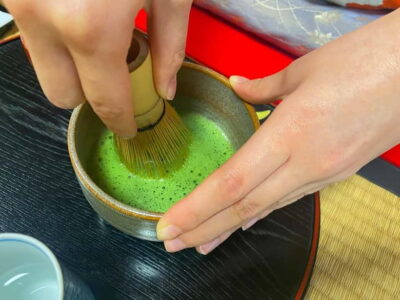
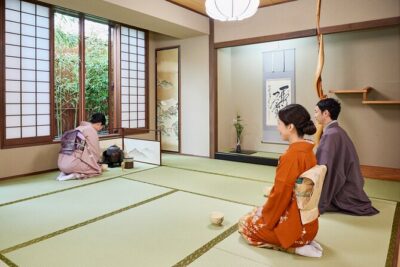
The first major part of the class takes place in an ancient Japanese-style tearoom. You learn the basic flow of a Japanese tea ceremony and drink matcha prepared with a bamboo whisk.
You should not expect an extended formal ceremony with every possible rule. The activity is designed as a practical introduction, giving you a chance to understand the movements, setting, and manners behind the ritual. That makes it a good fit if you want cultural context but do not want to spend an entire morning at a specialist tea school.
The tea ceremony also sets a calmer pace before the cooking begins. You can sit, watch Katsuji demonstrate the process, and ask questions before moving into the kitchen. That change from quiet tea ritual to active food preparation is one of the class’s best features.
Matcha can taste grassy and strong if you are used to sweetened tea. The included drink and hand-whisked preparation make this more than a standard café stop, but the experience is still centered on participation rather than simply having a cup served to you.
Making Sushi From Scratch
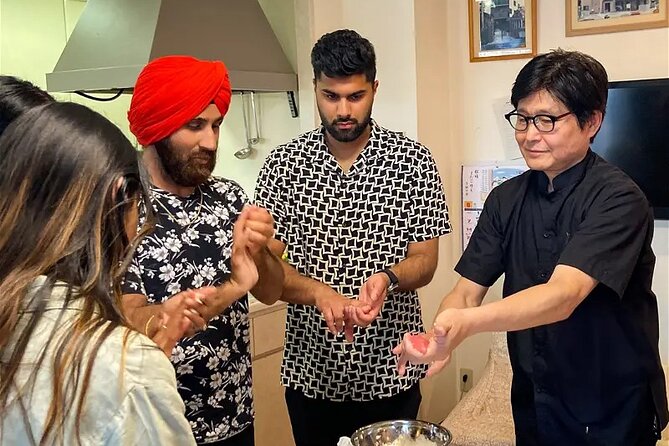
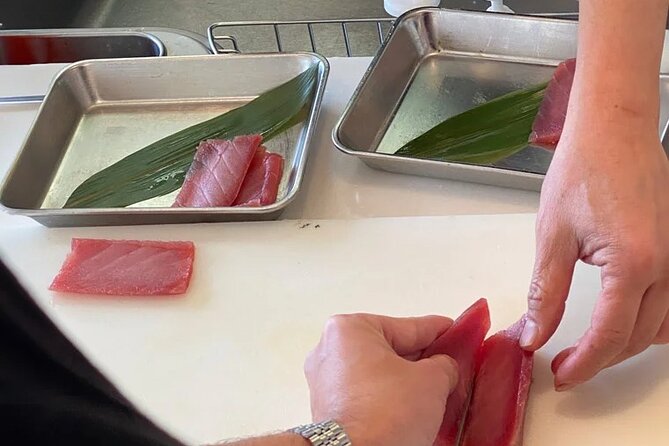
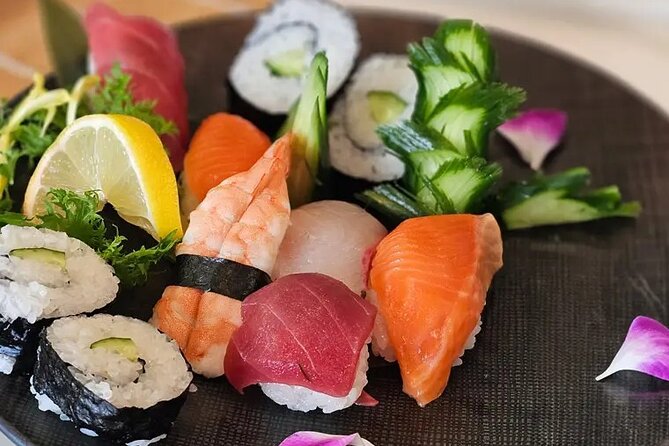
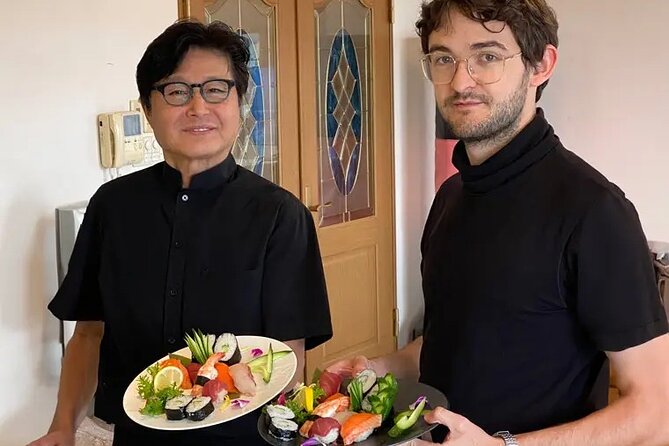
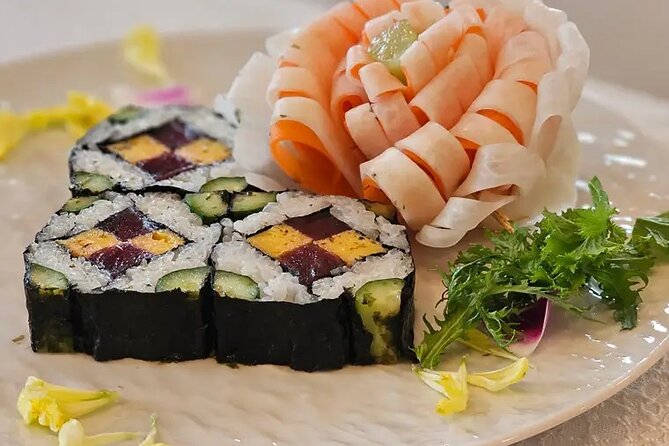
After the tea ceremony, you head to the kitchen to prepare sushi. The important point here is that you are not merely eating a finished plate. You work with ingredients, learn the basic preparation, and make the dish under Katsuji’s direction.
For a first-time sushi maker, the value is in seeing how simple ingredients become a complete meal. You can ask for help as you work, and the small group limit means the instruction should feel more direct than it would in a large cooking school.
One especially useful detail is that the food is made for eating during the class. You are not preparing a decorative sample that gets cleared away. You cook, sit down, and enjoy the results as part of the visit.
The class may suit a wide range of cooking abilities. The supplied information does not promise advanced knife skills or specialist sushi techniques, so you should book it for an approachable introduction rather than professional training. If you have never made sushi before, that is likely a strength. If you already make sushi often, the home setting and tea ceremony may be more interesting than the cooking lesson itself.
Preparing Ramen, With One Important Limitation
Ramen is the second main dish. You help prepare the soup and assemble the meal, using the ingredients supplied for the class. This gives you a chance to understand the basic parts of the dish and how they come together in a bowl.
There is one clear limitation: the noodles are ready-made. You will not knead, stretch, or cut noodles from flour. That detail matters if you are seeking a full from-scratch ramen workshop.
Still, ready-made noodles do not make the cooking portion pointless. Ramen depends on more than noodles. The broth, toppings, seasoning, and final assembly all shape the meal, and those are the elements you will work with during the class. You simply need to arrive with the right expectation: this is a Japanese home-cooking lesson, not a noodle-making course.
Making ramen and sushi in the same three-hour class gives you useful variety. Sushi teaches one style of preparation, while ramen offers a warm bowl-based dish with a different set of steps. You also get a proper meal at the end rather than a small tasting.
Same leaf, a different ritual:
- Matcha Making Class in Osaka with Authentic Japanese Sweets Set
★ 5.0 · 509 reviews - Osaka: Matcha Making Experience with Japanese Sweets
★ 5.0 · 146 reviews - Osaka: Japanese Traditional Sweets Making and Tea Ceremony
★ 4.7 · 118 reviews - Osaka Temple Cool Foot Bath & Matcha Experience〈45min〉
★ 4.9 · 82 reviews
Eating What You Prepare
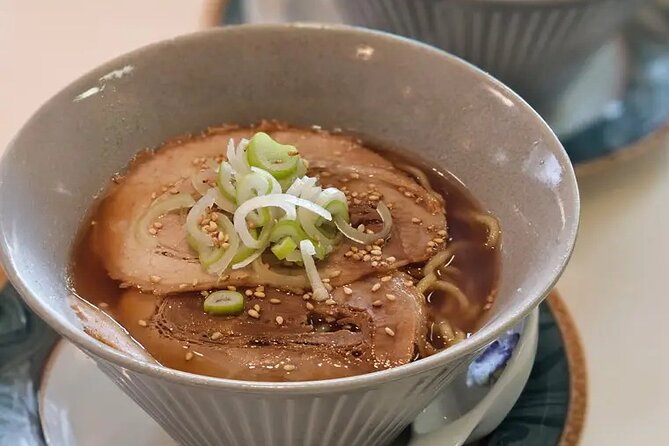
The meal is built into the class, with ingredients and a drink included. That makes the $73.98 price easier to assess. You are paying for three hours of instruction, a tea ceremony, two dishes, food, an apron rental, and a personal souvenir.
Compared with paying separately for a meal and a cultural activity in Osaka, the package offers a fair amount. The price is less attractive if you only want to eat sushi and ramen, since restaurants can handle that with less time and effort. Its value comes from making the food, learning from a local host, and having a cultural activity wrapped into the same visit.
I also like that the meal gives the class a clear payoff. You do not spend the entire session watching demonstrations or carrying home a recipe sheet. You use the ingredients in front of you and eat the finished dishes soon after preparing them.
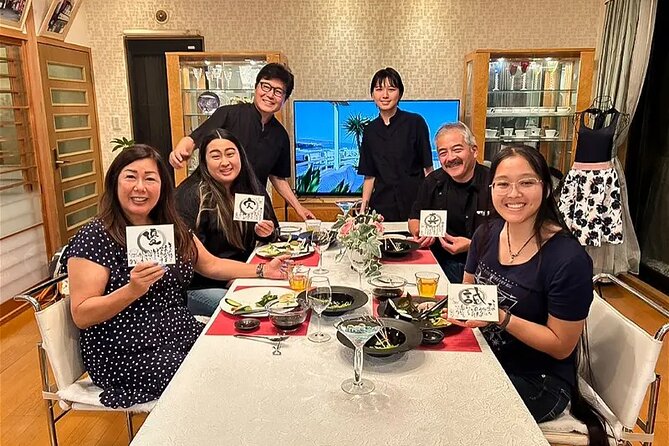
The class is listed with a maximum of 10 people. That is small enough to keep the session from feeling like a mass-market food event, though the exact atmosphere will depend on how many people book on your date. Two people are required for a booking, so solo visitors must purchase two slots. Couples, friends, and families who meet the minimum will find the format easier.
The Calligraphy Souvenir
Before you leave, Katsuji provides custom hand-drawn calligraphy as a souvenir. This is a more personal keepsake than a generic kitchen item or printed certificate, since it is made by the host during your visit.
You should not expect to choose from a stated catalog of designs or receive a formal lesson in calligraphy. The main appeal is taking home a small piece of Japanese art linked to this particular class and host.
For visitors with limited luggage space, it is also a practical souvenir. It does not require a large bag, special food storage, or a second trip to the shops. Keep it flat and protected while you continue your time in Japan.
Getting to Inazucho in Toyonaka
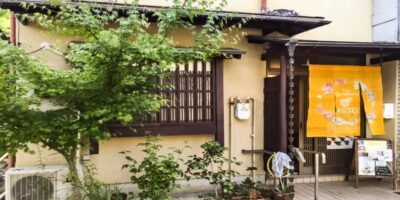
The meeting point is in Inazucho, Toyonaka, Osaka 561-0854. Transportation to and from the class is not included, so you need to plan your own route and budget for it.
The location is near public transportation, which helps, but the details supplied do not identify a specific station or provide a door-to-door transfer. Check the meeting instructions carefully after booking and allow extra time for finding a residential address. Arriving late could cut into the tea ceremony or cooking time.
This is one of the few practical drawbacks. A visitor staying in central Osaka may need to make a separate trip to Toyonaka rather than walking from a major sightseeing area. In return, the location puts you in a home setting instead of a central tourist venue, which is part of the experience’s appeal.
The activity ends back at the meeting point. That makes planning simpler after the class, since you are not left at a separate restaurant or another part of Osaka.
Dietary Needs and Booking Details
Halal, vegetarian, and pescetarian diets can be accommodated, but you must tell the provider in advance. Do not wait until you arrive. The recipes and ingredients need to be planned before the class begins.
No other dietary requirements are specifically confirmed in the supplied information. If you have allergies or a more complex restriction, contact the provider before booking and ask if the class can safely adapt.
Confirmation is sent within 48 hours of booking, subject to availability. The class is often reserved about 12 days ahead, so I would not leave it until the last day if the timing matters to your Osaka schedule.
The cancellation policy is friendly: cancel at least 24 hours before the local start time for a full refund. A cancellation or change made inside that 24-hour window is not accepted for a refund.
Who Will Get the Most From This Class?
I would recommend this activity to you if you want food and culture in the same outing. It suits first-time sushi makers, couples, families, and friends who prefer a small personal class to a restaurant meal.
It is also a good choice if you want contact with a local host but do not speak Japanese well enough to arrange a home visit on your own. Katsuji leads the session, explains the process, and keeps the mood relaxed with humor.
The class may be less suitable if you want a strict, formal tea ceremony with extensive ritual detail. It may also disappoint you if your main goal is to make ramen noodles by hand. The ready-made noodles are an important limitation, not a minor footnote.
Solo visitors should pay close attention to the minimum booking rule. You can attend alone, but you must buy two slots, which raises the effective cost to $147.96 before any transportation expenses. For two people, the listed price is easier to justify because both participants can share the home setting, meal, and cultural activity.
Is This Osaka Cooking Class Worth Booking?
Book it if you want a friendly, hands-on introduction to Japanese food in a private home setting. The strongest reasons are the combination of a tea ceremony, sushi, ramen, and custom calligraphy, plus Katsuji’s warm teaching style and long food-industry background.
Skip it if you want a specialist ramen class, a formal tea-school lesson, or the simplest possible meal near central Osaka. For everyone else, $73.98 buys more than lunch: you get instruction, ingredients, a drink, an apron, cultural context, and a small artwork to take home. Tell the provider about dietary needs early, confirm the route to Inazucho, and remember that solo bookings require two places.
FAQ
How long does the cooking class last?
The experience lasts about three hours, including the tea ceremony, sushi and ramen preparation, the meal, and the calligraphy souvenir.
Where does the class meet?
The meeting point is in Inazucho, Toyonaka, Osaka 561-0854, Japan. The activity ends back at the meeting point.
Are transportation costs included?
No. Transportation to and from the meeting point is not included. The location is near public transportation.
Are the ramen noodles made from scratch?
No. The ramen uses ready-made noodles. You will prepare the other parts of the dish and assemble the ramen during the class.
Can dietary requirements be accommodated?
Halal, vegetarian, and pescetarian diets can be accommodated if you inform the provider in advance.
Can I book the class alone?
The class requires a minimum booking of two people. A solo visitor may attend but must purchase two slots.
More Cooking Classes with Tea around Osaka
- Osaka Japanese Cooking And Matcha Class near Osaka Castle
★ 5.0 · 22 reviews - Osaka: Japanese Cooking Class with Matcha Experience
★ 5.0 · 4 reviews - Osaka Sushi Cooking Class
★ 5.0 · 3 reviews - Osaka : Exclusive Tea Ceremony & Wagashi Cooking
★ 5.0 · 2 reviews
Newly steeped around Osaka
- Osaka:Zen Tea Ceremony and Foot Bath Experience<45min>★ 5.0 · 7 reviews
- Osaka Japanese Cooking And Matcha Class near Osaka Castle★ 5.0 · 22 reviews
- Nara Deer Park, Uji Matcha, & Hot Spring Full-Day Tour from Osaka★ 4.0 · 21 reviews
- Osaka: Tea Ceremony, Calligraphy, and Kimono Experience★ 5.0 · 6 reviews
- Tea and Calligraphy Session at a Table in Osaka★ 5.0 · 4 reviews
- Osaka: Nara, Todaiji, Uji Matcha, and Hot Spring Tour★ 4.0 · 7 reviews
- Craft Sushi and Matcha Ice Cream in Central Osaka (3-Course Meal)★ 5.0 · 2 reviews
- ZEN therapy | Shiatsu-style massage, EnergyTherapy & Japanese Tea★ 5.0 · 5 reviews
Tea Ceremony Experiences, compared.
Kyoto: Tea Ceremony in a Traditional Tea House in Kiyomizu
Read our review →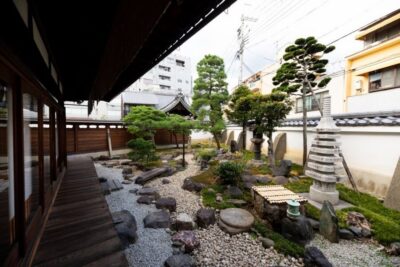
Kyoto: 45-Minute Tea Ceremony Lesson Experience
Read our review →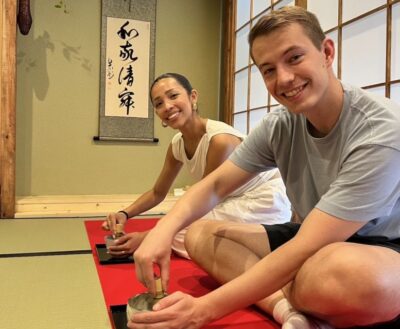
Kyoto: Table-Style Tea Ceremony at a Kyo-Machiya
Read our review →

Browse the lists this tea experience appears in