
Review · OSAKA
Osaka: Japanese Cooking Class with Matcha Experience
The best part of this Osaka experience is that you do more than watch a chef work. You choose a Japanese dish, prepare it with guidance, and finish with matcha. The hands-on format makes this a good pick for families, couples, and anyone who wants a useful memory to take home.
I like the small group of up to 10 people and the easy location, just a seven-minute walk from Morinomiya Station. I also like the friendly teaching style associated with Ikuko, whose clear techniques and warm manner have helped children and first-time cooks enjoy the class. The main drawback is that the experience is not suitable for wheelchair users or people with food allergies.
Key points at a glance
- Choose your Japanese dish: Pick home-cooked dishes, okonomiyaki, or a bento.
- Make matcha by hand: The class includes a separate matcha-making experience.
- Get personal help: A local chef and an Osaka mom support you if cooking is new to you.
- Stay near Osaka Castle: Morinomiya Station is a short walk away, with easy links from Shinsaibashi and Namba.
- Keep it intimate: The group is limited to 10 participants, with English and Japanese support.
- Plan for practical limits: The class lasts two hours, costs $64 per person, and does not suit wheelchair users or people with food allergies.
Choosing between home cooking, okonomiyaki, and bento
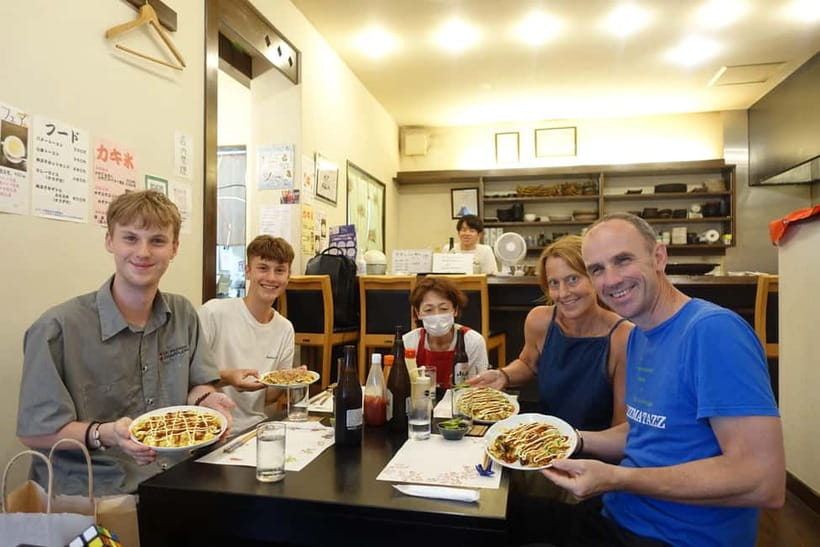
Your first meaningful choice is the dish. You can select a set of home-cooked dishes, okonomiyaki, or a bento. Since the class lasts only two hours, this is not an all-day cooking course with a long menu. It is a focused session built around one chosen style of Japanese food, followed by matcha.
Home-cooked dishes are the sensible pick if you want food that feels practical and familiar in Japan. These are the sorts of dishes that fit ordinary meals rather than restaurant theatrics. For me, that makes this option useful if you want recipes you can try again at home.
Okonomiyaki gives you a taste of one of Osaka’s best-known foods. It is a good choice if the city’s local identity matters to you and you want your cooking class tied closely to Osaka. The available information does not specify the exact recipe or cooking equipment, so ask for those details if you have a particular version of okonomiyaki in mind.
A bento option offers a different lesson in Japanese food culture. Bento is not just a meal packed into a box. It is also about arranging food neatly and thinking about balance, portions, and presentation. The class information does not promise a particular bento design, so you should treat the option as a guided bento-making session rather than a fixed menu.
You select one of the three choices, not all three. That keeps the lesson manageable, but it also means you should decide what interests you most before booking.
More Matcha Experiences in Osaka
- Matcha Making Class in Osaka with Authentic Japanese Sweets Set
★ 5.0 · 509 reviews - Osaka: Matcha Making Experience with Japanese Sweets
★ 5.0 · 146 reviews - Osaka Temple Cool Foot Bath & Matcha Experience〈45min〉
★ 4.9 · 82 reviews
What the two-hour class is really like
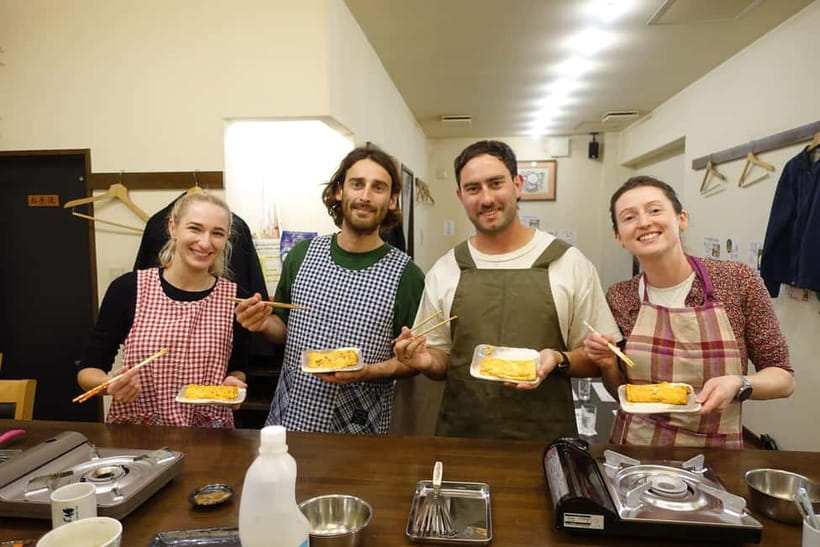
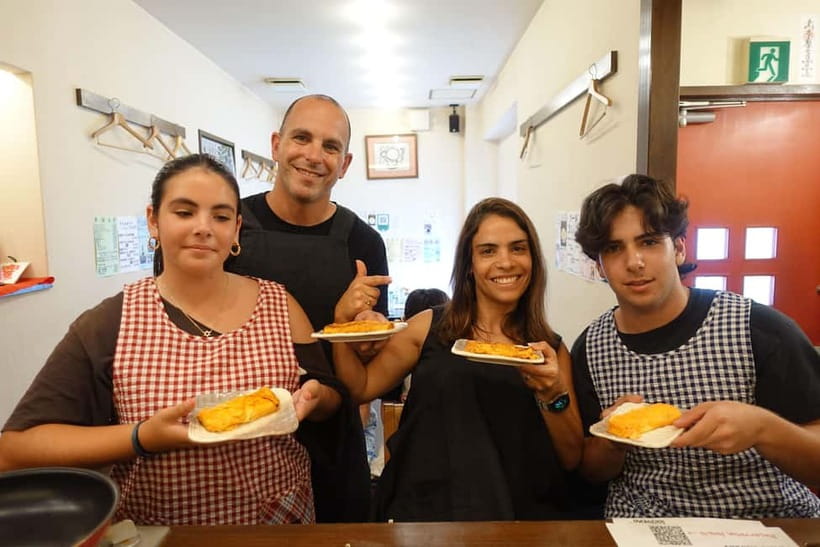
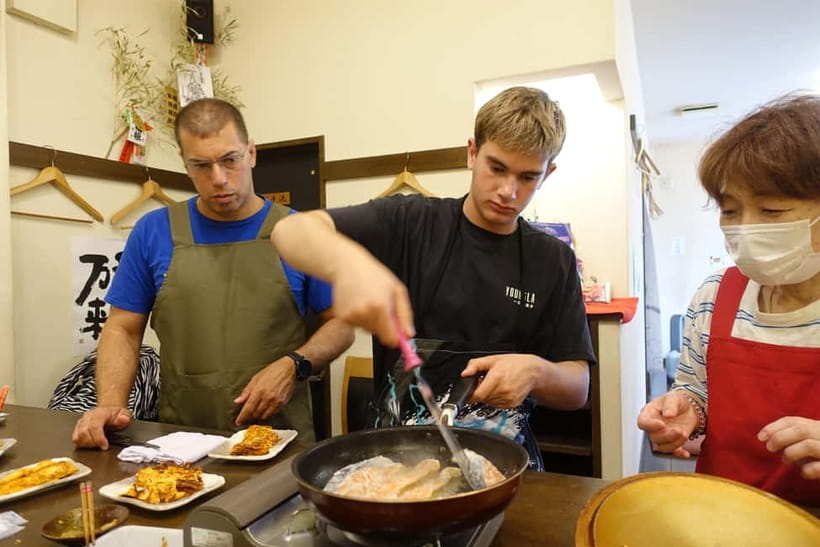
The class begins with the selected dish and guidance from a local chef. You work alongside the instructor instead of simply sitting back for a demonstration. That matters if you are new to Japanese cooking, since you can ask for help as you go.
An Osaka mom is also available to support people who are not confident in the kitchen. This is a useful touch for families and beginners. You do not need to arrive with professional knife skills or a deep knowledge of Japanese ingredients. The tone is intended to be encouraging, and the teaching style has been praised for being enthusiastic, clear, and easy to follow.
The exact order of the cooking and matcha portions is not specified. You can expect the class to cover your chosen dish and then give you time to make matcha, but the instructor may arrange the lesson around the dish selected by the group.
The class includes all ingredients for the chosen dish. There is one confusing point in the practical information: one section says ingredients are included, while another asks participants to bring ingredients. I would contact Wa Cafe Kitajima before the class to confirm this. Do not assume you need to shop for supplies, but do not ignore the instruction either.
The cooking portion is likely to be the most active part of the session. You prepare food, follow the chef’s techniques, and make something you can eat rather than producing a sample that goes to waste. That gives the class more value than a short demonstration, especially at $64 per person.
Matcha adds a quieter second act
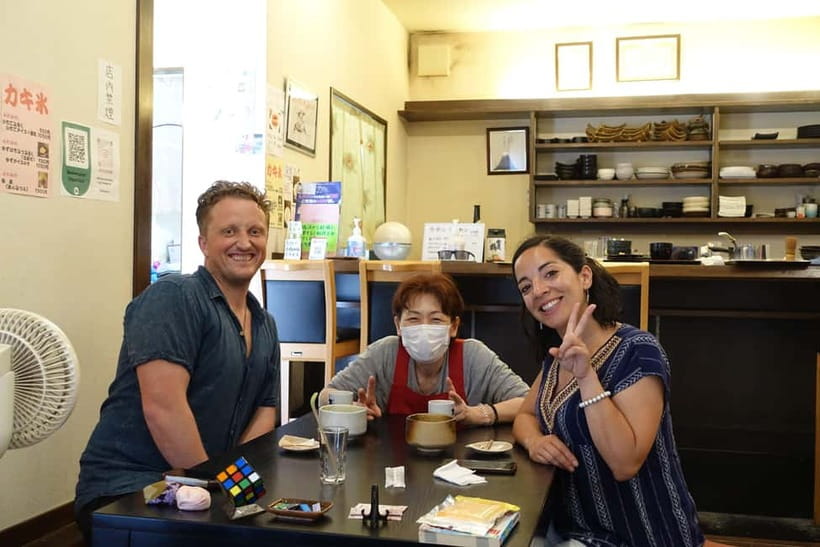
The matcha portion gives the class a change of pace. After preparing a meal, you get a hands-on introduction to making matcha. The supplied information does not describe a formal tea ceremony, so you should not book this expecting a long lesson in tea history or a highly ceremonial performance.
Instead, think of it as a practical matcha experience included with the cooking class. You get to take part rather than simply receive a prepared cup. For many people, this will be the most distinctly Japanese part of the session, and it adds variety to the two-hour schedule.
The matcha activity also helps the class work for mixed groups. One person may be excited about cooking, while another is more curious about Japanese tea. Children can take part in both parts with help from the instructor, although parents should use their own judgment about how much kitchen work is suitable for them.
Why the small group matters
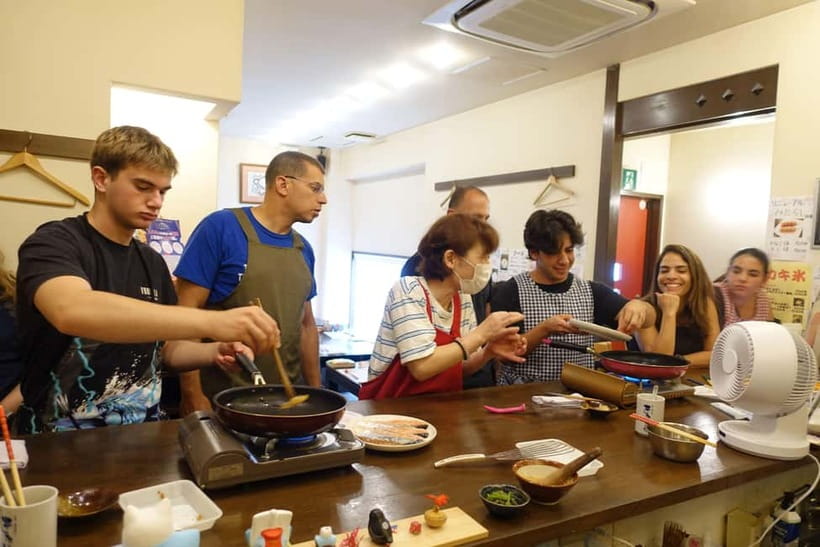
The maximum group size is 10 participants. That is small enough to make questions possible, but it is not the same as a private lesson. If the class fills, you will still be sharing the chef’s attention with other people.
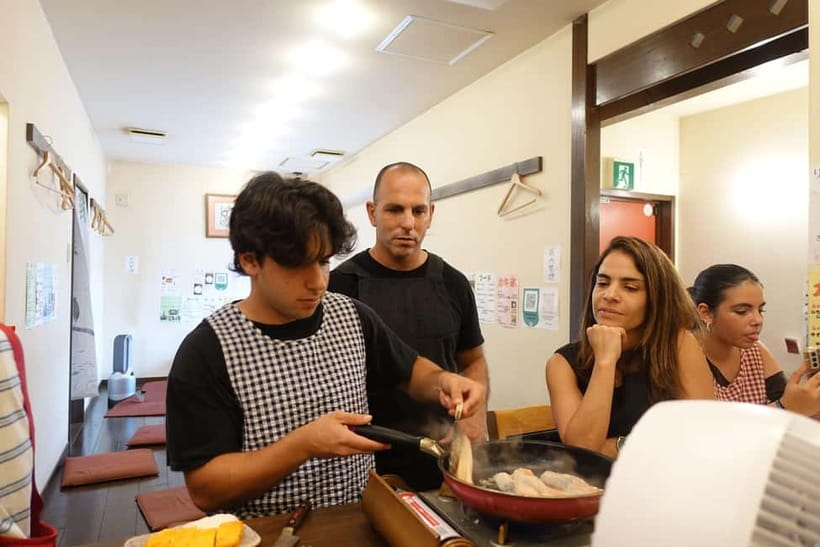
The size should work well for families and friends traveling together. You can cook side by side and share the finished meal, which gives the experience a social purpose beyond learning recipes. The warm teaching style reported for Ikuko is especially helpful here. A cheerful instructor can make a simple kitchen task feel relaxed instead of like a test.
English and Japanese are available. That does not mean every explanation will be delivered in both languages at the same length, so if a cooking technique is important to you, ask questions as you work. The class is designed to support people who may not know Japanese cooking terms, but language comfort can still vary from one session to another.
The small-group format is also one reason the $64 price can make sense. You are paying for a guided activity, ingredients, a chef-led lesson, and matcha, not just a meal. If you only want to eat Japanese food, a restaurant will cost less. If you want to learn, participate, and cook with your companions, the comparison is different.
Same leaf, a different ritual:
- Osaka: Tea Ceremony Experience
★ 4.9 · 1,426 reviews - Tea Ceremony Experience in Osaka Doutonbori
★ 5.0 · 754 reviews - Osaka: Tea Ceremony, Calligraphy, and Kimono Experience
★ 4.9 · 130 reviews - Osaka: Japanese Traditional Sweets Making and Tea Ceremony
★ 4.7 · 118 reviews
A convenient stop near Osaka Castle
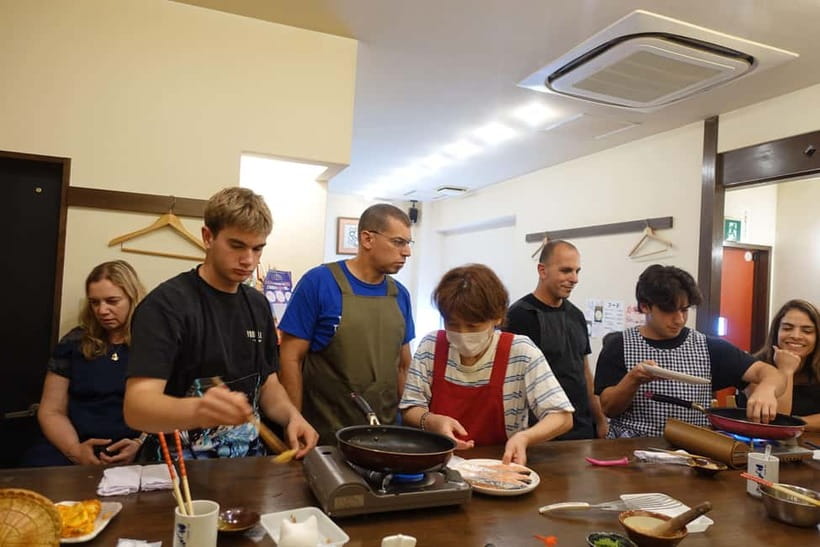
The class is about a seven-minute walk from Morinomiya Station. It is also just one JR station from Osaka Castle Station, making it easy to pair with Osaka Castle sightseeing.
That location gives you several practical options. You can schedule the class before visiting the castle, use it as a mid-day activity, or make it part of a route between Osaka Castle and the central shopping areas. It is also accessible from Shinsaibashi and Namba, so you do not need to build an entire day around the cooking lesson.
The meeting point has a sign, which should help you identify the place once you arrive. Still, allow enough time for the walk and finding the entrance. A cooking class is not the best activity to reach at the last second, particularly if you need to wash up, store belongings, or sort out the meeting point.
Transportation to and from the class is not included. You pay for your own train or other local transport. The activity itself is two hours, but you should add travel time when planning your Osaka day.
Who will get the most from this experience
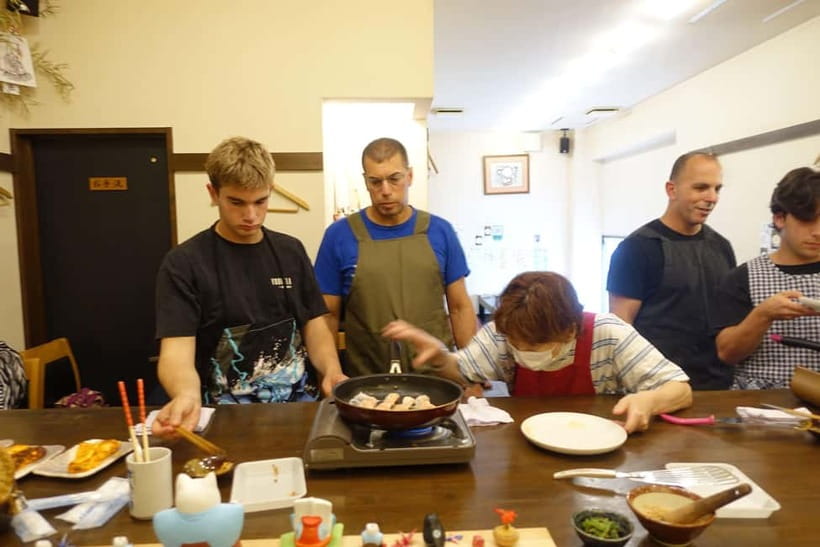
This class is a strong fit for families. Children have enjoyed the activity, and the instructor’s friendly approach can make the kitchen feel approachable. Parents should remember that the class is still a cooking activity, so comfortable clothes and shoes are sensible.
It also works well for couples and friends. Cooking together creates a shared task, and the matcha portion gives you something different to do after the meal preparation. If you are tired of sightseeing at a quick pace, two hours in one kitchen can be a welcome change.
First-time cooks are welcome in spirit and in the practical setup. The extra support from an Osaka mom means you do not need to know how to prepare Japanese food before arriving. The experience is less suitable if you already take advanced Japanese cooking classes and want technical instruction at a professional level. The available details point to a friendly introduction, not an expert certification course.
You may also like it if you want recipes you can recreate at home. The dishes are described as food commonly enjoyed in Japan and Osaka, and the cooking techniques are presented clearly enough that you can try them again. You should not expect a printed recipe collection unless the provider confirms one.
Important limits before you book
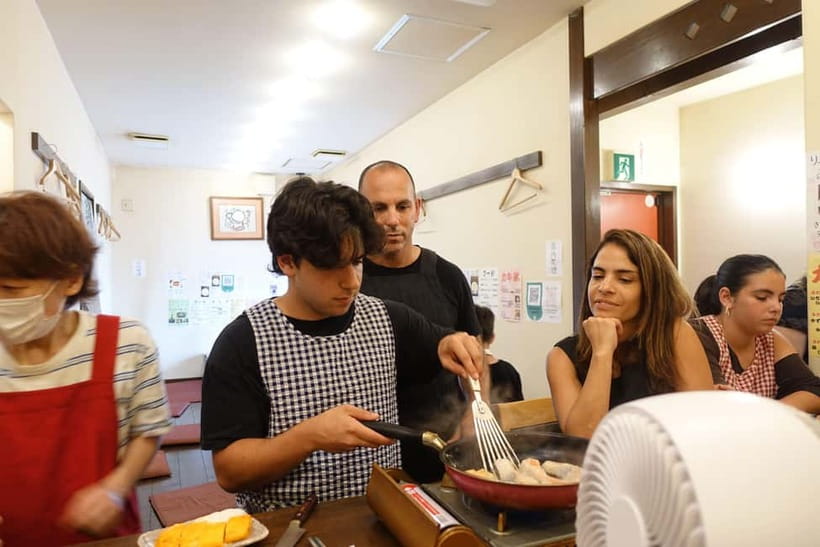
Food allergies are a serious concern here. The experience is listed as unsuitable for people with food allergies, even though you are asked to report allergies or dietary restrictions in advance. Tell the provider about any restriction before booking, but do not assume the kitchen can safely accommodate it.
The experience is also not suitable for wheelchair users. No further accessibility details are provided, so people with other mobility needs should contact the provider directly before paying.
Wear comfortable clothing and shoes. You will be taking part in a kitchen activity, so clothing that allows easy movement is more practical than anything formal. The class information also says to bring ingredients, which conflicts with the separate statement that all ingredients are included. Confirm this point in advance.
Cancellation is flexible if your plans change. You can cancel up to 24 hours before the activity for a full refund, and the reserve-now, pay-later option lets you hold a place without paying immediately. Availability and starting times vary, so check the current schedule before arranging Osaka Castle visits around it.
Is $64 a fair price?
At $64 per person, this is not the cheapest way to have lunch in Osaka. You could spend far less at a casual restaurant, and you would not need to give up two hours of sightseeing.
The value comes from the added instruction and participation. Your fee covers a local chef, the ingredients for your chosen dish, the cooking lesson, and the matcha experience. A group of up to 10 also gives you a better chance of receiving help than a large demonstration would.
I would call it fair value for visitors who want an activity, not just food. Families may find the shared experience especially worthwhile because several people can take part at once. For solo visitors, the price depends more on how much you enjoy meeting other participants and learning in a group.
The strongest value is the chance to take home a skill. If you can repeat the dish after returning home, the class keeps working for you long after the meal is over. Just remember that your transport, personal spending, and any extra purchases are not included.
My practical verdict
I would book this class if you want a friendly, short cooking lesson close to Osaka Castle, especially if you are traveling with children, a partner, or friends. The choice of home cooking, okonomiyaki, or bento lets you match the class to your interests, while the matcha activity adds a second Japanese tradition without making the session too long.
I would skip it if your schedule is packed, you have a serious food allergy, need wheelchair access, or want an advanced culinary course. Before booking, confirm the ingredient instruction and choose your dish carefully. For everyone else, the combination of personal guidance, a small group, a convenient location, and food you can try to recreate at home makes this a useful two-hour break from ordinary sightseeing.
FAQ
How long does the Osaka cooking and matcha class last?
The experience lasts two hours.
How much does the experience cost?
The listed price is $64 per person.
Which dishes can I choose to make?
You can choose one option from home-cooked dishes, okonomiyaki, or bento.
Is matcha included?
Yes. The activity includes a matcha-making experience.
Are ingredients included?
All ingredients for the selected dish are included. The practical information also says to bring ingredients, so confirm this detail with the provider before attending.
Where does the class take place?
The location is about a seven-minute walk from Morinomiya Station. It is also one JR station from Osaka Castle Station.
What languages are available?
The host or greeter can support participants in English and Japanese.
How many people can join the class?
It is a small-group experience limited to 10 participants.
Is the class suitable for wheelchair users or people with food allergies?
No. The activity is listed as unsuitable for wheelchair users and people with food allergies. You should report dietary restrictions in advance, but you should not assume they can be accommodated.
More Cooking Classes with Tea around Osaka
- Osaka Japanese Cooking And Matcha Class near Osaka Castle
★ 5.0 · 22 reviews - Osaka Sushi Cooking Class
★ 5.0 · 3 reviews - Cultural Cooking Class Featuring Ramen Sushi and Tea Ceremony
★ 5.0 · 2 reviews - Osaka : Exclusive Tea Ceremony & Wagashi Cooking
★ 5.0 · 2 reviews
Newly steeped around Osaka
- Osaka:Zen Tea Ceremony and Foot Bath Experience<45min>★ 5.0 · 7 reviews
- Nara Deer Park, Uji Matcha, & Hot Spring Full-Day Tour from Osaka★ 4.0 · 21 reviews
- Osaka: Tea Ceremony, Calligraphy, and Kimono Experience★ 5.0 · 6 reviews
- Osaka Japanese Cooking And Matcha Class near Osaka Castle★ 5.0 · 22 reviews
- Tea and Calligraphy Session at a Table in Osaka★ 5.0 · 4 reviews
- Osaka: Nara, Todaiji, Uji Matcha, and Hot Spring Tour★ 4.0 · 7 reviews
- Craft Sushi and Matcha Ice Cream in Central Osaka (3-Course Meal)★ 5.0 · 2 reviews
- ZEN therapy | Shiatsu-style massage, EnergyTherapy & Japanese Tea★ 5.0 · 5 reviews
Matcha Experiences, compared.
World Heritage Kyoto & Nara Uji Authentic Matcha Experience
Read our review →
Matcha Making Class in Tokyo with Authentic Japanese Sweets Set
Read our review →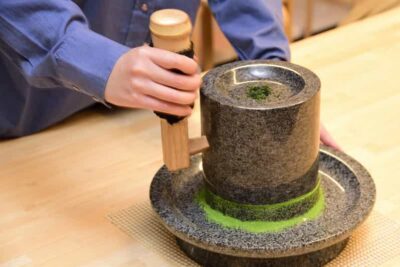
Kyoto: Tea Museum Tickets and Matcha Grinding Experience
Read our review →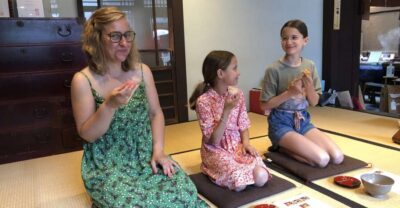
Kyoto: Tea Ceremony Meditation – Make Matcha with Tea Master
Read our review →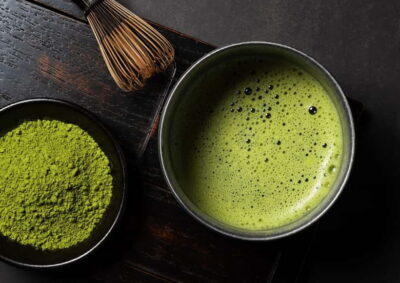
Tokyo: Matcha Making Experience with Mochi Sweets in Asakusa
Read our review →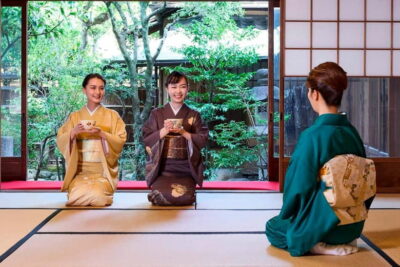
Kyoto: Kimono Tea Ceremony with Matcha and Sweet
Read our review →
Browse the lists this tea experience appears in