
Review · OSAKA
Osaka : Exclusive Tea Ceremony & Wagashi Cooking
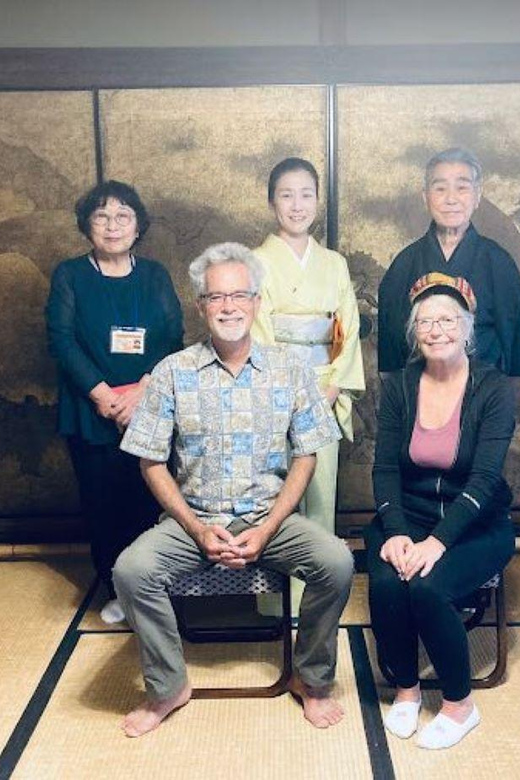
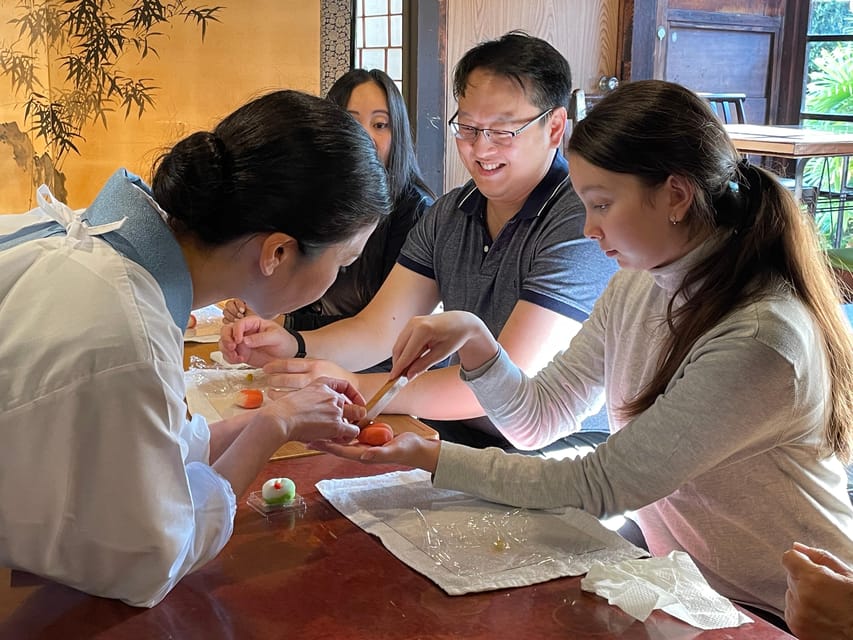
A tea ceremony becomes much more memorable when you first make the sweet you will eat with your tea. In Izumisano, a three-generation family leads you through wagashi preparation, green-tea making, and the quiet rules behind the ceremony in a small group of no more than six people. You do not simply watch a demonstration. You take part.
I like the personal setting and the chance to see a family business with more than a century of experience. I also like the thoughtful pairing of activities: making wagashi gives you a practical introduction to Japanese sweets, while the tea ceremony explains how manners, movement, and hospitality fit together. Vegetarian and vegan visitors are welcome, provided you share dietary needs in advance.
The main consideration is location. This experience is in Izumisano, not central Osaka, so you will need to allow time to reach Nankai Izumisano Station and walk to the meeting point. The two-hour program is a good fit for a relaxed morning or afternoon, but it is not a quick stop between major Osaka sights.
Key points to know before booking
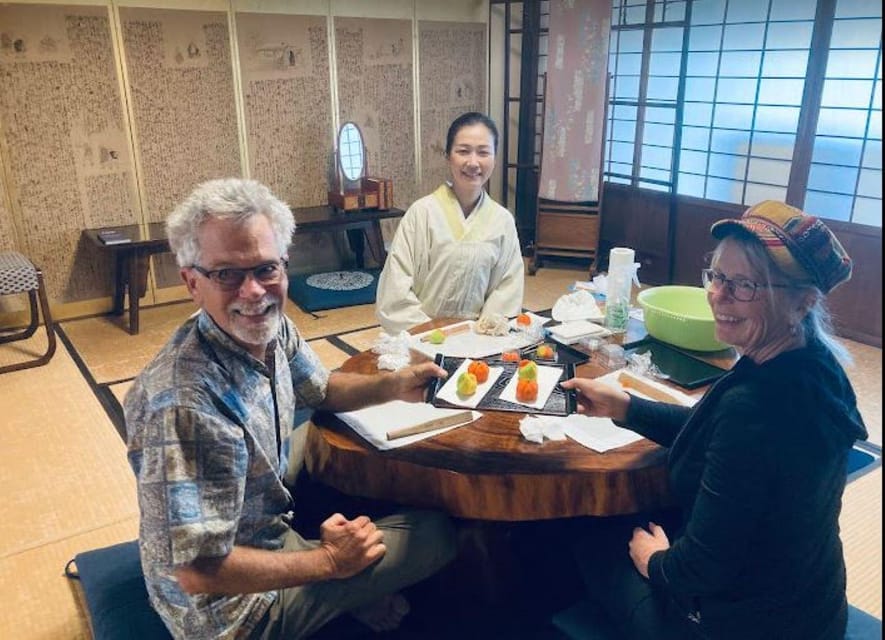
- Make your own wagashi: You prepare a Japanese confectionery and later enjoy it with the tea you make.
- Learn the meaning behind the ritual: The guide explains the history and spirit of the tea ceremony, not just the hand movements.
- Small group of six or fewer: The limited size should give you more room to ask questions and follow the demonstration.
- Hosted by a three-generation family: The family business has operated for more than a century.
- Add a kimono for photos: You can select kimono wear during booking and take photographs after the ceremony.
- English guidance in an accessible setting: The activity offers an English-speaking guide and wheelchair accessibility.
Why Izumisano makes this tea experience different
Many people associate tea ceremony with Kyoto, but this activity takes place in Izumisano in Osaka Prefecture. That change of setting matters. You are not being rushed through a famous sightseeing district. Instead, the experience begins near Nankai Izumisano Station and leads into an old town area with a more local feel.
The meeting point is Izumisano Furusato Machiya-Kan, also known as the former Shinkawa family residence. The building gives the activity a fitting setting, since tea ceremony is closely tied to Japanese homes, seasonal customs, and careful hospitality.
From Nankai Izumisano Station, leave through the exit and go to the right. Turn right into Tsubasadouri shopping district, turn left at Uniform Noguchi, then turn right at the next corner. Furusato Machiya-Kan is where the pickup takes place. I would save these directions before leaving the station, since the activity is easier when you are not trying to follow them while watching street signs.
The location also makes this a useful choice if you are staying near Kansai International Airport or planning time in southern Osaka. You should still check the train route and allow a little extra time. The program begins at a set starting time, and arriving flustered is a poor way to begin a quiet ceremony.
More Tea Ceremonies in Osaka
- Osaka: Tea Ceremony Experience
★ 4.9 · 1,426 reviews - Tea Ceremony Experience in Osaka Doutonbori
★ 5.0 · 754 reviews - Osaka: Tea Ceremony, Calligraphy, and Kimono Experience
★ 4.9 · 130 reviews
Making wagashi before the tea ceremony
The cooking portion gives you something concrete to do with your hands. You will use the provided ingredients and seasonings to make a Japanese confectionery called wagashi.
Wagashi are closely associated with tea ceremony because their sweetness balances the bitter taste of green tea. Making the sweet yourself also changes the rhythm of the experience. Rather than receiving a finished item with no explanation, you see part of the care that goes into its shape and presentation.
The available information does not specify the exact wagashi design or seasonal recipe, so you should not book expecting one particular sweet. The point is the process and its place in the ceremony. You will have the satisfaction of preparing something that appears again at the next stage.
This class is also friendly to vegetarian and vegan participants. You need to tell the provider about dietary restrictions ahead of time. That advance notice matters with Japanese sweets, since ingredients can vary and you should not assume every traditional confection is automatically suitable for your diet.
The cooking class is part of a two-hour activity, not a separate long culinary lesson. You will have enough time to learn the basic method and make your confectionery, but this is not designed as professional pastry training. I see that as a strength for most visitors. The focus stays on culture, food, and participation rather than technical kitchen work.
Learning how tea ceremony works
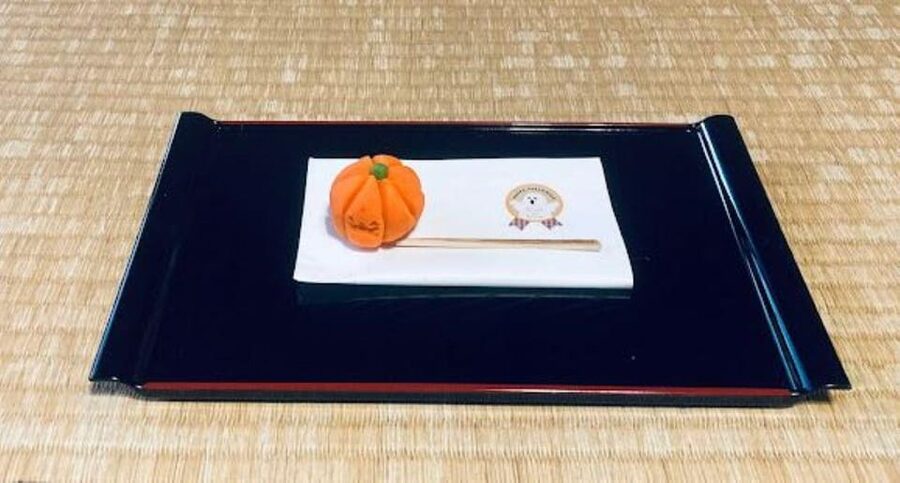
Once your wagashi is ready, you take part in the tea ceremony. The guide explains the history and spirit of the practice, then teaches you how to make tea according to its rules.
That word, rules, can sound stiff, but the ceremony is less about memorizing a performance than noticing the details. How you handle the bowl, how you prepare the tea, and how you receive the sweet all have a place within the ritual. The actions encourage patience and attention, two qualities that can get lost during a busy Japan itinerary.
The experience also makes a useful point about access. Even many Japanese people have never taken part in a formal tea ceremony or made wagashi. You are not expected to arrive with special knowledge. The English-speaking guide is there to explain what to do and why it matters.
A small group helps here. With a maximum of six participants, you should have a better chance to see the demonstration and ask about anything that feels unfamiliar. It also keeps the ceremony more personal than a large group presentation.
Still, you should expect a structured cultural activity rather than a casual cup of tea. Some people will enjoy the careful pace and formal gestures. If you prefer an informal food tasting with constant movement, this may feel slow. I recommend treating the quiet as part of the lesson.
The family story behind the hospitality
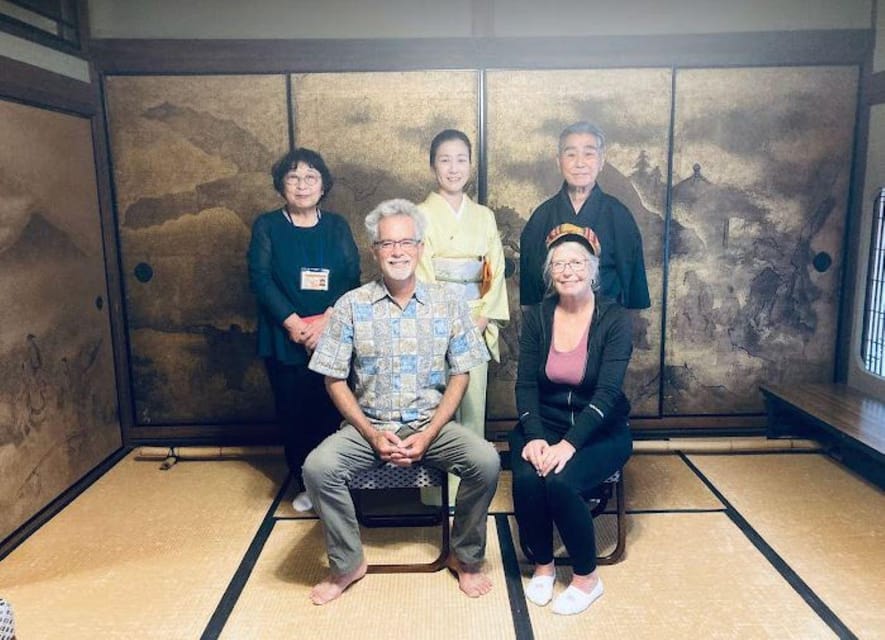
One of the strongest features is the family setting. The tea ceremony and wagashi activity is hosted by three generations of the same family, and the family business has been operating for more than a century.
That detail gives the experience a human center. You are not only learning a set of customs from a textbook explanation. You are spending time with people who have a long connection to the craft and to the place where the activity takes place.
A family-run experience can also feel more personal than a standard sightseeing class, though it may have a less polished or predictable style. The available information does not provide the hosts’ names, so I would not expect a named celebrity tea master or a formal stage presentation. Instead, you should come ready for direct instruction and conversation.
The history here is best understood through the family, the building, the objects on display, and the ceremony itself. It is not presented as a large museum tour. That keeps the activity manageable, but it also means the artifacts are an extra part of the visit rather than the main program.
More Tea and Sweets Making in Osaka:
- Matcha Making Class in Osaka with Authentic Japanese Sweets Set
★ 5.0 · 509 reviews - Osaka: Matcha Making Experience with Japanese Sweets
★ 5.0 · 146 reviews - Osaka: Japanese Traditional Sweets Making and Tea Ceremony
★ 4.7 · 118 reviews - Matcha Making Class in Tokyo with Authentic Japanese Sweets Set
★ 5.0 · 744 reviews
A small collection of artifacts and textiles
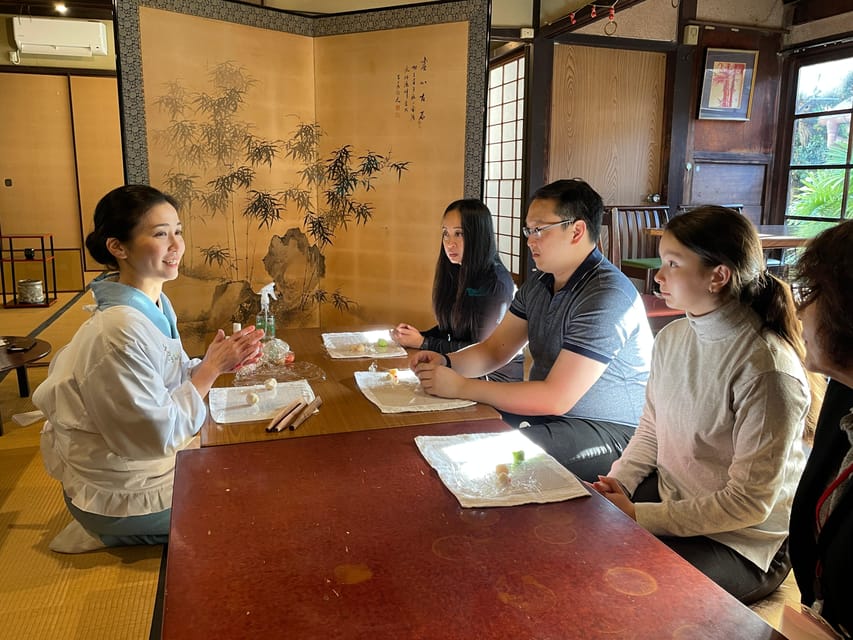
After the ceremony, you have time to take photographs and look at examples of kimonos and beautiful woven textiles made in Kyoto’s Nishijin district. Nishijin is known for fine textile production, so these examples add a useful visual layer to the tea experience.
You will also find a small museum area with different artifacts around the shop. There is no additional charge to see it. I would allow a few extra minutes after the ceremony instead of rushing away immediately. These objects help connect the tea bowl, clothing, sweets, and room setting to wider Japanese customs.
The textile display is especially useful for visitors who are curious about kimono but do not have time for a full clothing or textile tour in Kyoto. You are not promised a complete history of Nishijin weaving, so keep your expectations sensible. This is an added look at beautiful materials, not a separate museum admission with a long guided lecture.
If you choose the kimono add-on when booking, you can wear one during the experience and take photos afterward. The add-on gives you a clear reason to bring a camera, though you should confirm the extra cost and available arrangements at the time of booking. Kimono wear may appeal most if photographs are an important part of your Japan visit. If you mainly want to learn the tea ritual, the basic experience already contains the essential activities.
What the two-hour schedule feels like
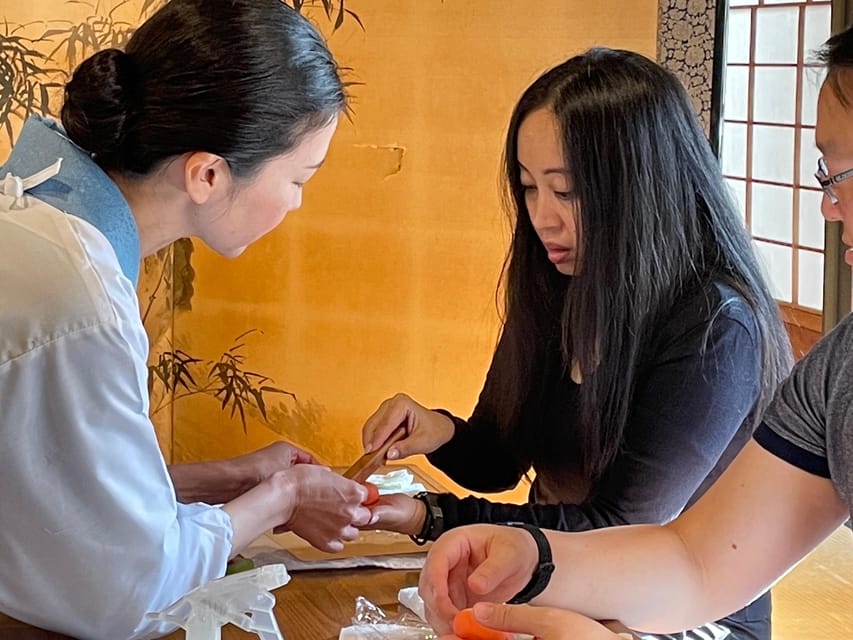
The full program lasts two hours. It includes the walk and class, wagashi preparation, tea making, the ceremony, and time for photographs and the textile and artifact displays.
The schedule is compact but sensible. The sweet-making activity prepares you for the ceremony, and the ceremony gives purpose to what you have just made. The final photo and display time lets the experience end at an unhurried pace.
Starting times vary, so check availability before you plan the rest of your day. I would avoid pairing it with a tightly timed attraction on the opposite side of Osaka. The station walk is straightforward once you know the directions, but a little breathing room will make the outing more pleasant.
The activity begins at Furusato Machiya-Kan and is listed as finishing at Kurafuto ya. The booking information also says the activity ends back at the meeting point, so check the exact end arrangement when you reserve. Either way, the experience remains centered in the same Izumisano area rather than sending you across the region.
Is $98 a fair price?
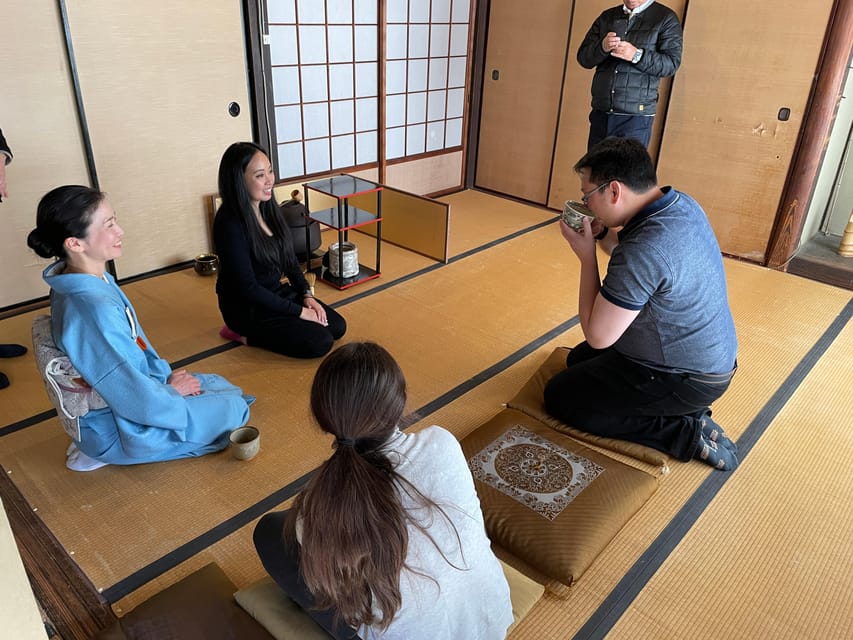
At $98 per person, this is not the cheapest way to drink green tea in Japan. You are paying for more than the ingredients. The price includes the guide fee, cooking ingredients and seasonings, and all fees and taxes.
The value depends on what you want from a cultural activity. If you only want a bowl of tea and a photograph, you can likely find simpler options. If you want instruction, a handmade wagashi, a formal ceremony, family contact, and access to the textiles and artifact display, the price is easier to justify.
The small group is important to the value. Six participants or fewer means the fee supports a more personal lesson rather than a large public demonstration. The three-generation family setting and century-long business history also give the activity a sense of continuity that a generic cooking class may not offer.
There are a few costs not included. Insurance is excluded, and transportation to Izumisano is your responsibility. The kimono is an optional add-on, so budget for that separately if you want to wear one.
The reserve-now, pay-later option and free cancellation up to 24 hours before the activity make the booking less risky. You can hold a place without paying immediately, then cancel within the stated period for a full refund. Be sure to check the final booking terms for your selected date.
Who will enjoy this most
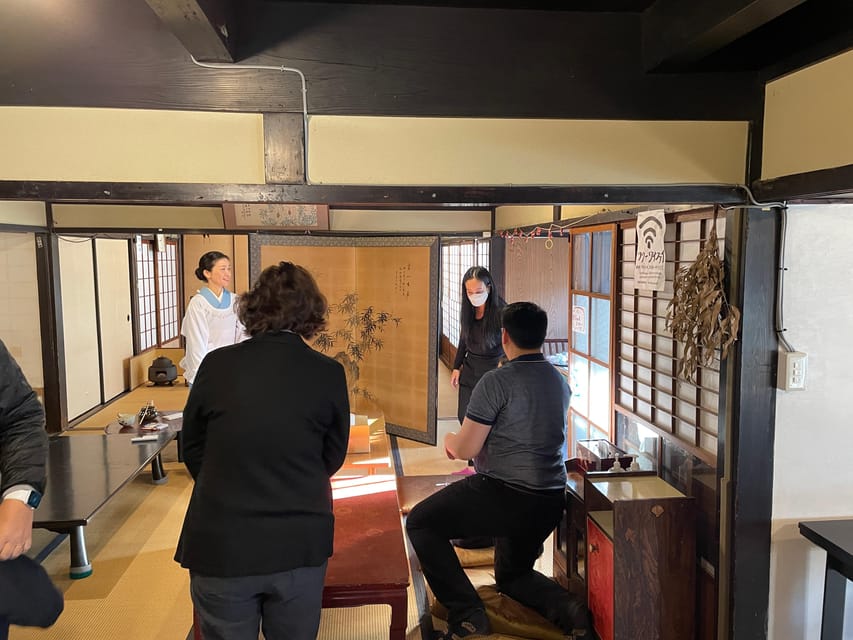
I would choose this experience for you if you want a calm, hands-on cultural activity and have an interest in the everyday details of Japanese hospitality. It is especially suitable for couples, families, and small groups who want to do something more active than simply watch a ceremony.
Food lovers will appreciate making the wagashi. Photography-minded visitors will like the kimono option, the woven textiles, and the old residence setting. Anyone interested in Kyoto-style culture but staying in the Osaka area may find the Izumisano location convenient, especially near Kansai International Airport.
The small group is also helpful for first-time visitors who may worry about making a mistake. You receive instructions rather than being expected to know the etiquette already.
This is less suitable if you want a major sightseeing landmark, a long culinary workshop, or a completely informal activity. The tea ceremony asks you to slow down and follow a set pattern. Also, the provided information says the activity is not suitable for people with altitude sickness, though the description does not explain why. If that applies to you, ask the provider before booking.
The experience is wheelchair accessible, which broadens its appeal, but it is still sensible to confirm the exact route and room arrangements for your needs before arrival.
My recommendation for booking
I would book this tea ceremony and wagashi class if you want a personal introduction to Japanese food and etiquette, especially if you are willing to make the trip to Izumisano. The combination of cooking, ceremony, family history, textiles, and a small artifact collection gives the two hours a clear shape.
I would skip it if your schedule is packed in central Osaka or if you are looking only for a quick tea tasting. The $98 price makes sense when you use the full experience: learn the ritual, make the sweet, ask questions, take photographs, and spend time with the family’s displays.
For the best visit, arrive with dietary requests already shared, follow the station directions carefully, and leave room after the ceremony for photos. You will get more from this activity if you treat it as a quiet cultural visit rather than another item to check off quickly.
FAQ
Where does the tea ceremony experience begin?
It begins at Izumisano Furusato Machiya-Kan, also known as the former Shinkawa family residence.
How do I reach the meeting point from Nankai Izumisano Station?
Leave the station through the exit and go to the right. Turn right at Tsubasadouri shopping district, turn left at Uniform Noguchi, then turn right at the next corner. Furusato Machiya-Kan is where the pickup takes place.
How long does the activity last?
The activity lasts two hours. Starting times vary, so check availability for the date you want.
What will I make during the class?
You will make wagashi, a Japanese confectionery, and green tea. You can enjoy the confectionery you made during the tea ceremony.
Is the activity conducted in English?
Yes. The activity includes a live English-speaking guide. An English interpreter can accompany you if you book that option.
Are vegetarian and vegan participants welcome?
Yes. Vegetarian and vegan participants are welcome. Tell the provider about dietary restrictions in advance.
Is a kimono included?
A kimono is not part of the standard inclusions. You can select kimono wear as an add-on during booking and take photographs during the experience.
Is the activity wheelchair accessible?
Yes, the activity is listed as wheelchair accessible.
What is included in the $98 price?
The price includes cooking ingredients and seasonings, all fees and taxes, and the guide fee. Insurance and the optional kimono add-on are not included.
More Cooking Classes with Tea around Osaka
- Osaka Japanese Cooking And Matcha Class near Osaka Castle
★ 5.0 · 22 reviews - Osaka: Japanese Cooking Class with Matcha Experience
★ 5.0 · 4 reviews - Osaka Sushi Cooking Class
★ 5.0 · 3 reviews - Cultural Cooking Class Featuring Ramen Sushi and Tea Ceremony
★ 5.0 · 2 reviews
Newly steeped around Osaka
- Osaka:Zen Tea Ceremony and Foot Bath Experience<45min>★ 5.0 · 7 reviews
- Osaka Japanese Cooking And Matcha Class near Osaka Castle★ 5.0 · 22 reviews
- Nara Deer Park, Uji Matcha, & Hot Spring Full-Day Tour from Osaka★ 4.0 · 21 reviews
- Osaka: Tea Ceremony, Calligraphy, and Kimono Experience★ 5.0 · 6 reviews
- Tea and Calligraphy Session at a Table in Osaka★ 5.0 · 4 reviews
- Osaka: Nara, Todaiji, Uji Matcha, and Hot Spring Tour★ 4.0 · 7 reviews
- Craft Sushi and Matcha Ice Cream in Central Osaka (3-Course Meal)★ 5.0 · 2 reviews
- ZEN therapy | Shiatsu-style massage, EnergyTherapy & Japanese Tea★ 5.0 · 5 reviews
Tea & Sweets Making, compared.
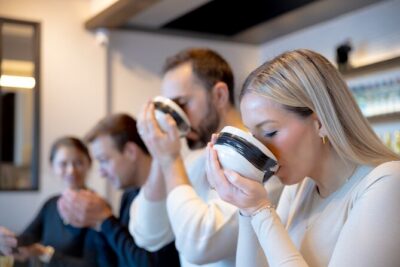
Matcha Making Class in Tokyo with Authentic Japanese Sweets Set
Read our review →
Tangier: Sunset, Tea, Sweets, Camel Ride, and Hercules Caves
Read our review →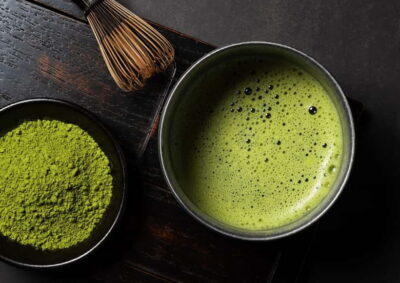
Tokyo: Matcha Making Experience with Mochi Sweets in Asakusa
Read our review →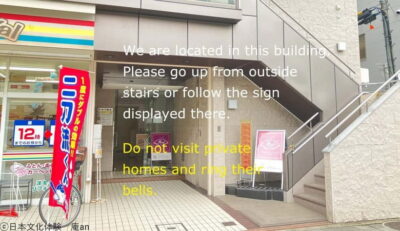
Kyoto: Japanese Traditional Sweets Making and Tea Ceremony
Read our review →
Osaka: Matcha Making Experience with Japanese Sweets
Read our review →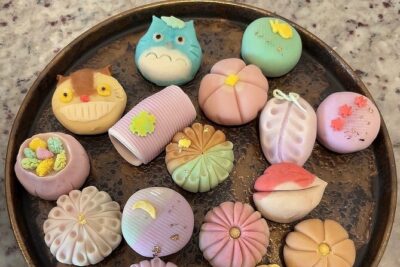
Make Traditional Nerikiri Sweets & Matcha experience in Shibuya
Read our review →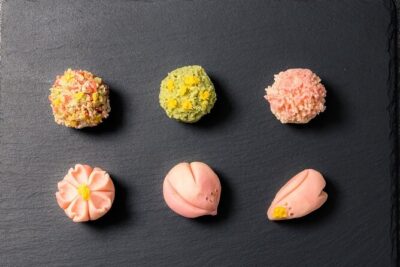
Sweets Making and Kimono Tea Ceremony at Tokyo Maikoya
Read our review →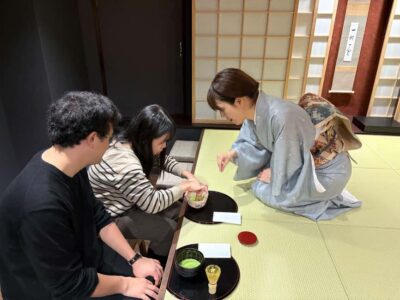
Kyoto: Traditional Tea Ceremony with Matcha & Sweets in Gion
Read our review →Browse the lists this tea experience appears in