
Review · TOKYO
Tokyo Small-Group Ramen, Gyoza & Matcha Class with a Pro Chef
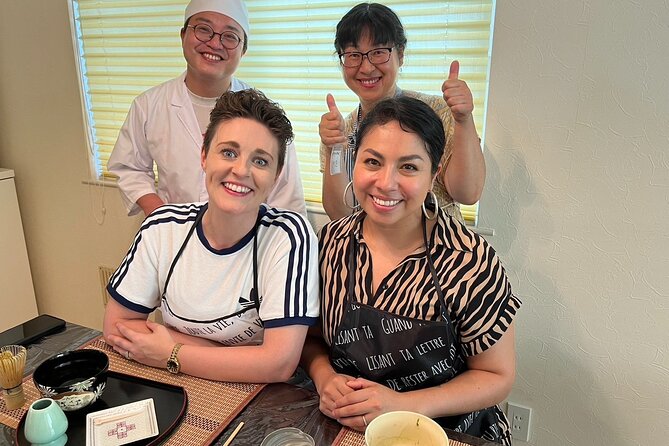
The best part of this two-hour class is that you do not simply sit down to eat ramen. You learn the work behind it, from making authentic dashi to shaping gyoza, then prepare matcha with Japanese sweets. It turns a familiar meal into a useful cooking lesson.
I like the four-person limit, which gives the chef room to answer questions and adjust the pace. I also like that dinner, an apron, recipes, and class photos are included, so the $104.51 price covers more than a quick demonstration. The main drawback is the fixed menu: vegetarian, vegan, halal, and gluten-free diets cannot be accommodated.
Key points at a glance
- Cook a full Japanese meal: Prepare miso ramen and juicy gyoza, then eat what you make.
- Learn from the basics: The class includes dashi techniques, ramen preparation, and gyoza shaping.
- Finish with matcha: Make your own green tea and enjoy it with seasonal Japanese sweets.
- Keep the group tiny: No more than four people take part, allowing for direct help from the chef.
- Easy Tokyo setting: Reach the Zoshigaya classroom by train from Shibuya, Shinjuku, or Ikebukuro.
- Plan around food limits: Alcohol costs extra, and special diets cannot be served.
Why this Tokyo cooking class is more than a bowl of ramen
Tokyo has no shortage of excellent ramen shops. You can eat a good bowl in minutes, often while standing at a counter or waiting in a long line. This class gives you something different: a look at how the bowl is built.
The lesson covers dashi, the savory stock that forms the base of many Japanese dishes. You also work with miso ramen, make gyoza, and prepare matcha. That combination gives you three useful windows into Japanese food: broth, handmade dumplings, and tea.
For me, the value is in the practical nature of the class. You receive recipes to take home, so the experience does not end when you leave the classroom. You can try the dishes again after your Japan trip, though the exact ingredients and tools in your own kitchen may differ.
The class is led in English, with clear explanations of ingredients and methods. You should still expect the usual rhythm of a hands-on lesson: listen, watch, prepare, and ask questions. The chef works at each participant’s pace, which matters if one person in your group cooks often and another is still learning basic techniques.
More Matcha Experiences in Tokyo
- Matcha Making Class in Tokyo with Authentic Japanese Sweets Set
★ 5.0 · 744 reviews - Tokyo: Matcha Making Experience with Mochi Sweets in Asakusa
★ 4.9 · 388 reviews - Asakusa Cultural Walk & Matcha Making Tour
★ 5.0 · 245 reviews
A small class in Zoshigaya, near Ikebukuro
The classroom is at 3-chōme-1-7 Zōshigaya, Toshima City, Tokyo 171-0032. The activity begins and ends at this same meeting point, so you do not need to arrange a separate ride after dinner.
The class location is in Zoshigaya, with access from Ikebukuro and a straightforward train route from Shibuya on the Fukutoshin Line. From Shibuya, the route passes by the Meiji Shrine and Shinjuku area, giving you a useful connection between major sightseeing zones and the cooking class.
Ikebukuro is especially handy before or after the lesson. It has shopping areas, electronic stores, Animate, and the Pokémon Center. You can pair the class with an afternoon in the neighborhood, but keep your timing sensible. The cooking session lasts about two hours, and the meeting point is not at one of Ikebukuro’s main attractions.
Close to the classroom, Kishimo Shrine offers a quieter stop. Its red torii gates make it a pleasant place for a short walk before or after class. The shrine is not presented as part of the cooking activity, so think of it as a nearby extra, not a guided sightseeing stop.
The exact route from your hotel depends on where you stay. You will want to allow time to find the classroom, especially if you are changing trains. The location is near public transportation, but the class does not include private transportation.
What you learn before eating
The cooking work centers on miso ramen and gyoza. You are not only shown the finished dish. You receive instruction in the ingredients and techniques needed to produce it.
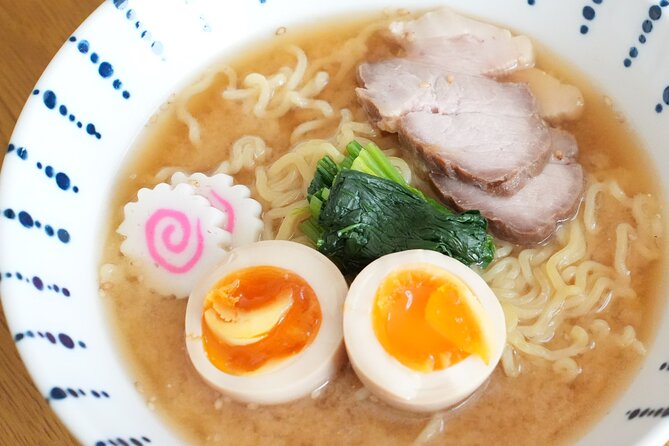
Dashi is an important starting point. Learning how it works helps you understand why Japanese soups can taste full and savory without relying on heavy seasoning. The class introduces authentic dashi-making techniques, then connects that base to the miso ramen.
Miso gives the ramen its main character. It adds a salty, fermented flavor and makes the broth feel substantial. The useful thing here is not just eating miso ramen in Tokyo, but learning a method you can repeat at home with the recipe provided.
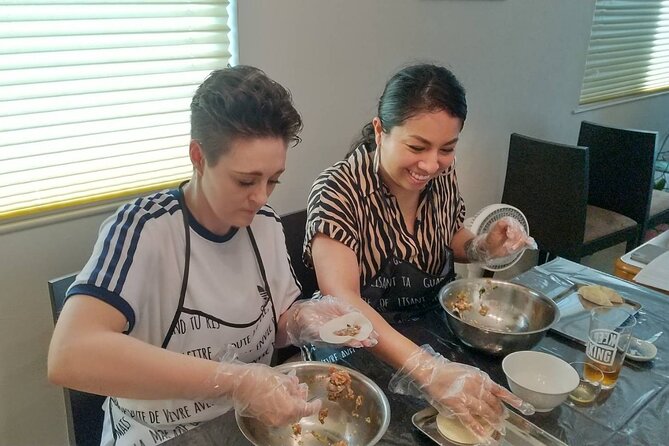
The gyoza portion adds a different kind of cooking practice. You work with the filling and learn how to craft the dumplings, with guidance from the chef. The description highlights juicy gyoza, but the more important point for a home cook is the shaping technique. Handmade dumplings can be awkward the first time, so a small group gives you a better chance to ask for help.
The chef explains ingredients and steps in English. That is valuable for a dish like ramen, where small details can affect the final result. If you have questions, the format allows time for answers rather than sending you through a large class at a fixed speed.
You will also receive an apron during the session. It is a small inclusion, but a useful one when you are working with broth, fillings, and food preparation.
The meal is part of the lesson
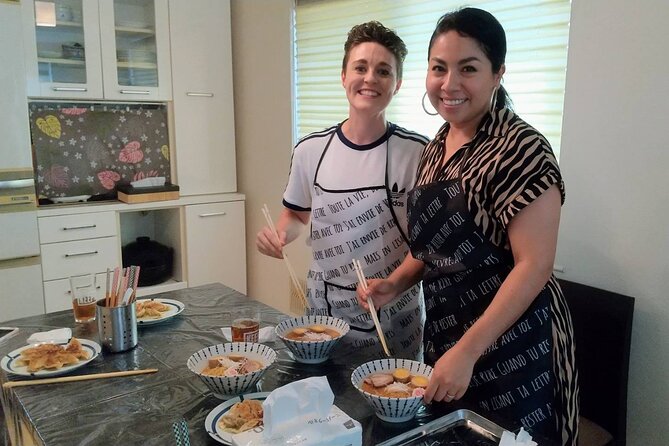
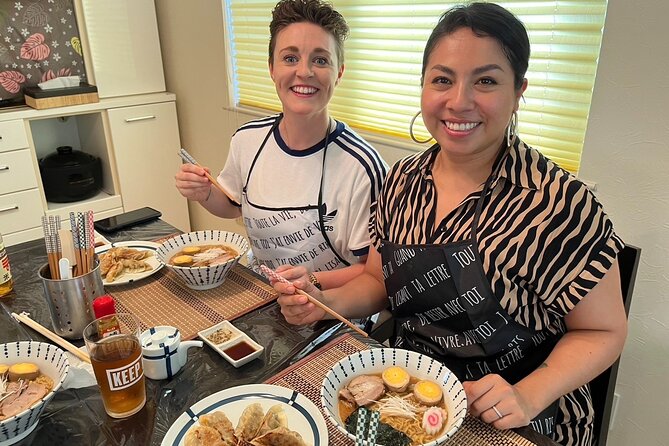
Dinner is included, and it consists of the miso ramen and gyoza you prepare. That makes the class feel like a complete meal rather than a tasting of tiny samples.
I like this arrangement because you can judge the results immediately. You learn a technique, use it, and then sit down to eat. If the broth needs more seasoning or your dumplings look less tidy than expected, you get a clear sense of what your work produced.
The meal is also a practical reason to schedule the class around dinnertime. You do not need to find another restaurant afterward. The class is approximately two hours, so it can fit into an evening plan without taking up the whole night.
Do not expect a broad menu. The included food is specific: dinner is miso ramen and gyoza, followed by matcha tea and Japanese sweets. Soft drinks are not included, and the activity does not offer vegetarian, vegan, halal, or gluten-free options.
Alcohol is available for an extra 500 yen per drink, payable in cash. The listed choices are a 180-milliliter serving of Hakkaisan sake and a 350-milliliter Kirin Ichiban Shibori beer. If you want one with dinner, bring yen rather than assuming you can pay by card.
Same leaf, a different ritual:
- Kimono Tea Ceremony at Tokyo, Asakusa Maikoya
★ 5.0 · 638 reviews - Tokyo: Traditional Tea Ceremony with a Tea Master
★ 5.0 · 528 reviews - Dynamic Tokyo: Tokyo Tower, Tea Experience, Bay Cruise Day Tour
★ 4.5 · 521 reviews - Mt. Fuji & Lake Kawaguchiko Ropeway Panorama Full-Day Tour
★ 4.6 · 236 reviews
Matcha and sweets give the class a second mood
The matcha portion changes the pace from active cooking to a more focused tea experience. You prepare your own matcha and drink it with seasonal Japanese sweets.
This is a useful addition because it introduces a part of Japanese food culture that is easy to miss if your trip centers on restaurants. Matcha is not simply green tea served in a cup. Preparing it gives you a chance to pay attention to the method, texture, and serving style.
The seasonal sweets provide a traditional pairing. The exact sweets are not specified, so you should not plan around a particular flavor or ingredient. Their role is to accompany the matcha and give the tea portion a distinctly Japanese finish.
The matcha experience is also a good reason to bring someone who is interested in more than cooking. One person may care most about ramen technique, while another enjoys tea and sweets. Both parts are included in the same short class.
Does $104.51 offer good value?
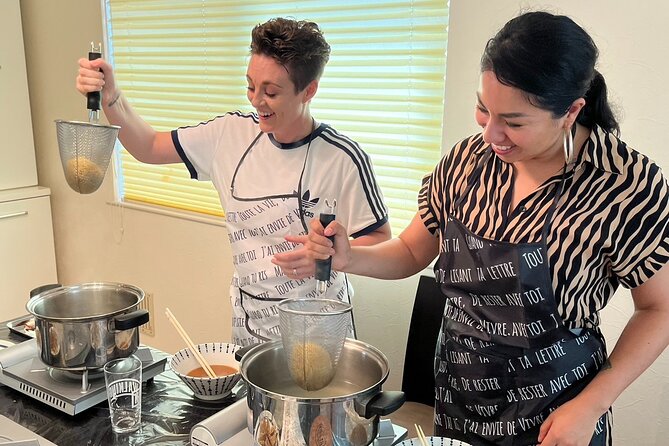
At $104.51 per person, this is not the cheapest way to eat ramen in Tokyo. A bowl at a casual restaurant costs far less. The comparison is not quite fair, though, because this price includes instruction, the meal, matcha, sweets, an apron, take-home recipes, and class photos.
The small group matters most when judging the price. With a maximum of four people, you are paying for personal attention as well as food. A large demonstration class can be cheaper, but it may give you less time to ask about broth, dough, shaping, or seasoning.
The take-home recipes add lasting value. If you cook even one of the dishes again, the class becomes more than a two-hour activity. The photos are another useful extra, especially if you want a record of the session without stopping to take pictures while cooking.
I would see this as good value for a food-focused visitor, a family group, or anyone who wants a guided activity with a meal built in. It is less attractive if your only goal is to eat inexpensive ramen, or if you have a diet that the class cannot support.
A particularly good fit is a mixed-age group. The class has already worked well for a group including grandparents and a 19-year-old food enthusiast, and the format allows questions while keeping to the scheduled time. That suggests the lesson can suit different cooking abilities without turning into a long, demanding workshop.
Who should book, and who should skip it?
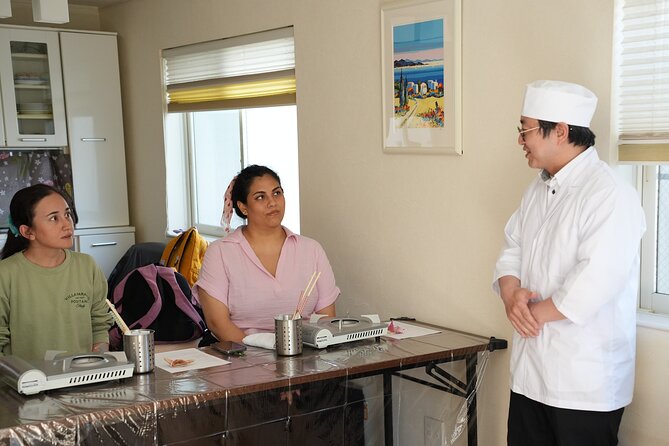
Book this class if you want to understand Japanese food by making it yourself. It suits first-time cooks, food fans, families, and small groups who like a clear activity with a meal at the end.
It also works well on a day when you are already visiting Shibuya, Shinjuku, or Ikebukuro. You can reach the class by train, then continue shopping in Ikebukuro or take a short walk to Kishimo Shrine.
The four-person cap makes it a good choice for a couple or a small family. You are less likely to feel lost in the room, and the chef can respond to questions at your pace. The English-speaking instruction removes a major hurdle for visitors who want to learn techniques rather than simply watch.
Skip it if you need vegetarian, vegan, halal, or gluten-free food. The menu cannot be altered for those requirements. You should also skip it if you dislike structured activities or prefer to spend your evening moving between restaurants.
The activity ends where it begins, and private transportation is not included. Build in time for public transit and for finding the Zoshigaya meeting point. Confirmation is sent within 48 hours of booking, subject to availability, so do not assume your place is final until you receive it.
Free cancellation is available if you cancel at least 24 hours before the local start time. A later cancellation is not refunded, and changes made inside that period are not accepted. If the minimum number is not reached and the class is canceled, you are offered another date or experience, or a full refund.
Final call: a strong pick for hands-on food fans
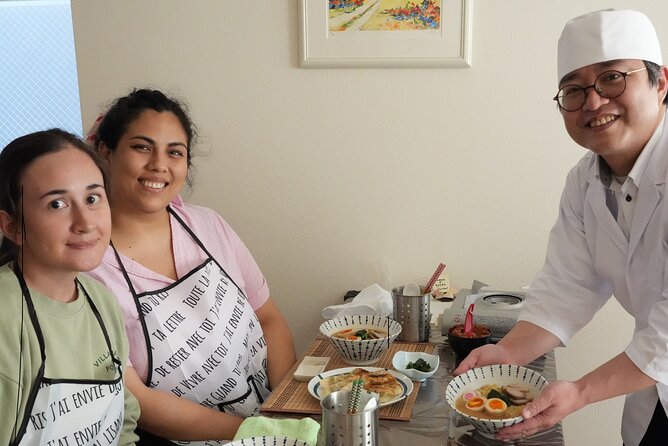
I would book this class if I wanted one compact Tokyo activity that combines cooking, dinner, and a small cultural lesson. The strongest reasons are the four-person limit, English instruction, useful recipes, and the unusual pairing of ramen and gyoza with matcha.
The fixed menu is the clear limit. Check the dietary rules before paying, and bring cash if you want sake or beer. If those points work for you, $104.51 is a fair price for a personal cooking session that gives you both a meal and skills to take home.
FAQ
Where does the cooking class take place?
The class takes place at 3-chōme-1-7 Zōshigaya, Toshima City, Tokyo 171-0032, Japan. It starts and ends at the meeting point.
How long does the activity last?
The class lasts approximately two hours.
How many people can join the class?
The activity has a maximum of four participants.
Is the class taught in English?
Yes. An English-speaking guide explains the ingredients and techniques, and the chef adjusts the lesson to each participant’s pace.
Are food and drinks included?
Dinner of miso ramen and gyoza, matcha tea, and Japanese sweets are included. Alcohol costs an additional 500 yen per drink and must be paid in cash. Sake and beer are available. Soda is not included.
Can the class accommodate dietary restrictions?
No. Vegetarian, vegan, halal, and gluten-free menus are not available.
Newly steeped around Tokyo
- Yokohama : Tea Ceremony with Sweets and Souvenir★ 5.0 · 5 reviews
- Walking Tour: Yanaka,Nezu& Sendagi: Tea Ceremony & Old Tokyo★ 5.0 · 3 reviews
- Private Mochi・Matcha sweets Making Class Near Shibuya Area★ 5.0 · 22 reviews
- 2 Hours Mochi &Nerikiri Making & Matcha Class in Bunkyo★ 5.0 · 21 reviews
- Private Kimono and tea ceremony at local home near Tokyo Disney★ 5.0 · 6 reviews
- Kimono and Tea Ceremony in Asakusa Private Food Tour With Guide★ 5.0 · 4 reviews
- Giant Sushi Cooking Class: Make a 1.5m Sushi Roll in Tokyo★ 5.0 · 9 reviews
- Tokyo Tea Ceremony Class at a Traditional Tea Room★ 5.0 · 2 reviews
Matcha Experiences, compared.
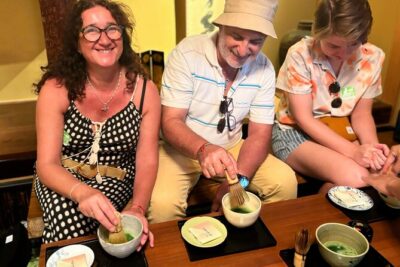
World Heritage Kyoto & Nara Uji Authentic Matcha Experience
Read our review →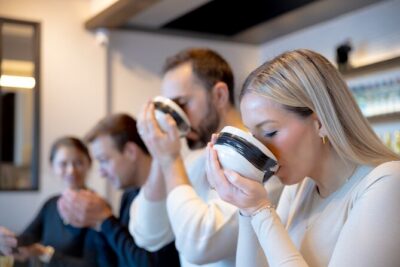
Matcha Making Class in Tokyo with Authentic Japanese Sweets Set
Read our review →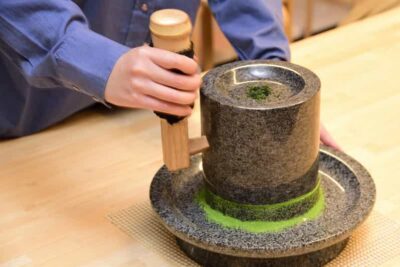
Kyoto: Tea Museum Tickets and Matcha Grinding Experience
Read our review →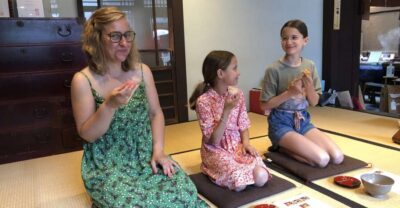
Kyoto: Tea Ceremony Meditation – Make Matcha with Tea Master
Read our review →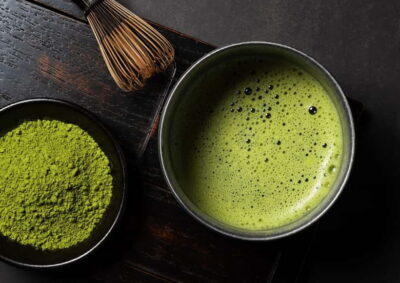
Tokyo: Matcha Making Experience with Mochi Sweets in Asakusa
Read our review →
Kyoto: Kimono Tea Ceremony with Matcha and Sweet
Read our review →
Browse the lists this tea experience appears in