
Review · TOKYO
Tokyo: Matcha Tea Ceremony Experience at Japanese room in Shibuya
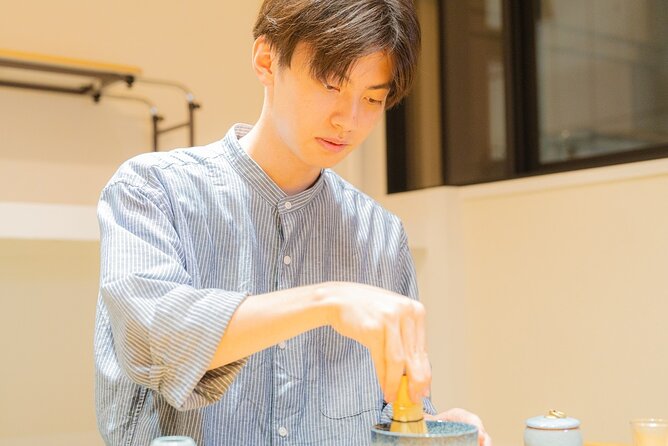
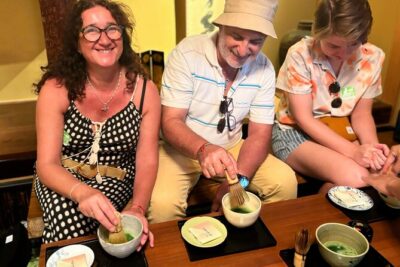
The best part of this one-hour Shibuya experience is that you do not just watch a tea ceremony. You prepare your own bowl of matcha, learn the basic manners, and compare several Japanese teas in a small group setting. It gives you something to do with your hands, not just something to photograph.
I like the hands-on matcha preparation and the easygoing teaching style. Guides including Taku, So-Wa, and Ryota explain both matcha and hojicha, answer questions, and connect the tea to everyday Japanese culture. The tasting of three additional teas, with traditional sweets included in at least some sessions, adds useful variety.
The main limitation is time. One hour is enough for a friendly introduction, but not for a long, formal ceremony or a detailed study of every tea tradition. The meeting point is in Shibuya, and the activity returns there, so plan your route carefully before arriving.
Key points at a glance
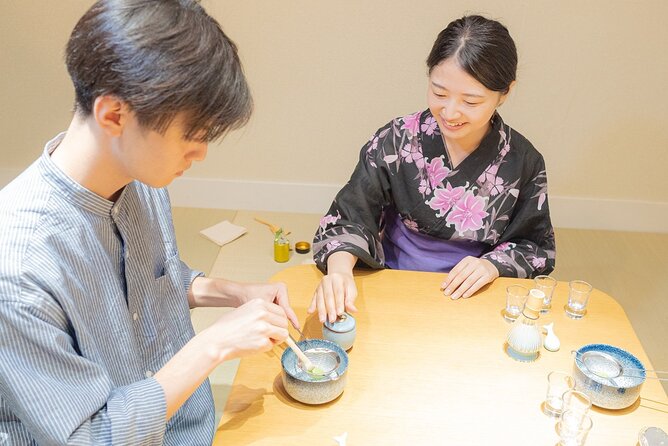
- Whisk your own matcha: You prepare a bowl yourself with step-by-step help from the instructor.
- Taste several Japanese teas: The session includes matcha plus a tasting of three other teas, with hojicha a frequent favorite.
- Learn ceremony manners: You receive a beginner-friendly introduction to the etiquette and techniques used in a traditional tea setting.
- Small group format: The maximum group size is eight people, which leaves room for questions and personal guidance.
- Meet in Shibuya: The experience begins and ends at 2-chōme-14-13 Shibuya, Tokyo 150-0002.
- Flexible booking: Free cancellation is available up to 24 hours before the start time.
A quiet tea room in the middle of Shibuya
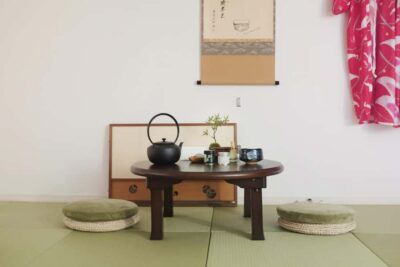
Shibuya is famous for giant screens, packed crossings, shopping, and late-night energy. This activity offers a useful change of pace. You enter a Japanese room, sit down, and focus on tea, movement, and conversation for about an hour.
That contrast is part of the appeal. You do not need to travel far from central Tokyo to find a cultural activity with a calmer rhythm. The setting is designed to feel welcoming rather than intimidating, which matters if you have never attended a tea ceremony before.
The exact starting address is 2-chōme-14-13 Shibuya, Tokyo 150-0002, Japan. The experience ends back at the same meeting point. Since the activity is near public transportation, it can fit neatly between sightseeing in Shibuya and another Tokyo plan.
I would allow a little extra time to find the address. The supplied information gives the street address, but it does not describe a large landmark, hotel lobby, or station exit for orientation. Arriving early is the sensible move, especially in a neighborhood where a short walk can involve crowded streets and confusing entrances.
More Matcha Experiences in Tokyo
- Matcha Making Class in Tokyo with Authentic Japanese Sweets Set
★ 5.0 · 744 reviews - Tokyo: Matcha Making Experience with Mochi Sweets in Asakusa
★ 4.9 · 388 reviews - Asakusa Cultural Walk & Matcha Making Tour
★ 5.0 · 245 reviews
What happens during the one-hour session
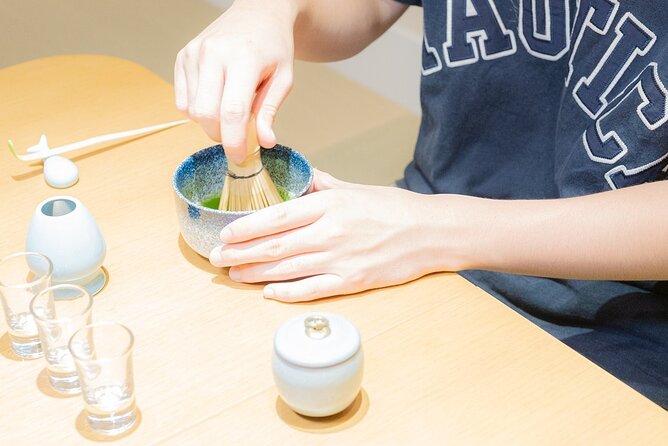
The activity begins with an introduction to the tea ceremony and its basic etiquette. You learn how the ceremony is approached, what manners matter, and why the preparation is done with care. The teaching is aimed at beginners, so you are not expected to arrive with prior knowledge.
This opening is important. Without some explanation, whisking matcha can feel like a short craft lesson. With the cultural background, the movements have more meaning. You begin to see the tea ceremony as a practice of attention, courtesy, and balance rather than simply a way to make a green drink.
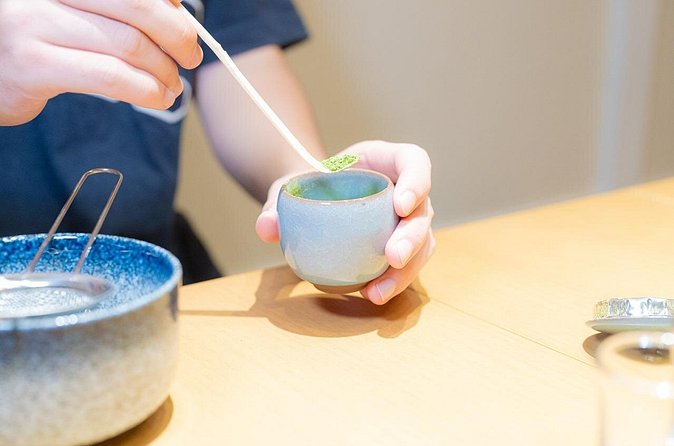
The instructor then guides you through preparing your own matcha. You are not merely handed a finished bowl. You take part in the process and learn the basic technique step by step.
That hands-on section is the heart of the experience. Matcha can look simple, but the preparation gives you a clear sense of why tools, movement, and timing matter. If your first bowl is not perfect, that is part of the fun. The instructor is there to help you adjust and try again.
The session also includes a tea tasting. You taste and compare three different Japanese teas, alongside the matcha experience. Hojicha is included among the teas discussed, and it has become a favorite for some people because its roasted character is very different from matcha.
Traditional sweets may accompany the matcha. They provide a pleasant contrast to the tea and help make the ceremony feel like a complete Japanese cultural experience rather than a tasting of drinks alone.
The exact order of each element may vary, but you should expect a compact sequence of explanation, matcha preparation, tea tasting, and questions. At the end, you return to the same meeting point rather than being taken to another part of the city.
Why making your own matcha matters
Many cultural activities give you a short demonstration and a chance to take a picture. This one asks you to participate. You prepare your own bowl under instruction, which makes the lesson more memorable and gives you a better sense of the care behind the finished drink.
The activity is not presented as a test. The instructors use a relaxed approach, making it suitable for people who have never handled matcha tools before. That friendly tone is especially helpful if you are worried about making a mistake in a formal setting.
Taku is praised for explaining matcha and hojicha clearly, while So-Wa is noted for giving historical and cultural context about Japan’s tea ceremony. Ryota is also singled out for making the matcha lesson enjoyable. The provider may assign different instructors, so you should not book on the assumption that one particular guide is guaranteed.
I like this teaching approach because it combines technique with context. You learn what to do, but you also have room to ask why it is done. That makes the hour useful for a first introduction, not just a souvenir activity.
The tea tasting is more than a cup of matcha
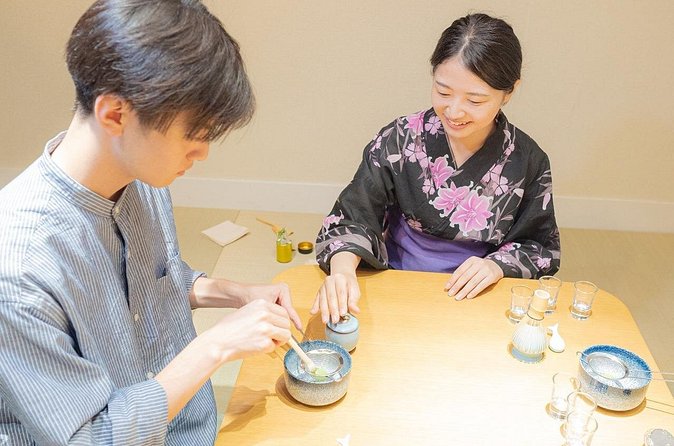
Matcha is only one part of Japanese tea culture. The tasting gives you a chance to notice how different teas can be from one another in flavor and character.
Hojicha is especially useful in this comparison. Its roasted taste offers a clear contrast with matcha, and it may appeal to you if you find matcha more intense than expected. The other teas give the session added range, though the available information does not identify all three by name.
This variety is one of the strongest reasons to choose the activity over a basic matcha-making class. You are not limited to one preparation or one flavor. You leave with a broader understanding of Japanese tea and a better idea of what you might want to order later in your trip.
The tasting is also a good point for questions. You can ask about the teas being served, how they differ, and how they fit into Japanese traditions. The instructors are described as willing to answer questions, so use the small-group format to ask about anything that catches your attention.
Do not expect a full professional tea education in 60 minutes. The tasting is an introduction, not an in-depth study of growing regions, production methods, or specialist brewing. But for a first encounter, the range is well chosen.
More Tea Ceremonies in Tokyo
- Kimono Tea Ceremony at Tokyo, Asakusa Maikoya
★ 5.0 · 638 reviews - Tokyo: Traditional Tea Ceremony with a Tea Master
★ 5.0 · 528 reviews - Tea Ceremony Workshop in Tokyo by the Experienced Instrucor
★ 5.0 · 189 reviews - Asakusa: Kimono Tea Ceremony with Matcha and Sweet
★ 4.9 · 153 reviews
A small group makes the lesson personal
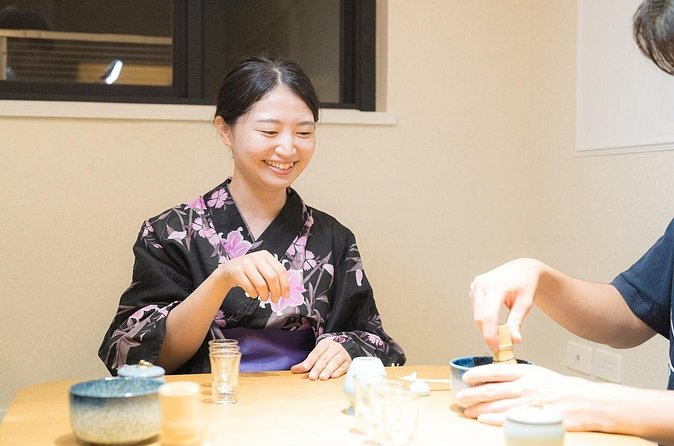
The maximum group size is eight people. That is a useful middle ground. You get the social feel of a group activity without the size of a large bus tour.
A smaller class matters during the matcha preparation. You can see the instructor’s demonstration, follow along, and ask for help if your technique needs adjusting. It also makes conversation easier during the tasting.
The group limit does not guarantee a private lesson. Other people will be present, and the pace needs to work for everyone. Still, eight is small enough for the activity to feel personal rather than mass-produced.
I would recommend it for solo visitors, couples, families with an interest in Japanese culture, and small groups of friends. It also suits people who want a calm break from Shibuya’s busy streets. If you prefer a highly formal ceremony with long periods of quiet and precise ritual, this shorter, beginner-focused class may feel too informal.
The guides shape the experience
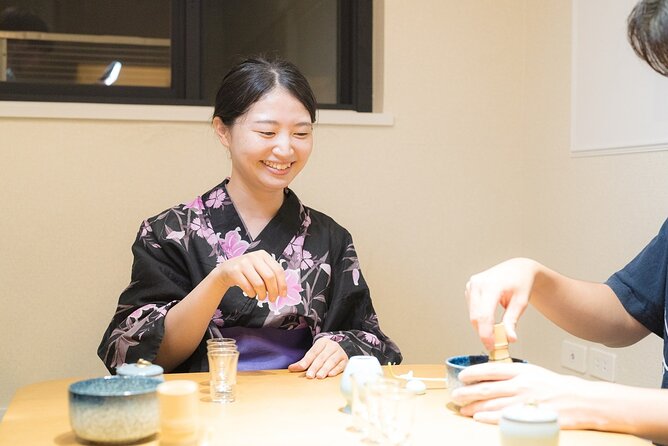
The strongest feature of the session is the instructor’s ability to make the subject approachable. Taku is associated with explanations of matcha and hojicha. So-Wa provides wider background on Japanese culture and the history of tea ceremony. Ryota is praised for making the matcha lesson enjoyable.
These details suggest that the activity is not dependent on a single script. The guides explain, demonstrate, and respond to questions. That is valuable because visitors arrive with different levels of interest. You can focus on the practical technique, the cultural meaning, or the taste of the tea.
The atmosphere is described as friendly, relaxed, and mindful. Those words matter here. A tea ceremony can seem formal from the outside, but the session is designed to help you take part without feeling nervous about etiquette.
You should still listen carefully when the instructor explains manners. The relaxed tone does not mean the cultural details are treated casually. The point is to give you enough understanding to participate respectfully.
Is $32.58 a fair price?
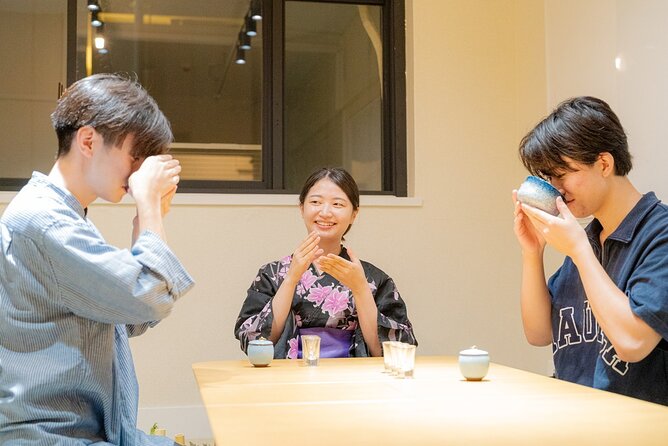
At $32.58 per person, this is reasonably priced for a one-hour cultural activity in central Tokyo, particularly because it includes instruction, hands-on matcha preparation, and a tasting of several teas.
The value comes from the combination rather than the duration alone. A short demonstration would offer less. Here, you receive cultural background, personal instruction, your own matcha-making experience, and a comparison of different teas.
The price is easier to justify if you are curious about Japanese customs but do not want to commit half a day to a formal ceremony. It also works well if you are building a busy Tokyo schedule and want a focused activity that starts and ends in Shibuya.
The value is lower if you are mainly looking for a large amount of tea or a long ceremony. This is an introduction. You are paying for the teaching and the experience, not simply for drinks.
The small group limit also helps support the price. With no more than eight people, the instructor has a better chance to give useful guidance during the matcha preparation.
Who should book this experience?
I would choose this activity if you want a simple first look at Japanese tea culture. It is especially well suited to first-time visitors, people who enjoy food and drink experiences, and anyone who prefers learning by doing.
It is also a good choice for visitors with limited time. The one-hour duration leaves the rest of your day open for Shibuya shopping, sightseeing, or a meal. Because the experience begins and ends at the same place, you do not lose time arranging a transfer to another neighborhood.
Families and mixed-interest groups may find it practical too. Someone who knows little about tea can follow the beginner-friendly lesson, while a more curious participant can ask about culture, etiquette, and different tea styles.
I would think twice if you want a grand, highly ceremonial performance. The experience is relaxed and instructional, not described as a long formal ritual. You should also check your schedule carefully because late changes or cancellations within 24 hours are not accepted.
Booking, cancellation, and practical details
Confirmation is provided when you book, and a mobile ticket is available. The activity is near public transportation, but the information does not specify which station exit to use. Check the address before setting out and allow enough time to reach the room.
Free cancellation is available if you cancel at least 24 hours before the scheduled start time. Canceling or changing the booking less than 24 hours before the start is not accepted for a refund. The cut-off follows Tokyo local time.
The activity has a maximum of eight people, but the supplied details do not state a minimum age, accessibility information, language options, or the exact teas served. If any of those points affect your booking, ask the provider before paying.
Bring your phone if you want to keep the mobile ticket easy to access. The experience itself is short, so avoid booking it at a time that leaves you rushing from another appointment across Tokyo.
Should you book the Shibuya matcha experience?
Book it if you want to make your own matcha, taste several Japanese teas, and learn the basic etiquette in a calm room with a small group. The instructors, especially Taku, So-Wa, and Ryota, are described as friendly and clear, and the tasting gives the hour more substance than a basic demonstration.
Skip it if you are seeking a lengthy, formal tea ceremony or a specialist-level lesson. For everyone else, the $32.58 price, one-hour format, central Shibuya location, and hands-on teaching make this a practical way to add Japanese culture to a Tokyo itinerary.
FAQ
Where does the tea ceremony experience begin?
It begins at 2-chōme-14-13 Shibuya, Tokyo 150-0002, Japan.
Where does the activity end?
The activity ends back at the meeting point in Shibuya.
How long does the experience last?
The experience lasts approximately one hour.
How much does the activity cost?
The listed price is $32.58 per person.
How many people can join the activity?
The maximum group size is eight people.
Do I make my own matcha?
Yes. You prepare your own bowl of matcha with step-by-step guidance from the instructor.
Are other Japanese teas included?
Yes. The experience includes a tasting and comparison of three different Japanese teas in addition to the matcha activity.
Is hojicha included?
Hojicha is discussed and tasted as part of the tea experience, although the exact tea selection may depend on the session.
Is the activity suitable for beginners?
Yes. The experience introduces basic tea ceremony manners and techniques in a relaxed, beginner-friendly setting.
Can I cancel for a full refund?
Yes, if you cancel at least 24 hours before the experience start time. Cancellations or changes made less than 24 hours before the start are not accepted for a refund.
Newly steeped around Tokyo
- Yokohama : Tea Ceremony with Sweets and Souvenir★ 5.0 · 5 reviews
- Walking Tour: Yanaka,Nezu& Sendagi: Tea Ceremony & Old Tokyo★ 5.0 · 3 reviews
- Private Mochi・Matcha sweets Making Class Near Shibuya Area★ 5.0 · 22 reviews
- 2 Hours Mochi &Nerikiri Making & Matcha Class in Bunkyo★ 5.0 · 21 reviews
- Private Kimono and tea ceremony at local home near Tokyo Disney★ 5.0 · 6 reviews
- Kimono and Tea Ceremony in Asakusa Private Food Tour With Guide★ 5.0 · 4 reviews
- Giant Sushi Cooking Class: Make a 1.5m Sushi Roll in Tokyo★ 5.0 · 9 reviews
- Tokyo Sweets Tour: Hidden Gems & Matcha at an Old Tea House★ 5.0 · 6 reviews
Matcha Experiences, compared.
World Heritage Kyoto & Nara Uji Authentic Matcha Experience
Read our review →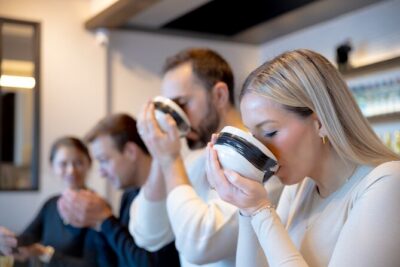
Matcha Making Class in Tokyo with Authentic Japanese Sweets Set
Read our review →
Kyoto: Tea Museum Tickets and Matcha Grinding Experience
Read our review →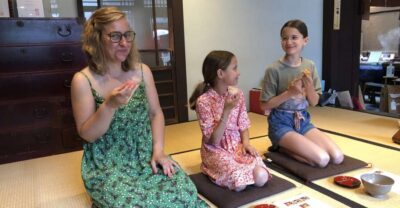
Kyoto: Tea Ceremony Meditation – Make Matcha with Tea Master
Read our review →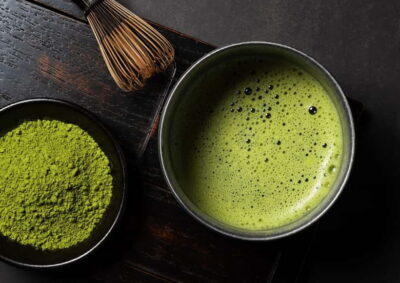
Tokyo: Matcha Making Experience with Mochi Sweets in Asakusa
Read our review →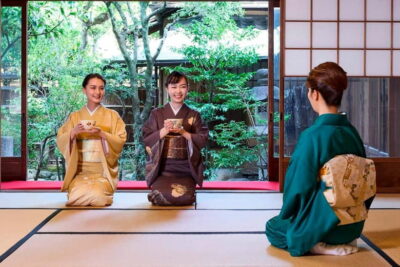
Kyoto: Kimono Tea Ceremony with Matcha and Sweet
Read our review →
Browse the lists this tea experience appears in