
Review · YOKOHAMA
Yokohama: Sushi & Gyoza Cooking with Matcha & GreenTea Experience
The most memorable part of this Yokohama experience is the change of scene: you begin in a private tatami tea room, then slide into the kitchen to make sushi rolls and gyoza with host Yuka. It feels less like a show and more like being welcomed into a Japanese home for a morning.
I like the small group size, capped at six, and the choice of three cultural activities before cooking. I also like the practical kindness built into the meeting, Yuka meets you at Odoriba Station and has even brought umbrellas when bad weather was expected. The main consideration is location: after meeting at the station, you walk about ten minutes to the house.
Key points to know
- Three ways to begin: Choose a simple matcha experience, manga-style drawing, or tea and Japanese sweets in the tatami room.
- Two hands-on dishes: Make sushi rolls and handmade gyoza, with Yuka guiding you through the process.
- Small and personal: The maximum group size is six, and private bookings can feel especially intimate.
- A real residential setting: The activity takes place in Yuka’s traditional home, not a large cooking school.
- Easy morning timing: Meet at Odoriba Station at 10:30 am, with the full activity lasting about two and a half hours.
- Good value for a cultural activity: At $71.53 per person, the price covers the tea-room experience, instruction, food preparation, and meal.
Starting at Odoriba Station in Yokohama
Your morning begins at Odoriba Station in Izumi Ward, Yokohama, at 10:30 am. The listed meeting point is 1 Chome-1 Nakatahigashi, Izumi Ward, and the activity finishes back at the same meeting point.
That return arrangement makes the outing easy to fit into a Yokohama day, but pay attention to the first transition. The house is about a ten-minute walk from the meeting place. This is not a tour where you step off the train and walk straight into a commercial cooking studio. You meet Yuka first, then walk with her through a Japanese residential area.
I like that detail. The walk gives you a small look at everyday Yokohama rather than keeping you inside a tourist district. At the same time, you should allow enough time to reach the station meeting point without rushing. The start time is fixed at 10:30 am, and the experience operates on local time.
Yuka’s personal welcome is part of the appeal. She speaks English well, according to the available feedback, and meets you at the station. One particularly thoughtful touch was bringing umbrellas when wet weather was expected. That sort of small care matters in a home-based activity, where the host is not just leading a lesson but setting the tone for the whole visit.
More Matcha Experiences in Japan:
- World Heritage Kyoto & Nara Uji Authentic Matcha Experience
★ 5.0 · 1,573 reviews - Kyoto: Arashiyama Bamboo Forest, Monkeys, Matcha & Temple Tour
★ 5.0 · 759 reviews - Matcha Making Class in Tokyo with Authentic Japanese Sweets Set
★ 5.0 · 744 reviews
A quiet hour in the private tea room
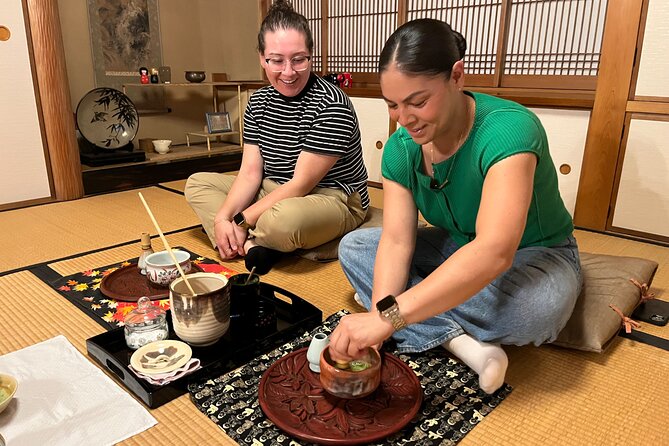
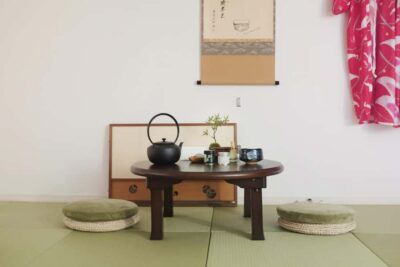
The first part takes place in a traditional Japanese tea room, or chashitsu, inside Yuka’s home. You sit on tatami in a room designed for calm and simplicity. This is a useful contrast to the busy sightseeing schedule many people keep in Japan.
You choose one of three options for this opening hour. The first is a simple tea ceremony experience with matcha tasting. If matcha’s strong, grassy flavor is not for you, a creamy matcha latte is available instead. That choice makes the activity more approachable for people who are curious about Japanese tea but do not already enjoy straight matcha.
The second option is manga-style illustration. You use authentic tools and work from Yuka’s own artwork and inspiration. This gives you a creative way to spend the hour without making the whole activity about food. It also makes the experience a good fit for families or for anyone who would rather draw than take part in a tea introduction.
The third option is simply relaxation time. You can enjoy Japanese sweets and tea while taking in the tatami room. That is not a throwaway choice. If you have been visiting temples, shopping streets, and crowded city sights, a quiet hour may be exactly what you need.
The room also gives you one of the best photo settings of the day. You can take pictures in the traditional interior and later photograph the food you prepare. Remember that this is a private home, so the right approach is to enjoy the setting respectfully and follow Yuka’s guidance about photos.
Matcha, sweets, and a choice that suits you
The tea-room portion is valuable because it provides context before the cooking begins. Matcha is not only a drink here. It is part of a slower Japanese custom built around preparation, presentation, and attention to the moment.
The experience is described as a simple introduction rather than a formal, highly technical tea ceremony. That makes it suitable for first-time visitors who want a taste of the tradition without committing to a long ceremonial lesson. If you choose the latte, you still get the setting and the cultural introduction with a gentler flavor.
Japanese sweets are included during the quiet tea option and help make the room feel welcoming. The exact sweets are not specified, so you should not expect a particular type. What you can count on is tea, sweets, and time in the tatami room as part of the opening portion.
The three-choice format is one of the strongest features here. Many cooking activities offer a fixed schedule, but this one allows you to decide how you want to begin. I would choose matcha if tea culture is high on your list. Manga drawing is a smart pick for creative people, and quiet tea time may be best if relaxation matters more than another structured lesson.
Opening the kitchen for sushi rolls
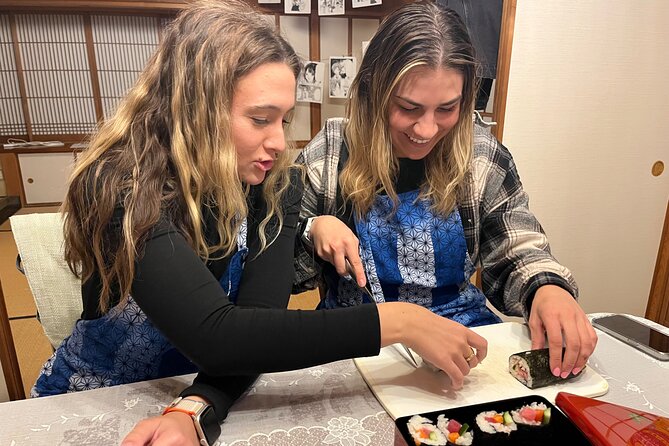
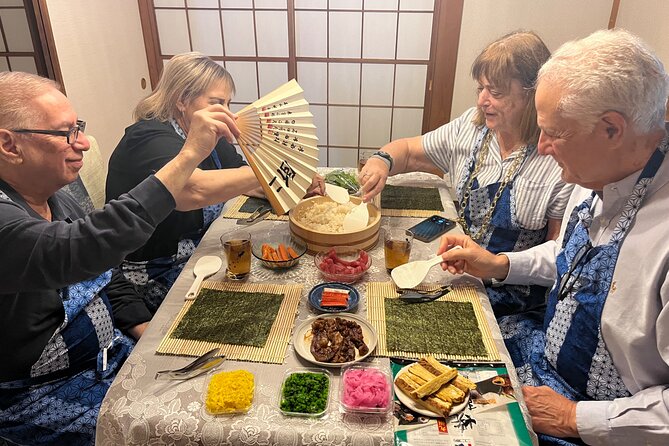
After the tea-room hour, sliding doors open to the kitchen. The shift from tatami and tea to food preparation gives the activity a natural rhythm. You do not simply watch someone prepare a plate. You join Yuka in making two familiar Japanese dishes.
First comes sushi, specifically maki rolls. You work with fresh ingredients and learn the steps involved in making the rolls. The available details do not specify the exact fillings or the number of rolls, so it is best to think of this as a practical introduction rather than a professional sushi course.
Maki is a good choice for a short class because it gives you a clear result in a manageable amount of time. You can see how the ingredients are arranged, how the roll is formed, and how it becomes a finished dish. The result also makes a good photo, especially when you have made it yourself.
Yuka provides personal guidance rather than leaving you to figure out the process alone. That matters when working with sushi, where the appearance and handling can feel unfamiliar at first. The small maximum group size helps keep the lesson personal, although the exact amount of individual instruction can vary with the size of your group.
More Cooking Classes with Tea around Japan:
- Private Kyoto Sushi Cooking Class & Tea Ceremony with Emika
★ 5.0 · 66 reviews - Osaka Japanese Cooking And Matcha Class near Osaka Castle
★ 5.0 · 22 reviews - Home Made Onigiri and Matcha Cooking Class in Hiroshima
★ 5.0 · 11 reviews - Giant Sushi Cooking Class: Make a 1.5m Sushi Roll in Tokyo
★ 5.0 · 9 reviews
Folding handmade gyoza from scratch
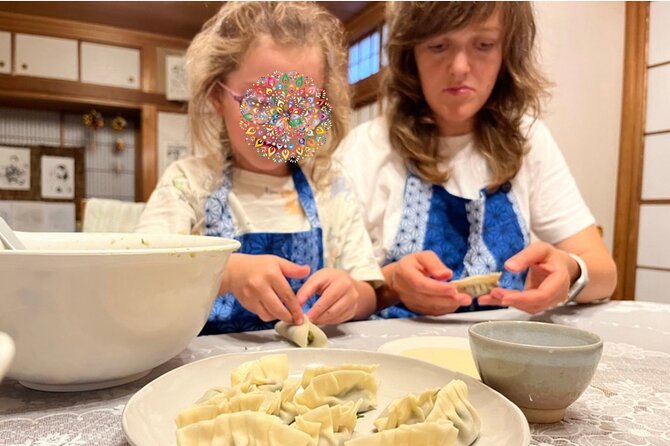
The second dish is handmade gyoza. You fold the dumplings and cook them with Yuka’s help. Gyoza is an especially friendly dish for a home cooking lesson because the folding stage is hands-on, social, and easy to compare with the host’s technique.
Do not expect every dumpling to look perfect. That is part of the fun. The value is in learning how the dough, filling, and folding come together, then tasting the result while it is fresh. You get a closer connection to everyday Japanese food than you would from ordering a plate at a restaurant.
The information provided does not give the precise filling, cooking method, or recipe details. If you hope to recreate the dish later, ask Yuka about ingredients and measurements during the lesson. The experience is clearly designed to teach by doing, and an attentive participant should have a chance to learn useful techniques directly from her.
Making both sushi and gyoza keeps the food portion varied. Sushi involves careful rolling and presentation. Gyoza brings in folding and cooking. Together, the dishes give you two different kinds of kitchen work in one compact session.
Why the home setting matters
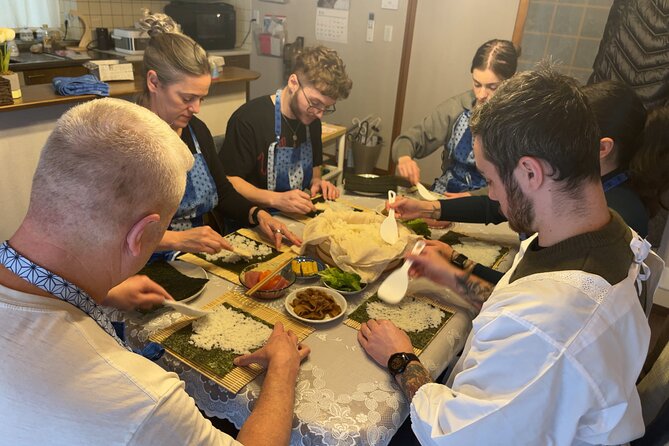
A traditional home changes the feel of this activity. In a commercial class, the room is built for teaching. Here, the setting gives you a glimpse of Japanese domestic life, from the residential walk after the station to the tatami room and home kitchen.
That setting is the main reason to choose this experience over a standard cooking lesson. You get food instruction, but you also get hospitality and conversation in a personal space. Yuka’s warm manner is central to the experience, and the small group limit supports that personal contact.
The tradeoff is that a home setting can be less predictable than a purpose-built studio. You should come ready for a relaxed lesson rather than a polished production with a large staff and a fixed display kitchen. That is a benefit for some people and a drawback for others.
I would choose this for a solo visitor, couple, family, or small group that wants a human connection. The maximum of six people keeps it from becoming a crowd. A booking for two can feel particularly intimate, as the experience can involve only your own party and the host.
A close look at the $71.53 price
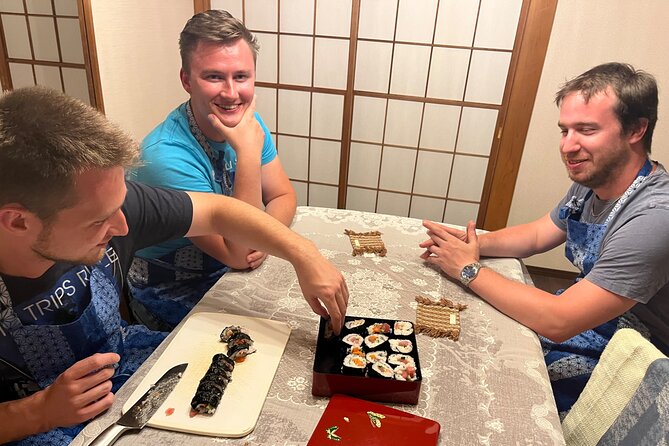
The cost is $71.53 per person. That is not the cheapest way to eat in Yokohama, but the comparison is not really with a restaurant meal. The price includes about two and a half hours of hosting, a cultural activity in a private tea room, tea and sweets, instruction, and hands-on preparation of sushi and gyoza.
For me, the value depends on what you want from the morning. If you only want a quick meal, the price is hard to justify. If you want food, cultural context, a personal host, and a small group setting, the cost is reasonable.
You are also paying for the setting. The private home and tatami room cannot be separated from the experience. The station pickup, walk to the house, tea-room choice, and cooking lesson create a fuller morning than a simple recipe class.
The price looks strongest for couples and small groups who appreciate personal attention. It may be less attractive to visitors who already have extensive cooking experience or who prefer a formal tea ceremony with more detailed instruction. The activity is broad rather than highly specialized.
Timing, group size, and practical planning
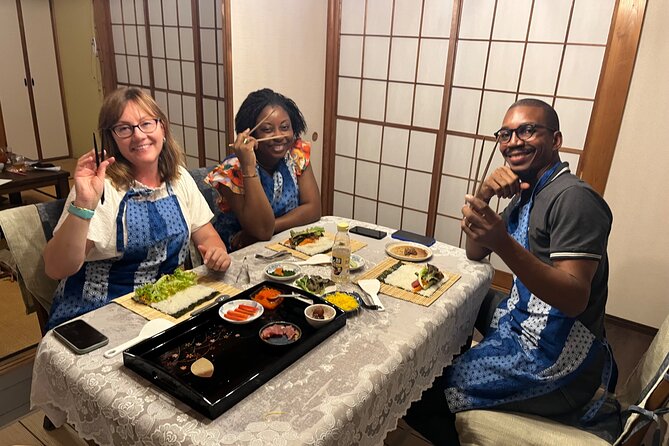
The total duration is approximately two hours and thirty minutes. The first hour is devoted to the tea room and your chosen cultural activity, followed by the kitchen session. The timing is long enough to feel substantial without taking an entire day from your Yokohama plans.
The maximum is six people. That is a useful limit because the experience involves conversation, drawing or tea, and shared kitchen work. A larger group would make the home setting less personal and could make hands-on cooking harder.
You receive confirmation when you book, and the activity is available with a mobile ticket. It is near public transportation, with Odoriba Station serving as the meeting point. Service animals are allowed.
Free cancellation is available if you cancel at least 24 hours before the 10:30 am start time. Cancellations made less than 24 hours before the start, as well as late changes, are not refunded or accepted. If your schedule is uncertain, keep that deadline in mind.
The current rating is 5 out of 5 from three reviews. That is a perfect score, but the sample is small. I would treat it as a promising sign of strong hosting rather than as proof that every visitor will have the same experience.
Who will enjoy this Yokohama activity most
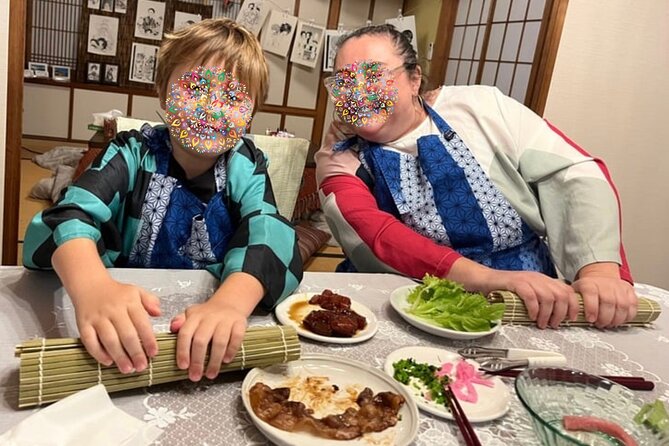
You should consider booking if you want a personal introduction to Japanese food and home life. It suits people who enjoy learning by hand, asking questions, and spending time with a host rather than moving quickly through a list of sights.
It is also a good pick if you are curious about matcha but do not want a long formal ceremony. The matcha latte option helps if you prefer a milder drink. Manga drawing provides a non-food alternative, and the quiet tea choice gives you a slower start.
Families may like the mix of drawing, sweets, cooking, and photos. Couples can enjoy the private feel of the home setting. Solo visitors get a chance to meet a local host in a small group rather than joining a large class.
You may want to skip it if you prefer a major tourist attraction, a restaurant-based food tour, or a technical cooking course with exact recipes and advanced instruction. The experience is about connection and participation as much as culinary precision.
Should you book Yuka’s sushi and gyoza class?
Book it if you want a small, home-based experience that combines Japanese hospitality, a tatami tea room, and food you prepare yourself. The choice of matcha, manga drawing, or quiet tea time lets you shape the morning to suit your mood.
The main drawbacks are the ten-minute walk from the station, the fixed 10:30 am start, and the lack of detailed information about the exact ingredients and recipes. None of these is a serious problem for the right visitor.
At $71.53, this is best viewed as a cultural visit with cooking included, not simply a meal. If that sounds like your kind of Yokohama morning, Yuka’s warm welcome and intimate setting make this a strong choice.
FAQ
Where does the experience begin?
It begins at Odoriba Station, at 1 Chome-1 Nakatahigashi, Izumi Ward, Yokohama, Kanagawa 245-0013, Japan.
What time does the activity start?
The start time is 10:30 am.
How long does the experience last?
The experience lasts approximately two hours and thirty minutes.
How many people can join?
The activity has a maximum of six travelers.
What food do you make?
You make sushi rolls, also called maki, and handmade gyoza.
Can I choose what to do in the tea room?
Yes. You can choose a simple tea ceremony experience with matcha or a matcha latte, manga-style illustration, or relaxation time with tea and Japanese sweets.
What is the cancellation policy?
You can cancel for a full refund up to 24 hours before the experience starts. Cancellations or changes made less than 24 hours before the start time are not accepted, and the amount paid will not be refunded.
Newly steeped around Japan
- Yokohama : Tea Ceremony with Sweets and Souvenir★ 5.0 · 5 reviews
- Whisk Your Own Matcha: A Zen Matcha Experience at Temple★ 3.6 · 7 reviews
- Walking Tour: Yanaka,Nezu& Sendagi: Tea Ceremony & Old Tokyo★ 5.0 · 3 reviews
- Visit local home for music and tea ceremony near Disney★ 4.9 · 13 reviews
- Trip to Kamakura & Enoshima: Shrines, Seaside, Temples &Tea★ 5.0 · 11 reviews
- Kyoto tea town for matcha lovers★ 5.0 · 16 reviews
- Uji: Private immersion into Kyoto’s tea and reglious culture★ 5.0 · 17 reviews
- Uji and Wazuka Matcha Farm Half Day Private Guided Tour★ 5.0 · 21 reviews
Matcha Experiences, compared.
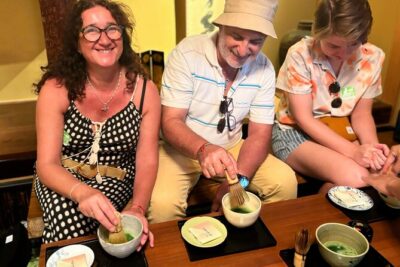
World Heritage Kyoto & Nara Uji Authentic Matcha Experience
Read our review →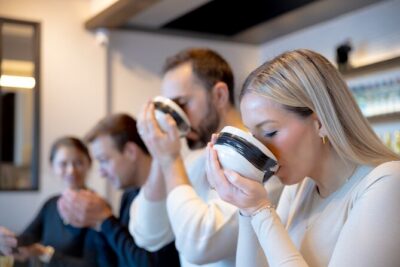
Matcha Making Class in Tokyo with Authentic Japanese Sweets Set
Read our review →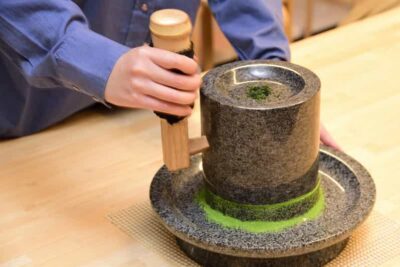
Kyoto: Tea Museum Tickets and Matcha Grinding Experience
Read our review →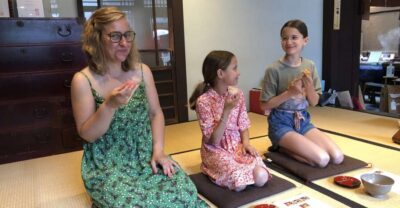
Kyoto: Tea Ceremony Meditation – Make Matcha with Tea Master
Read our review →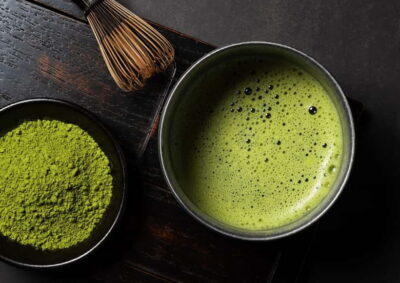
Tokyo: Matcha Making Experience with Mochi Sweets in Asakusa
Read our review →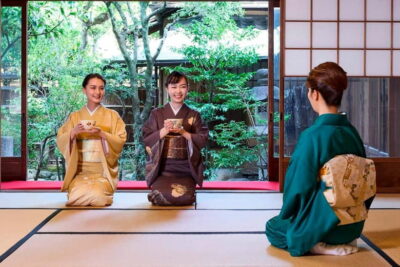
Kyoto: Kimono Tea Ceremony with Matcha and Sweet
Read our review →
Browse the lists this tea experience appears in