
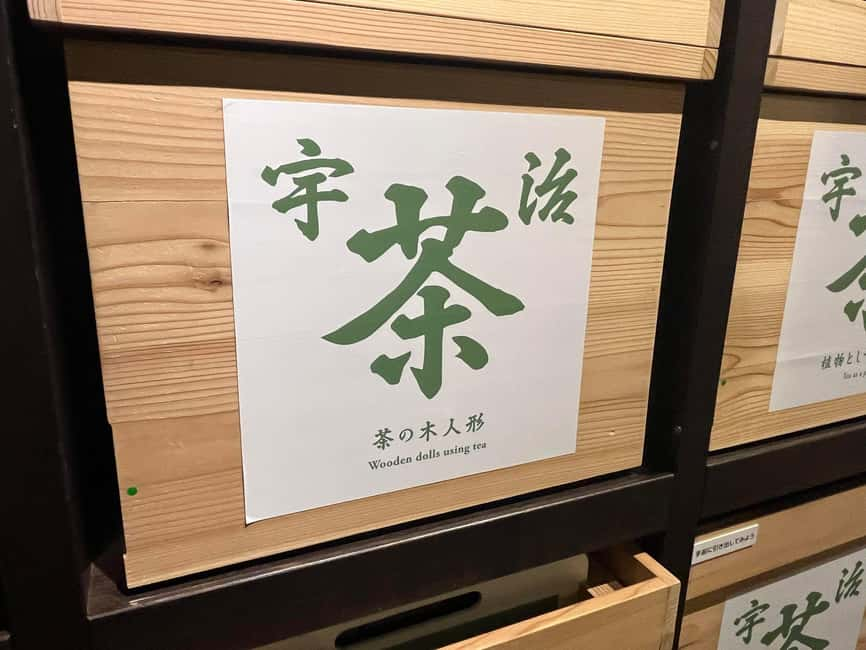
Review · KYOTO
Kyoto: Uji Matcha Tea Museum Entry Ticket
Uji tea takes center stage here, not as a souvenir or quick tasting, but as a subject you can examine from several angles. At Chazuna, digital displays answer practical questions about how tea is made, why Uji became famous, and what separates Gyokuro from Sencha.
I like the hands-on format, which gives children and adults something to do rather than simply read. I also like the low price, just $3.87 per person, and the final tea-themed photo spot. The main consideration is simple: this is a museum entry ticket, not a guided tea ceremony or tasting experience.
Key points
- Touchable Uji Tea Room exhibits explain tea production, origins, and brewing methods.
- Gyokuro and Sencha comparisons help you understand two important Japanese tea styles.
- The History Room connects Uji tea with the town, the Uji River, and Byodoin Phoenix Hall.
- A huge 10-yen coin creates an unusual welcome and an easy photo opportunity.
- A 4K HDTV display presents illustrated views of Uji in a striking digital format.
- One-day admission for $3.87 makes this an easy add-on to a day in Uji.
A clear introduction to Uji tea
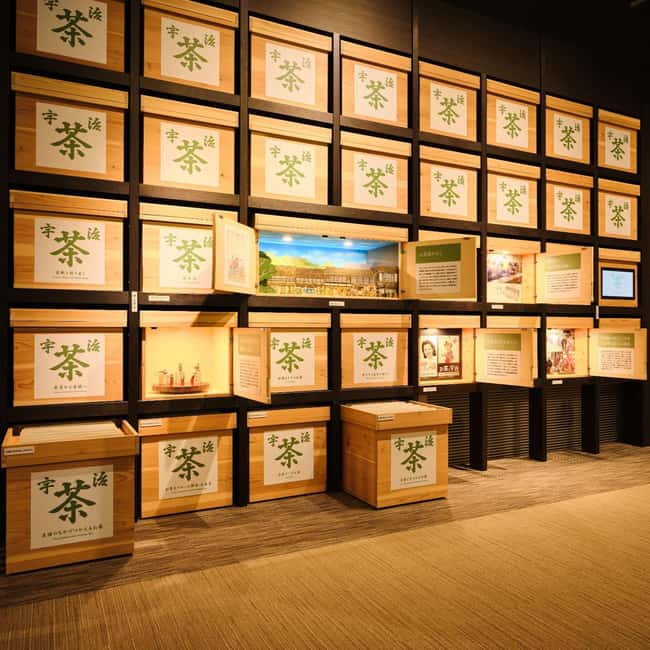
Uji is one of Japan’s best-known tea areas, and this museum gives you a useful starting point before you buy tea, visit a tea shop, or explore the town. You are not expected to know the difference between tea varieties before arriving. The exhibits begin with basic questions, then build toward production methods and brewing.
The Uji Tea Room, called Uji-cha no Ma, is the main learning area. Here, touchable digital displays explain how tea is produced and how Uji tea developed. The format is especially useful if you prefer seeing and interacting with information instead of reading long wall panels.
I would treat this as an introduction rather than a full technical course. The supplied information does not describe a formal lesson, a named guide, or a tea tasting. You are getting museum admission and digital exhibits, so the value comes from the amount of context you gain in a short cultural stop.
More Matcha Experiences in Kyoto
- Kyoto: Arashiyama Bamboo Forest, Monkeys, Matcha & Temple Tour
★ 5.0 · 759 reviews - Kyoto: Tea Ceremony Meditation – Make Matcha with Tea Master
★ 4.8 · 406 reviews - Kyoto: Kimono Tea Ceremony with Matcha and Sweet
★ 4.9 · 249 reviews
Inside the Uji Tea Room
The Uji Tea Room focuses on the questions most people have when they first become curious about Japanese tea. You can learn how tea is made, how Uji tea began, and what production methods help create high-quality tea.
One especially useful topic is the difference between Gyokuro and Sencha. These are not simply two names for the same drink. The exhibit helps you understand that Japanese tea includes different styles, and that the way leaves are grown and prepared affects the final cup.
The displays are designed to be touched and explored. That matters for families because children can interact with the material instead of being asked to stand quietly beside a display case. Adults also get something practical from the format, especially if you want to remember the information when choosing tea later.
The museum also covers how to make delicious tea. That question brings the experience down to earth. You are not only learning where tea comes from, but also how preparation affects the drink in your cup.
Why the digital format works
A tea museum could easily become a row of labels and old objects. This experience takes another route. Digital exhibitions let you explore answers at your own pace, and the touchable elements make the information more active.
I like this approach because tea production can be hard to understand from a finished packet of leaves. The digital format can show the steps and comparisons in a way that a static display may not. It also gives you a reason to spend time with subjects that might otherwise seem technical.
The format may not suit you if you want a traditional tea ceremony, a personal instructor, or a tasting led by a specialist. None of those are listed as part of the ticket. You should book this for interpretation and visual learning, not for a ceremonial cup of matcha.
The History Room and Uji town
The second major area is the History Room. It widens the subject from tea itself to the town of Uji and the Uji River. You can learn how the town and river changed over time, and how their stories connect to the area you are visiting.
The room welcomes you with a huge 10-yen coin featuring Byodoin Phoenix Hall. It is an amusing and memorable object, but it also points to the close connection between Uji and one of its best-known landmarks.
This is useful context if you are spending time around Byodoin or walking through Uji. Instead of seeing the town as a collection of separate sights, you get a sense of how its river, buildings, tea culture, and history relate to one another.
The exhibit uses digital material to make the town’s past easier to follow. The presentation is not described as a guided historical tour, so you will likely need to explore the displays yourself. That gives you flexibility, though it also means you will not have a guide to answer personal questions on the spot.
Same leaf, a different ritual:
- Kyoto: Tea Ceremony in a Traditional Tea House in Kiyomizu
★ 4.9 · 3,519 reviews - Kyoto: Tea Ceremony Ju-An at Jotokuji Temple
★ 4.9 · 3,207 reviews - Kyoto: 45-Minute Tea Ceremony Lesson Experience
★ 4.3 · 2,378 reviews - Kyoto: Table-Style Tea Ceremony at a Kyo-Machiya
★ 4.9 · 1,211 reviews
The 4K screen and illustrated views
The History Room includes a huge 4K HDTV digital screen showing townscape drawings known as Meisho-zue. This is one of the most visually important parts of the museum.
The large screen gives you a broad view of Uji through illustrated scenes. It is a good complement to the smaller touch displays in the tea section. There, you focus on tea production and brewing. Here, the screen places the town and its surroundings into a wider historical picture.
I would make time for this display rather than treating it as background decoration. Large digital images can help you notice how Uji was represented and understood over time. The screen also gives the museum a strong visual finish before you reach the final photo area.
The final tea-themed photo spot
The last corner is set aside for tea-themed photographs. This may sound like a small feature, but it gives the visit a light ending after the more informative exhibits.
You can take photos here with family or friends, and children may enjoy it as much as the museum content. The photo spot also helps make the experience feel less like a classroom. You learn something, then leave with a simple visual memory of the visit.
Do not expect a large attraction built around elaborate sets. The available information only identifies it as a tea-themed photo spot. Still, it is a useful final stop, especially if you want a few pictures from your time in Uji.
How much time should you allow?
The ticket is valid for one day, and you should check availability for the available starting times. The information does not give a fixed visit length, so I would avoid building a tightly timed schedule around it.
Because the museum combines two main areas, the amount of time you spend will depend on how closely you use the digital exhibits. A quick visit could focus on the main screens and photo spot. A slower visit would give you time to work through the tea questions, compare Gyokuro and Sencha, and examine the history displays.
The one-day validity is helpful if you want flexibility. You can fit the museum around other plans in Uji instead of treating it as a long, fixed tour. Since there is no listed guide-led itinerary, you control the pace once inside.
What the $3.87 price really offers
At $3.87 per person, this is an inexpensive cultural stop. The price is low enough to make the museum useful for filling a spare hour or adding structure to a day in Uji.
The value is strongest if you want background information. You receive access to the Uji Tea Room and History Room, along with the digital exhibits, large screen, and photo area. That gives you more than a single display about matcha, but it does not include a tasting, a workshop, or a personal tea lesson.
I would compare the ticket with your interests rather than judge it by size. If you already know a great deal about Uji tea and want hands-on preparation, you may find the visit too introductory. If you are new to Japanese tea, or you are visiting with children, the price makes it an easy choice.
Who will enjoy Chazuna most?
I would recommend this experience to families, first-time visitors to Uji, and anyone who wants a simple explanation of Japanese tea. Children can use the interactive displays, while adults can focus on production, tea varieties, and the town’s past.
It also suits visitors who prefer self-guided museums. You do not need to follow a group or keep up with a guide. The exhibits let you move through the subjects at your own speed.
The museum is less suitable if your main goal is drinking matcha, learning a formal tea ceremony, or meeting a tea farmer. Those activities are not included in the ticket details. Think of the experience as an accessible museum visit that explains the setting behind Uji tea.
Wheelchair access is available, which makes the attraction practical for visitors who need an accessible venue. The information does not provide further details about individual exhibit layouts, so you may want to confirm any specific access needs before booking.
Booking flexibility and practical points
The ticket includes museum entry only. It does not list transportation, food, tea tasting, or a guided service. Keep that distinction in mind when planning your day.
You can reserve now and pay later, which helps if your Uji plans may change. Cancellation is free up to 24 hours in advance for a full refund. The ticket is valid for one day, with starting-time availability shown during booking.
No guide names or guide-led commentary are provided. You should expect to learn through the digital exhibitions rather than through a scheduled talk. The available language information is unclear, so check the current booking details if language support is important to you.
Should you book the Uji Matcha Tea Museum?
Book it if you want a low-cost, family-friendly introduction to Uji tea and the town’s story. The touchable displays, Gyokuro and Sencha explanations, 4K screen, giant 10-yen coin, and tea-themed photo spot give the visit a nice mix of learning and fun.
Skip it if you are specifically searching for a tea ceremony, a tasting, or a hands-on brewing workshop. For everyone else, $3.87 is a modest price for useful context before exploring Uji, especially when your schedule has room for a flexible museum stop.
FAQ
What does the Uji Matcha Tea Museum ticket include?
The ticket includes admission to the museum. It gives you access to the Uji Tea Room, the History Room, the digital exhibitions, and the tea-themed photo spot.
How much does admission cost?
The listed price is $3.87 per person.
How long is the ticket valid?
The ticket is valid for one day. You should check availability for the available starting times.
Does the museum explain how Uji tea is made?
Yes. The Uji Tea Room explains the history of Uji tea, its production methods, and how tea is made.
Can I learn the difference between Gyokuro and Sencha?
Yes. The digital exhibitions introduce the difference between Gyokuro and Sencha tea.
Is there a tea ceremony or tea tasting included?
The provided activity details include museum admission only. They do not list a tea ceremony or tea tasting.
Is the museum wheelchair accessible?
Yes. Wheelchair access is available.
Can I cancel my booking?
Yes. You can cancel up to 24 hours in advance for a full refund. You can also reserve now and pay later.
More Museum Visits with Tea around Kyoto
- Family Mitsui House Museum with green tea admission ticket
★ 4.0 · 5 reviews - Authentic Tea Ceremony & Sushi in The Museum of Kyoto
★ 5.0 · 3 reviews - Afternoon Tea at the British Museum
★ 4.2 · 511 reviews - Private Abu Dhabi Sheikh zayed mosque with Louver Museum & Emirates Place Tea
★ 5.0 · 173 reviews
More Tea Factory Tours in Kyoto
- Matcha Green Tea Plantation and Matcha Factory Visit
★ 5.0 · 6 reviews - Kyoto: Tea Museum Tickets and Matcha Grinding Experience
★ 4.9 · 739 reviews - Uva Halpewatte Tea Factory Tour in Ella Sri Lanka
★ 5.0 · 653 reviews - Nuwara Eliya: Tea Factory and Pickle Waterfalls Tuk Tuk Tour
★ 4.7 · 113 reviews
Newly steeped around Kyoto
- Whisk Your Own Matcha: A Zen Matcha Experience at Temple★ 3.6 · 7 reviews
- Kyoto: Authentic Tea Ceremony in a Small Group★ 5.0 · 7 reviews
- Tea ceremony at Kyoto’s Zen Temple Teahouse★ 5.0 · 2 reviews
- Uji Walking Tour – Byodo-in temple and Tea Ceremony from Kyoto★ 3.5 · 3 reviews
- Tea Ceremony Experience in Traditional Kyoto Townhouse★ 5.0 · 19 reviews
- Tea Ceremony in 150 Years Old Townhouse with Tables and Chairs★ 5.0 · 22 reviews
- Silent Beauty of Kyoto Zen Walk and Tea Experience★ 5.0 · 2 reviews
- Traditional Tea Ceremony in Kyoto★ 4.5 · 3 reviews
Matcha Experiences, compared.
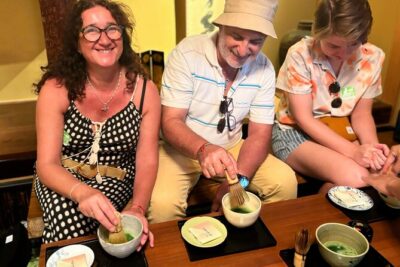
World Heritage Kyoto & Nara Uji Authentic Matcha Experience
Read our review →
Matcha Making Class in Tokyo with Authentic Japanese Sweets Set
Read our review →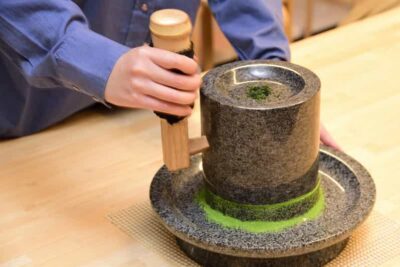
Kyoto: Tea Museum Tickets and Matcha Grinding Experience
Read our review →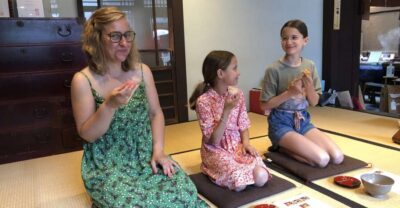
Kyoto: Tea Ceremony Meditation – Make Matcha with Tea Master
Read our review →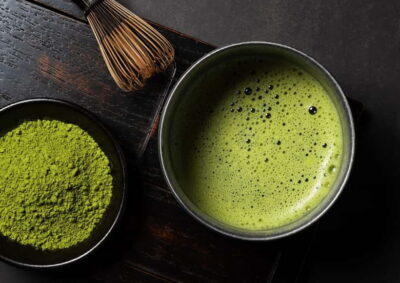
Tokyo: Matcha Making Experience with Mochi Sweets in Asakusa
Read our review →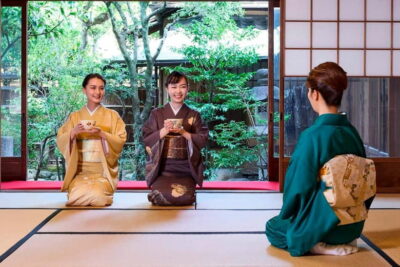
Kyoto: Kimono Tea Ceremony with Matcha and Sweet
Read our review →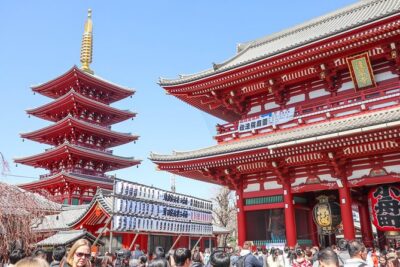
Browse the lists this tea experience appears in