
Review · OSAKA
Matcha Tea Bowl Experience in Osaka
The best part of this Osaka experience is that you do not simply buy a souvenir, you make one from raw clay. Ceramicist Anna teaches you the kurinuki method, a Japanese style based on carving and shaping rather than producing a perfectly smooth, machine-like form. Your bowl comes out personal, with the little marks and uneven edges that give it a wabi-sabi character.
I like two things especially: the workshop is private and hands-on, and Anna explains the cultural role of the chawan, the bowl used for matcha, instead of treating pottery as a stand-alone craft. The main consideration is time after the class: your bowl is shipped in about two months, and shipping costs are not included.
Key points
- Carve your own chawan: Use traditional kurinuki tools to create a bowl with an individual shape and texture.
- Learn from Anna: The ceramicist studied pottery in Osaka and Barcelona and leads the workshop in several languages.
- Add tea ceremony instruction: The optional combined session includes matcha preparation with tea ceremony teachers Kiyomi and Masako.
- Meet at JR Teradacho Station: Station pickup is included, making the first meeting simple.
- Take home a useful souvenir: Your finished bowl is shipped after firing, while a small ceramic gift is provided during the experience.
- Expect a small, private setting: This is a good fit if you prefer personal help rather than a large craft class.
Making a Matcha Bowl Instead of Buying One
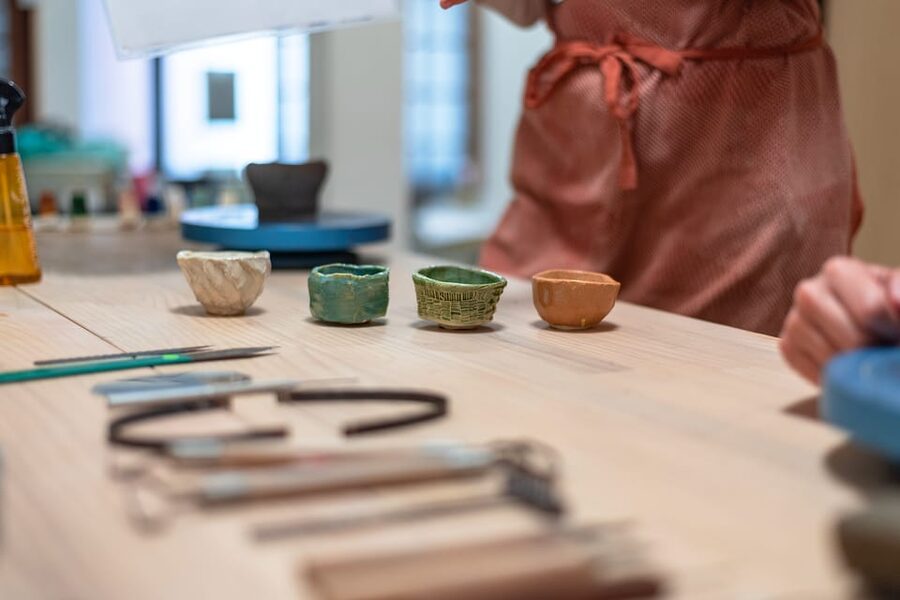
Osaka has no shortage of shops selling ceramics, tea tins, and other Japanese keepsakes. This workshop gives you a different kind of souvenir. You sit down with clay, make decisions about shape and decoration, and leave with a bowl that carries your own fingerprints and choices.
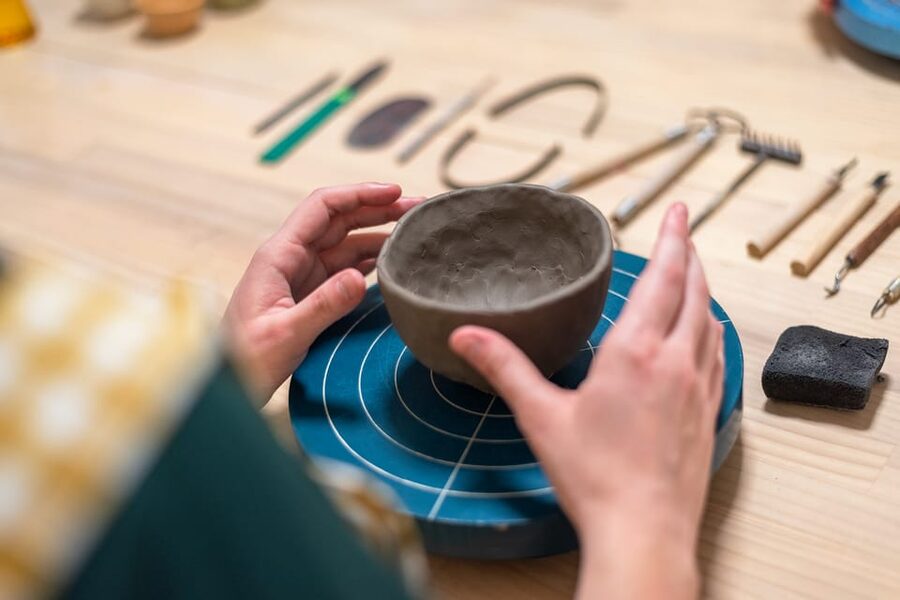
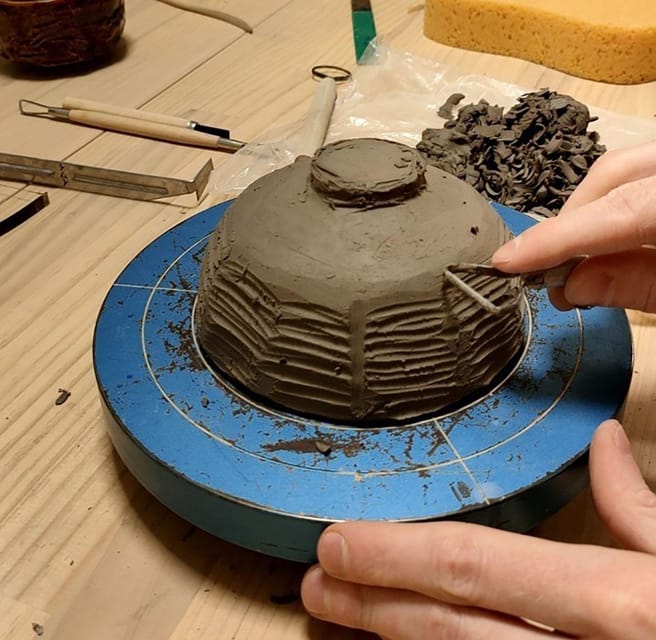
The focus is not on producing a flawless bowl. Kurinuki means carving into a lump of clay with tools, gradually opening and shaping it. The process allows the surface to keep some irregularity. That is part of the appeal. A neat, factory-perfect bowl would miss the point.
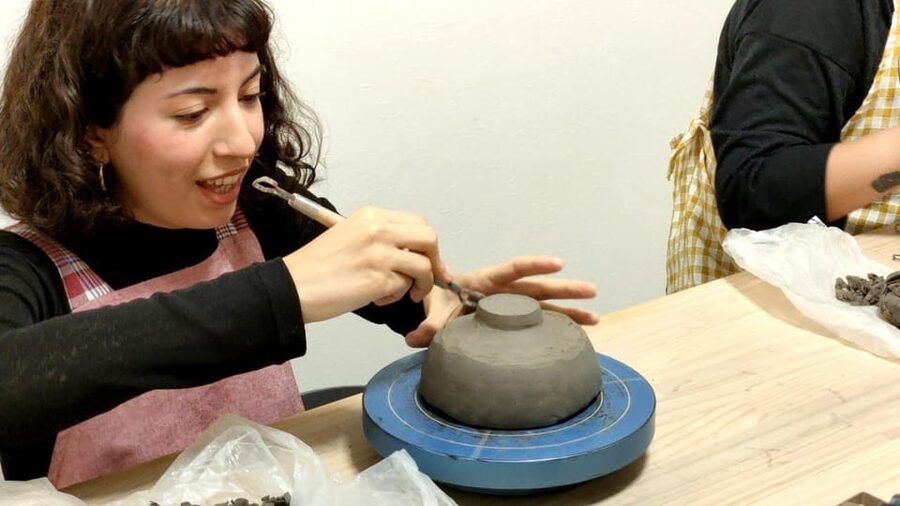
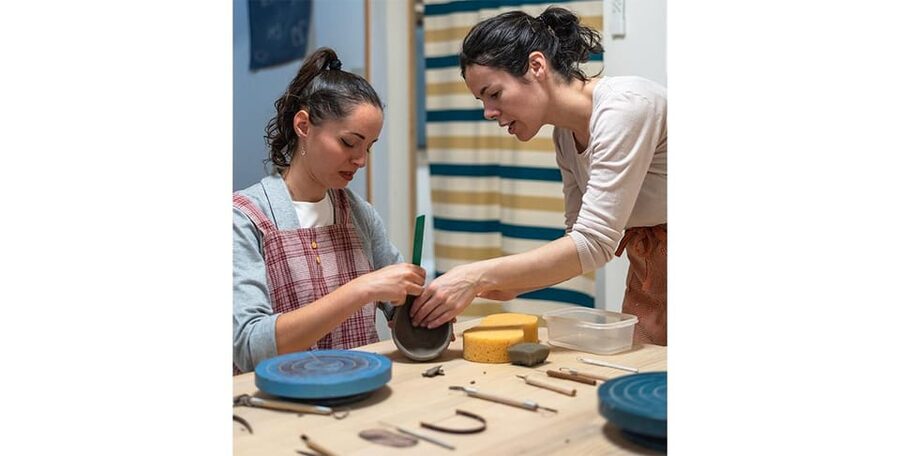
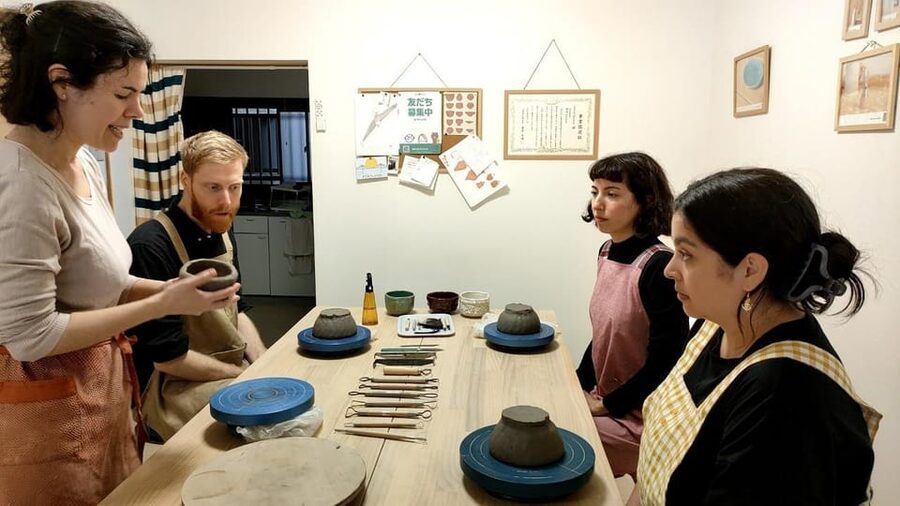
Anna guides you through each stage. You do not need pottery experience, and she helps correct small mistakes as you work. That matters because clay can feel uncertain at first. You may start with a clear design in mind, then adjust the shape as the bowl develops.
The class is offered in English, Spanish, Catalan, and Japanese. The private format also gives you room to ask basic questions without feeling you are holding up a large group. One small-group session had only two participants, which gives you a useful sense of the scale.
More Matcha Experiences in Osaka
- Matcha Making Class in Osaka with Authentic Japanese Sweets Set
★ 5.0 · 509 reviews - Osaka: Matcha Making Experience with Japanese Sweets
★ 5.0 · 146 reviews - Osaka Temple Cool Foot Bath & Matcha Experience〈45min〉
★ 4.9 · 82 reviews
Meeting Anna Near JR Teradacho Station
The meeting point is the north exit of JR Teradacho Station. Look for the sign marked Ceramics Tocoton. Station pickup is included, so you do not have to find the studio on your own in an unfamiliar part of Osaka.
Teradacho is in Ikuno Ward, outside the usual first-time Osaka circuit. That makes the outing feel more local than a workshop placed beside the main sightseeing districts. The activity information also encourages you to explore the surrounding area afterward, so you can pair the class with a meal or a walk in Ikuno Ward.
Arrive on time. If you will be more than 15 minutes late, contact the provider. More than 15 minutes late is treated as a no-show. That is a practical rule to take seriously, especially for a private session where the instructor is waiting specifically for you.
The workshop lasts from 90 minutes to two hours. The exact length depends on the format and pace of your group. Allow some flexibility rather than planning a tight connection immediately afterward.
Carving Clay With the Kurinuki Method
The main pottery work begins with the kurinuki technique. Instead of throwing clay on a wheel, you carve and shape it with different tools. This makes the experience accessible to beginners, since you are not trying to master a spinning wheel in one short class.
You decide how your bowl should look and feel. The shape, wall thickness, surface marks, and carved details all contribute to the final result. Anna steps in when a change is needed, and she can help repair small errors without taking control of the whole piece.
That balance is important. You get real creative freedom, but you are not left alone with a lump of clay and vague instructions. Several participants found the process easy to relax into, and that is likely because the class allows you to work slowly while receiving direct help.
You can also sign your bowl using Japanese characters. This is a small detail, but it gives the finished piece a stronger connection to the place where you made it. If you are unsure what to write or how to form it, ask Anna before marking the clay.
The finished bowls will not all look alike. That is one of the pleasures of the method. A group can follow the same instructions and still produce very different shapes and surfaces. Your bowl may be more restrained, rough, rounded, angular, or heavily carved than someone else’s.
Choosing the Glaze and Waiting for the Finished Bowl
Near the end of the session, you choose the color of your bowl. Glaze selection is an important decision because it changes how the carved texture appears once the piece is fired. The available colors are described as beautiful and varied, but the specific choices are not listed in advance.
Your bowl is not ready to carry home that day. It will be fired, glazed, and shipped to the address you provide in about two months. Shipping is extra, and the cost depends on your country and the number of people in your booking. Contact the provider for an estimate before you commit if the final delivery cost matters to your budget.
This delay is the chief practical drawback. If you want a souvenir in your suitcase on the flight home, this is not the right purchase. If you like the idea of receiving a useful reminder of Japan later, the wait becomes part of the experience.
A ceramic gift is included during the workshop. The optional combined session includes a small dish, a handy piece for serving sweets at home. These gifts are separate from the matcha bowl you create and do not replace the later shipment.
Same leaf, a different ritual:
- Osaka: Tea Ceremony Experience
★ 4.9 · 1,426 reviews - Tea Ceremony Experience in Osaka Doutonbori
★ 5.0 · 754 reviews - Osaka: Tea Ceremony, Calligraphy, and Kimono Experience
★ 4.9 · 130 reviews - Osaka: Japanese Traditional Sweets Making and Tea Ceremony
★ 4.7 · 118 reviews
Learning Why the Bowl Matters in Tea Ceremony
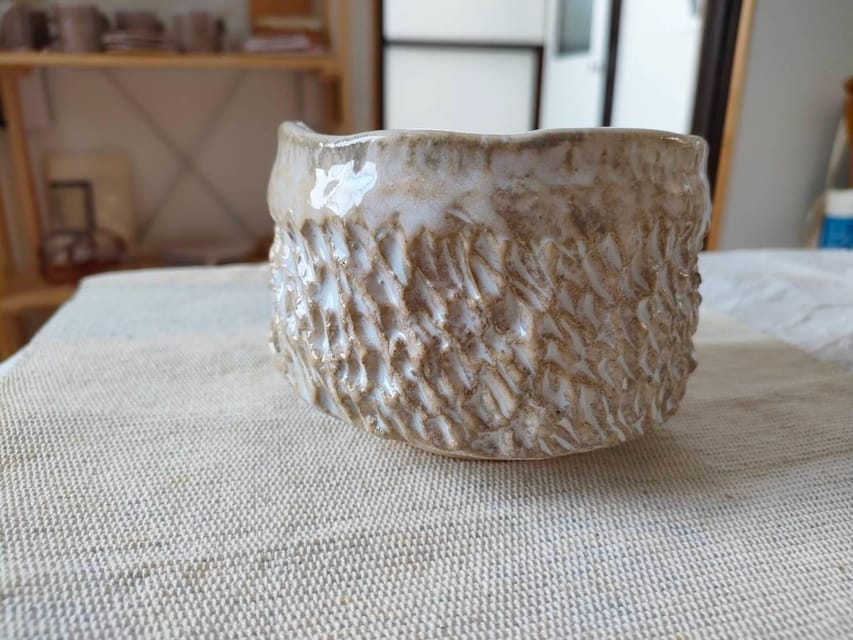
The pottery lesson includes cultural explanation about the matcha bowl and its place in Japanese tea ceremony. You learn that the bowl is not just a container for a drink. Its shape, surface, weight, and handling all affect the way tea is prepared and enjoyed.
This context makes the craft more meaningful. You are not decorating an ordinary cup and attaching a Japanese label to it. You are making an object tied to a long-standing ritual, then learning how its form supports that ritual.
The standard workshop includes a drink, and the session discusses the tea ceremony along with other elements of Japanese culture. It is a good choice if your main goal is pottery but you still want a clear introduction to matcha customs.
You can also choose the combined workshop. In that version, tea ceremony masters Kiyomi and Masako first guide you through the basics of preparing matcha. You enjoy the tea with Japanese sweets, then work with Anna on your bowl.
The combined option gives the day a better rhythm. First you see how a chawan is used. Then you make one yourself. That order helps you understand why the shape and feel of the bowl matter, instead of hearing the cultural explanation only after the craft is finished.
Matcha, Sweets, and a Small Ceramic Gift
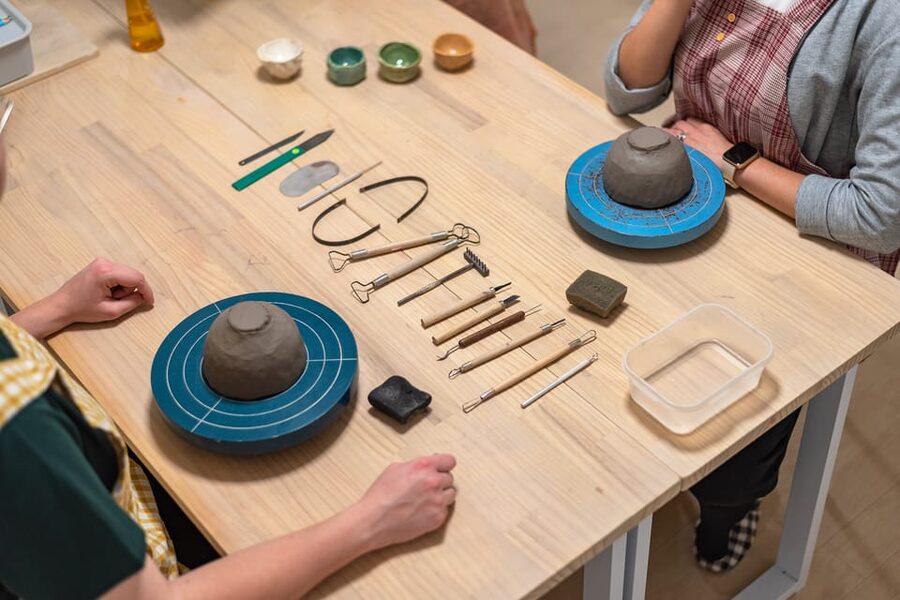
The tea portion is simple but worthwhile. You prepare matcha and have it with Japanese sweets, either as part of the combined workshop or through the tea and cultural elements included in the main experience.
Do not book this expecting a long formal tea ceremony in a major temple setting. The activity is a private craft workshop in a traditional building, with tea ceremony basics available as an addition. That makes it more relaxed and practical than a highly formal performance.
Kiyomi and Masako lead the tea ceremony portion of the combined session. Anna then takes over for the pottery work. You get two different kinds of instruction: the precise customs of making and serving matcha, followed by the more tactile work of shaping clay.
The small dish gift in the combined workshop fits the theme well. It is useful at home for serving sweets during your own tea time, even if your home tea routine is far less formal than the one introduced in Osaka.
What the Private Format Adds
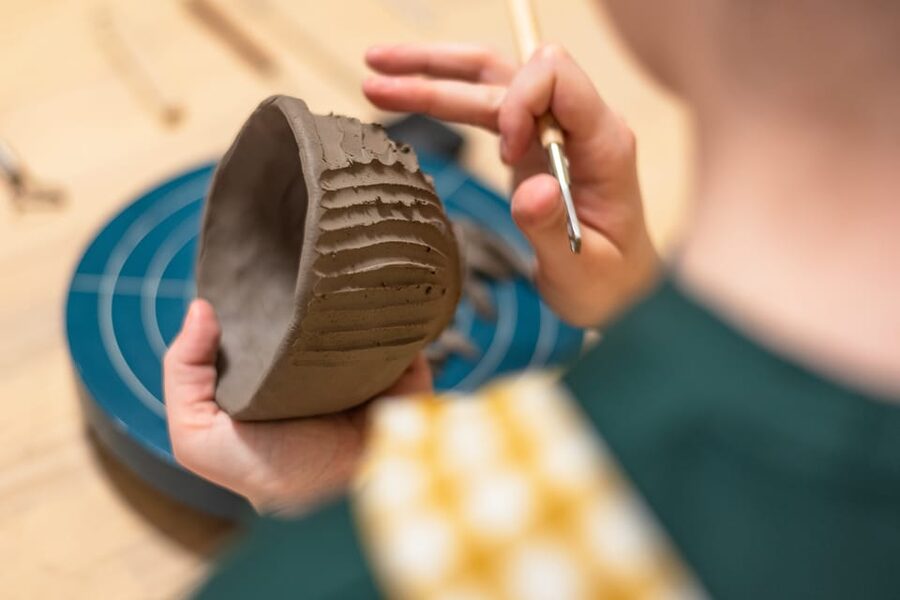
The private-group setup is one of the strongest reasons to choose this activity over a general craft class. Pottery requires attention to small details, and individual help is useful when you are deciding how thin to make the walls or how deeply to carve the surface.
You can ask about Japanese pottery, the tea ceremony, Osaka, or the practical steps involved in firing and shipping. Anna also has experience studying ceramics in Osaka and Barcelona, so the instruction is grounded in both Japanese pottery and broader ceramic practice.
Past participants found her welcoming, helpful, and easy to talk with. More than simple friendliness, that affects the lesson itself. A calm instructor makes it easier to experiment and accept that the first version of your design may change.
The private setting does not mean every minute is tailored to one person. The core steps remain the same, and the bowl still needs to be processed after you leave. But you do get a more personal setting than a crowded demonstration.
Is $83 a Fair Price?
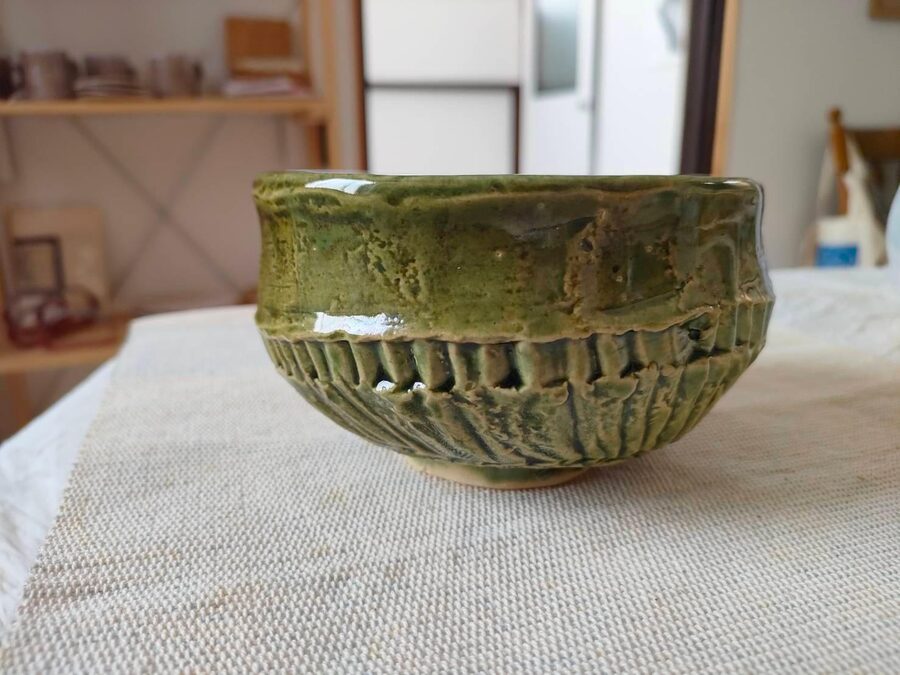
At $83 per person, this is not the cheapest hands-on activity in Osaka. You are paying for instruction, materials, equipment, station pickup, a drink, cultural explanation, and a ceramic gift. The price also includes the chance to make a piece that is fired and sent to you later.
The value is strongest if you care about process. A shop-bought bowl may cost less and travel home immediately. This workshop gives you time with a ceramicist, a private lesson, and a story connected to your own work.
Remember to add international shipping to your calculation. The final amount depends on your destination and group size, so you should request an approximate cost before booking. The two-month wait also means the price covers a future delivery rather than an item you receive that afternoon.
If you choose the combined tea ceremony option, you are paying for a broader experience that includes instruction from Kiyomi and Masako, matcha, sweets, pottery, and a small dish. That version makes the most sense if you want both tea culture and ceramics in one outing.
Who Will Enjoy This Most?
I would recommend this to adults, couples, friends, and solo visitors who like making things and want a souvenir with a personal story. It also suits repeat visitors who have already seen Osaka’s major sights and want a quieter activity in another part of the city.
You do not need previous pottery skill. In fact, beginners may get the most from the class because Anna explains the process from the ground up. Experienced ceramicists may enjoy comparing kurinuki with techniques they already know, though the session is designed as an introduction rather than a professional course.
The workshop is not suitable for children under six. The space is not adapted for wheelchair users, so contact the provider if you have access needs that are not covered by the basic information.
This is less suitable if you need a fixed, fast schedule or if you want to take the finished bowl home in your luggage. It is also not the right choice if your only goal is a formal tea ceremony with no craft component.
A Few Practical Tips Before You Book
Wear clothes you do not mind getting dusty or marked by clay. The activity provides materials and equipment, but the supplied information does not specify an apron or clothing protection, so it is sensible to dress for hands-on work.
Plan your route to JR Teradacho Station ahead of time. Meet at the north exit and look for the Ceramics Tocoton sign. Since lateness can count as a no-show after 15 minutes, do not treat the meeting time as a loose suggestion.
Think about your delivery address before the class. Your bowl will be shipped in about two months, and you need to provide an address that will still work then. Ask about the shipping price for your country before booking.
You can cancel free of charge up to 24 hours in advance, and a reserve-now, pay-later option is available. Alcohol and drugs are not allowed during the activity.
Should You Book the Matcha Bowl Workshop?
Book it if you want a personal Osaka souvenir, enjoy quiet creative work, and like learning the reason behind a Japanese object rather than simply buying it. Anna’s hands-on instruction, the private setting, and the chance to sign your own bowl make this more memorable than a standard shopping stop.
Choose the combined tea ceremony version if matcha, sweets, and Japanese customs matter as much to you as the pottery. Choose the basic workshop if you mainly want to make the bowl and still receive a useful introduction to tea culture.
Skip it if the shipping delay, added delivery charge, or limited accessibility creates a problem. For everyone else, $83 buys a genuine activity with a clear result: not just a ceramic bowl, but a small piece of your Osaka story that arrives at home later.
FAQ
Where does the Matcha Tea Bowl Experience meet?
Meet at the north exit of JR Teradacho Station in Osaka. Look for a person holding a sign marked Ceramics Tocoton.
How long does the workshop last?
The activity lasts between 90 minutes and two hours. Starting times vary, so check availability when booking.
What pottery technique will I learn?
You will use the traditional Japanese kurinuki technique. It involves carving and shaping clay with different tools to create a personal bowl.
Do I need previous pottery experience?
No. The workshop is designed for beginners, and Anna guides you through the process.
In which languages is the activity offered?
Instruction is available in English, Spanish, Catalan, and Japanese.
When will I receive my finished bowl?
Your bowl is shipped to the address you provide in about two months. Shipping costs are not included.
Is shipping included in the price?
No. Shipping costs depend on the country and the number of people in your group. Contact the provider for an approximate price.
Can I learn about tea ceremony as well as pottery?
Yes. An optional combined workshop includes basic tea ceremony instruction with Kiyomi and Masako, matcha, and Japanese sweets before you make your bowl with Anna.
Is the activity suitable for children and wheelchair users?
The activity is not suitable for children under six. The space is not adapted for wheelchair users.
Newly steeped around Osaka
- Osaka:Zen Tea Ceremony and Foot Bath Experience<45min>★ 5.0 · 7 reviews
- Osaka Japanese Cooking And Matcha Class near Osaka Castle★ 5.0 · 22 reviews
- Nara Deer Park, Uji Matcha, & Hot Spring Full-Day Tour from Osaka★ 4.0 · 21 reviews
- Osaka: Tea Ceremony, Calligraphy, and Kimono Experience★ 5.0 · 6 reviews
- Tea and Calligraphy Session at a Table in Osaka★ 5.0 · 4 reviews
- Osaka: Nara, Todaiji, Uji Matcha, and Hot Spring Tour★ 4.0 · 7 reviews
- Craft Sushi and Matcha Ice Cream in Central Osaka (3-Course Meal)★ 5.0 · 2 reviews
- ZEN therapy | Shiatsu-style massage, EnergyTherapy & Japanese Tea★ 5.0 · 5 reviews
Matcha Experiences, compared.
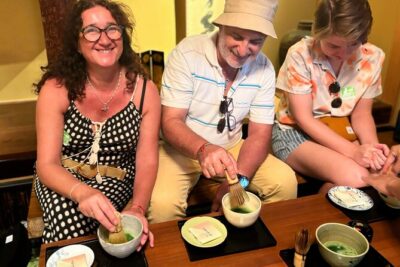
World Heritage Kyoto & Nara Uji Authentic Matcha Experience
Read our review →
Matcha Making Class in Tokyo with Authentic Japanese Sweets Set
Read our review →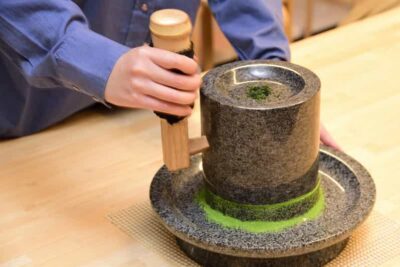
Kyoto: Tea Museum Tickets and Matcha Grinding Experience
Read our review →
Kyoto: Tea Ceremony Meditation – Make Matcha with Tea Master
Read our review →
Tokyo: Matcha Making Experience with Mochi Sweets in Asakusa
Read our review →
Kyoto: Kimono Tea Ceremony with Matcha and Sweet
Read our review →
Browse the lists this tea experience appears in