
Review · OSAKA
Osaka Temple Cool Foot Bath & Matcha Experience〈45min〉
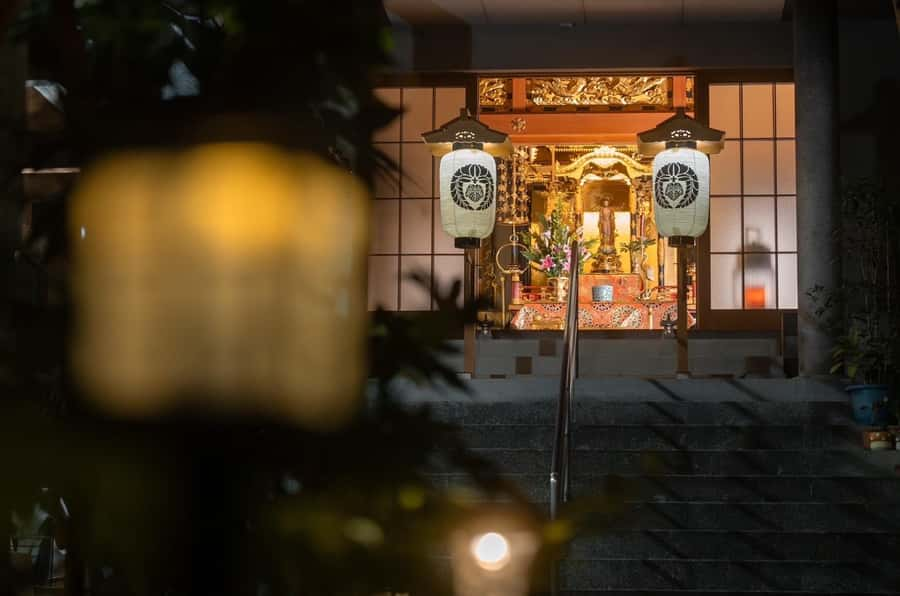
Osaka’s temple tea ceremony gets a welcome twist here: after worship, incense, and quiet meditation, you soak your tired feet while learning about matcha. The 45-minute format keeps the experience easy to fit into a busy Osaka day, especially after hours of walking.
I like the mix of genuine temple customs and simple comfort, rather than a tea lesson alone. I also like the personal touches: hosts such as Yuiitsumuni, Yumi, and Vanesa guide the session, help with yukata dressing, and take photos with your phone. The main consideration is time. At 45 minutes, this is a compact introduction, not a long formal tea ceremony or a full spa treatment.
Key points to know before booking
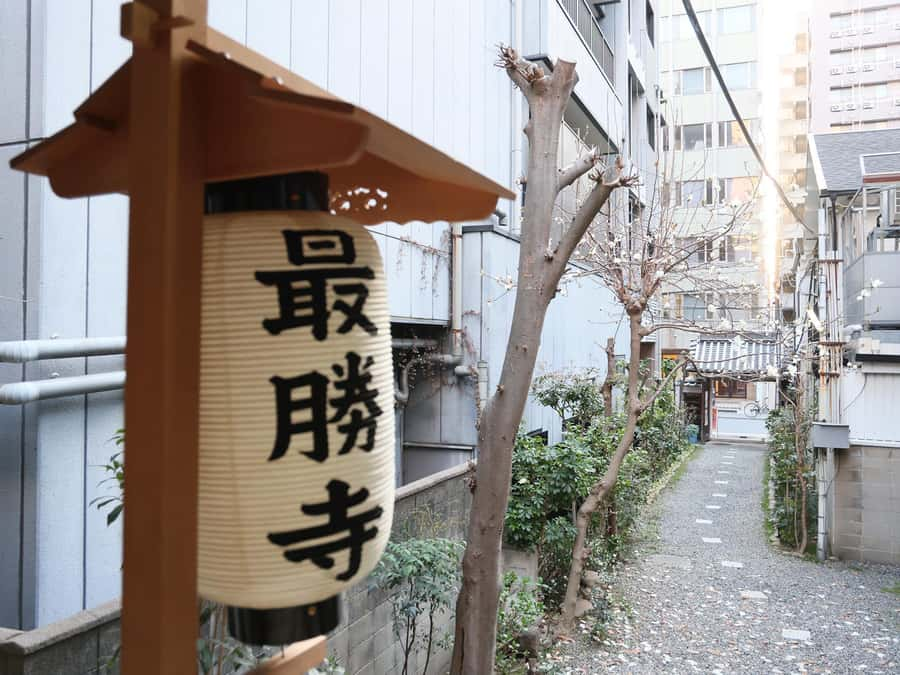
- A temple setting gives the tea lesson a calm sense of place, with worship, incense, and meditation before the matcha.
- The foot bath includes a scrub and light massage, making it useful after a full day on Osaka’s pavements.
- You taste wagashi and matcha ice cream, not just a cup of green tea.
- Yukata dressing adds a memorable photo moment, with the hosts taking pictures on your smartphone.
- The $34 price covers the main experience, including matcha, sweets, foot bath, massage, and photos.
- Reserve now and pay later, with free cancellation available up to 24 hours before the activity.
Why this 45-minute temple visit works so well
This experience is built around a simple idea: slow down before the next Osaka attraction. You enter a traditional temple setting, take part in a few acts of worship, then settle into tea and a foot bath.
That order matters. You are not simply shown how to whisk matcha in a decorated room. You first learn about the temple, the act of worship, and the meaning behind the rituals. The result feels more connected to Japanese customs than a stand-alone drink-making class.
The session also suits the way many people actually visit Osaka. You may spend the day walking through shopping streets, markets, shrines, and train stations. A foot bath gives your body a break while the tea ceremony gives your mind one, too.
The experience is offered in Japanese and English. That makes the explanations more useful, since the hosts can explain what you are doing instead of leaving you to copy movements without context.
More Matcha Experiences in Osaka
- Matcha Making Class in Osaka with Authentic Japanese Sweets Set
★ 5.0 · 509 reviews - Osaka: Matcha Making Experience with Japanese Sweets
★ 5.0 · 146 reviews - Osaka Temple Head Spa &Matcha Facial – Refresh & Glow〈90min〉
★ 5.0 · 24 reviews
Worship, incense, and a few quiet minutes
The visit begins with temple customs. You take part in worship and an incense offering, then apply kneaded incense and spend time in meditation.
These are short activities, but they give the visit its cultural center. The incense is not just a decorative extra. You handle it, notice its scent, and use it as part of a quiet ritual. The meditation section helps create a clear pause between sightseeing and the more social tea portion.
You do not need prior knowledge of Buddhist practice or Japanese tea customs. The hosts explain each step, and the format is designed for people who are encountering these traditions for the first time.
I particularly like this part for first-time visitors. It provides enough background to make the later tea ceremony feel meaningful, without turning the session into a lecture. If you prefer to learn by doing, you get several small hands-on moments early in the visit.
Keep your expectations sensible. This is an introduction to worship and incense, not an extended religious service. The meditation is also part of a short cultural activity, so you should expect a brief period of calm rather than a long retreat-style session.
Cooling your feet with a light massage
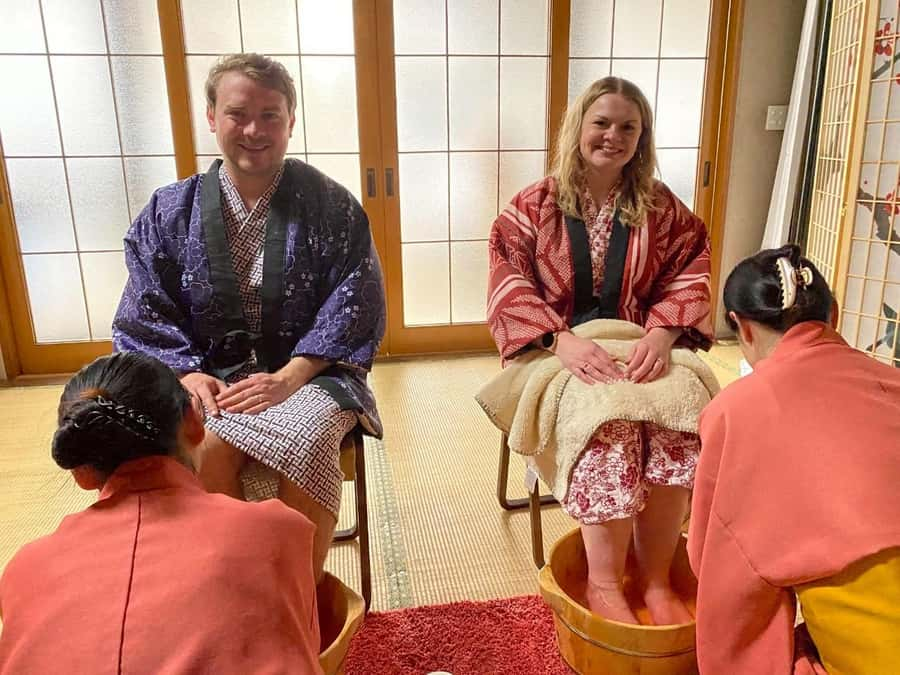
The foot bath is the practical heart of the experience. You soak your feet in cool water and receive a scrub massage, followed by a little foot massage.
That combination is especially well matched to Osaka sightseeing. After a day of walking, a cool soak can feel more useful than another seated presentation. The massage is described as light, so think of it as a soothing refresh rather than a professional spa treatment.
The foot bath also changes the pace of the session. You are not rushing from one demonstration to the next. You have time to sit, listen, and let the temple surroundings do some of the work.
People who are sensitive about shared water or who prefer a full-body spa treatment may want to consider this point before booking. The experience is centered on a foot bath, not a private massage service. The massage is brief and gentle, but it is one of the features that gives the visit its relaxing character.
For most people, I would schedule this after a day of sightseeing rather than first thing in the morning. It is an easy way to reset before dinner, although the exact meeting point depends on the option you choose.
Learning to make matcha instead of only drinking it
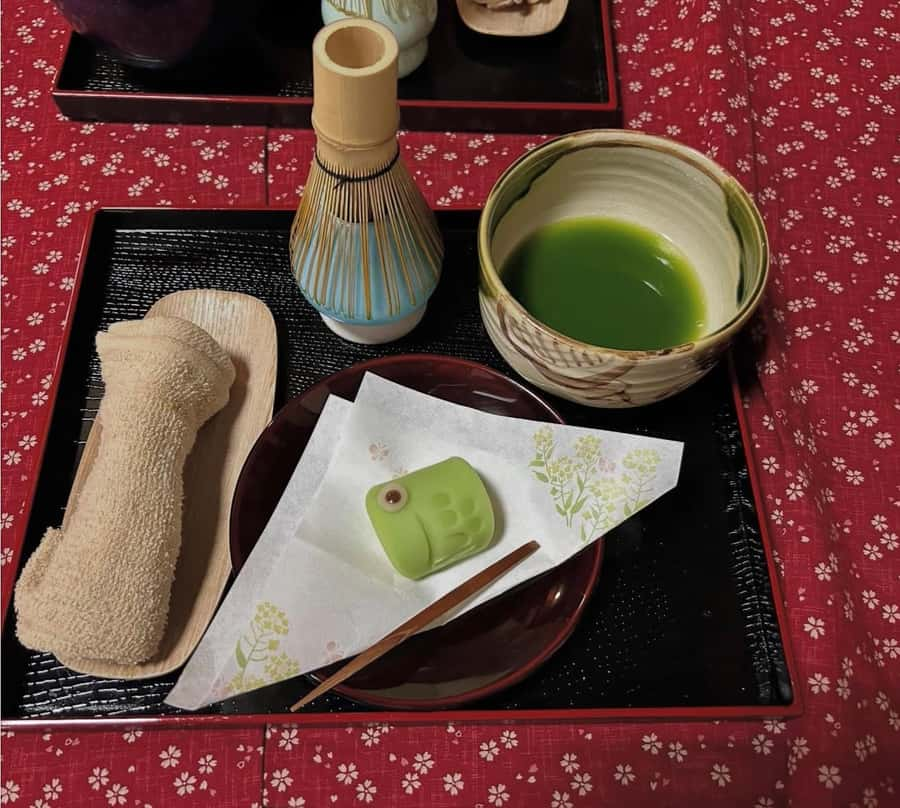
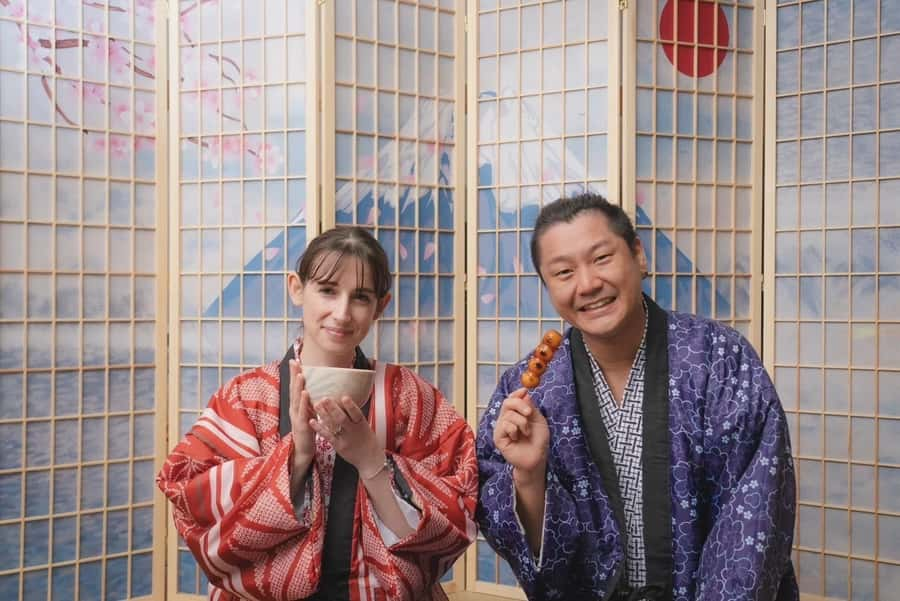
The matcha portion is hands-on. You learn how to prepare the tea, then taste it with traditional wagashi, or small Japanese sweets. Matcha ice cream is also included.
This matters because matcha can be unfamiliar if you have only encountered sweetened green tea drinks. Traditional matcha has a stronger, more distinct flavor, and wagashi gives you a small sweet contrast. The pairing helps you understand why Japanese tea service often includes a sweet before or alongside the tea.
You also learn that the cup, whisking, and presentation are part of the experience. One participant praised the beautiful cup used for the lesson, and that detail captures the appeal of the activity: the objects around the tea matter as much as the drink itself.
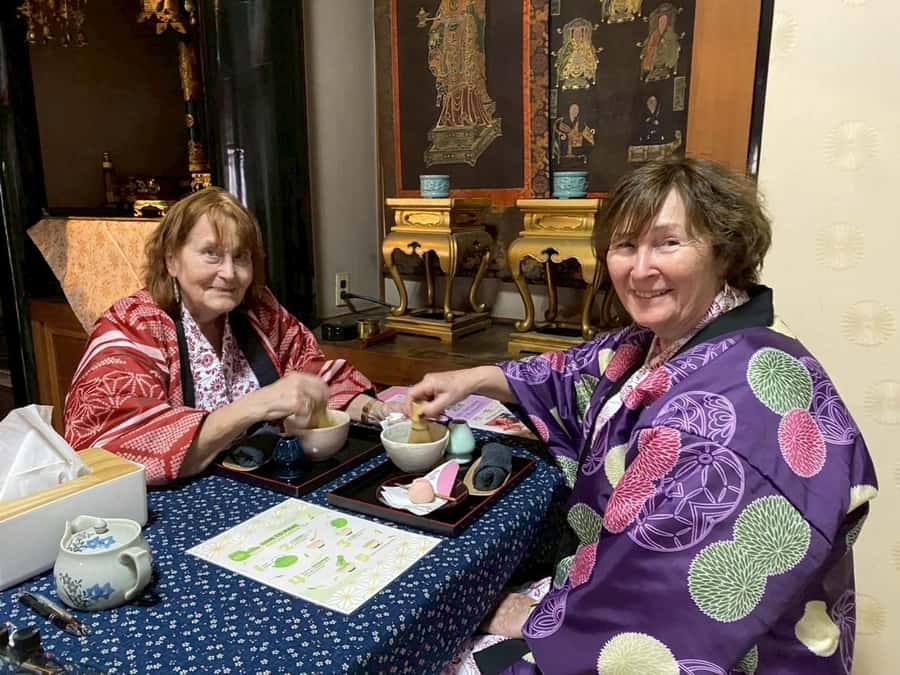
The hosts guide you through the process, so you are not expected to know how quickly or forcefully to whisk. One person wished the whisking could have moved faster, which is a useful reminder that the hands-on portion may not be rushed. If you want a polished demonstration with no participation, this may feel slower than expected. If you enjoy trying the technique yourself, that is part of the fun.
The matcha ice cream adds a lighter finish. It is a modern, easygoing touch beside the more traditional tea and wagashi. Families and first-time tea drinkers may appreciate having a familiar dessert along with the more earthy flavor of matcha.
Same leaf, a different ritual:
- Osaka: Tea Ceremony Experience
★ 4.9 · 1,426 reviews - Tea Ceremony Experience in Osaka Doutonbori
★ 5.0 · 754 reviews - Osaka: Tea Ceremony, Calligraphy, and Kimono Experience
★ 4.9 · 130 reviews - Osaka: Japanese Traditional Sweets Making and Tea Ceremony
★ 4.7 · 118 reviews
Wearing a yukata and taking home photos
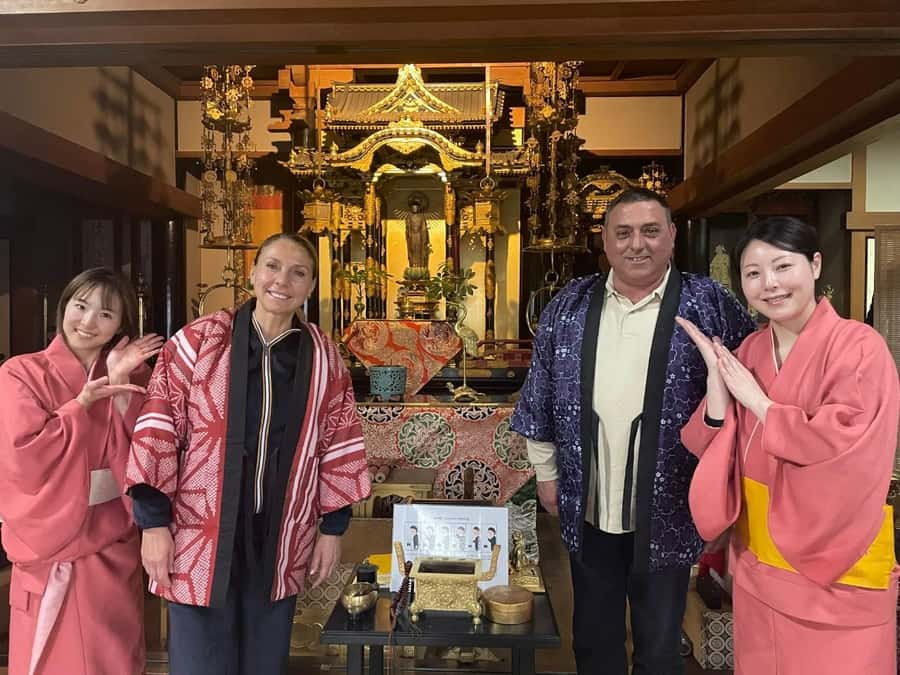
You can wear a yukata during the experience and have a commemorative photo taken. The hosts also take pictures using your smartphone and give them to you.
This is a strong feature for couples, families, and solo visitors who do not want to depend on strangers for photos. You can focus on the ceremony and let the hosts capture the moment.
The yukata element also adds visual context. Tea, incense, and temple customs can be difficult to remember later as separate steps. A photo in traditional dress gives the visit a clear personal marker.
Do not expect a full formal kimono fitting. The information describes a yukata, which is a lighter casual garment, and the session lasts only 45 minutes. The practical advantage is speed: you get the cultural flavor and a photo without committing half a day to dressing and portrait work.
The hosts are praised for helping participants put on the yukata and for being warm and welcoming. Yuiitsumuni is named as a friendly guide who led one session from the tea serving through the foot bath and matcha preparation. Yumi is also singled out for her kindness, while Vanesa receives a lighthearted mention connected to whisking the matcha. Host assignments may vary, but the names give you a sense of the personal style of the team.
What $34 includes, and what it does not
At $34 per person, this is a reasonable price for a short cultural activity with several included elements. You receive matcha, wagashi, a foot bath, a little foot massage, matcha ice cream, and smartphone photos. You also get the temple setting, explanations, worship, incense, meditation, and yukata photo opportunity.
The value comes from the combination. A basic tea tasting might cost less, but it would not include the foot bath, massage, temple customs, and photos. A spa visit might offer more massage time, but it would not teach you about matcha or worship.
The tradeoff is depth. You are paying for a compact introduction, not an in-depth tea school lesson or extended wellness appointment. If you want to study tea ceremony etiquette for hours, this will feel too brief. If you want several connected Japanese experiences in one easy visit, the price makes sense.
The activity also works well for couples who want a shared memory, for parents seeking a quieter cultural stop, and for solo visitors who value having photos taken. The gentle pace may be a better fit for an afternoon break than for people seeking a high-energy attraction.
Timing, language, and planning tips
The experience lasts 45 minutes, so it is simple to place between other plans. I would avoid booking it immediately before a major timed attraction unless you leave plenty of room for delays, since the meeting point can vary depending on the option booked.
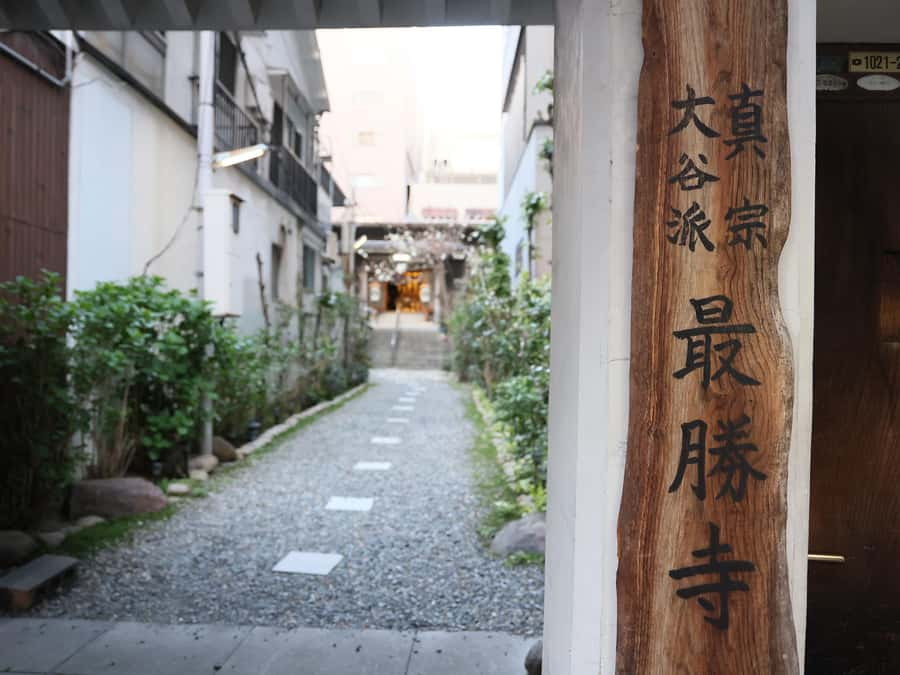
The activity begins and ends at the meeting point. Check the exact starting location for your chosen option before setting out, since there is no single meeting point listed for every booking.
English and Japanese are available. That is important here because the pleasure comes from understanding the customs, not simply performing them. You should be able to ask questions about the temple, incense, tea, and worship during the session.
The booking terms are flexible. You can reserve without paying today and pay later, and cancellation is allowed up to 24 hours in advance for a full refund. Those terms help if your Osaka schedule is still changing.
If you collect shrine stamps, ask whether one is available during your visit. A stamp was available for at least some sessions, but it is best to confirm rather than count on it.
Who will enjoy this Osaka temple experience most
I would recommend it to you if you want a short cultural activity with a relaxing edge. It works particularly well after a long walking day, when your feet need attention but you still want to do something distinctly Japanese.
It is also a good choice for first-time visitors who want an introduction to matcha without committing to a long ceremony. The hosts explain the steps, and the combination of wagashi, ice cream, and yukata keeps the mood friendly rather than stiff.
Couples can treat it as a quiet shared activity. Families may appreciate the short duration and the sweet treats, though very young children may not have much patience for the meditation and explanations. Solo visitors benefit from the smartphone photos.
You may want another option if your main goal is a serious tea study, a long meditation session, or a substantial massage. The foot treatment is light, and the entire visit moves through several parts in less than an hour.
My booking advice
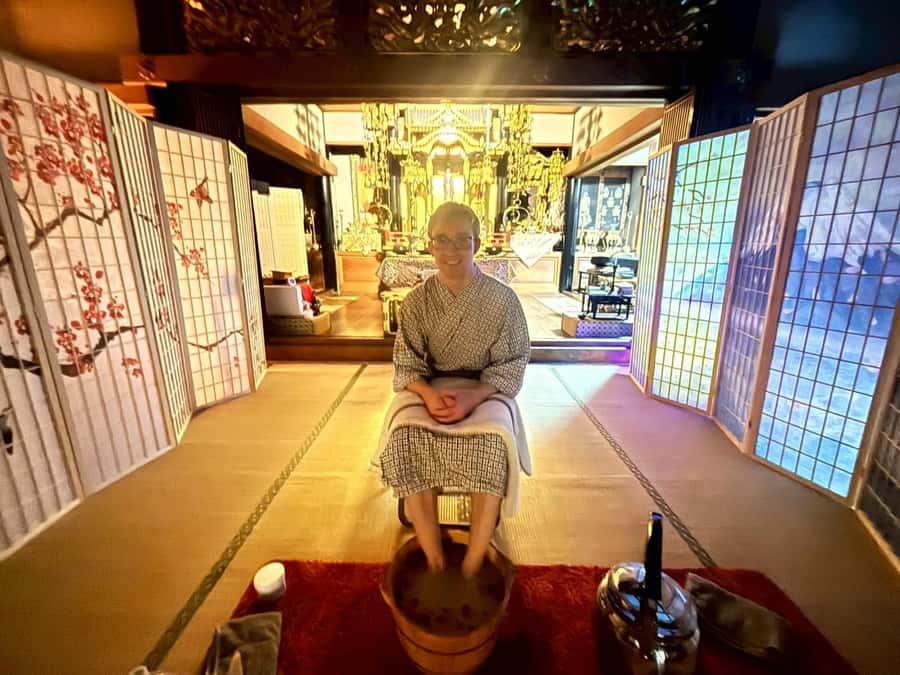
Book this experience if you want to connect temple customs, matcha, and a foot soak in one compact visit. The strongest parts are the calm setting, the warm guidance, the hands-on tea preparation, and the thoughtful photo memories.
The main limit is the short schedule. You will sample several traditions rather than study any one of them at length. At $34, though, the range of included activities makes it a fair choice, especially after a full day of walking.
I would place it late in your first day or during the middle of a busy Osaka itinerary. It gives you a quiet pause, a taste of Japanese hospitality, and a useful chance to rest before heading back into the city.
FAQ
How long does the Osaka Temple Cool Foot Bath and Matcha Experience last?
The experience lasts 45 minutes.
How much does the experience cost?
The price is $34 per person.
What is included in the experience?
The experience includes matcha, traditional wagashi sweets, a foot bath, a little foot massage, worship and incense offering, kneaded incense, meditation, matcha ice cream, and photos taken with your smartphone.
Do I get to make matcha myself?
Yes. The experience includes a hands-on matcha session where you learn how to prepare the tea.
Is a yukata included?
You can wear a yukata during the experience and take a commemorative photo.
Are photos taken during the activity?
Yes. The hosts take photos with your smartphone and give them to you.
What languages are available?
The experience is available in Japanese and English.
Newly steeped around Osaka
- Osaka:Zen Tea Ceremony and Foot Bath Experience<45min>★ 5.0 · 7 reviews
- Osaka Japanese Cooking And Matcha Class near Osaka Castle★ 5.0 · 22 reviews
- Nara Deer Park, Uji Matcha, & Hot Spring Full-Day Tour from Osaka★ 4.0 · 21 reviews
- Osaka: Tea Ceremony, Calligraphy, and Kimono Experience★ 5.0 · 6 reviews
- Tea and Calligraphy Session at a Table in Osaka★ 5.0 · 4 reviews
- Osaka: Nara, Todaiji, Uji Matcha, and Hot Spring Tour★ 4.0 · 7 reviews
- Craft Sushi and Matcha Ice Cream in Central Osaka (3-Course Meal)★ 5.0 · 2 reviews
- ZEN therapy | Shiatsu-style massage, EnergyTherapy & Japanese Tea★ 5.0 · 5 reviews
Matcha Experiences, compared.
World Heritage Kyoto & Nara Uji Authentic Matcha Experience
Read our review →
Matcha Making Class in Tokyo with Authentic Japanese Sweets Set
Read our review →
Kyoto: Tea Museum Tickets and Matcha Grinding Experience
Read our review →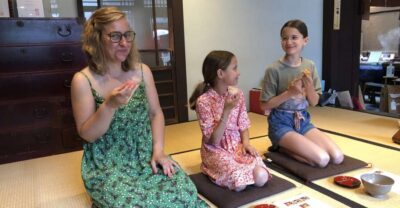
Kyoto: Tea Ceremony Meditation – Make Matcha with Tea Master
Read our review →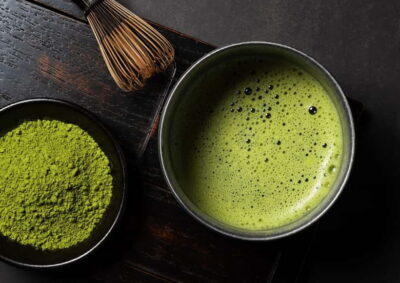
Tokyo: Matcha Making Experience with Mochi Sweets in Asakusa
Read our review →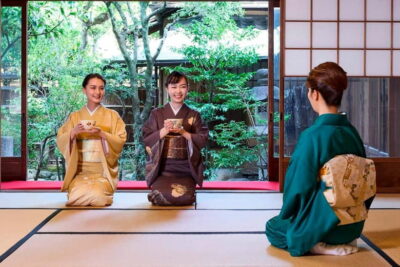
Kyoto: Kimono Tea Ceremony with Matcha and Sweet
Read our review →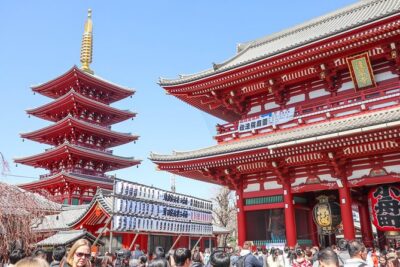
Browse the lists this tea experience appears in