
Review · TOKYO
Tokyo: Matcha Tasting and Making Experience
Tokyo matcha is much more than a sweet green drink. In this small class, you compare matcha from five Japanese tea-growing areas, learn how it is made from a former Kyoto tea farmer, then whisk your own bowl. The side-by-side tasting is the most useful part, since it lets you notice how much flavor can change from one region to another.
I like the small group of five and the chance to make tea with a real bamboo whisk. I also like the practical finish: you try matcha in a traditional form, then taste it as a latte and with sweets. The main thing to consider is the price, $63, which is fair for a focused class but high if you only want a quick cup of matcha.
- Five tea-growing areas: Compare matcha connected with representative Japanese production regions.
- A former tea farmer: Chisei brings six years of tea-growing experience in Kyoto to the lesson.
- Traditional preparation: Choose a favorite and make ousucha, a thin bowl of matcha, with a bamboo whisk.
- More than ceremonial tea: The tasting includes six ceremonial-grade samples and two products sold as matcha internationally, though not technically defined as matcha.
- A modern finish: Try the house matcha blend as a latte, along with hojicha latte and matcha sweets.
- Easy central meeting point: Enter Henn na Hotel Asakusa Tawaramachi through the FamilyMart entrance and go to the second floor.
Five Japanese Regions in Eight Small Cups
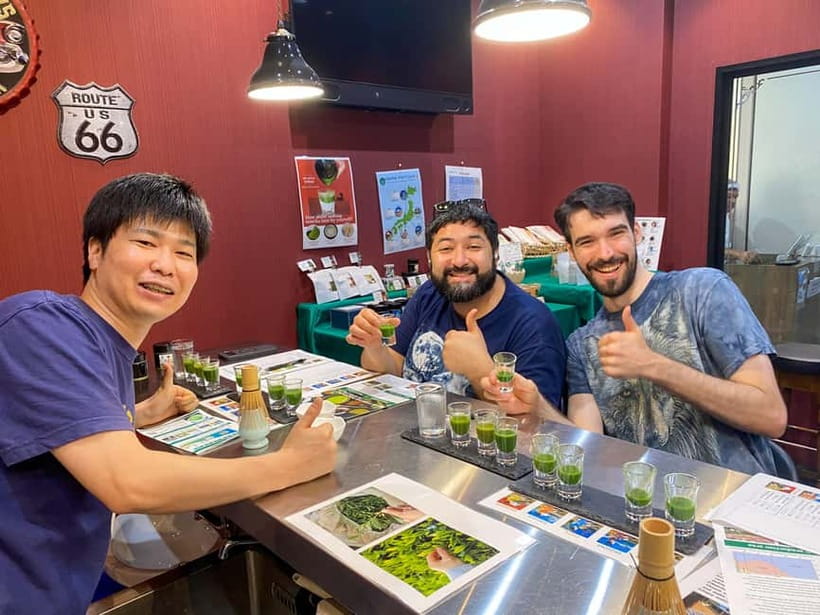
The class begins with a welcome drink while Chisei explains what matcha is, how it is grown, and how its story developed in Japan. This opening matters because matcha can mean different things in everyday conversation. A product sold around the world as matcha may not meet the same definition used for traditional Japanese matcha.
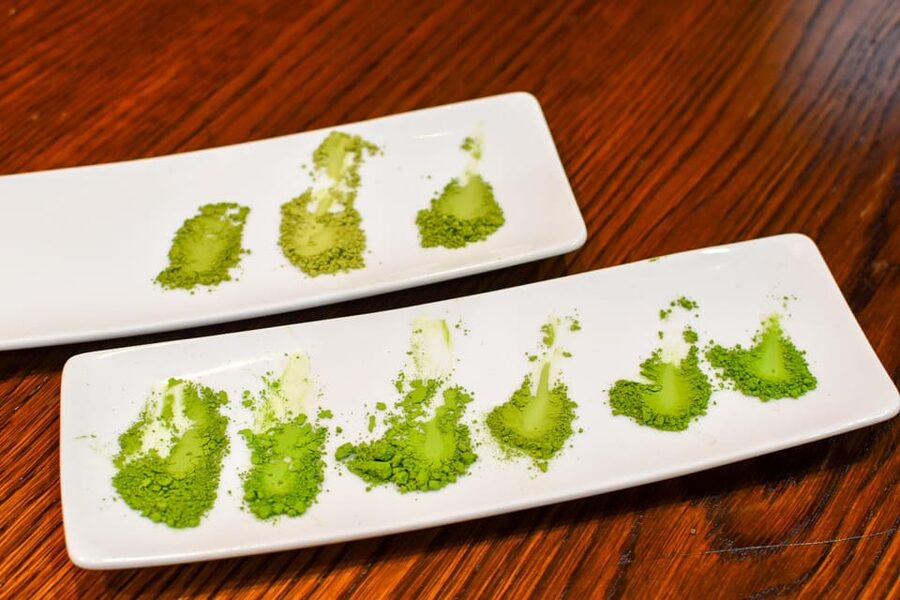
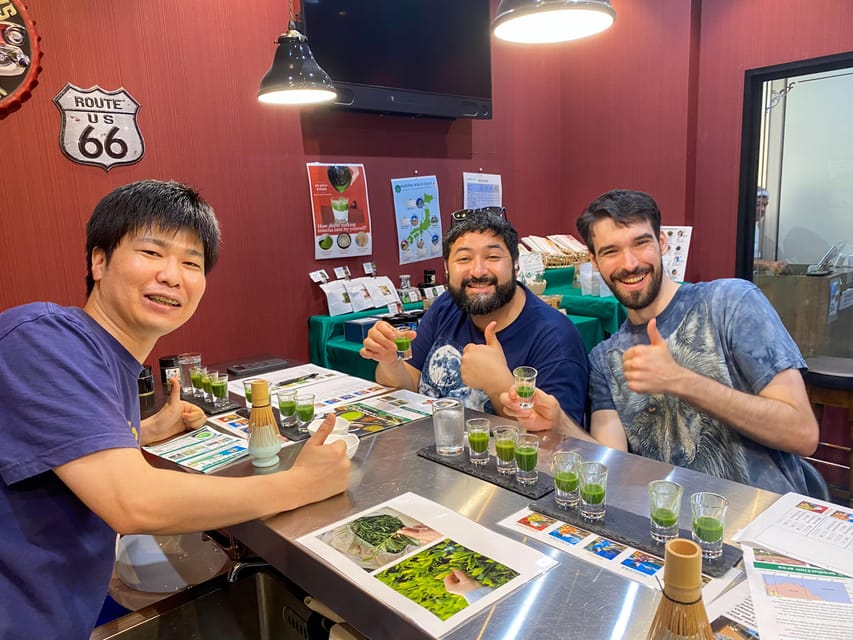
The main tasting puts that distinction to work. You receive small portions from five production areas and compare them side by side. The detailed class plan describes eight types: six ceremonial-grade matcha samples and two products that are not formally defined as matcha but are sold under that name internationally. The experience summary also refers to 10 types, so if the exact number matters to you, confirm the current tasting lineup when you reserve.
You first look at the color before the tea is prepared. Then you consider fragrance and taste. Because the portions are small, the session is about comparison rather than drinking large bowls. That is a good approach for a 90-minute class. You can pay attention to differences without ending the lesson with a serious caffeine problem.
The value here is not simply the number of samples. It is the order of the tasting. You receive context before you taste, then compare the teas with a few clear things in mind. If you have only had sweetened matcha drinks, this gives you a better sense of the plain tea itself.
Learning Tea From Chisei, a Former Kyoto Farmer
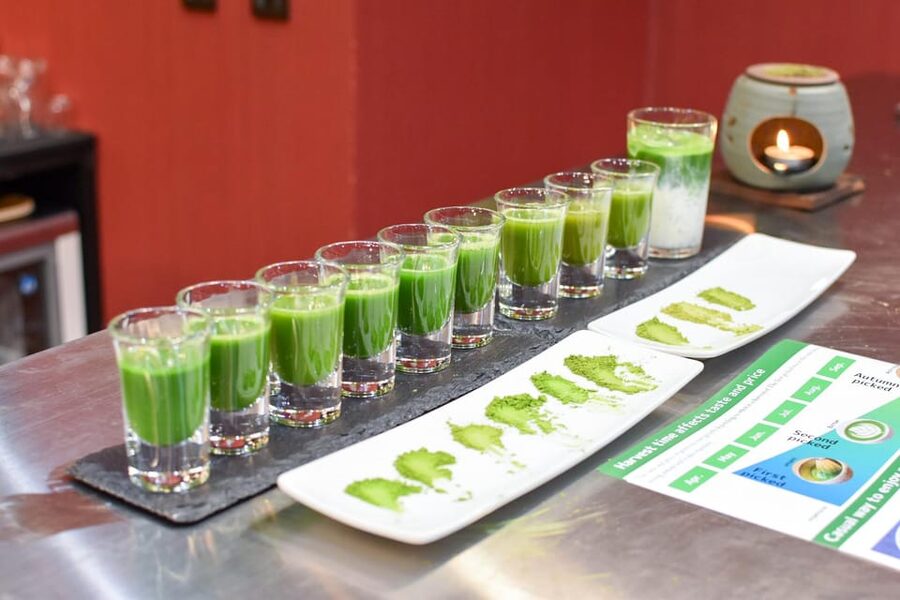
Your instructor is Chisei, who grew tea in Kyoto for six years. That background gives the class a direct link to cultivation rather than treating matcha as a trendy café ingredient. You learn about growing methods, production, and the history behind the tea you are drinking.
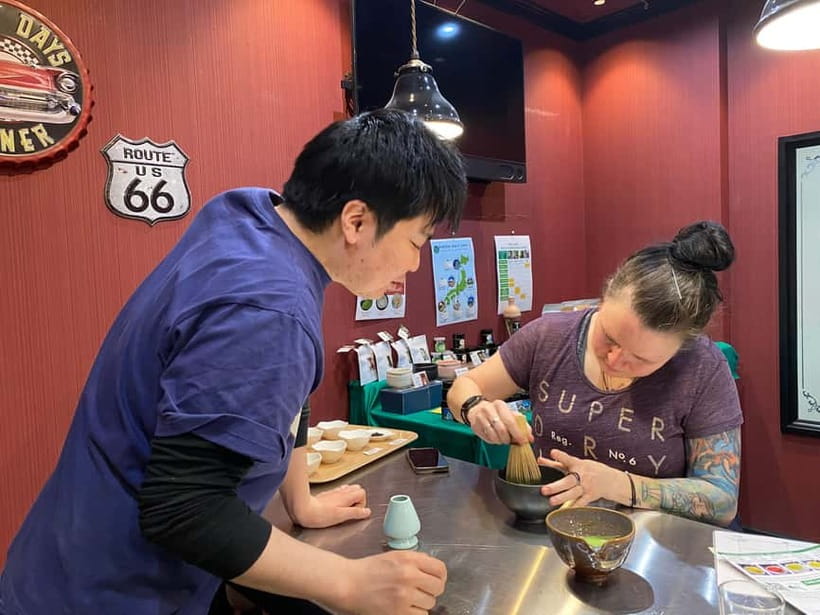
The instructor’s practical background is one of the strongest reasons to book this instead of ordering a matcha drink on your own. The session is built around questions such as what makes matcha different, how it is produced, and why samples from different areas taste unlike one another. Chisei also demonstrates the preparation, so you are not left to guess how much effort belongs in each step.
The English instruction is useful for visitors who want more than a scripted food stop. The class is designed for general visitors learning about Japanese tea, not for commercial research or trade questions. If you are visiting for business purposes, contact the provider before booking rather than using the class as a commercial consultation.
The small group size helps here. With no more than five participants, you have a better chance to see the preparation clearly and ask a question without turning the session into a lecture hall. It also means the atmosphere should feel more like a lesson at a tea counter than a large group demonstration.
More Matcha Experiences in Tokyo
- Matcha Making Class in Tokyo with Authentic Japanese Sweets Set
★ 5.0 · 744 reviews - Tokyo: Matcha Making Experience with Mochi Sweets in Asakusa
★ 4.9 · 388 reviews - Asakusa Cultural Walk & Matcha Making Tour
★ 5.0 · 245 reviews
Whisking Your Own Ousucha
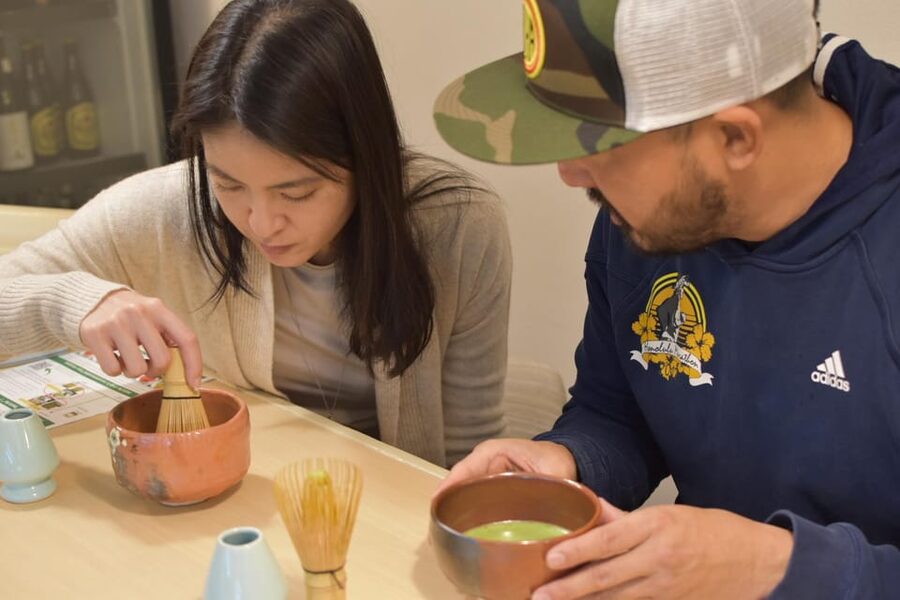
After sampling the teas, you choose the matcha you liked best and prepare it yourself. The final traditional drink is ousucha, a thin style of matcha made with a bamboo tea whisk.
This is the hands-on part of the class, and it gives the tasting a purpose. You are not just told which tea you prefer. You use your own choice and learn how to turn it into a bowl of matcha. The whisking technique is part of the appeal, but the practical lesson is even more useful: after the class, you can repeat the process at home.
You should not expect a formal tea ceremony with every ritual and movement. The experience is presented as an accessible class for general visitors. That makes it a good fit if you are curious about tea but do not want a highly formal ceremony. It also means someone seeking a long, traditional ceremony may find this format more focused on tasting and preparation.
The bamboo whisk is an important detail. A spoon or electric frother can mix powdered tea, but whisking gives you a direct feel for the traditional method. The activity does not require you to arrive with prior tea knowledge. You follow the demonstration, choose your favorite sample, and make the drink yourself.
Matcha Latte, Hojicha Latte, and Sweets
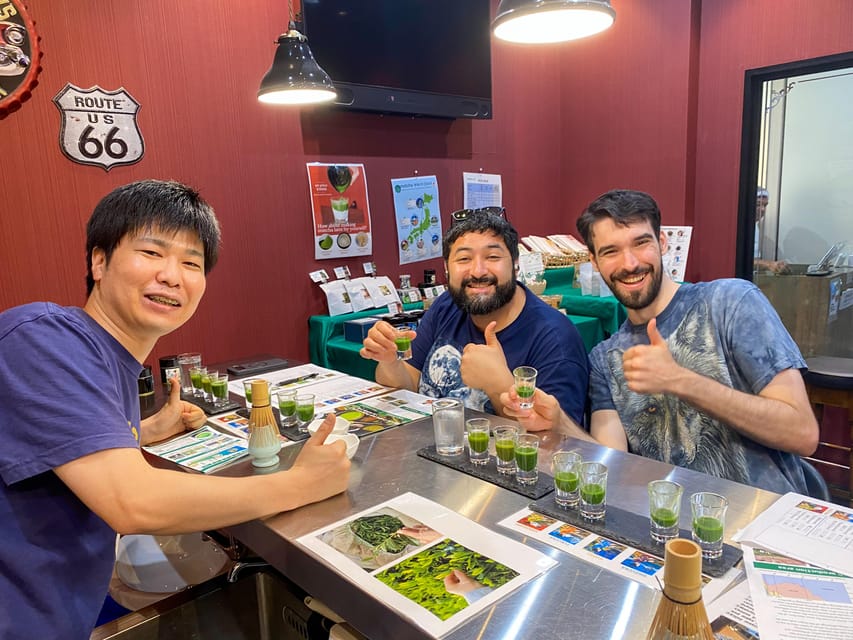
The class finishes with a matcha latte, a hojicha latte, and matcha sweets. The drinks use an original matcha blend designed to work well with milk, so this final course tastes different from the plain samples.
I like this change of pace. The first part asks you to notice the tea by itself. The latte shows how matcha behaves in a familiar café drink, while hojicha offers a roasted tea alternative. The sweets give you another way to consider the flavor, especially if straight matcha tastes too intense or bitter for your usual preference.
This also makes the experience suitable for mixed groups. One person may be interested in traditional tea, while another mainly enjoys matcha desserts and café drinks. Both can take something useful from the class. The traditional bowl remains the educational center, but the modern drinks keep the session relaxed.
The finish is also a practical reminder that matcha is not limited to one style. You can compare the plain tea with the milk-based blend and decide which version you prefer. If you already drink matcha lattes in cafés, the tasting gives you a better reference point for judging them.
Finding the Cafe at Asakusa Tawaramachi
The meeting point is inside Henn na Hotel Asakusa Tawaramachi in Tokyo. A FamilyMart is on the first floor. Enter the hotel and go to the second floor for the café and class.
Transportation is not included, so you need to make your own way there. Build in enough time to locate the hotel and reach the second floor, especially if you are coming from another part of Tokyo. The instructions are simple, but an experience that lasts only 90 minutes benefits from arriving without a last-minute search.
The Asakusa Tawaramachi setting makes this easy to pair with sightseeing in the Asakusa area, though the class itself is indoors and does not include transportation or a guided walk. Plan the tea session as one stop in your day rather than expecting it to cover the neighborhood.
The hotel setting is practical, not especially ceremonial. If you picture a rural tea farm or a historic tea house, adjust your expectations. The benefit is a convenient indoor location with a clear landmark and a compact format. The focus stays on the tea rather than on a large sightseeing production.
Same leaf, a different ritual:
- Kimono Tea Ceremony at Tokyo, Asakusa Maikoya
★ 5.0 · 638 reviews - Tokyo: Traditional Tea Ceremony with a Tea Master
★ 5.0 · 528 reviews - Dynamic Tokyo: Tokyo Tower, Tea Experience, Bay Cruise Day Tour
★ 4.5 · 521 reviews - Mt. Fuji & Lake Kawaguchiko Ropeway Panorama Full-Day Tour
★ 4.6 · 236 reviews
Is $63 a Fair Price?
At $63 per person, this class costs more than buying a matcha latte and a dessert. That comparison misses the main point, though. You are paying for a guided tasting, instruction from a former tea farmer, several tea samples, hands-on preparation, and the closing drinks and sweets.
The price makes the most sense if you want to understand matcha rather than simply consume it. The five-area comparison would be difficult to recreate casually, since you would need to locate several types of tea and know how to compare them. The English explanation and small group also add value for visitors who want clear guidance.
The value is weaker if you have little interest in tea production or traditional preparation. You receive small tasting portions, not large servings, and the class ends after 90 minutes. It is a focused lesson, not a full meal or a half-day cultural program.
You can also reserve now and pay later, which helps if your Tokyo schedule is still changing. Cancellation is free up to 24 hours before the activity for a full refund. Check the available starting times when you book, since the schedule is not fixed in the information provided.
Who Will Enjoy This Matcha Class?
I would recommend this for several kinds of visitors:
- You want an English-language introduction to Japanese tea.
- You already enjoy matcha and want to compare regional styles.
- You prefer a small class to a large group demonstration.
- You like food experiences that include both explanation and hands-on work.
- You want a skill you can repeat at home.
- You are traveling with someone who prefers lattes and sweets to plain tea.
Families and mixed-age groups may find the whisking step engaging, though the class is described only as a general guest experience, not as a special children’s program. If you are looking for a formal tea ceremony, ask yourself whether tasting and instruction are more important to you than ceremony and setting.
The class may also suit a repeat visitor to Japan who has already seen major sights and wants a short activity with a clear cultural subject. It does not require a full day, and the limited group size keeps the focus on the instructor and the tea.
What the High Ratings Tell You
The strongest praise centers on Chisei’s practical experience and clear teaching. One recent assessment singled out the detailed explanations and strong command of the subject. Another described the tasting as carefully planned, with excellent tea selections and a guide who shared information about cultivation and preparation with real enthusiasm.
That praise matches the design of the class. The instructor is not simply pouring samples and naming regions. Chisei has six years of experience growing tea in Kyoto, and the lesson uses that background to explain how tea is cultivated and prepared.
The class also earns credit for being both serious and approachable. An assessment from Switzerland described Chisei’s practical understanding as being passed on with charm. A Canadian participant especially valued the host’s experience and the way it made the activity more substantial.
There is one less glowing score among the supplied results, with four out of five given by a Canadian participant. That is a useful reminder that this is a specialized class. The experience depends on your interest in tea, and its compact format may not satisfy someone expecting a full ceremony or a large amount of food.
Small Details That Matter Before Booking
The session is in English, and the group is limited to five participants. Those two details are especially important if you want to ask questions or watch the whisking demonstration closely.
The published details contain a small inconsistency about the tasting count. The main summary says 10 different types, while the step-by-step description says eight kinds, including six ceremonial-grade samples and two products sold as matcha but not formally defined as matcha. Confirm the current number if you are booking mainly for the size of the tasting.
You receive a welcome drink, matcha from five production areas, the matcha-making activity, matcha latte, and matcha sweets. Hojicha latte is also listed among the drinks you can enjoy. Transportation is not included.
The class is intended for general tea education. Do not plan to use it for commercial questions or product research unless you contact the provider first. For most visitors, that limitation will not matter, but it is worth knowing before you arrive.
Should You Book This Experience?
Book it if you want a compact, hands-on introduction to Japanese matcha led by someone who has actually grown tea. The best reasons are the five-area comparison, Chisei’s Kyoto farming experience, the small group, and the chance to whisk your own ousucha and repeat the method at home.
Skip it if you only want a quick matcha drink, need a full meal, or are specifically seeking a formal tea ceremony in a traditional setting. At $63, the class earns its price through teaching and comparison, not portion size.
For most curious visitors, I would place this among Tokyo’s better short food-and-culture activities. It gives you a clearer palate, a useful preparation skill, and a better idea of what you are drinking the next time you order matcha.
FAQ
Where does the matcha experience take place?
It takes place at a café inside Henn na Hotel Asakusa Tawaramachi in Tokyo. Enter through the hotel, with FamilyMart on the first floor, and go to the second floor.
How long does the class last?
The experience lasts 90 minutes.
How much does the experience cost?
The listed price is $63 per person.
Is the class taught in English?
Yes. English is the listed instruction language.
How many people are in the group?
The group is limited to five participants.
How many types of matcha will I taste?
The detailed class plan describes eight types from five production areas. The main summary refers to 10 types, so confirm the current tasting lineup when booking if the exact number matters to you.
What will I learn during the class?
You will learn about the definition of matcha, cultivation methods, production, history, and preparation. The instructor is a former tea farmer who grew tea in Kyoto for six years.
Do I make my own matcha?
Yes. You choose the matcha you prefer and prepare ousucha with a bamboo tea whisk.
Are drinks and sweets included?
Yes. The experience includes a welcome drink, matcha tasting, matcha latte, hojicha latte, and matcha sweets.
Is transportation included?
No. You are responsible for getting to the experience location.
Can I cancel for a refund?
You can cancel up to 24 hours in advance for a full refund.
Can I reserve now and pay later?
Yes. The activity allows you to reserve your spot and pay later.
Newly steeped around Tokyo
- Yokohama : Tea Ceremony with Sweets and Souvenir★ 5.0 · 5 reviews
- Walking Tour: Yanaka,Nezu& Sendagi: Tea Ceremony & Old Tokyo★ 5.0 · 3 reviews
- Private Mochi・Matcha sweets Making Class Near Shibuya Area★ 5.0 · 22 reviews
- Private Kimono and tea ceremony at local home near Tokyo Disney★ 5.0 · 6 reviews
- 2 Hours Mochi &Nerikiri Making & Matcha Class in Bunkyo★ 5.0 · 21 reviews
- Kimono and Tea Ceremony in Asakusa Private Food Tour With Guide★ 5.0 · 4 reviews
- Giant Sushi Cooking Class: Make a 1.5m Sushi Roll in Tokyo★ 5.0 · 9 reviews
- Tokyo Tea Ceremony Class at a Traditional Tea Room★ 5.0 · 2 reviews
Matcha Experiences, compared.
World Heritage Kyoto & Nara Uji Authentic Matcha Experience
Read our review →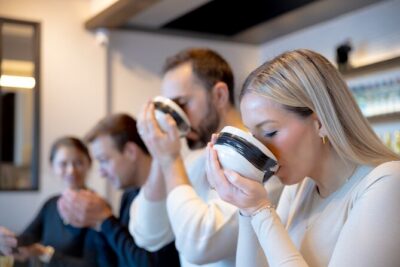
Matcha Making Class in Tokyo with Authentic Japanese Sweets Set
Read our review →
Kyoto: Tea Museum Tickets and Matcha Grinding Experience
Read our review →
Kyoto: Tea Ceremony Meditation – Make Matcha with Tea Master
Read our review →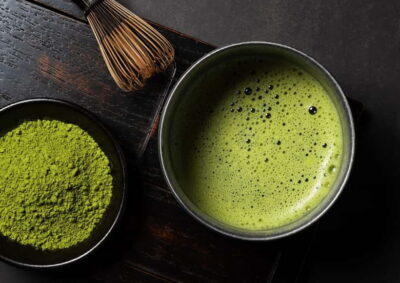
Tokyo: Matcha Making Experience with Mochi Sweets in Asakusa
Read our review →
Kyoto: Kimono Tea Ceremony with Matcha and Sweet
Read our review →
Browse the lists this tea experience appears in