
Review · SOUTH KOREA
Busan: Join a Tea Ceremony & Create a Calligraphy Memento
At Daman Cha, tea is not rushed. You sit in a quiet seaside teahouse, taste three seasonal teas, learn how the ceremony works, and then turn your impressions into a brush-and-ink memento. The small setting keeps the experience personal, with room for questions and calm conversation.
I like the thoughtful use of vintage teaware, and I like that the calligraphy is something you make yourself rather than a souvenir simply handed over. Min, the host, is especially good at explaining the customs behind the tea. The main consideration is that this is a gentle, slow two-hour activity, not a fast sightseeing stop, and the teahouse is limited to three participants.
Key points at a glance
- Three seasonal teas: Taste a changing selection of teas with snacks included.
- A tiny group: The experience is limited to three participants, making it easy to ask questions.
- Min’s calm instruction: Learn about Korean and Chinese tea customs from a local tea educator.
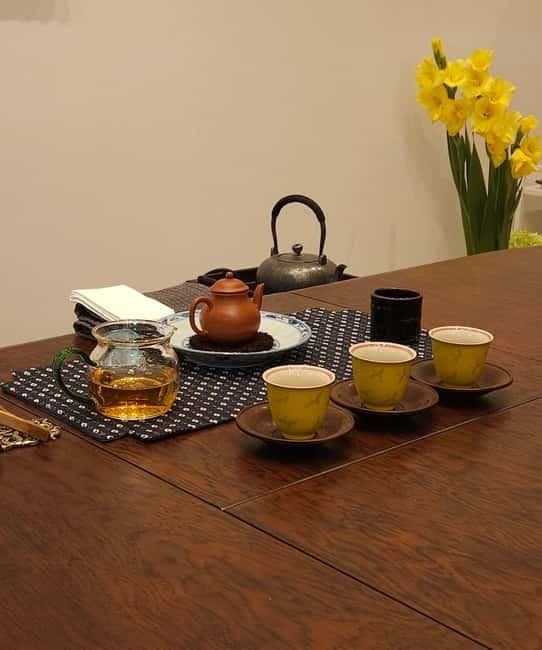
- Vintage artisan teaware: Each cup and serving piece helps shape the mood of the ceremony.
- Brush-and-ink keepsake: Choose from seven calligraphy messages and create your own memento.
- A quiet Yongho-dong setting: The teahouse sits in a seaside village away from Busan’s louder visitor zones.
A quiet tea room in Yongho-dong
Busan is famous for seafood, beaches, markets, and city views. This experience offers a different side of the city: two hours of stillness inside Daman Cha, a small tea room known as a da-sil. It is in Yongho-dong, a seaside village area, on the second floor of Building A at Villivcentro.
The setting matters. Tea ceremonies work best when you can hear the water boil, watch the host prepare each cup, and give your attention to the moment. You will not be racing between landmarks or trying to keep up with a large group. Instead, the experience asks you to slow down.
The meeting point is 다만茶, also written as Daman Cha or Daman-Cha. The English address is 220-1, Building A, Villivcentro, Yongho-dong 958, Nam-gu, Busan. The Korean address is 부산 남구 분포로 61, 빌리브센트로 A동 2층 220-1, 다만茶 (다만차). The teahouse faces the bridge from outside the building, and location pictures can be sent to help you find the entrance.
That last detail is useful. The address includes a building, block, and room number, so you should pay attention to the directions rather than relying on a quick glance at the street. Once you reach the correct building, Daman Cha is on the second floor.
More Tea and Calligraphy Workshops in the world:
- Osaka: Tea Ceremony, Calligraphy, and Kimono Experience
★ 4.9 · 130 reviews - Experience all of Japanese culture and Japanese food experience classes “origami, udon, Japanese food, green tea, calligraphy” in 4 hours
★ 5.0 · 105 reviews - An Amazing set of Cultural experience: Kimono, Tea Ceremony and Calligraphy
★ 5.0 · 69 reviews
Meeting Min and settling into the ceremony
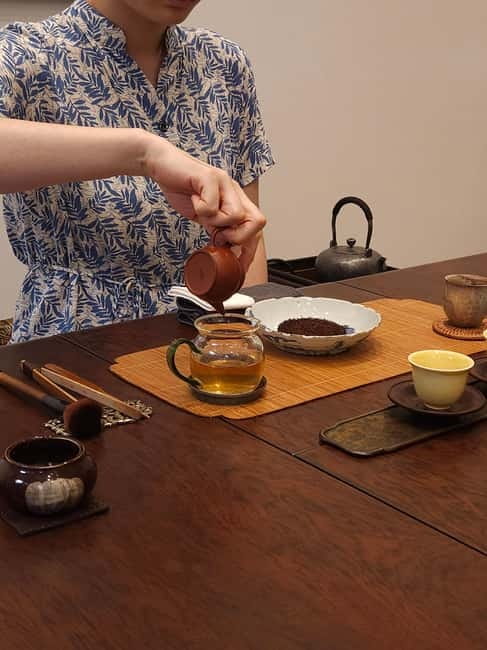
The session is led by Min, who speaks Korean, English, and Chinese. Her role is more than simply pouring tea. She explains the ceremony, introduces the teas, answers questions, and guides the calligraphy activity later in the session.
The small group size makes a real difference here. With a maximum of three participants, you can ask why a tea is served in a certain way or pause when you need a closer look at a piece of teaware. Solo visitors should find the setting manageable, since the activity is designed around conversation as well as instruction.
You can expect a welcoming introduction before the tea tasting begins. The tone is calm rather than formal or intimidating. You do not need to arrive as a tea expert, and the activity is not presented as a test of etiquette.
This is one reason the experience works well for people who are curious about Korean tea culture but have little background in it. Min explains the meaning behind the actions, so the ceremony becomes easier to follow. You are not merely watching a sequence of gestures without context.
Three seasonal teas and the art of paying attention
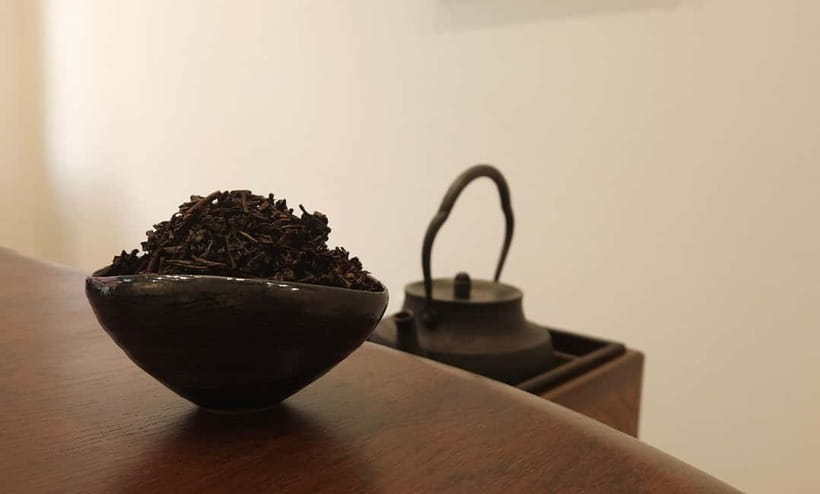
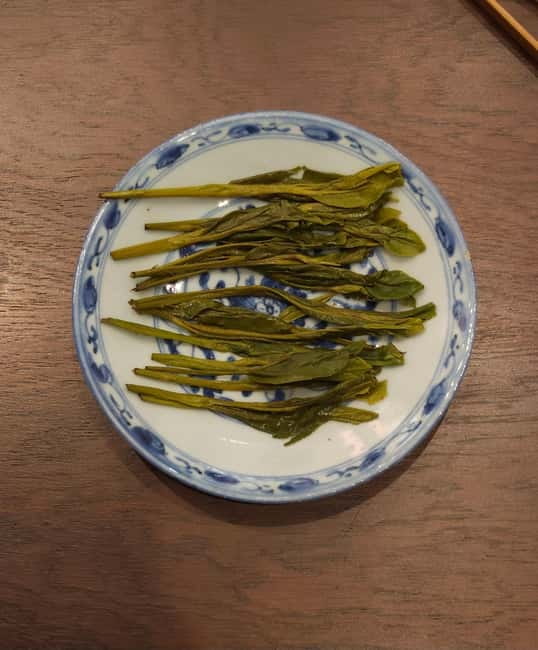
The tasting includes three kinds of seasonal tea, along with tea snacks. The exact selection changes with the season, so you should expect variety rather than one fixed menu.
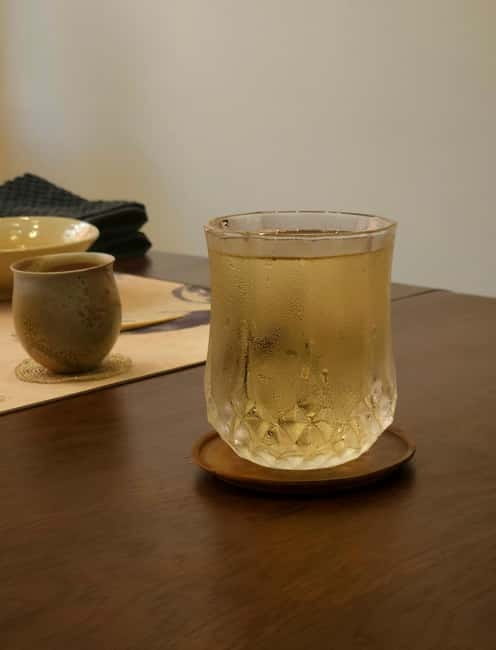
Each tea gives you another chance to notice small differences in aroma, color, taste, and finish. That sounds simple, but the quiet format changes how you drink. With no sightseeing schedule pressing you along, you have time to consider what is in your cup.
The ceremony also places tea within a wider East Asian tradition. Tea was often enjoyed with poetry, painting, and calligraphy, all arts connected with patience and close attention. The session uses that idea as a bridge between drinking tea and making something with your hands.
You will learn about Korean and Chinese tea customs during the activity. That comparison adds useful context, especially if you have already visited a tea house elsewhere in East Asia. The experience does not treat tea as one single tradition. It shows you that preparation, serving, and presentation can carry different meanings across cultures.
Tea snacks are included, which makes the tasting feel more complete. If you have food allergies, tell the provider in advance. No specific snack menu is provided, so you should not assume every item will suit your dietary needs.
Vintage teaware that shapes the mood
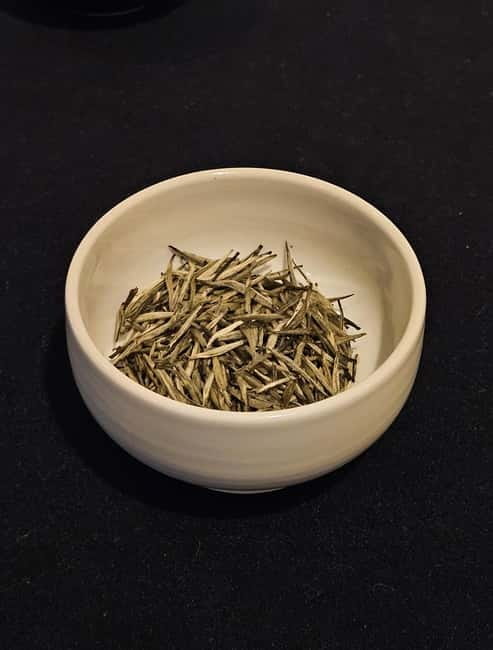
The teaware is a major part of the experience. Daman Cha uses a selection of artisan vintage pieces, and each item is chosen to support the feeling of the session.
This is not just decoration. A small cup, an unusual pot, or a carefully selected serving piece changes how you notice the tea. The objects slow down the process and give you something to observe between pours.
You will likely appreciate this most if you enjoy ceramics, design, or traditional crafts. The teaware gives the ceremony a sense of character without turning it into a museum visit. You can look closely while Min explains how the pieces fit into the ritual.
The tradeoff is that this is a hands-on cultural lesson, not a full studio workshop in ceramics or tea preparation. You will use the teaware as part of the ceremony, but the main focus remains tasting, learning, and reflection.
More Tea Ceremonies in the world:
- Kyoto: Tea Ceremony in a Traditional Tea House in Kiyomizu
★ 4.9 · 3,519 reviews - Kyoto: Tea Ceremony Ju-An at Jotokuji Temple
★ 4.9 · 3,207 reviews - Kyoto: 45-Minute Tea Ceremony Lesson Experience
★ 4.3 · 2,378 reviews - Osaka: Tea Ceremony Experience
★ 4.9 · 1,426 reviews
Brush, ink, and seven possible messages
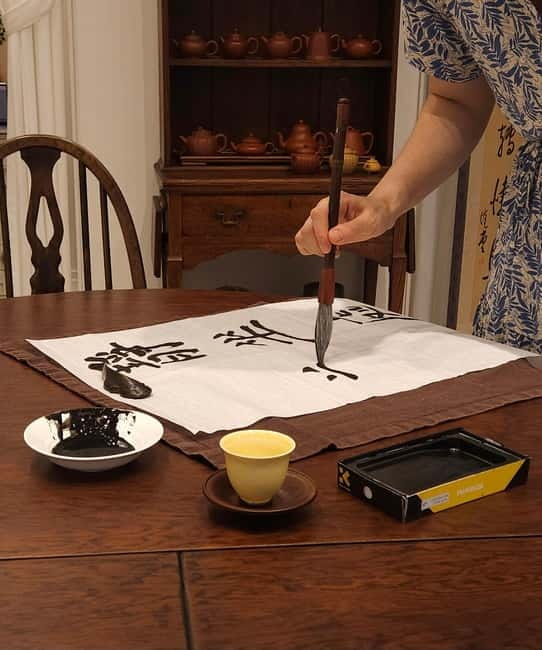
The second half of the experience brings in calligraphy. You express your tea experience through brush and ink, following the link between tea, poetry, painting, and writing.
You receive guidance as you work, so you do not need a background in calligraphy. Seven messages are available to choose from, giving you a clear starting point while still allowing you to make the final piece yourself.
This is a smart part of the activity. A tea tasting can be pleasant but temporary. The calligraphy gives you something physical to take home, and the act of making it helps you remember the quiet mood of the session.
Do not expect museum-quality calligraphy on your first try. That is not the point. The value lies in learning how brush and ink feel, choosing a phrase, and accepting that the handmade result will show your own touch. The finished piece is a personal souvenir rather than a mass-produced Busan gift.
You may want to keep your schedule light after the ceremony. Calligraphy asks for concentration, and the overall experience is designed to leave you feeling settled rather than hurried. It suits a relaxed morning or afternoon better than a tightly packed day of attractions.
What the two hours feel like
The experience begins and ends at Daman Cha, so there is no transfer between several locations. That makes the timing simple: arrive at the teahouse, take part in the ceremony and tasting, complete the calligraphy activity, and leave with your memento.
The two-hour length gives each part enough space. A shorter session might cover the tea but rush the conversation or calligraphy. Here, the pace lets you listen, taste, write, and ask questions without treating every minute as a countdown.
The mood is close to meditation, but the activity is still social. You can chat with Min and the other participants, and you can ask about the customs rather than sitting in silence for the entire session. That balance is useful if you want calm without feeling isolated.
The format may be less appealing if you prefer action, movement, or a long list of sights. There is no major landmark included, no city tour, and no transport around Busan. The destination is the tea room itself.
Is $69 a fair price?
At $69 per person, this is not a budget cup of tea. The price makes more sense when you consider what is included: three seasonal teas, snacks, instruction, the traditional ceremony, artisan vintage teaware, calligraphy guidance, and a handmade keepsake.
The group limit is important to the value. With no more than three participants, Min can answer individual questions and give personal help with the brush and ink. A large class could offer similar information, but it would not offer the same quiet attention.
You are also paying for a cultural activity that lasts two hours, rather than a quick tasting at a café. If you value local instruction and a souvenir you create yourself, the price is reasonable. If your main goal is simply to sample Korean tea at the lowest possible cost, you can likely find cheaper options elsewhere.
I would see this as a good choice for a special morning, a thoughtful break during a Busan stay, or a rainy-day plan that does not depend on outdoor sightseeing. It also has particular appeal for solo visitors, couples, friends, and anyone who enjoys crafts.
Who should book this experience
You should consider booking if you want to understand the ritual behind tea rather than only drink it. The experience gives you cultural context, a close look at teaware, and a chance to ask questions in a very small group.
It is also a strong match for anyone who likes quiet creative activities. The calligraphy is simple enough for beginners but meaningful enough to become the highlight of the session. You leave with a piece made during the experience, not just a printed certificate or a shop-bought item.
Solo visitors should feel comfortable here. The group is small, the setting is welcoming, and Min can explain the process without making you feel out of place. The activity also suits people who want a break from Busan’s busy streets and louder attractions.
You may want to skip it if you dislike sitting still, have no interest in tea customs, or want a fast activity between major sights. The calm pace is the whole point, so it should not be treated as filler on an overloaded itinerary.
Practical details before you go
The activity lasts two hours, and starting times vary, so check availability for the day you want. The group is limited to three participants, which helps preserve the personal format.
Guidance is available in Korean, English, and Chinese. The venue is wheelchair accessible. You can reserve now and pay later, and cancellation is free up to 24 hours before the activity for a full refund.
If you have food allergies, contact the provider ahead of time. Tea snacks are included, but no detailed snack list is provided.
Daman Cha is located on the second floor of Building A, facing the bridge from outside. Save both the Korean and English address, and use the location pictures if they are provided. That small bit of preparation should make the meeting point easier to spot.
Should you book Daman Cha?
I would book this if you want a personal, unhurried introduction to Korean tea culture and like the idea of making your own souvenir. The combination of seasonal tea, unusual teaware, Min’s clear instruction, and brush-and-ink calligraphy gives the two hours a clear purpose.
The strongest part is the balance between learning and calm. You receive real cultural explanation, but the activity never feels like a lecture. You taste three teas, talk through the customs, and then put your attention into a simple creative task.
At $69, it is best viewed as a small cultural workshop rather than a café visit. Book it when you have time to slow down, especially if you are traveling alone or want a quieter side of Busan. Skip it if you need constant movement or only want a quick tasting.
FAQ
Where does the tea ceremony take place?
It takes place at Daman Cha, a quiet tea room in Yongho-dong, Busan. The teahouse is on the second floor of Building A at Villivcentro, room 220-1.
How long does the experience last?
The tea ceremony and calligraphy activity last two hours.
How many teas will I taste?
You will taste three kinds of seasonal tea. Tea snacks are also included.
Is the experience private?
The activity is limited to three participants, creating a small-group setting with personal guidance.
Who leads the session?
Min, a local tea educator, leads the ceremony, explains tea customs, and guides the calligraphy activity.
What languages are available?
Instruction is available in Korean, English, and Chinese.
Is the venue wheelchair accessible?
Yes, Daman Cha is wheelchair accessible.
Can I cancel or pay later?
You can reserve and pay later. Cancellation is free up to 24 hours in advance for a full refund.
Newly steeped around the world
- York: Private Horse-Drawn Carriage Ride and Afternoon Tea★ 5.0 · 3 reviews
- Yokohama : Tea Ceremony with Sweets and Souvenir★ 5.0 · 5 reviews
- Washington, D.C.: Tea Around Town Bus Tour with Landmarks★ 3.4 · 7 reviews
- Whisk Your Own Matcha: A Zen Matcha Experience at Temple★ 3.6 · 7 reviews
- Yogyakarta: Prambanan Tour, Sukuh Temple & Tea Plantation★ 5.0 · 3 reviews
- Walking Tour: Yanaka,Nezu& Sendagi: Tea Ceremony & Old Tokyo★ 5.0 · 3 reviews
- Wadi Rum: 2-Hour Jeep Tour with Bedouin Tea★ 5.0 · 11 reviews
- Volcano, Hot Spring, Mud Bath & Tea plantation all included★ 5.0 · 5 reviews
Tea & Calligraphy Workshops, compared.
Osaka: Tea Ceremony, Calligraphy, and Kimono Experience
Read our review →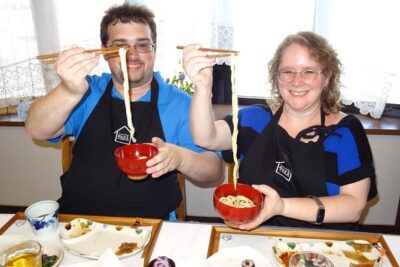
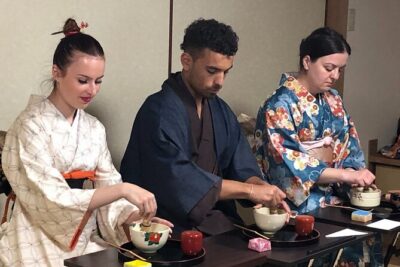
An Amazing set of Cultural experience: Kimono, Tea Ceremony and Calligraphy
Read our review →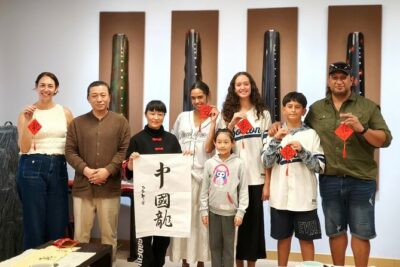
Beijing Culture: Tea Ceremony, Heritage Instrument & Calligraphy
Read our review →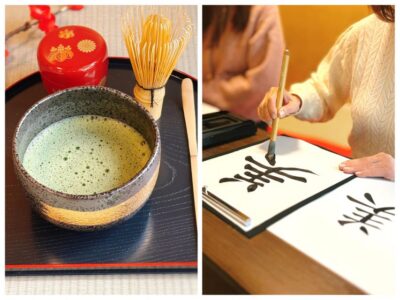
Osaka: Private Tea Ceremony and Calligraphy Experience
Read our review →
Cultural Activities :Kimono, tea ceremony, Calligraphy and Amulet
Read our review →
Samurai dress-up and shows, plus Tea Ceremony & Calligraphy
Read our review →
Premium Kimono Dressing, Tea Ceremony, Calligraphy, Samurai show
Read our review →Browse the lists this tea experience appears in