Review · OSAKA
Osaka: Private Tea Ceremony and Calligraphy Experience
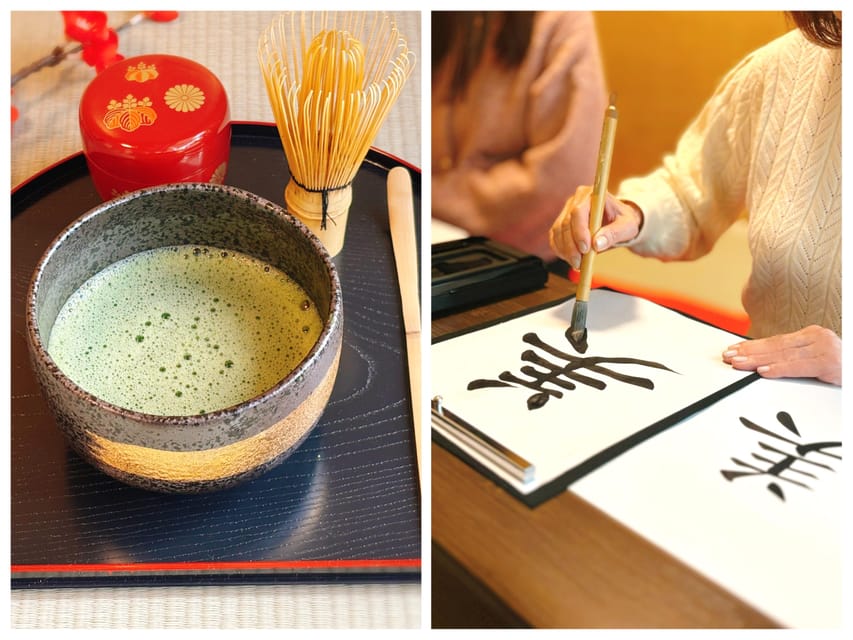
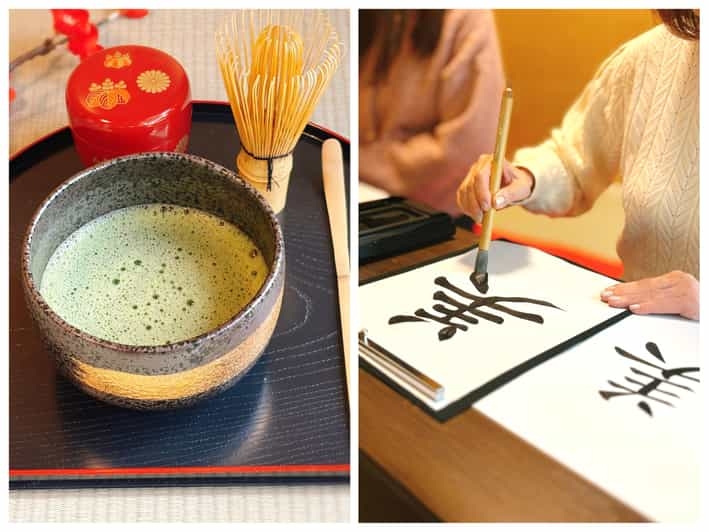
The unusual strength of this Osaka experience is that it joins two quiet arts in one private class: making matcha and writing Japanese calligraphy. Wanoma, the instructor, explains the meaning behind each ritual, then gives you time to try it yourself rather than simply watching.
I like the personal pace and the useful souvenir. You choose a kanji theme, practice the brush strokes, and finish with your name in Japanese characters, a stamp, and your own artwork. The main consideration is that the class takes 135 minutes and requires you to sit in a traditional-style setting, so it may not suit wheelchair users or anyone looking for a quick activity.
Key points at a glance
- Private instruction: Your group receives Wanoma’s full attention, with time for questions, photos, and adjustments for children.
- Your name in kanji: The instructor can suggest characters that fit your personality, interests, or chosen theme.
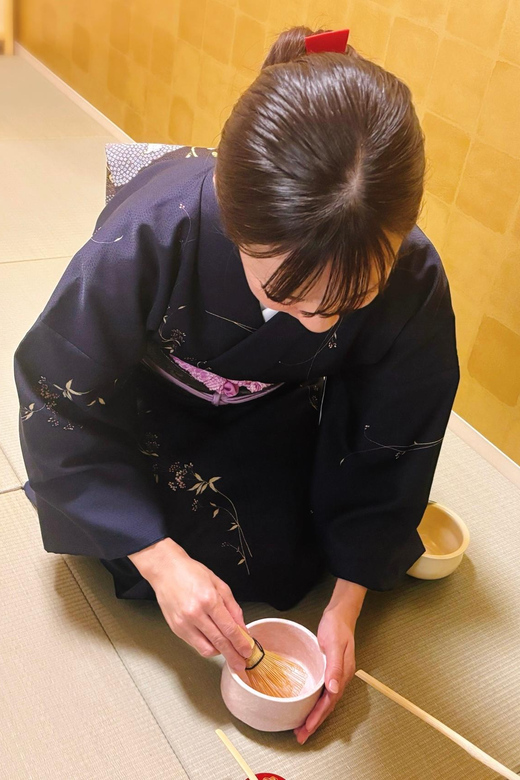
- Hands-on matcha: You first learn the tea-making process, then whisk your own bowl.
- Two sweet moments: Japanese sweets are served at different points during the tea portion, with seasonal meaning explained.
- A practical location: The studio is in Namba, close to Shinsaibashi-suji shopping street and central Osaka.
- A keepsake you make yourself: Colored paper, calligraphy, your name, and an ink stamp turn the final piece into a personal souvenir.
A calm cultural break in central Osaka
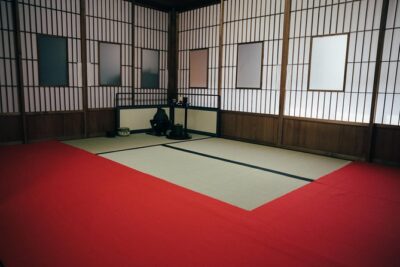
Osaka is famous for food, shopping, and neon-lit streets. That makes this class a useful change of pace. The studio is in Namba, near Shinsaibashi-suji shopping street, but the experience itself is quiet and focused. You step away from the city’s noise without spending half a day getting there.
The class is private, which matters here. Tea ceremony and calligraphy both involve small movements and careful instruction. In a large group, you might watch from the back or feel shy about making mistakes. In this setting, you can ask questions as they occur, take photos when you want, and ask Wanoma to slow down for a child.
The private format also helps families. One parent can take photos while a child works, or Wanoma can adjust the pace for younger participants. A family with children aged 10 and older found that the instructor kept both children attentive, including children with ADHD. That does not guarantee every child will respond the same way, but it shows how much personal guidance shapes the class.
At $64 per person, this is not the cheapest way to drink matcha in Osaka. It is good value if you want instruction, cultural context, hands-on practice, sweets, and a handmade souvenir in one 135-minute visit. You are paying for time with an instructor, not just a cup of tea.
More Private Tea Experiences in Japan
- Osaka: Private Tea Ceremony Experience
★ 5.0 · 4 reviews - Private Tea Ceremony and Sake Tasting in Kyoto Samurai House
★ 5.0 · 163 reviews - Tea Ceremony Experience in a Private Tea Room in Shibuya
★ 4.9 · 125 reviews
Finding the studio near Namba
The meeting point is outside the main entrance of New Osaka Hotel Shinsaibashi. Walk west for about 30 seconds, looking for a blue vending machine near the entrance. The staff wait outside five minutes before your booking and wear kimonos, so you should be able to identify them quickly.
Bring socks. That small detail matters because Japanese cultural activities may involve removing shoes or sitting in a traditional room. Smoking is not allowed, and the experience is not suitable for wheelchair users.
The central location makes this easy to pair with shopping in Shinsaibashi or an evening around Namba. Still, allow enough time to find the meeting point. Central Osaka streets can be confusing, especially if you are arriving with luggage or navigating after dark.
The tea ceremony begins with attention to small things
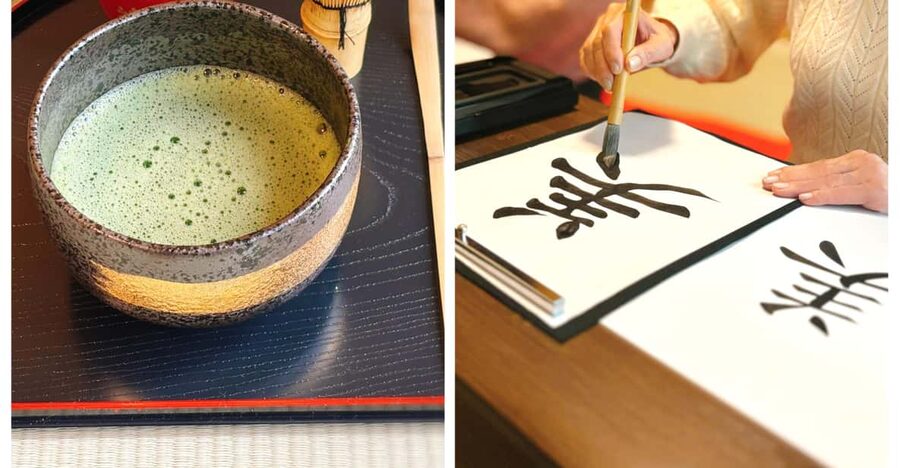
The tea portion starts with an explanation of the ceremony and its customs. You learn how to receive and enjoy the tea, why the movements follow a set order, and how the sweets fit into the experience.
This is not simply a demonstration where you sit silently and watch. Wanoma explains the steps, then lets you try making matcha yourself. You can choose a tea bowl from several attractive options, selecting the one that best matches your mood that day. That choice gives the ceremony a personal touch without making it feel forced.
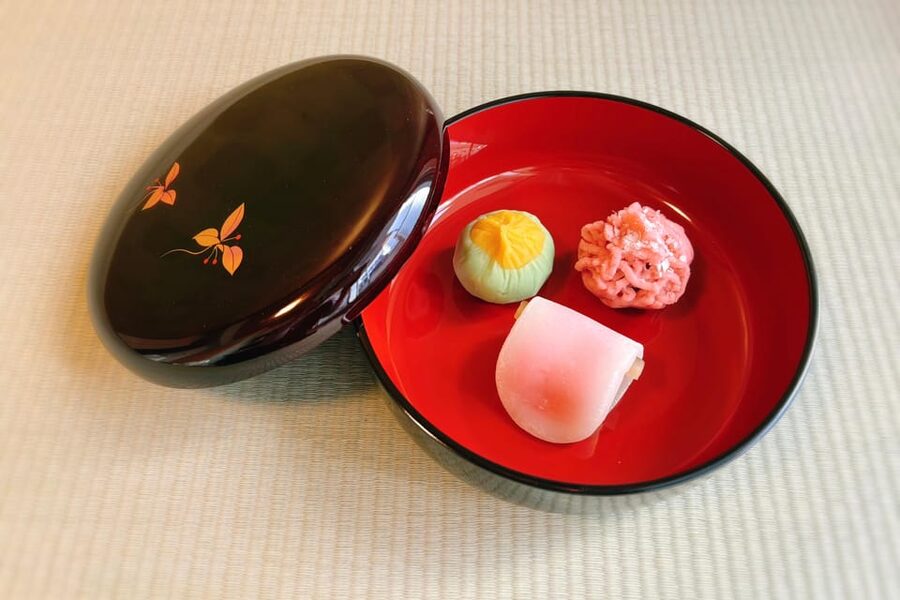
You also taste different Japanese sweets during the tea experience. The sweets are not just a sugar break. Wanoma explains their connection to the seasons, which gives you a better sense of how Japanese food traditions pay attention to the time of year. The exact sweets can vary, so you should treat this as part of the seasonal character of the class rather than expecting a fixed menu.
You will have matcha and sweets twice during the tea portion. That makes the session feel generous, especially for people trying Japanese tea for the first time. One participant also noted that the sweets served during their class were lactose-free, though you should not assume that every session will meet a particular dietary need without asking in advance.
The tea may be unfamiliar if you are used to sweetened green tea. Matcha has a strong, earthy flavor, and the sweets help balance it. The point is not to rush through the drink, but to pay attention to the bowl, the aroma, the texture, and the small sequence of actions.
Making your own matcha instead of just watching
The practical highlight is whisking your own tea. Wanoma first shows you how to do it, then guides you as you prepare your bowl. If you are worried about getting the technique wrong, do not be. The setting is relaxed, and the instructor encourages questions and treats mistakes as part of learning.
That hands-on approach is more useful than a short ceremonial display. You leave knowing what goes into preparing matcha and with a better idea of why the tools and motions matter. The lesson also gives you something to do with your hands, which helps the 135 minutes pass naturally.
The tea ceremony can feel intricate at first. That is part of its appeal, but it may not suit someone who wants a completely casual tasting. You are expected to pay attention to etiquette and follow guidance. The private setting softens the formality, allowing you to ask what to do instead of guessing.
More Tea and Calligraphy Workshops in Japan
- Osaka: Tea Ceremony, Calligraphy, and Kimono Experience
★ 4.9 · 130 reviews - Samurai dress-up and shows, plus Tea Ceremony & Calligraphy
★ 5.0 · 27 reviews - Premium Kimono Dressing, Tea Ceremony, Calligraphy, Samurai show
★ 5.0 · 18 reviews - Osaka: Tea Ceremony, Calligraphy, and Kimono Experience
★ 5.0 · 6 reviews
Choosing kanji for your personality
After the tea lesson, the class moves to Japanese calligraphy. First, you choose a theme, favorite word, or idea you would like to write. Wanoma can suggest kanji that express your personality or the feeling you want to carry home.
This is one of the more interesting parts of the class because kanji are not simply decorative symbols. The chosen character has meaning, and the instructor helps connect it to your interests or personal qualities. You can choose from characters with different levels of difficulty, so you do not need previous calligraphy experience.
If you want to write your name, Wanoma can convert it into Japanese characters. Several participants specifically enjoyed learning to write their names, including Craig, whose name was created in kanji during the class. For many people, a name-based piece feels more personal than a generic souvenir bought in a shop.
Ask questions about the meaning and pronunciation before you begin. A name written in Japanese is a fun keepsake, but the value comes from understanding what the characters represent. Wanoma’s role is not simply to hand you a symbol. She helps you choose something that fits.
Learning the brush strokes step by step
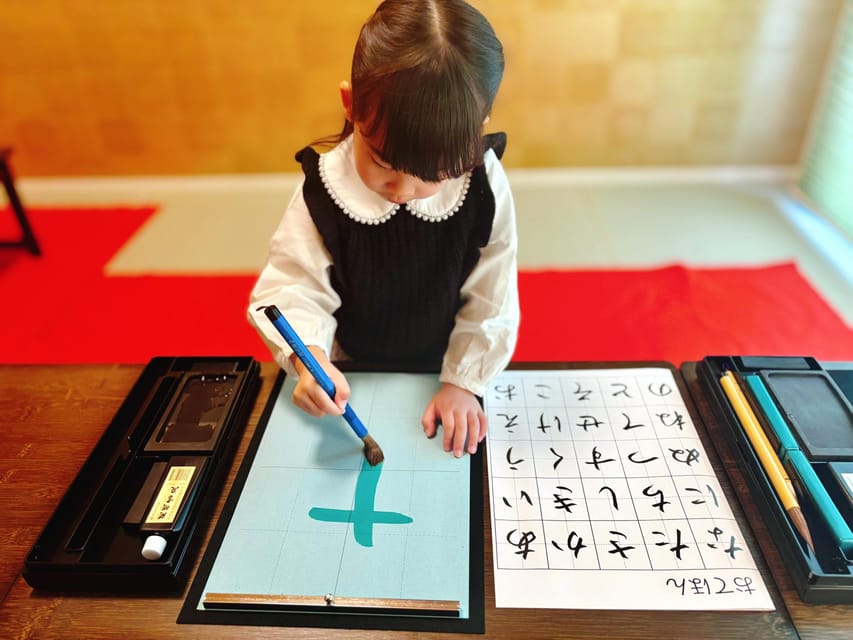
Before you work on the final piece, Wanoma explains the basic brush strokes. You practice the character and learn how the order and direction of the strokes affect the result. This preparation helps you understand why Japanese calligraphy is more than writing with a brush and ink.
The class is suitable for beginners because you are not expected to arrive with artistic skill. Wanoma demonstrates the movements and gives patient corrections. One participant described the instruction as especially helpful for people who were less skilled, which is exactly the kind of support you want in a short cultural class.
You then choose a sheet of colored paper from several types. After practicing, you write the final character, add your name in Japanese, stamp your initials, and complete the artwork. You take it home at the end.
The final piece will show your hand, not a professional calligrapher’s. That is the point. Brush pressure, spacing, and small imperfections make it a record of your visit. If you want a flawless work of art, buy one from a specialist. If you want a souvenir connected to what you learned, making your own is far more satisfying.
For young children, the studio can offer water calligraphy. This helps prevent ink from getting on hands and clothing. Ask about this option when booking or arriving if you are bringing small children.
Why the private format is worth the extra cost
The strongest feature of this activity is not any single object or snack. It is the instructor’s attention. Wanoma can answer questions about tea, sweets, writing, and Japanese customs without having to keep a large group moving.
You can also request photos during the session. That is useful because both tea preparation and calligraphy look better when someone captures the process, not just the finished result. You can ask for a slower pace, especially if a child is learning the brush strokes for the first time.
The private setup makes the experience feel less like a staged show. You still follow a planned sequence, but there is room for conversation and small adjustments. One couple described it as a one-to-one experience, while another valued being able to ask many questions without feeling rushed.
That said, private does not mean completely informal. The tea ceremony still has rules, and the calligraphy requires concentration. If your group prefers noisy entertainment or a quick succession of activities, this may feel too gentle. If you want a thoughtful break from sightseeing, the pace is a major advantage.
How the 135 minutes are best used
The activity lasts 135 minutes, or two hours and 15 minutes. The timing gives you enough room for both subjects rather than squeezing each into a brief introduction.
The exact order and pacing can be arranged to suit your group. A typical visit includes:
- An introduction to the tea ceremony and its customs
- Japanese sweets and matcha tasting
- A demonstration of matcha preparation
- Your own matcha-making attempt
- Selection of a tea bowl
- Calligraphy instruction and brush-stroke practice
- Choosing a kanji theme or name
- Creating the finished piece on colored paper
- Adding your Japanese name and personal stamp
The class may feel longer if you are not used to sitting quietly or concentrating on fine movements. Families should build in patience rather than expecting children to rush from one activity to the next. The ability to adjust the pace is helpful, but it does not remove the need for children to take part respectfully.
You should also avoid scheduling this too tightly against a train, restaurant booking, or show. The experience is designed to feel unhurried, and rushing out would undercut its best quality.
Language, teaching style, and comfort level
Instruction is available in English and Japanese. Wanoma is described as friendly, patient, funny, and clear in her explanations. She covers the background of the tea ceremony and calligraphy without turning the class into a lecture.
The teaching style works well for first-time visitors. You learn the reason for a gesture, then perform it. You hear about brush strokes, then try them. That balance keeps the cultural information connected to something you are actually doing.
The class also leaves room for humor. Making matcha or writing kanji for the first time can feel awkward, but the atmosphere is designed to make mistakes manageable. You do not need to worry about offending the instructor by asking basic questions.
English instruction may still involve unfamiliar Japanese terms, especially around tea etiquette and kanji meanings. Ask Wanoma to repeat or explain anything unclear. Since this is private, you have a better chance of getting a full answer than you would in a large class.
Who should book this Osaka experience
I would recommend this class to couples, families, solo visitors, and small private groups who want a meaningful activity close to central Osaka. It is especially suitable if you value learning by doing and want a souvenir with a personal story.
It is a strong choice for:
- First-time visitors to Japan
- People curious about tea ceremony customs
- Families wanting a calm, guided cultural activity
- Anyone who wants to make a handmade souvenir
- Visitors who enjoy quiet, focused experiences
- People staying near Namba or Shinsaibashi
You may want to choose something else if you use a wheelchair, dislike sitting in a traditional-style setting, or have only a short gap between sightseeing plans. The experience also may not be ideal if you want a full formal tea ceremony performed entirely for you. Here, your participation is central.
Booking details worth knowing
The cost is $64 per person, with fees and taxes included. That includes the instructor, colored paper, matcha, Japanese sweets, and your matcha-making experience. For a private 135-minute class, the price compares well with other paid cultural activities, especially because you finish with something you made.
English and Japanese are available, and the group type is private. You can reserve now and pay later, which helps if your Osaka schedule is still changing. Cancellation is free up to 24 hours before the activity for a full refund.
The studio is not wheelchair accessible according to the supplied information. Bring socks, and do not smoke during the activity. Those are simple requirements, but checking them before booking prevents an avoidable surprise.
Should you book the tea ceremony and calligraphy class?
Book it if you want to slow down, learn two Japanese arts, and leave with a personal piece of calligraphy rather than another mass-produced souvenir. The combination of matcha, seasonal sweets, kanji, and private teaching gives the class real substance.
I especially like it for families and couples because the private format lets you learn at your own speed. The $64 price is reasonable when you count the full time, materials, sweets, instruction, and personal attention.
Skip it if you need wheelchair access, dislike quiet hands-on activities, or want a fast photo opportunity with little explanation. For everyone else, this is a thoughtful way to spend part of an Osaka day, with Wanoma’s patient teaching helping you feel comfortable from the first tea bowl to the final brush stroke.
FAQ
Where does the Osaka tea ceremony and calligraphy experience take place?
The studio is in Namba, central Osaka, near Shinsaibashi-suji shopping street. Meet outside the main entrance of New Osaka Hotel Shinsaibashi, then walk west for about 30 seconds toward the blue vending machine.
How long does the activity last?
The experience lasts 135 minutes, or two hours and 15 minutes. The schedule can be adjusted according to your group’s requests.
How much does the experience cost?
The listed price is $64 per person. All fees and taxes are included.
Is the experience private?
Yes. It is arranged as a private group experience, with the instructor closely attending all participants in your group.
Can I make my own matcha?
Yes. Wanoma first explains and demonstrates the process, then you make your own matcha.
Are Japanese sweets included?
Yes. Matcha and various Japanese sweets are included. You can enjoy different sweets twice during the tea portion.
Can I write my name in Japanese?
Yes. During the calligraphy lesson, you can write your name in Japanese characters. The instructor can also suggest kanji based on your personality or chosen theme.
What should I bring?
Bring socks. Smoking is not allowed during the experience.
Is the activity suitable for wheelchair users?
No. The experience is listed as not suitable for wheelchair users.
More Tea Ceremonies in Osaka
- Osaka: Tea Ceremony Experience
★ 4.9 · 1,426 reviews - Tea Ceremony Experience in Osaka Doutonbori
★ 5.0 · 754 reviews - Osaka: Japanese Traditional Sweets Making and Tea Ceremony
★ 4.7 · 118 reviews - Samurai Show, Tea Ceremony, Japanese Traditional Activities
★ 5.0 · 56 reviews
More Tea and Calligraphy Workshops in Osaka
- Tea and Calligraphy Session at a Table in Osaka
★ 5.0 · 4 reviews - Osaka: Castle, Tea Ceremony, Calligraphy, and Samurai Armor!
★ 5.0 · 4 reviews
Newly steeped around Osaka
- Osaka:Zen Tea Ceremony and Foot Bath Experience<45min>★ 5.0 · 7 reviews
- Osaka Japanese Cooking And Matcha Class near Osaka Castle★ 5.0 · 22 reviews
- Nara Deer Park, Uji Matcha, & Hot Spring Full-Day Tour from Osaka★ 4.0 · 21 reviews
- Osaka: Tea Ceremony, Calligraphy, and Kimono Experience★ 5.0 · 6 reviews
- Tea and Calligraphy Session at a Table in Osaka★ 5.0 · 4 reviews
- Osaka: Nara, Todaiji, Uji Matcha, and Hot Spring Tour★ 4.0 · 7 reviews
- Craft Sushi and Matcha Ice Cream in Central Osaka (3-Course Meal)★ 5.0 · 2 reviews
- ZEN therapy | Shiatsu-style massage, EnergyTherapy & Japanese Tea★ 5.0 · 5 reviews
Tea & Calligraphy Workshops, compared.
Osaka: Tea Ceremony, Calligraphy, and Kimono Experience
Read our review →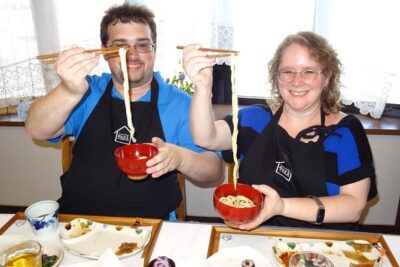
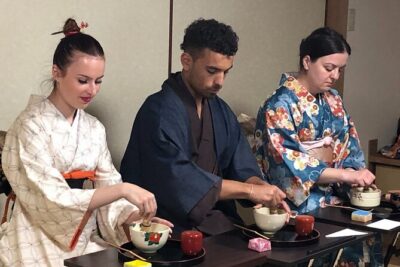
An Amazing set of Cultural experience: Kimono, Tea Ceremony and Calligraphy
Read our review →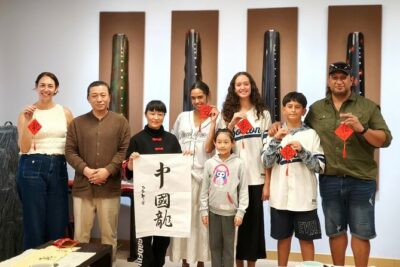
Beijing Culture: Tea Ceremony, Heritage Instrument & Calligraphy
Read our review →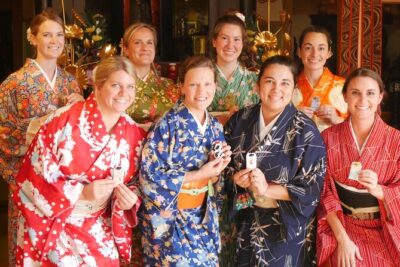
Cultural Activities :Kimono, tea ceremony, Calligraphy and Amulet
Read our review →
Samurai dress-up and shows, plus Tea Ceremony & Calligraphy
Read our review →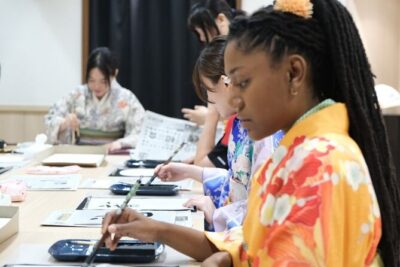
Premium Kimono Dressing, Tea Ceremony, Calligraphy, Samurai show
Read our review →