
Review · OSAKA
Samurai dress-up and shows, plus Tea Ceremony & Calligraphy
The most striking part of this Osaka experience is that you do not just watch Japanese culture from the sidelines. You can put on samurai armor, join the action during sword performances, then switch gears for tea ceremony and calligraphy under one roof.
I like the mix of lively entertainment and quiet hands-on activities. The staff, including Roi and Maya, are known for careful, personal help, and you can choose which activity to begin with. The main drawback is the price: at $123.87 per person, it is not a cheap photo stop, especially if you also want the optional kimono experience for ¥19,800.
Key points
- Samurai armor and sword shows: Dress in traditional armor and take part in energetic performances with live music.
- Tea and calligraphy in one visit: Move from a formal tea ceremony to creating your own Japanese calligraphy.
- Indoor comfort: Every activity takes place inside, making this a useful choice in Osaka rain, heat, or cold.
- Near Dotonbori: The venue is about a five-minute walk from Osaka’s famous food and nightlife district.
- Helpful personal service: Staff members such as Roi and Maya assist with the activities and accommodate individual requests.
- Three hours of culture: The visit gives you enough time to try several activities without filling an entire day.
Samurai armor, swordplay, and live music
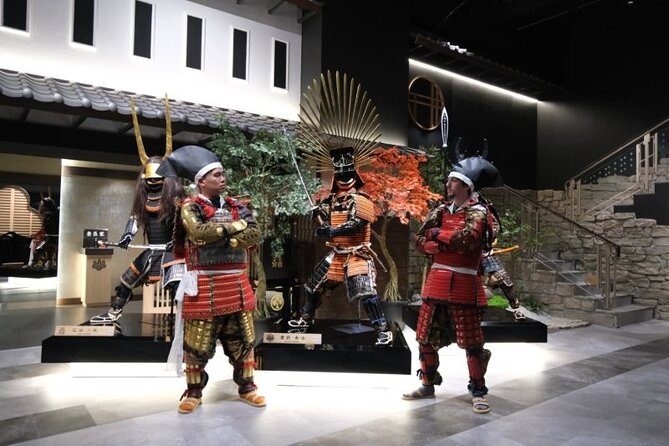
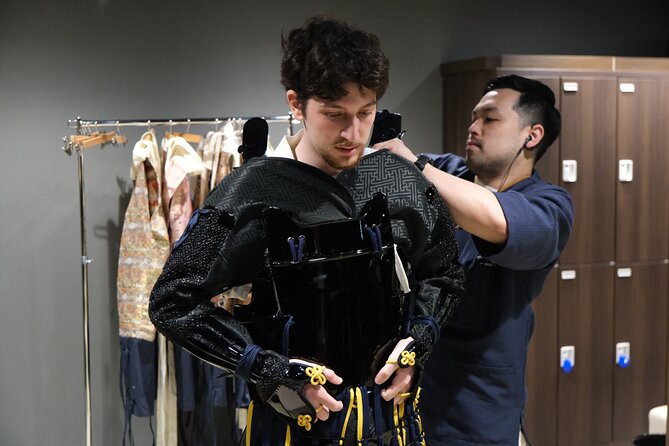
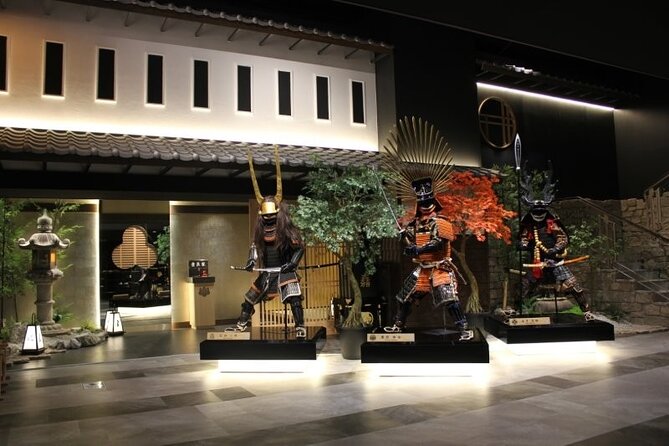
This is not a museum visit where you quietly inspect old objects. The main appeal is participation. You can step into samurai armor, pose and move in costume, and join lively shows built around sword performance and traditional music.
The armor gives the experience its strongest sense of occasion. Even visitors who know little about samurai culture get an immediate visual connection with Japan’s warrior past. You are not simply taking a costume photo, since the program also lets you wear the armor during the shows.
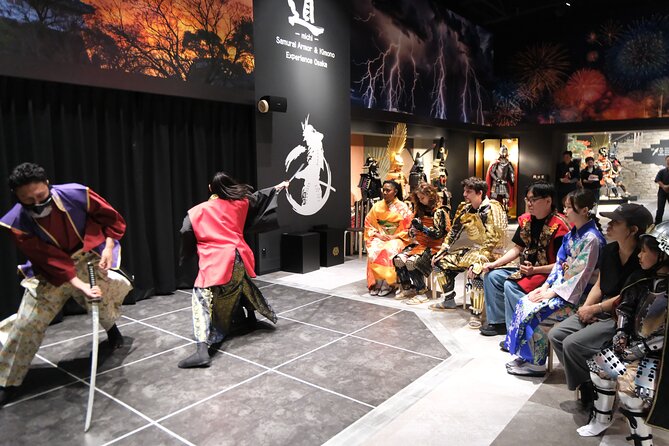
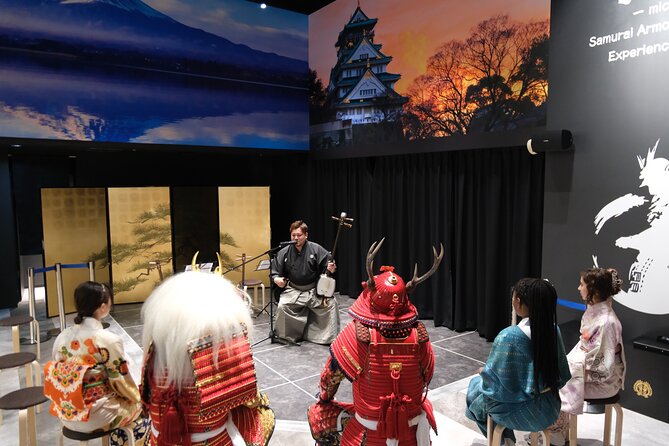
The sword performances add movement and drama. They are designed as entertainment, but they also give you a practical sense of how performance, posture, costume, and music work together. If you are visiting Osaka with children, teenagers, or relatives who prefer action to formal sightseeing, this part will likely hold their attention.
The live traditional music changes the mood again. Several activities are brought together here, so the visit feels broader than a single sword demonstration. You may move from a noisy show to a music lesson or performance, then into a much quieter cultural activity.
The exact order is flexible. You can choose which activity to start with, and staff members explain how the visit works when you arrive. That is helpful because you can begin with the samurai program if you want the most energetic start, or save it for later after tea and calligraphy.
More Tea and Calligraphy Workshops in Japan
- Osaka: Tea Ceremony, Calligraphy, and Kimono Experience
★ 4.9 · 130 reviews - Osaka: Private Tea Ceremony and Calligraphy Experience
★ 5.0 · 50 reviews - Premium Kimono Dressing, Tea Ceremony, Calligraphy, Samurai show
★ 5.0 · 18 reviews
Tea ceremony with a quieter pace
The tea ceremony provides a useful contrast to the armor and sword show. It is a refined, slower activity that introduces the careful movements and calm setting associated with Japanese tea culture.
You do not need prior knowledge to take part. The value is in observing the form and trying the experience yourself, rather than memorizing rules. Staff support is available, so you can approach it as a first introduction instead of worrying about making a mistake.
I like this part because it keeps the visit from becoming only a costume attraction. The tea ceremony adds a sense of balance and gives you a chance to focus on a traditional practice that depends on patience and attention.
Do not expect the setting to replace a specialized tea school or a long formal ceremony. This is a broad cultural program with several activities packed into about three hours. For most people, that is the point: you get a clear taste of tea ceremony without giving up the rest of the afternoon.
Complimentary tea, coffee, and hot or cold water are available. That is a small detail, but it makes the indoor stop more comfortable, particularly if you have just walked through central Osaka.
Japanese calligraphy you can take part in
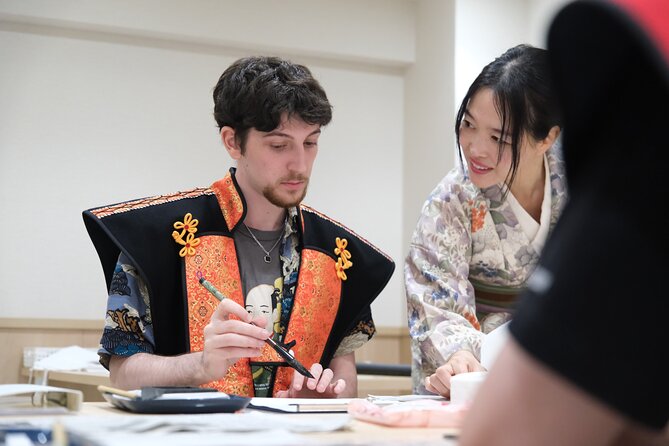
Calligraphy is another hands-on activity, not a lecture. You can try writing Japanese characters and create your own piece to connect with the activity after you leave.
This is especially useful for visitors who want something more personal than a photograph. Samurai armor gives you a memorable image, while calligraphy gives you something made through your own effort. The two activities also show very different sides of Japanese culture: one is energetic and theatrical, the other focused and precise.
Staff assistance matters here. Calligraphy can look simple until you hold the brush and try to control the stroke. Patient guidance helps you enjoy the process instead of worrying about producing perfect work.
The program also includes music lessons or music activities, based on the available experience details. The exact balance between music, tea, calligraphy, and performances may depend on the session and how you choose to begin. If one activity matters most to you, tell the staff early.
Personal help from Roi, Maya, and the staff
Good cultural activities depend heavily on how the staff handle first-time participants. Here, the strongest part of the service is personal attention. Roi and Maya are specifically associated with careful assistance, attention to detail, and adapting to individual requests.
That matters when you are dealing with armor, formal tea movements, calligraphy tools, and unfamiliar cultural customs in a short period. You want clear instructions without being made to feel awkward. The available feedback points to staff who are courteous, friendly, and eager to help.
The service also suits special occasions. One couple used the visit as part of a 30th anniversary celebration and received individualized attention. That does not mean every booking becomes a private event, but it suggests you can mention a special request when arranging your visit.
The staff’s role is also important for families and mixed-age groups. One person may want the sword show, another may prefer calligraphy, and someone else may be most interested in tea. Since you can choose where to begin, the group has some freedom instead of following one rigid sequence.
More Tea and Calligraphy Workshops in Osaka
- Osaka: Tea Ceremony, Calligraphy, and Kimono Experience
★ 5.0 · 6 reviews - Tea and Calligraphy Session at a Table in Osaka
★ 5.0 · 4 reviews - Osaka: Castle, Tea Ceremony, Calligraphy, and Samurai Armor!
★ 5.0 · 4 reviews
A practical stop near Dotonbori
The center is about a five-minute walk from Dotonbori, with Namba and Shinsaibashi stations within a ten-minute walk. That location makes it easy to add the activity to a day of food, shopping, and sightseeing in central Osaka.
You can visit before dinner in Dotonbori, use it as a break from shopping, or schedule it after exploring the Namba area. The indoor setting is a real advantage. Osaka summers can be hot, and rainy days can disrupt outdoor plans. This program gives you a cultural activity without depending on the weather.
A mobile ticket is provided, and confirmation arrives at booking. Lockers are available, which is useful if you have shopping bags or small items that you do not want to carry through the activities.
The included location information describes the facility as Shinsaibashi ARTY Inn. The experience provider is 道-michi-. Check your booking details for the exact meeting instructions before setting out, especially if you are arriving from the cruise terminal or another part of Osaka.
Transportation is simple, but allow enough time to walk from your station. The center is close to the main districts, not necessarily directly outside a train exit. You will have a smoother arrival if you avoid scheduling another timed activity immediately afterward.
What three hours feels like
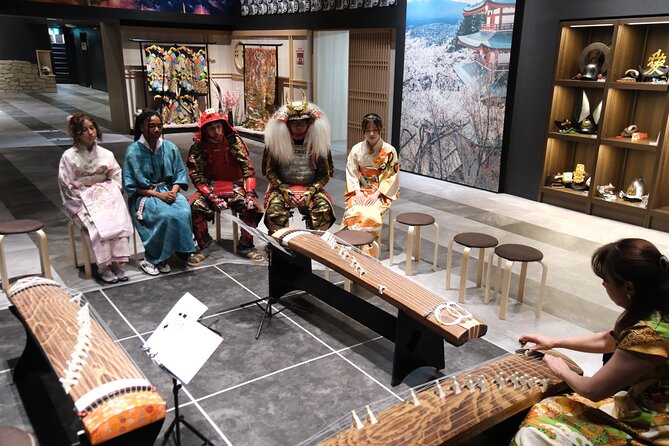
Three hours is a useful length for this program. It is long enough to try several activities, yet short enough to fit into a busy Osaka schedule.
You can expect the visit to include a combination of:
- Samurai armor and participation in shows
- Sword performances
- Live traditional music
- Tea ceremony
- Japanese calligraphy
- Music-related activities or lessons
The format is not described as a fixed, minute-by-minute tour. Instead, staff explain the available activities and help you begin. That flexible approach is helpful for groups with different interests, though it also means you should not expect every moment to follow the same order on every visit.
If you want the broadest experience, plan to use the full three hours. Rushing in and out would make the price harder to justify and could leave you with only the costume and show portion. The tea ceremony and calligraphy are what give the visit more depth.
The program is indoors, so you can dress for comfort and the rest of your Osaka day. The optional kimono is separate from the main price and costs ¥19,800 per person. Do not assume kimono dressing is part of the $123.87 ticket.
Is $123.87 good value?
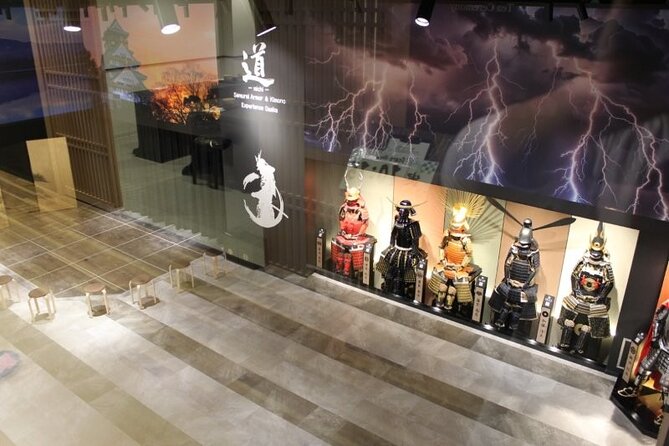
At $123.87 per person, this is a premium cultural activity. You are paying more than you would for a short demonstration or a simple costume photo, but you are also getting several activities in one three-hour visit.
The value is strongest if you plan to take part in most of the program. Samurai armor, sword performances, music, tea ceremony, and calligraphy would each offer a different type of experience. Combining them saves you from arranging separate cultural activities around Osaka, and the central location reduces travel time.
The price is harder to defend if you only want a samurai photograph. In that case, a shorter costume experience may suit you better. The same is true if your main interest is a formal tea ceremony, since this visit divides its time among several Japanese arts.
The staff support improves the value. Beginners can try activities without needing to know the etiquette in advance, and the personal assistance helps the session feel organized. Complimentary drinks, WiFi, and lockers are useful extras, though they are not the main reason to book.
The optional kimono fee deserves careful thought. At ¥19,800 per person, it is a major addition. If wearing kimono is your top priority, budget for it separately. If you mainly want samurai armor, tea, and calligraphy, you can skip that extra cost.
Who will enjoy this most?
I would recommend the experience to first-time visitors who want several cultural activities without spending a full day moving between venues. It is also a good fit for couples, families, groups with mixed interests, and anyone looking for an indoor plan near Dotonbori.
It works particularly well for you if:
- You want to participate rather than only watch
- You enjoy costume and performance
- You would like to try calligraphy and tea ceremony
- You need a weather-proof activity
- You are staying near Namba or Shinsaibashi
- You want staff support in English or another visitor-friendly setting, though specific language coverage is not stated
You may want to skip it if you prefer quiet temples, historic buildings, or a single highly focused cultural lesson. The setting brings many activities together, so it offers breadth rather than a long, specialist study of one tradition.
Most people can participate, according to the available information. Still, the program includes wearing armor and taking part in performances, so anyone with personal mobility concerns should contact the provider before booking.
Booking, timing, and cancellation
Confirmation is provided at the time of booking, and the ticket is mobile. Public transportation is nearby, with the venue within a ten-minute walk of Namba or Shinsaibashi stations.
Free cancellation is available if you cancel at least 24 hours before the start time. Cancel within 24 hours, or request changes during that period, and you will not receive a refund. The cut-off uses Osaka local time, so check the time carefully if you are changing plans from another country.
The activity has had at least five bookings in the past month and a 5 out of 5 rating from 27 submitted ratings, with a 100 percent recommendation rate. Those figures suggest strong demand and consistently positive service, but you should still judge the price against your own interests.
Should you book it?
Book this if you want a lively, well-supported introduction to several Japanese cultural traditions in one central Osaka stop. The combination of samurai armor, sword performance, music, tea ceremony, and calligraphy gives you plenty to do, and the staff attention is a major part of the appeal.
I would especially choose it for a first Osaka visit, a rainy afternoon, or a family group that needs more than a quiet sightseeing stop. I would hesitate only if the $123.87 price feels high for a three-hour activity, or if you want a specialized tea ceremony or a more serious historical tour.
For the best value, use the full session, try more than the armor portion, and treat the kimono option as a separate decision. If that sounds like your kind of afternoon, this is a practical and entertaining way to add hands-on Japanese culture to a Dotonbori day.
FAQ
Where is the samurai and tea ceremony experience?
It takes place at Shinsaibashi ARTY Inn in Osaka, about a five-minute walk from Dotonbori. Namba and Shinsaibashi stations are within a ten-minute walk.
How long does the experience last?
The activity lasts approximately three hours.
What activities are included?
The program includes samurai armor, samurai shows, sword performances, live traditional music, a tea ceremony, and Japanese calligraphy. Music-related activities or lessons are also part of the available program.
Is the experience indoors?
Yes. All activities take place indoors, so the program can be enjoyed in any season and in different weather conditions.
Is kimono dressing included in the price?
No. Wearing a kimono is an optional extra costing ¥19,800 per person.
Can I choose which activity to do first?
Yes. Staff explain how the visit works, and you can choose which activities you wish to start with.
What is included besides the activities?
Complimentary coffee or tea, hot or cold water, WiFi, and use of a locker are included.
Can I cancel for a full refund?
Yes, if you cancel at least 24 hours before the experience start time. Cancellations or changes made less than 24 hours before the start time are not refundable.
More Tea Ceremonies in Osaka
- Osaka: Tea Ceremony Experience
★ 4.9 · 1,426 reviews - Tea Ceremony Experience in Osaka Doutonbori
★ 5.0 · 754 reviews - Osaka: Japanese Traditional Sweets Making and Tea Ceremony
★ 4.7 · 118 reviews - Samurai Show, Tea Ceremony, Japanese Traditional Activities
★ 5.0 · 56 reviews
Newly steeped around Osaka
- Osaka:Zen Tea Ceremony and Foot Bath Experience<45min>★ 5.0 · 7 reviews
- Osaka: Tea Ceremony, Calligraphy, and Kimono Experience★ 5.0 · 6 reviews
- Osaka Japanese Cooking And Matcha Class near Osaka Castle★ 5.0 · 22 reviews
- Nara Deer Park, Uji Matcha, & Hot Spring Full-Day Tour from Osaka★ 4.0 · 21 reviews
- Tea and Calligraphy Session at a Table in Osaka★ 5.0 · 4 reviews
- Osaka: Nara, Todaiji, Uji Matcha, and Hot Spring Tour★ 4.0 · 7 reviews
- Craft Sushi and Matcha Ice Cream in Central Osaka (3-Course Meal)★ 5.0 · 2 reviews
- ZEN therapy | Shiatsu-style massage, EnergyTherapy & Japanese Tea★ 5.0 · 5 reviews
Tea & Calligraphy Workshops, compared.
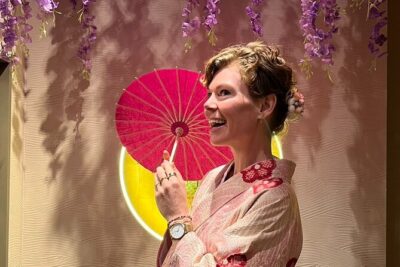
Osaka: Tea Ceremony, Calligraphy, and Kimono Experience
Read our review →
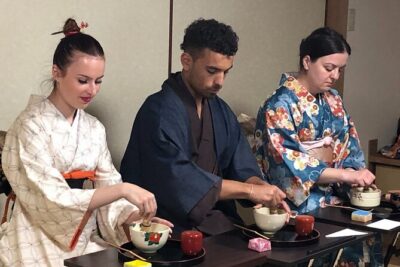
An Amazing set of Cultural experience: Kimono, Tea Ceremony and Calligraphy
Read our review →
Beijing Culture: Tea Ceremony, Heritage Instrument & Calligraphy
Read our review →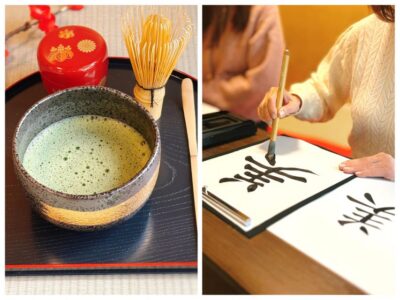
Osaka: Private Tea Ceremony and Calligraphy Experience
Read our review →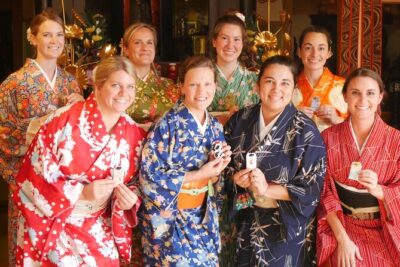
Cultural Activities :Kimono, tea ceremony, Calligraphy and Amulet
Read our review →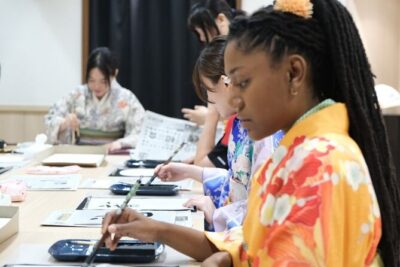
Premium Kimono Dressing, Tea Ceremony, Calligraphy, Samurai show
Read our review →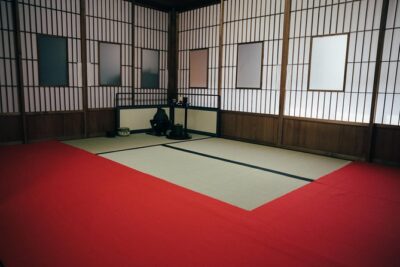
Experience Japanese calligraphy & tea ceremony at a traditional house in Nagoya
Read our review →Browse the lists this tea experience appears in