
Review · KYOTO
Kyoto: Mindful Tea Ceremony in 100-Year-Old Teahouse
Kyoto’s Oboro tea ceremony turns a simple bowl of matcha into a quiet lesson in paying attention. In a 100-year-old teahouse, candlelight replaces bright ceiling lamps, water simmers softly, and the host guides you through the ritual without demanding perfect formality.
I like the calm setting, especially the garden view from the tearoom, and I like the friendly teaching style from hosts such as Taku and Naoki. The small groups of up to eight also give you room to ask questions. The main drawback is the short 45-minute format, which leaves little time for lingering, and you must sit in a quiet setting after removing your shoes.
Key points to know before booking
- A 100-year-old setting: Traditional rooms, simple décor, and a garden view provide more atmosphere than a modern demonstration space.
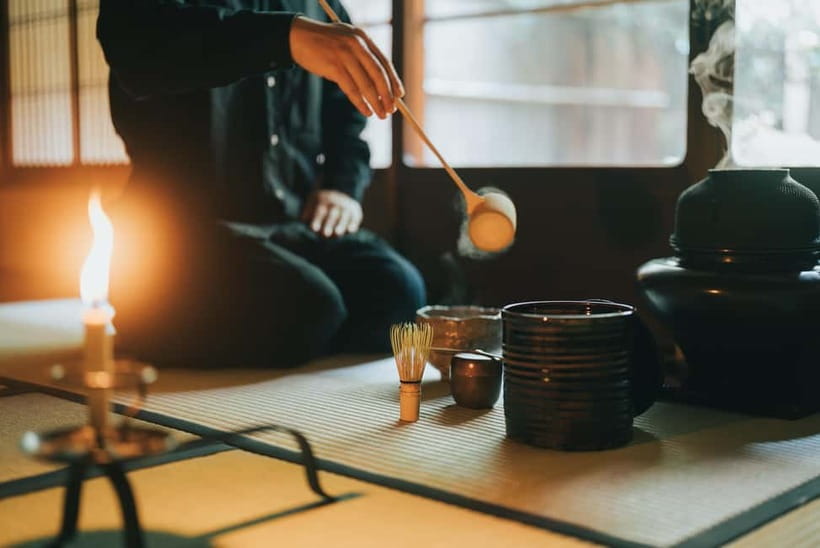
- Candlelight changes the mood: The low light helps you notice the sound of boiling water, the scent of matcha, and the warmth of the bowl.
- Friendly English instruction: Taku, Naoki, and other hosts explain the ceremony, tea quality, history, and etiquette in clear English.
- A gentle introduction: You can watch quietly, ask questions, and follow the ritual without worrying about making a serious mistake.
- Small and focused: Groups are limited to eight people, making this better suited to calm conversation than a large tourist show.
- A thoughtful parting gift: You receive a small handmade candle to take home as a reminder of the experience.
Entering Oboro’s 100-year-old teahouse
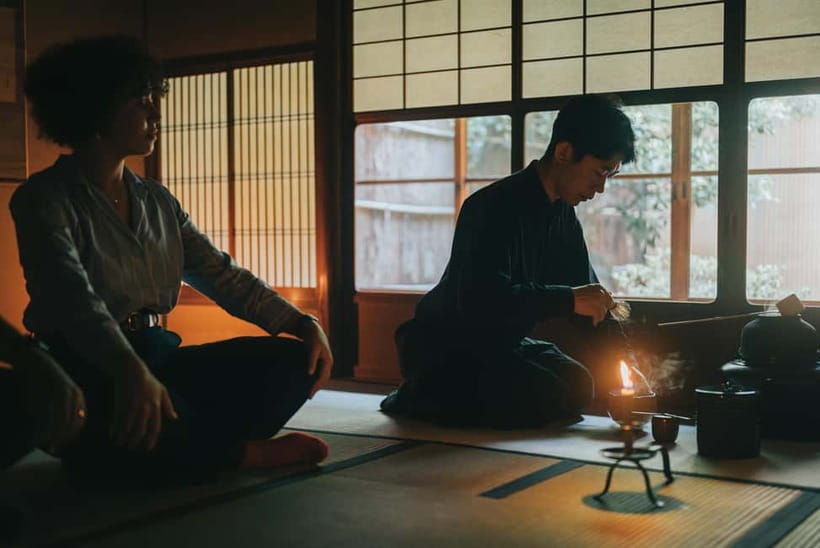
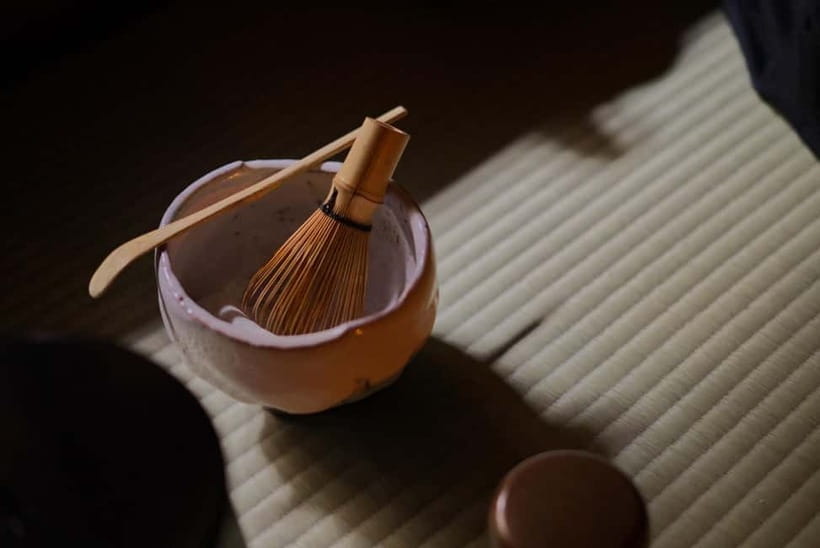
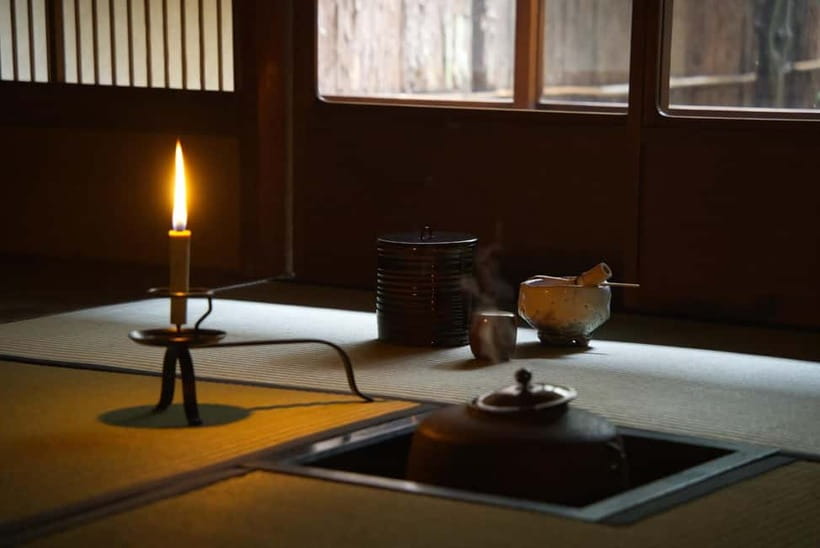
The setting does much of the teaching before the ceremony even begins. You step into a traditional Japanese house where harsh electric light gives way to candles and soft shadows. The room is spare rather than decorated for spectacle, so your attention turns to the small things: a bowl, a whisk, a flame, a garden beyond the window.
That simplicity matters. Kyoto can fill your day with temples, shopping streets, train platforms, and traffic. At Oboro, the change of pace begins as soon as you remove your shoes and settle in. The house feels separate from the noise outside, even though this is still a short scheduled activity in the middle of a city visit.
The atmosphere is traditional without being stiff. You are not expected to arrive with prior knowledge of tea ceremony rules. The host explains what is happening and why, so you can appreciate the gestures instead of guessing what to do next.
One of the nicest details is the view toward the garden from the tea room. It is not presented as a major sightseeing stop, and that is part of its appeal. The garden gives your eyes somewhere quiet to rest while the ceremony unfolds.
More Tea Ceremonies in Kyoto
- Kyoto: Tea Ceremony in a Traditional Tea House in Kiyomizu
★ 4.9 · 3,519 reviews - Kyoto: Tea Ceremony Ju-An at Jotokuji Temple
★ 4.9 · 3,207 reviews - Kyoto: 45-Minute Tea Ceremony Lesson Experience
★ 4.3 · 2,378 reviews
The welcome tea and seasonal sweet
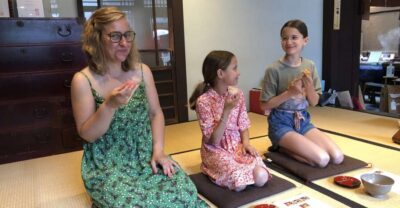
The session begins with a welcome tea and a sweet. This opening gives you time to settle your mind before the main preparation begins, and it also lets the host introduce the basic flow of the session.
The sweet is not just a snack placed beside the tea. It helps balance the taste of matcha, which can be grassy, bitter, or pleasantly rounded depending on the blend. Some visitors are surprised by how smooth the tea tastes here, including people who do not normally enjoy matcha.
The seasonal sweet adds another small point of interest. Its texture and flavor may be unfamiliar, but the host can explain how it fits with the tea. This is a useful part of the activity for anyone who wants more than a quick photo and a cup of green tea.
You will not receive a meal, so plan to eat separately. The experience is about tea, sweets, and attention, not lunch or dinner. At $45 per person, that distinction matters when you compare it with a longer food tour.
Watching the matcha ceremony unfold

The main ceremony is built around deliberate movements. The host purifies the utensils, prepares the matcha, whisks it, and presents the bowl with a graceful bow. You watch the process at close range, with the candlelight drawing attention to each motion.
The ceremony has roots in Japanese hospitality and discipline, but Oboro presents it in a way that newcomers can follow. You do not need to memorize a long list of rules before the first sip. You may observe in silence, ask questions at suitable moments, or simply let the movements pass at a slower pace.
The host also explains the purpose behind the steps. That turns the activity from a performance into a lesson in how the ceremony works. You learn how to receive the bowl, how to appreciate the tea, and how the sequence creates a feeling of order.
Several hosts have been praised for explaining the process clearly, including Taku and Naoki. Naoki, in particular, has been noted for bringing warmth and youthful energy to the tradition, while Taku is described as passionate about tea history and practice. Hosts can vary by session, so do not book with the expectation that one specific person is guaranteed unless your reservation says so.
The ceremony may use three rooms, each marking a different phase of the experience. This creates a gentle sense of movement from welcome, to preparation, to reflection. The rooms are not attractions in the usual sightseeing sense, but the change in space helps the 45 minutes feel like a complete sequence rather than a single demonstration.
Candlelight, silence, and the five senses
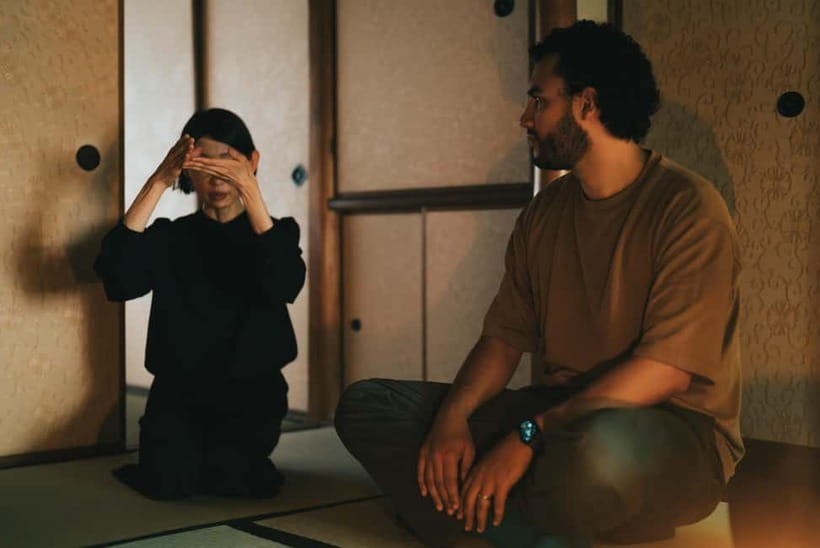
The candlelight is more than decoration. It softens the room and makes small sounds easier to notice. You might focus on the water simmering, the whisk moving through the tea, or the faint aroma of freshly prepared matcha.
The quiet is important. You are asked to maintain silence during the ceremony, and flash photography is not allowed. You can take photographs without flash, but this is not a good setting for constant picture taking. If you spend the whole session looking through your phone, you will miss the main point.
I like the way the activity uses silence without turning it into a test. You are not required to meditate perfectly or empty your mind. The host creates enough structure for you to slow down, while still allowing you to notice your own reaction to the room, the tea, and the ritual.
This can feel especially welcome after a loud day in Kyoto. The experience has been a meaningful pause for people arriving from busy streets and long journeys. Some leave feeling refreshed, while others appreciate having a quiet final activity before heading on to their next destination.
More Zen Tea Sessions around Kyoto:
- Kyoto: Tea Ceremony Meditation – Make Matcha with Tea Master
★ 4.8 · 406 reviews - Oboro | Mindful Tea Ceremony in a 100-Year-Old Kyoto Teahouse
★ 5.0 · 19 reviews - The Art of Mindful Living: Tea Ceremony in Kyoto
★ 5.0 · 16 reviews - Kyoto Hidden Riverside Zen Mediation and Uji Matcha Experience
★ 5.0 · 9 reviews
Tasting the matcha and understanding its place
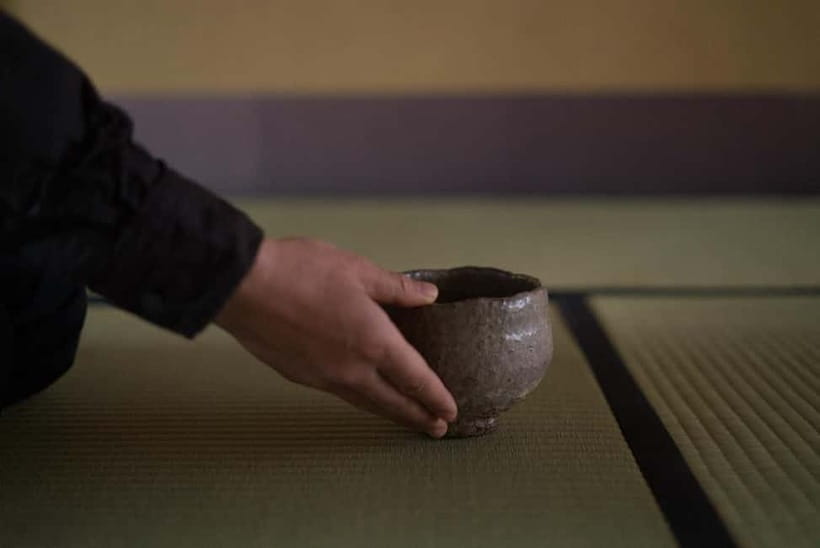
The tea itself is central, but the point is not simply to decide if you like the flavor. The host explains how matcha is prepared and discusses what makes a high-quality tea. You learn to notice texture, aroma, bitterness, sweetness, and warmth.
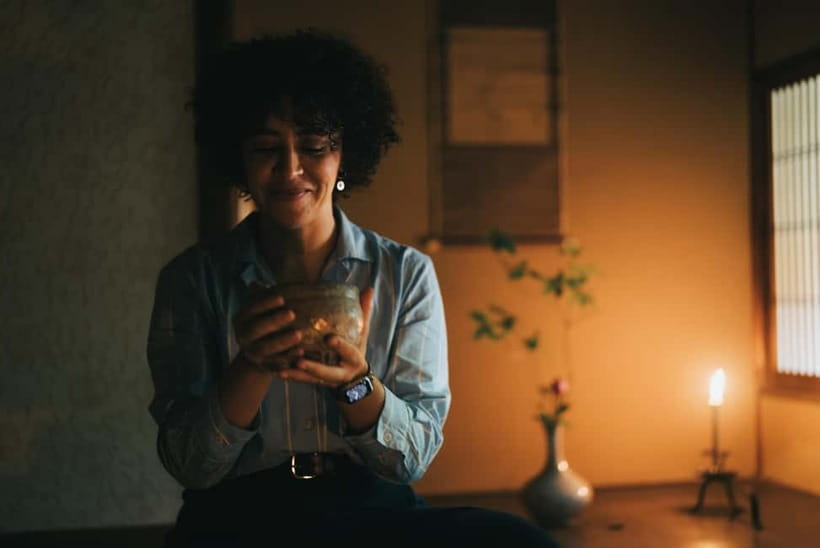
The bowl is presented with care, and you lift it gently before drinking. The ritual gives the act of tasting a clear beginning and end. That may sound small, but it changes how quickly you drink. You are encouraged to pause instead of swallowing while already thinking about the next stop.
In summer, the ceremony uses chilled water and ice. This changes the experience from the warmer, more comforting style you may expect in cooler months. It can make the tea feel smooth and refreshing, especially after walking through Kyoto in humid weather.
Matcha is still matcha, so anyone who strongly dislikes its earthy taste should keep expectations realistic. The careful preparation may make the flavor more approachable, but it will not turn it into sweet bottled green tea. The welcome drink and seasonal sweet provide useful variety.
What the 45-minute format gives you
Forty-five minutes is long enough to introduce the ceremony, serve tea and sweets, explain the main gestures, and allow a moment of quiet. It is short enough to fit between other Kyoto plans.
That compact timing is one of the activity’s strengths. You can place it into a morning or afternoon without giving up half a day. It works well after visiting nearby sights or before dinner, provided you leave enough time to find the meeting point and arrive early.
The tradeoff is depth. You will not become a tea master in one session, and you will not explore every school of Japanese tea practice. The experience offers a clear, thoughtful introduction rather than advanced training.
Arrive 10 minutes early. Shoes must be removed, and late entry is not permitted after more than 10 minutes. This is not the sort of activity where you can slip in noisily after the ceremony has started, so allow extra time to find Oboro using Google Maps.
Sitting comfort, clothing, and group size
Wear comfortable clothes and socks. Socks are required because shoes come off, and you will be sitting for part of the ceremony. People with back problems should consider the seating carefully, since this experience may not suit them.
The activity is not suitable for wheelchair users or children under six. It is designed for a quiet, attentive audience rather than a family attraction with movement and noise.
A maximum of eight participants keeps the session personal. You can see the preparation clearly and ask a question without shouting across a room. A small group also supports the quiet mood, since one loud or restless person would affect the whole session.
This format is best for solo visitors, couples, friends, and older children who can remain quiet and follow instructions. If your group wants lively conversation, constant photography, or a casual café-style tea tasting, choose a different activity.
How the price compares with other Kyoto activities
At $45 per person, Oboro is not the cheapest way to drink matcha. You can find tea in many cafés for far less. The price pays for the setting, the instruction, the equipment, the sweets, and the guided ceremony in a historic house.
I think the value is strongest if you want cultural context. The host explains the history, purpose, and etiquette behind the movements, so you leave understanding more than how to whisk powder into water.
The handmade candle also gives the experience a pleasant closing touch. It is small, but it extends the memory beyond the teahouse and fits the activity’s focus on bringing a slower mood home.
You should not book this expecting a full meal, a long lesson, or a private ceremony. The value comes from atmosphere and focused guidance within a short format. For many people, that makes it a sensible addition to a packed Kyoto schedule.
Practical booking advice for a smoother visit
Reserve ahead if your Kyoto dates are fixed. The group limit of eight means popular times can fill, and the short duration makes it easy to fit into a carefully planned day.
The meeting point can be found by searching Oboro: Mindful Tea Ceremony on Google Maps. There is no hotel pickup or drop-off, so you handle your own way there.
English instruction is provided. The hosts explain the process, answer questions, and guide you through the ceremony without assuming that you already understand Japanese customs.
You may cancel up to 24 hours in advance for a full refund, and the reserve now, pay later option can help if your schedule is still changing. Check the available starting times before building the rest of your day around it.
Keep your phone quiet and avoid flash photography. The ceremony depends on a calm room, and showing respect here is part of the experience, not an extra rule added for show.
Who should book this tea ceremony
I would choose Oboro if you want a quieter side of Kyoto and prefer learning through a small, carefully paced activity. It suits you especially well if you are curious about Japanese culture but worried that a formal tea ceremony will be too intimidating.
It is also a good choice for matcha beginners. You can learn how the tea is prepared, taste it alongside a sweet, and ask questions without needing to perform every gesture perfectly.
Couples may appreciate the peaceful setting, while solo visitors can enjoy an easy cultural activity that does not feel awkward alone. The English guidance makes it accessible even if you know little about tea ceremony customs.
I would skip it if you have back problems, need wheelchair access, are bringing a child under six, or want a high-energy group activity. I would also think twice if your schedule allows no margin for delays, since late entry is restricted.
Should you book Oboro?
Book it if you want a calm, authentic-feeling pause in Kyoto rather than another crowded attraction. The old house, candlelight, garden view, careful preparation, and clear English guidance work together well.
The experience is brief, and the silence may not suit everyone. But at $45, it offers more than a cup of matcha. You receive a compact introduction to tea ceremony, a peaceful setting, seasonal sweets, and a handmade candle to carry the mood home.
If you arrive on time, wear socks, and accept the quiet pace, Oboro is a thoughtful choice for slowing down in Kyoto.
FAQ
How long does the Kyoto tea ceremony last?
The experience lasts 45 minutes.
How much does the tea ceremony cost?
The price is $45 per person.
Is the ceremony conducted in English?
Yes. English instruction is included, and the instructor explains the ceremony and answers questions in English.
How many people can join the session?
The group is limited to eight participants.
What should I wear or bring?
Wear comfortable clothes and socks. Shoes must be removed before entering the ceremony space.
Can I take photographs?
Photography is allowed without flash. Flash photography is not permitted.
Is the activity suitable for children?
Children under six are not permitted to participate.
What happens if I arrive late?
You should arrive 10 minutes early. Participants cannot enter if they are more than 10 minutes late.
Newly steeped around Kyoto
- Whisk Your Own Matcha: A Zen Matcha Experience at Temple★ 3.6 · 7 reviews
- Kyoto: Authentic Tea Ceremony in a Small Group★ 5.0 · 7 reviews
- Tea ceremony at Kyoto’s Zen Temple Teahouse★ 5.0 · 2 reviews
- Uji Walking Tour – Byodo-in temple and Tea Ceremony from Kyoto★ 3.5 · 3 reviews
- Tea Ceremony Experience in Traditional Kyoto Townhouse★ 5.0 · 19 reviews
- Tea Ceremony in 150 Years Old Townhouse with Tables and Chairs★ 5.0 · 22 reviews
- Silent Beauty of Kyoto Zen Walk and Tea Experience★ 5.0 · 2 reviews
- Traditional Tea Ceremony in Kyoto★ 4.5 · 3 reviews
Zen Tea & Meditation Experiences, compared.
Kyoto: Tea Ceremony Meditation – Make Matcha with Tea Master
Read our review →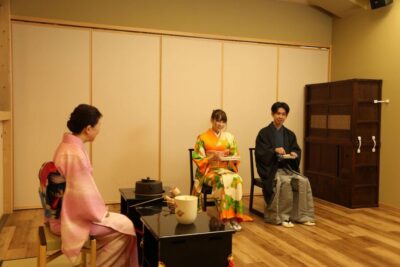
Tokyo: Practicing Zen with a Japanese Tea Ceremony
Read our review →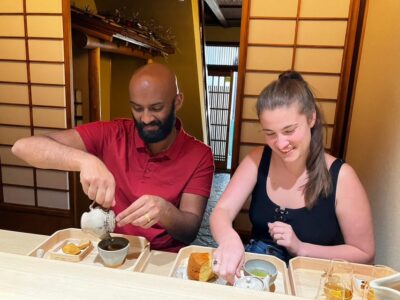
Nara:5 Type of Tea Tasting & Mindful Tea Ceremony
Read our review →
Oboro | Mindful Tea Ceremony in a 100-Year-Old Kyoto Teahouse
Read our review →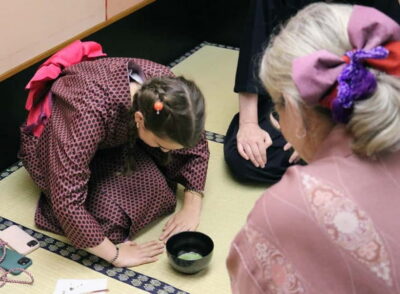
Learn Zen in a class of making Matcha tea near Osaka Castle
Read our review →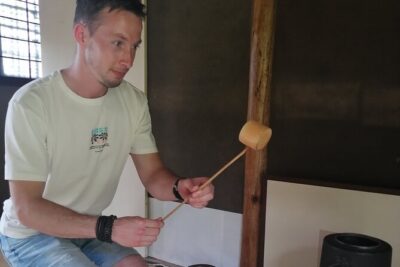
The Art of Mindful Living: Tea Ceremony in Kyoto
Read our review →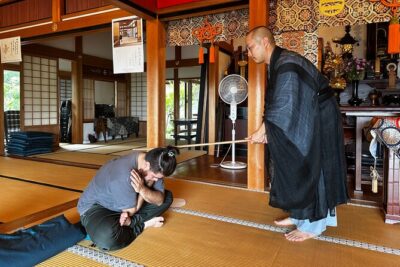
Shizuoka Shore Excursion: Zen, Matcha & Calligraphy Shimizu Port
Read our review →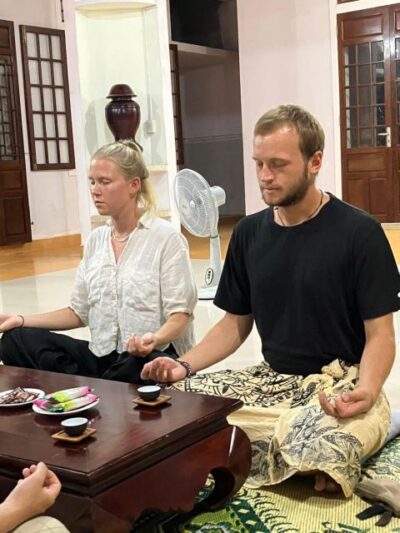
Hue Retreat: Tea and Meditation with Vegetarian Meal
Read our review →Browse the lists this tea experience appears in