
Review · KYOTO
Kyoto Hidden Riverside Zen Mediation and Uji Matcha Experience
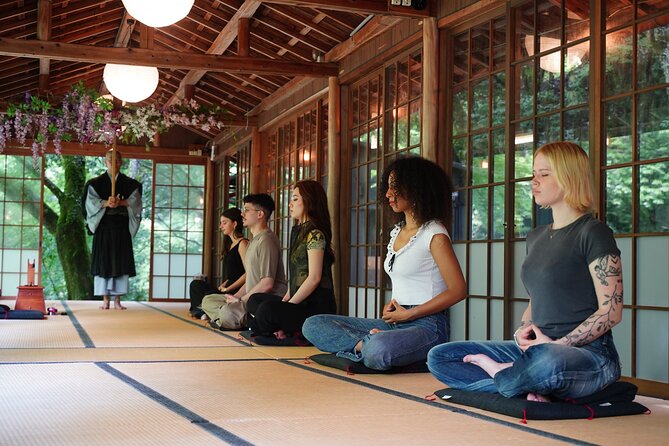
The unusual part comes first: you practice zazen beside a flowing river, not inside a dark temple hall. Trees, fresh air, moving water, and seasonal scenery become part of the session. The workshop is led by a Zen instructor with decades of experience at Kyoto’s temples and shrines, with an English-speaking cultural guide helping you follow each step.
I like two things right away. First, the teaching is built for beginners and connects Zen to ordinary life rather than strict ritual. Second, the quiet ending with Uji matcha and seasonal wagashi gives the two-hour visit a gentle finish. The main consideration is the outdoor setting: poor weather can cancel the activity, and you must arrange your own way to the meeting point.
Key points at a glance
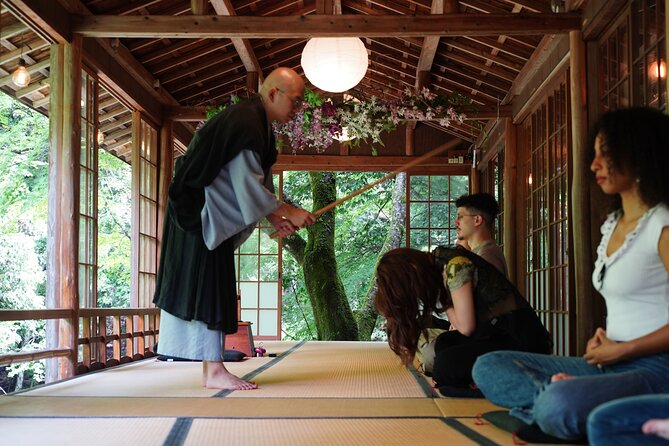
- Riverside zazen: Practice seated meditation on an open-air deck with the sound of flowing water around you.
- Beginner-friendly instruction: Learn posture, breathing, and the wider purpose of Zen in clear, approachable steps.
- Practical Zen: The workshop focuses on carrying calm and awareness into normal daily routines.
- Small group size: A maximum of 10 people keeps the session more personal than a large temple class.
- Uji matcha finale: Finish with freshly whisked premium matcha and seasonal Japanese sweets.
- Weather matters: The activity needs good weather, so keep your schedule flexible.
Why this Kyoto meditation feels different
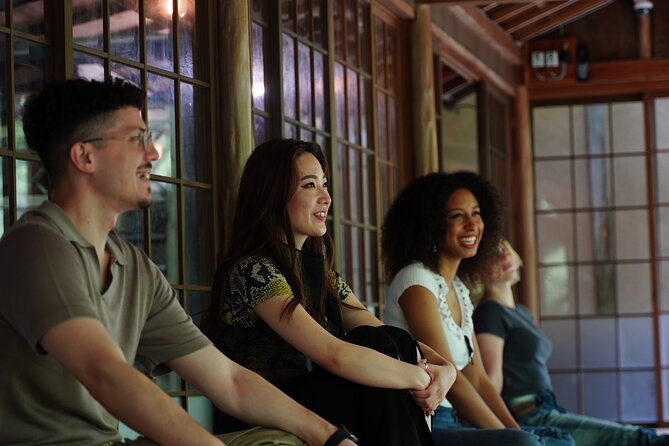
Kyoto offers plenty of temple visits, but this experience asks you to slow down in a different way. You are not simply looking at a Zen garden or walking through a historic hall. You sit still by a river and pay attention to the sounds, air, and space around you.
That setting matters. An indoor meditation hall can feel formal and unfamiliar, especially if you have never tried zazen. Here, the open air makes the practice feel less intimidating. You still receive structured guidance, but the river and trees soften the mood.
I also like the fact that the session is presented as a workshop. You are not expected to arrive with knowledge of Buddhism, Japanese customs, or meditation technique. The instructor introduces the basics step by step and explains what the practice is meant to do.
This is not advertised as a religious ceremony. Instead, the emphasis is on awareness, calm, and the way Zen ideas can fit into daily life. That makes it useful for someone curious about Japanese culture, as well as someone who simply wants a quiet break from a busy Kyoto schedule.
More Matcha Experiences in Kyoto
- Kyoto: Arashiyama Bamboo Forest, Monkeys, Matcha & Temple Tour
★ 5.0 · 759 reviews - Kyoto: Tea Ceremony Meditation – Make Matcha with Tea Master
★ 4.8 · 406 reviews - Kyoto: Kimono Tea Ceremony with Matcha and Sweet
★ 4.9 · 249 reviews
Meeting the Zen instructor beside the river
The activity begins at 35 Umegahata Tonohatachō in Kyoto’s Ukyo Ward. The meeting point is near public transportation, but private transportation is not included, so you need to plan your own route carefully.
The exact journey time from central Kyoto is not provided. I would allow extra time, check the meeting instructions before leaving, and avoid cutting it close. A calm activity begins poorly if you arrive rushed and distracted.
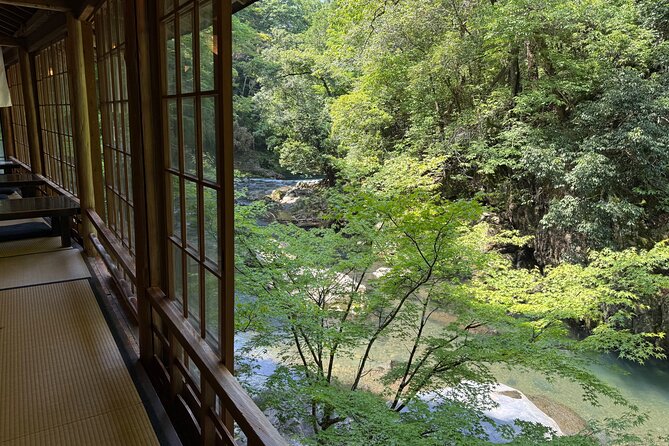
Once you reach the meeting point, the experience takes place on an open-air riverside deck. The setting is a major part of the value. You hear flowing water rather than city traffic, and the surrounding trees provide a natural frame for the session.
The instructor has spent decades guiding practitioners at historic Kyoto temples and shrines. You are not given a named instructor in the available details, but the experience is built around long practical experience rather than a quick tourist demonstration.
An English-speaking cultural guide accompanies the session. That guide provides real-time interpretation and cultural context, which is important here. Meditation instruction can be subtle, and you want to understand not only what to do with your body, but why the practice is approached in that way.
Learning zazen without temple formality
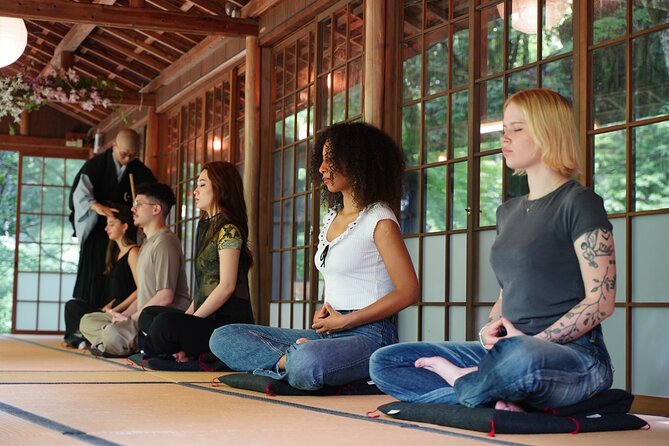
Zazen means seated meditation, and this workshop introduces its basic principles in a way beginners can follow. You can expect guidance on the foundations of seated practice, including how to settle into the session and work with your attention.
The available details do not specify a particular sitting position, cushion type, or clothing requirement. Do not assume that you need special equipment. Instead, wear practical clothing that allows you to sit comfortably and arrive ready for an outdoor activity.
The lesson is not framed as a test of discipline. You are not being asked to perform for the instructor or copy an elaborate ceremony. The goal is to help you understand the practice and experience a period of quiet attention.
That makes this a good choice if you have always been curious about meditation but have found formal classes intimidating. You can ask questions through the English-speaking cultural guide and receive explanations as the session unfolds.
The riverside setting also gives you something to focus on beyond your own thoughts. Water moves. Air changes. Seasonal scenery shifts. Those simple details can help you understand the idea of noticing what is happening without trying to control every moment.
Zen as a daily habit, not a travel performance
The strongest part of the workshop is its practical message. Zen is not presented as something that belongs only in a temple or on a meditation cushion. You are encouraged to consider how calm attention might fit into everyday life after you leave Kyoto.
That distinction gives the session more value than a quick cultural photo stop. You are not just observing a Japanese custom from the outside. You are being shown a practice and given a way to think about it.
Of course, two hours cannot turn you into an experienced meditator. You should not book this expecting a complete spiritual course or a formal monastic training session. The benefit is more modest and more realistic: you receive an introduction, a quiet period away from sightseeing, and ideas you can continue exploring on your own.
I find that approach reassuring. Travel schedules often encourage you to collect one sight after another. A workshop that asks you to stop, sit, and notice can reset the pace of your day.
It may suit you especially well if Kyoto’s temples are beginning to blur together. Instead of another brief visit to a hall and garden, you get direct participation in a practice connected to those places.
More Zen Tea Sessions around Kyoto:
- Kyoto: Mindful Tea Ceremony in 100-Year-Old Teahouse
★ 4.8 · 160 reviews - Oboro | Mindful Tea Ceremony in a 100-Year-Old Kyoto Teahouse
★ 5.0 · 19 reviews - The Art of Mindful Living: Tea Ceremony in Kyoto
★ 5.0 · 16 reviews - Whisk Your Own Matcha: A Zen Matcha Experience at Temple
★ 3.6 · 7 reviews
The riverside setting and its practical limits
The outdoor deck is both the experience’s best feature and its main limitation. On a good day, the river, breeze, and trees help create a calm sense of place. You are practicing in the same kind of natural setting that makes Kyoto’s mountain and river areas appealing.
The tradeoff is that the weather is part of the schedule. This activity requires good weather, and poor conditions can lead to a change of date or a full refund. That policy protects the quality of the session, but it means you should not build an overly tight itinerary around it.
The available information does not specify whether the deck is covered, how long you sit outdoors, or what happens during light rain. If weather looks uncertain, confirm the day’s arrangements before setting out.
Service animals are allowed. The activity is also near public transportation, though private transportation is not included. Since the tour ends back at the meeting point, you can plan the rest of your day from the same area.
The group is limited to 10 people. That is small enough to keep the mood quiet and allow the guide to support participants, while still giving you the shared atmosphere of a group workshop.
Matcha and wagashi close the session
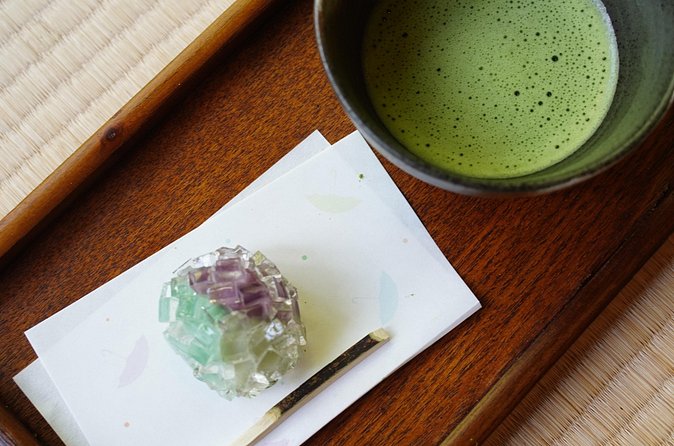
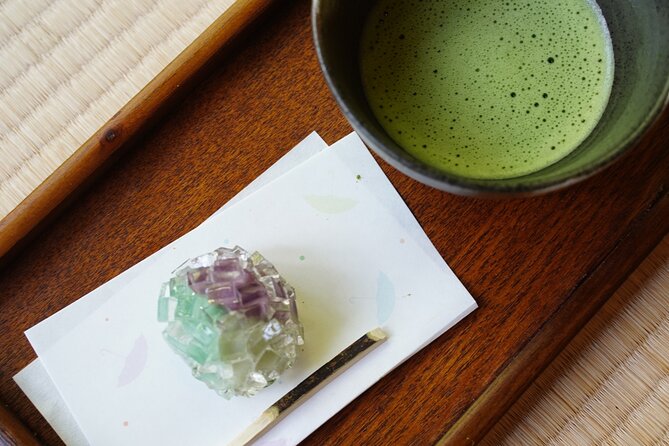
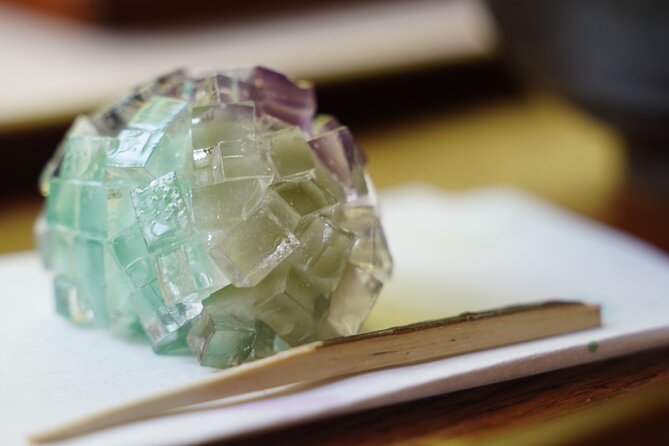
After the meditation workshop, you sit down for premium Uji matcha and seasonal wagashi. Uji, south of Kyoto, is one of Japan’s best-known tea-producing areas, so this is a fitting drink for a Kyoto cultural experience.
The matcha is freshly whisked and served with Japanese sweets that change with the season. The sweets are called wagashi, and they are often valued for their shape, texture, and seasonal meaning as much as for sweetness.
This is not a formal tea ceremony. That is worth understanding before you book. You should expect a peaceful tea time rather than a long lesson in tea ceremony rules, utensils, or etiquette.
I like that the tea comes after the sitting practice. The order feels natural. You first quiet your attention, then slowly return to ordinary conversation and refreshments. The matcha gives the session a clear closing point without rushing you straight back into sightseeing mode.
Coffee and tea are listed as included, with the main offering described as premium Uji matcha and seasonal wagashi. If you do not normally drink matcha, this is still a manageable cultural introduction, but the details do not specify alternative drinks or dietary accommodations.
Is $105 a fair price?
At $105 per person, this is not a bargain activity in the usual sightseeing sense. You are paying for about two hours, not a full-day tour with several attractions or transportation between locations.
The value comes from the quality and shape of the experience. The price includes the Zen workshop, the English-speaking cultural support, premium Uji matcha, and seasonal wagashi. The group size is capped at 10, and the setting is more personal than a large public demonstration.
For me, the key question is not how many sights you see. It is whether you want a quiet, guided cultural experience that lets you take part rather than simply look around. If that sounds worthwhile, the price is easier to justify.
If you are mainly looking for inexpensive food, a standard tea tasting, or a quick introduction to a famous Kyoto temple, this may not be the best use of your budget. You will get more from it if you value reflection, careful instruction, and a slower pace.
The high current rating of 5 out of 5 from nine ratings suggests a strong early response, and the most enthusiastic praise focuses on the experience becoming a trip highlight. That makes sense for the right audience, but a perfect rating based on nine ratings is still a small sample. I would treat it as encouraging rather than conclusive.
Who should book this experience?
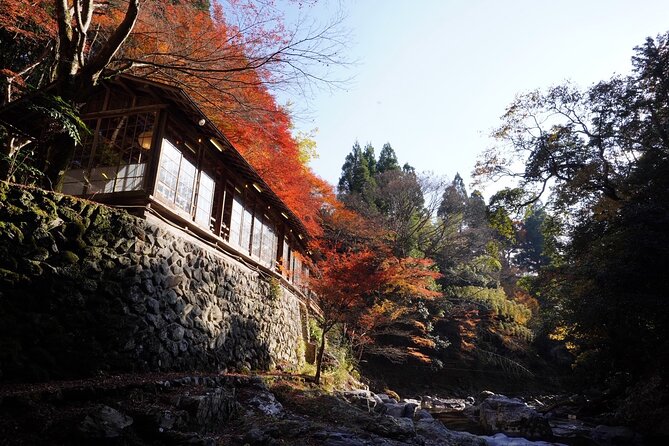
This workshop is a strong fit for first-time meditators. You do not need prior Zen experience, and the teaching is designed to be accessible rather than severe or ceremonial.
It also suits repeat visitors to Kyoto who want something beyond the standard temple circuit. You may appreciate having a planned period of stillness in a city where it is easy to fill every hour with sightseeing.
Couples, solo visitors, and small groups can all fit comfortably within the 10-person limit. The experience may be especially appealing if one person in your group likes cultural activities while another prefers quiet time in nature.
You should think twice if you dislike sitting still, want a highly active excursion, or need a fixed indoor plan in uncertain weather. The setting is part of the experience, so rain, cold, or uncomfortable outdoor conditions could change the day’s mood.
Families with young children may also want to consider the format carefully. The supplied information does not give a minimum age or child-specific program. Since the session centers on seated meditation and quiet attention, it may work better for children who can handle a calm two-hour activity.
How to fit it into your Kyoto day
Because the experience lasts about two hours and ends at the meeting point, it can fit into a wider day in Ukyo Ward. Still, I would avoid scheduling a major timed attraction immediately afterward.
The workshop is designed to leave you calm, not hurried. Give yourself some breathing room for the return journey, especially since private transportation is not included and the exact travel time is not stated.
You can also treat the activity as a change of pace during a longer Kyoto stay. Place it on a day when you want fewer stops and more time in one area. The riverside setting works best when you do not have to watch the clock every few minutes.
Booking is generally made around 14 days ahead, so popular dates may fill before your trip. Confirmation arrives at booking, and the mobile ticket makes the reservation easy to keep on your phone.
Cancellation is free up to 24 hours before the start time for a full refund. Changes or cancellations inside that 24-hour window are not accepted and are not refunded. If the minimum number is not reached, the activity can be canceled with an alternative date or experience, or a full refund.
The final call
Book this if you want to do more than visit Kyoto’s temples. You will practice zazen beside a river, receive clear instruction from an experienced Zen teacher, use English-language cultural support, and finish with Uji matcha and seasonal wagashi.
The best reason to choose it is the combination of real participation and a peaceful outdoor setting. The main reasons to skip it are the $105 price, the need to arrange your own transportation, and the fact that weather can change the plan.
For a quiet, thoughtful break from a packed Kyoto itinerary, I would make room for it. Just arrive on time, dress for the outdoor setting, and leave enough space in your day to enjoy the calm rather than race away from it.
FAQ
Where does the Zen meditation experience begin?
It begins at 35 Umegahata Tonohatachō, Ukyo Ward, Kyoto, 616-8293, Japan.
Where does the activity end?
The activity ends back at the meeting point.
How long does the experience last?
The experience lasts approximately two hours.
Is transportation included?
No. Private transportation is not included, though the meeting point is near public transportation.
Is the activity suitable for beginners?
Yes. The workshop introduces the basics of zazen step by step and is designed to be approachable for people without prior meditation experience.
What food and drink are included?
Premium Uji matcha and seasonal wagashi are included. Coffee and/or tea are also listed among the included refreshments.
What happens if the weather is poor?
The experience requires good weather. If it is canceled because of poor weather, you will be offered a different date or a full refund.
Newly steeped around Kyoto
- Whisk Your Own Matcha: A Zen Matcha Experience at Temple★ 3.6 · 7 reviews
- Uji Walking Tour – Byodo-in temple and Tea Ceremony from Kyoto★ 3.5 · 3 reviews
- Kyoto: Authentic Tea Ceremony in a Small Group★ 5.0 · 7 reviews
- Tea ceremony at Kyoto’s Zen Temple Teahouse★ 5.0 · 2 reviews
- Tea Ceremony Experience in Traditional Kyoto Townhouse★ 5.0 · 19 reviews
- Tea Ceremony in 150 Years Old Townhouse with Tables and Chairs★ 5.0 · 22 reviews
- Sencha-do the Japanese Tea Ceremony Workshop in Kyoto★ 5.0 · 21 reviews
- Silent Beauty of Kyoto Zen Walk and Tea Experience★ 5.0 · 2 reviews
Zen Tea & Meditation Experiences, compared.
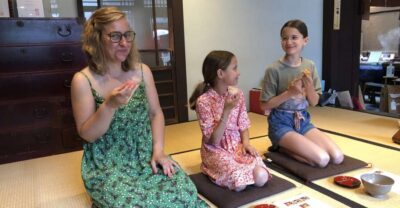
Kyoto: Tea Ceremony Meditation – Make Matcha with Tea Master
Read our review →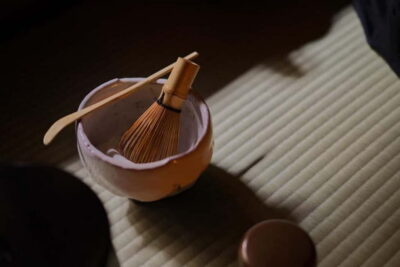
Kyoto: Mindful Tea Ceremony in 100-Year-Old Teahouse
Read our review →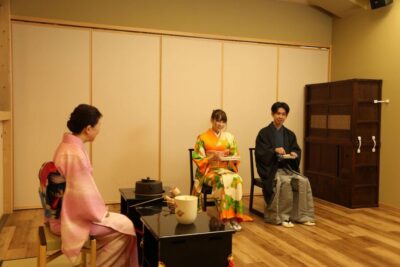
Tokyo: Practicing Zen with a Japanese Tea Ceremony
Read our review →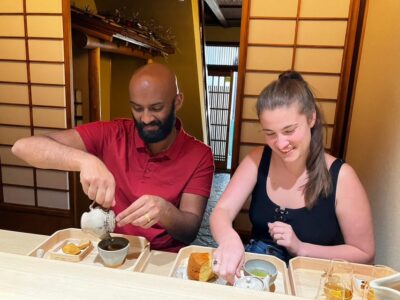
Nara:5 Type of Tea Tasting & Mindful Tea Ceremony
Read our review →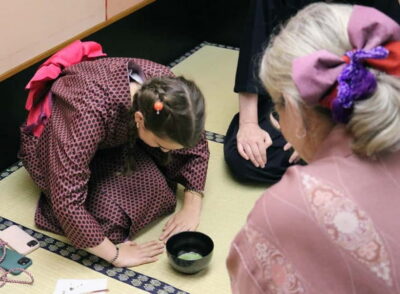
Learn Zen in a class of making Matcha tea near Osaka Castle
Read our review →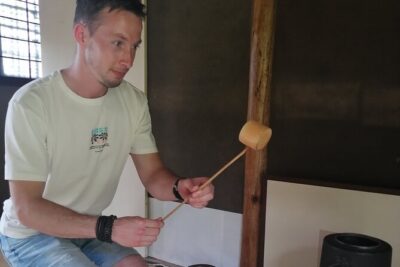
The Art of Mindful Living: Tea Ceremony in Kyoto
Read our review →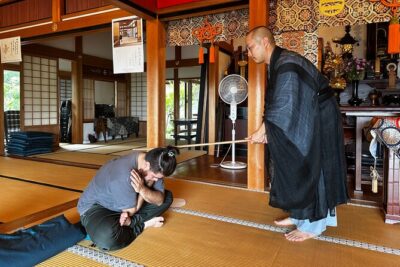
Shizuoka Shore Excursion: Zen, Matcha & Calligraphy Shimizu Port
Read our review →
Hue Retreat: Tea and Meditation with Vegetarian Meal
Read our review →Browse the lists this tea experience appears in