
Review · TOKYO
Tokyo Vegan Tour : Miso Making, Tea Ceremony, Rickshaw Ride
Making miso with rice koji from a 150-year-old fermentation shop is the heart of this Tokyo outing. You also make onigiri with Tokyo-grown rice and fresh nori, then move from food to a matcha ceremony at Kōdōin, a small historic temple near Zojoji.
I like the all-vegan format, which feels carefully planned rather than like a standard tour with one plant-based substitute. I also like the mix of hands-on food, temple customs, a 10-minute rickshaw ride, and sake tasting in one compact afternoon. The main consideration is that some parts, including the rickshaw and certain food options, may involve optional fees, so confirm exactly what your booking includes.
Key points
- Make your own Japanese food: Choose a miso workshop, onigiri crafting, or both for an added fee.
- Taste five kinds of amazake: The traditional drink gives you a useful introduction to Japanese fermentation.
- Visit Kōdōin near Zojoji: The tea ceremony takes place in a peaceful temple setting rather than a generic demonstration room.
- Ride beside Tokyo Tower: The 10-minute rickshaw trip offers a slower view of the Minato district.
- Try Tokyo-brewed sake: Minato Shuzo is described as the only sake brewery within Tokyo’s 23 special wards.
- Enjoy a private format: An English-speaking guide leads the route, with Japanese also available.
Start at Daimon Station and Keep the Afternoon Simple
Meet at Daimon Station, Exit A6. This is a useful starting point because the rest of the afternoon stays within Minato City, with short walks between several stops. You are not spending half the tour on trains or buses.
The full outing lasts four hours. It is a private group activity, so the pace can feel more personal than a large scheduled class. English is the main tour language, and Japanese is also available. If Konomi is your guide, expect a friendly host who explains each stage clearly and keeps the transitions moving.
The food workshop takes about 90 minutes. After that, you walk roughly five minutes to the temple, spend about 45 minutes on sightseeing and tea, walk another five minutes, then continue through the district before the rickshaw ride and final tasting.
That compact design is one of the tour’s strengths. You get several distinct parts of Tokyo without having to plan every transfer yourself. The tradeoff is that none of the stops has time for a long, unhurried visit. This is a sampler of food, religion, transport, and drink, not a full-day study of any one subject.
More Tea Ceremonies in Tokyo
- Kimono Tea Ceremony at Tokyo, Asakusa Maikoya
★ 5.0 · 638 reviews - Tokyo: Traditional Tea Ceremony with a Tea Master
★ 5.0 · 528 reviews - Tea Ceremony Workshop in Tokyo by the Experienced Instrucor
★ 5.0 · 189 reviews
Make Miso With Rice Koji From an Old Fermentation Shop
The first major activity is the cooking class in Minato City. You can choose a miso-making workshop or an onigiri class, and you may be able to do both by paying the optional extra fee. Check the exact choice and price when booking, since the base price is listed at $62 per person and the additional option is not specified.
The miso session uses rice koji supplied by a fermentation shop with 150 years of history. Koji is rice cultivated with mold that helps create the savory flavor of miso. You are not simply tasting a finished product here. You take part in the process that gives many Japanese foods their depth.
That makes this a good activity for anyone who likes to understand food through its ingredients. The class connects a familiar word, miso, to fermentation, local production, and everyday Japanese cooking. It also gives you a more useful memory than a quick sampling at a restaurant.
The supplied information does not state how much miso you take home or how long it needs to ferment. Do not assume you will leave with a ready-to-eat batch. Ask your guide what happens to the miso after the workshop and whether any prepared portion is included.
Shape Onigiri With Tokyo Rice and Fresh Nori
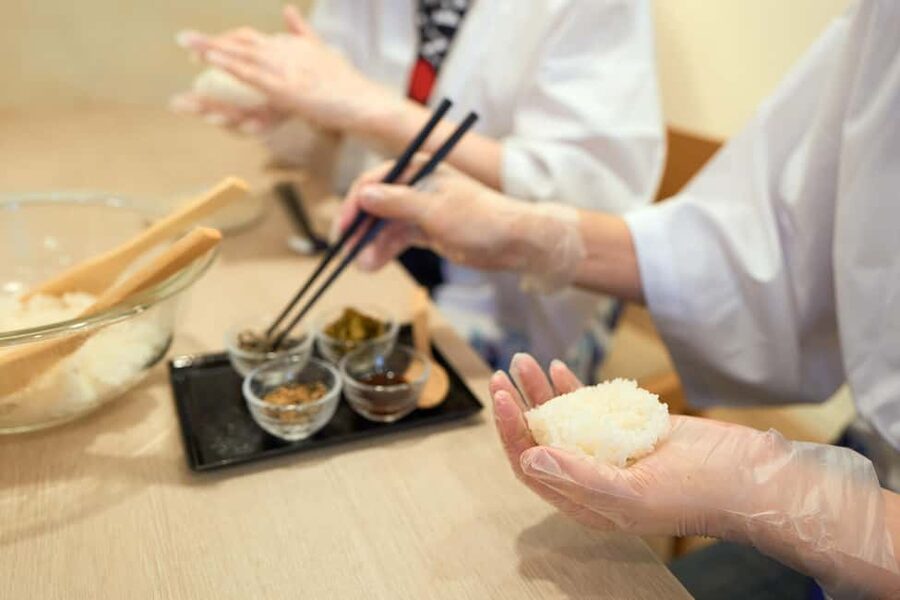
The onigiri portion is more immediate. You craft triangle-shaped rice balls using Tokyo-grown rice and freshly harvested nori seaweed, then eat what you make. This is a simple dish, but the class turns it into a practical lesson in Japanese food culture.
Onigiri is a good choice if you want a hands-on activity with an edible result during the tour. You can feel the texture of the rice, learn how the shape is formed, and see how a few quality ingredients can make a satisfying snack.
The local sourcing matters here. Tokyo-grown rice gives the class a clear connection to the area, while fresh nori adds a detail you might miss when buying a packaged rice ball. The food is not presented as a luxury tasting menu. It is closer to learning how a useful Japanese staple is made.
If you want the fullest food session, choose both miso and onigiri if the extra charge fits your budget. If you are mainly interested in eating something you prepare yourself, onigiri may be enough. The choice depends on whether you prefer a longer fermentation lesson or a quick, hands-on recipe.
Taste Five Types of Amazake After the Cooking
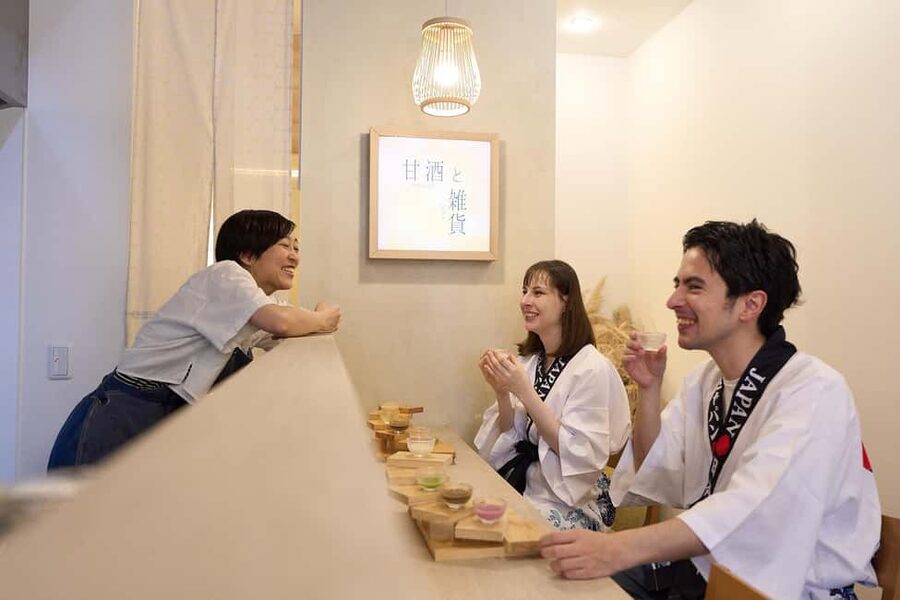
After making and eating your onigiri, you taste five different types of amazake. Amazake is a traditional Japanese drink, and it can be made in more than one way, so tasting several versions gives you a chance to compare flavor and texture.
This part adds value to the cooking class because it keeps the focus on fermentation rather than stopping after one recipe. You can consider the amazake tasting a small guided introduction to a drink many visitors may overlook.
The details do not state whether the amazake is served hot or cold, or whether every sample contains the same base ingredients. Since the whole experience is plant-based, the tasting is intended to be vegan-friendly. If you have a specific dietary concern beyond avoiding animal products, ask the staff before the class begins.
The drink tasting also helps break up the afternoon. You make food, eat food, then sample a traditional drink before changing settings. That rhythm feels more relaxed than a cooking class that pushes through one recipe and ends abruptly.
Same leaf, a different ritual:
- Matcha Making Class in Tokyo with Authentic Japanese Sweets Set
★ 5.0 · 744 reviews - Dynamic Tokyo: Tokyo Tower, Tea Experience, Bay Cruise Day Tour
★ 4.5 · 521 reviews - Tokyo: Matcha Making Experience with Mochi Sweets in Asakusa
★ 4.9 · 388 reviews - Asakusa Cultural Walk & Matcha Making Tour
★ 5.0 · 245 reviews
Enter Kōdōin for Matcha and Temple Customs
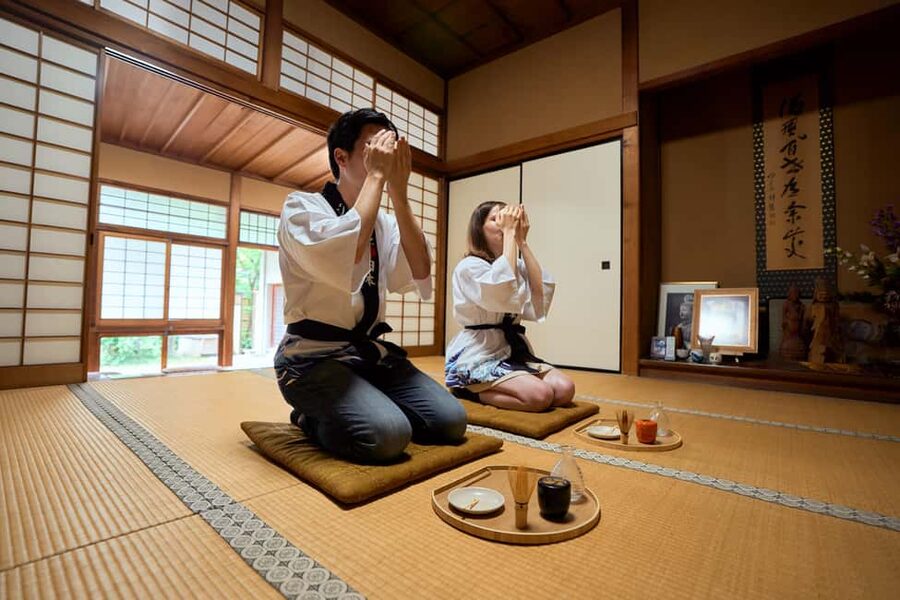
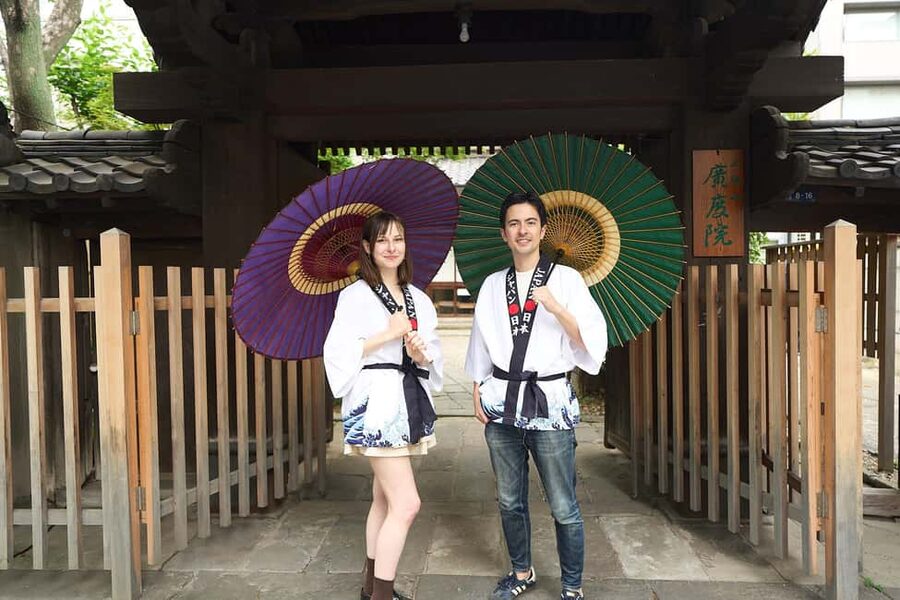
A short walk brings you to Kōdōin, a historic sub-temple of Zojoji. The tea ceremony lasts about 45 minutes and takes place in a quieter cultural setting than the busy streets around Tokyo Tower.
The matcha portion is listed as optional in the activity information, while the main details also include a matcha experience. Confirm whether it is part of your selected package or carries an extra fee. This is especially important if you are comparing the $62 basic price with the full set of activities.
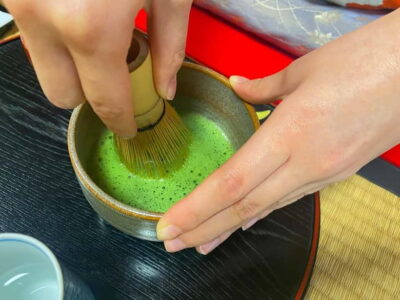
The ceremony gives you more than a cup of green tea. You learn about the background of tea and the area around Zojoji, while a tea ceremony instructor explains the customs. The setting matters. At Kōdōin, the experience is tied to a temple rather than staged as a stand-alone performance.
You should expect a traditional format presented in a welcoming way. The supplied feedback describes the ceremony as both genuine and friendly, which is useful for first-time visitors who may worry about making a mistake. Your guide can explain what is happening, while the tea specialist handles the formal part.
The temple stop is also a good counterpoint to the food workshop. Miso, rice, amazake, and sake show everyday Japanese culture through taste. The tea ceremony adds etiquette, quiet, and ritual. Together, they give the afternoon more range than a food tour alone.
See Tokyo Tower From a Rickshaw
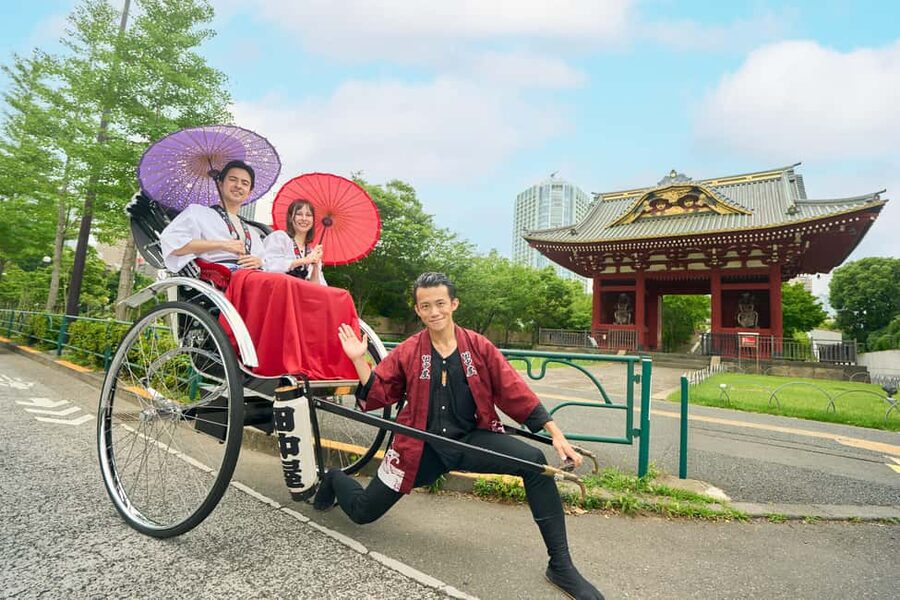
The next section takes you around the Tokyo Tower and Zojoji Temple area. A 10-minute rickshaw ride is included in the stated program, while rides longer than 10 minutes are not included.
A rickshaw changes your view of the neighborhood. You are seated above street level, moving slowly enough to notice the surroundings, while the driver handles the route. One guest described feeling like royalty during the ride, despite recognizing that pulling a rickshaw is hard work. That is a fair way to think about it: the ride is comfortable for you, but it is also a short, human-powered sightseeing trip.
Do not book this expecting a long city tour. Ten minutes passes quickly. Its value comes from the contrast with walking and public transport, plus the chance to see the Tokyo Tower and Zojoji area from a local perspective.
The route description names the Mita and Minato area, but it does not promise entry to Tokyo Tower or Zojoji Temple itself. The temple visit in the program is at Kōdōin, a sub-temple of Zojoji. If entering the main Zojoji grounds is important to you, ask your guide what the sightseeing portion covers.
The rickshaw is likely to appeal most to couples, first-time visitors, and anyone who wants one classic Tokyo photo opportunity without committing to a longer ride. If you dislike animal-powered or human-powered sightseeing for ethical or personal reasons, you can ask whether the ride may be skipped.
Finish With Sake at Minato Shuzo
The final tasting takes place at Minato Shuzo, described as the only sake brewery within Tokyo’s 23 special wards. You spend about 15 minutes on the tasting, so this is a brief introduction rather than a full brewery tour.
That location gives the sake stop a useful local angle. Tokyo is better known for neon streets and crowded rail stations than for brewing, so tasting sake inside the city adds a surprise to the afternoon. You also get to finish with an adult drink after a series of non-alcoholic and plant-based food activities.
The information does not specify how many sake samples you receive or whether a brewery production area is visited. Treat this as a tasting at a distinctive Tokyo producer, not as a long technical lesson in sake making.
If you do not drink alcohol, ask whether you can skip this stop or substitute another tasting. The listed experience centers on sake, and no nonalcoholic replacement is stated.
Why the $62 Price Can Work
At $62 per person, the price is reasonable if your booking includes the cooking activity, amazake, temple visit, matcha, 10-minute rickshaw ride, sake tasting, and private English-speaking guide. You are paying for several small experiences rather than one large attraction.
The strongest value comes from the combination. A separate cooking class, tea ceremony, rickshaw ride, and sake tasting could take more planning and cost more when booked individually. Here, the short walks and shared location keep the afternoon efficient.
Still, check the optional items carefully. You may choose miso or onigiri, or both for an added fee. The matcha experience is marked optional in the supplied details, and longer rickshaw rides cost extra. The advertised price may therefore represent the core package rather than every possible addition.
I would compare the final total based on what matters most to you. If you want all the activities, ask for the price with both food workshops, matcha, and the included rickshaw ride before paying. If you are content with one workshop and the standard 10-minute ride, $62 offers a good amount of variety for four hours.
Free cancellation is available up to 24 hours before the activity for a full refund, and you can reserve now and pay later. Those terms help if your Tokyo schedule is still shifting.
Who Will Enjoy This Tokyo Afternoon
I would recommend this for first-time visitors who want several cultural experiences in one manageable block. It is also a strong fit for vegan visitors who are tired of asking whether each dish contains fish, dashi, dairy, or eggs. Every ingredient used in the activity is described as 100 percent plant-based and vegan-friendly.
Couples may enjoy the private format and rickshaw ride. Families with older children could like the onigiri shaping and amazake tasting, though the supplied information does not specify a minimum age. Food lovers will get the most from the fermentation theme, while culture-focused visitors may value Kōdōin and the tea ceremony more than the cooking.
You should think twice if you want a long cooking lesson, an extensive temple tour, or a full brewery visit. Each section is short by design. The appeal is the range and the local connections, not depth at one single stop.
The private group format is a real plus. You can ask questions without competing with a large crowd, and the guide can help explain etiquette during the tea ceremony. English-speaking staff guide the route, while experts such as the cook and tea ceremony instructor lead their specialist portions.
Practical Details Before You Book
Arrive at Daimon Station, Exit A6. The schedule involves walking, so wear comfortable shoes even though the distances between stops are short. The total walking time listed between the main stages is about 10 minutes, but you should still allow time to meet the guide and move through the temple area.
The cooking class lasts 1.5 hours, sightseeing and tea take about 45 minutes, the sightseeing portion after the second walk lasts about 30 minutes, the rickshaw ride takes 10 minutes, and the final tasting lasts 15 minutes. These times add up to the advertised four-hour experience, with transitions included.
Confirm three points before booking:
- Whether your price includes miso, onigiri, or both
- Whether the matcha ceremony is included or optional for your selected package
- Whether you want a longer rickshaw ride than the included 10 minutes
The activity is conducted in English, with Japanese also available. If you have allergies or food concerns, explain them before the workshop. Vegan does not automatically mean suitable for every allergy, and the available information does not list a full allergen policy.
Should You Book This Experience?
Book it if you want a well-packed, private introduction to Tokyo culture with food at the center. The 150-year-old rice koji source, five amazake samples, Kōdōin tea ceremony, short rickshaw ride, and Minato sake tasting give the afternoon a clear sense of place.
I especially like that you do more than watch. You make onigiri, take part in miso preparation, taste traditional drinks, and learn tea customs in a temple setting. Konomi, when assigned as your guide, brings an approachable English-speaking presence, and the expert-led food and tea sections keep the activities grounded.
Skip it if your priority is a long, slow visit to one attraction or a full culinary course. Also check the optional charges before you commit. For the right traveler, though, this is a smart way to connect food, religion, local transport, and drink in four hours without crossing Tokyo from end to end.
FAQ
Where does the Tokyo Vegan Tour meet?
The meeting point is Daimon Station, Exit A6.
How long does the experience last?
The activity lasts four hours.
Is the tour fully vegan?
Yes. All ingredients used in the experience are described as 100 percent plant-based and vegan-friendly.
Can I make both miso and onigiri?
You may choose either the miso or onigiri workshop, or both by paying the optional fee.
Is the rickshaw ride included?
A 10-minute rickshaw ride is included. Rides longer than 10 minutes are not included.
What languages are available?
The tour is conducted in English, and Japanese is also available.
More Plant-Based Tea Tables around Tokyo
- Hue Retreat: Tea and Meditation with Vegetarian Meal
★ 5.0 · 9 reviews - Hue Retreat: Tea and Meditation Tour with Vegetarian Meal
★ 5.0 · 4 reviews
Newly steeped around Tokyo
- Yokohama : Tea Ceremony with Sweets and Souvenir★ 5.0 · 5 reviews
- Walking Tour: Yanaka,Nezu& Sendagi: Tea Ceremony & Old Tokyo★ 5.0 · 3 reviews
- Private Mochi・Matcha sweets Making Class Near Shibuya Area★ 5.0 · 22 reviews
- 2 Hours Mochi &Nerikiri Making & Matcha Class in Bunkyo★ 5.0 · 21 reviews
- Private Kimono and tea ceremony at local home near Tokyo Disney★ 5.0 · 6 reviews
- Kimono and Tea Ceremony in Asakusa Private Food Tour With Guide★ 5.0 · 4 reviews
- Giant Sushi Cooking Class: Make a 1.5m Sushi Roll in Tokyo★ 5.0 · 9 reviews
- Tokyo Tea Ceremony Class at a Traditional Tea Room★ 5.0 · 2 reviews
Tea Ceremony Experiences, compared.
Kyoto: Tea Ceremony in a Traditional Tea House in Kiyomizu
Read our review →
Kyoto: 45-Minute Tea Ceremony Lesson Experience
Read our review →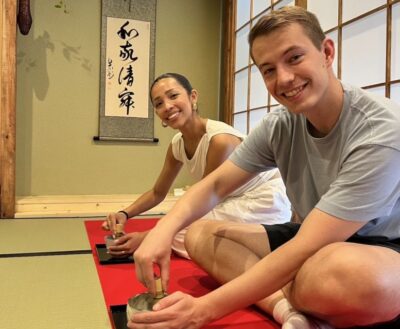
Kyoto: Table-Style Tea Ceremony at a Kyo-Machiya
Read our review →


Browse the lists this tea experience appears in