
Review · KYOTO
The Art of Mindful Living: Tea Ceremony in Kyoto
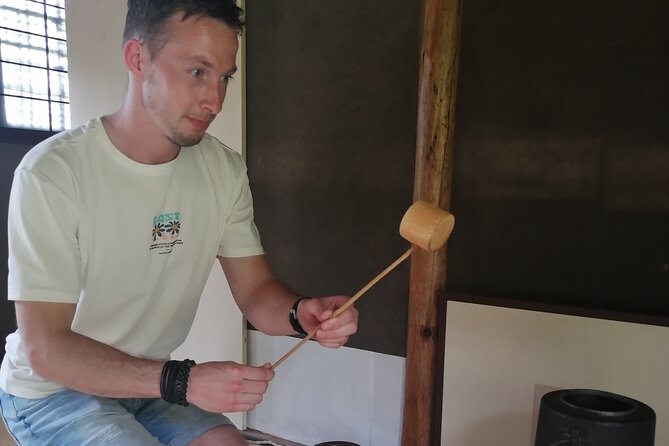
Kyoto’s tea ceremony is less about drinking a cup of matcha than learning how a host turns a simple drink into a careful act of welcome. At Kaze no Wa, Naomi explains the customs, prepares tea in an old Japanese residence, and then lets you make your own. The calm tea room and garden give the hour a quiet rhythm that is hard to find in central Kyoto.
I like two things here: you take part instead of only watching, and the experience gives useful cultural context without requiring a full formal ceremony. I also like the practical touches, including organic Uji matcha, vegan and allergy-friendly sweets, cocoa for children, and optional kimono rental.
The main drawback is the setting. Kaze no Wa is in Ukyo Ward, toward the Kinkakuji and Arashiyama side of Kyoto, not in the downtown core. It is near public transportation but can take planning, and the one-hour session may feel short if you add dressing time for a kimono.
Key details before you book
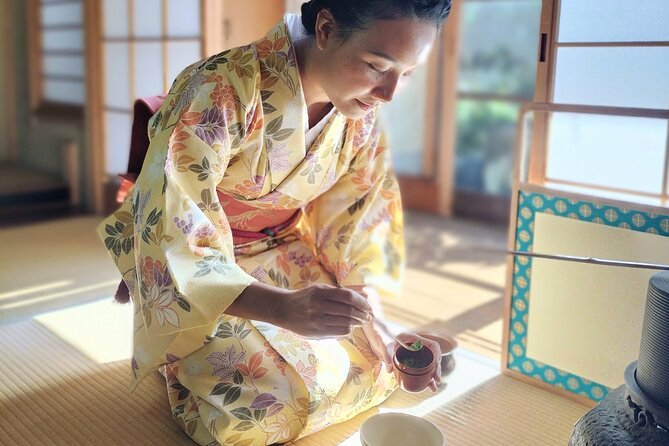
- Make your own matcha: Naomi first demonstrates the tea, then shows you how to whisk your own bowl.
- Old house and garden setting: The ceremony takes place in a traditional residence with a dedicated tea room and a garden suited to photographs.
- Organic Kyoto tea: The matcha is Uji matcha made in Kyoto, with an explanation of tea types, matcha’s effects, and proper drinking manners.
- Flexible food choices: One Japanese sweet is included, with traditional bean paste or fresh-fruit daifuku options. Vegan and allergy needs can be accommodated.
- Optional Japanese dress: Kimono rental costs ¥4,000, hakama rental costs ¥8,000, and a baby romper-style kimono costs ¥600.
- Small groups and private sessions: Group sessions are capped at six people, while larger parties and private bookings may be arranged in advance.
What the Kyoto tea ceremony actually involves
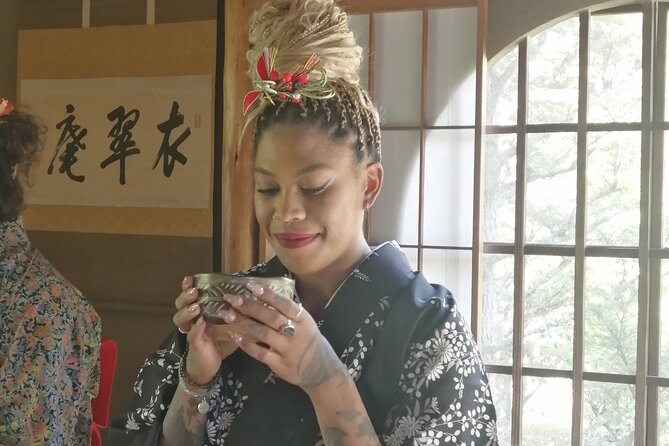
This is a compact cultural activity, lasting about one hour. You are not signing up for a long, highly formal tea-school performance. Instead, you get an approachable introduction that combines explanation, demonstration, tasting, and hands-on practice.
Naomi leads the session at Kaze no Wa, where the tea room sits inside a traditional Japanese residence. Her English communication has been praised, and the format is designed to keep the ceremony understandable even if you have never encountered Japanese tea customs before.
The experience begins with an explanation of the ceremony and its place in Japanese culture. You learn how to drink matcha, why certain movements matter, and how matcha differs from other Japanese teas. Naomi also discusses matcha’s effects and the types of tea used in Japan.
That introduction matters. Without it, the gestures of a tea ceremony can look mysterious or overly precise. With it, you can see the point of the quiet pauses, the careful preparation, and the way the sweet is served before the tea.
The tone is gentle rather than severe. One participant described the experience as close to a form of meditation, with ideas that could even carry over to making coffee at home. That is a useful way to approach the activity: do not worry about performing every movement perfectly. Pay attention, follow the instruction, and let the pace slow you down.
More Tea Ceremonies in Kyoto
- Kyoto: Tea Ceremony in a Traditional Tea House in Kiyomizu
★ 4.9 · 3,519 reviews - Kyoto: Tea Ceremony Ju-An at Jotokuji Temple
★ 4.9 · 3,207 reviews - Kyoto: 45-Minute Tea Ceremony Lesson Experience
★ 4.3 · 2,378 reviews
Watching Naomi prepare the matcha
After the explanation, Naomi prepares matcha while you watch. You receive a bowl of organic Uji matcha from Kyoto, along with one Japanese sweet.
Uji is one of the best-known tea-producing areas associated with Kyoto, so the choice of tea gives the activity a clear local connection. The matcha used here is not presented as a famous luxury brand. The emphasis is on quality and on giving you a good example of the drink itself.
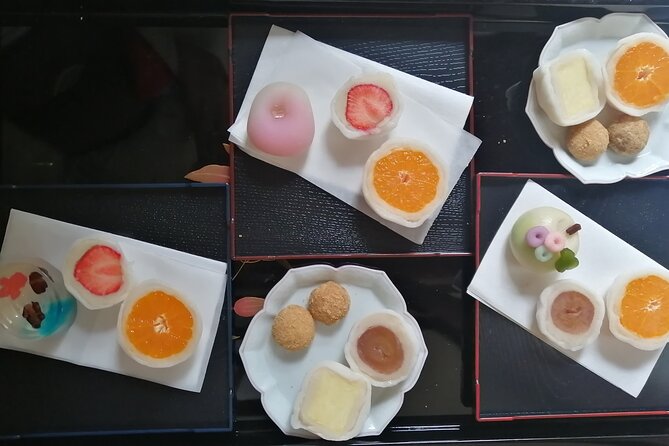
The sweet is not an afterthought. Japanese tea ceremony traditionally pairs bitter tea with a sweet that balances it, and the contrast makes the matcha easier to appreciate. You can choose between a sweet made with traditional bean paste and a fresh-fruit daifuku.
If you want to try both types, there is an extra charge of ¥500 per person. One sweet is already included, so most people can keep the basic booking price under control while still getting the central food pairing.
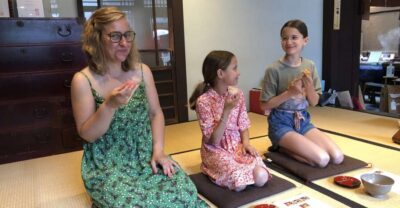
The food arrangements are unusually useful for a short cultural activity. Food allergies and vegan requirements can be accommodated, though you should communicate those needs before the session. Children receive cocoa instead of matcha, which makes this a more workable family activity than many tea experiences.
Making your own bowl of matcha
The most engaging part comes after the demonstration. You get to prepare matcha yourself.
Naomi guides you through the process, so you do not need prior experience with a bamboo whisk or tea utensils. The point is not to produce a perfect bowl on the first attempt. It is to understand the effort behind the drink and to feel the difference between simply ordering matcha and preparing it by hand.
This hands-on step also gives families and groups something to do together. Children who might lose interest during a formal demonstration can take part, while adults get a better sense of the technique.
You can also take photographs during the tea ceremony. The activity is not presented as a strict no-camera ritual, which makes it friendlier for people who want a record of the experience. Still, use some restraint. The setting works best when you spend part of the hour watching and listening rather than photographing every movement.
The session ends back at the same meeting point. Snacks are included, while alcoholic drinks are not part of the experience.
The old house and garden add real value
The setting is one of the strongest reasons to choose this activity. Kaze no Wa has a traditional tea room and a garden where you can take photographs before the ceremony. The garden gives you a second setting beyond the interior, and its quiet character helps separate the activity from the busy sightseeing areas of Kyoto.
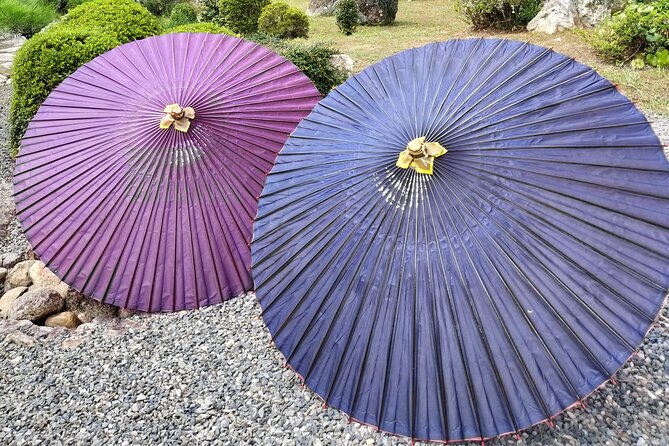
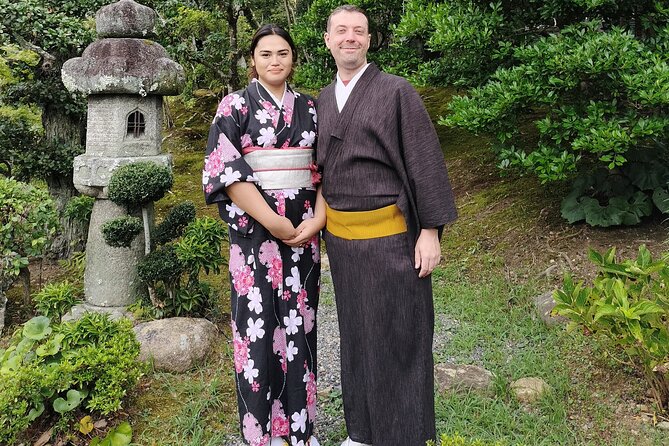
The garden is especially useful if you choose a kimono rental. You can take photos before the tea ceremony and during the visit. If it rains, photographs can still be taken while holding a Japanese umbrella. You cannot pose in a kimono without an umbrella while getting wet, so weather affects the photography plan.
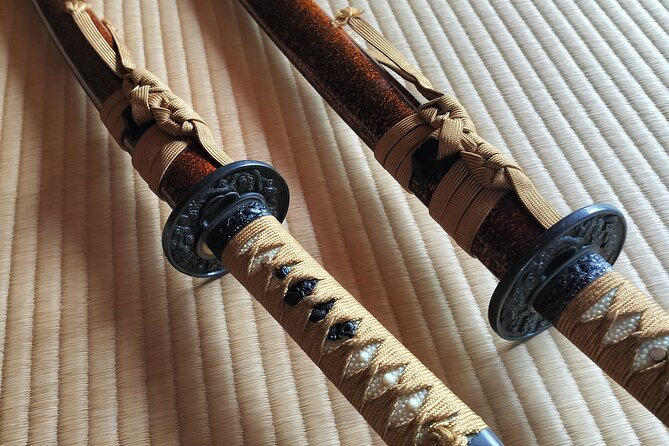
Private sessions have an extra visual option. Participants can use a traditional Japanese umbrella and an imitation sword for photographs only. These items are not for handling as part of the ceremony, but they can make a family or couple’s photo session more distinctive.
The garden does not turn this into a full sightseeing tour. It is a setting for the tea experience, not a long walk through a major temple complex. If you want famous Kyoto buildings and extensive grounds, plan those separately.
More Zen Tea Sessions around Kyoto:
- Kyoto: Tea Ceremony Meditation – Make Matcha with Tea Master
★ 4.8 · 406 reviews - Kyoto: Mindful Tea Ceremony in 100-Year-Old Teahouse
★ 4.8 · 160 reviews - Oboro | Mindful Tea Ceremony in a 100-Year-Old Kyoto Teahouse
★ 5.0 · 19 reviews - Kyoto Hidden Riverside Zen Mediation and Uji Matcha Experience
★ 5.0 · 9 reviews
Kimono rental: worthwhile, but allow extra time
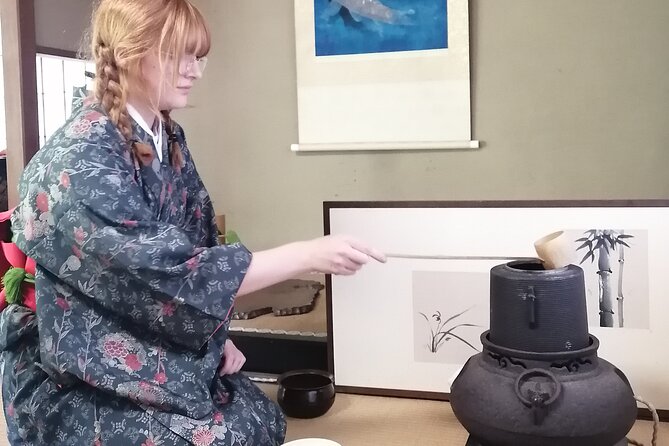
Kimono rental is available for ¥4,000 during the tea ceremony. Hakama rental costs ¥8,000. A baby romper-style kimono costs ¥600, and an undershirt rental costs ¥200.
The host does not provide hair styling or makeup. Hair accessories are available for you to use, so you can add a little finish to the outfit without booking a salon service.
A kimono can make the garden photographs more memorable and adds another traditional element to the visit. It also changes the practical rhythm of the hour. Dressing takes time, and the activity is already short, so you should not expect a long tea lesson plus an extended costume photo shoot within the standard session.
I would choose the kimono option if photographs and dress are a major part of your Kyoto plans. If your main goal is learning how to make matcha, the basic tea experience gives you the essential activity at a lower cost.
Families should check the clothing options carefully. The baby romper-style kimono is a useful addition for small children, while cocoa keeps the youngest participants from being left out of the tasting.
Price and value at $44.42
At $44.42 per person, the experience costs more than a quick matcha drink at a café, but you are paying for far more than the beverage. The price includes the tea ceremony instruction, the explanation of Japanese tea customs, one sweet, the residence, the garden setting, and the chance to make your own matcha.
For a first visit to Kyoto, that combination offers solid value. You get cultural background, a local product, a calm setting, and direct participation in about an hour. The short duration also makes it easier to fit around visits to other parts of western Kyoto.
The value changes if you add extras. A kimono adds ¥4,000, a second sweet costs ¥500, and hakama rental costs ¥8,000. Private arrangements may also carry additional fees, so confirm the price of any upgrade before agreeing to it.
That last point is worth taking seriously. There has been confusion for at least one participant about payment for an upgrade. If Naomi contacts you about a private ceremony, dress rental, or another addition, ask for the full extra cost and payment details in writing before the session.
The standard experience remains the clearest choice for most people. Add-ons make sense when you specifically want photographs, privacy, or traditional clothing.
Location and timing in Kyoto
The meeting point is Kaze no Wa, at 14 Utanokitanoinchō in Ukyo Ward. The property is near public transportation, but it is not close to central Kyoto’s main shopping and restaurant areas.
The location sits in the direction of Kinkakuji Temple and Arashiyama. That makes it practical to combine with sightseeing in western Kyoto, but less convenient as a quick stop between downtown attractions. You should check your route before booking and allow enough time to reach the house.
The activity is booked, on average, 13 days ahead. That is a useful signal for planning, particularly if you want a private session or kimono rental. Confirmation arrives within 48 hours, subject to availability.
The maximum group size is six for the regular format. Larger groups can sometimes be accommodated, but you should arrange that before booking rather than assume the standard session will handle everyone.
A stroller can enter the premises but cannot be brought inside the building. Families with young children should be ready to leave it outside the interior portion of the activity.
Cancellation is free up to 24 hours before the start time. Changes or cancellations inside that window are not accepted for a refund. Poor weather or failure to meet the minimum number of participants can lead to a new date or a full refund.
Who will enjoy this experience most
I would recommend this tea ceremony to anyone who wants cultural context without committing to a long formal event. It works especially well for first-time visitors to Japan, couples, families, and small groups looking for a quieter Kyoto activity.
It is also a good choice if you want photographs in Japanese clothing but do not want to spend half a day at a rental shop. The garden, umbrella, and optional kimono give you visual material without turning the visit into a large production.
Families should appreciate the cocoa alternative and the chance to prepare tea. Children may not follow every explanation, but the practical activity gives them a clear role.
People with food restrictions should contact the host in advance. Vegan food and allergy accommodations are available, though no food service can guarantee the same options without prior notice.
I would be more cautious if your Kyoto schedule is tightly packed around central attractions. The one-hour ceremony is manageable, but the journey to and from Ukyo Ward adds time. It is best planned alongside Kinkakuji or Arashiyama rather than treated as a quick downtown detour.
Should you book it?
Book this experience if you want to understand matcha through both explanation and practice. Naomi’s calm teaching style, the old residence, the garden, and the chance to prepare your own tea give the activity more substance than a simple tasting.
Choose the standard session if value and simplicity matter most. Add the kimono when photographs are a priority, and request a private session early if you want more control over the pace or group.
Skip it if you want a grand temple tour, a long formal ceremony, or a central Kyoto location. For everyone else, this is a thoughtful one-hour pause that connects a familiar Japanese drink with the manners, patience, and hospitality behind it.
FAQ
How long does the tea ceremony last?
The experience lasts about one hour, including the explanation, tea demonstration, tasting, and your chance to make matcha.
Where does the activity take place?
It takes place at Kaze no Wa, 14 Utanokitanoinchō, Ukyo Ward, Kyoto. The activity returns to the same meeting point.
Is the activity suitable for vegans or people with food allergies?
Yes. Vegan options and food allergy accommodations are available. Contact the host before the session with your requirements.
What food is included?
One Japanese sweet is included. You can choose a traditional bean-paste sweet or fresh-fruit daifuku. Trying both costs an additional ¥500 per person.
Can I rent a kimono?
Yes. Kimono rental costs ¥4,000, and hakama rental costs ¥8,000. A baby romper-style kimono costs ¥600, and an undershirt costs ¥200. Hair styling and makeup are not provided, but hair accessories are available.
Can I cancel for a full refund?
You can cancel up to 24 hours before the experience for a full refund. Cancellations or changes made less than 24 hours before the start time are not refunded or accepted.
Newly steeped around Kyoto
- Whisk Your Own Matcha: A Zen Matcha Experience at Temple★ 3.6 · 7 reviews
- Kyoto: Authentic Tea Ceremony in a Small Group★ 5.0 · 7 reviews
- Tea ceremony at Kyoto’s Zen Temple Teahouse★ 5.0 · 2 reviews
- Uji Walking Tour – Byodo-in temple and Tea Ceremony from Kyoto★ 3.5 · 3 reviews
- Tea Ceremony Experience in Traditional Kyoto Townhouse★ 5.0 · 19 reviews
- Tea Ceremony in 150 Years Old Townhouse with Tables and Chairs★ 5.0 · 22 reviews
- Sencha-do the Japanese Tea Ceremony Workshop in Kyoto★ 5.0 · 21 reviews
- Silent Beauty of Kyoto Zen Walk and Tea Experience★ 5.0 · 2 reviews
Zen Tea & Meditation Experiences, compared.
Kyoto: Tea Ceremony Meditation – Make Matcha with Tea Master
Read our review →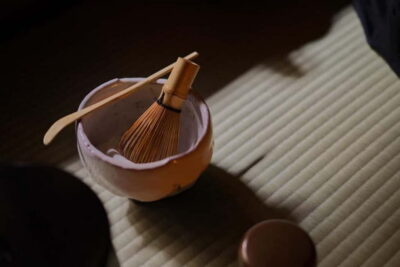
Kyoto: Mindful Tea Ceremony in 100-Year-Old Teahouse
Read our review →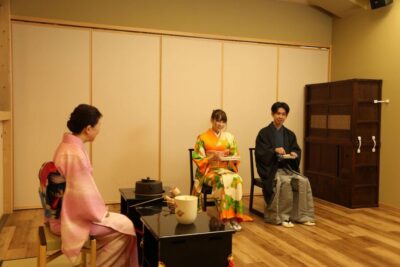
Tokyo: Practicing Zen with a Japanese Tea Ceremony
Read our review →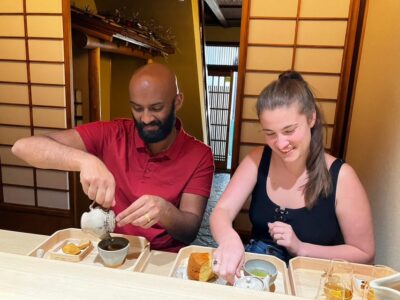
Nara:5 Type of Tea Tasting & Mindful Tea Ceremony
Read our review →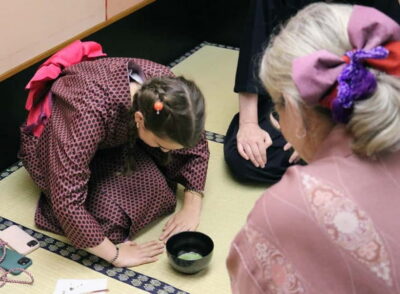
Learn Zen in a class of making Matcha tea near Osaka Castle
Read our review →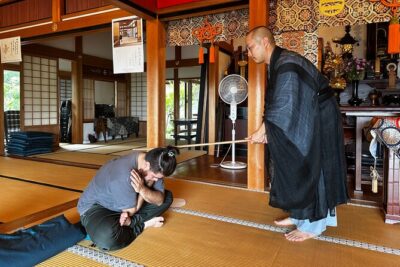
Shizuoka Shore Excursion: Zen, Matcha & Calligraphy Shimizu Port
Read our review →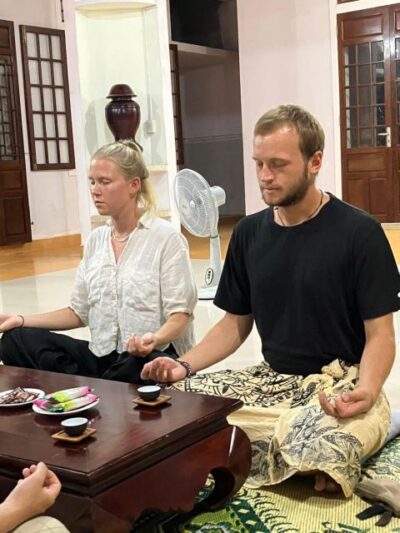
Hue Retreat: Tea and Meditation with Vegetarian Meal
Read our review →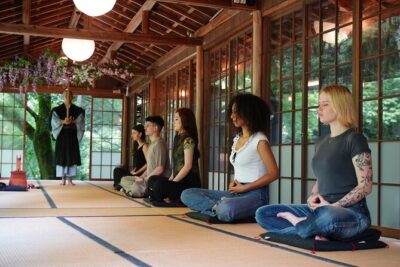
Kyoto Hidden Riverside Zen Mediation and Uji Matcha Experience
Read our review →Browse the lists this tea experience appears in