
Review · HIROSHIMA
Kimono and Tea Ceremony in Miyajima
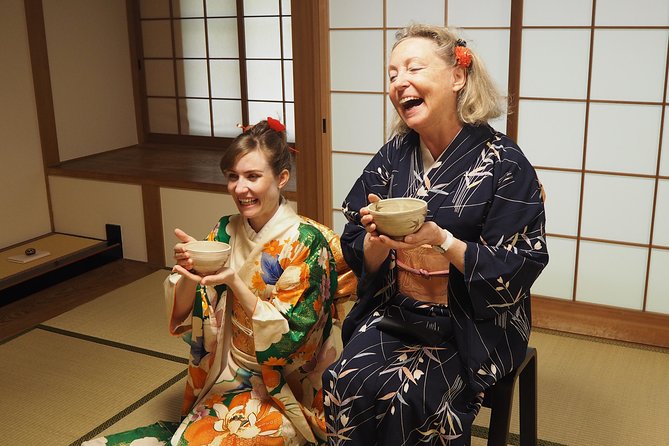
The best part of this Miyajima activity is the setting: a quiet temple away from the island’s busy shopping streets, where a kimono fitting leads into a calm Japanese tea ceremony. You do not simply watch. You also prepare your own matcha and learn the basic manners behind drinking it.
I like the choice of more than 100 kimonos, along with the patient help provided during dressing. I also like the small-group format, which makes it easier to ask questions, watch the tea master closely, and take photographs in the garden. The main consideration is the short one-hour schedule. It gives you a fine introduction, but not a long, leisurely study of tea culture.
Key points at a glance
- More than 100 kimonos: Choose a style and color, with staff helping you dress properly.
- A temple setting: Meet at Tokuju-ji, a peaceful spot near the ferry port and away from the main commercial streets.
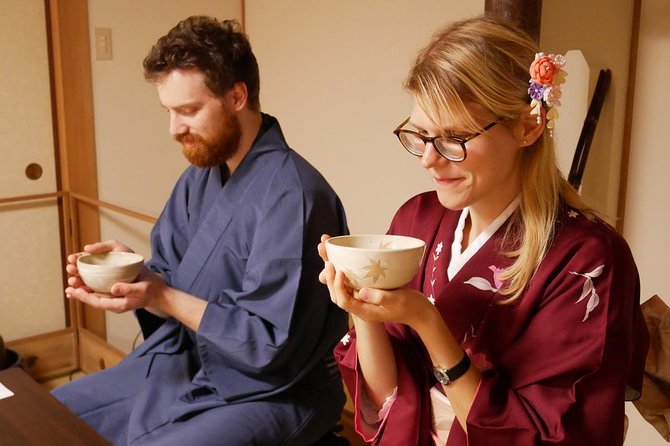
- You make your own matcha: Watch a demonstration, then prepare and taste your own tea.
- Small-group attention: The advertised maximum is 10 people, with many sessions feeling intimate.
- Photos included: Staff take pictures during the activity, and you can receive them by completing a questionnaire.
- A one-hour cultural stop: Easy to add to a Miyajima day, though the pace is brisk.
Why this Miyajima tea ceremony feels different
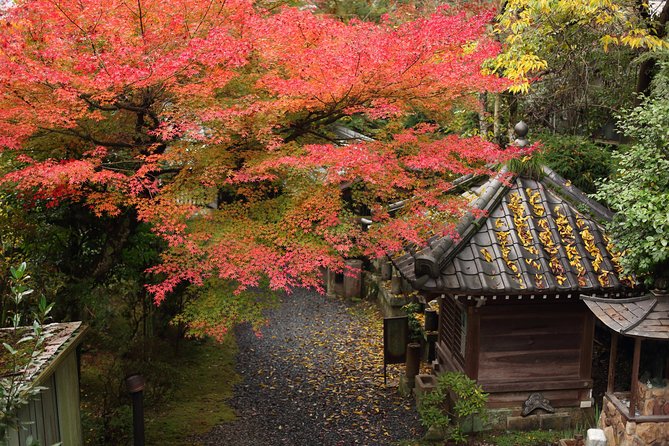
Miyajima is famous for its giant torii gate, shrine, deer, sea views, and crowded lanes of food stalls. Those sights deserve your time, but this activity gives you a quieter look at Japanese culture. You enter Tokuju-ji Temple, choose a kimono, and spend the next hour learning a ritual built around attention, courtesy, and calm.
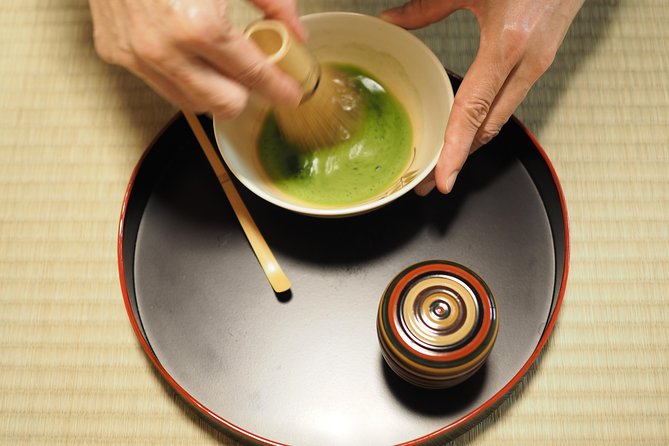
That change of pace matters. The ceremony is not staged on a busy street or squeezed into a large costume-rental shop. The temple grounds provide a more suitable backdrop for the simple movements of tea preparation. You can focus on how the bowl is handled, how the tea is whisked, and how the sweet is served before the matcha.
This is still an introduction rather than a full study of the Japanese tea ceremony. The session is short, and the program combines dressing, instruction, demonstration, personal practice, and photos. Still, it gives you something more substantial than putting on a costume for a quick snapshot.
More Kimono and Tea Ceremonies in Japan:
- Kimono Tea Ceremony at Kyoto Maikoya, NISHIKI
★ 5.0 · 911 reviews - Kimono Tea Ceremony at Tokyo, Asakusa Maikoya
★ 5.0 · 638 reviews - Kyoto: Kimono Tea Ceremony at Orizuruya Gion
★ 4.9 · 618 reviews
Finding Tokuju-ji near the ferry port
The meeting point is Tokuju-ji Temple, officially listed as 徳寿寺, at 741-1 Miyajimacho, Hatsukaichi, Hiroshima. The activity begins and ends at the same location, and the temple is near public transportation and the ferry port.
That location is useful if you are visiting Miyajima as a day trip from Hiroshima. You can reach the island by ferry, walk toward the meeting point, enjoy the session, and then continue to the major sights. Allow yourself enough time to find the temple rather than treating the ferry arrival and appointment time as one moment.
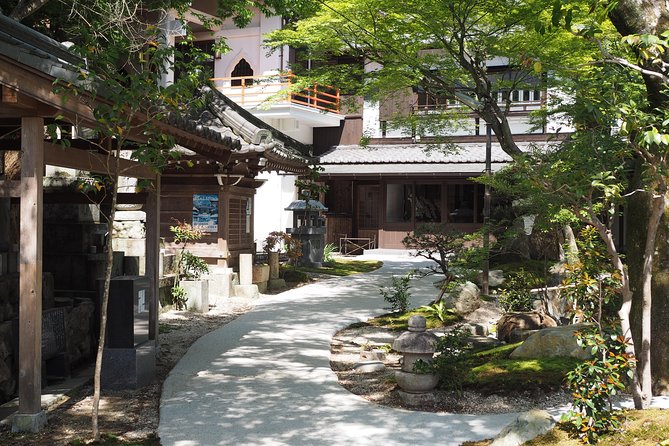
The location also shapes the mood. You leave the main flow of the island’s commercial streets and enter a more subdued space. Several people particularly appreciated the garden and the sense of quiet. This is a good reason to schedule the activity before or after the busiest part of your sightseeing day.
Choosing a kimono from more than 100 options
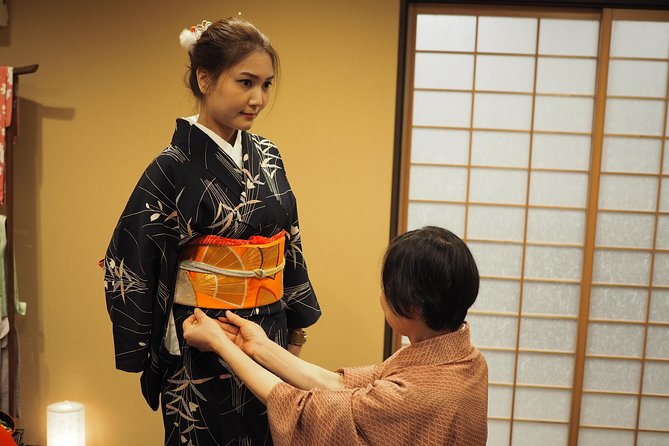
The activity begins with dressing. You can choose a kimono from a collection of more than 100, and staff provide everything needed for the outfit. The fitting is not a rushed grab-and-go process. The staff help arrange the clothing and adjust it so you look properly dressed for the ceremony.
That assistance is important. A kimono is not simply a robe that you wrap around yourself. The fitting process is part of the cultural lesson, and the staff’s care helps you feel comfortable before you sit down for tea. Several people praised the patience and kindness shown during this stage.
The selection is also more flexible than a basic costume photo stop. The collection includes options for men and women, and one person who was tall and wore a larger size found that the staff were able to provide a suitable outfit. That does not guarantee that every size or preference will be available at every session, but it is encouraging if you are worried about fitting into traditional clothing.
The outfit can make this activity especially appealing for couples, families, and friends. You get the fun of seeing one another dressed formally, followed by photographs in the temple grounds. Children from age six can take part, and the staff have been praised for their patience with family groups.
You should remember that dressing takes part of the one-hour session. If your main goal is to study tea ceremony at length, the kimono fitting leaves less time for detailed instruction. If you want a well-rounded cultural activity with photographs, the balance works much better.
Watching the tea master at Tokuju-ji
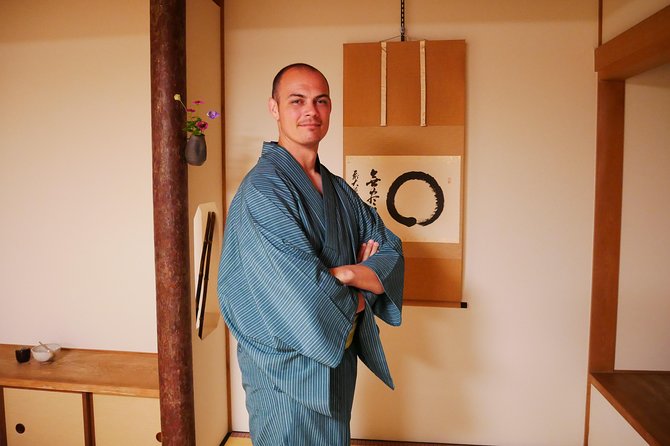
Once everyone is dressed, the tea ceremony begins. A tea master demonstrates the proper way to drink matcha and explains the manners connected with the ritual. You learn to pay attention to the bowl, the movements, and the sequence rather than treating the tea as an ordinary drink.
The ceremony also introduces the four principles associated with tea practice and Buddhism. The point is not to memorize a long list of rules. It is to understand why the ceremony values harmony, respect, purity, and calm. The quiet temple setting makes those ideas easier to grasp than a hurried talk in a noisy room.
The tea is served with a sweet. Local Miyajima chocolate is part of the welcome in some sessions, and it has become a memorable feature for many people. The sweet gives you something to eat before the matcha and helps balance its bitter, grassy flavor.
One practical note: the ceremony uses tables rather than requiring everyone to sit on the floor. That may disappoint you if you picture a highly formal low-seating ceremony. It is also kinder to people who find kneeling difficult. The hosts explain that table-style practice has been used in Japan for more than a century, so this arrangement is not simply a concession made for foreign visitors.
More Tea Ceremonies in Japan:
- Kyoto: Tea Ceremony in a Traditional Tea House in Kiyomizu
★ 4.9 · 3,519 reviews - Kyoto: Tea Ceremony Ju-An at Jotokuji Temple
★ 4.9 · 3,207 reviews - Kyoto: 45-Minute Tea Ceremony Lesson Experience
★ 4.3 · 2,378 reviews - Osaka: Tea Ceremony Experience
★ 4.9 · 1,426 reviews
Making and tasting your own matcha
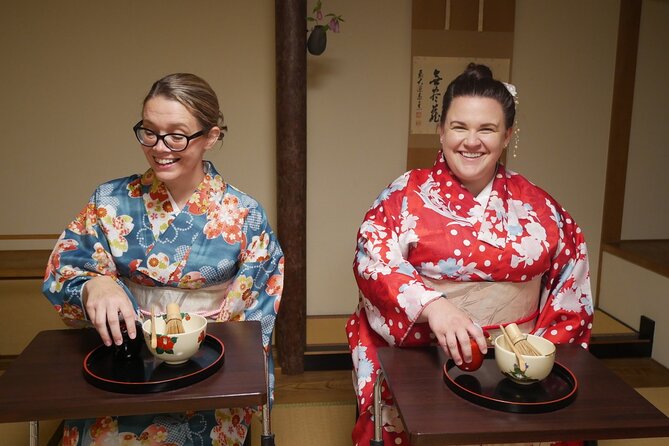
The most useful part of the session comes after the demonstration. You prepare your own matcha and taste the result. This turns the activity from a performance into a lesson you can repeat at home.
You learn the basic process and the proper manner for drinking the tea. The instruction is designed for beginners, so you do not need prior experience. Staff can answer questions during the steps, and the small group makes it easier to see what is happening.
Do not expect a professional tea-school qualification or a long technical workshop. In about an hour, the tea preparation is one part of a larger program that also includes dressing, the formal demonstration, sweets, and photos. Think of it as a practical introduction that gives you enough understanding to try matcha with friends later.
That take-home value is one reason the price can make sense. At $85.89 per person, you are paying for staff assistance, the kimono, instruction, tea, sweets, and access to a temple setting. It costs more than a simple cup of matcha or a short photo rental, but it combines several activities in one appointment.
Photos in the garden and a personal souvenir
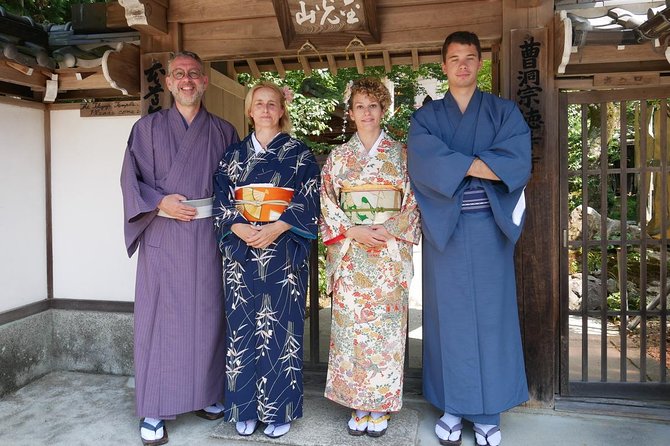
Photography is built into the session. Staff take pictures while you are being dressed and during the tea lesson, and you can receive the images by answering a questionnaire. You also have time to take your own photographs in the garden and around the temple grounds.
This is especially useful if you are traveling alone or if everyone in your group wants to appear in the pictures. Staff can record parts of the ceremony for you as well, and digital images have been shared through social media in past sessions.
The garden gives you a more attractive setting than a plain indoor studio. Seasonal changes also add variety, with the temple grounds offering a different feel at different times of year. You should still keep your expectations sensible. The activity is not a dedicated photo shoot, and the main purpose remains the tea lesson.
If you want photographs showing the full kimono, plan to use some of your own time during the designated photo portion. The staff are helpful, but the one-hour schedule means the session keeps moving.
Group size, language, and the pace of the hour
The maximum group size is 10 people. The small-group format is one of the activity’s strongest features because you can see the demonstration clearly and receive individual help with the kimono.
Some sessions may include more than one booking group, but the overall size remains modest compared with large city workshops. That difference is meaningful. A large class can turn the tea ceremony into a presentation viewed from the back of a room. Here, you have a better chance to ask questions and receive help with each step.
The staff have been praised for speaking excellent English and for explaining Japanese customs clearly. Specific guide names are not provided, so you should not expect to select a particular instructor. The consistent strength is the attentive staff approach: careful dressing, patient explanations, help with photographs, and a warm welcome.
At one hour, the activity fits neatly into a Miyajima itinerary. You can schedule it as a morning stop, then visit Itsukushima Shrine and the island’s other sights. An afternoon appointment can give you a quiet break after sightseeing. Just avoid cramming it between two tightly timed ferry connections, since dressing and photographs are part of the program.
Who will get the most from this activity
I would recommend this to you if you want a hands-on cultural activity rather than another sightseeing stop. It is particularly well suited to:
- Couples who want photographs in traditional clothing
- Families with children aged six and older
- First-time visitors curious about matcha and Japanese manners
- Solo visitors who want staff assistance taking photos
- Anyone looking for a quiet temple setting away from the main streets
- People who prefer a short introduction instead of a half-day cultural class
It is also a good choice if you have always wanted to wear a kimono but do not want to arrange a separate rental. The dressing, ceremony, and photographs are handled in one place.
I would be more cautious if you dislike formal instruction, have difficulty sitting or standing through a clothing fitting, or want a long and highly technical study of tea practice. The table seating helps, but the activity still involves dressing and participating in a ceremonial routine.
Is $85.89 a fair price?
The price is $85.89 per person. That is not a bargain-basement cultural stop, but the value depends on what you compare it with.
You receive the kimono rental, professional dressing help, tea ceremony instruction, your own matcha preparation, a sweet, use of the temple setting, and photographs taken by staff. Booking each part separately would take more planning, and a basic kimono rental would not necessarily include a tea lesson or guided ceremony.
The price is easier to justify for a couple or family who wants both the cultural instruction and the photographs. If you only want to taste matcha, it is expensive. If you want a polished traditional outfit, personal guidance, and a meaningful activity that fits into an hour, it is reasonable.
The strongest value comes from the personal attention. You are not paying only for tea and clothing. You are paying for staff to dress you carefully, explain the ceremony, help you prepare the drink, and make sure you leave with photographs and a clear sense of what you have done.
Practical details before you book
Confirmation is provided when you book, and a mobile ticket is available. The activity is near public transportation, begins at Tokuju-ji Temple, and returns to the same meeting point.
The minimum age is six, and the maximum group size is 10. The activity depends on good weather, so poor conditions can lead to a different date or a full refund.
Free cancellation is available up to 24 hours before the start time. If you cancel less than 24 hours ahead, you will not receive a refund, and changes within that period are not accepted. The cut-off follows local time in Japan.
Wear something that makes changing into a kimono manageable. The supplied information does not specify a dress code, so the safest approach is to arrive in comfortable clothing and allow time for the fitting.
Should you book the Miyajima kimono and tea ceremony?
Yes, if you want a compact, personal introduction to Japanese culture with a strong visual side. The quiet temple location, extensive kimono choice, careful staff, matcha practice, sweets, and garden photographs give the activity more substance than a quick dress-up stop.
I would book it early in your Miyajima schedule if you want flexibility around ferry times and major sights. Keep in mind that one hour goes quickly, and the activity is best understood as an elegant introduction rather than a complete study of tea ceremony.
For $85.89, the decision comes down to what you value. If you want hands-on participation, personal help, and memorable photographs, this is a sound use of time on Miyajima. If you prefer unstructured sightseeing or only want to sample matcha, spend the money elsewhere.
FAQ
Where does the kimono and tea ceremony take place?
The activity takes place at Tokuju-ji Temple, located at 741-1 Miyajimacho, Hatsukaichi, Hiroshima. The temple is near the Miyajima ferry port and public transportation.
How long does the activity last?
The activity lasts approximately one hour. It includes kimono dressing, the tea ceremony demonstration, your own matcha preparation, tasting, and time for photographs.
How many people can join?
The maximum group size is 10 people. The activity is designed as a small-group session, allowing you to watch the ceremony closely and receive help with dressing and tea preparation.
What age is required to participate?
The minimum age is six.
Do I get to choose my kimono?
Yes. You can choose from more than 100 kimonos, and staff provide the items needed to dress you for the ceremony. The collection includes options for men and women.
What happens if the weather is poor?
The activity requires good weather. If it is canceled because of poor conditions, you will be offered a different date or a full refund. You can also cancel for a full refund up to 24 hours before the scheduled start time.
Newly steeped around Japan
- Yokohama : Tea Ceremony with Sweets and Souvenir★ 5.0 · 5 reviews
- Whisk Your Own Matcha: A Zen Matcha Experience at Temple★ 3.6 · 7 reviews
- Walking Tour: Yanaka,Nezu& Sendagi: Tea Ceremony & Old Tokyo★ 5.0 · 3 reviews
- Visit local home for music and tea ceremony near Disney★ 4.9 · 13 reviews
- Trip to Kamakura & Enoshima: Shrines, Seaside, Temples &Tea★ 5.0 · 11 reviews
- Yokohama: Sushi & Gyoza Cooking with Matcha & GreenTea Experience★ 5.0 · 3 reviews
- Kyoto tea town for matcha lovers★ 5.0 · 16 reviews
- Uji: Private immersion into Kyoto’s tea and reglious culture★ 5.0 · 17 reviews
Kimono & Tea Ceremony, compared.


KYOTO Tea Ceremony with kimono near by Imamiya Jinjya Shrine
Read our review →
Kyoto: Kimono and Tea Ceremony Experience at Cultural Asset
Read our review →
Kyoto: Kimono Tea Ceremony with Matcha and Sweet
Read our review →
Tokyo: Asakusa Kimono Dressing and Matcha Experience
Read our review →Browse the lists this tea experience appears in