

Review · JAPAN
Kimono Dressing & Tea Ceremony Experience at a Beautiful Garden
The best part of this Chiba experience is the chance to wear traditional clothing in a real Japanese garden, then sit down in an authentic tea room for matcha and sweets. Guide Grace, who has lived in Chiba for about 18 years, leads the visit with help from Ari.
I like the private format, since your group gets the dressing help, garden time, and tea ceremony without sharing the session with strangers. I also like the choice of clothing: women can select a kimono or Japanese-style cosplay costume, while men can choose hakama for a samurai-inspired look.
The main consideration is timing. This is a carefully paced two-hour cultural visit, not a broad Chiba sightseeing tour, and the tea room must confirm availability before the booking is finalized.
Key points to know before you book
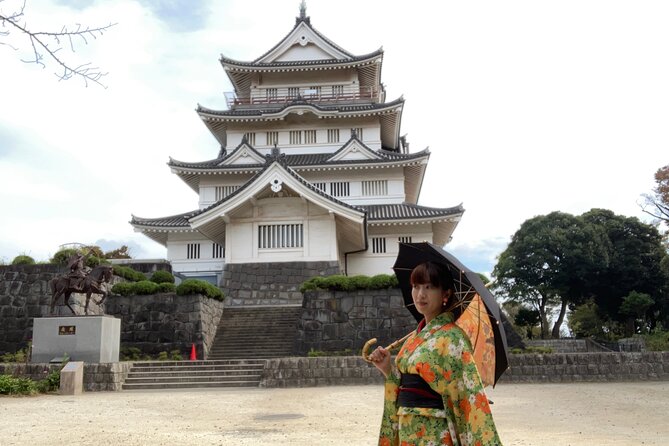
- Shorai-tei is a traditional tea room beside Mihama Garden, and tea ceremonies are often held there.
- Grace brings local perspective, having lived in Chiba for about 18 years and raised her children there.
- Women can choose from kimono and Japanese-style cosplay costumes, while men can select a hakama style.
- Garden time is built into the visit, with a walk around the pond and through seasonal flowers.
- Matcha and traditional Japanese sweets are included as part of the tea ceremony.
- Your group has the activity to itself, with a duration of about two hours and a price of $80 per person.
Dressing for the garden at Shorai-tei
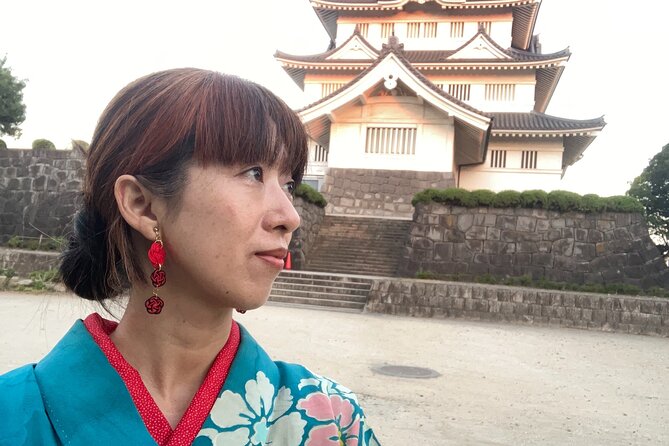
Your visit begins at Shorai-tei, written as Shoraitei in the meeting information, at 2-chōme-116 Hibino in Chiba’s Mihama Ward. The tea room sits by Mihama Garden and is described as a traditional Japanese setting where tea ceremonies are regularly held.
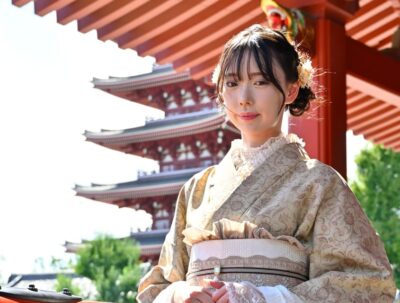
The first task is choosing what to wear. You can select from prepared kimono options, and the staff will dress you. For women, the choices also include Japanese-style cosplay costumes. For men, hakama is available, giving the outfit the formal, old Japan look many people picture when they think of samurai clothing.
This selection makes the activity work well for couples and families. You do not have to settle for one standard outfit, and the clothing becomes part of the visit rather than a quick costume change before the real activity begins.
The dressing itself is also useful cultural context. A kimono is not simply a loose robe that you put on over everyday clothes. The careful dressing process helps you notice the layers, the fit, and the way the outfit changes how you move. The supplied information does not specify how long dressing takes, so expect the schedule to vary slightly depending on your group and clothing choices.
A past booking specifically praised the range of kimono and hakama choices. Ari also helped with the dressing process, while Grace handled hosting and interpretation. That combination matters if you want more than a photo opportunity. You have people there to help you choose, get ready, and understand what is happening.
More Kimono and Tea Ceremonies in Japan:
- Kimono Tea Ceremony at Kyoto Maikoya, NISHIKI
★ 5.0 · 911 reviews - Kimono Tea Ceremony at Tokyo, Asakusa Maikoya
★ 5.0 · 638 reviews - Kyoto: Kimono Tea Ceremony at Orizuruya Gion
★ 4.9 · 618 reviews
A garden walk around the pond and seasonal flowers
Once dressed, you walk through Mihama Garden. The route includes the pond and garden areas with seasonal flowers, giving you a chance to see the clothing in its proper setting and take photographs.
I like this part because it slows the visit down. You are not simply standing indoors while someone takes a quick picture. The walk gives you time to enjoy the garden, adjust to the clothing, and take photos with changing backgrounds.
The garden also gives the activity a clear sense of place. The clothing, pond, flowers, and tea room belong to the same traditional setting, so the visit feels connected rather than split into unrelated activities.
Season matters here. The flowers change through the year, and the garden will not look identical on every visit. That is a strength if you enjoy the changing character of Japanese gardens, though it also means you should not book expecting one fixed floral display.
The exact photography arrangements are not stated, but you are told to take photos and enjoy the surroundings. It is sensible to have your phone ready, since a mobile ticket is used for the booking and the garden walk is one of the main parts of the visit.
Matcha, sweets, and the quiet rhythm of tea ceremony
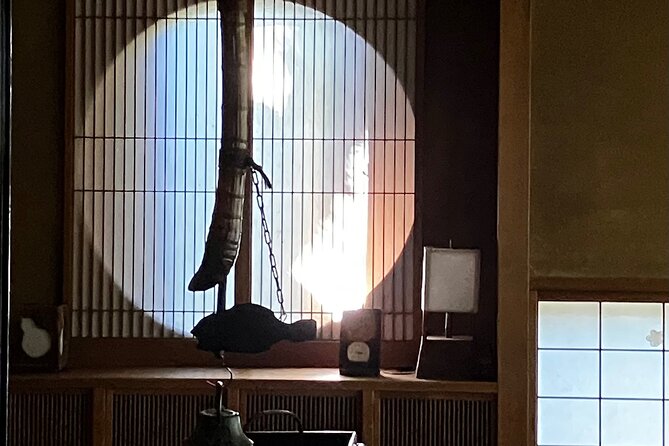
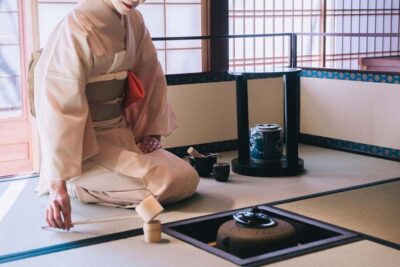
After the garden walk, you experience Japanese tea ceremony in the tea room. Matcha green tea and traditional Japanese sweets are provided.
Matcha has a strong taste that can surprise first-time drinkers. It is known for its green color, distinct aroma, and a flavor that combines some bitterness with sweetness. The sweets help balance the tea, and they are selected for seasonal relevance and made with delicate designs.
The value here is not just the food. Tea ceremony gives you a window into Japanese customs around preparation, presentation, and attention to the moment. You are not merely ordering a cup of green tea. You are taking part in a formal cultural practice in a traditional room.
The available details do not spell out every step of the ceremony, so you should not expect a full historical lecture or a long specialist workshop. Instead, this appears designed as an approachable introduction for people who want to experience the ceremony directly.
Grace’s role is important. She describes herself as a local guide who has lived in Chiba for around 18 years, raised two children there, and developed a strong interest in Japanese culture. One booking praised her as a host, historian, and interpreter. That suggests the experience is particularly useful if you want explanations in English while you take part.
Why the private two-hour format matters
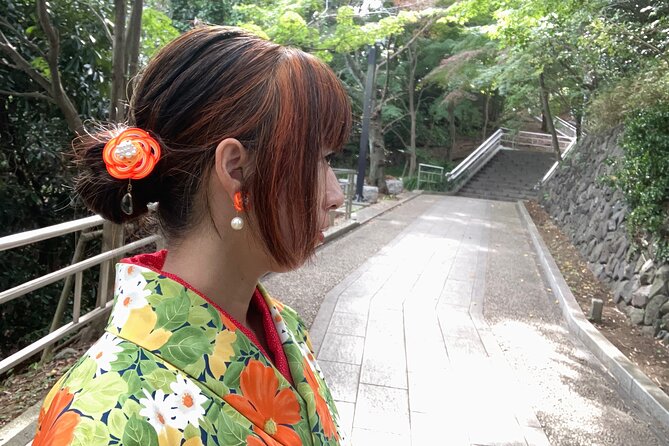
This is a private activity, so only your group participates. That gives the visit a more personal feel and makes the clothing selection easier. You can ask questions, take photos, and move through the process without worrying about a larger group waiting behind you.
A two-hour duration is enough for a focused cultural activity. You have time for dressing, the garden walk, photos, and tea ceremony, but you are not committing half a day to one location.
That short format also makes the experience easy to add to a Chiba itinerary. You could book it as a main activity for the day or fit it around other plans in the city. Since the meeting point is near public transportation, reaching the location should be practical, although the supplied information does not give a specific station, route, or travel time.
The private format may be less useful if you want to meet other people or compare outfits with a large group. It is best for couples, families, and friends who want a shared memory at their own pace.
More Tea Ceremonies in Japan:
- Kyoto: Tea Ceremony in a Traditional Tea House in Kiyomizu
★ 4.9 · 3,519 reviews - Kyoto: Tea Ceremony Ju-An at Jotokuji Temple
★ 4.9 · 3,207 reviews - Kyoto: 45-Minute Tea Ceremony Lesson Experience
★ 4.3 · 2,378 reviews - Osaka: Tea Ceremony Experience
★ 4.9 · 1,426 reviews
Is $80 per person a fair price?
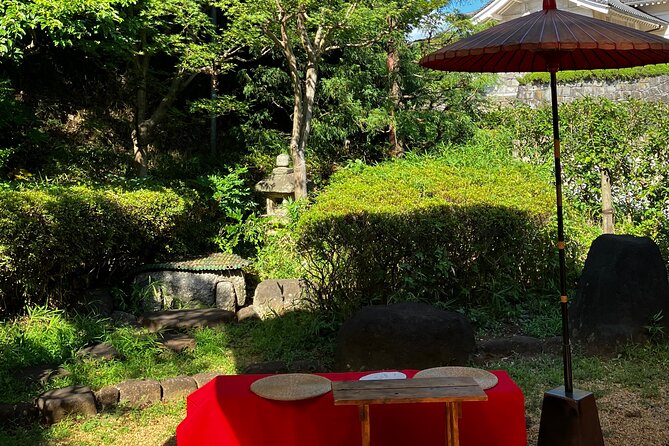
At $80 per person, this is not a casual garden visit. You are paying for a private two-hour session that combines clothing assistance, use of a garden setting, photography time, tea ceremony, matcha, and traditional sweets.
I see the price as reasonable if you value personal attention and want several connected activities in one booking. The clothing is central to the visit, and the private arrangement means you are not paying for a large group tour with a fixed, impersonal routine.
The value is less clear if your main goal is simply to walk through Mihama Garden. In that case, this activity includes much more than you need. It makes the most sense when you specifically want to wear kimono or hakama and learn about tea ceremony in a proper tea room.
The experience is also a better buy for people who would otherwise need to arrange clothing rental, dressing assistance, and a tea ceremony separately. Those separate plans can take time and may be harder to coordinate. Here, the elements are set up as one visit, though tea room availability still has to be checked.
What Grace adds to the visit
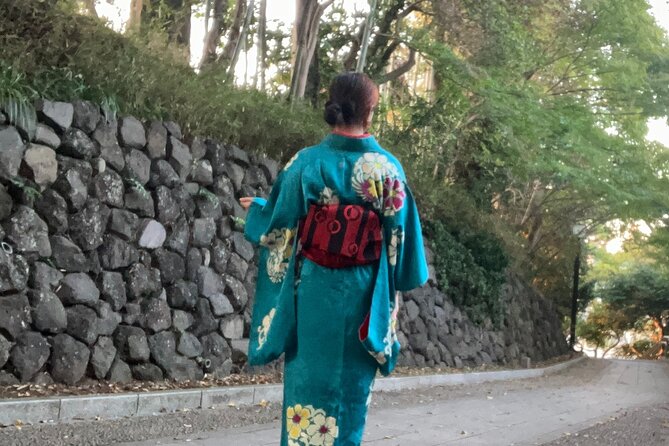
Grace is not presented as a distant operator managing a standard attraction. She introduces herself as a mother of two who has lived in Chiba for about 18 years. She gave birth to and raised her children in the city, and she says she wants people visiting Japan to have the kind of local cultural encounters she valued during her own travels.
That background gives the activity a local angle. You are not only putting on traditional clothing in a generic studio. You are meeting someone who has made Chiba her home and who wants to share Japanese customs with visitors.
Ari may also assist during the session. This is especially useful during dressing, when more than one pair of hands can make the process smoother. The exact staff arrangement may vary, so Grace is the main person to expect.
The limited number of published ratings means you should keep the praise in proportion. The experience has a five-star rating from four reviews, and one detailed account gave strong approval to the hosting, interpretation, clothing selection, and assistance. That is encouraging, but it is still a small sample. I would book for the clear program and setting, not for a guarantee that every detail will match one person’s visit.
Practical details that can affect your plans
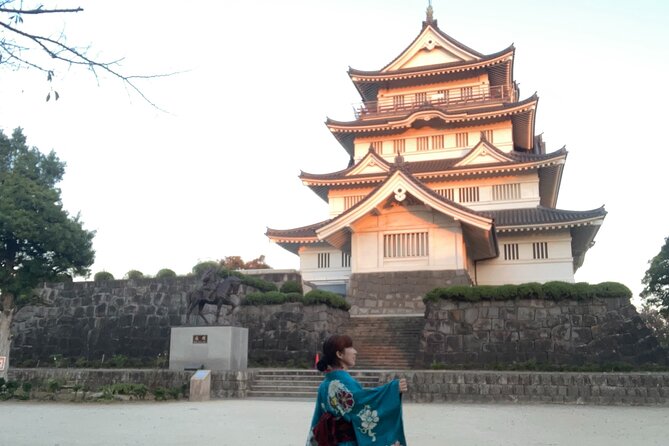
The activity starts and ends at Shoraitei, 2-chōme-116 Hibino, Mihama Ward, Chiba, 261-0021, Japan. You return to the same meeting point when the session ends.
A mobile ticket is provided, and the location is near public transportation. Specific directions are not included in the available information, so check the meeting instructions after booking and allow enough time to reach the tea room.
Your reservation is confirmed within 48 hours, subject to tea room availability. This is worth noting before you build a tight schedule around the visit. The place where the activity is served changed from Gaihana-tei to Mihama-en in April 2025, so use the current booking information rather than older directions.
You can cancel free of charge up to 24 hours before the start time for a full refund. Cancellations or changes made less than 24 hours before the start time are not refunded or accepted, and the cut-off follows local Chiba time.
The available details do not state whether the clothing process suits every mobility level, whether changing facilities are private, or what sizes are available. If any of those points matter to you, ask the provider before reserving.
Who will enjoy this Chiba cultural visit?
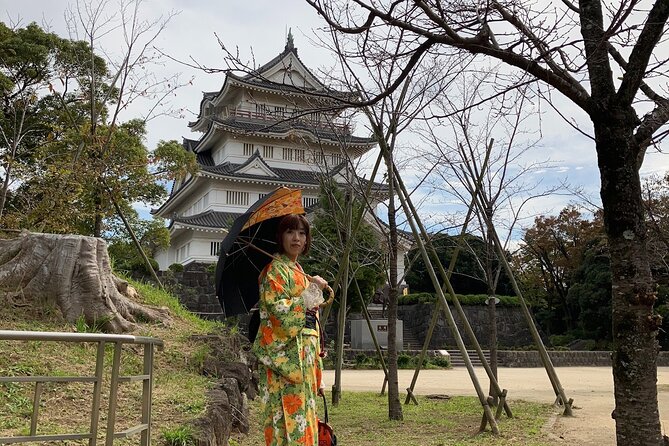
I would recommend it most strongly to:
- Couples who want coordinated photos in kimono and hakama
- Families looking for a gentle cultural activity
- First-time visitors who want a guided introduction to tea ceremony
- People who enjoy Japanese gardens, seasonal flowers, and traditional clothing
- Anyone who prefers a private session rather than a large group
- Visitors staying in or passing through Chiba who want an activity beyond major city sights
It may be less suitable if you dislike formal cultural activities, do not want to wear traditional clothing, or need a long, detailed tea ceremony course. The visit is an introduction and photo-friendly cultural activity, not a full-day study of tea practice.
It is also not designed as a broad city tour. Grace’s local background adds context, but the main focus remains the tea room, kimono dressing, garden walk, and matcha.
Should you book the Kimono Dressing and Tea Ceremony Experience?
Book it if you want a compact, private introduction to Japanese culture with real participation. The strongest reasons are the traditional tea room, the choice of kimono or hakama, the walk around Mihama Garden, and Grace’s personal connection to Chiba.
The $80 price is fair when you want all those pieces arranged together and value help with dressing and interpretation. I would confirm the tea room location, clothing options, and any mobility needs before payment, then leave room in your schedule for the confirmation process.
Skip it if you only want sightseeing in Chiba or would rather spend your time visiting several city attractions. But if you want to slow down, dress for the occasion, take garden photos, and taste matcha in a traditional setting, this is a focused and appealing choice.
FAQ
Where does the experience begin?
It begins at Shoraitei, 2-chōme-116 Hibino, Mihama Ward, Chiba, 261-0021, Japan.
Where does the experience end?
The activity ends back at the same meeting point.
How long does the experience last?
The activity lasts approximately two hours.
What clothing can women choose?
Women can choose from prepared kimono. Japanese-style cosplay costumes are also available.
What can men wear?
Men can choose a hakama style when selecting a kimono, creating a traditional samurai-inspired appearance.
Is the activity private?
Yes. Only your group participates in the activity.
What happens after the kimono dressing?
You walk around Mihama Garden, including the area around the pond, and take photos.
Is tea included?
Yes. The experience includes matcha green tea and traditional Japanese sweets.
Who is the guide?
The guide is Grace, who has lived in Chiba for about 18 years. Ari may also assist with the experience.
Is the booking confirmed immediately?
Confirmation is provided within 48 hours of booking, subject to tea room availability.
Newly steeped around Japan
- Yokohama : Tea Ceremony with Sweets and Souvenir★ 5.0 · 5 reviews
- Whisk Your Own Matcha: A Zen Matcha Experience at Temple★ 3.6 · 7 reviews
- Walking Tour: Yanaka,Nezu& Sendagi: Tea Ceremony & Old Tokyo★ 5.0 · 3 reviews
- Visit local home for music and tea ceremony near Disney★ 4.9 · 13 reviews
- Trip to Kamakura & Enoshima: Shrines, Seaside, Temples &Tea★ 5.0 · 11 reviews
- Yokohama: Sushi & Gyoza Cooking with Matcha & GreenTea Experience★ 5.0 · 3 reviews
- Kyoto tea town for matcha lovers★ 5.0 · 16 reviews
- Uji: Private immersion into Kyoto’s tea and reglious culture★ 5.0 · 17 reviews
Kimono & Tea Ceremony, compared.


KYOTO Tea Ceremony with kimono near by Imamiya Jinjya Shrine
Read our review →
Kyoto: Kimono and Tea Ceremony Experience at Cultural Asset
Read our review →
Kyoto: Kimono Tea Ceremony with Matcha and Sweet
Read our review →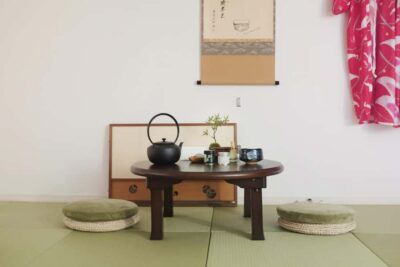
Tokyo: Asakusa Kimono Dressing and Matcha Experience
Read our review →Browse the lists this tea experience appears in