
Review · JAPAN
Kimono Rental and Tea Ceremony Experience in Inuyama
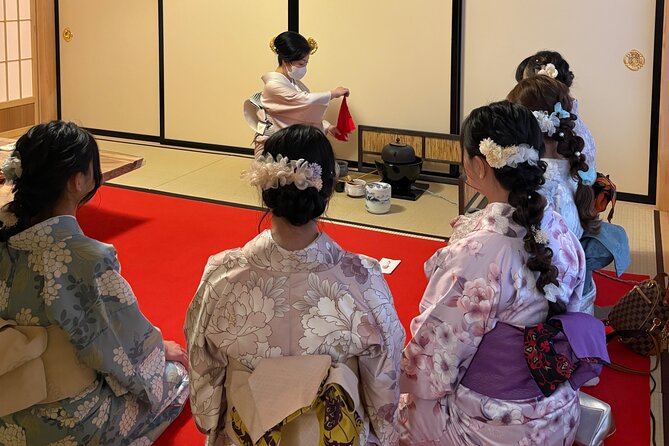
The best part of this experience is the pairing of kimono dressing and hands-on matcha making. You do not simply watch a ceremony. You take part in it, learning why each movement matters while dressed for the occasion.
I like the calm setting inside a temple near Inuyama Castle, and I like that the kimono rental lasts for the day. You can continue into the castle town afterward for old streets, castle views, and local food. The main drawback is the fixed 11 a.m. start and the extra charge for hair styling or accessories.
Key points
- Choose your own kimono: Inuyama Komachi dresses you at the rental shop in the historic castle town.
- Make your own matcha: The tea experience includes instruction in the formal process, not just a cup served to you.
- Enjoy a temple teahouse: The ceremony takes place near national treasure Inuyama Castle.
- Keep the kimono all day: After the ceremony, you can continue exploring Inuyama in traditional dress.
- Private group format: Only your own group takes part in the activity.
- Plan for added costs: Hair styling, accessories, and transport are not included in the $97.98 price.
Why this Inuyama experience works so well
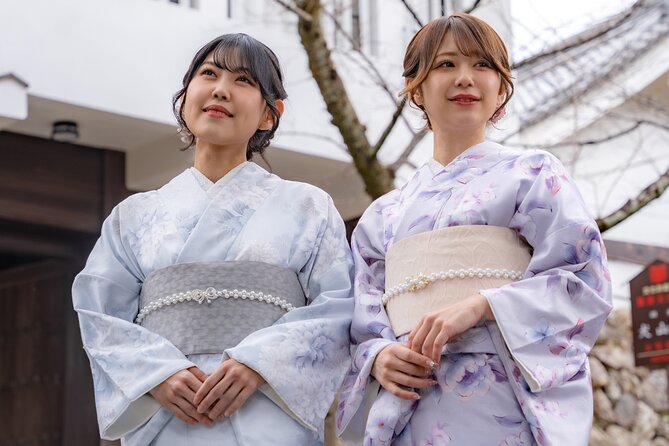
Inuyama is a good place for a cultural activity because the town has a clear sense of place. The kimono shop sits in the castle town, and the tea ceremony takes place at a temple near Inuyama Castle. You are not being moved from one disconnected attraction to another.
The result feels more personal than a quick photo stop. You first prepare for the day by selecting clothing, then slow down for tea, then have time to explore on your own. That order matters. It gives the outing a natural rhythm instead of cramming several unrelated activities into two hours.
The entire scheduled experience lasts about two and a half hours. The meeting time is 11 a.m., and the activity finishes back at Inuyama Komachi. Since the kimono rental is for the day, your time in costume continues after the formal program ends.
More Kimono and Tea Ceremonies in Japan:
- Kimono Tea Ceremony at Kyoto Maikoya, NISHIKI
★ 5.0 · 911 reviews - Kimono Tea Ceremony at Tokyo, Asakusa Maikoya
★ 5.0 · 638 reviews - Kyoto: Kimono Tea Ceremony at Orizuruya Gion
★ 4.9 · 618 reviews
Choosing a kimono at Inuyama Komachi
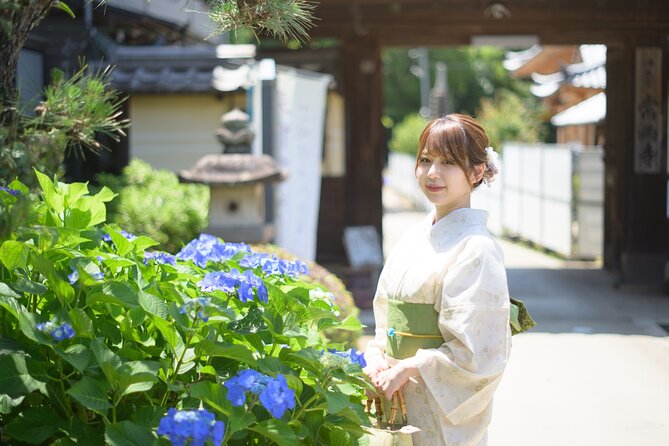
Your visit begins at Inuyama Komachi, located at 213 Nishikoken in Inuyama. The shop is in the castle town, near the historic streets you will likely want to explore later.
You choose a kimono from the available selection, then have it put on and arranged for you. This is useful even if you have worn traditional clothing before. Kimono dressing involves more than slipping on a robe, and the proper layers and ties need to be handled by someone who knows the process.
The choice of kimono gives you some control over the look of the day. You can select a style that suits your taste, though the information provided does not specify the range of colors, sizes, or seasonal patterns. If you have a strong preference, ask about the available options when confirming your booking.
The basic price includes the kimono rental. Accessories cost an additional ¥550 per person, and a hair set costs ¥2,200 per person. Those extras can make a noticeable difference to the final bill, especially for a couple or family, so decide in advance if you want the full look.
A practical point: kimono are beautiful but not designed for fast walking or casual movement. You will want to keep your pace relaxed. That fits Inuyama well, since the castle town is best enjoyed slowly rather than treated like a race between sights.
The walk to a temple teahouse
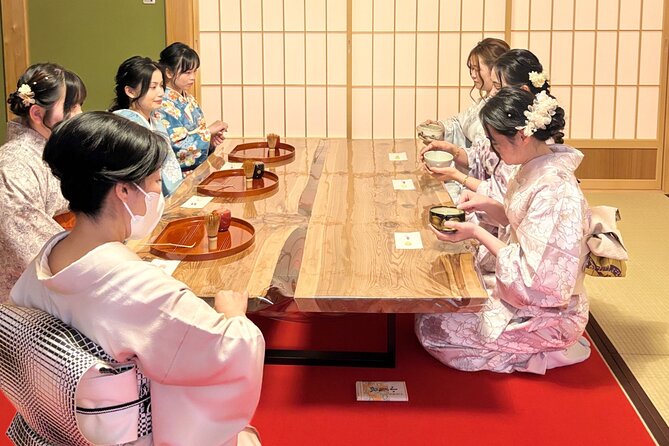
Once dressed, you head to a teahouse inside a temple near Inuyama Castle. The setting gives the tea ceremony a stronger sense of place than a modern studio would. You are close to one of Japan’s best-known castle towns, with the quiet atmosphere of a temple around you.
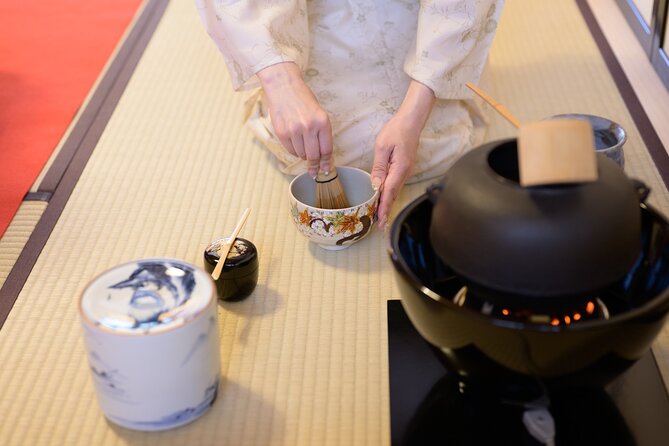
The ceremony focuses on the formal process of preparing and serving matcha. You learn that each action has a purpose, from the way the utensils are handled to the order of the movements. This is the point where the activity shifts from dressing up for photographs to learning about a living cultural practice.
The instructor provides guidance throughout the session. The available information does not give the teacher’s name, and the activity is not presented as a lecture by a named specialist. Still, the teaching style is described as patient and gentle, with careful explanations and communication through demonstration when language creates a barrier.
That matters if you do not speak Japanese. One account describes receiving clear explanations despite the teacher not speaking Chinese. The process itself also helps: you can watch each step, copy the movement, and ask for help as you go.
Making matcha instead of only drinking it
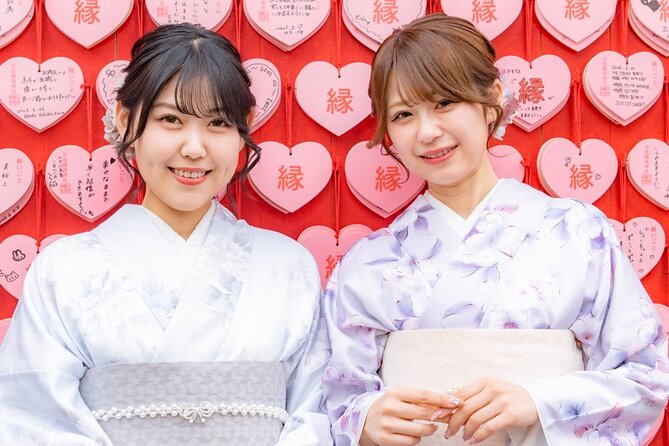
The hands-on part is the heart of the activity. You make matcha yourself, following the instructor’s directions before tasting the tea.
For a first-time participant, this makes the ceremony easier to understand. You are not expected to know the movements beforehand, and the activity is designed to guide you through them. You learn by doing, which makes the formal rules feel less distant.
The ceremony also gives you time to notice the quieter details. The movement of the utensils, the order of serving, and the care taken with each action all become part of the experience. You may find the pace surprisingly slow compared with the rest of a sightseeing day.
The tea itself is not presented as a luxury tasting menu. This is a cultural lesson with a drink at its center. Matcha has a distinct bitter taste, so it may not suit everyone. The value lies in understanding how it is prepared and served, not simply in expecting a sweet beverage.
The instructor also explains the meaning behind the steps. That feature is especially useful for anyone who wants context rather than a costume-and-photo package. You leave with a better sense of why the ceremony follows such a careful pattern.
More Tea Ceremonies in Japan:
- Kyoto: Tea Ceremony in a Traditional Tea House in Kiyomizu
★ 4.9 · 3,519 reviews - Kyoto: Tea Ceremony Ju-An at Jotokuji Temple
★ 4.9 · 3,207 reviews - Kyoto: 45-Minute Tea Ceremony Lesson Experience
★ 4.3 · 2,378 reviews - Osaka: Tea Ceremony Experience
★ 4.9 · 1,426 reviews
A peaceful contrast to ordinary sightseeing
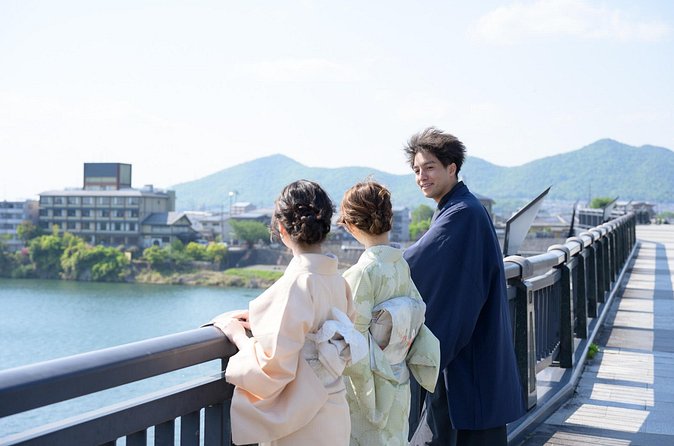
I like the change of pace here. Castle towns can become busy, and sightseeing often encourages you to keep moving. The tea room asks you to sit still and pay attention.
The setting is also suitable for people who want a quieter cultural activity. You do not need to perform for a large audience. This is a private tour, so only your own group participates. A group of eight has taken part together, which suggests the format can work for a larger family or friend group, subject to availability.
The private arrangement is helpful if your group includes people with different levels of experience. A first-timer can ask questions without feeling like the whole room is waiting. Someone who has attended a tea ceremony before can focus on the details of the process.
There is one physical consideration. The tea ceremony may involve formal sitting and traditional postures, though one account specifically notes that participants were not forced to sit on their knees. If you have concerns about sitting positions, ask the provider before booking so you know what to expect.
Using the kimono after the ceremony
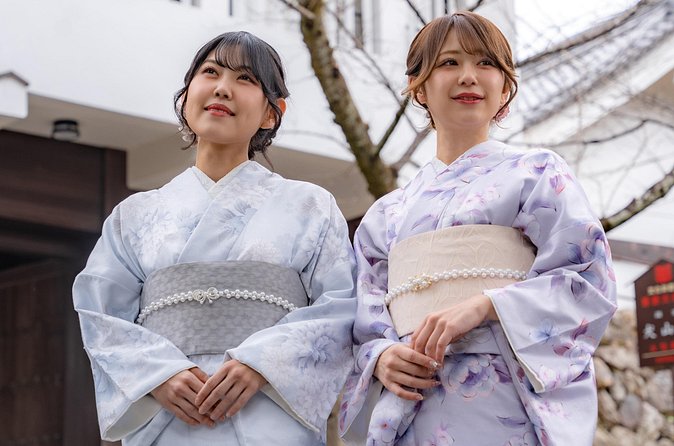
The rental is not limited to the scheduled tea session. Afterward, you can walk around Inuyama Castle and the surrounding historic streets while still dressed in the kimono.
That extra time is a major part of the value. A two-and-a-half-hour activity can feel short, but the clothing continues to serve your day after the formal program ends. You can take photographs, visit the castle area, and stop for local food without arranging a separate costume rental.
The town also gives you more to do than simply return to the station. You can use the rest of the rental period for a relaxed walk through the castle district. The activity description specifically points to local gourmet food, so plan to leave room for a meal or snacks.
Keep your expectations sensible. The kimono makes the walk more memorable, but it may also make long distances less comfortable. You will enjoy the afternoon more if you choose a manageable route and avoid packing too many attractions into the remaining hours.
The end point is back at Inuyama Komachi, but the rental continues for the day. Confirm the return time and any clothing rules with the provider, since the supplied details only state that the rental is for the day.
Is $97.98 a fair price?
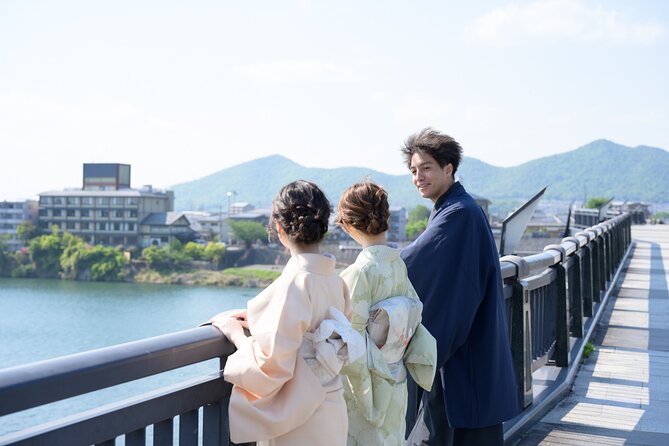
At $97.98 per person, this is not the cheapest way to sample Japanese culture. It combines two paid services, though: kimono rental and a tea ceremony with matcha preparation. The day-long use of the kimono adds more value than a short dressing session alone.
I think the price makes the most sense if you plan to use the kimono after the tea ceremony. If you dress up only for the scheduled portion and then return the clothing, you are leaving part of the package unused.
The private format also helps justify the cost for couples, families, and small groups who want a focused experience. You are not joining a large crowd or watching a demonstration from the back of a room. At the same time, the price does not include transport to Inuyama, accessories, or hair styling.
Budget these additions carefully:
- Kimono rental and tea ceremony are included.
- Accessories cost ¥550 per person.
- Hair styling costs ¥2,200 per person.
- Transportation to the meeting point is not included.
- Food, castle admission, and other sightseeing costs are not listed as included.
The activity is best viewed as a cultural centerpiece for an Inuyama day, not as a cheap standalone attraction. Pair it with a visit to the castle town and you get more from the expense.
Timing, transport, and group size
The start time is 11 a.m., which gives you a clear morning plan. You can arrive in Inuyama, find the shop, and begin the activity without needing an early start. The trade-off is that you have less flexibility than you would with a self-guided rental.
The meeting point is near public transportation, but transport costs are separate. Allow enough time to reach いぬやま小町 at 213 Nishikoken, Aichi 484-0081. Your confirmation is sent within 48 hours, subject to availability.
Because the activity is private, your group controls the pace within the limits of the scheduled program. That does not mean the start time is flexible. The listing gives 11 a.m. as the start, so contact the provider if your arrival plans are tight.
The experience requires a minimum number of participants. If the provider cancels because that minimum is not reached, you are offered another date or experience, or a full refund. You can cancel for a full refund if you do so at least 24 hours before the local start time. Changes or cancellations inside that 24-hour window are not accepted.
Who will enjoy this most
I would recommend this experience to you if you want culture with some participation built in. You will get more from it if you are curious about the meaning behind tea ceremony movements, rather than looking only for a costume photo.
It suits couples, families, and small groups particularly well. The private setup allows your own group to share the lesson, and the kimono rental gives you a common activity to continue afterward.
It is also a good choice if Kyoto is not on your route. The setting offers a quieter, castle-town version of a traditional Japanese experience. You get a temple teahouse, matcha, and formal dress without needing to make this a full-day trip to a major city.
I would hesitate if your schedule is very tight, if you dislike formal sitting, or if you want a fast-paced tour with lots of sightseeing stops. The experience asks you to slow down, follow instructions, and give the ceremony your attention.
My booking advice
Book this if you want to combine an organized cultural lesson with free time in a historic town. The strongest feature is the connection between the two parts: you dress in the castle district, learn to make matcha near Inuyama Castle, then keep the kimono for the rest of the day.
Before booking, check the available kimono choices, the fitting process, the return time, and whether your group wants hair styling or accessories. Also check how you will reach the meeting point, since transport is not included.
For a first Japanese tea ceremony, this is a sensible format. You receive clear step-by-step instruction, take part in the preparation, and have room to enjoy Inuyama afterward. For experienced visitors, the value comes from returning to the formal process in a calm temple setting.
FAQ
Where does the kimono and tea ceremony experience begin?
It begins at Inuyama Komachi at 213 Nishikoken, Inuyama, Aichi 484-0081. The activity ends back at the same meeting point.
What time does the experience start?
The stated start time is 11 a.m.
How long does the scheduled activity last?
The experience lasts approximately two hours and 30 minutes.
Is the kimono rental included in the price?
Yes. The price includes kimono rental and the tea ceremony experience. The rental is for the day, so you can continue exploring Inuyama after the ceremony.
Can I make matcha myself?
Yes. The tea ceremony includes instruction so you can prepare matcha yourself and then enjoy it in the teahouse.
Are hair styling and accessories included?
No. Accessories cost ¥550 per person, and a hair set costs ¥2,200 per person. Transportation to the meeting point is also not included.
Newly steeped around Japan
- Yokohama : Tea Ceremony with Sweets and Souvenir★ 5.0 · 5 reviews
- Whisk Your Own Matcha: A Zen Matcha Experience at Temple★ 3.6 · 7 reviews
- Walking Tour: Yanaka,Nezu& Sendagi: Tea Ceremony & Old Tokyo★ 5.0 · 3 reviews
- Visit local home for music and tea ceremony near Disney★ 4.9 · 13 reviews
- Trip to Kamakura & Enoshima: Shrines, Seaside, Temples &Tea★ 5.0 · 11 reviews
- Yokohama: Sushi & Gyoza Cooking with Matcha & GreenTea Experience★ 5.0 · 3 reviews
- Kyoto tea town for matcha lovers★ 5.0 · 16 reviews
- Uji: Private immersion into Kyoto’s tea and reglious culture★ 5.0 · 17 reviews
Kimono & Tea Ceremony, compared.


KYOTO Tea Ceremony with kimono near by Imamiya Jinjya Shrine
Read our review →
Kyoto: Kimono and Tea Ceremony Experience at Cultural Asset
Read our review →
Kyoto: Kimono Tea Ceremony with Matcha and Sweet
Read our review →
Tokyo: Asakusa Kimono Dressing and Matcha Experience
Read our review →Browse the lists this tea experience appears in