
Review · KYOTO
Kimono Tea Ceremony at Kyoto Maikoya, Karasuma Shijo
The most memorable part of this Kyoto experience is the change of pace. You arrive in ordinary sightseeing clothes, then staff help you choose a kimono, arrange your hair, and settle into a tatami room for a matcha ceremony. I like the hands-on tea preparation, and I like that the clothing and simple hairstyle are included rather than treated as costly extras.
I also like the friendly teaching style, with hosts such as Yuki and Miki praised for clear English, humor, and patience. The main drawback is that the schedule can feel brisk, and sitting on the floor may be difficult for some people. Group size also deserves a check, since bookings made through different outlets may be combined.
Key details before you book
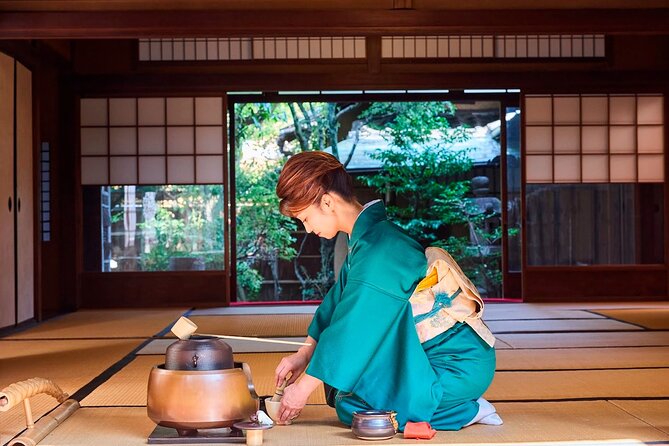
- You make your own matcha: The tea master guides you through whisking your bowl, not just watching a demonstration.
- Kimono dressing is part of the experience: Staff help with the kimono, shoes, bag, and simple hairstyling.
- The ceremony lasts about 90 minutes: Plan extra time if you want to walk from Kyoto Station, which one booking party estimated at about 25 minutes.
- The setting is traditional: Expect a tatami room, careful movements, tea utensils, Japanese sweets, and lessons in etiquette.
- The listed price is $65.39 per person: That covers the kimono, hairstyling, tea, utensils, and snacks, but not transportation.
- Children under six cannot attend: Tripods are not allowed, and photos or videos must follow the tea master’s instructions.
Choosing a Kyoto tea ceremony with a kimono
Kyoto offers many ways to encounter matcha, from a quick cup at a café to a formal ceremony with prescribed gestures. This Maikoya experience sits in the middle. It is designed for visitors who want cultural context and a chance to participate, but who do not need a long, highly formal study of tea practice.
The combination matters. A kimono changes how you move and sit, and that makes the ceremony feel different from simply drinking matcha at a café. You learn to handle the bowl, observe the host’s movements, and pay attention to small acts of courtesy.
I would choose this activity if you want one compact introduction to two Japanese traditions. It works especially well for couples, families with older children, solo visitors, and friends looking for photographs with a clear cultural purpose. It is less suitable if you want a slow, private ceremony or if you dislike being dressed, guided through set movements, or seated on tatami.
The experience has received a 4.9 rating from 42 ratings, with 100 percent recommending it. That is a strong signal, but I would still read the practical details carefully. One person found the price high for the amount of time, and another found the transition between dressing, hair, and tea rather quick.
More Kimono and Tea Ceremonies in Kyoto
- Kimono Tea Ceremony at Kyoto Maikoya, NISHIKI
★ 5.0 · 911 reviews - Kyoto: Kimono Tea Ceremony at Orizuruya Gion
★ 4.9 · 618 reviews - KYOTO Tea Ceremony with kimono near by Imamiya Jinjya Shrine
★ 5.0 · 343 reviews
Arriving at Maikoya Karasuma Shijo
The meeting point is Kimono Tea Ceremony Maikoya Karasuma Shijo, at 220 Itoyacho in Kyoto’s Shimogyo Ward. The location is near public transportation, and the activity returns to this same point when it ends.
There is no hotel pickup or drop-off, so you need to make your own way there. The activity includes a mobile ticket, and confirmation is provided at booking. Keep the meeting address handy on your phone, especially if you are navigating Kyoto’s dense central streets.
One person described the walk from Kyoto Station as about 25 minutes. Treat that as a useful estimate rather than a fixed travel time. Kyoto walking speeds, traffic lights, weather, and luggage can change the timing. I would arrive with a cushion rather than cutting it close.
The address is in the Karasuma Shijo area, a practical base for combining the ceremony with shopping, Nishiki Market, or a walk through central Kyoto. Since the activity lasts about an hour and a half, it can fit neatly into a morning or afternoon plan.
Selecting a kimono and getting ready
The first stage is choosing from the available kimonos. Staff then help you dress, select coordinating shoes and a bag, and arrange your hair in a simple traditional style. This preparation is not an afterthought. For many people, it becomes one of the main pleasures of the day.
The styling staff are frequently praised for being kind, careful, and professional. You can expect help rather than being left to figure out layers, ties, and accessories on your own. The finished outfit also gives the tea lesson more meaning, since you are entering the room dressed for the setting.
Keep your expectations sensible. These are rental garments used for an activity, not museum-quality antique kimonos. One person felt the fabric looked somewhat flimsy, though it photographed well. That is a fair tradeoff for a short experience at this price. You get the visual effect and the chance to wear the clothing without paying for a premium private rental.
Simple hairstyling is included. The description does not promise an elaborate salon appointment, so think of it as a neat traditional touch rather than a full makeover. If your hairstyle, clothing fit, or footwear needs special attention, tell the staff early.
You should also remember that a kimono changes your stride and posture. Move carefully, especially on stairs or while taking photos. The outfit is part of the cultural experience, but it is also rental clothing, so treat it with care.
Entering the tatami room
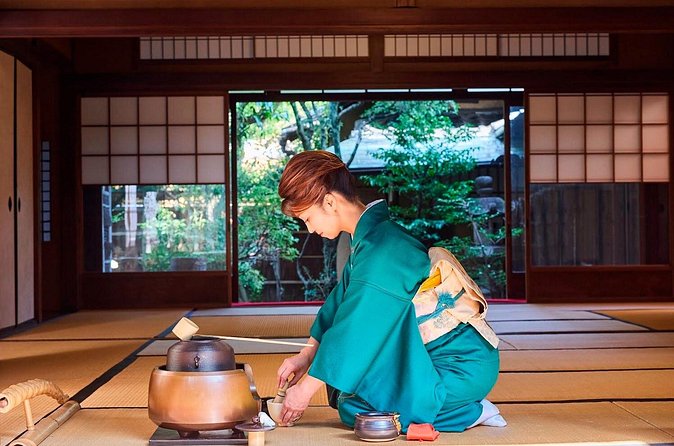
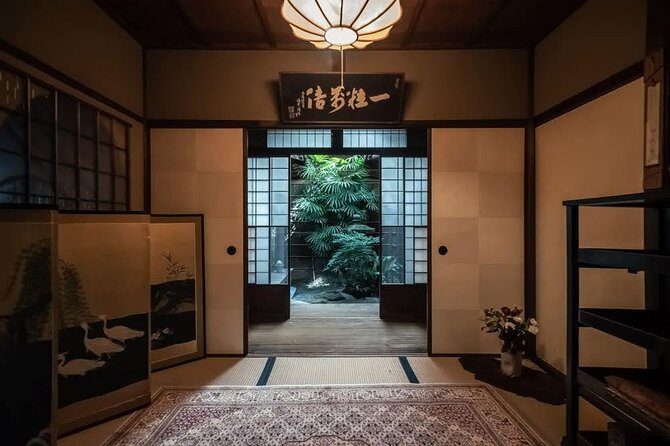
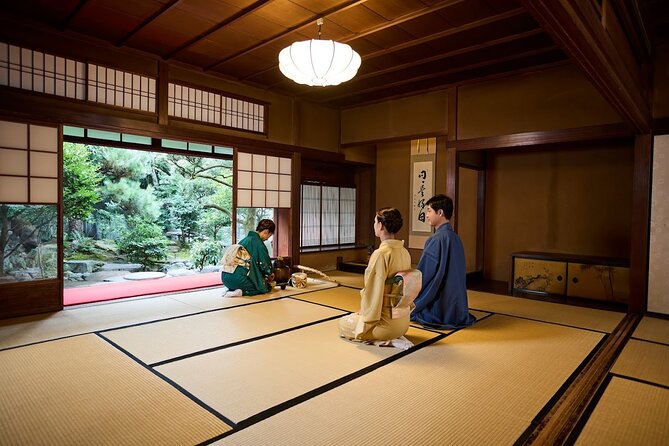
After dressing, you move into the tea ceremony space. The setting includes tatami flooring, traditional utensils, and the quiet formality that gives the ceremony its character.
The tea master explains what you are seeing, including the tools, the sequence of movements, and the meaning behind the gestures. You learn that the ceremony is not simply about making a powdered drink. It is also about attention, hospitality, respect, and the way host and visitor share a carefully ordered moment.
The explanation is designed for first-time participants. You do not need prior knowledge of matcha or Japanese etiquette. The hosts use clear guidance, and English support is available. Yuki is specifically praised for strong English and an energetic manner, while Miki is described as patient, kind, and humorous. The exact host depends on the session.
This is where the activity offers more than a costume photo opportunity. You see why the bowl is handled in a particular way, why movements are deliberate, and how the ceremony reflects older customs in Kyoto. The history lesson is part of the experience, but it does not take over the whole session.
More Tea Ceremonies in Kyoto
- Kyoto: Tea Ceremony in a Traditional Tea House in Kiyomizu
★ 4.9 · 3,519 reviews - Kyoto: Tea Ceremony Ju-An at Jotokuji Temple
★ 4.9 · 3,207 reviews - Kyoto: 45-Minute Tea Ceremony Lesson Experience
★ 4.3 · 2,378 reviews - Kyoto: Table-Style Tea Ceremony at a Kyo-Machiya
★ 4.9 · 1,211 reviews
Learning the matcha ritual
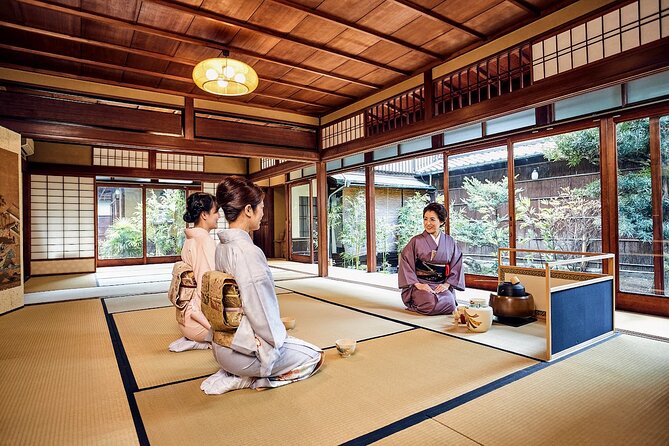
The tea master demonstrates the preparation step by step. You watch the placement of the utensils, the handling of the tea, and the movement of the whisk. Then you prepare your own bowl under guidance.
That hands-on stage is the heart of the activity. You are not expected to perform perfectly. The teacher keeps you moving through the process and explains what to do next. Making matcha yourself gives you a better feel for the focus required than simply observing a professional.
You also learn how to drink the tea properly. Etiquette can seem intimidating when described from a distance, but it becomes manageable once someone shows you the sequence. The hosts add humor and encouragement, which helps keep the ceremony welcoming rather than stiff.
The green tea is made with high-quality matcha, and traditional snacks are included. The snack gives you a small taste of the balance between bitter tea and a sweet accompaniment. If you do not usually drink matcha, you can still enjoy the dressing, explanation, and setting, though the tea itself may not be your favorite part.
Some people who do not normally drink matcha still find the activity worthwhile because the lesson is about preparation and custom as much as flavor. If you are sensitive to bitter drinks or caffeine, keep in mind that the included tea is a central part of the ceremony.
Photos, manners, and the pace of the session
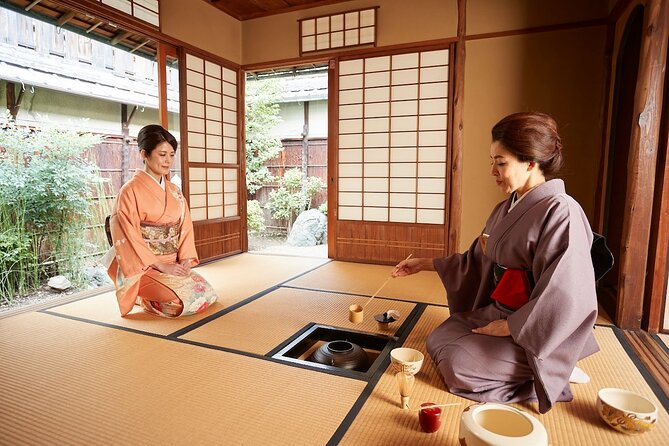
The kimono creates plenty of photo opportunities, and the experience allows photos at suitable points. You may be able to take pictures in the outfit, during the preparation, and around the tea setting.
There are clear limits. Tripods are not allowed during the ceremony, and photo or video recording may be restricted. Follow the tea master’s instructions about when it is appropriate to use your phone. The ceremony is not a photo studio, and stopping constantly can interrupt the rhythm.
This is one area where you should balance your priorities. If you want a polished set of kimono portraits, you may appreciate the time before or after the formal tea lesson. If you want an uninterrupted traditional ceremony, keep your phone away until the staff indicate that photos are acceptable.
The pace can be brisk. The sequence includes choosing clothing, dressing, hairstyling, moving to the tea room, listening to instruction, preparing matcha, drinking tea, and taking photos. One person felt the schedule moved quickly from one part to another, while other comments describe the timing as well organized.
Both impressions can be true. The compact format lets you fit the activity into a busy Kyoto day, but it also means you should not expect long periods for quiet reflection or elaborate photography.
Group size and the small-print detail
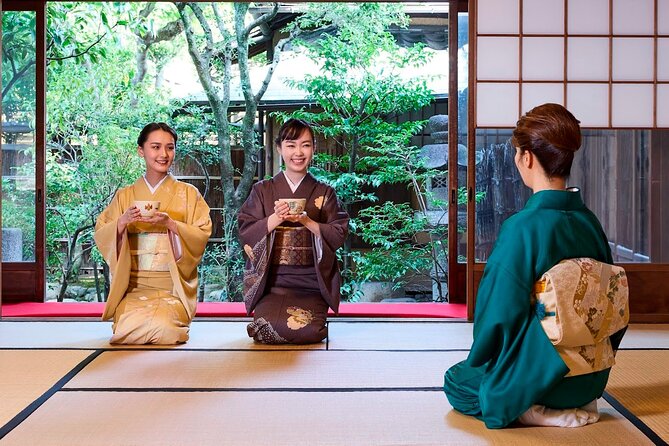
The advertised format is a maximum of four people, and a small group can make the teaching feel relaxed. With fewer people, it is easier to see the tea master’s hands, ask questions, and receive help with the whisking process.
There is an important booking detail. One booking channel allows a maximum of four people, but the provider also accepts bookings through other sites, and those reservations can affect the total number in a session. One booking party was placed with a larger group than expected and had the situation corrected.
I would confirm the group arrangement directly if a private or very small session is important to you. Do not assume that a four-person booking automatically means only four people in the room. The stated maximum is useful, but the booking source and combined reservations matter.
A larger group does not ruin the ceremony, but it changes the feel. You may spend more time waiting for others and have less individual attention. A small group is especially valuable for solo participants or anyone nervous about getting the etiquette wrong.
Is $65.39 a fair price?
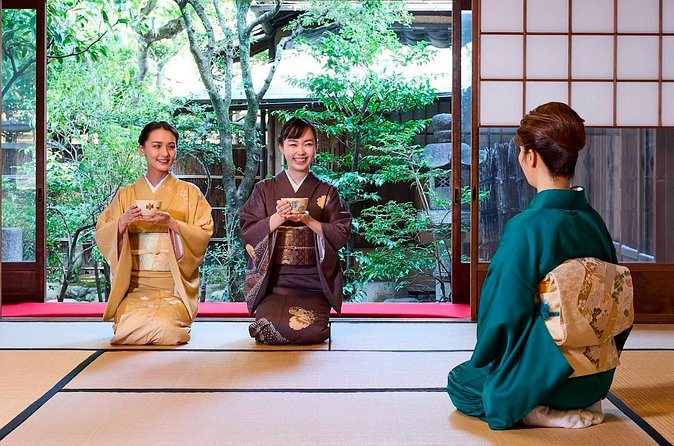
The price is $65.39 per person. That includes the kimono costume, simple hairstyling, tea, utensils, and snacks. Transportation and hotel transfers are not included.
I think the value depends on what you want from the outing. If you compare it with a quick matcha drink, the price is high. If you compare it with paying separately for kimono rental, hairstyling, a cultural explanation, a teacher, a traditional room, tea utensils, and snacks, the package makes more sense.
The strongest value comes from the combination. You receive clothing and a cultural lesson in one booking, without needing to arrange a separate rental appointment. The staff also handle the dressing, which saves time and avoids confusion.
The weaker value is time. At about 90 minutes, the activity is compact. Someone seeking a very formal or extended tea study may feel the price is steep. You are paying for an organized introduction and a memorable setting, not an advanced course in tea ceremony.
For many first-time visitors to Kyoto, that is a reasonable exchange. You get a clear cultural activity that fits around sightseeing and produces more than a standard meal or photo stop. Just book it for the experience itself, not only for the costume.
Who will enjoy this most?
I would recommend it to:
- First-time visitors who want an accessible introduction to matcha etiquette
- Families with children aged six or older
- Couples and friends who enjoy dressing up and taking photos
- Solo participants who want structured guidance
- Anyone curious about Kyoto customs but short on time
- People who want to make tea themselves instead of only watching
It may not suit you if you have difficulty sitting on the floor. Small chairs may be available without removing you from the ceremony, but this should not be treated as a guaranteed comfort feature.
Children under six are not permitted. The experience also requires patience with dressing, careful movement in a kimono, and respect for instructions about photography.
Booking, cancellation, and practical planning
You can cancel for a full refund if you do so at least 24 hours before the local start time. Cancellations or changes made within 24 hours are not accepted for a refund.
Allow time to find the meeting point and arrive ready for a scheduled activity. Since there is no transportation service, plan your route before leaving. A mobile ticket is accepted, and booking confirmation is provided at the time of reservation.
Wear something that makes changing convenient. The activity does not state a dress code, but you will be putting on a kimono, so simple layers are likely easier than complicated clothing. The staff will handle the traditional outfit and hairstyle.
Should you book the Maikoya tea ceremony?
Book this experience if you want a friendly, well-organized introduction to Kyoto culture that combines kimono dressing with a real matcha lesson. The best parts are the hands-on preparation, the careful dressing process, the clear etiquette instruction, and the chance to enjoy tea with traditional snacks.
Think twice if you want a private ceremony, a slow pace, or luxury-quality kimono rental. Confirm the expected group size, accept that the schedule may move quickly, and remember that sitting on tatami can be demanding.
For most people who want one manageable cultural activity in central Kyoto, I consider the $65.39 price reasonable. You leave with more than a photograph. You understand a little of why the tea ceremony is shaped by patience, precision, and hospitality.
FAQ
How long does the Kimono Tea Ceremony at Kyoto Maikoya last?
The experience lasts approximately 1 hour and 30 minutes.
Where does the activity start and end?
It starts at Kimono Tea Ceremony Maikoya Karasuma Shijo, 220 Itoyacho, Shimogyo Ward, Kyoto, 600-8432, Japan. It ends back at the same meeting point.
What is included in the price?
The price includes a kimono costume, simple hairstyling, green tea, tea utensils, and snacks.
Is transportation included?
No. Transportation and hotel pickup and drop-off are not included.
Are children allowed to attend?
Children under six are not permitted to take part. Children aged six or older can attend, subject to the booking arrangements.
Can I take photos during the ceremony?
Photos and videos may be limited. You must follow the tea master’s instructions about suitable times and manners. Tripods are not allowed during the ceremony.
How many people can join the activity?
The activity information states a maximum of four people, but bookings through different sites may be combined. Confirm the group arrangement if this is important to you.
Do I need previous knowledge of tea ceremony customs?
No. The tea master explains the tools, movements, etiquette, history, and preparation steps for first-time participants.
What is the cancellation policy?
You can cancel up to 24 hours before the local start time for a full refund. Cancellations or changes made less than 24 hours before the start time are not refunded or accepted.
Newly steeped around Kyoto
- Whisk Your Own Matcha: A Zen Matcha Experience at Temple★ 3.6 · 7 reviews
- Kyoto: Authentic Tea Ceremony in a Small Group★ 5.0 · 7 reviews
- Tea ceremony at Kyoto’s Zen Temple Teahouse★ 5.0 · 2 reviews
- Uji Walking Tour – Byodo-in temple and Tea Ceremony from Kyoto★ 3.5 · 3 reviews
- Tea Ceremony Experience in Traditional Kyoto Townhouse★ 5.0 · 19 reviews
- Tea Ceremony in 150 Years Old Townhouse with Tables and Chairs★ 5.0 · 22 reviews
- Sencha-do the Japanese Tea Ceremony Workshop in Kyoto★ 5.0 · 21 reviews
- Silent Beauty of Kyoto Zen Walk and Tea Experience★ 5.0 · 2 reviews
Kimono & Tea Ceremony, compared.


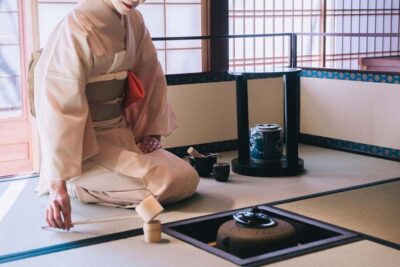
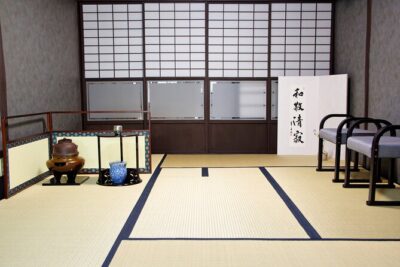
KYOTO Tea Ceremony with kimono near by Imamiya Jinjya Shrine
Read our review →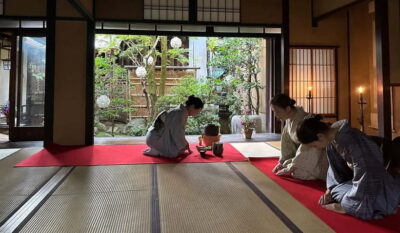
Kyoto: Kimono and Tea Ceremony Experience at Cultural Asset
Read our review →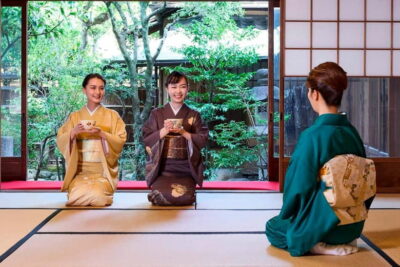
Kyoto: Kimono Tea Ceremony with Matcha and Sweet
Read our review →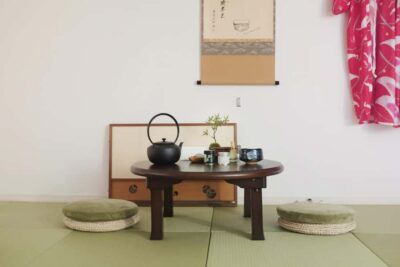
Tokyo: Asakusa Kimono Dressing and Matcha Experience
Read our review →Browse the lists this tea experience appears in