
Review · KYOTO
Kyoto: Shakyo & Matcha in Historic Temple Garden
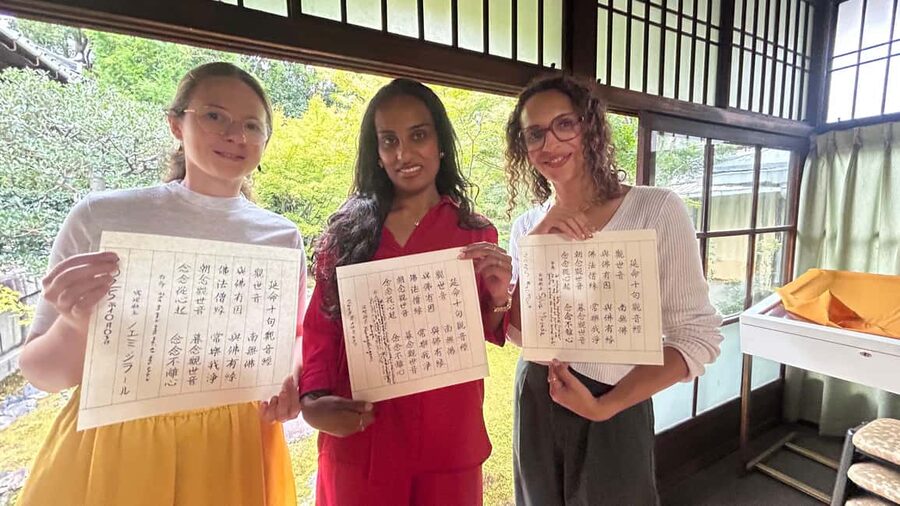
Copying a Buddhist sutra by hand in a quiet Kyoto temple is the heart of this experience. You sit with brush, paper, incense, birdsong, and little else to pull your attention away. Afterward, matcha and seasonal wagashi give you a pleasant reward while you look across the garden.
I like the slow pace and the way the activity gets you beyond quick temple photographs. I also like the small group of up to 10, which should make it easier to hear the English-speaking guide and settle into the room. The main drawback is practical: shakyo can take 60 to 90 minutes while sitting quietly, so it is not a good fit for young children or anyone who finds floor seating difficult.
Key points
- Sutra copying takes 60 to 90 minutes, with brushes, paper, and ink supplied.
- Matcha and seasonal wagashi follow the writing session in a garden setting.
- Sennyu-ji is an Important Cultural Property, adding real historical weight to the visit.
- The meeting point is easy to identify, at the East Gate of Keihan Station, with a guide carrying a yellow fluorescent band on their bag.
- The full outing lasts 150 minutes, including 15-minute walks each way from Tofukuji Station.
- The group is limited to 10 people, but the activity is not suitable for children under 10, wheelchair users, or people with mobility impairments.
Why this Kyoto experience feels different
Kyoto offers plenty of temples where you can walk through a gate, take a few pictures, and move on. This outing asks you to stay put. At Sennyu-ji, you spend much of your time practicing shakyo, the Buddhist tradition of copying sutras by hand.
That change in pace matters. You are not simply looking at a religious site from the outside. You are given a quiet task that requires care and patience. The goal is not beautiful calligraphy. It is concentration, one character at a time.
The setting helps. The session takes place in a peaceful temple space with incense in the air and natural sounds around you. You may hear birdsong rather than a running commentary, which is a welcome change after busy sightseeing streets and packed attraction schedules.
I see this as a useful counterweight to a full Kyoto itinerary. If your days are filled with markets, trains, shrines, and long walks, two and a half hours of stillness can feel less like another sightseeing stop and more like a reset.
More Matcha Experiences in Kyoto
- Kyoto: Arashiyama Bamboo Forest, Monkeys, Matcha & Temple Tour
★ 5.0 · 759 reviews - Kyoto: Tea Ceremony Meditation – Make Matcha with Tea Master
★ 4.8 · 406 reviews - Kyoto: Kimono Tea Ceremony with Matcha and Sweet
★ 4.9 · 249 reviews
Meeting at Tofukuji Station
The experience begins at the East Gate of Keihan Station, near Tofukuji Station. Look for the guide with a yellow fluorescent band on their bag. That small identifying detail is useful in a busy station area, especially if you are arriving by train and have only a short time to find the group.
From the meeting point, you walk for about 15 minutes to Sennyu-ji. This is not a long transfer, but comfortable shoes still make sense. The walk is part of the timing, so arrive ready to move rather than treating the station as the final destination.
The route gives you a gradual change from transport hub to temple district. The experience does not include a private vehicle, and the supplied details do not promise a scenic route at every step. The key point is that the temple is reached on foot, so allow enough time to find the meeting point and join the group promptly.
Large bags, luggage, baby strollers, and baby carriages are not allowed. Pets are also not permitted. Pack lightly, and leave suitcases at your accommodation or another suitable storage point before you meet the guide.
Entering Sennyu-ji, an Important Cultural Property
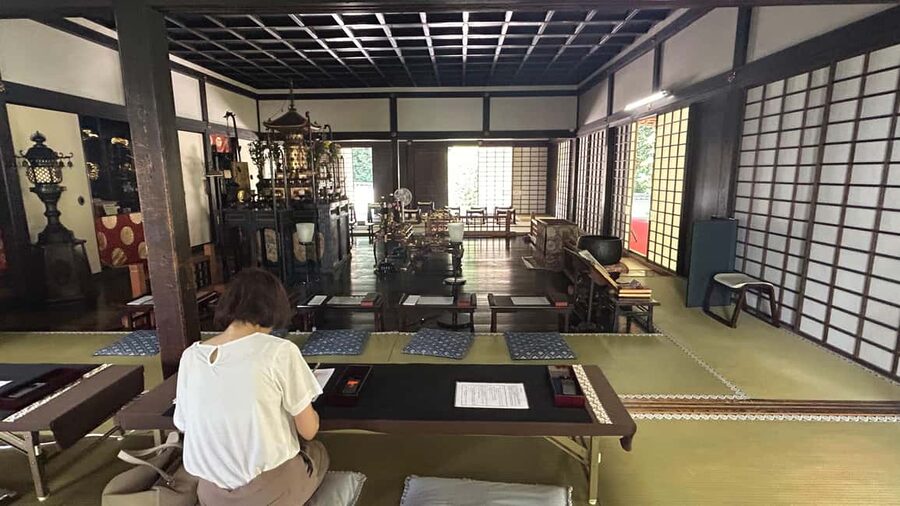
Sennyu-ji is the main destination, and the temple visit lasts about two hours. The time includes a guided visit, sightseeing, scenic views, the shakyo class, and the matcha service.
The temple is designated as an Important Cultural Property. That status helps explain why this is more than a convenient room hired for a craft lesson. You are practicing a Buddhist tradition inside a place with a long connection to Kyoto’s religious and cultural life.
Your English-speaking guide provides context about the temple, Buddhist culture, and Kyoto’s past. That background can make the activity easier to understand. Without it, copying a sutra might feel like a pleasant art exercise. With it, you can see why the act is done slowly, respectfully, and with attention.
Photography may be limited inside some temple areas. That is worth knowing before you arrive. You will have opportunities to enjoy the setting, but this is not a photo-first tour. Put your phone away when asked and let the quiet do some of the work.
The shakyo session, brush by brush
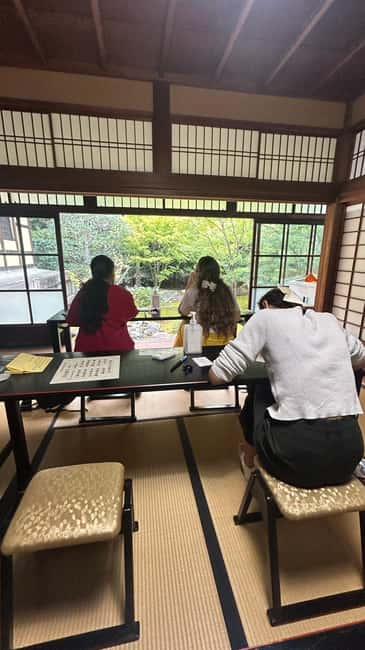
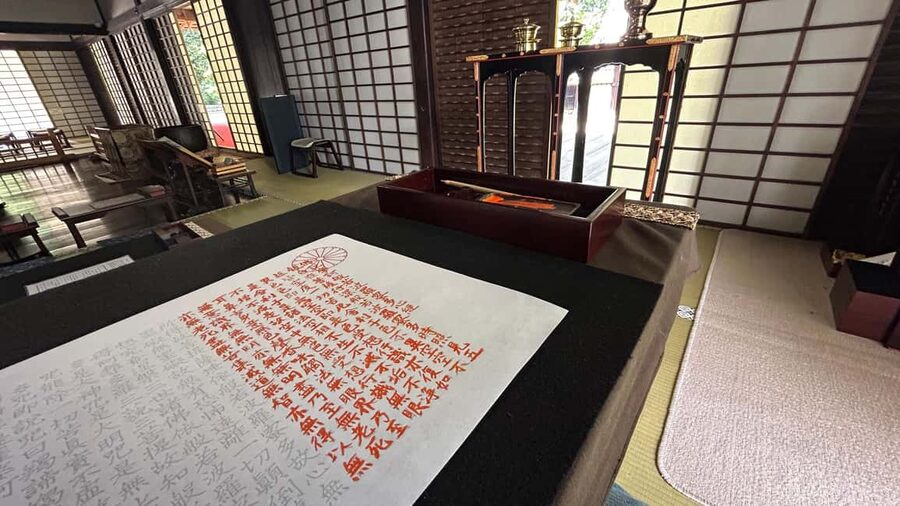
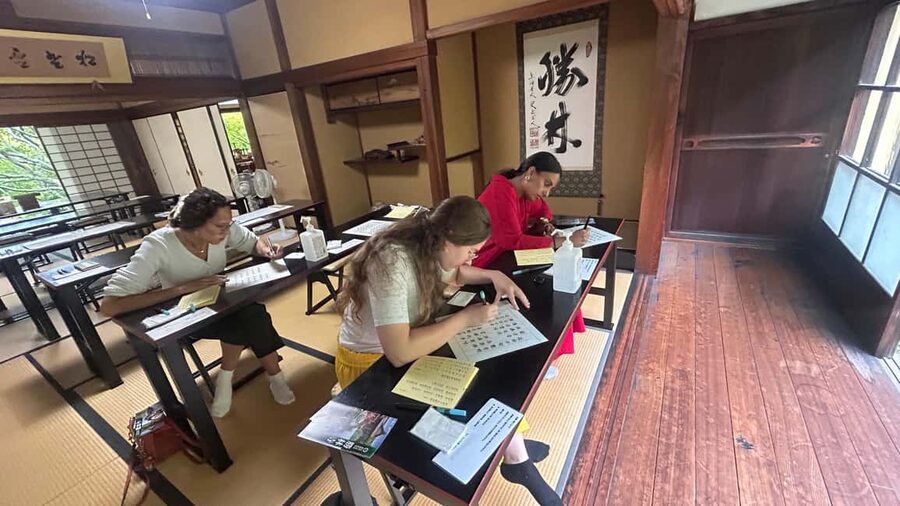
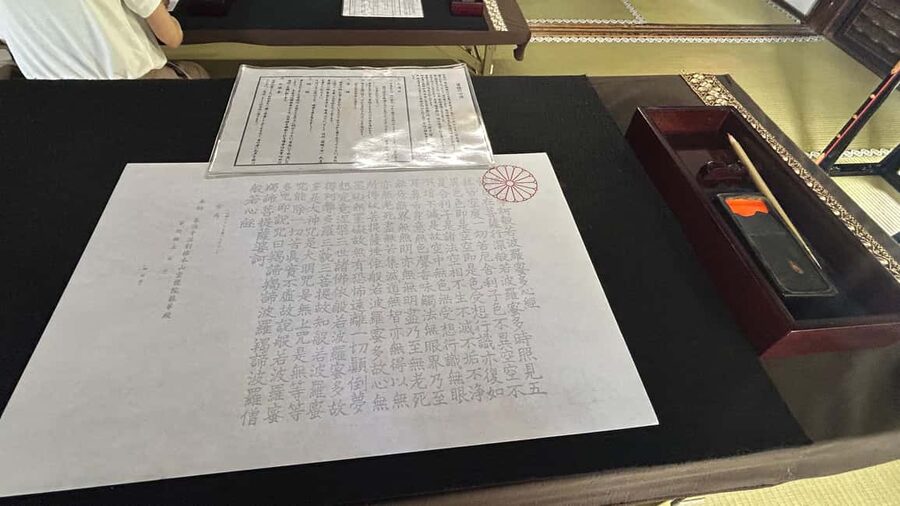
Shakyo is the central activity. You copy a Buddhist sutra using brushes, paper, and ink provided by the organizers. No materials are listed for you to bring, which keeps the preparation simple.
The writing session usually lasts 60 to 90 minutes. Your speed affects the timing, so the exact length is not fixed. If you write carefully and slowly, expect to use most of that window. If you work more quickly, you may finish sooner, but the point is not to race.
You sit in a cozy, quiet space and work through the text. Incense and natural sounds help create a focused mood. This is the kind of activity where small interruptions feel larger than usual, so you should be comfortable with a period of silence and limited conversation.
I would wear loose, comfortable clothing. The instructions specifically recommend clothes suitable for sitting quietly, and that advice deserves attention. A temple session is not the place for stiff travel clothes or anything that makes sitting uncomfortable.
You do not need to arrive with calligraphy experience. The activity is presented as a guided shakyo session, with the required tools supplied. Still, it is worth setting realistic expectations. You are not signing up for a formal Japanese calligraphy course with extensive technical training. You are taking part in a meditative Buddhist practice, using brush and ink as a way to focus.
That distinction makes the session appealing to some people and less appealing to others. If you want a hands-on cultural activity with a calm rhythm, this is a strong choice. If you prefer constant movement, a packed schedule, or an activity designed around polished results, you may find the pace demanding.
Same leaf, a different ritual:
- Kyoto: Tea Ceremony in a Traditional Tea House in Kiyomizu
★ 4.9 · 3,519 reviews - Kyoto: Tea Ceremony Ju-An at Jotokuji Temple
★ 4.9 · 3,207 reviews - Kyoto: 45-Minute Tea Ceremony Lesson Experience
★ 4.3 · 2,378 reviews - Kyoto: Table-Style Tea Ceremony at a Kyo-Machiya
★ 4.9 · 1,211 reviews
Matcha, wagashi, and a garden view
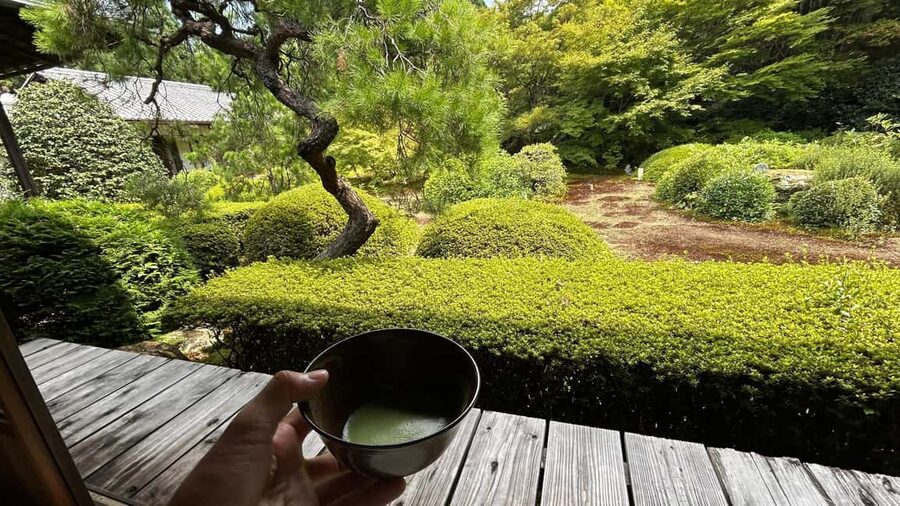
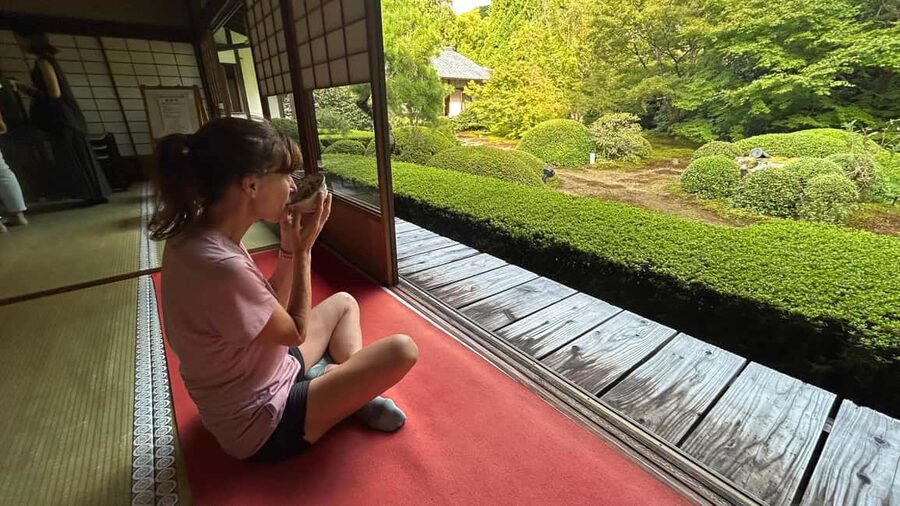
After the writing session, you receive freshly prepared matcha green tea and seasonal wagashi. The sweets may change with the time of year, so you should expect variety rather than one fixed item.
The pairing is simple but well judged. Matcha has a distinct, slightly bitter taste, and wagashi offers a sweet contrast. This is not presented as a full meal, so plan lunch or dinner separately. Think of it as a traditional refreshment after the more concentrated part of the visit.
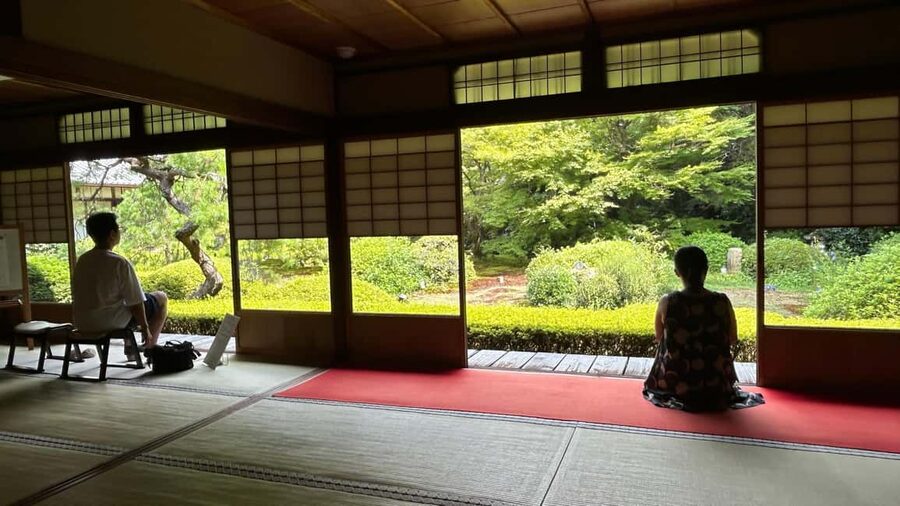
You enjoy the tea while looking toward a carefully designed Japanese garden. The garden adds another layer to the activity because it gives you something quiet to observe after focusing on the brush. Rather than rushing straight back into Kyoto’s streets, you have time to let the visit settle.
The garden is not just a background for photographs. It supports the mood of the session. Japanese garden design often uses carefully arranged plants, stones, water, and open space to create balance. The supplied details do not specify every feature at Sennyu-ji, so I would not arrive expecting a particular pond, bridge, or seasonal display. Go for the overall view and the chance to sit calmly with tea.
What the guide adds
The tour includes a live English-speaking guide and a guided visit to the temple. The guide explains the religious and cultural setting, which is especially helpful if you are new to Buddhist customs or unsure how to approach shakyo respectfully.
The group size is limited to 10 people. That is small enough to make a meaningful difference. Instructions should be easier to follow, questions should be less awkward, and the group is less likely to overwhelm the quiet temple setting.
One useful detail comes from the way the experience has been described by past participants: the guide may also offer ideas for planning the rest of your day in Kyoto. That help is not listed as a formal itinerary item, so I would not book solely for personal sightseeing advice. Still, it can be a nice practical bonus if you want suggestions after the activity.
The available feedback is especially strong on the guide’s calm manner and cultural explanations. That matches the structure of the experience. A loud, rushed guide would work against the purpose here, while a steady guide can help you understand both the place and the practice.
Is $35 a fair price?
At $35 per person, this is reasonably priced for a 150-minute cultural activity in Kyoto. The fee includes temple admission, the guided visit, the shakyo materials, matcha, and seasonal wagashi.
The value comes from the combination rather than from any single item. Temple admission alone would not create the same experience. A cup of matcha and a sweet would be cheaper on their own. What you are paying for is access, instruction, cultural context, and a structured period of calm in a historic temple.
The small group also helps justify the price. A group of up to 10 people is more personal than a large guided walk, and the activity requires someone to organize materials and explain the practice.
I would compare it with what else you want from Kyoto. If your priority is seeing as many major sights as possible, two and a half hours may feel like a large block of time. If you value quiet cultural experiences and want something more reflective than a standard temple visit, the cost is fair.
The booking terms add useful flexibility. You can cancel up to 24 hours before the start for a full refund, and you can reserve now and pay later. Starting times vary, so check availability for your preferred day.
Who should book this experience?
This activity suits adults and older children who can sit quietly, follow instructions, and respect a sacred setting. The minimum age is 10, so families with younger children need another plan.
I would recommend it to you if you want:
- A quiet break from a busy Kyoto schedule
- A hands-on Buddhist tradition rather than only sightseeing
- A small-group activity with an English-speaking guide
- Matcha and seasonal Japanese sweets in a temple setting
- A calm garden view and time for reflection
- Cultural background that helps explain what you are doing
It is less suitable if you have mobility limitations or use a wheelchair. Wheelchair users and people with mobility impairments are specifically excluded, and the activity requires sitting quietly for a substantial period.
It is also a poor match for anyone carrying large luggage. Leave bags behind before meeting the group. And if you dislike incense, silence, or careful brushwork, the main session may feel long.
Practical ways to enjoy the 150 minutes
Arrive early enough to locate the East Gate of Keihan Station without rushing. The yellow fluorescent band on the guide’s bag is your key marker.
Wear comfortable clothes that allow you to sit quietly for 60 to 90 minutes. Avoid planning a tight connection immediately after the activity, since the writing pace varies and the total schedule includes walking time.
Keep your camera and phone use modest. Photography may be restricted in some temple areas, and the atmosphere depends on everyone treating the space with care.
Do not expect the matcha and wagashi to replace a meal. They are a traditional refreshment, and the sweets vary by season.
Finally, give yourself permission not to produce perfect writing. The value is in the process: slowing your breathing, keeping your attention on the brush, and taking part in a practice that has shaped Buddhist culture for centuries.
Should you book Sennyu-ji shakyo and matcha?
I would book this if you want Kyoto to feel more personal and less like a checklist. The strongest parts are the quiet shakyo session, the small group, the garden setting, and the guide’s cultural explanations. The combination gives you a real chance to pause and pay attention.
I would skip it if your mobility needs make temple access difficult, if you are traveling with children under 10, or if you want a fast-moving tour with many sights. The 60 to 90 minutes of brushwork is the make-or-break detail.
For the right person, $35 buys more than tea and admission. It buys time, guidance, and a respectful way to meet Kyoto’s Buddhist traditions.
FAQ
Where does the experience meet?
Meet at the East Gate of Keihan Station near Tofukuji Station. The guide carries a yellow fluorescent band on their bag for identification.
How long does the experience last?
The full experience lasts 150 minutes. It includes a 15-minute walk to Sennyu-ji, about two hours at the temple, and a 15-minute walk back to Tofukuji Station.
How long is the shakyo session?
The sutra-copying session usually takes 60 to 90 minutes, depending on your writing speed.
Are shakyo materials provided?
Yes. Brushes, paper, and ink are provided for the session.
Is matcha included?
Yes. Freshly prepared matcha green tea and seasonal wagashi are included.
What language is the tour conducted in?
The experience includes a live English-speaking guide.
Can children join?
Children under 10 are not allowed to join this experience.
Is the activity accessible for wheelchair users?
No. The activity is not suitable for wheelchair users or people with mobility impairments. Electric wheelchairs are also not permitted.
Can I cancel my booking?
You can cancel up to 24 hours in advance for a full refund. You can also reserve now and pay later.
More Heritage Visits with Tea around Kyoto
- Cycling Tour at Uji’s Matcha Green Tea Fields and Heritage
★ 5.0 · 10 reviews - World Heritage Kyoto & Nara Uji Authentic Matcha Experience
★ 5.0 · 1,573 reviews - Beijing Culture: Tea Ceremony, Heritage Instrument & Calligraphy
★ 5.0 · 57 reviews - Uji: UNESCO Heritage & Tea Ceremony Walking Tour
★ 4.6 · 54 reviews
Newly steeped around Kyoto
- Whisk Your Own Matcha: A Zen Matcha Experience at Temple★ 3.6 · 7 reviews
- Kyoto: Authentic Tea Ceremony in a Small Group★ 5.0 · 7 reviews
- Tea ceremony at Kyoto’s Zen Temple Teahouse★ 5.0 · 2 reviews
- Uji Walking Tour – Byodo-in temple and Tea Ceremony from Kyoto★ 3.5 · 3 reviews
- Tea Ceremony Experience in Traditional Kyoto Townhouse★ 5.0 · 19 reviews
- Tea Ceremony in 150 Years Old Townhouse with Tables and Chairs★ 5.0 · 22 reviews
- Traditional Tea Ceremony in Kyoto★ 4.5 · 3 reviews
- Sencha-do the Japanese Tea Ceremony Workshop in Kyoto★ 5.0 · 21 reviews
Matcha Experiences, compared.
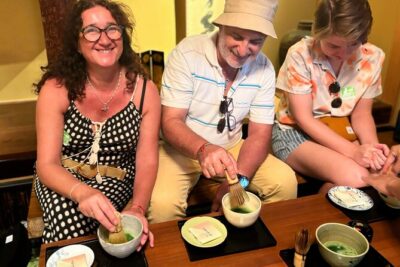
World Heritage Kyoto & Nara Uji Authentic Matcha Experience
Read our review →
Matcha Making Class in Tokyo with Authentic Japanese Sweets Set
Read our review →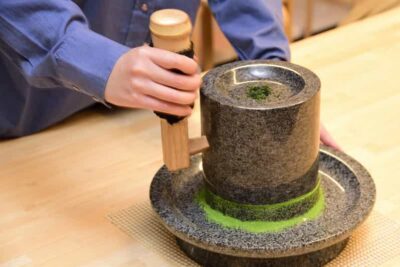
Kyoto: Tea Museum Tickets and Matcha Grinding Experience
Read our review →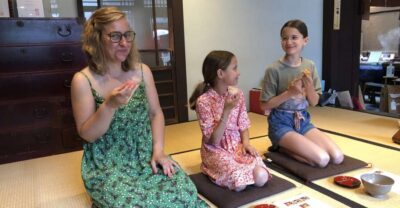
Kyoto: Tea Ceremony Meditation – Make Matcha with Tea Master
Read our review →
Tokyo: Matcha Making Experience with Mochi Sweets in Asakusa
Read our review →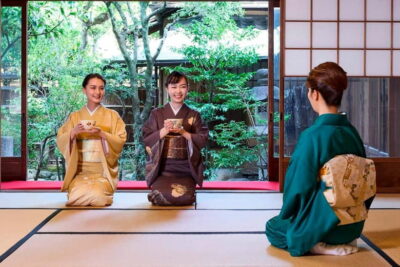
Kyoto: Kimono Tea Ceremony with Matcha and Sweet
Read our review →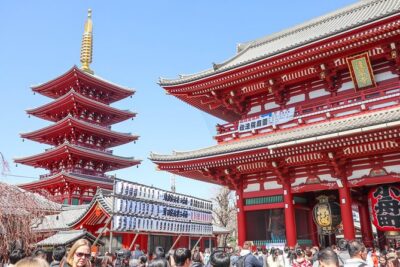
Browse the lists this tea experience appears in