
Review · TOKYO
Matcha Making Experience in Shinjuku
Matcha making is less about drinking green tea and more about learning a small set of Japanese customs with your own hands. In this one-hour Shinjuku class, you prepare the powdered tea with a bamboo whisk, then drink what you make with sweets on the side.
I like two things right away: everything is supplied, so you can arrive empty-handed, and the lesson gives context rather than only a quick demonstration. A kimono-clad instructor led one highly praised class, which added a traditional feel. The main drawback is that the supplied stop list also names Senso-ji, Tokyo Tower, and Yokohama Landmark Tower Sky Garden, places that do not fit neatly with a one-hour class at a Shinjuku meeting point. Confirm the exact schedule before booking.
Key points to know before booking
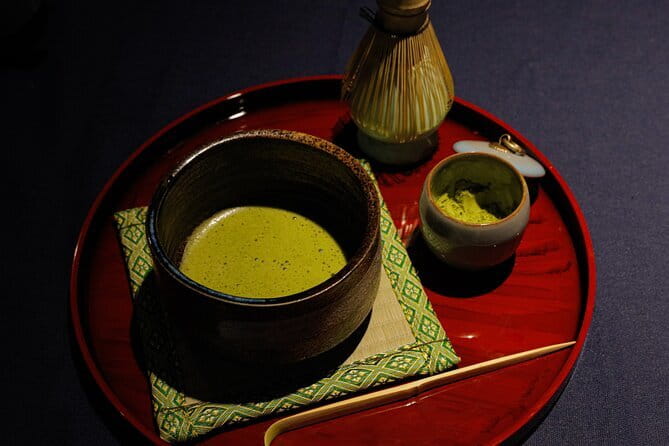
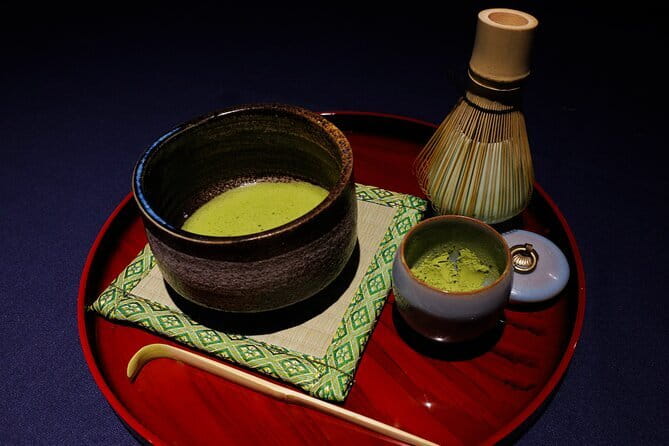
- A hands-on matcha lesson: You learn to prepare the tea yourself with a bamboo whisk called a chasen.
- Tea and sweets are included: The price covers the matcha, ingredients, equipment, and listed fees.
- A small cultural lesson: The instructor explains the customs and background behind matcha preparation.
- Central Shinjuku meeting point: The class begins and ends at a house with flowers in Shinjuku 3-chome.
- A group of up to 20 people: This may feel personal enough for instruction, but it is not necessarily an intimate private lesson.
- A one-hour activity for $32.66: It works best as a short cultural stop between sightseeing plans.
What this Shinjuku matcha class actually offers
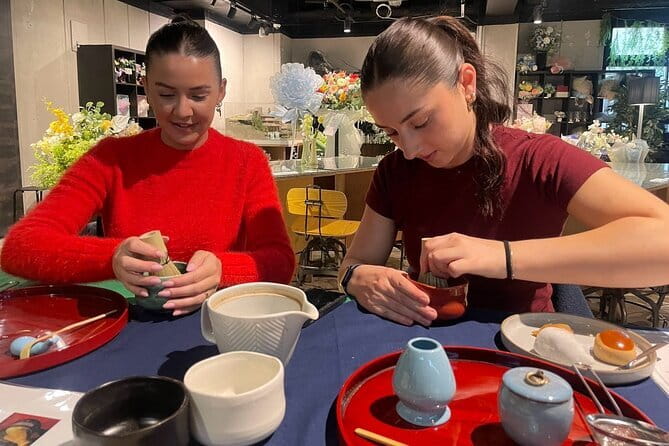
This is a practical introduction to matcha, the powdered green tea used in formal Japanese tea settings. You do not simply watch someone whisk a bowl and hand it over. The useful part is learning the sequence yourself, using the same kind of bamboo whisk associated with traditional preparation.
The class begins with an explanation of matcha and the customs tied to making and serving it. That background matters because the movements can otherwise seem fussy or mysterious. Once you understand that the process has its own rhythm and etiquette, the lesson becomes easier to follow.
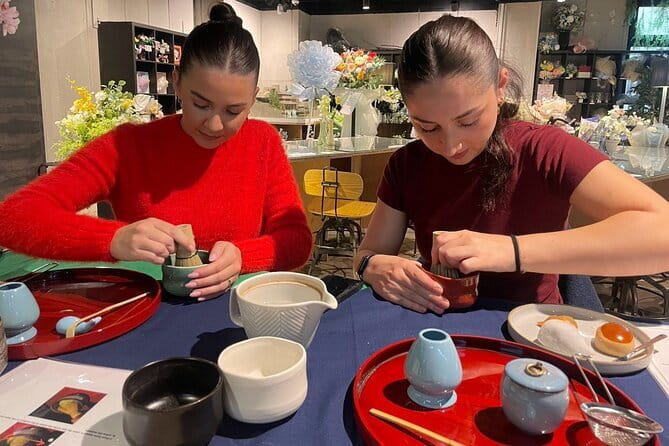
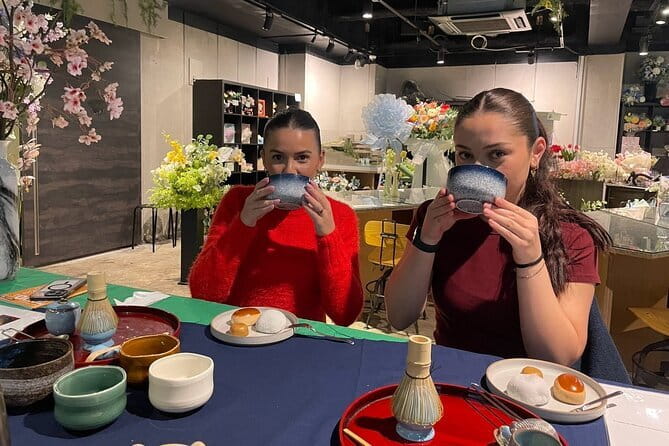
You then prepare the tea with the provided ingredients and equipment. The central skill is whisking the matcha into a smooth drink. After preparing it, you get to taste the result with traditional sweets.
That combination makes the class more useful than a simple tea tasting. You leave having learned a basic technique, not just sampled a drink. You also gain a better sense of why matcha is treated as part of a formal cultural practice rather than an ordinary cup of green tea.
More Matcha Experiences in Tokyo
- Matcha Making Class in Tokyo with Authentic Japanese Sweets Set
★ 5.0 · 744 reviews - Tokyo: Matcha Making Experience with Mochi Sweets in Asakusa
★ 4.9 · 388 reviews - Asakusa Cultural Walk & Matcha Making Tour
★ 5.0 · 245 reviews
Why the bamboo whisk matters
The bamboo whisk, or chasen, is the tool that makes this activity feel like a real lesson. Matcha is powdered, so it needs to be mixed properly instead of steeped in hot water like loose-leaf tea.
The whisking technique is likely to be the part that takes the most attention. You will be shown how to use the whisk, prepare the tea, and follow the expected steps. The class is short, so do not expect to become a tea master in 60 minutes. You should, however, leave with enough understanding to repeat the basic process.
I like this format for first-time visitors because it keeps the cultural lesson active. You are not asked to memorize a long explanation before doing anything. You listen, handle the tools, make the tea, and taste it while the details are still fresh.
The experience also gives you a better way to think about matcha afterward. You may notice the difference between a casual matcha drink and tea prepared with care, even if you do not adopt the full ritual at home.
The history and customs behind the cup
The instructor provides commentary about matcha’s background and the rituals of tea preparation. The information supplied does not promise a long lecture or a full formal tea ceremony, so I would treat this as a compact cultural introduction.
That is a good match for the price and duration. At $32.66 per person, you are paying for an activity that combines instruction, ingredients, a drink, sweets, and cultural explanation. You are not paying for an elaborate ceremonial performance lasting several hours.
The customs are valuable because they help explain the careful movements around the tea. In a standard sightseeing day, it is easy to see matcha as just another Japanese flavor. This class gives you a more grounded understanding of how the drink connects to hospitality, manners, and traditional preparation.
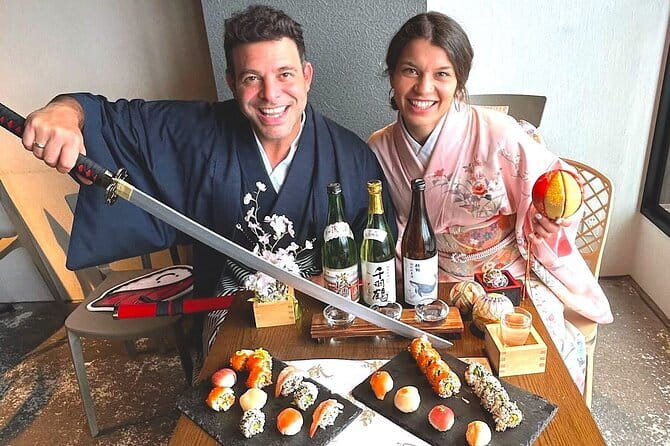
One especially appealing detail is the possibility of an instructor wearing a kimono. One class received particular praise because the instructor’s dress helped create a formal atmosphere. That does not guarantee the same presentation at every session, but it tells you that the experience can feel more traditional than a casual cooking demonstration.
A realistic look at the one-hour schedule
The available information describes a typical flow rather than a minute-by-minute timetable. You should expect four basic stages:
- An introduction to matcha and tea ceremony customs
- A demonstration of how to prepare the tea
- Your own turn using the bamboo whisk
- Matcha and sweets at the end
The class is short enough to fit before dinner, after a morning visit to Shinjuku, or between larger Tokyo plans. That compact length is one of its best features. You can add a cultural activity without giving up half a day.
The tradeoff is that the session will probably move at a steady pace, particularly if the group reaches the maximum of 20 people. You will have the tools and ingredients, but the amount of individual correction may depend on the group size and instructor.
If you are seeking a long, quiet tea ceremony with extended etiquette instruction, this is probably too brief. If you want a clear introduction and a chance to make and drink matcha yourself, the timing is more suitable.
Same leaf, a different ritual:
- Kimono Tea Ceremony at Tokyo, Asakusa Maikoya
★ 5.0 · 638 reviews - Tokyo: Traditional Tea Ceremony with a Tea Master
★ 5.0 · 528 reviews - Dynamic Tokyo: Tokyo Tower, Tea Experience, Bay Cruise Day Tour
★ 4.5 · 521 reviews - Mt. Fuji & Lake Kawaguchiko Ropeway Panorama Full-Day Tour
★ 4.6 · 236 reviews
The Shinjuku meeting point and what to check
The listed meeting place is a house with flowers at Japan, 160-0022 Tokyo, Shinjuku City, Shinjuku, 3-chome 6-7, 第6三和ビル 4階. The activity ends back at the same meeting point.
That return to the starting point makes planning simple. You do not need to arrange a separate ride to an ending location, and the meeting point is near public transportation. Since Shinjuku can be confusing, use the exact address and the mobile ticket details when finding the building.
The meeting point description is worth paying attention to. A building name and a fourth-floor location are more useful than a broad label such as Shinjuku, but you should still allow time to find the entrance. A mobile ticket is convenient once you are at the right place, though it does not replace the need to check the address in advance.
There is one important inconsistency in the supplied information. The stop list names Senso-ji Temple, Tokyo Tower, and Yokohama Landmark Tower Sky Garden, yet the activity is described as a one-hour matcha class that starts and ends in Shinjuku. Those sights are not presented with a matching transport plan or timing.
I would not assume that this is a sightseeing tour covering all three locations. Confirm the exact meeting instructions and whether those stops apply to this booking before you pay. For the matcha lesson itself, the Shinjuku address and one-hour duration are the clearest details.
What is included for $32.66
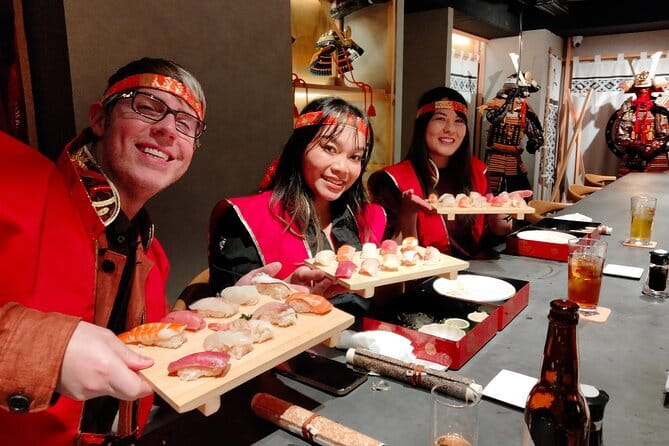
The cost includes all fees and taxes, equipment, ingredients, the matcha you prepare, and traditional sweets. There is no need to bring special utensils or buy a separate drink during the class.
That gives the price reasonable value for a short Tokyo activity. You are receiving instruction, a cultural explanation, food, and a hands-on experience in one package. The value is strongest if you were already planning to try matcha and would like to understand the preparation rather than simply order it at a cafe.
The price is less attractive if you only want a cup of tea. Matcha can be purchased in many settings for less than the full activity price, but that would not include the lesson or the cultural setting.
No private transportation is included, and additional meals or drinks are not part of the package. That should not be a problem for most people because the class lasts about an hour, but plan a separate meal if you are building your day around it.
How the group size affects the experience
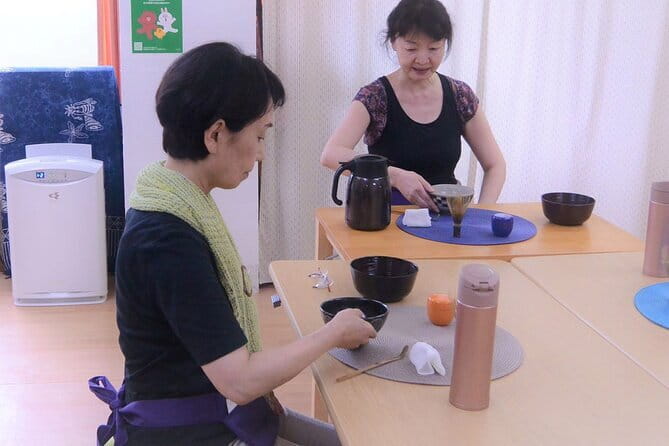
The maximum group size is 20 people. That is not a private class, and the atmosphere may feel more like a small workshop than a one-on-one lesson.
A group of this size can still work well for a basic demonstration. Everyone can follow the same steps, and the instructor can keep the activity moving. The possible limitation is personal attention. If your whisking technique needs correction, you may receive less individual help than you would in a private session.
The class received a 4.7 rating from 12 reviews, with 92 percent recommending it. One especially positive account praised the fun format, the explanation of the tea process, and the instructor’s traditional clothing. Those details point to the parts most likely to make the experience memorable: clear instruction, a friendly teacher, and a setting that feels connected to Japanese custom.
The available information does not provide the instructor’s name. If knowing your teacher’s name matters to you, check the booking confirmation rather than assuming one is assigned in advance.
Who will enjoy this most
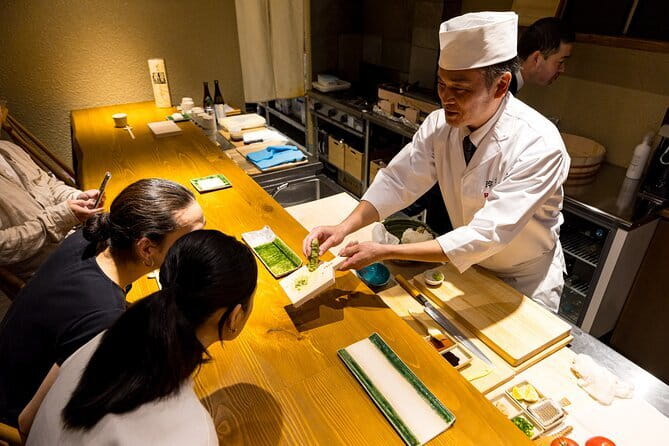
I would recommend this class to first-time visitors who want a manageable introduction to Japanese culture. It also suits couples, families with older children, and solo visitors who prefer an activity with a clear beginning and end.
It is a particularly good fit if you:
- Want to learn a simple Japanese food or drink skill
- Like activities that include tasting
- Have only one free hour
- Are staying or sightseeing in Shinjuku
- Prefer cultural activities that do not require a full-day commitment
- Want an experience where equipment and ingredients are already ready
You may want something else if you are looking for a complete tea ceremony, a private host, or detailed instruction in advanced tea etiquette. The group limit of 20 and short duration point to an accessible introduction, not a specialist workshop.
Practical planning for your Tokyo day
Because the class lasts about an hour and returns to its meeting point, it is easy to combine with nearby plans. Leave enough time to reach the fourth-floor location in Shinjuku without rushing. Arriving calm is useful here, since the lesson depends on following a sequence of small movements.
You do not need to bring equipment or ingredients. The supplied information also does not require a special dress code or list of personal items, so ordinary sightseeing clothing should be sufficient.
The experience is listed as requiring good weather. That is an unusual condition for an indoor tea activity, so check the operator’s message if the forecast is poor. If the class is canceled because of weather or because the minimum number of people is not reached, you are offered another date or experience, or a full refund.
You can cancel for a full refund up to 24 hours before the start time. Changes or cancellations inside that window are not accepted for a refund. Cut-off times use Tokyo local time, an easy detail to miss when arranging the activity from another country.
The experience is commonly booked about seven days ahead. That is useful planning guidance, though it is not a guarantee of availability. If your Tokyo schedule is tight, reserve before the day you want rather than treating the class as a last-minute option.
My final recommendation
I would book this matcha class if you want a short, hands-on cultural activity in Shinjuku and care more about learning a basic tradition than watching a grand ceremony. The included tools, tea, sweets, and instruction make $32.66 a fair price for an hour.
The strongest reasons to choose it are the chance to whisk your own matcha, the explanation of the customs, and the possibility of a kimono-clad instructor adding a formal touch. The main cautions are the group size, the limited duration, and the confusing stop list that names major sights unrelated to the class.
Before booking, confirm that your reservation is for the Shinjuku matcha lesson and verify the meeting details. If that checks out, this is a sensible way to add a little Japanese tradition to a busy Tokyo itinerary without giving up an entire afternoon.
FAQ
Where does the matcha experience begin?
It begins at a house with flowers in Shinjuku, Tokyo. The listed address is 160-0022 Tokyo, Shinjuku City, Shinjuku, 3-chome 6-7, 第6三和ビル 4階.
Where does the activity end?
The activity ends back at the meeting point.
How long does the experience last?
It lasts approximately one hour.
What will I learn?
You will learn how to prepare matcha using a bamboo whisk, called a chasen, and receive information about the tea’s history and preparation customs.
Are equipment and ingredients provided?
Yes. Equipment and ingredients are provided, so you do not need to bring them.
Is matcha included?
Yes. You prepare and enjoy a cup of matcha during the activity.
Are sweets included?
Yes. Delicious sweets are included with the tea.
How many people can join?
The activity can have a maximum of 20 people.
Is transportation included?
No. Private transportation is not included. The activity begins and ends at the Shinjuku meeting point, which is near public transportation.
Can I cancel for a refund?
Yes. You can cancel at least 24 hours before the start time for a full refund. Cancellations made less than 24 hours before the start time are not refunded.
Newly steeped around Tokyo
- Yokohama : Tea Ceremony with Sweets and Souvenir★ 5.0 · 5 reviews
- Walking Tour: Yanaka,Nezu& Sendagi: Tea Ceremony & Old Tokyo★ 5.0 · 3 reviews
- Private Mochi・Matcha sweets Making Class Near Shibuya Area★ 5.0 · 22 reviews
- 2 Hours Mochi &Nerikiri Making & Matcha Class in Bunkyo★ 5.0 · 21 reviews
- Private Kimono and tea ceremony at local home near Tokyo Disney★ 5.0 · 6 reviews
- Kimono and Tea Ceremony in Asakusa Private Food Tour With Guide★ 5.0 · 4 reviews
- Giant Sushi Cooking Class: Make a 1.5m Sushi Roll in Tokyo★ 5.0 · 9 reviews
- Tokyo Tea Ceremony Class at a Traditional Tea Room★ 5.0 · 2 reviews
Matcha Experiences, compared.
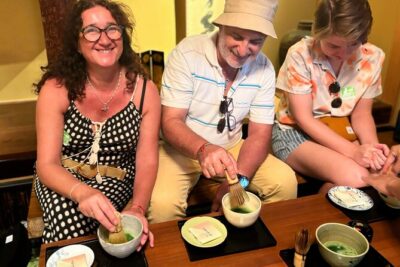
World Heritage Kyoto & Nara Uji Authentic Matcha Experience
Read our review →
Matcha Making Class in Tokyo with Authentic Japanese Sweets Set
Read our review →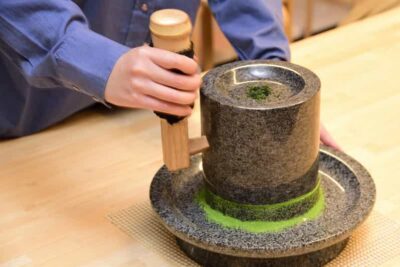
Kyoto: Tea Museum Tickets and Matcha Grinding Experience
Read our review →
Kyoto: Tea Ceremony Meditation – Make Matcha with Tea Master
Read our review →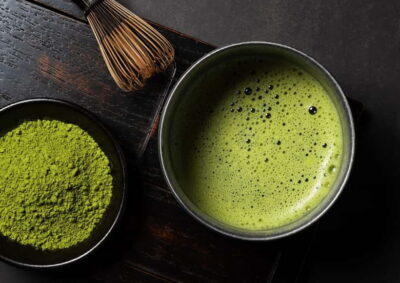
Tokyo: Matcha Making Experience with Mochi Sweets in Asakusa
Read our review →
Kyoto: Kimono Tea Ceremony with Matcha and Sweet
Read our review →
Browse the lists this tea experience appears in