
Review · TOKYO
Matcha Tea Ceremony in a Cosy Cafe in Shimokitazawa, Tokyo
The most unusual part of this experience is not simply drinking matcha. Takao Omori invites you to imagine the tea room’s tokonoma, a decorative alcove where the host normally places a scroll or seasonal object. You decide what should appear there, based on your mood at that moment. It turns a formal Japanese custom into a personal act of reflection.
I like the very small group size, capped at five, and the setting at Cafe Stay Happy, which gives the ceremony a warm, informal feel. I also like that the experience explains the meaning behind the tools and movements instead of treating the ceremony as a quick photo stop. The main caution is timing: at about 80 minutes, it may feel rushed if you want a long lesson or a highly polished tea tasting, and one available assessment found the matcha quality only average.
Key points at a glance
- Imagine your own tokonoma decoration: You choose a hanging scroll in your mind to reflect your present mood.
- Led by Takao Omori: The host introduces chanoyu, the Japanese tea ceremony tradition linked to Sen no Rikyu.
- A maximum of five people: The small group should allow more room for questions and conversation.
- Held at Cafe Stay Happy: The cosy Shimokitazawa cafe offers a less formal setting than a traditional tea house.
- About 80 minutes: Enough time for an introduction and ceremony, but not a long specialist workshop.
- $116.35 per person: The price makes most sense if you value personal guidance and cultural context more than a large tasting.
A matcha ceremony with a personal starting point

Many tea ceremonies begin with objects already chosen by the host. Here, you are first asked to picture the tokonoma for yourself.
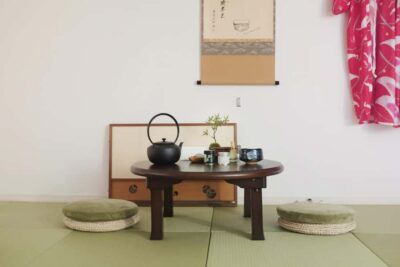
In a traditional tea room, the tokonoma is a decorative alcove. The host uses it to show care for the people arriving and to mark the season. A hanging scroll, flower, or other object can shape the mood before anyone drinks tea. At Cafe Stay Happy, the physical alcove is not the focus. Instead, Takao asks you to imagine what belongs there.
That small exercise gives the ceremony a quiet, thoughtful opening. You might picture a scroll that expresses calm, change, welcome, or another feeling that fits your day. The point is not to give a correct answer. The point is to notice how a tea ceremony connects the present moment with the passing seasons.
I find this especially useful if you are curious about Japanese culture but do not want a lecture packed with dates and terms. The idea is simple enough to understand quickly, yet it gives the ceremony a clear purpose. You are not only watching someone prepare tea. You are thinking about how the room, the season, and the people in it should relate to one another.
More Matcha Experiences in Tokyo
- Matcha Making Class in Tokyo with Authentic Japanese Sweets Set
★ 5.0 · 744 reviews - Tokyo: Matcha Making Experience with Mochi Sweets in Asakusa
★ 4.9 · 388 reviews - Asakusa Cultural Walk & Matcha Making Tour
★ 5.0 · 245 reviews
What Takao Omori explains about chanoyu
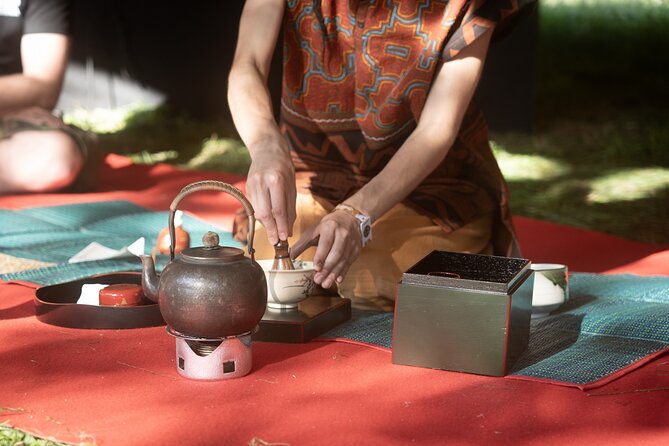
Takao Omori leads the session and introduces matcha within the wider tradition of chanoyu, the Japanese way of tea. The ceremony developed in its formal form during the 16th century and was meticulously shaped by Sen no Rikyu.
The movements can look slow and exact, but they are not empty gestures. The tools, the order of actions, and the way tea is offered all carry meaning. The ceremony presents harmony, respect, and attention as practical acts rather than abstract ideas.
You should expect Takao to guide you through the process as time allows. The supplied details do not promise a full technical lesson in every utensil or a formal examination of tea schools, so it is best to see this as an introduction rather than professional training. You will get a sense of the spirit of chanoyu and why its routines matter.
That distinction is important when you compare this activity with a longer tea workshop. A specialist class may spend more time on whisking technique, tea grades, utensils, and etiquette. This experience puts more weight on the atmosphere, the ideas behind the ceremony, and conversation between people from different backgrounds.
Why the cafe setting matters
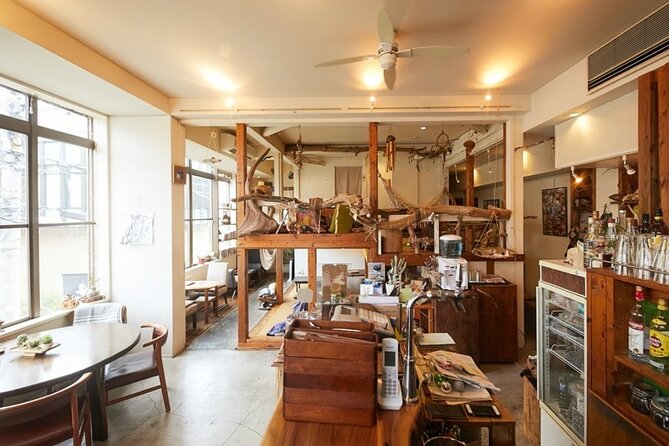
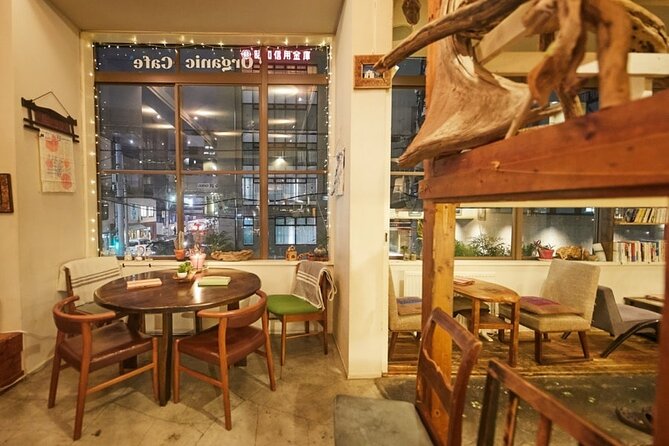
Cafe Stay Happy is described as an extremely cosy cafe in Shimokitazawa. That setting changes the feel of the activity.
A traditional tea house can make the ceremony feel formal and ceremonial from the moment you enter. A cafe offers a more relaxed entry point. You are still introduced to an old custom, but you are not expected to arrive with prior knowledge of tea schools or Japanese etiquette.
The setting may suit you if you want cultural context without a stiff presentation. It also fits Shimokitazawa, a Tokyo area known in the supplied details only as the location of the cafe, rather than as a separate sightseeing stop. Do not book this expecting a tour of the neighborhood. The activity begins and ends at Cafe Stay Happy.
The cosy atmosphere is one of the strongest reasons to consider the experience. A smaller, comfortable room can help the ceremony feel like a shared human moment instead of a stage performance. It also gives Takao a better chance to welcome each person directly.
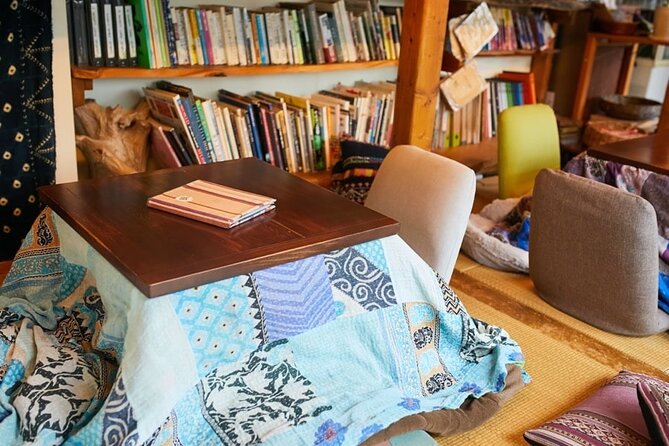
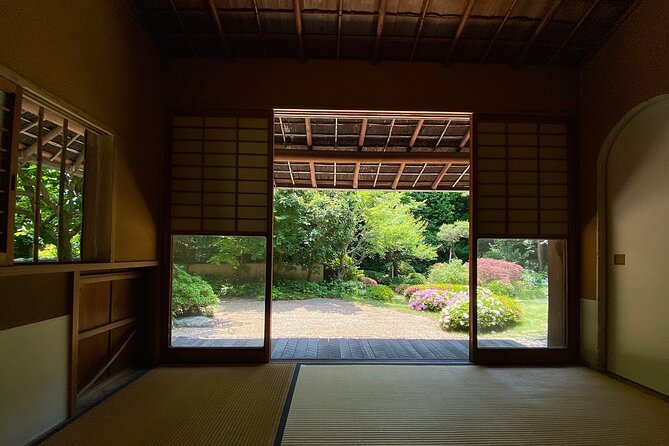
The trade-off is that a cafe is not necessarily designed as a fully traditional tea room. If you want tatami, a purpose-built tea house, and a strict formal setting, this may feel less authentic in appearance. The activity’s value lies more in the ideas and personal guidance than in a historic room.
The ceremony’s focus on harmony and seasons
Chanoyu is presented here as a way to set aside ordinary social barriers. The ceremony welcomes people from different cultures and uses a shared cup of tea as a point of connection.
That can sound grand, but the format keeps the idea grounded. You sit together, listen, consider the imagined tokonoma, and drink matcha within the limits of the session. The result is less about collecting facts and more about slowing down long enough to notice the people and setting around you.
The focus on the seasons also adds useful context. Japanese aesthetics often place importance on change, timing, and what is appropriate for a particular point in the year. The chosen scroll or decoration would normally reflect that. Here, your imagined decoration asks you to think about what feels suitable now, not what would look attractive in a picture.
I like that this makes the ceremony accessible even if you know little about Japan. You do not need to identify every utensil or understand every rule to take part in the central idea. At the same time, you should be comfortable with a reflective activity. If you prefer constant action, sightseeing, or a large amount of tea, 80 minutes may feel slow or limited.
More Tea Ceremonies in Tokyo
- Kimono Tea Ceremony at Tokyo, Asakusa Maikoya
★ 5.0 · 638 reviews - Tokyo: Traditional Tea Ceremony with a Tea Master
★ 5.0 · 528 reviews - Tea Ceremony Workshop in Tokyo by the Experienced Instrucor
★ 5.0 · 189 reviews - Asakusa: Kimono Tea Ceremony with Matcha and Sweet
★ 4.9 · 153 reviews
What the 80-minute schedule means for you
The stated duration is approximately 1 hour and 20 minutes. That is long enough for a focused introduction and ceremony, but short enough to fit into a busy Tokyo day.
You will meet at Cafe Stay Happy, at 2-chōme-29-14 Daizawa, Setagaya City, Tokyo 155-0032. The cafe is near public transportation, which makes it practical to pair with other plans in Tokyo. The activity ends at the same meeting point, so you do not need to arrange a separate pickup or figure out a new endpoint afterward.
The schedule appears to have three broad parts:
- Arrival and introduction: Takao welcomes the small group and explains the role of chanoyu, the tea room, and the objects used in the ceremony.
- The imagined tokonoma: You consider what kind of hanging scroll should be placed in the decorative space and why it might reflect your state of mind or the season.
- Matcha and conversation: The ceremony proceeds, with time to drink tea, share thoughts, and connect the ritual with wider ideas of harmony.
The exact order and amount of discussion may depend on the group. This is a guided cultural experience, not a fixed theatrical show with a published minute-by-minute program.
One important practical point is pace. A direct assessment found the experience somewhat rushed. That does not mean the session lacks value, but it does mean you should not expect every question to receive a long answer or every part of the ceremony to receive extensive practice. If you want to linger over the details, ask questions early rather than saving everything for the final minutes.
Matcha quality and what the price covers
The price is $116.35 per person. That is a high amount for a short tea experience, so you should judge it as a private-feeling cultural session rather than simply a cup of matcha in a cafe.
The group limit helps explain part of the cost. With no more than five people, Takao can give the session a personal tone and make the imagined tokonoma exercise meaningful for everyone. You are also paying for the guide’s time, the explanation of chanoyu, and the chance to take part in a ritual with cultural context.
Still, the tea itself may not be the main reason to book. One available assessment described the matcha as just okay rather than exceptional. If you are a serious tea enthusiast looking for rare tea, careful tasting notes, or a premium matcha selection, this experience may not meet that goal.
I would see the tea as one part of the encounter. The stronger value comes from the small group, the setting, and Takao’s reflective approach. If you want a practical lesson focused on tea flavor, quality, and preparation, compare this with a specialist tasting. If you want to understand why tea preparation has spiritual and social meaning, the price becomes easier to justify, though it remains a premium choice.
Who will enjoy this experience most
This ceremony suits you if you want a calm cultural activity that fits into a Tokyo itinerary without taking half a day. It is also a good match if you enjoy asking questions, considering symbols, and talking with people from different backgrounds.
First-time visitors to Japan may appreciate the gentle introduction to chanoyu. You do not have to arrive with specialist knowledge, and the cafe setting may feel less intimidating than a strictly formal tea room.
It can also suit repeat visitors who have already seen Tokyo’s major sights and want something quieter. Shimokitazawa gives you a different kind of stop than a large museum or famous shrine, even though this activity itself does not include a neighborhood tour.
Families and younger visitors may depend on temperament. The session asks for attention and stillness, and the details provided do not mention a child-specific format. I would choose it for older children or adults who can appreciate a slow cultural activity, rather than for anyone needing constant movement.
You should think twice if you want a large, highly polished production, a traditional tea-house interior, or a long hands-on lesson. You should also lower your expectations about the matcha as a luxury tasting. The available information points to a friendly, cosy experience, but not necessarily a flawless or elaborate one.
Booking details worth knowing before you go
The activity uses a mobile ticket, which is useful if you prefer to keep your booking on your phone. Confirmation is sent within 48 hours of booking, subject to availability, so do not assume that a reservation is final the instant you submit it.
The maximum group size is five people. That limit is a major part of the experience, especially if you want direct interaction with Takao. It also means availability may be narrower than for a large scheduled tour.
The meeting point is Cafe Stay Happy in Daizawa, Setagaya City. Since the activity ends back there, plan your route to the cafe before the start time and leave room for Tokyo transit delays. Public transportation is nearby, but the supplied information does not identify a specific station or walking time, so check the exact route after booking.
Cancellation is free up to 24 hours before the start time for a full refund. Cancellations or changes made less than 24 hours before the start time are not accepted for a refund, and the cut-off follows local Tokyo time.
Should you book this Shimokitazawa tea ceremony?
Book it if you want a small, personal introduction to chanoyu and like the idea of connecting the tea room with your own state of mind. Takao Omori’s imagined tokonoma exercise gives the session a distinctive angle, and the cosy Cafe Stay Happy setting should feel more approachable than a strictly formal tea house.
The price is easier to defend for people who value cultural explanation, quiet conversation, and a very small group. It is harder to defend if your main goal is exceptional matcha, a long technical workshop, or a traditional room filled with historic objects.
My practical advice is simple: choose this for the meaning around the tea, not just the tea itself. If that sounds like your kind of Tokyo experience, the 80-minute format can make a thoughtful break in a busy day. If you want depth, luxury ingredients, or a highly formal ceremony, keep looking.
FAQ
Where does the matcha tea ceremony take place?
It takes place at Cafe Stay Happy, 2-chōme-29-14 Daizawa, Setagaya City, Tokyo 155-0032, Japan.
How long does the experience last?
The ceremony lasts approximately 1 hour and 20 minutes.
Who leads the ceremony?
Takao Omori facilitates the matcha ceremony and introduces the traditions and ideas connected with chanoyu.
How many people can join?
The activity has a maximum of five people.
Does the activity end at the same place where it starts?
Yes. The experience ends back at Cafe Stay Happy, the meeting point.
Is the meeting point near public transportation?
Yes. The meeting point is described as being near public transportation.
What is the cancellation policy?
You can cancel up to 24 hours before the experience start time for a full refund. Cancellations or changes made less than 24 hours before the start time are not accepted for a refund.
Newly steeped around Tokyo
- Yokohama : Tea Ceremony with Sweets and Souvenir★ 5.0 · 5 reviews
- Walking Tour: Yanaka,Nezu& Sendagi: Tea Ceremony & Old Tokyo★ 5.0 · 3 reviews
- Private Mochi・Matcha sweets Making Class Near Shibuya Area★ 5.0 · 22 reviews
- Private Kimono and tea ceremony at local home near Tokyo Disney★ 5.0 · 6 reviews
- 2 Hours Mochi &Nerikiri Making & Matcha Class in Bunkyo★ 5.0 · 21 reviews
- Kimono and Tea Ceremony in Asakusa Private Food Tour With Guide★ 5.0 · 4 reviews
- Giant Sushi Cooking Class: Make a 1.5m Sushi Roll in Tokyo★ 5.0 · 9 reviews
- Tokyo Tea Ceremony Class at a Traditional Tea Room★ 5.0 · 2 reviews
Matcha Experiences, compared.
World Heritage Kyoto & Nara Uji Authentic Matcha Experience
Read our review →
Matcha Making Class in Tokyo with Authentic Japanese Sweets Set
Read our review →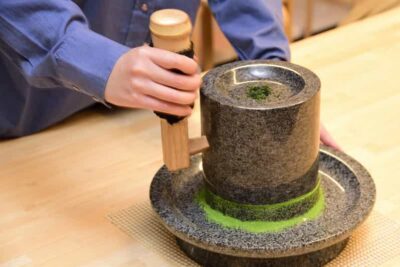
Kyoto: Tea Museum Tickets and Matcha Grinding Experience
Read our review →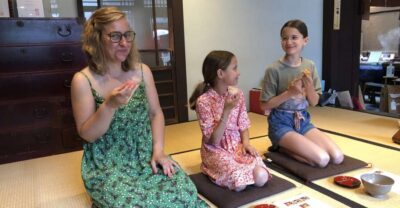
Kyoto: Tea Ceremony Meditation – Make Matcha with Tea Master
Read our review →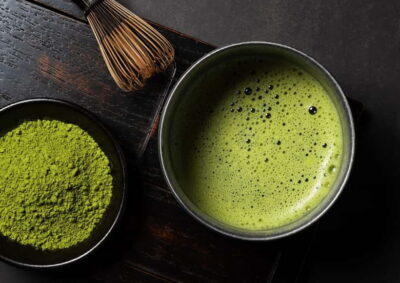
Tokyo: Matcha Making Experience with Mochi Sweets in Asakusa
Read our review →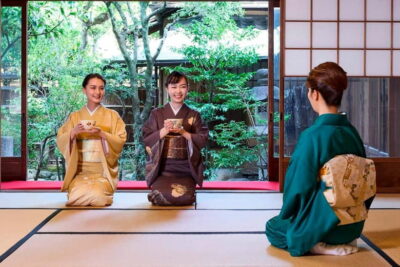
Kyoto: Kimono Tea Ceremony with Matcha and Sweet
Read our review →
Browse the lists this tea experience appears in