
Review · OSAKA
Osaka: Maki-e lacquer Painting and Matcha Experience
The main draw here is the chance to try maki-e, a Japanese lacquer art that uses fine gold powder, without committing half a day or a large sum. You paint your own piece, prepare matcha, eat seasonal wagashi, and finish with a sword-and-costume photo.
I like the compact format and the easy Osaka Bay location. It is a useful choice if you are arriving by cruise ship, since the pier is about a five-minute walk away. I also like that the experience is private and English-guided, with host Taki receiving especially warm praise for his welcoming approach.
The trade-off is the setting and level of artistry. This takes place inside Osaka Bunkakan in Tempozan, not in a traditional workshop or historic tea house. One sharply negative assessment described the activity as too simple and commercial, so you should book it as a hands-on introduction, not as advanced lacquer training.
Key points at a glance
- Gold-powder maki-e: Try a traditional decorative technique using lacquer and gold powder in a guided, beginner-friendly format.
- Matcha and wagashi: Whisk your own powdered green tea and enjoy it with a seasonal Japanese confection.
- One-hour schedule: Fit a focused cultural activity into a cruise stop, sightseeing day, or busy Osaka plan.
- Private English guidance: Your group receives live instruction rather than joining a large public class.
- Costume photo stop: Pose with swords and Japanese clothing for a playful souvenir image.
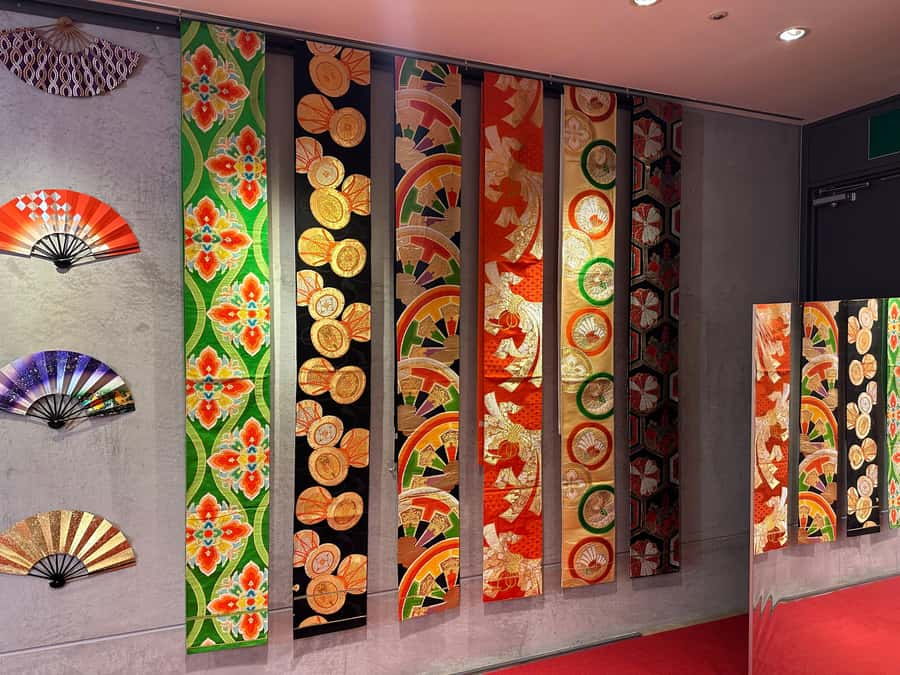
- Tempozan meeting point: Meet in front of Hibiki on the second floor of Osaka Bunkakan, near Osaka Bay.
What this Osaka workshop really offers
This is a small cultural sampler with three distinct parts: decorative painting, tea preparation, and dress-up photography. At $42 per person, it is priced for convenience and variety rather than for a long craft lesson.
I would think of it as a compact way to touch several Japanese traditions in one hour. You get a little craft, a little food culture, and a little theater. That mix makes sense for families, cruise passengers, and anyone who wants an activity that does not require strong Japanese language skills.
The experience is guided in English and arranged for a private group. That matters because the short schedule leaves little time to figure things out alone. You can ask questions as you work, and the guide can keep the session moving from one part to the next.
The private format does not automatically make the class highly technical. The supplied information describes a short, guided, in-depth cultural experience, but it does not promise professional-level instruction or a long explanation of materials. Keep your expectations in the right place: this is an accessible introduction to a traditional craft.
More Matcha Experiences in Osaka
- Matcha Making Class in Osaka with Authentic Japanese Sweets Set
★ 5.0 · 509 reviews - Osaka: Matcha Making Experience with Japanese Sweets
★ 5.0 · 146 reviews - Osaka Temple Cool Foot Bath & Matcha Experience〈45min〉
★ 4.9 · 82 reviews
Meeting at Osaka Bunkakan in Tempozan
Your meeting point is in front of Hibiki on the second floor of Osaka Bunkakan, also called Osaka Bunkakan Tempozan. The listed coordinates are 34.6539195, 135.42956.
This detail is worth taking seriously. Osaka Bay attractions can be spread through large commercial and entertainment areas, and the meeting point is inside the building rather than simply outside at a station entrance. Give yourself enough time to find the second-floor location and look for Hibiki.
The setting is one of the experience’s practical strengths and one of its artistic limitations. It is easy to combine with a day around Tempozan, and it is especially convenient for cruise passengers. One highly positive assessment specifically noted the walk of about five minutes from the cruise pier.
You should not expect the atmosphere of an old Kyoto machiya, a temple compound, or a quiet tea garden. The venue is a modern cultural facility in the Osaka Bay Area. If you value easy access and a short schedule, that is useful. If you are looking for an atmospheric historic setting, it may feel ordinary.
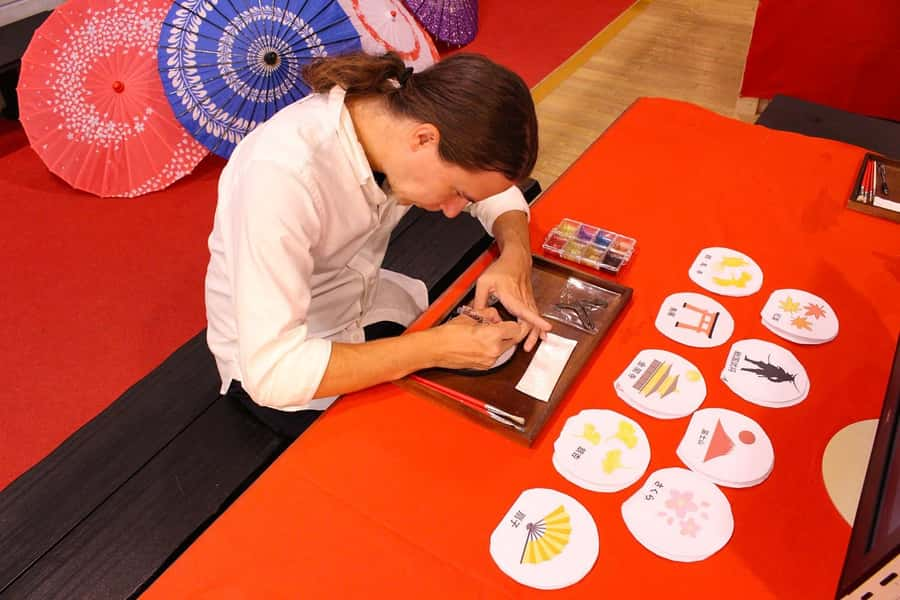
Painting with gold powder in the maki-e style
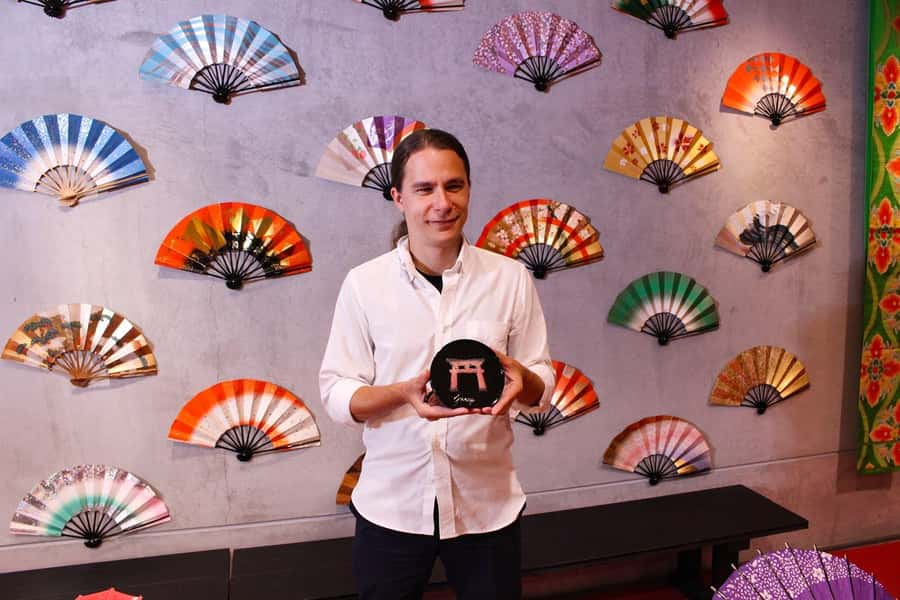
Maki-e is a Japanese lacquer decoration method in which designs are formed with lacquer and finished with powdered metal, often gold. The appeal is in the contrast between a dark, smooth surface and delicate metallic detail. Even a simple design gives you a glimpse of the care involved in Japanese decorative arts.
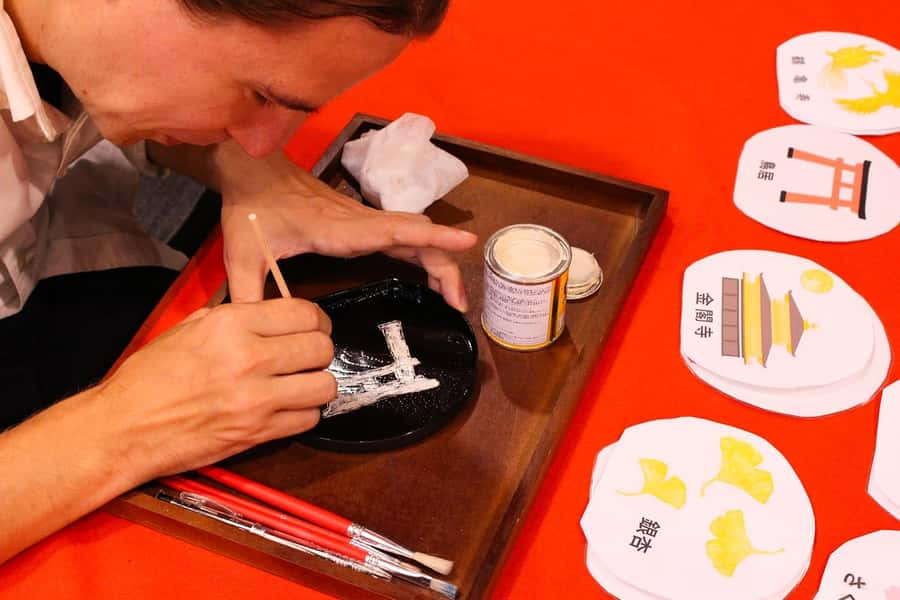
During the workshop, you take part in a gold-powder maki-e painting activity. The available details do not specify the exact object you decorate, the design choices, or the number of techniques taught. That means you should expect a guided sample project rather than a full study of lacquer production.
I like this part because it gives you something to do with your hands. A museum display can explain maki-e, but placing lacquer and powder yourself makes the process easier to remember. You begin to understand that the finished shine depends on controlled application, careful timing, and a steady hand.
There is also a clear limitation. A short class cannot show every stage of traditional lacquer work, and the experience does not claim to train you as a craftsperson. One very critical assessment felt the activity was little more than spreading lacquer and blowing glitter onto it. I would not dismiss that concern. If you already practice Japanese arts or want a serious workshop, this course may feel basic.
For a first encounter, though, the simplicity can be useful. You do not need prior art skills, and the short format lowers the risk of spending hours on a project that is not right for you. Bring comfortable clothes, since you will be working at close range and should be able to move your arms freely.
Preparing matcha and tasting seasonal wagashi
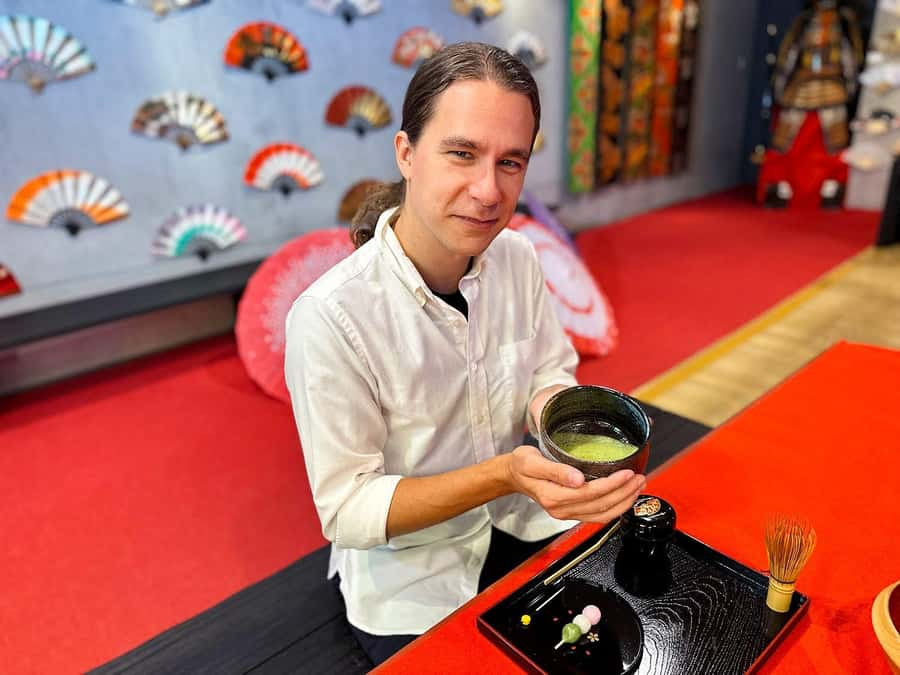
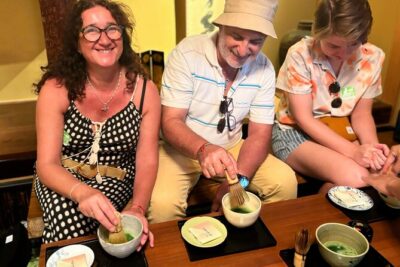
The second part shifts from craft to food culture. You make your own matcha, the powdered green tea used in the Japanese tea tradition, and enjoy it with seasonal wagashi.
This is not described as a formal tea ceremony. There is no promise of a traditional tea-room performance, a full ceremonial sequence, or a long lesson in tea etiquette. Instead, you get direct participation. You prepare the drink yourself, then pair it with a Japanese sweet.
That pairing is an important part of the experience. Wagashi are made to complement tea, and seasonal varieties often reflect the time of year through color, shape, or ingredients. The specific confection is not named in advance, so you should treat it as a seasonal surprise rather than plan around a particular sweet.
I like that this segment slows the activity down. The maki-e portion is about concentration and handwork. Matcha adds a simple food ritual and gives you a chance to enjoy what you have prepared. For many people, it may be the most immediately approachable part of the course.
The included items list seasonal wagashi, while food and drink are also marked as not included. Read that distinction carefully. The provided information confirms the confection served with the matcha, but it does not indicate that a larger meal or additional drinks are part of the price. You should plan to eat elsewhere if you need lunch or dinner.
Same leaf, a different ritual:
- Osaka: Tea Ceremony Experience
★ 4.9 · 1,426 reviews - Tea Ceremony Experience in Osaka Doutonbori
★ 5.0 · 754 reviews - Osaka: Tea Ceremony, Calligraphy, and Kimono Experience
★ 4.9 · 130 reviews - Osaka: Japanese Traditional Sweets Making and Tea Ceremony
★ 4.7 · 118 reviews
Swords, costumes, and the final photo
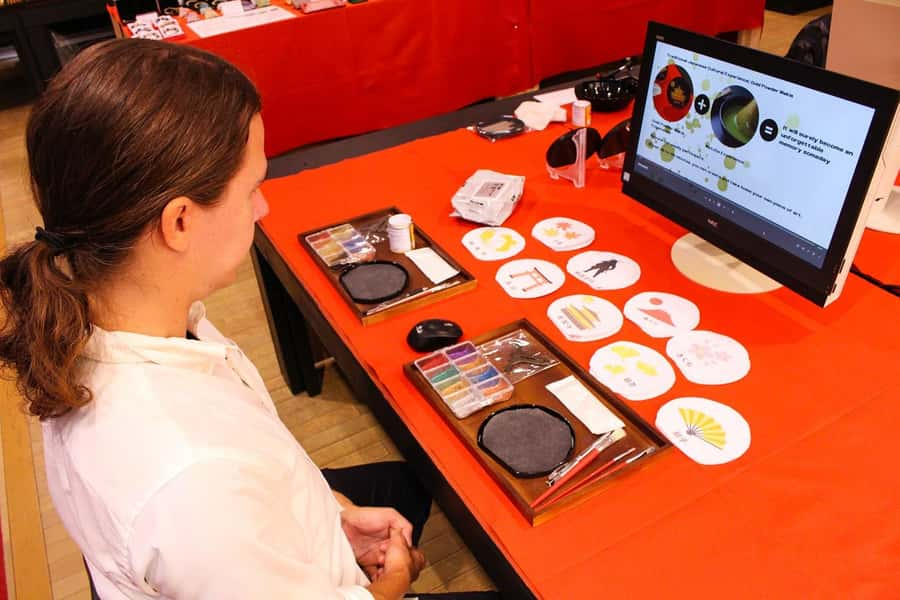
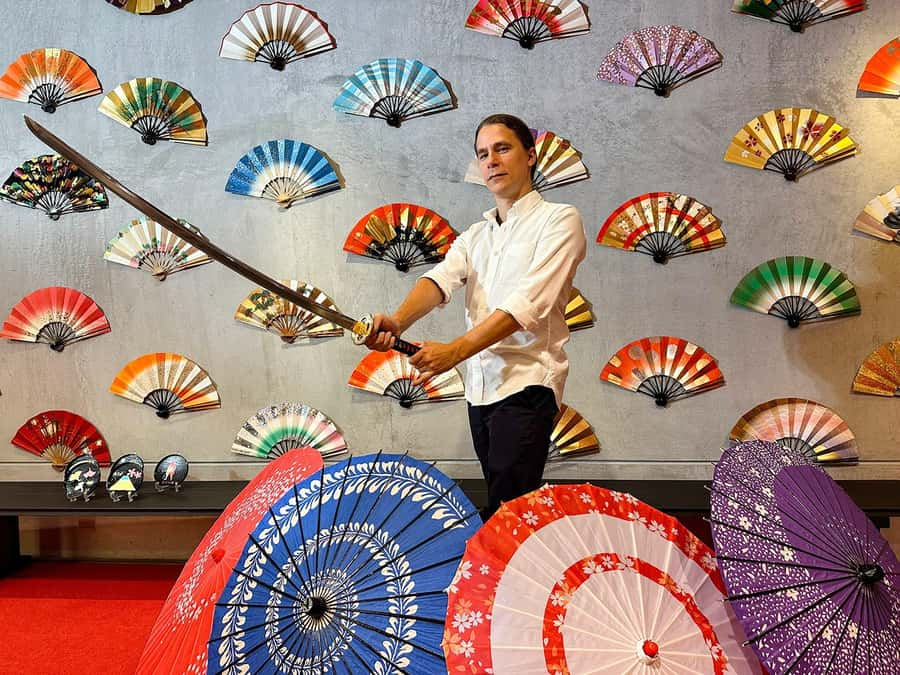
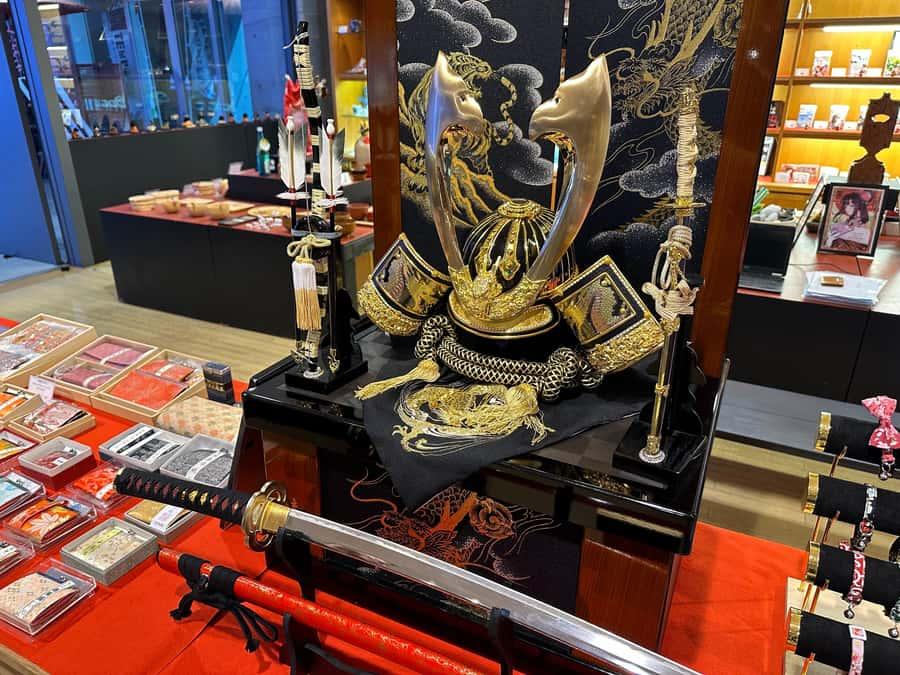
The experience ends with a photo session using swords and Japanese costumes. This is the lightest and most playful section, and it gives you a picture that feels different from a standard sightseeing snapshot.
The details do not identify the exact clothing, sword style, or backdrop. You can expect a designated photo spot rather than a full historical costume program. It is best understood as a souvenir activity, not a lesson in samurai history or Japanese dress.
For families and groups of friends, this may be a major reason to book. It adds energy after the quieter painting and tea sections, and a camera is specifically recommended. If you are traveling with children, the costume pose may be more memorable than the craft itself.
The photo stop also shows the broad range of the course. You move from a traditional art technique to tea preparation and then to playful staging. Some people will enjoy that variety. Others may find the program less focused than a dedicated lacquer or tea workshop.
How the one-hour schedule affects the experience
One hour is both the attraction and the constraint. You can fit the activity into a cruise day, a morning before sightseeing, or an afternoon around Tempozan without losing a large block of time.
The schedule also means each section must be brief. You will not receive a long historical lecture, extended practice period, or repeated attempts at the painting. The activity is designed to keep moving, so listen closely when the guide explains the next step.
I would choose this course when I want a quick cultural break, not when I want a slow day devoted to one craft. The short length works particularly well if you have already planned a full Osaka itinerary. It is also useful for people who are curious about Japanese traditions but unsure about committing to a more formal class.
The private group format helps here. A guide can focus on your party and adapt the pace within the limited time. English guidance also removes much of the uncertainty for first-time participants.
Who will get the most from this experience
I would recommend this to:
- Cruise passengers who want an activity close to the port and can spare one hour.
- Families looking for craft, sweets, and a costume photo in one outing.
- First-time visitors to Japan who want a simple introduction to maki-e and matcha.
- Couples and small private groups who prefer a guided session without a large public class.
- Budget-conscious visitors who want several cultural elements for $42 per person.
- Photographers and scrapbookers who want a distinctive costume picture and a hands-on souvenir.
I would be more cautious if you are an experienced lacquer artist, serious tea student, or history enthusiast seeking detailed instruction. The information provided does not promise advanced techniques, a historic venue, or a long academic talk.
Is $42 a fair price?
At $42 per person, the value depends on what you want from the hour. You are paying for a private English-guided activity, gold-powder painting, matcha preparation, seasonal wagashi, and a costume photo session. That is a fair bundle for someone who values variety and convenience.
The price is less compelling if you judge the course only by the depth of the painting lesson. A one-hour introduction cannot offer the same technical value as a specialist workshop. The negative assessment also warns that the craft component may feel simple to some people.
I see the strongest value in the combination. Paying $42 for one narrow activity might seem high if the lesson is very basic. Paying the same amount for three linked experiences, close access to the cruise pier, private guidance, and a finished memory can make sense for a short Osaka stop.
The lack of a full meal is not a serious problem, but you should budget for food elsewhere. The included wagashi is a tasting element, not a replacement for lunch.
Practical advice before you book
Confirm the starting time when you reserve, since the listed duration is one hour and availability varies. Arrive at the Osaka Bunkakan meeting point with enough margin to find Hibiki on the second floor.
Wear comfortable clothes, as requested by the operator. Bring a camera for the final photo, and remember that smoking is not allowed during the activity.
The cancellation policy is useful if your Osaka plans may change: you can cancel up to 24 hours before the experience for a full refund. You can also reserve now and pay later, which helps if you are still arranging a cruise-day schedule.
The experience is offered in English and uses a live guide. The provider is IMS JAPAN Corporation. Host Taki has been singled out for warm, effective hosting, so if he is leading your session, you can expect a personable guide based on the strongest available feedback.
Should you book the maki-e and matcha experience?
Book it if you want a short, private, English-guided introduction to several Japanese customs, especially if you are staying around Tempozan or arriving by ship. The five-minute walk from the cruise pier, compact timetable, costume photo, and reasonable price make it easy to add to a busy day.
Skip it if you want serious lacquer instruction, a formal tea ceremony, or an old-style Japanese setting. The venue is a modern Osaka Bay cultural facility, and the craft lesson may feel too simple for anyone looking for advanced artistic work.
My call: this is a practical sampler with a friendly host, not a masterclass. Go for the mix of gold powder, matcha, wagashi, and photographs. Book something more specialized if the lacquer technique itself is your main reason for visiting.
FAQ
Where does the maki-e and matcha experience take place?
It takes place in the Osaka Bay Area at Osaka Bunkakan Tempozan.
Where is the exact meeting point?
Meet in front of Hibiki on the second floor of Osaka Bunkakan Tempozan. The listed coordinates are 34.6539195, 135.42956.
How long does the activity last?
The guided workshop lasts one hour.
What language is the experience offered in?
The experience is offered with a live English-speaking guide.
Is this a private activity?
Yes. The group type is listed as a private group.
What is included in the price?
The price includes the gold-powder maki-e lacquer painting experience, matcha preparation, seasonal wagashi, and a photo session with swords and Japanese costumes.
Is a full meal included?
No. Food and drink are not included as a general meal service. Seasonal wagashi is included with the matcha portion.
What should I bring?
Bring a camera and wear comfortable clothes.
Is smoking allowed?
No. Smoking is not allowed during the activity.
Can I cancel for a full refund?
Yes. You can cancel up to 24 hours in advance for a full refund. You can also reserve now and pay later.
Newly steeped around Osaka
- Osaka:Zen Tea Ceremony and Foot Bath Experience<45min>★ 5.0 · 7 reviews
- Osaka Japanese Cooking And Matcha Class near Osaka Castle★ 5.0 · 22 reviews
- Nara Deer Park, Uji Matcha, & Hot Spring Full-Day Tour from Osaka★ 4.0 · 21 reviews
- Osaka: Tea Ceremony, Calligraphy, and Kimono Experience★ 5.0 · 6 reviews
- Tea and Calligraphy Session at a Table in Osaka★ 5.0 · 4 reviews
- Osaka: Nara, Todaiji, Uji Matcha, and Hot Spring Tour★ 4.0 · 7 reviews
- Craft Sushi and Matcha Ice Cream in Central Osaka (3-Course Meal)★ 5.0 · 2 reviews
- ZEN therapy | Shiatsu-style massage, EnergyTherapy & Japanese Tea★ 5.0 · 5 reviews
Matcha Experiences, compared.
World Heritage Kyoto & Nara Uji Authentic Matcha Experience
Read our review →
Matcha Making Class in Tokyo with Authentic Japanese Sweets Set
Read our review →
Kyoto: Tea Museum Tickets and Matcha Grinding Experience
Read our review →
Kyoto: Tea Ceremony Meditation – Make Matcha with Tea Master
Read our review →
Tokyo: Matcha Making Experience with Mochi Sweets in Asakusa
Read our review →
Kyoto: Kimono Tea Ceremony with Matcha and Sweet
Read our review →
Browse the lists this tea experience appears in