
Review · KYOTO
Tea Ceremony with Kimono and Professional Photoshoot in Kyoto
Kyoto’s tea ceremony is less about gulping a cup of tea than about slowing down and paying attention. Here, you choose a kimono, watch an English-speaking tea master perform the ritual, then make your own matcha and enjoy it with Japanese sweets. The kimono fitting and hair styling are a big part of the fun, while the professional photos give you a lasting record.
I like the clear, hands-on format and the small maximum group of 10. I also like that you leave with three digital photos, not just a fleeting memory. The main drawback is the seating: much of the ceremony involves kneeling on the floor, which can be hard for older people or anyone with stiff knees. Chairs and tables are available, but ask about them when you arrive.
Key Points
- Kimono choice comes first: You select your preferred outfit in the dressing room, with height and gender details supplied in advance.
- The tea lesson is hands-on: Watch a demonstration, then prepare your own matcha and eat Japanese sweets.
- English instruction is included: The tea master explains the ritual and its cultural background in English.
- Photos are part of the experience: A professional photographer takes pictures during the ceremony, with three sent digitally by email.
- The venue is central Kyoto: Meet at Nishiki Orizuruya, 452 Jūmonjichō, Nakagyo Ward.
- Plan around the seating: Kneeling is expected for some of the ceremony, though two chairs and tables are available.
A Kimono, a Bowl of Matcha, and a Taste of Kyoto
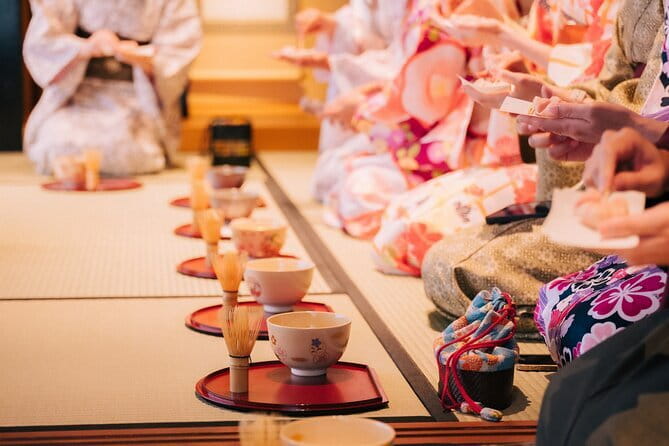
This experience packages several classic Kyoto moments into one short visit. In roughly 1 hour 45 minutes, you dress in a kimono, learn about the Japanese tea ceremony, prepare matcha, taste sweets, and have professional photographs taken.
That makes it a good choice if you want a cultural activity with a clear beginning and end. You do not need to spend a full afternoon at a formal tea school or know anything about Japanese etiquette before you arrive. The tea master guides you through the ritual in English, so you can focus on the gestures, flavors, and setting.
I would think of this as an introduction rather than an advanced study of tea culture. The ceremony is presented in a traditional house, which gives the activity a fitting setting, but the schedule also includes dressing and photography. If your main goal is a long, highly formal tea ceremony, this may feel brief. If you want a friendly first look at the custom, the format makes sense.
The price is $130.78 per person. That is not a bargain for a 1 hour 45 minute activity, but the cost covers several elements: kimono wear, the tea lesson, Japanese sweets, professional photography, and three digital images. You are paying for the full presentation and the keepsakes, not just a bowl of tea.
More Kimono and Tea Ceremonies in Kyoto
- Kimono Tea Ceremony at Kyoto Maikoya, NISHIKI
★ 5.0 · 911 reviews - Kyoto: Kimono Tea Ceremony at Orizuruya Gion
★ 4.9 · 618 reviews - KYOTO Tea Ceremony with kimono near by Imamiya Jinjya Shrine
★ 5.0 · 343 reviews
Choosing a Kimono at Nishiki Orizuruya
You meet at Nishiki Orizuruya, located at 452 Jūmonjichō in Kyoto’s Nakagyo Ward. The venue is near public transportation, and the activity ends at the same place, so there is no need to arrange a separate ride afterward.
Arrive 10 minutes before the start time and check in at the reception desk. You are then escorted to the dressing room, where you choose a kimono. The available selection is described as varied, which gives you a personal choice rather than assigning one standard outfit to everyone.
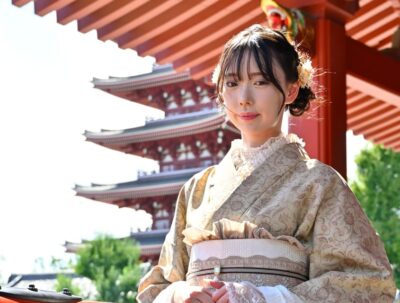
The kimono is not a minor costume add-on. It changes how you move and sit, and it helps mark the ceremony as a special occasion. Hair styling is also part of the dressing experience according to the feedback included for this activity. For many people, this is one of the most enjoyable parts because it lets you take part in the visual customs of Japan instead of watching from the sidelines.
You need to provide the height and gender of every participant ahead of time. This is practical information, not busywork. The provider needs it to prepare suitable kimono sets, so send accurate details when booking.
Do not arrive late. If you are more than 30 minutes behind the start time, you cannot join and you will not receive a refund. Kyoto’s central streets can take longer to cross than expected, especially if you are unfamiliar with the area, so give yourself extra time to find Nishiki Orizuruya.
Watching the Tea Master’s Demonstration
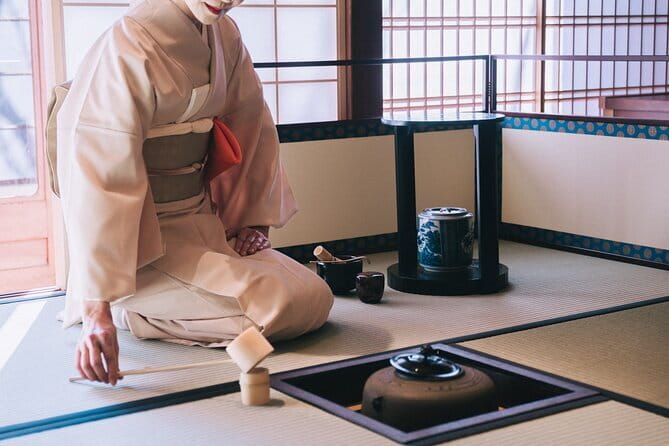
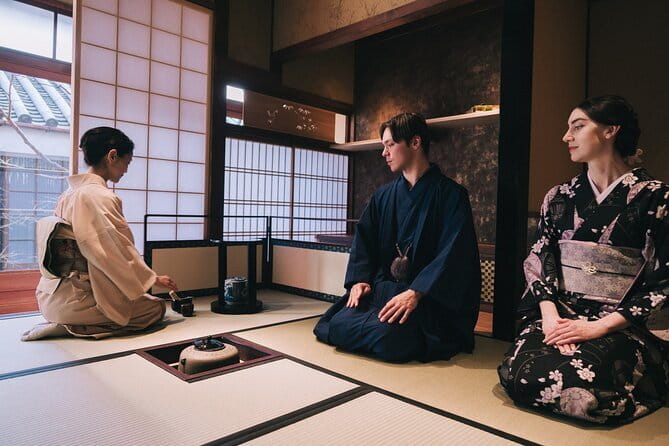
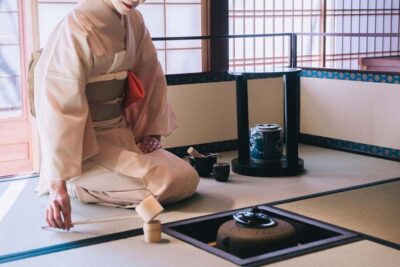
Once dressed, you watch an English-speaking tea master demonstrate the ceremony. The demonstration gives you a chance to see the proper order of movements before you try anything yourself.
A Japanese tea ceremony is built from small actions: preparing the bowl, handling the whisk, serving the tea, and showing respect to the people sharing the moment. The point is not speed. The tea master explains the history and culture behind the practice, which helps turn a sequence of gestures into something meaningful.
The English instruction is important here. Without it, you might see an elegant ritual without understanding why the actions matter. With explanations, you can pay attention to the relationship between host, guest, bowl, sweets, and tea.
The tea master has received especially warm praise for clear explanations and a kind manner. That matters in an activity where you may worry about making a mistake. You are learning a set of customs, not taking a test. Expect guidance, and do not feel pressure to perform perfectly.
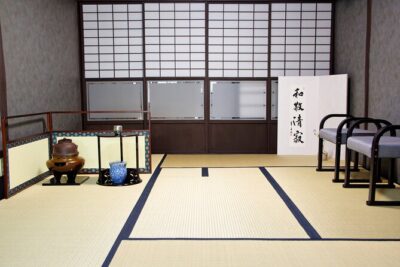
The setting is a traditional house, which suits the ceremony better than a generic classroom would. Still, keep your expectations in check. This is a compact cultural activity designed for visitors, not a long apprenticeship in tea practice. The value comes from the chance to participate and understand the basics in a welcoming format.
Making Your Own Matcha
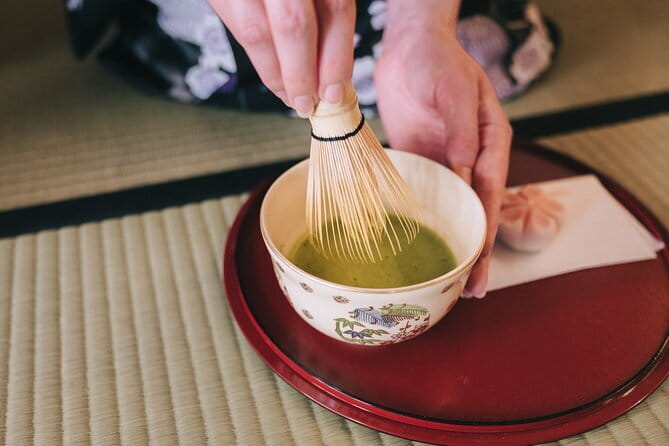
After the demonstration, you prepare your own matcha. This is the point where the experience shifts from watching to doing.
Matcha has a distinctive taste and texture, and making it yourself gives you a better sense of how the drink is prepared. You will have the chance to use the tools and follow the method explained by the tea master. Japanese sweets are served with the tea, providing the traditional sweet contrast to matcha’s stronger flavor.
I like this part because it keeps the activity from becoming a staged photo opportunity. You are not simply dressed in a kimono while someone else performs the ceremony. You take part in one of its central acts.
If you have food allergies, tell the provider in advance. The information supplied does not specify the sweets or offer a substitute menu, so advance notice is the sensible step. Extra food and drink beyond what is included are not part of the price.
More Tea Ceremonies in Kyoto
- Kyoto: Tea Ceremony in a Traditional Tea House in Kiyomizu
★ 4.9 · 3,519 reviews - Kyoto: Tea Ceremony Ju-An at Jotokuji Temple
★ 4.9 · 3,207 reviews - Kyoto: 45-Minute Tea Ceremony Lesson Experience
★ 4.3 · 2,378 reviews - Kyoto: Table-Style Tea Ceremony at a Kyo-Machiya
★ 4.9 · 1,211 reviews
The Professional Photoshoot
A professional photographer takes pictures during the experience. The photos are meant to record the ceremony, your kimono, and your participation in preparing matcha.
Three finished photos are sent digitally by email as a souvenir. This is a useful feature if you want a few polished images without arranging a separate photographer in Kyoto. It also means you should use an email address you can access after the activity.
Check that you can receive the images by email. One important practical point is that the photos are digital, not described as printed copies handed to you at the venue. If you want physical prints, you would need to arrange that yourself later.
The photography also affects the feel of the ceremony. You should expect the camera to be part of the session, since photos are one of the advertised elements. That suits couples, families, friends, or solo visitors who want a formal portrait in traditional clothing. It may feel less suitable if you want a completely private and uninterrupted tea ceremony.
The three-image package gives the activity a clear souvenir value, though you should not expect a full studio session with a large gallery of edited photographs. The supplied information promises three digital photos, so book this for a small set of keepsakes rather than an extensive portrait collection.
Sitting Comfortably During the Ceremony
The biggest physical issue is the seating. Women in particular may be expected to kneel on the floor rather than sit cross-legged. Kneeling can become uncomfortable quickly, especially for older people or anyone with knee, hip, or ankle problems.
Two chairs and tables are available, so the experience is not limited to floor seating for everyone. Still, tell the staff about your needs when you arrive. The activity information does not provide detailed accessibility specifications, so you should not assume the seating will be fully adapted.
Comfort matters because the ceremony requires attention. If you are distracted by painful knees, you will enjoy the tea lesson and photography less. Wear clothing that will not make changing or sitting more difficult, and consider your physical limits before booking.
Children under five are not allowed. For older children, the activity may work if they can sit quietly, follow instructions, and handle a formal cultural setting. The maximum group size is 10, which helps keep the session manageable, but it is still worth considering your child’s patience before reserving.
How the Timing Works
The experience lasts about 1 hour 45 minutes, though the detailed description refers to a 90-minute experience. Allow the full stated duration, plus time to arrive early and check in.
The flow is straightforward:
- Arrive 10 minutes early at Nishiki Orizuruya.
- Check in at the reception desk.
- Choose a kimono and get dressed.
- Watch the tea ceremony demonstration.
- Learn to prepare matcha.
- Eat Japanese sweets with your tea.
- Pose for photographs during the experience.
- Receive three digital photos by email.
There is no hotel pickup or drop-off. Transportation to or from other attractions is not included, and the activity returns you to its starting point. This is easy to fit into a day of sightseeing in central Kyoto, but do not treat it as a door-to-door excursion.
The mobile ticket is handy. Keep the booking available on your phone, arrive at the named venue, and check in at reception. Since the provider requires participant heights and genders in advance, make sure those details are submitted before the appointment.
Who Gets the Most Value for $130.78
I see the best value here for someone who wants several Kyoto experiences combined into one organized session. The price covers the kimono, cultural explanation, matcha preparation, sweets, photography, and three digital photos. Buying those pieces separately could take more planning, even if this activity is not the cheapest way to drink tea in Kyoto.
Couples may appreciate the photos and shared dressing experience. Families with children over five can use it as a structured cultural activity, provided everyone can manage the seating and ceremony. Solo visitors also get the benefit of a professional photographer, which is harder to arrange when you are sightseeing alone.
This is less suited to you if you want a long, silent, formal tea ceremony with no photography. It is also a poor fit if you dislike dressing up, cannot kneel comfortably, or need extensive accessibility arrangements that have not been confirmed in advance.
The 95 percent recommendation rate and 4.8 rating from 44 reviews suggest the overall format works well for most people. The lower-scoring feedback points to useful limits rather than a mystery problem: some people find the setting or duration less special than expected, and the experience may feel more like a cultural introduction and dress-up session than a deeply traditional ceremony.
That distinction is important. If you book it as a welcoming first lesson with photos, you are likely to understand what you are buying. If you book it expecting an intimate masterclass in tea practice, the short schedule may disappoint.
Booking Details Worth Knowing Before You Go
Cancellation is free if you cancel at least 24 hours before the start time. Within 24 hours, you receive no refund, and changes made inside that window are not accepted.
The activity is operated by Japan Wonder Travel. Confirmation is provided at booking, and the experience uses a mobile ticket. It runs with a maximum of 10 people, though the exact group size on your date is not stated.
Tell the provider about food allergies ahead of time. Bring an email address that can receive the three digital photographs, and send the required height and gender details for every participant before the visit.
Most of all, protect your start time. Being more than 30 minutes late means you cannot take part and will not receive a refund. In Kyoto, it is wise to plan your route before the day rather than rely on a last-minute map search.
Should You Book This Kyoto Tea Ceremony?
Book it if you want a polished, beginner-friendly introduction to tea culture, especially if wearing a kimono and receiving professional photos are as important to you as the matcha lesson.
I would choose this activity for a first Kyoto visit, a special couple’s outing, or anyone who wants a cultural memory that is easy to fit into a busy sightseeing day. I would skip it if you want a lengthy formal ceremony, dislike being photographed, or know that kneeling will be painful.
The clearest way to judge the price is to count the whole package: kimono, dressing, English explanation, matcha, sweets, photographs, and three digital keepsakes. For that combination, $130.78 can be fair value. Just arrive early, confirm your email, prepare your participant details, and book with realistic expectations about the short, visitor-friendly format.
FAQ
Where does the tea ceremony take place?
It takes place at Nishiki Orizuruya, 452 Jūmonjichō, Nakagyo Ward, Kyoto, 604-8121, Japan.
How long does the experience last?
The tour summary gives an approximate duration of 1 hour 45 minutes. The detailed description refers to a 90-minute experience, so allow the longer stated time.
What time should I arrive?
You should arrive 10 minutes before the scheduled start time and check in at the reception desk.
What happens if I am more than 30 minutes late?
You cannot join the activity, and no refund is available for arriving more than 30 minutes after the start time.
Is the tea ceremony taught in English?
Yes. An English-speaking tea master demonstrates the ceremony and explains how to prepare matcha.
Do I get to make my own matcha?
Yes. After watching the demonstration, you learn to prepare your own matcha and enjoy it with Japanese sweets.
Are photos included?
Yes. A professional photographer takes pictures during the experience, and three photos are sent to you digitally by email.
Can I choose my own kimono?
You are escorted to the dressing room to choose your preferred kimono from the available selection.
What information is needed before booking?
The provider needs the height and gender of every participant in advance to prepare the kimono sets.
Is cancellation free?
You receive a full refund if you cancel at least 24 hours before the start time. Cancellations within 24 hours are not refunded.
More Photo Sessions around Kyoto
- Kyoto: Tea Ceremony with Kimono and Photoshoot
★ 4.9 · 90 reviews - Kyoto Tea Ceremony and Samurai Photo Session
★ 5.0 · 70 reviews - Tokyo:Genuine Tea Ceremony, Kimono Dressing, and Photography
★ 5.0 · 33 reviews - Private Tour in Kamakura: Matcha Tea Tasting & Photo Session
★ 5.0 · 6 reviews
Newly steeped around Kyoto
- Whisk Your Own Matcha: A Zen Matcha Experience at Temple★ 3.6 · 7 reviews
- Kyoto: Authentic Tea Ceremony in a Small Group★ 5.0 · 7 reviews
- Tea ceremony at Kyoto’s Zen Temple Teahouse★ 5.0 · 2 reviews
- Uji Walking Tour – Byodo-in temple and Tea Ceremony from Kyoto★ 3.5 · 3 reviews
- Tea Ceremony Experience in Traditional Kyoto Townhouse★ 5.0 · 19 reviews
- Tea Ceremony in 150 Years Old Townhouse with Tables and Chairs★ 5.0 · 22 reviews
- Traditional Tea Ceremony in Kyoto★ 4.5 · 3 reviews
- Sencha-do the Japanese Tea Ceremony Workshop in Kyoto★ 5.0 · 21 reviews
Kimono & Tea Ceremony, compared.


KYOTO Tea Ceremony with kimono near by Imamiya Jinjya Shrine
Read our review →
Kyoto: Kimono and Tea Ceremony Experience at Cultural Asset
Read our review →
Kyoto: Kimono Tea Ceremony with Matcha and Sweet
Read our review →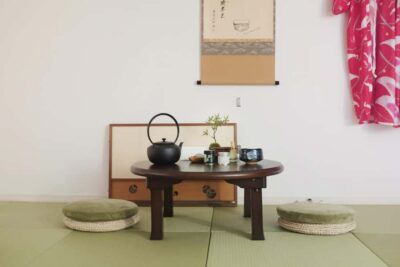
Tokyo: Asakusa Kimono Dressing and Matcha Experience
Read our review →Browse the lists this tea experience appears in