
Review · TOKYO
Tokyo Cherry Blossom Matcha Experience in Yoyogi Park (Shibuya)
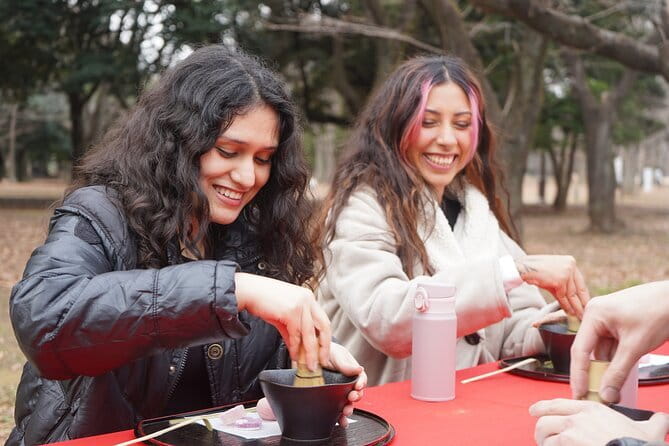
Tokyo’s cherry blossom season gets crowded fast, but this small-group matcha picnic gives you a calmer reason to be in Yoyogi Park. You’ll sit beneath the sakura, whisk Uji matcha with traditional tools, and pair it with Japanese sweets while an English-speaking host explains the customs in plain language.
I like two things right away: the activity is hands-on rather than a lecture, and the group is limited to six people. The certified Matcha Hospitality Adviser also brings a useful sense of purpose, teaching Japanese hospitality without turning the hour into a stiff formal tea ceremony.
The main drawback is the price. At $100.80 for about one hour, this is costly for a short activity, especially if you are mainly looking for a cup of tea. Its value depends on how much you want the seasonal setting, guidance, rare Uji matcha, and small-group attention.
Key points to know before booking
- Cherry blossoms set the schedule: The experience runs only for about two weeks from around March 23, with exact dates dependent on bloom conditions.
- You make the matcha yourself: Traditional tools and several cups of matcha are included, so this is more than a tasting.
- Yoyogi Park supplies the setting: You get sakura, open-air surroundings, and easy access from Harajuku, Shibuya, and Shinjuku.
- The group stays tiny: A maximum of six people makes it easier to ask questions and follow the host’s demonstration.
- It is casual, not ceremonial: You need no tea experience, special clothing, or formal manners.
- Weather matters: Poor conditions can lead to a new date or a full refund.
A spring-only matcha hour in Yoyogi Park
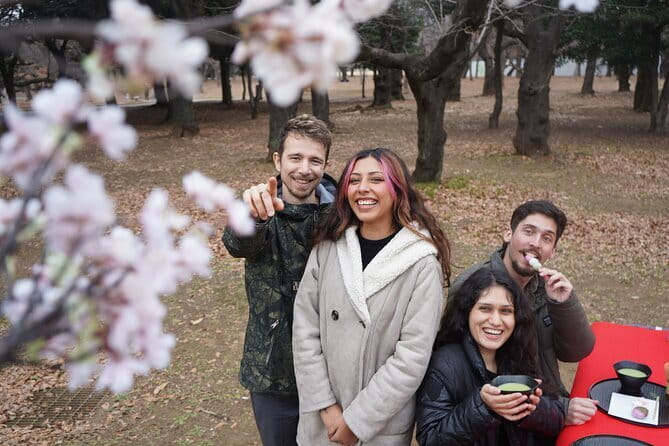
This activity makes sense because it combines three things that are usually separate in Tokyo: cherry blossoms, tea culture, and a quiet outdoor pause. You are not simply walking through Yoyogi Park while someone points at the flowers. You sit down, handle the tea tools, prepare your own matcha, and learn why the small details matter.
The timing is also part of the appeal. This is available only during cherry blossom season, usually from around March 23 for roughly two weeks. The actual window can shift with the weather and the condition of the trees, so flexibility helps. If you have only one fixed day in Tokyo, this seasonal limit makes the booking less certain than a normal museum or food tour.
The activity is designed for beginners. You do not need to know how to hold a bamboo whisk or understand Japanese tea customs in advance. The host and certified Matcha Hospitality Adviser guide you through the process in English, with easy cultural explanations rather than an elaborate performance.
That distinction matters. A formal tea ceremony can be quiet, precise, and highly structured. This is intended as a relaxed picnic. You can expect a more approachable introduction, with time to enjoy the park and ask everyday questions. It is a good fit if the idea of a traditional ceremony sounds interesting but intimidating.
More Matcha Experiences in Tokyo
- Matcha Making Class in Tokyo with Authentic Japanese Sweets Set
★ 5.0 · 744 reviews - Tokyo: Matcha Making Experience with Mochi Sweets in Asakusa
★ 4.9 · 388 reviews - Asakusa Cultural Walk & Matcha Making Tour
★ 5.0 · 245 reviews
Meeting near Harajuku Station
The meeting point is at Harajuku Station, at 1 Chome-18 Jingumae, Shibuya, Tokyo 150-0001. That location is practical for a morning or afternoon in this part of Tokyo, since Harajuku, Yoyogi Park, Shibuya, and Omotesando can all fit into the same day.
You should allow enough time to find the meeting point. The activity lasts only about one hour, so arriving late could take a noticeable bite out of the experience. Confirmation is normally sent at booking, although reservations made within 12 hours of the start time are confirmed as soon as possible and depend on availability.
The listed route includes Shibuya, Yoyogi Park, Harajuku Station, and Omotesando. Think of these as the connected setting for the outing rather than a sightseeing tour with long stops at every location. The central event is the matcha picnic in Yoyogi Park.
The experience ends back at the meeting point. That is useful if you want to continue toward Takeshita Street, Omotesando, Shibuya, or the Meiji Shrine area afterward. It also keeps the logistics simple: you are not dropped in an unfamiliar part of the city after the tea session.
What happens with the matcha
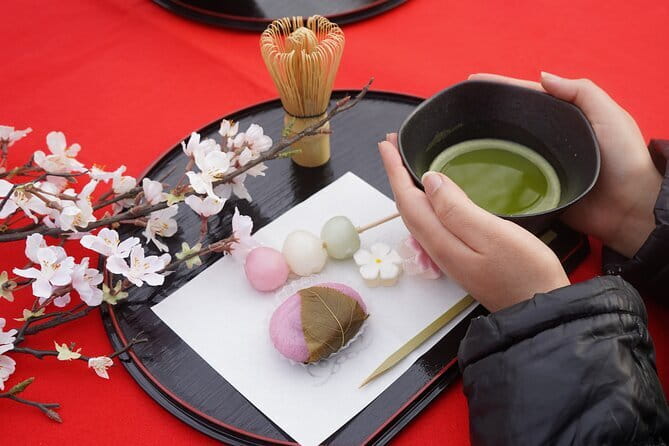
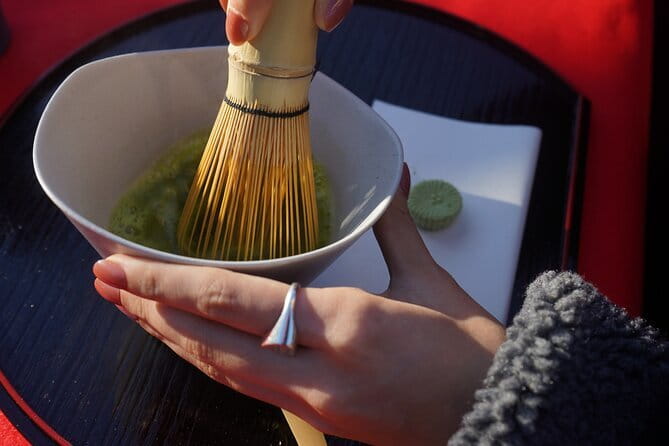
The heart of the hour is making your own bowl of Uji matcha. Uji tea is associated with high-quality Japanese matcha, and the experience uses tea that is described as rare and normally unavailable to visitors. You will use traditional tools, including the whisk, rather than watching someone else prepare everything.
Several cups of matcha are included. That gives you more than one brief taste and lets the activity feel like a guided practice session. You can pay attention to the texture, bitterness, aroma, and preparation instead of treating the drink as a quick refreshment.
The host’s role is important here. Matcha can be easy to misunderstand if you only know the sweetened café version. This session gives you cultural context along with the drink, helping you see matcha as part of Japanese hospitality and careful preparation.
The lesson is not presented as a test. There is no need to produce a perfect bowl. If you have never used a bamboo whisk, the beginner-friendly format should make the first attempt manageable. The small group also gives you a better chance to see the demonstration and ask for help.
Wagashi sweets and the picnic setting
Traditional and modern Japanese sweets are included, along with seasonal wagashi. These sweets are not just a side snack. Wagashi are commonly paired with matcha because their sweetness balances the tea’s sharper taste.
The seasonal element works especially well during cherry blossom time. You are not eating a generic packaged snack indoors while looking at a photograph of sakura. You are pairing the sweets and tea with the real spring setting in Yoyogi Park.
Food and drinks purchased from local vendors are not included. That is a minor but useful point to remember if you expect a full meal. This is a tea-and-sweets experience, not lunch. You might want to eat separately before or after, especially if you are planning a full day around Shibuya and Harajuku.
The outdoor setting also means the experience depends on good weather. If poor weather forces cancellation, you are offered another date or a full refund. Since cherry blossom dates are already narrow, check your schedule before booking and avoid placing this at the center of a tightly packed day.
Same leaf, a different ritual:
- Kimono Tea Ceremony at Tokyo, Asakusa Maikoya
★ 5.0 · 638 reviews - Tokyo: Traditional Tea Ceremony with a Tea Master
★ 5.0 · 528 reviews - Dynamic Tokyo: Tokyo Tower, Tea Experience, Bay Cruise Day Tour
★ 4.5 · 521 reviews - Mt. Fuji & Lake Kawaguchiko Ropeway Panorama Full-Day Tour
★ 4.6 · 236 reviews
Why the six-person limit matters
A maximum of six people is one of the strongest practical features. A large group would make a picnic tea lesson feel like a staged demonstration. With fewer people, you should have more room to follow the preparation, handle the tools, and ask questions about Japanese customs.
The small size also suits solo visitors and couples. You do not need to assemble a large party to make the activity work. Families can join as well, though the one-hour format and outdoor setting may suit older children better than very young ones. The supplied information does not set a child age limit, so check the booking details if that point matters to you.
The English-speaking local host and tea teacher or translator help keep the session accessible. The warm, welcoming approach is especially valuable on a first day in Japan, when you may still be sorting out train lines, etiquette, and basic routines. One useful sign of the session’s conversational style is that everyday questions, even something as ordinary as the shortage of public trash cans, can become part of the cultural exchange.
You should not expect a private lesson, since other people may join your group. Still, six is small enough to feel personal compared with a standard sightseeing group.
A photo-friendly stop without a dress code
Cherry blossoms and a bowl of bright green matcha make an easy photo subject. The activity is designed to be photo-worthy, and optional photo sessions are available if you want more polished images of the occasion.
No special clothing is required. That is a real advantage if you are on a longer Japan trip and do not want to pack or rent formal wear for a one-hour activity. Wear comfortable clothing suitable for sitting outdoors and walking to the park, but no dress code is imposed.
Photography should not be the only reason you book. Spring crowds and changing weather can affect the mood, and the experience remains valuable even if the best blossoms are just past peak. The tea preparation and cultural explanation are the lasting parts. The flowers provide the setting, not the entire substance.
If you want a formal portrait session, confirm what the optional photography includes before paying extra. The available details establish that photo sessions can be arranged, but not their length, price, or exact format.
Is $100.80 good value?
At $100.80 per person, this is expensive for a one-hour activity. You are paying far more than the cost of matcha and sweets alone. The price reflects the seasonal location, small group, English guidance, traditional equipment, rare Uji matcha, and the planning needed to run an outdoor activity during a short annual window.
I would see it as a specialty experience rather than a budget tea stop. If your priority is simply tasting matcha, you can find cheaper options elsewhere in Tokyo. If you want a guided cultural activity in a famous park during sakura season, the price becomes easier to justify.
The small group improves the value. A six-person limit means you are not paying for a large operation with little personal contact. The host can explain the tools, correct your technique, and answer questions. You also receive seasonal sweets and several cups of tea, not just one prepared serving.
Booking patterns suggest that people reserve it about six days ahead on average. That is not a guarantee of availability, but it is a sensible planning guide. During the short cherry blossom window, I would book as soon as your dates are reasonably firm, while keeping a little flexibility for weather.
Free cancellation is available up to 24 hours before the start time. Changes or cancellations inside that period are not accepted for a refund. Since the weather can cancel the activity, the backup date or refund option is important.
Who will enjoy this experience most?
I would recommend it to first-time visitors who want a gentle introduction to tea culture without committing to a formal ceremony. It also suits couples looking for a distinctly seasonal Tokyo activity, solo visitors who enjoy meeting a small group, and families wanting something slower between busy sightseeing stops.
It is particularly useful at the beginning of a Japan trip. The friendly format can help you get comfortable with basic Japanese hospitality, and the location places you close to several major areas for the rest of the day.
You may want to skip it if you dislike outdoor activities, have no flexibility around the weather, or want a full meal. You should also think twice if $100.80 feels high for an hour, since the activity is short and the tea portion is the main event.
Service animals are allowed, and the meeting area is near public transportation. The experience is not described as wheelchair accessible, so you should contact the provider before booking if you have specific mobility needs.
Should you book the Yoyogi Park matcha experience?
Book it if you want a hands-on spring memory, not just another sightseeing stop. The strongest reasons are the six-person limit, the certified Matcha Hospitality Adviser, the use of traditional tools, and the chance to enjoy Uji matcha and wagashi under Tokyo’s cherry blossoms.
Skip it if you are watching your budget or need a guaranteed indoor plan. For the right person, the cost buys a focused cultural moment in one of Tokyo’s most famous parks. For everyone else, a cheaper tea shop may offer better value.
FAQ
When is the cherry blossom matcha experience available?
It is available only during cherry blossom season, generally from around March 23 for about two weeks. Exact availability depends on cherry blossom conditions.
How long does the activity last?
The experience lasts approximately one hour.
Where does the experience start?
It starts at Harajuku Station, at 1 Chome-18 Jingumae, Shibuya, Tokyo 150-0001, Japan.
Where does the activity end?
The activity ends back at the meeting point.
How many people can join?
The maximum group size is six people.
Is the experience conducted in English?
Yes. It includes an English-speaking local host and cultural explanations in English.
Do I need previous matcha experience?
No. The activity is beginner-friendly, and no previous tea experience is required.
Is this a formal Japanese tea ceremony?
No. It is a relaxed, picnic-style matcha experience rather than a formal tea ceremony.
What food and drinks are included?
Several cups of matcha and traditional and modern Japanese sweets, including seasonal wagashi, are included. Food and drinks bought from local vendors are not included.
What happens if the weather is poor?
The activity may be canceled because it requires good weather. You will be offered a different date or a full refund.
Can I cancel for a refund?
You can cancel up to 24 hours before the start time for a full refund. Cancellations or changes made less than 24 hours before the activity are not refunded or accepted.
Newly steeped around Tokyo
- Yokohama : Tea Ceremony with Sweets and Souvenir★ 5.0 · 5 reviews
- Walking Tour: Yanaka,Nezu& Sendagi: Tea Ceremony & Old Tokyo★ 5.0 · 3 reviews
- Private Mochi・Matcha sweets Making Class Near Shibuya Area★ 5.0 · 22 reviews
- 2 Hours Mochi &Nerikiri Making & Matcha Class in Bunkyo★ 5.0 · 21 reviews
- Private Kimono and tea ceremony at local home near Tokyo Disney★ 5.0 · 6 reviews
- Kimono and Tea Ceremony in Asakusa Private Food Tour With Guide★ 5.0 · 4 reviews
- Giant Sushi Cooking Class: Make a 1.5m Sushi Roll in Tokyo★ 5.0 · 9 reviews
- Tokyo Tea Ceremony Class at a Traditional Tea Room★ 5.0 · 2 reviews
Matcha Experiences, compared.
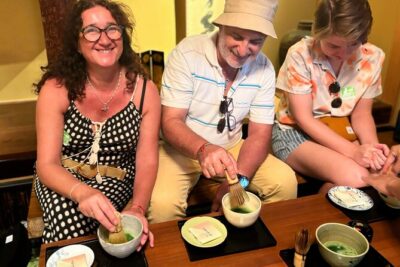
World Heritage Kyoto & Nara Uji Authentic Matcha Experience
Read our review →
Matcha Making Class in Tokyo with Authentic Japanese Sweets Set
Read our review →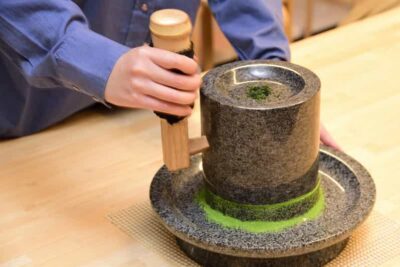
Kyoto: Tea Museum Tickets and Matcha Grinding Experience
Read our review →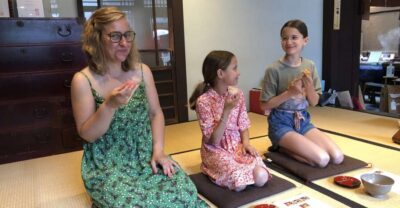
Kyoto: Tea Ceremony Meditation – Make Matcha with Tea Master
Read our review →
Tokyo: Matcha Making Experience with Mochi Sweets in Asakusa
Read our review →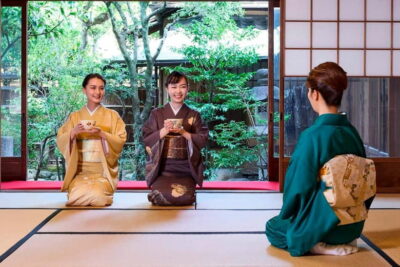
Kyoto: Kimono Tea Ceremony with Matcha and Sweet
Read our review →
Browse the lists this tea experience appears in