
Review · TOKYO
Tokyo: Matcha Tea Ceremony Experience in Shibuya
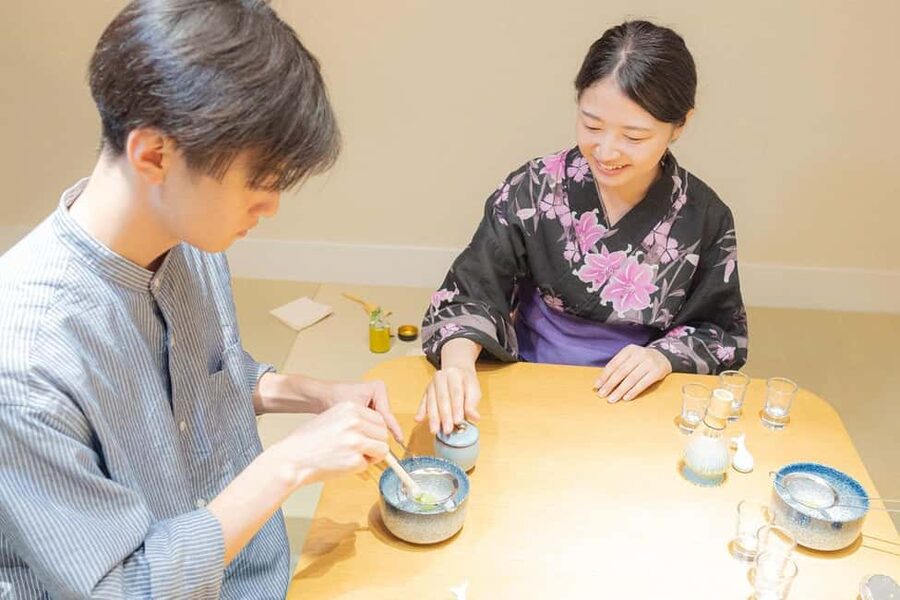
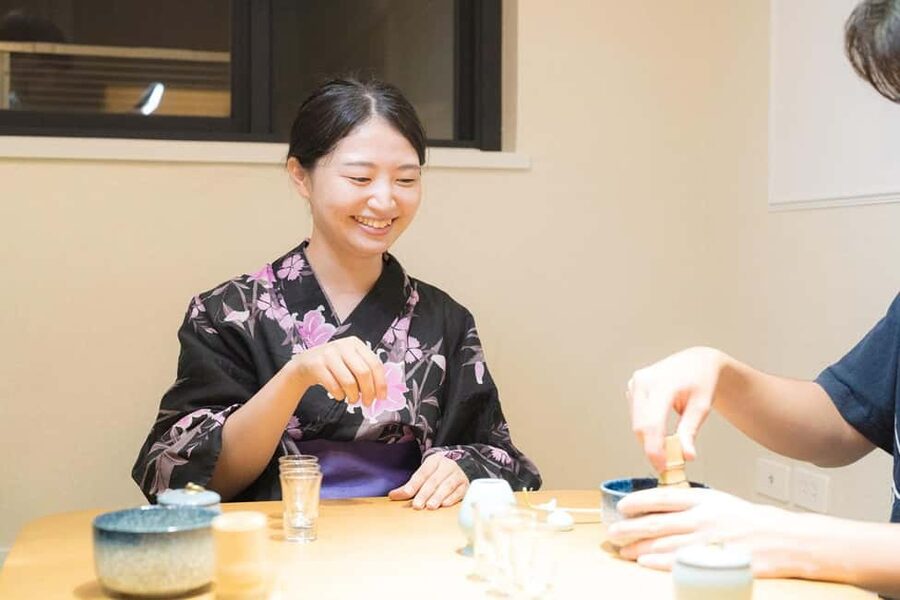
The best part of this Shibuya experience is that you do not just watch tea being made. You whisk your own matcha, taste several Japanese teas, and learn why each tea is served in a particular way. The hour gives you a useful introduction to tea ceremony without asking you to sit through a long formal performance.
I like the hands-on format and the chance to compare tea with small traditional sweets. I also like the small group limit of 10, which should make it easier to follow the English instruction and ask questions. The main consideration is time: at one hour, this is an introduction rather than a full study of Japanese tea culture.
Key points to know before booking
- You make your own matcha: The teacher guides you through the basic steps instead of leaving you to watch from the side.
- Several teas are included: You taste and compare different Japanese teas, with a small sweet matched to each selection.
- Taku has earned strong praise: He is described as an excellent English speaker, a warm host, and a well-prepared teacher.
- The group is limited to 10: This keeps the lesson more personal than a large cultural demonstration.
- It fits neatly into a Tokyo day: The experience lasts one hour and takes place in Shibuya.
- The meeting point is specific: Find the entrance to the Okazaki Building, with a vending machine beside it.
What the one-hour tea experience actually offers
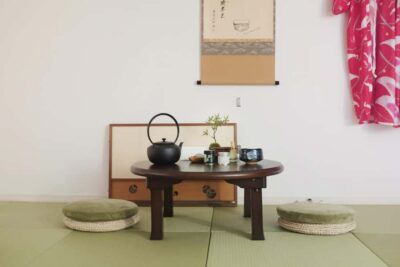
This is a compact lesson in Japanese tea culture, built around participation. You begin by meeting an English-speaking local teacher and settling into a calm setting where the tools for tea ceremony are already provided.
The class then moves through several kinds of Japanese tea. You taste each one and compare its flavor, aroma, and presentation. That comparison matters because tea ceremony is not only about drinking matcha. It is also about noticing small differences and giving attention to the act of serving and receiving tea.
A traditional sweet accompanies the tea selections. It is a small detail, but a useful one. The sweetness helps balance the tea and gives you a clearer sense of how Japanese tea service considers the whole tasting experience, not just the liquid in the cup.
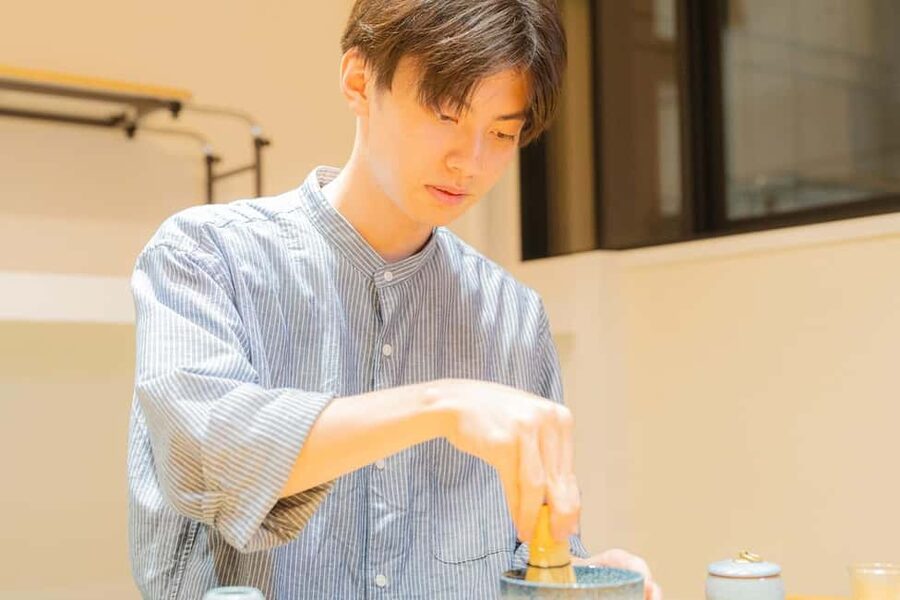
The hands-on section is the heart of the class. You learn the basic steps for preparing matcha and then make your own with guidance. This is a good format for first-time participants because you can ask questions as you go rather than trying to copy a silent demonstration.
You also learn basic manners connected with serving and drinking tea. The lesson explains the purpose behind the movements, so the ceremony feels less like a set of mysterious rules. You gain a better sense of the care, order, and mindfulness built into the practice.
More Matcha Experiences in Tokyo
- Matcha Making Class in Tokyo with Authentic Japanese Sweets Set
★ 5.0 · 744 reviews - Tokyo: Matcha Making Experience with Mochi Sweets in Asakusa
★ 4.9 · 388 reviews - Asakusa Cultural Walk & Matcha Making Tour
★ 5.0 · 245 reviews
Making matcha instead of just watching
Many cultural activities give you a short demonstration and send you on your way. This one gives you tools and lets you take part. I consider that a real advantage, especially at a price of $30 per person.
The teacher takes you through the preparation step by step. You can expect help with the basic actions involved in making matcha, along with an explanation of why those actions matter. The activity is designed to be welcoming, so you do not need prior experience with tea ceremony.
Your own bowl may not look perfect, and that is part of the fun. The point is to learn the process and pay attention to the preparation. A calm teacher can make a big difference here. Taku, the teacher named in the supplied information, is praised for excellent English, careful preparation, and friendly hosting.
Since the activity is limited to 10 people, you should have a better chance of following the demonstration than you would in a large group. That does not guarantee one-to-one attention throughout the hour, but it is a sensible group size for a practical lesson.
Comparing Japanese teas with traditional sweets
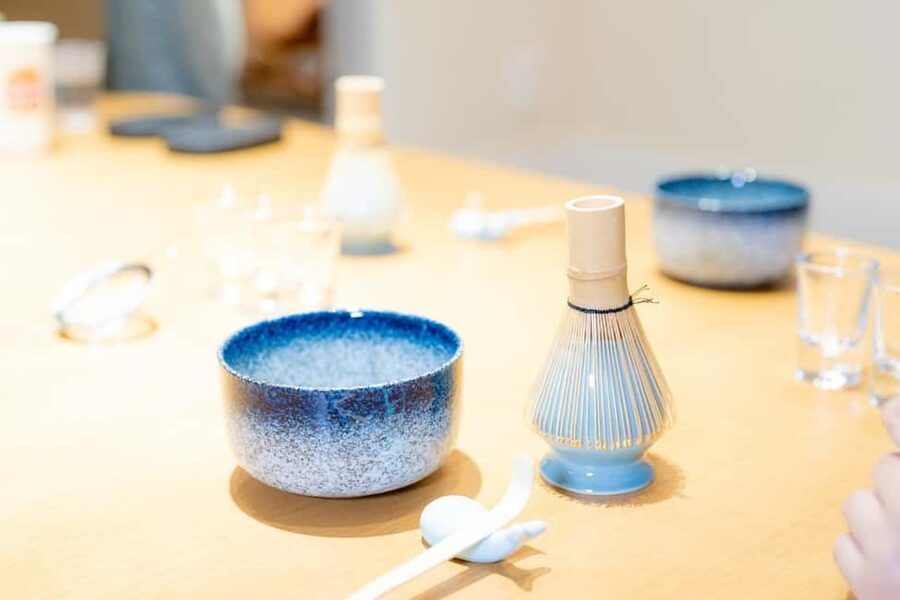
The tasting section gives the activity more depth than a simple matcha-making workshop. You try several carefully prepared teas and consider how they differ in taste and smell.
For many people, the first cup of tea can seem subtle. Comparing several kinds side by side helps you notice those small changes. You may find that one tea seems lighter, another more fragrant, and another more suited to the accompanying sweet. The point is not to memorize technical terms. It is to slow down and pay attention.
The sweet pairing also connects the tasting to Japanese hospitality. The snack is included, and it is chosen to complement the tea. You do not need to bring food or arrange a separate tasting. The tea, sweet, equipment, and instruction are all part of the $30 price.
I like this element because it gives you something practical to carry into the rest of your time in Japan. After the class, you may notice more about the taste and presentation of tea in cafés, restaurants, or shops. It is a small lesson, but it can sharpen your senses.
Tea ceremony manners without the stiffness
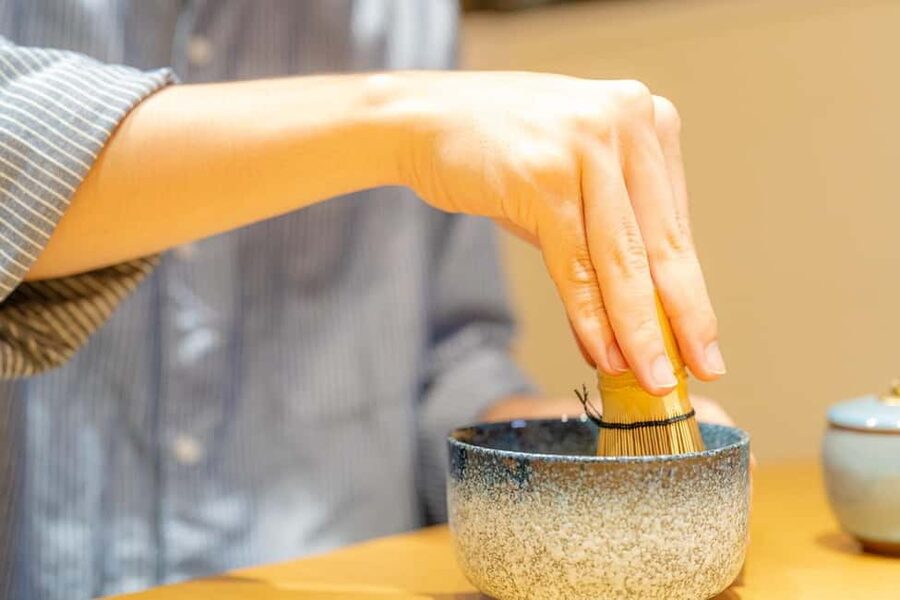
Tea ceremony has formal rules, but this activity presents the basics in a relaxed setting. You learn how to serve tea and how to approach the ceremony with care, while still having room to ask questions and enjoy yourself.
That balance is important. A highly formal ceremony can be beautiful, but it can also leave a first-time participant unsure about what to do. Here, the teacher explains the manners as part of the lesson. You are not expected to arrive already knowing how to sit, receive tea, or handle each step.
The class also introduces the cultural meaning behind the movements. Tea ceremony places value on attention, respect, and the shared moment between host and guest. You will not master the tradition in an hour, but you can understand why the actions are performed with such care.
I would see this as a friendly entry point rather than a full ceremonial training session. If you already study tea ceremony, you may find the lesson basic. If you are simply curious about Japanese culture, the clear structure should make it easy to follow.
More Tea Ceremonies in Tokyo
- Kimono Tea Ceremony at Tokyo, Asakusa Maikoya
★ 5.0 · 638 reviews - Tokyo: Traditional Tea Ceremony with a Tea Master
★ 5.0 · 528 reviews - Tea Ceremony Workshop in Tokyo by the Experienced Instrucor
★ 5.0 · 189 reviews - Asakusa: Kimono Tea Ceremony with Matcha and Sweet
★ 4.9 · 153 reviews
A closer look at the guide and teaching style
The teacher leads the class in English, which removes a major barrier for international visitors. Taku receives especially strong praise for being well prepared, welcoming, and easy to understand.
Good instruction matters here more than flashy surroundings. The value comes from having someone explain the tools, guide your movements, and put the ceremony into context. A teacher who can answer questions in clear English helps turn a quiet ritual into a real cultural exchange.
The feedback available for the activity gives the guide high marks for friendliness and information. One short comment simply praises the host, while another describes the class as fun and informative. Taku is also praised for his excellent English and thoughtful preparation.
That is useful information when choosing between a performance and a workshop. You are not only paying for tea. You are paying for an hour of explanation, guided practice, and conversation with a local teacher.
Meeting in Shibuya and finding the building
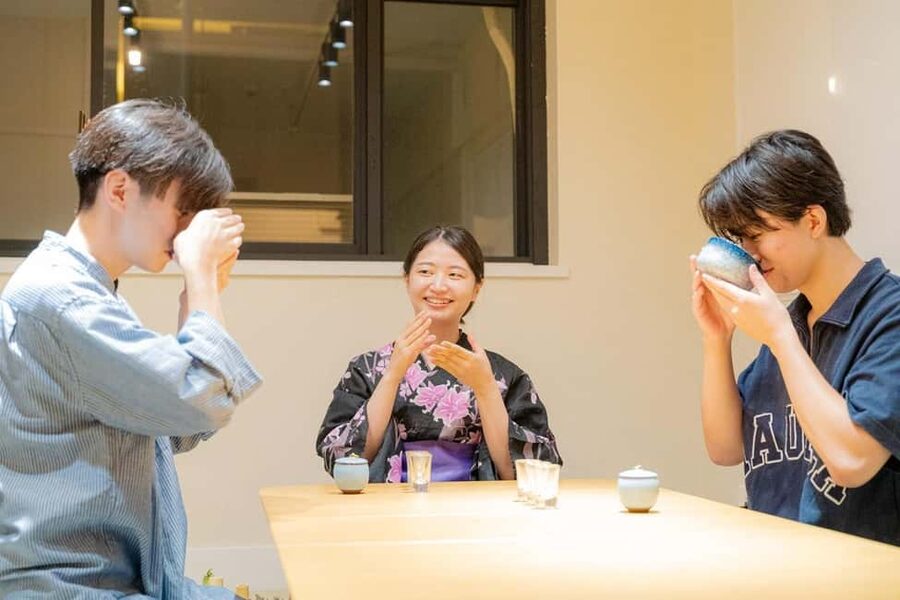
The meeting point is in front of the entrance to the Okazaki Building. A vending machine is next to the entrance, which gives you a clear landmark when you arrive.
You should allow enough time to find the building before the start time. The instructions are precise, but an urban meeting point can still be easy to miss if you are rushing. Look for the instructor at the building entrance rather than wandering through the neighborhood in search of a tea room.
The activity takes place in Shibuya, so it can fit well between shopping, sightseeing, or an evening meal. The supplied information does not give a full route from a station, so check the exact map point when booking and use the building name and vending machine as your final confirmation.
Because the class lasts only one hour, it is easy to place in a busy Tokyo schedule. That short length is helpful if you want several activities in one day. It also means you should not expect a long visit with an extended formal ceremony.
Is $30 a fair price?
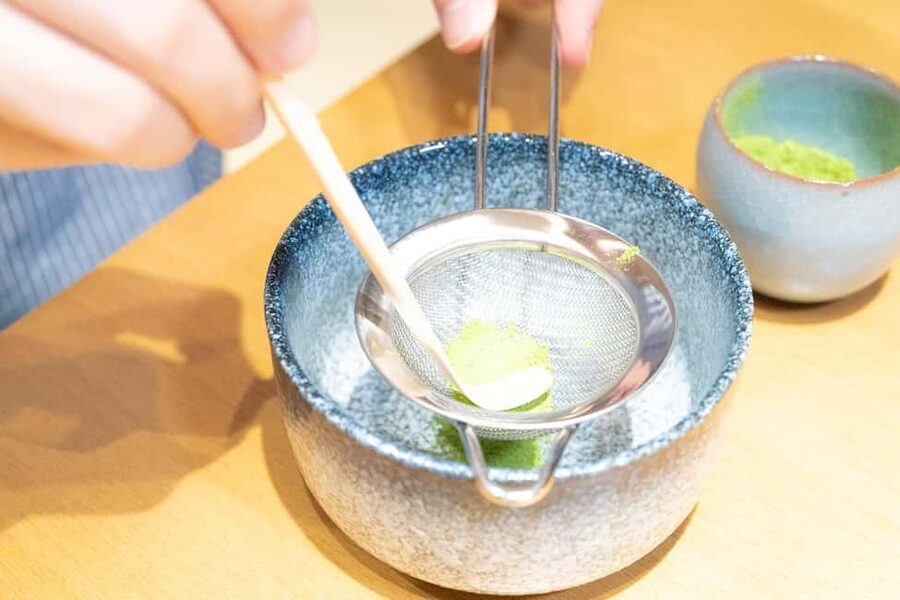
At $30 per person, I think this is a reasonable purchase for a first introduction to tea ceremony. The price includes one hour of English guidance, the tea ceremony tools, several tea selections, a small sweet, and photos taken during the experience.
The value is strongest if you want to participate. You are not paying only to sit and watch a prepared show. You handle the tools, make matcha, taste different teas, and learn the basic manners behind the ceremony.
The price may feel less attractive if you want a long, highly formal event or a detailed study of Japanese tea schools. That is not what this one-hour class promises. It is better understood as a concise cultural activity that gives you a taste of the tradition.
Photos are shared at the end, which is a nice extra. You can leave with a record of the experience without having to spend the class taking pictures yourself. The photos should be treated as a bonus, not the main reason to book.
Who will enjoy this class most?
I would recommend this experience to first-time visitors who want a simple way to learn about Japanese customs. It also suits people who prefer doing something practical over watching a passive demonstration.
It is a good choice for:
- First-time participants in a tea ceremony
- Visitors who want an English-language cultural activity
- Couples or friends looking for a calm one-hour break
- People interested in Japanese food and drink traditions
- Anyone who enjoys small-group classes
- Visitors with limited time in Shibuya
Families and mixed-age groups may also find the hands-on structure approachable, though the supplied information does not specify a minimum age. If you are booking for children, confirm the age policy before paying.
The activity is listed as wheelchair accessible. That is helpful, but accessibility can depend on the exact entrance and interior arrangement, so contact the provider if you need specific details about seating or movement during the ceremony.
Booking flexibility and group size
You can cancel up to 24 hours in advance for a full refund. You can also reserve now and pay later, which helps if your Tokyo plans are still changing.
Starting times vary, so you need to check availability for your chosen date. The one-hour length gives you some flexibility, but remember to include time for reaching the Okazaki Building and getting settled.
The group limit is 10 participants. That is small enough to support a more personal lesson, while still allowing the activity to have a social feel. If you want complete privacy or a private tea master, this is not presented as a private booking.
Should you book the Shibuya matcha class?
Book it if you want to make your own matcha, taste several Japanese teas, and learn basic ceremony manners from an English-speaking teacher in a short, friendly class. The strong praise for Taku’s English, preparation, and warm manner adds confidence to the teaching side of the experience.
Skip it if you are seeking a long, formal ceremony or advanced instruction. At one hour, the class offers a clear introduction, not a full education in every part of Japanese tea culture.
For most visitors, the $30 price is fair because the class combines tasting, guided practice, cultural explanation, tools, sweets, and photos. It is an easy activity to add to a Shibuya day, and it gives you more than a cup of tea: you leave knowing how the tea was prepared and why the gestures matter.
FAQ
Where does the tea ceremony take place?
The meeting point is in front of the Okazaki Building entrance in Shibuya. A vending machine is next to the entrance.
How long does the experience last?
The tea ceremony experience lasts one hour.
How much does it cost?
The listed price is $30 per person.
Is the activity conducted in English?
Yes. The instructor language is English.
What will I do during the activity?
You will prepare your own matcha with step-by-step guidance, taste and compare several Japanese teas, learn basic tea ceremony manners, and hear about the tradition and its history.
Are tea ceremony tools provided?
Yes. Tea ceremony tools are included.
Is a snack included?
Yes. A small traditional sweet is included with the tea selections.
How many people can join the group?
The activity is limited to 10 participants.
Can I cancel for a refund?
Yes. You can cancel up to 24 hours in advance for a full refund. You can also reserve now and pay later.
Newly steeped around Tokyo
- Yokohama : Tea Ceremony with Sweets and Souvenir★ 5.0 · 5 reviews
- Walking Tour: Yanaka,Nezu& Sendagi: Tea Ceremony & Old Tokyo★ 5.0 · 3 reviews
- Private Mochi・Matcha sweets Making Class Near Shibuya Area★ 5.0 · 22 reviews
- 2 Hours Mochi &Nerikiri Making & Matcha Class in Bunkyo★ 5.0 · 21 reviews
- Private Kimono and tea ceremony at local home near Tokyo Disney★ 5.0 · 6 reviews
- Giant Sushi Cooking Class: Make a 1.5m Sushi Roll in Tokyo★ 5.0 · 9 reviews
- Kimono and Tea Ceremony in Asakusa Private Food Tour With Guide★ 5.0 · 4 reviews
- Tokyo Tea Ceremony Class at a Traditional Tea Room★ 5.0 · 2 reviews
Matcha Experiences, compared.
World Heritage Kyoto & Nara Uji Authentic Matcha Experience
Read our review →
Matcha Making Class in Tokyo with Authentic Japanese Sweets Set
Read our review →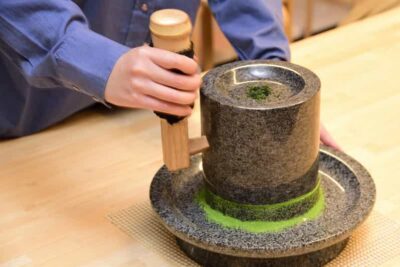
Kyoto: Tea Museum Tickets and Matcha Grinding Experience
Read our review →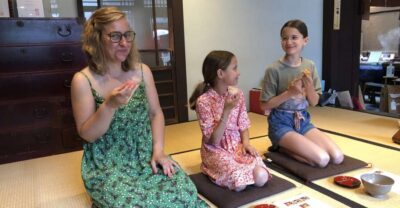
Kyoto: Tea Ceremony Meditation – Make Matcha with Tea Master
Read our review →
Tokyo: Matcha Making Experience with Mochi Sweets in Asakusa
Read our review →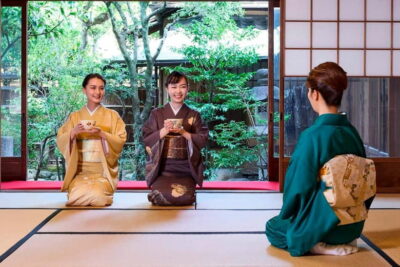
Kyoto: Kimono Tea Ceremony with Matcha and Sweet
Read our review →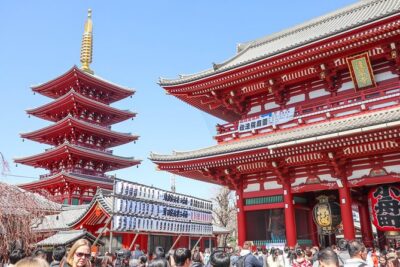
Browse the lists this tea experience appears in