
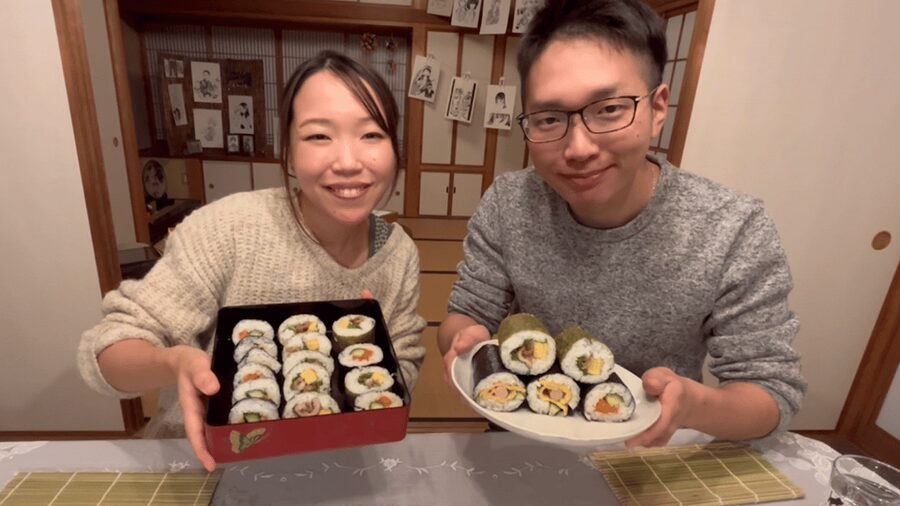
Review · YOKOHAMA
Yokohama: Sushi & Gyoza Cooking with Matcha Experience
The most appealing part of this Yokohama experience is its mix of home life, art, tea, and cooking. You spend an hour in a traditional tatami tea room, then move into the kitchen to make sushi rolls and gyoza with host Yuka. I like that you can choose your cultural activity, and I like that the class ends with a real meal and drinks, including alcoholic options. The main drawback is that the experience is not suitable for wheelchair users or people with food allergies.
Yuka’s English is excellent, and she gives clear meeting instructions at the station ticket gate. Bring a camera and wear comfortable clothes. The $81 price is not cheap for a cooking class, but it covers a full cultural session, all ingredients, your meal, beverages, and personal guidance in a home setting.
Key points to know before booking
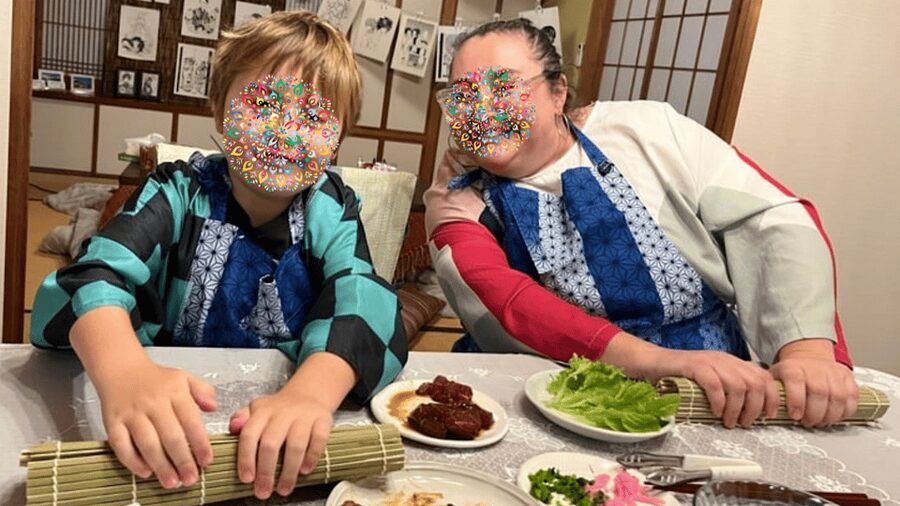
- Three ways to begin: Choose matcha and green tea, manga-style drawing, or quiet time with sweets in the tatami room.
- Two Japanese dishes: Make your own sushi rolls and handmade gyoza, then eat what you prepare.
- A personal home setting: The class takes place in a traditional Japanese home in Yokohama, not a large commercial kitchen.
- Strong English support: Yuka explains the meeting point and cooking steps clearly in English.
- Good for mixed interests: Couples, families, and solo visitors can enjoy different parts of the experience.
- Plan for comfort: You need suitable clothing, and the activity is not designed for wheelchair users or people with food allergies.
Starting at the Yokohama station ticket gate
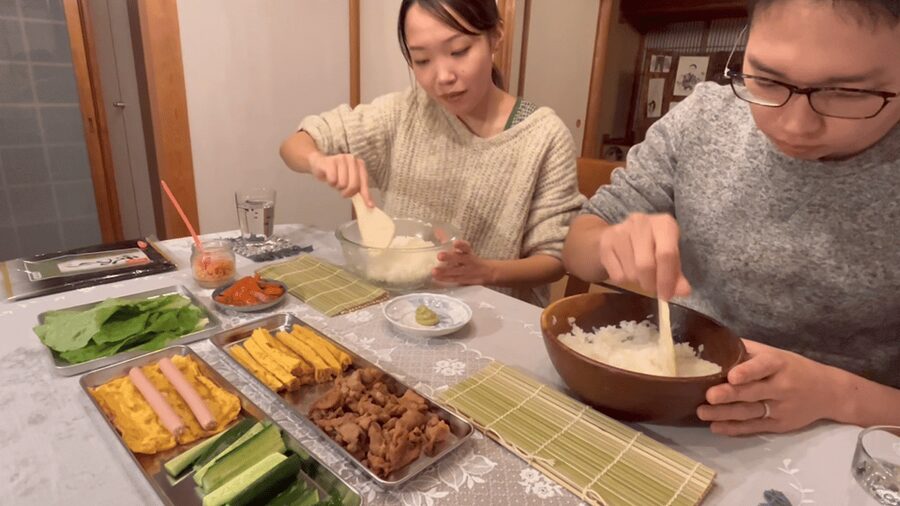
Your day begins by meeting Yuka in front of the ticket gate. Transportation to the activity is not included, so you need to arrange your own way to the meeting point. The activity also ends there, which keeps the plan simple once the class is over.
Clear directions matter in Japan, especially at large stations with several exits and ticket gates. Yuka provides meeting instructions, so read them before you leave your hotel and keep your phone handy. You do not need to plan a separate return transfer from the home.
This is an English-language experience. That makes it a practical choice if you want to ask questions about ingredients, cooking methods, or Japanese customs without working through a language barrier. You will still want to arrive on time, since a home-based class cannot operate as flexibly as a drop-in food stall.
More Matcha Experiences in Japan:
- World Heritage Kyoto & Nara Uji Authentic Matcha Experience
★ 5.0 · 1,573 reviews - Kyoto: Arashiyama Bamboo Forest, Monkeys, Matcha & Temple Tour
★ 5.0 · 759 reviews - Matcha Making Class in Tokyo with Authentic Japanese Sweets Set
★ 5.0 · 744 reviews
One quiet hour in a tatami tea room
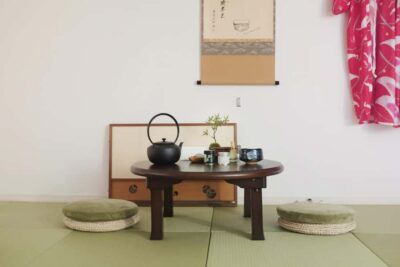
The first part takes place in a traditional Japanese home, in a tatami-style tea room. You receive tea and traditional Japanese sweets while taking in the room’s calm atmosphere. Sitting on tatami gives the experience a strong sense of place, even before any cooking begins.
This hour is not just a waiting period before the meal. It gives you a slower introduction to Japanese customs and daily life. After a day of sightseeing, that change of pace can be welcome. You get a chance to sit, look around, and talk with your host before handling knives, wrappers, and hot pans.
The setting also makes this a good choice for visitors who want more than a standard food lesson. A restaurant cooking demonstration may teach you a recipe, but it rarely gives you the feeling of entering someone’s home. Here, the tea room is part of the experience itself.
You should be comfortable with traditional seating before booking. The activity is not suitable for wheelchair users, and the provided information does not promise an alternative seating arrangement. If sitting on tatami is difficult for you, ask before reserving.
Choose matcha, manga, or a quiet break
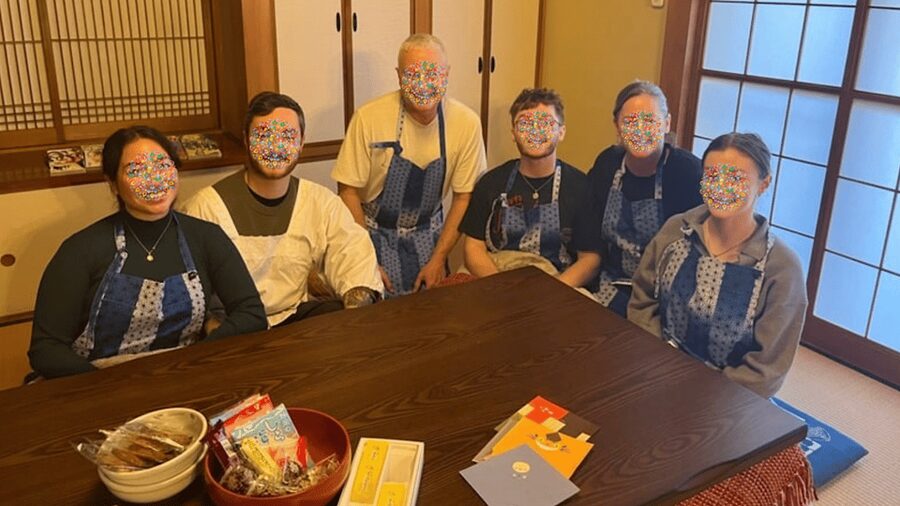
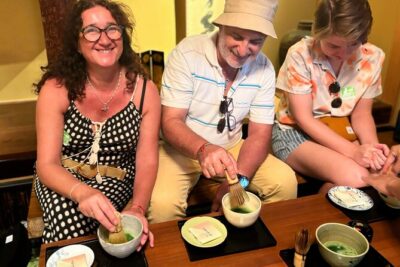
The cultural hour gives you three options. You can learn about matcha and green tea, try manga-style illustration, or simply relax with tea and Japanese sweets.
The matcha and green tea option introduces you to the basics of preparing and tasting both drinks. Matcha has a firm, grassy flavor that some people love and others find intense. If you prefer something gentler, you can choose a creamy matcha latte. That small choice makes the activity easier to enjoy for people who are curious about matcha but do not want a strong cup.
The tea portion also adds useful context to the cooking class. Japanese food is not just about sushi and ramen. Tea, sweets, careful presentation, and the pace of a meal all matter. This first hour lets you notice those ideas before you start making lunch or dinner.
The manga drawing option gives you a hands-on creative activity with a local artist. You use authentic tools and draw from the host’s own work. This could be the best choice for children, comic fans, or anyone who wants a souvenir made with their own hands rather than bought in a shop.
The third choice is simple: relax. You can enjoy tea and Japanese sweets in the tatami room without taking on another lesson. That option is useful if you have already spent days in museums, temples, and busy shopping areas. It also works well for a couple or family group with different energy levels.
You do not have to treat this hour as a test. The point is to choose the activity that fits your mood. If tea sounds too formal, draw. If drawing is not your thing, sit with sweets and conversation.
Moving from the tea room to the kitchen
After the cultural hour, sliding doors open to the kitchen and the cooking portion begins. The change from tatami room to kitchen gives the experience a natural rhythm. First you settle into Japanese culture, then you take part in preparing food.
The class covers two dishes: sushi rolls, known as maki, and handmade gyoza. You receive the ingredients and materials, so you do not need to shop or bring cooking supplies. A host guides you through the process rather than leaving you to follow a recipe card alone.
The sushi portion lets you make your own rolls with fresh seasonal ingredients. The information provided does not specify the exact fillings, so the ingredients may vary. That is worth keeping in mind if you have a favorite sushi combination or strong food preferences.
Rolling sushi looks easy until you try to keep the filling in place and shape the roll neatly. A host can show you the right pressure and technique, then let you handle the work yourself. The result does not need to look perfect. The fun is in learning how the pieces fit together, then eating the roll you made.
For many people, this will be the most photogenic section of the class. You can take pictures during the cooking experience and later remember the difference between a tidy roll and one that needed a little help. Bring a camera if you want those moments, but keep it out of the way when you are working with food.
More Cooking Classes with Tea around Japan:
- Private Kyoto Sushi Cooking Class & Tea Ceremony with Emika
★ 5.0 · 66 reviews - Osaka Japanese Cooking And Matcha Class near Osaka Castle
★ 5.0 · 22 reviews - Home Made Onigiri and Matcha Cooking Class in Hiroshima
★ 5.0 · 11 reviews - Giant Sushi Cooking Class: Make a 1.5m Sushi Roll in Tokyo
★ 5.0 · 9 reviews
Making gyoza by hand
The gyoza lesson adds a different skill. Sushi depends on rolling and shaping, while gyoza requires filling, folding, and cooking dumplings. You learn to handle the wrappers and create the familiar pleated shape with guidance from Yuka.
The folding technique can take a few tries. That is part of the value of making gyoza by hand. You are not simply watching a chef produce a polished plate. You are learning a repeatable kitchen skill that you can try again at home.
You then cook the dumplings and eat them as part of the meal. Gyoza often becomes a favorite because it is warm, savory, and satisfying after the careful work of folding. The experience description specifically calls out the gyoza as a major part of the meal, so allow yourself time to enjoy the finished dish rather than rushing to take photos.
Food allergies require special caution. This activity is not suitable for people with food allergies, and no allergy-adapted menu is promised. If you have a dietary restriction, do not assume substitutions will be possible. Ask before booking, and choose another food experience if the answer is uncertain.
Eating your creations with drinks
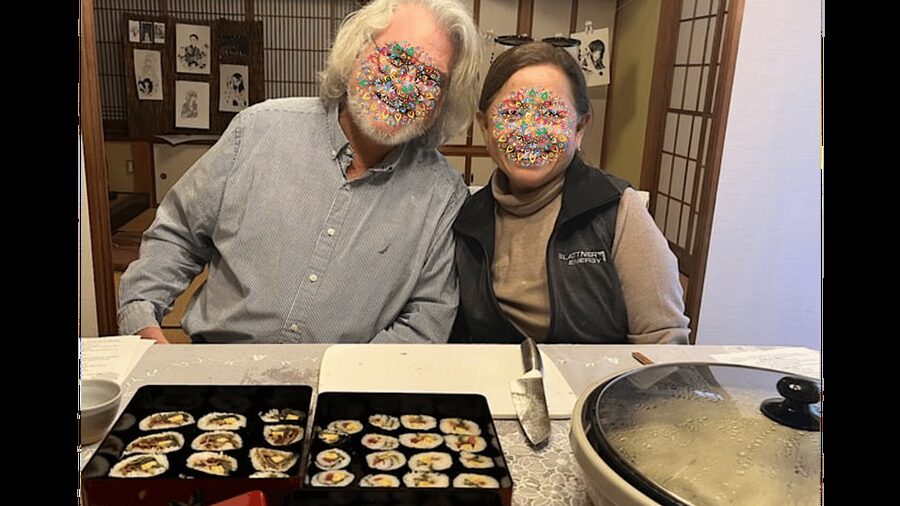
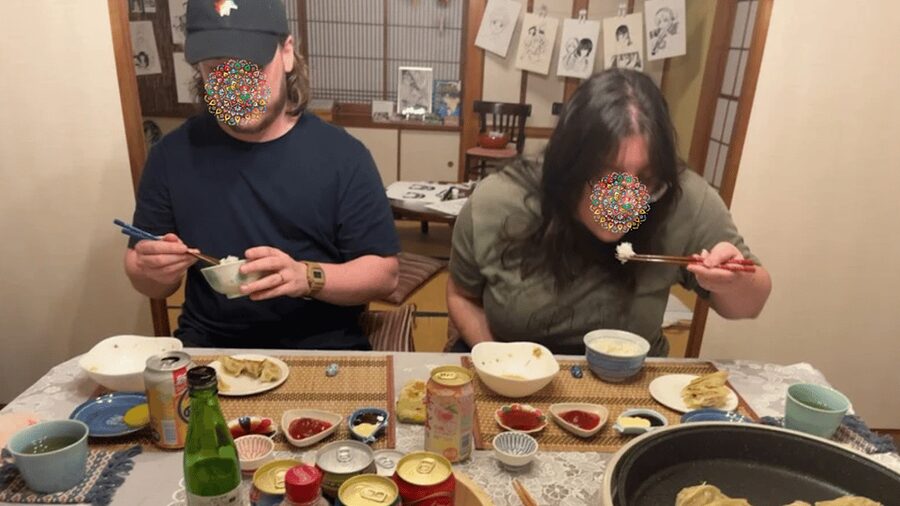
After cooking, you eat the sushi and gyoza you prepared. The meal is included in the price, along with a variety of beverages and alcoholic options. That makes the experience feel more complete than a short lesson where you cook one sample and leave.
The drink selection is useful for groups with different tastes. You can enjoy tea, green tea, or a creamy matcha latte during the cultural portion, while the meal includes other beverage choices. The supplied details do not list every drink, so you should not book this expecting a particular bottle or cocktail.
The meal also gives you time to talk with Yuka. One of the strongest features of this experience is the host’s personal help. Yuka can answer questions about Japanese cuisine and traditions, and she has also helped participants with other aspects of their Japan trip. That kind of local conversation can be as valuable as the recipes.
Keep in mind that outside food and drinks are not allowed during the activity. The provided beverages are part of the experience, so there is no need to bring your own snacks. Eat beforehand if you need a larger meal before the class begins.
Why the $81 price may be worthwhile
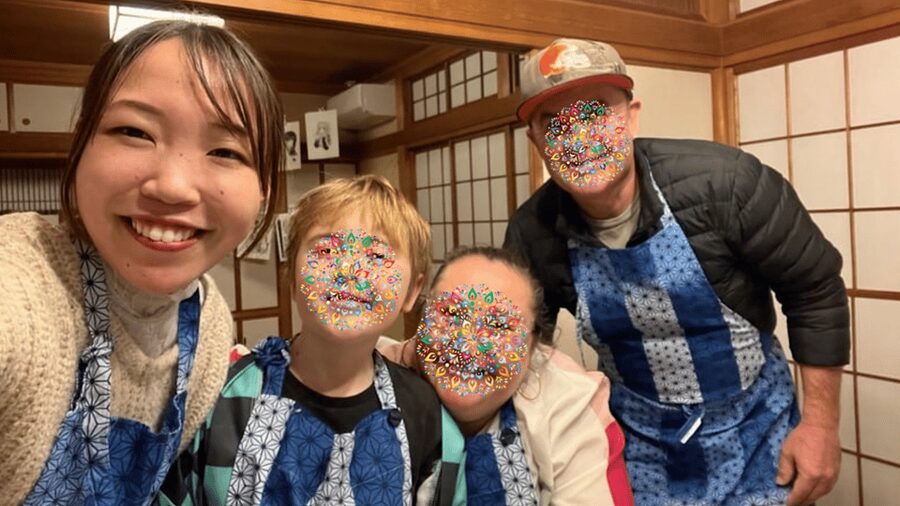
At $81 per person, this is more expensive than a basic group cooking lesson. The price makes more sense when you count everything included: one hour in a private tea room, tea and Japanese sweets, a cultural activity, ingredients, cooking instruction, your sushi and gyoza meal, beverages, and time with a local host.
You are also paying for the setting. A cooking school can give you a clean workbench and an efficient lesson. This experience gives you a traditional home environment, a tatami room, and a host who combines food with tea and manga. If you want a focused lesson on perfect sushi technique, a specialist class may offer more detail for less money. If you want several connected parts of Japanese culture in one visit, the price is easier to justify.
The flexible choice at the start improves the value for mixed groups. One person can choose manga, another can focus on tea, and someone else can simply relax. Everyone then joins the same sushi and gyoza class.
You should also think about the cost of your time in Yokohama. This experience is not only a meal, and it is not only a drawing session. It combines several activities without requiring separate reservations. For a first visit to Japan, that variety can make the fee reasonable.
Who will enjoy this experience most
I would recommend this for families with older children, couples, and solo visitors who want personal contact with a local host. The manga choice gives families an activity beyond food, while the cooking portion keeps the visit active and practical.
It also suits people who enjoy learning through several senses. You taste tea, handle sushi ingredients and gyoza wrappers, sit on tatami, draw with manga tools, and eat the finished dishes. You leave with skills and photos rather than only a brief explanation.
Solo visitors should find the host-led format comfortable. Yuka provides direct instruction, and the activities give you natural conversation topics. Couples can split their choices during the tea-room hour, then cook together afterward.
This is less suitable for anyone seeking a fast, highly structured class. The tea-room hour is a major part of the experience, and the value depends on your interest in Japanese home culture. It is also not a good fit for wheelchair users or people with food allergies.
Practical tips for a smoother visit
Wear clothes that are comfortable for sitting, drawing, and cooking. Avoid anything that makes it hard to work around a kitchen counter or sit for an extended period.
Bring a camera. The tatami room, manga activity, cooking steps, and finished dishes all offer good photo opportunities. Ask before photographing anything personal in the home, and keep your camera or phone away from the work surface while preparing food.
Read the meeting instructions carefully. You meet in front of the ticket gate, not necessarily at a restaurant entrance or a hotel lobby. Since transportation is not included, plan your route to the station in advance.
The activity is offered in English, and you can reserve now while paying later. Cancellation is allowed up to 24 hours in advance for a full refund, which helps if your Yokohama plans are still shifting.
Should you book the Yokohama sushi and gyoza class?
Book this experience if you want a personal cultural visit, not just a recipe lesson. The combination of a tatami tea room, matcha or manga, handmade sushi, gyoza, drinks, and conversation with Yuka gives you a broad taste of Japanese home life in one outing.
Skip it if you need wheelchair access, have food allergies, or want a highly specialized sushi course. At $81, the class earns its price through variety and personal attention rather than sheer cooking time. For families, couples, and solo visitors who value a calm setting and hands-on activities, it is a well-rounded choice in Yokohama.
FAQ
Where does the experience take place?
The experience takes place in a traditional Japanese home in Yokohama, on Honshu. The first hour is held in a tatami-style tea room, followed by cooking in the kitchen.
What dishes will I make?
You will make sushi rolls, also called maki, and handmade gyoza. Ingredients and cooking materials are provided.
What can I choose during the cultural portion?
You can choose a matcha and green tea experience, manga-style illustration with a local artist, or relaxation time with Japanese sweets and tea. The matcha option also includes a creamy matcha latte for a milder flavor.
Is the activity conducted in English?
Yes. The experience is offered in English, and host Yuka provides instructions for meeting and cooking.
Is food and drink included?
Yes. Tea and traditional Japanese sweets are included during the tea-room hour. Your meal and a variety of beverages, including alcoholic options, are also included.
Is the experience suitable for people with food allergies or wheelchair users?
No. The activity is not suitable for people with food allergies or wheelchair users.
Newly steeped around Japan
- Yokohama : Tea Ceremony with Sweets and Souvenir★ 5.0 · 5 reviews
- Whisk Your Own Matcha: A Zen Matcha Experience at Temple★ 3.6 · 7 reviews
- Walking Tour: Yanaka,Nezu& Sendagi: Tea Ceremony & Old Tokyo★ 5.0 · 3 reviews
- Visit local home for music and tea ceremony near Disney★ 4.9 · 13 reviews
- Trip to Kamakura & Enoshima: Shrines, Seaside, Temples &Tea★ 5.0 · 11 reviews
- Yokohama: Sushi & Gyoza Cooking with Matcha & GreenTea Experience★ 5.0 · 3 reviews
- Kyoto tea town for matcha lovers★ 5.0 · 16 reviews
- Uji: Private immersion into Kyoto’s tea and reglious culture★ 5.0 · 17 reviews
Matcha Experiences, compared.
World Heritage Kyoto & Nara Uji Authentic Matcha Experience
Read our review →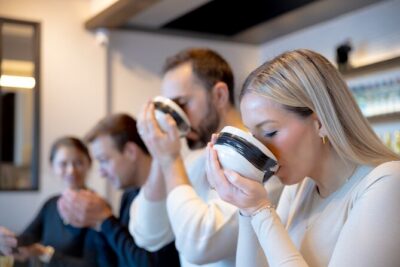
Matcha Making Class in Tokyo with Authentic Japanese Sweets Set
Read our review →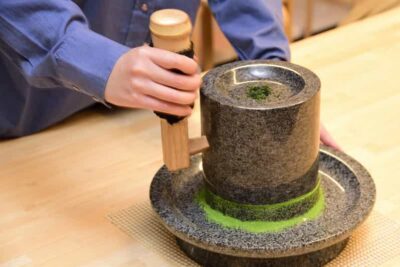
Kyoto: Tea Museum Tickets and Matcha Grinding Experience
Read our review →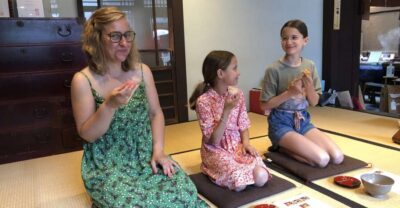
Kyoto: Tea Ceremony Meditation – Make Matcha with Tea Master
Read our review →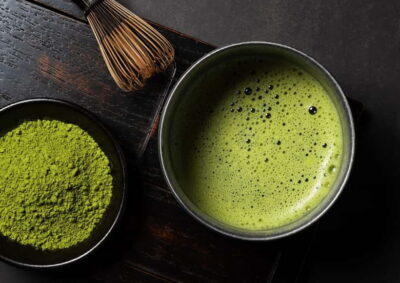
Tokyo: Matcha Making Experience with Mochi Sweets in Asakusa
Read our review →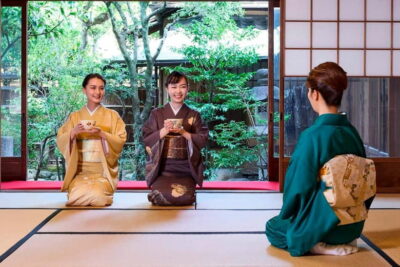
Kyoto: Kimono Tea Ceremony with Matcha and Sweet
Read our review →
Browse the lists this tea experience appears in