
Review · JAPAN
Japanese Tea Ceremony Private Experience
The most rewarding part of this private tea ceremony is the close look at small Japanese customs that are easy to miss. At 月と花 Japanese Tea Ceremony Salon, a qualified tea master explains the utensils, the movements, and the meaning behind the etiquette while preparing matcha in front of you.
I like two things right away: first-timers are welcome, and everything you need is prepared for you, including the tea-room setting and sweets. I also like the private format, especially for families or small groups who want to ask questions without feeling rushed.
The main consideration is the sitting position. The host takes care to protect your feet and explains things gently, but a traditional tea ceremony can still be uncomfortable if you have trouble sitting on the floor for a period of time.
Key points to know
- A full tea ceremony in a traditional tea room: This is more than a quick cup of matcha. You will see the preparation, utensils, and etiquette explained in context.
- A private booking for your group: Only your party participates, which makes it easier to ask questions and follow the demonstrations.
- A casual introduction for beginners: You do not need prior knowledge, special clothes, or equipment.
- Seasonal Japanese sweets with matcha: The sweets are part of the experience, not just an extra snack.
- A convenient Kurashiki location: The salon is near public transportation at 2-chōme-16-11 Achi.
- A short one-hour activity: It fits neatly into a visit to Kurashiki’s old town area without taking up a whole day.
A quiet hour in Kurashiki’s old town
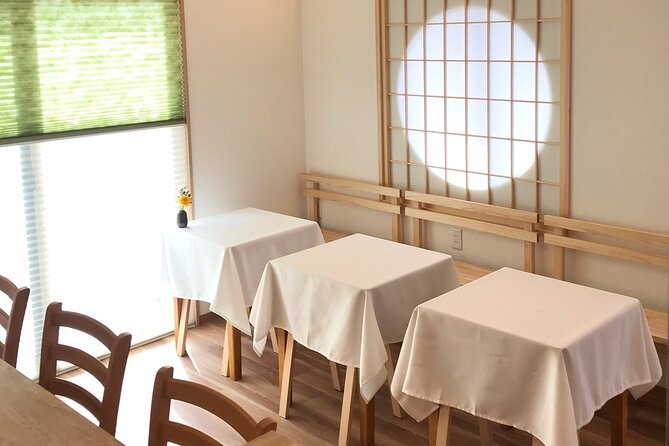
Kurashiki is a particularly fitting place for a tea ceremony. The activity takes place at 月と花 Japanese Tea Ceremony Salon, at 2-chōme-16-11 Achi, Kurashiki, Okayama 710-0055. The location is near public transportation, and the activity begins and ends at the same meeting point.
That simple start and finish matters. You do not need to arrange a complicated transfer or wonder where the experience leaves you. You can make the tea ceremony a calm pause during a day of sightseeing, then continue on your own from the salon.
The session lasts about one hour. That is long enough to explain the main customs and prepare the matcha properly, but short enough to fit alongside other plans in Kurashiki. I would allow extra time before the start, since tea ceremonies depend on quiet preparation and arriving flustered can make the opening feel less peaceful.
More Private Tea Experiences in Japan
- Private Tea Ceremony and Sake Tasting in Kyoto Samurai House
★ 5.0 · 163 reviews - Tea Ceremony Experience in a Private Tea Room in Shibuya
★ 4.9 · 125 reviews - Kyoto: Private Tea Ceremony with a Garden View
★ 4.9 · 61 reviews
What happens when you enter the tea room
You do not need to arrive in formal clothing. The host prepares what you need for the activity, so you can come in ordinary sightseeing clothes and focus on the ceremony rather than packing special items.
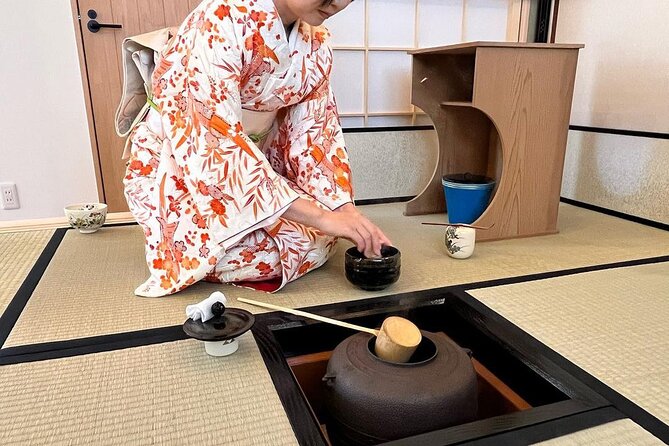
The tea room provides the setting. Its value is not only visual. A tea ceremony uses the room, the tools, the guest’s movements, and the rhythm of the host’s preparation to create a sense of order. Even if you know very little about Japanese tea, you will begin to see that each action has a reason.
The host explains the etiquette carefully and takes your comfort into account. You might be shown how to sit, when to pay attention, and how to handle the bowl and sweets. You are not expected to know the rules in advance. That makes this a better choice for a first encounter than a formal performance where you simply watch from a distance.
One practical point deserves attention: the ceremony may involve sitting in a traditional position. The host is careful about people’s feet and explains the process in a considerate way, but anyone with knee, ankle, or circulation problems should think about comfort before booking.
Learning the meaning behind the etiquette
The etiquette is the heart of the activity. You are not simply being served green tea. You are shown how to behave in the tea room and why certain gestures matter.
The exact sequence can feel unfamiliar at first. That is normal. The host’s explanations help turn small movements into understandable customs rather than rules you must memorize. You can pay attention to how the utensils are placed, how the tea is received, and how respect is shown between host and participant.
This is also where a private activity earns its price. In a large group, you might feel hesitant about asking why a particular gesture is made or how to use a utensil. Here, your group can ask questions as they come up. The host can also explain things at a pace that suits your party.
For children and teenagers, the ceremony offers a hands-on cultural lesson without the scale of a museum tour. A family with children ages 14 and 11 found the experience both educational and enjoyable, which points to a useful strength: young people can follow the process because it combines explanation, movement, food, and a visible preparation.
Watching matcha prepared in front of you
The matcha is made in front of you, so preparation becomes part of the experience. You see the tea emerge from the host’s careful handling of the bowl and utensils rather than receiving a finished drink with no context.
Matcha has a strong, distinctive taste. The sweets help balance it, and the contrast is part of the pleasure. If you normally drink sweetened tea, the flavor may surprise you. Approach it as a new style of tea rather than expecting something similar to an everyday cup of green tea.
The preparation also gives the hour a natural rhythm. First comes explanation, then demonstration, then your chance to enjoy the tea and sweets. You are given time to watch rather than being pushed through a checklist of sights.
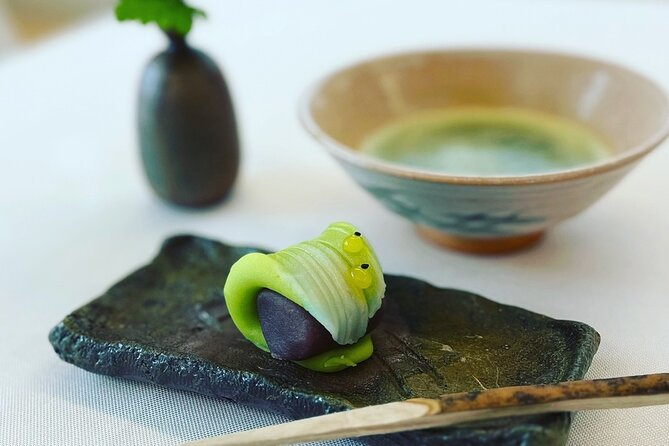
The activity includes beautiful seasonal Japanese sweets. Seasonal sweets are important in a tea setting because they connect the food with the time of year. The exact sweets can vary, so you should treat them as part of the changing experience rather than expect one fixed item.
Same leaf, a different ritual:
- Kyoto: Tea Ceremony in a Traditional Tea House in Kiyomizu
★ 4.9 · 3,519 reviews - Kyoto: Tea Ceremony Ju-An at Jotokuji Temple
★ 4.9 · 3,207 reviews - Kyoto: 45-Minute Tea Ceremony Lesson Experience
★ 4.3 · 2,378 reviews - World Heritage Kyoto & Nara Uji Authentic Matcha Experience
★ 5.0 · 1,573 reviews
Using the utensils without feeling nervous
Tea utensils can look delicate and unfamiliar. That can make first-time participants worry about making a mistake. The host’s role is to explain how they are used and to show you the proper etiquette before you try anything.
You do not need to arrive with specialist knowledge. The explanations cover the basics, and the casual format is designed for people who are new to the ceremony. I appreciate that balance. You receive a genuine cultural experience, but you are not expected to behave like someone who has studied tea ceremony for years.
The utensils also help you understand the ceremony as a complete art. The bowl is not just a cup. The tools are not simply kitchen equipment. Their handling and placement help create the formal yet welcoming structure of the session.
If you are visiting with family or friends, this can become an easy conversation afterward. You will have specific details to discuss, such as the way the tea was whisked, how the sweets were served, and which etiquette point surprised you most.
Why the private format matters
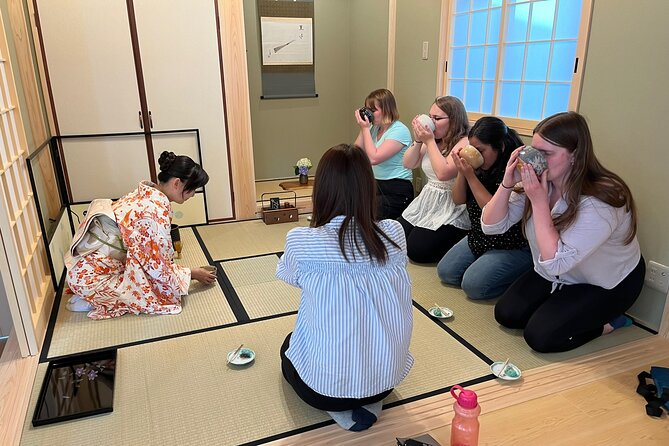
Only your group takes part. That makes this different from a demonstration designed for a room full of strangers.
A private booking gives you more control over the pace. You can listen closely, ask questions, and let children take a moment to understand what is happening. If one person in your group knows more about Japanese culture than the others, the host can still explain the basics without making anyone feel out of place.
The format also suits people who prefer a quieter activity. A tea ceremony depends on attention, and a smaller group helps preserve that mood. You are less likely to spend the hour listening to questions meant for someone else or trying to see around a crowd.
There is a trade-off. A private activity can cost more than a shared group session, depending on how the price is applied to your party. The listed price is $50, and group discounts are available, so larger parties should compare the final booking total rather than judge value from the headline price alone.
At that price, the value comes from more than the drink. You are paying for a qualified tea master, a traditional tea-room setting, instruction in etiquette, a guided look at the utensils, matcha preparation, and seasonal sweets. For someone who wants context and personal attention, that is a fair package for an hour.
A good fit for families and curious first-timers
This activity works especially well for families with older children and teenagers. The one-hour length is manageable, and the ceremony gives young participants something concrete to watch and taste. The sweets add a friendly element, while the explanations give the activity more substance than a simple refreshment stop.
It also suits couples, friends, and solo visitors who want a cultural activity with a personal pace. You do not need to be an expert in Japanese history or tea. Curiosity is enough.
I would be more cautious if you dislike quiet, formal settings or have difficulty sitting on the floor. The host makes an effort to protect your feet, but that does not remove the physical demands entirely. If you need frequent movement, ask about comfort before committing, since the available details do not promise a chair-based arrangement.
The session is also not designed as a long tour of Kurashiki. You will not be taken around the town or given a broad sightseeing itinerary. Its strength is focus: one traditional practice, carefully explained, in a suitable setting.
Fitting the tea ceremony into your Kurashiki day
Because the activity returns you to the meeting point, it is easy to place before or after other plans. You might schedule it as a quiet break during a day in the old town or use it as a cultural introduction early in your visit.
The activity itself takes about one hour, but allow time for local transportation and arrival. The salon is near public transportation, which helps, but the supplied details do not specify a station, walking time, or route. Check the exact map and meeting instructions after booking.
A mobile ticket keeps the practical side simple. You do not need to manage a paper voucher, though your phone should be charged and ready at the meeting point.
Booking confirmation is normally sent at the time of booking. If you book within two days of the activity, confirmation may arrive within 48 hours and depends on availability. For a fixed sightseeing schedule, I would avoid leaving this until the last moment.
Cancellation is flexible up to 24 hours before the local start time, when you can receive a full refund. Cancellations or changes made less than 24 hours before the start are not accepted for a refund. That is useful protection if your plans are still shifting, but the cut-off is firm.
What makes this more than a matcha tasting
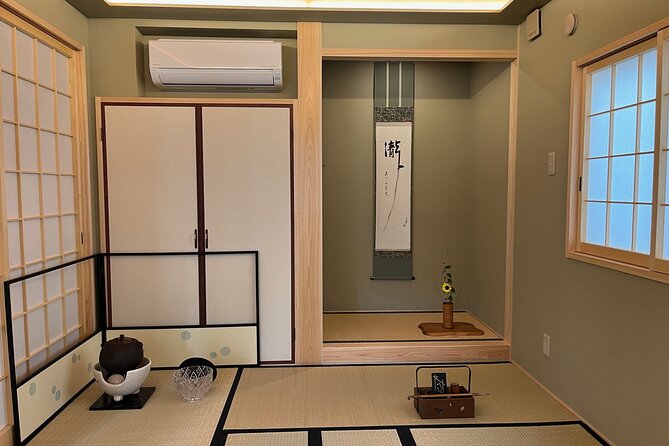
A matcha tasting gives you a drink. This activity gives you a framework for understanding the drink.
You learn why the bowl and utensils matter, how the host prepares the tea, and how guests take part in the ceremony. The sweets are also presented as part of the occasion, not as a separate dessert course. Those details make the hour feel connected to Japanese customs rather than packaged as a quick photo opportunity.
I also like that the experience is approachable without being stripped of its traditional character. You are not required to wear formal clothing or bring anything special, yet you still enter a traditional tea room and take part in a full ceremony led by a qualified tea master.
That balance is important. Some cultural activities simplify the practice so much that little remains beyond a souvenir photo. Here, the emphasis is on explanation and participation. You leave with a better sense of how tea ceremony works and why the etiquette deserves attention.
Should you book the 月と花 tea ceremony?
Book it if you want a focused, private introduction to Japanese tea ceremony in Kurashiki. It is a strong choice for families, first-timers, and anyone who values clear explanations, seasonal sweets, and the chance to ask questions in a small setting.
The $50 price makes the most sense when you appreciate the full package rather than viewing it as a beverage purchase. Group discounts may improve the value for larger parties.
Think twice if sitting on the floor is likely to cause discomfort, or if you want a broad tour of Kurashiki rather than one carefully presented cultural activity. For everyone else, this one-hour visit offers a calm and practical way to understand matcha, etiquette, and the quiet discipline of a Japanese tea room.
FAQ
Where does the Japanese tea ceremony take place?
The activity takes place at 月と花 Japanese Tea Ceremony Salon, 2-chōme-16-11 Achi, Kurashiki, Okayama 710-0055, Japan.
How long does the tea ceremony last?
The activity lasts approximately one hour.
Is this a private activity?
Yes. Only your group participates in the tea ceremony.
Do I need special clothing or equipment?
No. You do not need to worry about clothing or belongings because everything needed for the experience is prepared at the salon.
Is the ceremony suitable for first-time participants?
Yes. The activity is designed as a casual tea ceremony experience, and the host explains the etiquette and use of the utensils.
What is the cancellation policy?
You can cancel at least 24 hours before the local start time for a full refund. Cancellations or changes made less than 24 hours before the start are not accepted for a refund.
More Tea Ceremonies in Japan
- Osaka: Tea Ceremony Experience
★ 4.9 · 1,426 reviews - Kyoto: Table-Style Tea Ceremony at a Kyo-Machiya
★ 4.9 · 1,211 reviews - Kanazawa: Kenrokuen Tea Ceremony Experience
★ 4.8 · 1,139 reviews - Kimono Tea Ceremony at Kyoto Maikoya, NISHIKI
★ 5.0 · 911 reviews
Newly steeped around Japan
- Yokohama : Tea Ceremony with Sweets and Souvenir★ 5.0 · 5 reviews
- Whisk Your Own Matcha: A Zen Matcha Experience at Temple★ 3.6 · 7 reviews
- Walking Tour: Yanaka,Nezu& Sendagi: Tea Ceremony & Old Tokyo★ 5.0 · 3 reviews
- Visit local home for music and tea ceremony near Disney★ 4.9 · 13 reviews
- Trip to Kamakura & Enoshima: Shrines, Seaside, Temples &Tea★ 5.0 · 11 reviews
- Yokohama: Sushi & Gyoza Cooking with Matcha & GreenTea Experience★ 5.0 · 3 reviews
- Kyoto tea town for matcha lovers★ 5.0 · 16 reviews
- Uji: Private immersion into Kyoto’s tea and reglious culture★ 5.0 · 17 reviews
Private Tea Experiences, compared.
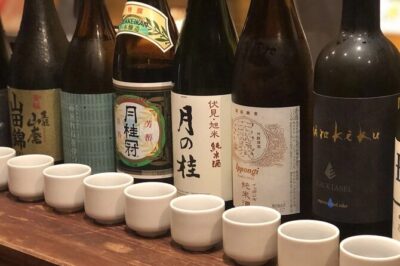
Private Tea Ceremony and Sake Tasting in Kyoto Samurai House
Read our review →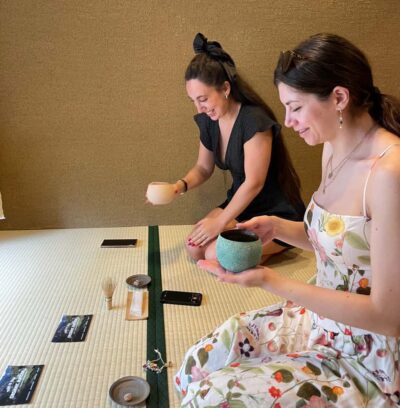
Tea Ceremony Experience in a Private Tea Room in Shibuya
Read our review →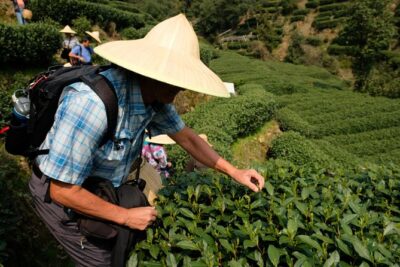
One-Day Hangzhou Dragon Well Tea Culture & West Lake Private Tour
Read our review →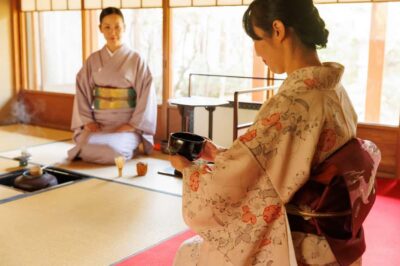
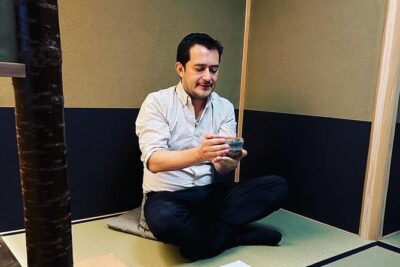
Kyoto Private Tea Ceremony with Tea Master at Home
Read our review →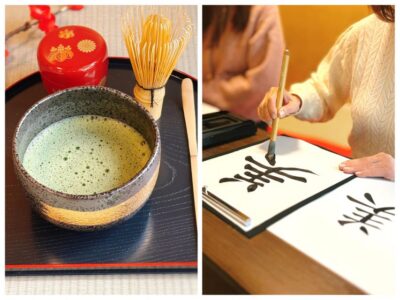
Osaka: Private Tea Ceremony and Calligraphy Experience
Read our review →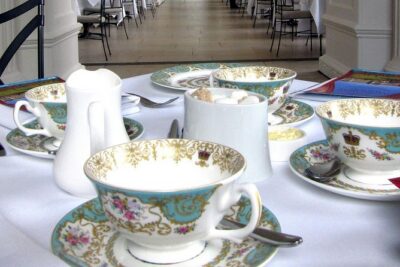
Private Tour: Royal High Tea At Kensington Palace Gardens
Read our review →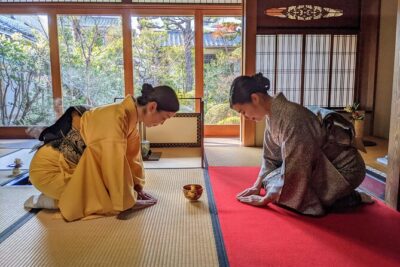
Stunning Private Tea Ceremony: Camellia Garden Teahouse
Read our review →Browse the lists this tea experience appears in