
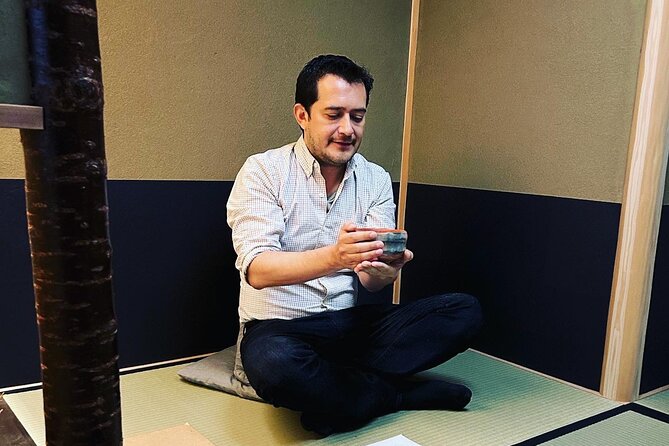
Review · KYOTO
Kyoto Private Tea Ceremony with Tea Master at Home
Kyoto’s tea ceremony is not best understood from behind a rope or through a quick photo stop. Here, tea master Aya Ito welcomes you into a private home near Nijo Castle, where the room, bowls, sweets, gestures, and pauses all have a purpose. You learn the rules, then make matcha yourself.
I like the small private setting, which gives you room to ask questions without performing for a large class. I also like the three seasonal wagashi from a long-established Kyoto confectioner, since the sweets are vegan and gluten-free as well as carefully chosen for the tea.
The main consideration is the strict etiquette. You need socks, sleeves, and long trousers or a long skirt, and you must arrive on time. Children aged 13 and under cannot join, and the one-hour format leaves little space for lingering.
Key points to know before booking
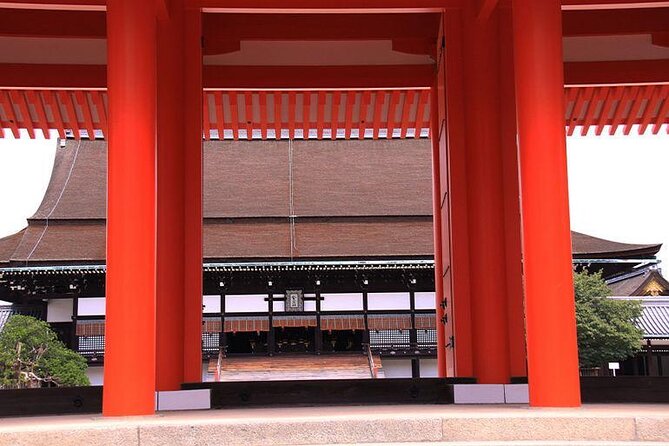
- Two bowls of Uji matcha: You watch the tea preparation and then take part in making matcha with a bamboo whisk.
- Aya Ito leads the session: She is a licensed tea instructor who teaches in clear English and explains both the actions and the meaning behind them.
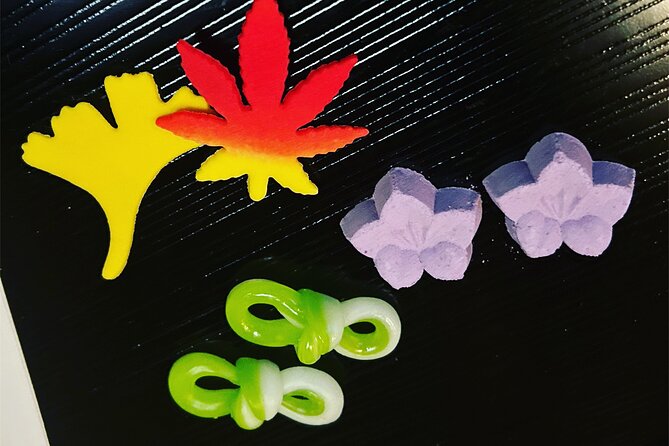
- Three seasonal wagashi are included: The handmade sweets are vegan and gluten-free, with flavors and shapes selected for the season.
- The setting is a real private home: Sakura Experience Japanese Culture is near Nijo Castle, not a large theater-style venue.
- Traditional clothing is not provided: Kimono rental is not included, so plan your outfit around tatami, kneeling, and tea-room etiquette.
Entering a Kyoto home near Nijo Castle
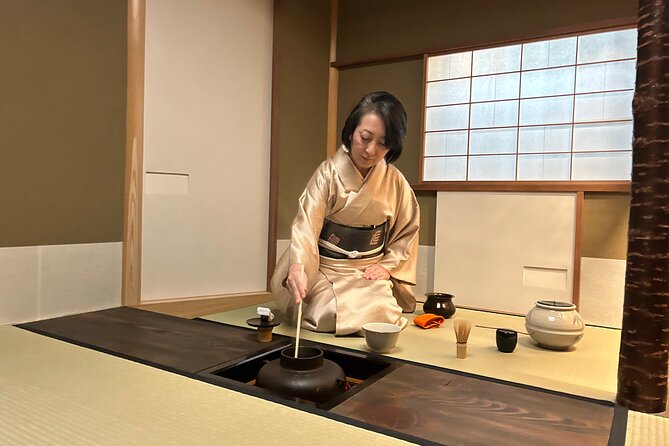
The meeting point is Sakura Experience Japanese Culture Nijo Home at 660 Izumicho, Nakagyo Ward, Kyoto. The home is near public transportation and close enough to Nijo Castle that you can pair the tea ceremony with a castle visit afterward.
That location matters. You are not being taken to a generic activity center on the edge of town. You enter a private Kyoto residence with traditional tea rooms named Koma and Hiroma. The setting is quiet and domestic, which makes the ceremony feel less like a staged cultural show and more like an introduction offered by someone who practices the art.
The home has welcomed cultural figures, museum professionals, and dignitaries, but the tone remains personal. You sit in a room designed for tea, surrounded by objects selected for use and meaning. Tea bowls come from Kiyomizu and Raku potters, and the matcha is an original blend sourced from historic gardens in Uji.
You should expect a calm room rather than a busy sightseeing stop. If you want photographs, conversation, and constant motion, this may feel slow. If you like careful detail and a peaceful hour, the setting is one of the strongest reasons to book.
More Private Tea Experiences in Japan
- Private Tea Ceremony and Sake Tasting in Kyoto Samurai House
★ 5.0 · 163 reviews - Kyoto: Private Tea Ceremony with a Garden View
★ 4.9 · 61 reviews - Stunning Private Tea Ceremony: Camellia Garden Teahouse
★ 5.0 · 28 reviews
Aya Ito explains the rules before the tea begins
Aya Ito’s role is more than serving a cup. She explains the background of the tea ceremony and shows you how to behave in the tea room. This matters because many of the gestures can seem mysterious if you have never seen them before.
You learn how to enter, where to sit, how to receive a bowl, and how to show respect for the tea and sweets. The point is not to memorize a long list of foreign rules. It is to understand that each movement helps create attention between the person making the tea and the person receiving it.
Aya teaches in English, and the available experience details describe her as a licensed instructor. Past sessions have included clear explanations, patient guidance, and time for questions. Her husband, Manabu, has sometimes taken photographs during the ceremony and shared them during the visit, although photography support should not be treated as a guaranteed inclusion unless confirmed for your date.
The teaching style is a good fit for first-time participants. You do not need prior knowledge of Japanese tea culture. You only need to be willing to slow down, listen, and follow instructions.
Three wagashi show how tea and sweets work together
Before or alongside the matcha, you receive three types of seasonal wagashi. These are not simply snacks placed on a plate. In a tea ceremony, the sweet prepares your palate for the slightly bitter tea and adds color, shape, and seasonal feeling to the room.
The sweets come from a long-established Kyoto confectioner. Their seasonal design gives you something to notice beyond sweetness: the appearance may suggest a flower, plant, or seasonal idea, though the exact selection can change. You will taste three varieties rather than one standard confection.
The dietary information is especially useful. The wagashi are vegan and gluten-free, so this experience accommodates many people who have difficulty with sweets in Japan. You should still communicate any serious allergy or dietary concern when booking, since the supplied details confirm vegan and gluten-free suitability but do not list every possible allergen.
I like this part because it gives the ceremony a practical entry point. Even if the formal gestures feel unfamiliar, you can understand the simple pairing of a delicate sweet followed by matcha. It also makes the hour feel more complete than a demonstration with tea alone.
Watching the master, then making your own matcha
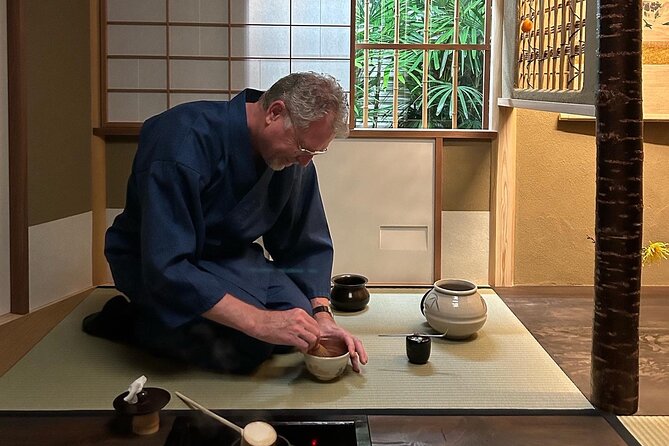
The heart of the session is the demonstration by Aya. She prepares matcha in the traditional manner, using a bamboo whisk, and explains the process as she works. The appeal is not just the finished drink. It is the controlled rhythm of measuring, whisking, presenting, and receiving.
You then prepare matcha yourself. This hands-on part turns the activity from a lecture into practice. Your first bowl may not have the smooth foam or even texture of a master’s bowl, and that is part of the fun. Aya guides you through the movements so the task feels approachable rather than intimidating.
Two bowls of matcha are included. One is prepared for you, and the other is connected to the hands-on portion of the activity. The exact order can depend on how the class unfolds, but you should expect to drink tea and take part in preparing it.
The matcha comes from Uji, the tea-growing area near Kyoto with a long association with high-quality green tea. You get a chance to taste the tea as part of a larger practice rather than treating it as a trendy café drink. That context is valuable, especially if you have only encountered matcha in sweetened lattes.
More Private Tea Experiences in Kyoto
- KYOTO: Private Tea Ceremony in Hidden Townhouse (Kid-Friendly)
★ 5.0 · 20 reviews - Kyoto Private Tea Ceremony at a Japanese Inns
★ 5.0 · 12 reviews - Kyoto Private Tea Ceremony at a Japanese Inns
★ 5.0 · 3 reviews - Kyoto Newly Opened Private Tea Ceremony – Sanjo Chasuian
★ 5.0 · 2 reviews
The tea rooms and objects reward careful attention
The tea rooms, Koma and Hiroma, provide the physical frame for the ceremony. Tatami changes the way you sit and move, and the room’s simplicity directs attention to the objects placed before you.
You may see custom-made bowls from Kiyomizu and Raku potters. These are not disposable props. The bowl is held, turned, examined, and treated with care. Its shape and decoration become part of the conversation between host and participant.
The experience also shows how Japanese craftsmanship enters ordinary ritual. Tea, pottery, sweets, flowers, calligraphy, and architecture are not presented as unrelated museum pieces. They work together for one short meeting.
That level of detail is a strong point, but it also explains why the activity is not designed for noisy groups. The provider specifically describes the experience as best suited to people who appreciate quiet settings, traditional etiquette, and cultural depth. A private group can talk and ask questions, but the room itself calls for restraint.
What the one-hour schedule gives you
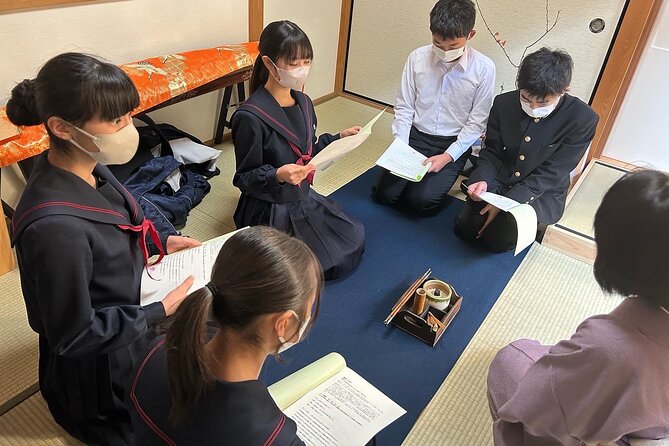
One hour is enough for a demonstration, explanation, tasting, and hands-on matcha preparation. It is also short enough to fit into a busy Kyoto day. You could schedule it before visiting Nijo Castle, or use it as a quieter break between larger sights.
The tradeoff is clear. You get a focused introduction, not a full course in tea ceremony. There is not time to explore every school of tea, study every utensil, or practice until your movements become polished.
For many people, that is the right balance. The ceremony gives you a meaningful first look without asking you to surrender half a day. Several people who attended the session found that the short visit continued to shape how they noticed tea and Japanese customs during the rest of their trip. You can take the booklet home and continue learning after the class.
The experience is private, so only your group participates. That makes the listed price of $99.08 per person easier to assess. It is not the cheapest way to drink matcha in Kyoto, but you are paying for a licensed teacher, a private home, two bowls of Uji matcha, seasonal sweets, personal instruction, and a small group rather than a seat in a crowded demonstration.
Group discounts may be available, which could improve the value for families with older children or friends booking together. The price is best justified when you want instruction and cultural context, not simply a cup of tea.
Practical clothing and etiquette rules
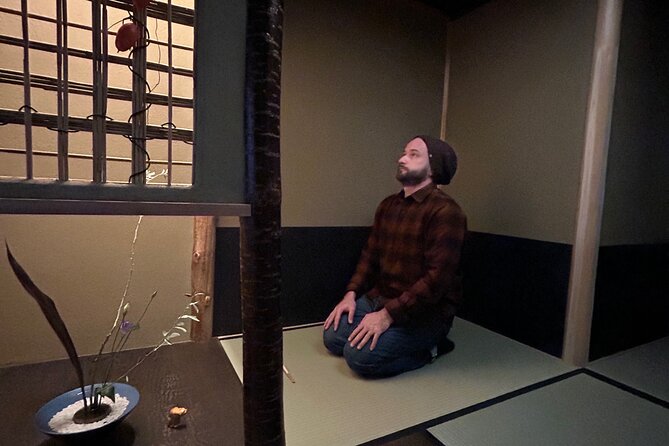
The clothing rules are firm, and you should plan for them before leaving your hotel. Wear socks because bare feet are not allowed on the tatami. If you forget, socks are available to purchase on site, but it is easier to pack a pair.
Choose long trousers or a long skirt and a top with sleeves. Sleeveless tops, shorts, and mini skirts are not permitted. Kimono rental is not part of this experience, so do not book it expecting a costume session.
Avoid perfume, including musk-based scents. Fragrance can interfere with the atmosphere of the tea room, and you may be asked to remove it before entering. This is a small rule, but it reflects the nature of the activity: the room is meant to be experienced through sight, taste, touch, sound, and smell without one strong scent taking over.
The class involves traditional seating. Small chairs are available for people who need them, but you should tell the provider in advance. That simple request can make the hour much more comfortable.
Arrive early enough to find the home and settle in. Arrivals more than 15 minutes after the start cannot participate and do not receive a refund. This is one experience where punctuality is part of the courtesy, not just a scheduling preference.
Who will appreciate this private tea ceremony
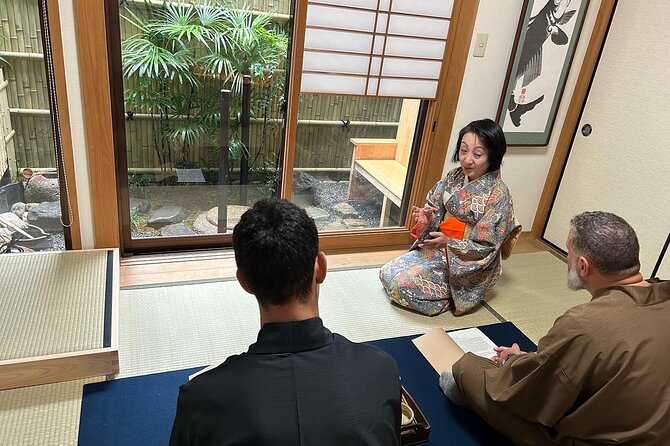
I would recommend this for adults, couples, older teenagers, and families with children over 13 who want an intimate cultural activity. It suits people who enjoy learning why customs exist, not just taking part in a photo opportunity.
It is also a good choice if you want a host who can explain the ceremony in English. Aya’s teaching combines demonstration with hands-on practice, so you are not expected to sit silently for the entire hour.
The activity may not suit children 13 and under, visitors who dislike sitting on tatami, or anyone looking for kimono dressing and a highly visual performance. It is not a full-day cultural workshop, and kimono rental is not included.
The setting is private, but privacy does not mean informality. You still need to follow the clothing, fragrance, and punctuality rules. Those limits are reasonable, but you should know them before paying.
What you take home after the tea
The main souvenir is not a shop purchase. It is the tea ceremony booklet, a concise guide to the spirit and etiquette of tea. It gives you something practical to reread when the details of the session begin to blur.
You also leave with a clearer sense of how tea can be an act of hospitality. The host considers the bowl, sweet, season, movement, and guest as parts of one meeting. That idea can change how you look at an everyday cup of tea after you return home.
Some participants have also purchased a tea cup separately, but that is not included in the activity. Do not assume shopping is part of the scheduled hour.
Booking, cancellation, and final value
The experience is often booked about 48 days ahead, so popular dates may disappear well before a Kyoto visit. Confirmation is provided at booking, and free cancellation is available until 24 hours before the start time. Cancellations or changes made within 24 hours are not refunded or accepted.
At $99.08 per person, this is a considered purchase rather than a casual stop. I think the value is good if you care about private instruction, seasonal sweets, traditional pottery, and a genuine home setting. The value is weaker if your only goal is to taste matcha or wear Japanese clothing.
Should you book it?
Book this Kyoto tea ceremony if you want a quiet, personal introduction led by Aya Ito, with real participation instead of a quick demonstration. The Uji matcha, three seasonal wagashi, private tea rooms, and booklet make the hour feel substantial.
Skip it if you need a flexible arrival time, cannot follow the clothing rules, are traveling with a child aged 13 or under, or mainly want a kimono photo session. For everyone else, this is a thoughtful way to place one of Kyoto’s most refined traditions inside a manageable one-hour visit near Nijo Castle.
FAQ
Where does the tea ceremony take place?
It takes place at Sakura Experience Japanese Culture Nijo Home, located at 660 Izumicho, Nakagyo Ward, Kyoto, 604-0015, Japan. The home is near Nijo Castle and public transportation.
How long does the experience last?
The tea ceremony lasts approximately one hour and ends back at the meeting point.
Who leads the tea ceremony?
The session is led by tea master Aya Ito, a licensed instructor who explains the ceremony and guides the matcha preparation.
Is the activity private?
Yes. Only your group participates in this private activity.
How many bowls of matcha are included?
Two bowls of matcha are included. The tea is made with an original blended matcha sourced from Uji.
Are the Japanese sweets suitable for vegan and gluten-free diets?
The three seasonal wagashi are described as vegan and gluten-free. The experience details do not list every possible allergen, so you should contact the provider about any serious allergy.
Is kimono rental included?
No. Kimono rental is not included.
What should I wear?
Wear socks, long trousers or a long skirt, and a top with sleeves. Shorts, mini skirts, sleeveless tops, and bare feet are not permitted. Avoid perfume and other strong fragrance.
Can children join the experience?
Children aged 13 and under are not permitted to participate. If you arrive with a child in that age group without prior notice, you cannot attend and no refund is provided.
More Tea Ceremonies in Kyoto
- Kyoto: Tea Ceremony in a Traditional Tea House in Kiyomizu
★ 4.9 · 3,519 reviews - Kyoto: Tea Ceremony Ju-An at Jotokuji Temple
★ 4.9 · 3,207 reviews - Kyoto: 45-Minute Tea Ceremony Lesson Experience
★ 4.3 · 2,378 reviews - Kyoto: Table-Style Tea Ceremony at a Kyo-Machiya
★ 4.9 · 1,211 reviews
Newly steeped around Kyoto
- Whisk Your Own Matcha: A Zen Matcha Experience at Temple★ 3.6 · 7 reviews
- Uji Walking Tour – Byodo-in temple and Tea Ceremony from Kyoto★ 3.5 · 3 reviews
- Kyoto: Authentic Tea Ceremony in a Small Group★ 5.0 · 7 reviews
- Tea ceremony at Kyoto’s Zen Temple Teahouse★ 5.0 · 2 reviews
- Tea Ceremony Experience in Traditional Kyoto Townhouse★ 5.0 · 19 reviews
- Tea Ceremony in 150 Years Old Townhouse with Tables and Chairs★ 5.0 · 22 reviews
- Sencha-do the Japanese Tea Ceremony Workshop in Kyoto★ 5.0 · 21 reviews
- Silent Beauty of Kyoto Zen Walk and Tea Experience★ 5.0 · 2 reviews
Private Tea Experiences, compared.
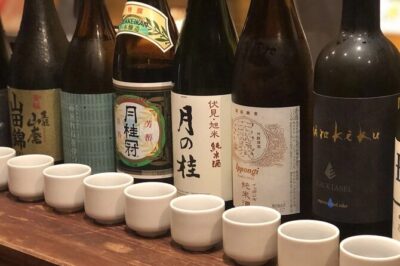
Private Tea Ceremony and Sake Tasting in Kyoto Samurai House
Read our review →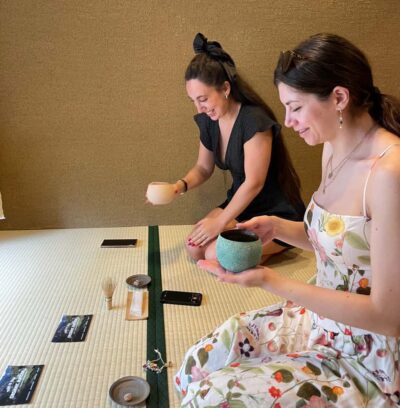
Tea Ceremony Experience in a Private Tea Room in Shibuya
Read our review →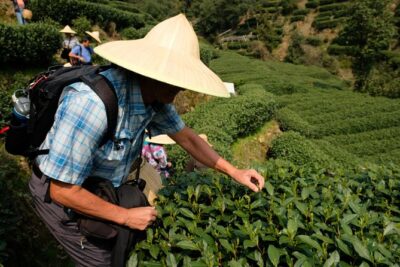
One-Day Hangzhou Dragon Well Tea Culture & West Lake Private Tour
Read our review →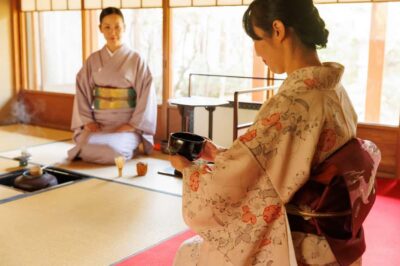
Osaka: Private Tea Ceremony and Calligraphy Experience
Read our review →
Private Tour: Royal High Tea At Kensington Palace Gardens
Read our review →
Stunning Private Tea Ceremony: Camellia Garden Teahouse
Read our review →
Private tour from Auckland – Waitomo Glowworm Caves, Zealong Tea & Kiwi Bird
Read our review →Browse the lists this tea experience appears in